
A single worn leg bone, overlooked for years, has turned out to belong to a new species of bird. It came from Liang Bua, the Flores cave best known for the small-bodied human relative Homo floresiensis. This story follows the bone from the cave to the bird, its living cousin and the island animals that surrounded it.
Read next on Morning Overview: Student pilots are stuck with nearly 60-year-old T-38 jets that work only half the time
Liang Bua cave: Where the Bone Surfaced
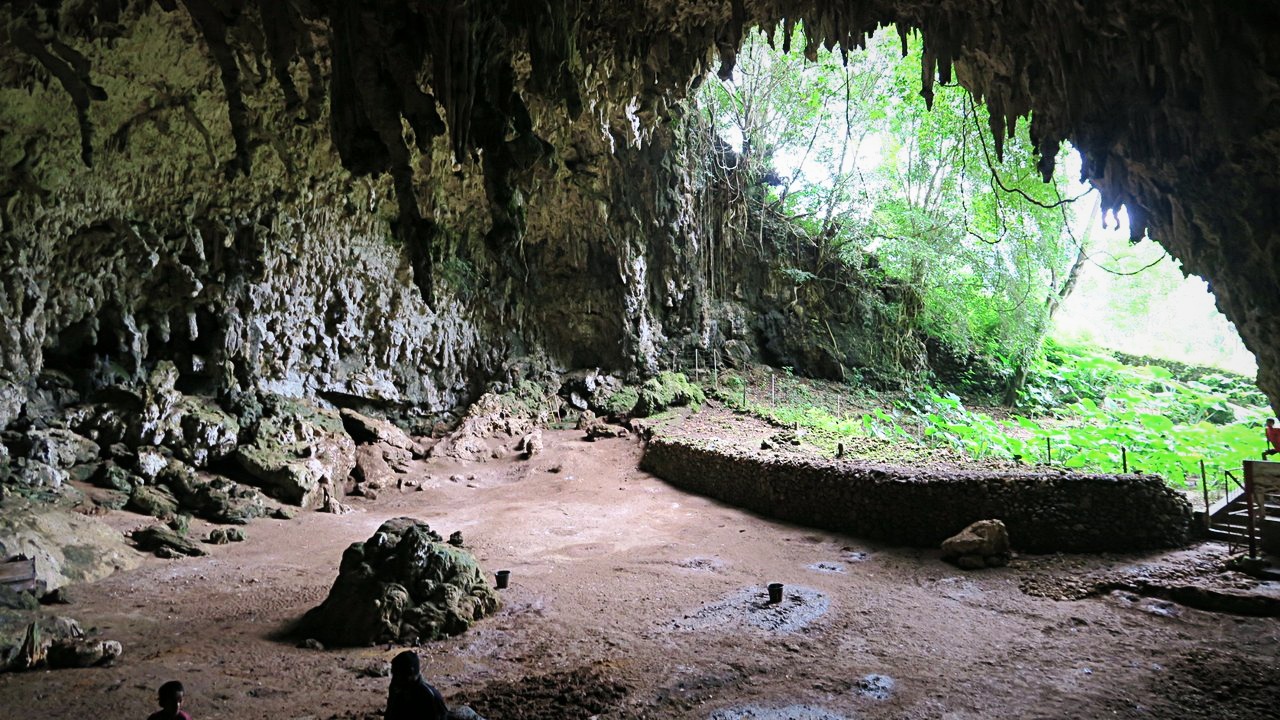
Liang Bua is a limestone cave on the Indonesian island of Flores, and in 2009 excavators there recovered a fragment of leg bone. Years later, researchers described it as Megapodius rokusi, a newly described megapode, in the journal Alcheringa, published online on October 22, 2026.
The cave is the same one that holds the remains of Homo floresiensis, the small-bodied human relative announced after a partial skeleton turned up in 2003. The bone came from sediments dated to roughly 190,000 to 120,000 years ago, one of the deepest layers, in a period for which almost no bird data existed.
Orange-footed scrubfowl: The Living Cousin
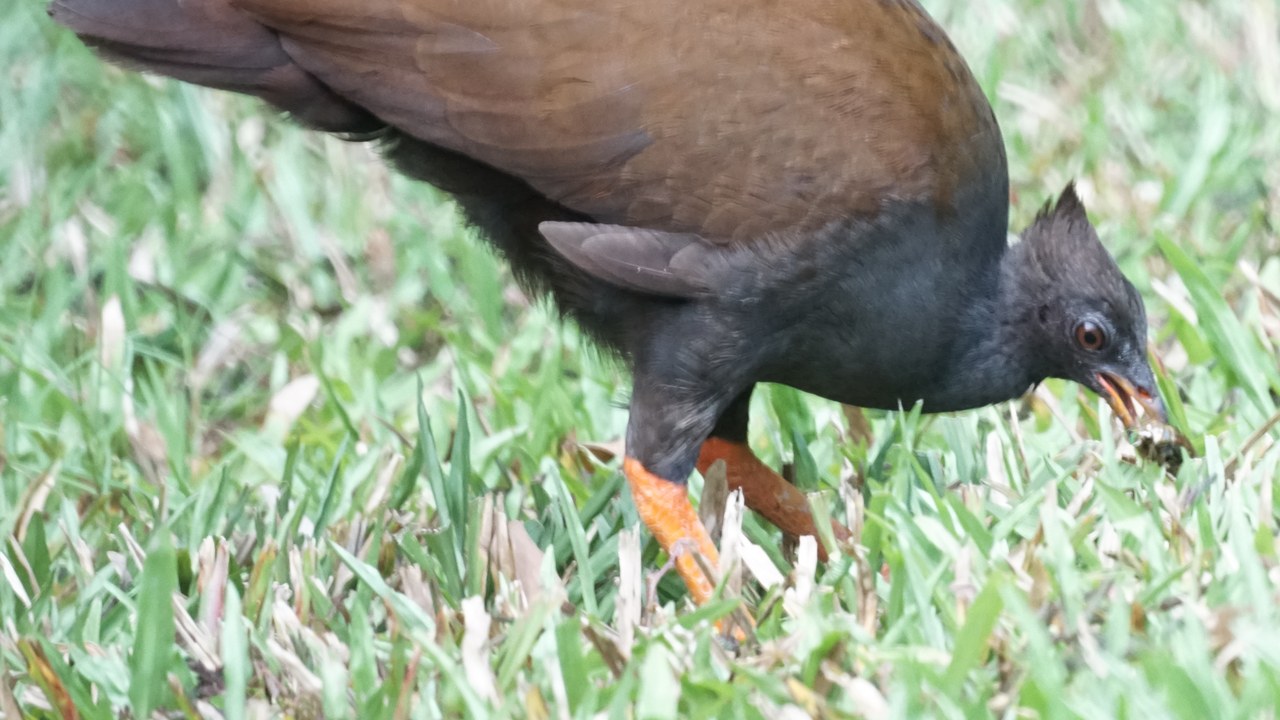
The only megapode living on Flores today is the orange-footed megapode, Megapodius reinwardt, which weighs between 0.5 and 1.2 kg. Megapodes are ground-dwelling relatives of the chicken, medium-sized to large birds with big legs and feet with sharp claws.
The fossil species, by contrast, is estimated at about 3.9 kg, making it the largest Megapodius ever found and several times heavier than its living cousin. The bone is larger than the same bone in any known living or extinct species of the genus.
Flores: An Island Cave
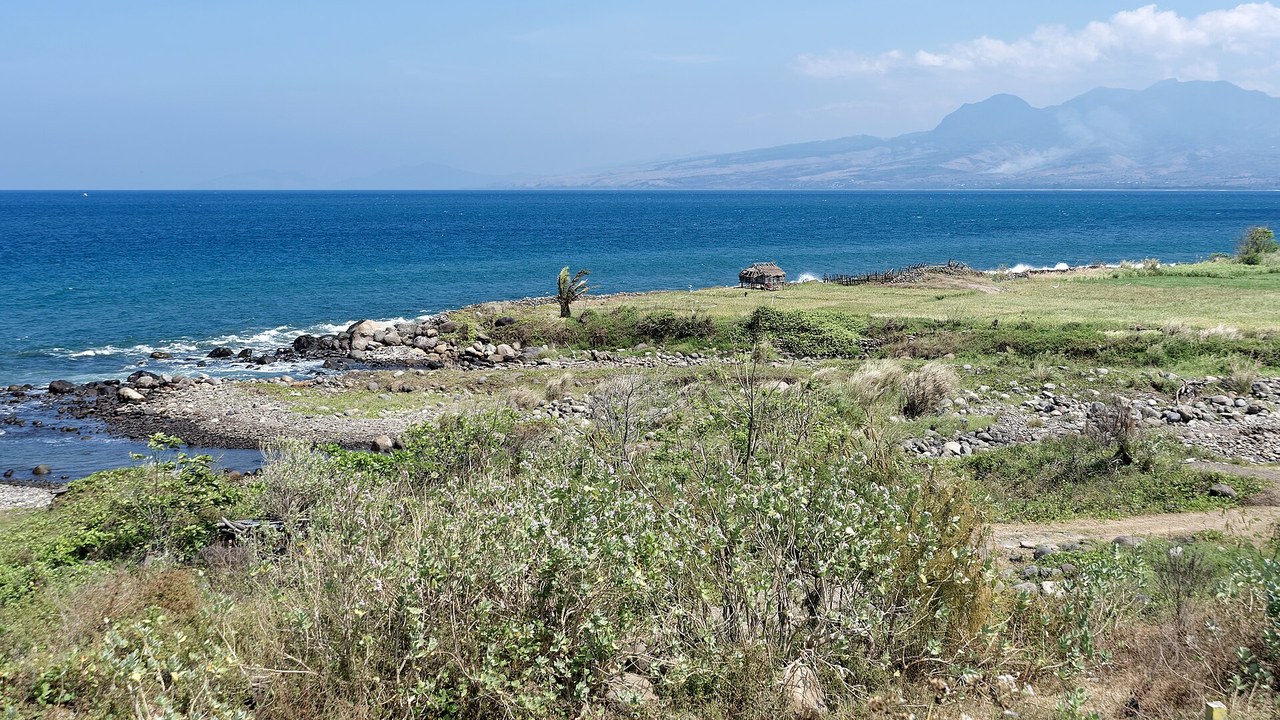
Liang Bua lies on Flores, slightly north of the town of Ruteng in Manggarai Regency, East Nusa Tenggara, Indonesia. The limestone cave on Flores drew archaeological attention in the 1950s and 1960s through the Dutch missionary and archaeologist Theodor Verhoeven.
The megapode is the first fossil of its group described from Wallacea, the island region between mainland Asia and Australia. Megapodes are almost entirely limited to the area east of Wallace’s line and do not occur in mainland Southeast Asia.
Stegodon: A Dwarf Elephant Relative
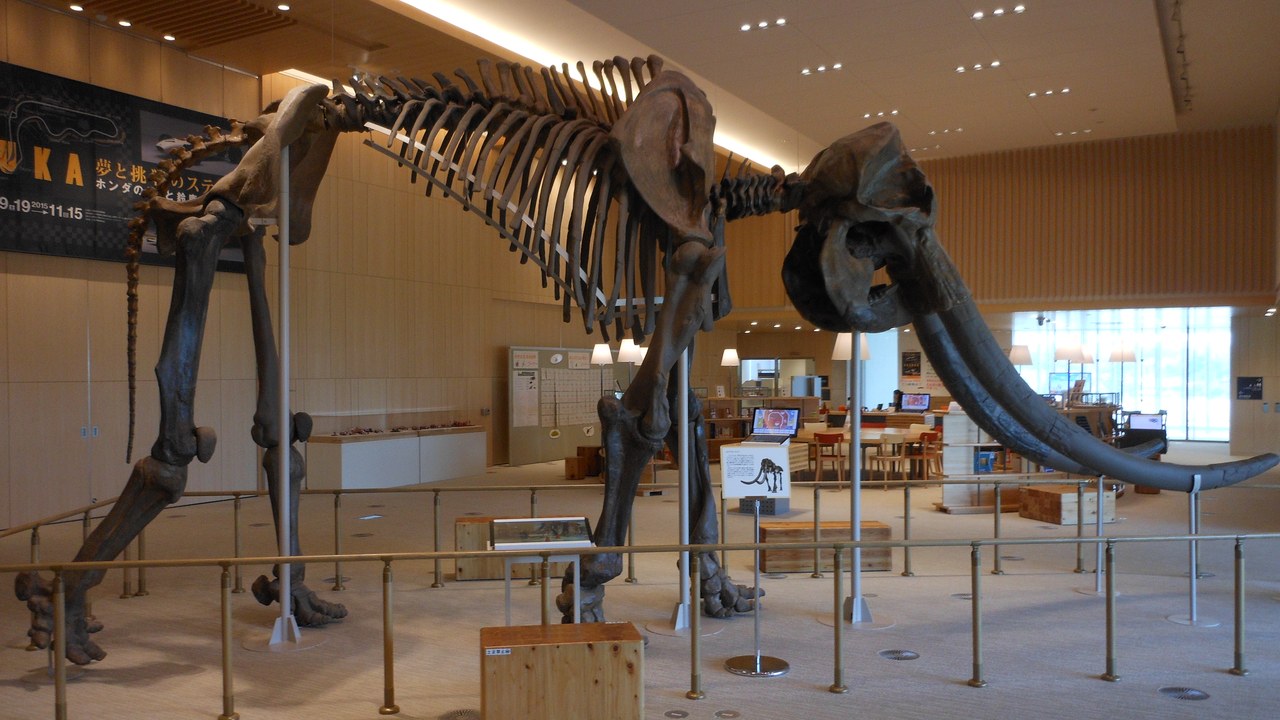
Among the animals recorded from Liang Bua is Stegodon florensis insularis, an extinct dwarfed proboscidean of the stegodontid family. In the sediments above a hiatus that begins around 46,000 years ago, Stegodon, the giant stork and the vulture no longer occur, and Homo floresiensis is absent as well.
Bone deposition resumes around 23,000 years ago, with clear evidence of modern human activity. The megapode researchers suggested the bird may have vanished around the same time as these animals, although it may have disappeared much earlier.
Komodo dragon: The Predator Next Door
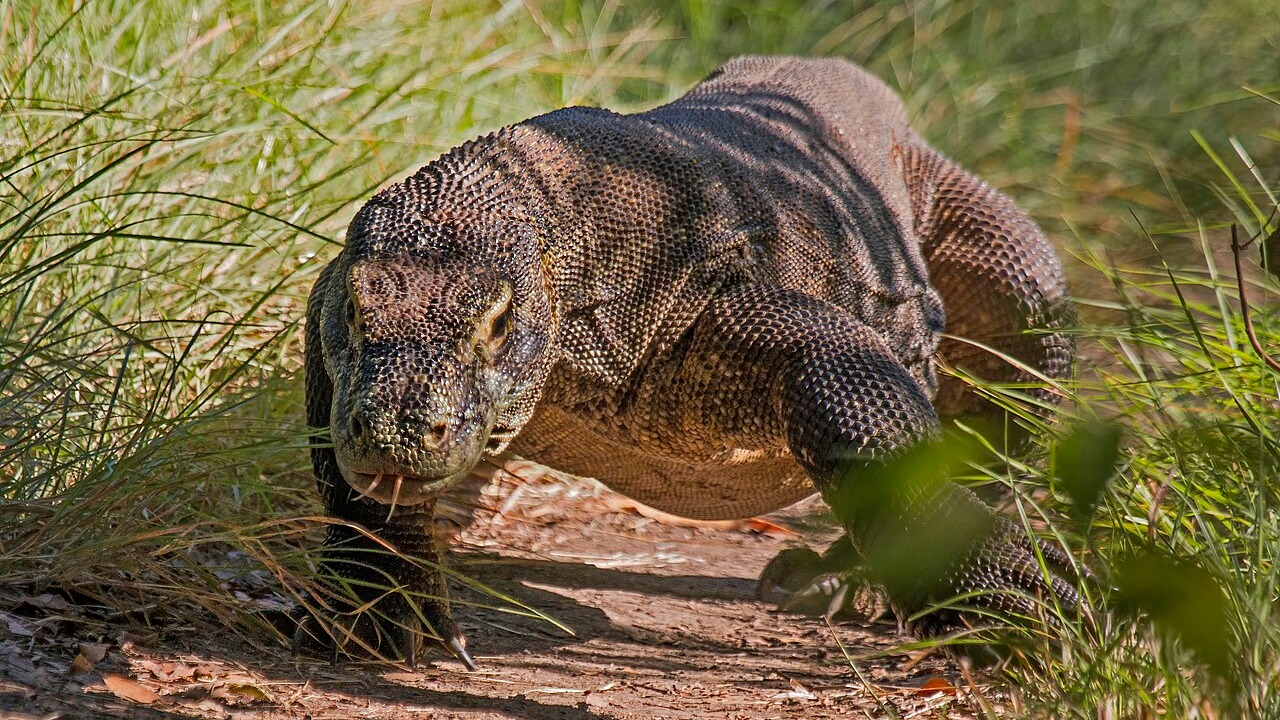
Large komodo dragons shared Flores with the cave’s small-bodied humans, and Varanus komodoensis appears on the list of animals recorded from Liang Bua. Homo floresiensis is described as hunting small elephants and rodents while dealing with many predators.
The same list records an extinct frugivorous monitor lizard, Varanus hooijeri, and several rats. Megapode eggs, with a yolk making up about 50 to 60 percent of egg weight, are considered very nutritious, and the study authors suggested they would have been an accessible food source for Homo floresiensis.
Marabou stork: Another Giant
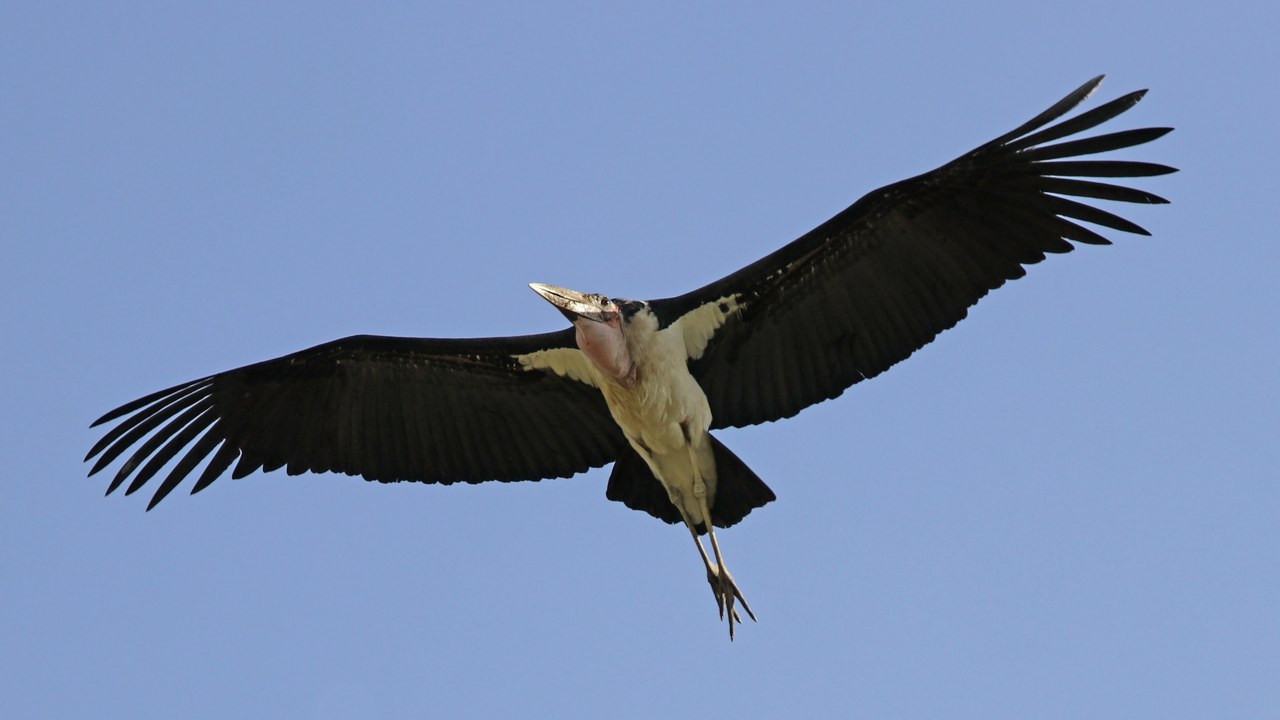
Another giant from the cave is Leptoptilos robustus, an extinct giant stork on the Liang Bua fauna list. It was described in 2010 as a new species of giant marabou stork from the Pleistocene of Liang Bua.
The megapode study reported that the bird may have vanished around the same time as Liang Bua’s other extinct animals, including the giant stork, the dwarf Stegodon, Homo floresiensis and vultures. Alternatively, it may have disappeared much earlier, and without more fossils its extinction remains murky.
Megapode incubation mound: Eggs Left Behind
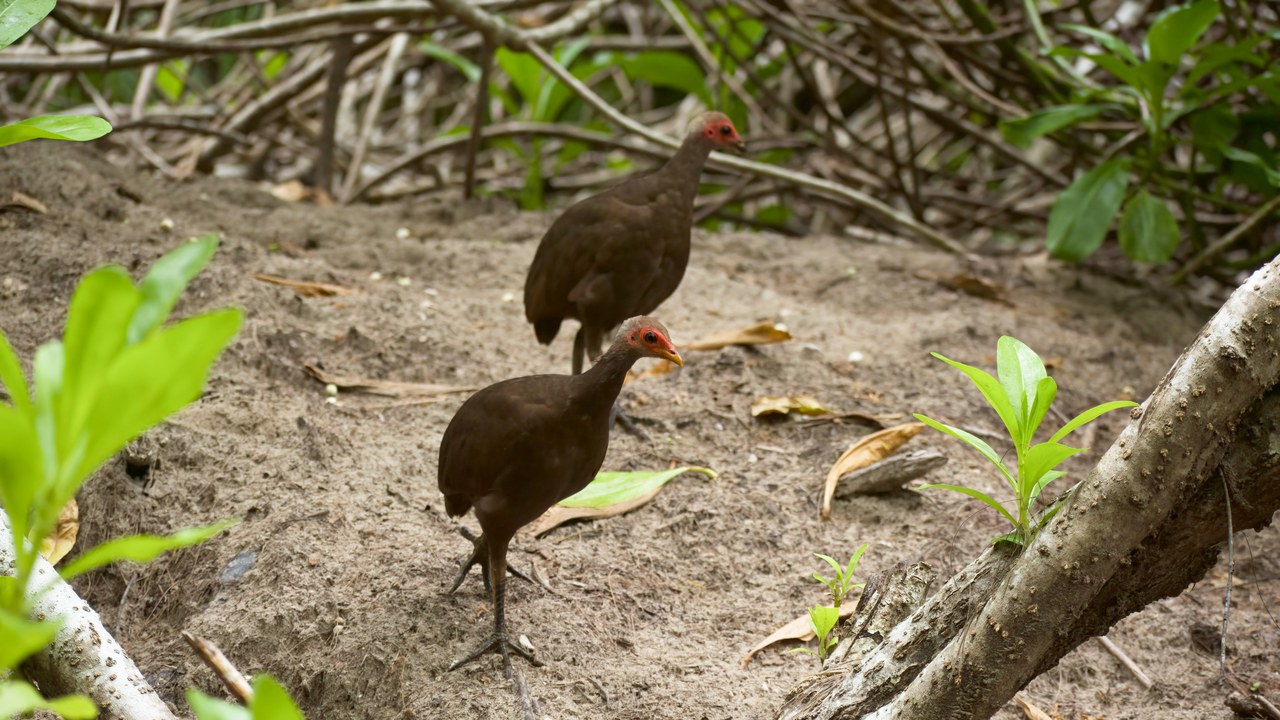
Megapodes do not sit on their nests. As curator Hanneke Meijer of the University Museum of Bergen put it, they lay their eggs in large mounds or burrows and then leave them there.
Sci.News adds that megapodes incubate eggs by burying them, using environmental heat rather than body heat, and that the mounds and communal burrowing grounds leave eggs and chicks highly susceptible to predation. No shoulder or wing bones of the fossil species were recovered, so researchers cannot tell whether the bird could fly.
Liang Bua excavation: One Bone, One Species
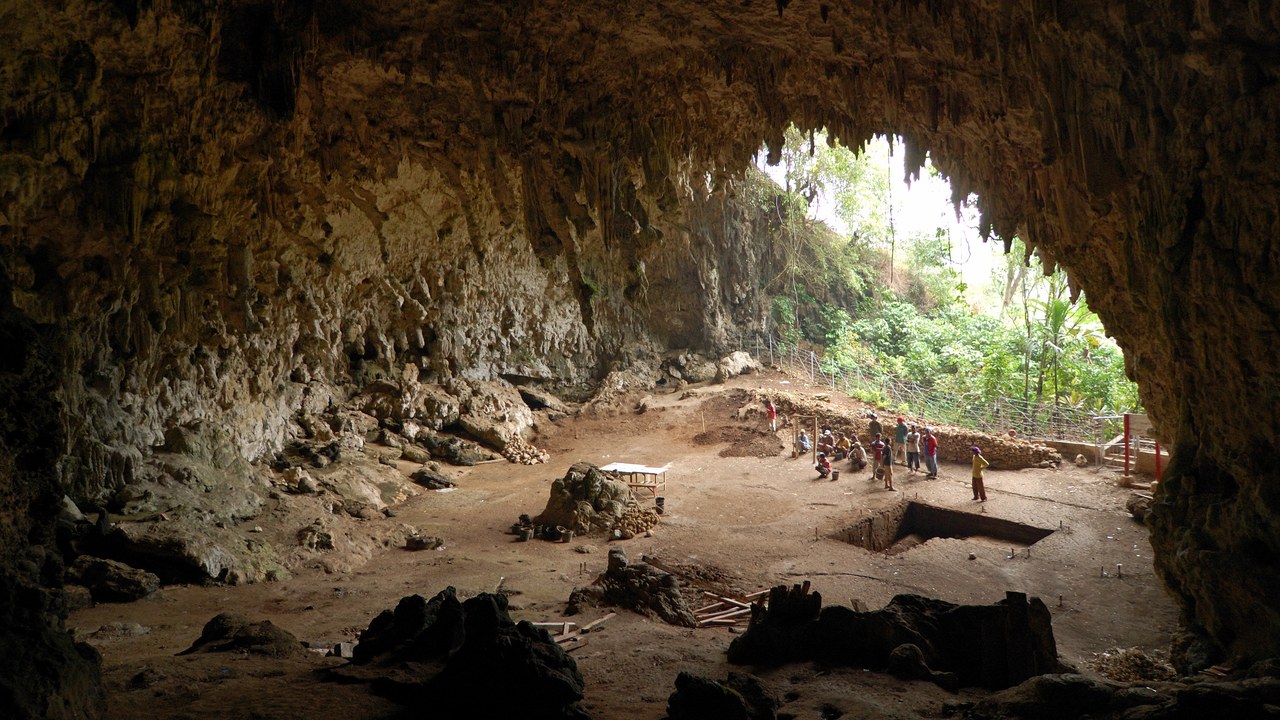
Excavation at Liang Bua in 2009 turned up the lower half of a right tarsometatarsus, the single leg bone on which the whole species rests. Researchers set it aside as a bird bone, and it sat unstudied for years until a team compared it with living and extinct megapodes.
Its toe joints differ in shape and position from those of other megapodes, and its leg shape and size suggest a large bird. The species honors Rokus Due Awe, the Indonesian zooarchaeologist who first recognized the bones of Homo floresiensis and later identified the fossil as a bird bone. Meijer expects more bird fossils to turn up, since they have long been overlooked in favor of mammal bones.
More from Morning Overview
- Hackers broke into Japan’s Fugaku supercomputer and stole the SSH keys of its users
- Windows 11 is now installing its 26H2 update on home PCs by itself
- Arizona declared a statewide emergency after storms and floods battered homes and roads
- Tesla’s Cybercab is finally for sale to select buyers, but it only drives with a $299 monthly plan
