
Space rocks have struck Earth throughout its history, and some of the impacts left bowls, rings and lakes that are still visible today. The scars on this list range from a crater in Arizona about 50,000 years old to a structure in South Africa dated at 2,023 million years. Here are twelve craters where space rocks hit Earth and left a scar.
Read next on Morning Overview: Jeep’s new Recon sold just 19 units in 45 days, the fewest of any model on CarEdge’s worst-sellers list
1. Meteor Crater (Barringer), Arizona: The Iron Impactor
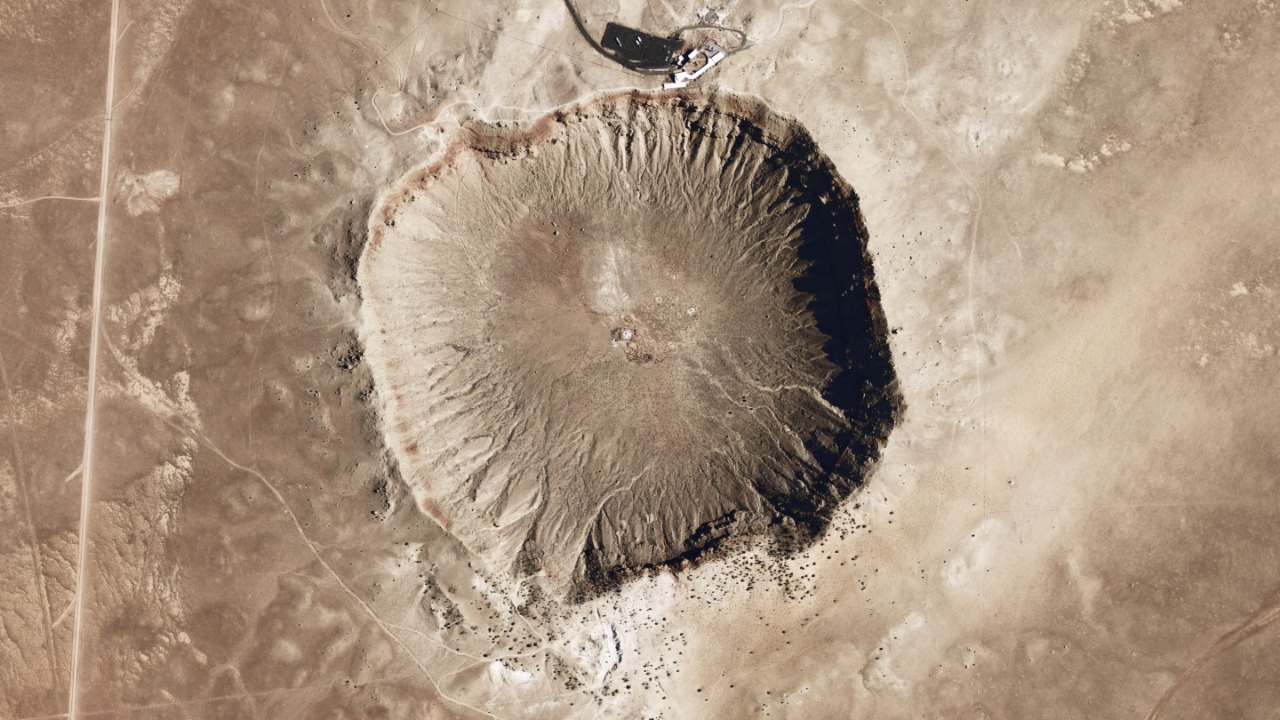
Meteor Crater, also called Barringer Crater, formed about 50,000 years ago when an iron meteor between 98 and 164 feet wide struck the Colorado Plateau in northern Arizona, according to Space.com’s roundup of impact craters. The bowl measures about 0.8 miles across and 570 feet deep.
The 300,000-ton meteor was traveling at up to 26,000 miles per hour, and the impact excavated an estimated 175 million tons of rock. Mining engineer Daniel Barringer was convinced the crater was a meteor strike, a view that many scientists of his day did not share, and he spent several years investigating it.
2. Lonar Crater, India: The Basalt Bowl
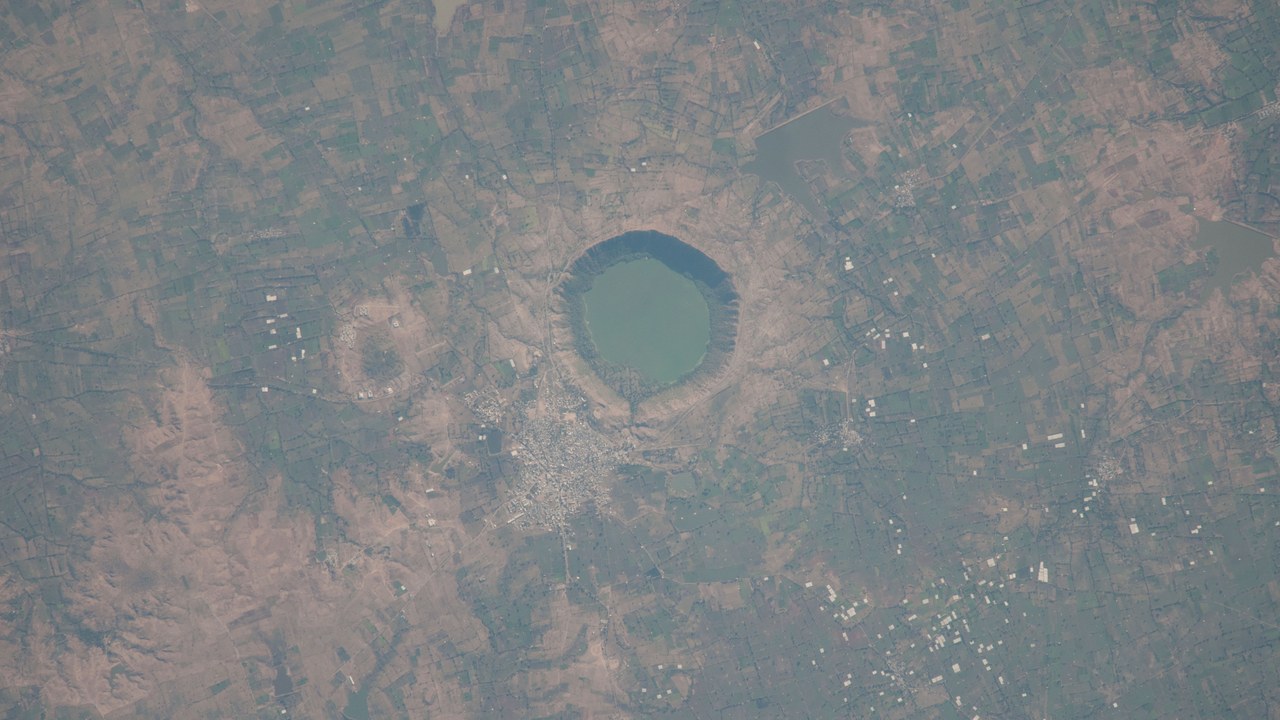
Lonar Crater in Maharashtra, India, is the only known impact crater to have formed in basalt, according to Space.com’s crater feature, which cites the British Library. About 6,000 feet across and 500 feet deep, it formed between 35,000 and 50,000 years ago and was originally thought to be volcanic.
The crater holds a saline, alkaline lake that surprised scientists in June 2020 by turning rosy pink, most likely because of salt-loving microorganisms called haloarchaea. The color had faded back by July 2020. Temples built around the 12th century stand along the rim, and the site features in Hindu mythology.
3. Wolfe Creek Crater, Australia: The Outback Bowl
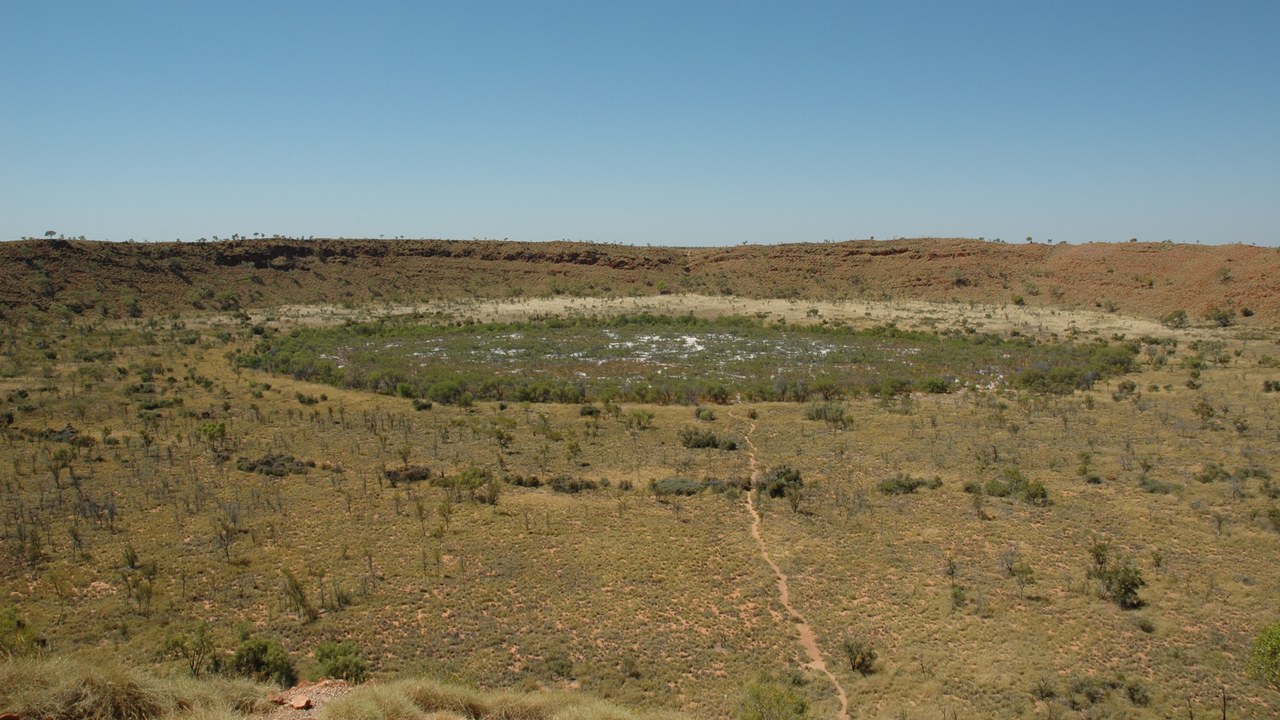
Wolfe Creek Crater lies in a national park in northern Western Australia on the edge of the Great Sandy Desert, and Space.com’s list of craters puts its width at 2,890 feet. Europeans did not notice it until 1947, when it was seen during an aerial survey, although Aboriginal people had long known it as Janyil.
The Australian Parks and Wildlife Service, as quoted by Space.com, calls it the second-largest crater in the world from which meteorite fragments have been collected. A 2019 University of Wollongong study of radiation exposure in the rocks put its age at about 120,000 years, far younger than earlier estimates.
4. Gosses Bluff (Tnorala), Australia: The Ring of Hills
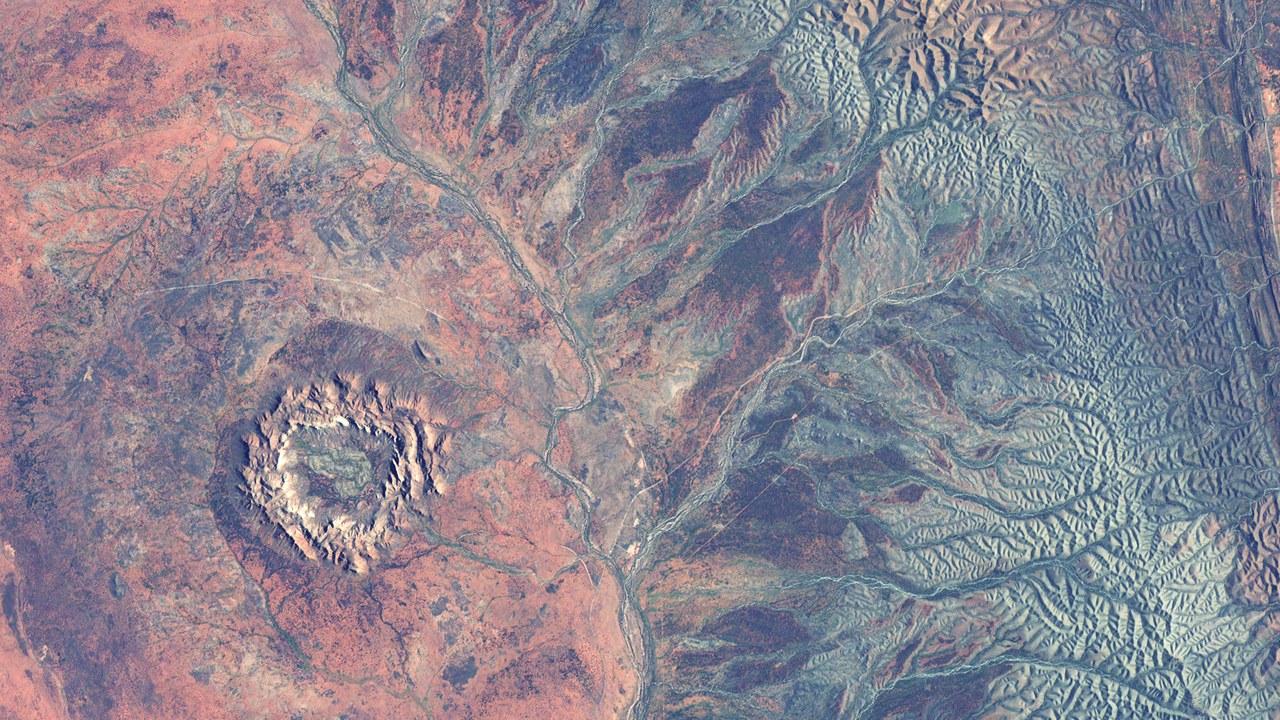
Gosses Bluff, also known as Tnorala, is a registered sacred site in Australia’s Northern Territory, and Space.com’s crater guide dates the impact to 142 million years ago. Erosion has worn a crater originally about 13.6 miles across down to a central ring of hills almost 3 miles in diameter.
A meteor traveling at up to 25 miles per second is believed to have caused it, according to NASA Earth Observatory as cited by Space.com. The Western Arrernte people welcome visitors to the Tnorala reserve but ask them to respect the area, and walking on the crater rim is forbidden.
5. Pingualuit Crater, Canada: The Perfect Circle
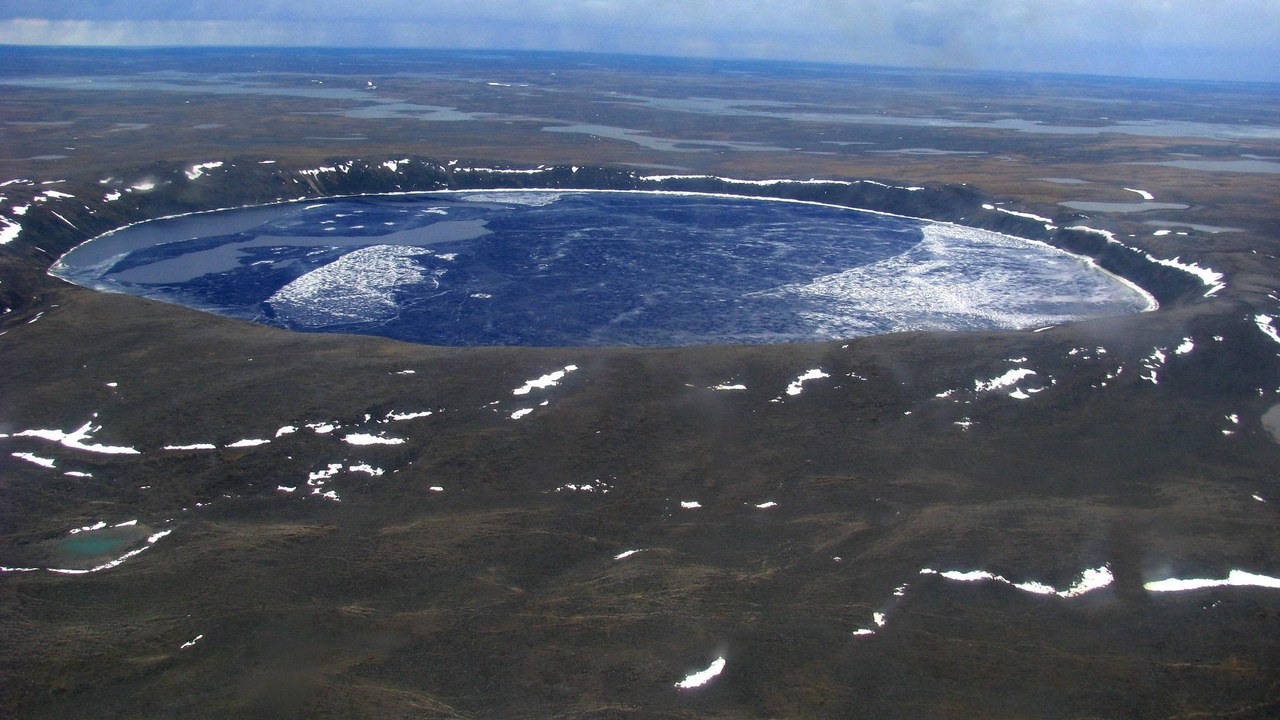
Pingualuit Crater is an almost perfectly circular lake on the Ungava Peninsula in Quebec, formed when a meteorite struck almost 1.4 million years ago, according to Atlas Obscura’s crater feature. The lake has no inlets or outlets, so precipitation is its only source of water.
Water can leave only by evaporation, and Atlas Obscura says the result is one of the clearest lakes in the world, said to be the purest freshwater lake on Earth. The article compares it with Lacul Sfanta Ana in Romania, a crater lake that is likewise supplied exclusively by rainwater and precipitation.
6. Kaali crater field, Estonia: Nine Craters, One Island
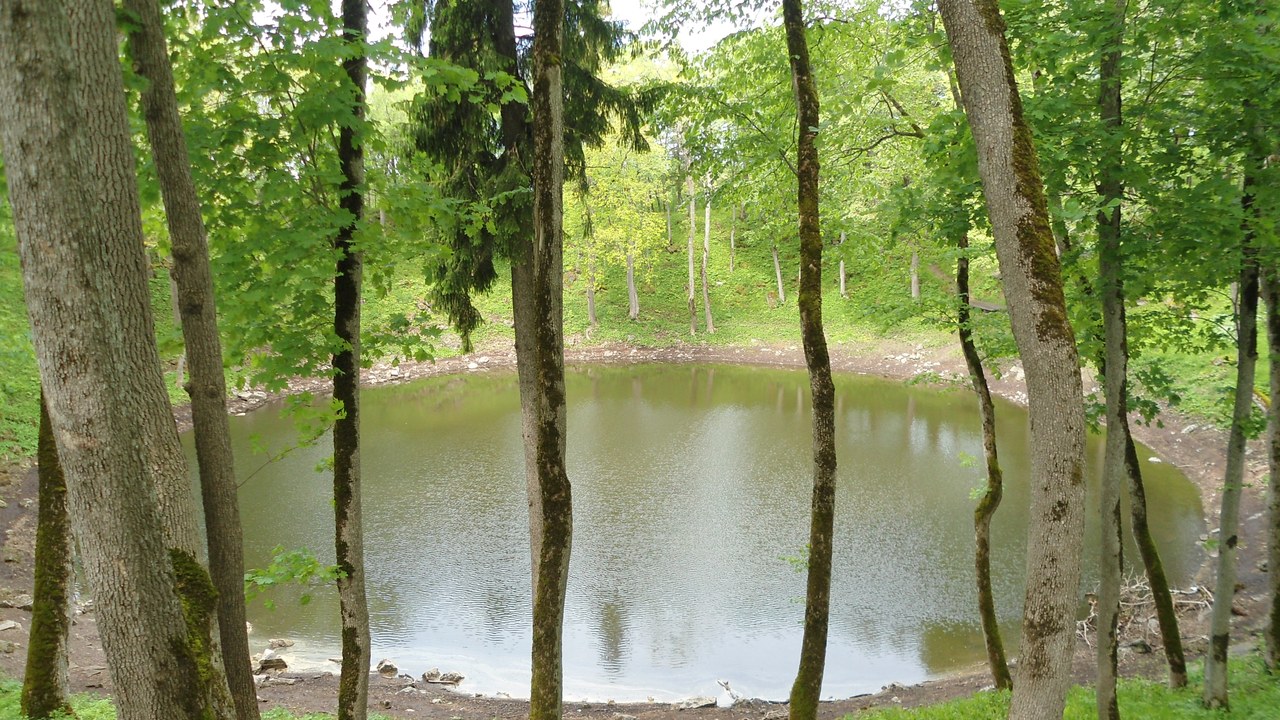
About 7,500 years ago a huge rock from space struck Saaremaa, an Estonian island, leaving nine craters in total, according to Atlas Obscura’s article on meteorite craters. It was the last giant meteorite impact to occur in a densely populated region.
The largest, Kaali crater, is a gently sloping bowl filled with stagnant, murky water. It is believed to have been a sacred site for many centuries, and archaeologists think it may have served as a stronghold for an ancient cult settlement, pointing to an unusually large quantity of animal bones found around its borders.
7. Ries crater, Nordlingen, Germany: A Town in the Bowl
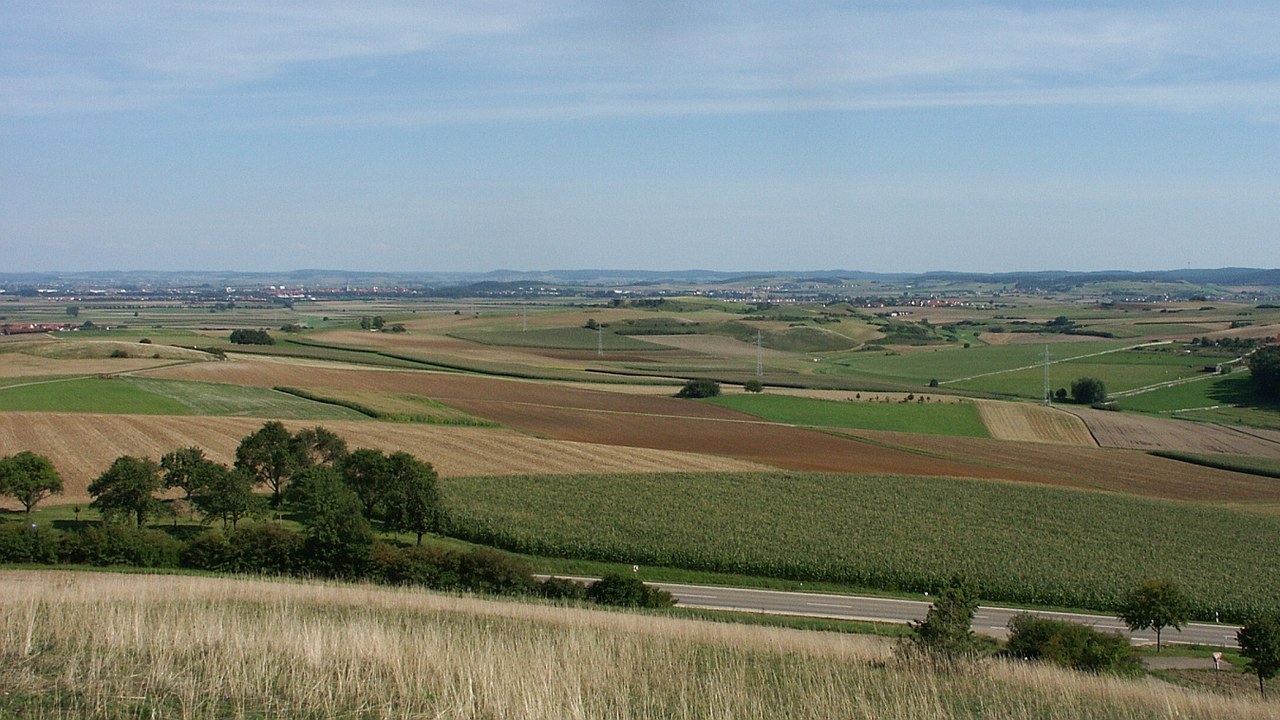
The Bavarian town of Nordlingen sits neatly in the middle of a crater caused by a giant meteor, according to Atlas Obscura’s feature. The article describes a bowl-shaped depression about 100 to 150 meters deep that forms a distinctive valley for the town, which it calls nearly 15 million years in the making.
Residents have embraced their cosmic past by incorporating parts of the meteor into the structures of the town, and the church is even encrusted with meteorites. According to the same article, the town has been populated in a modern sense for only about the last 1,200 years.
8. Haughton crater, Canada: Mars on Earth
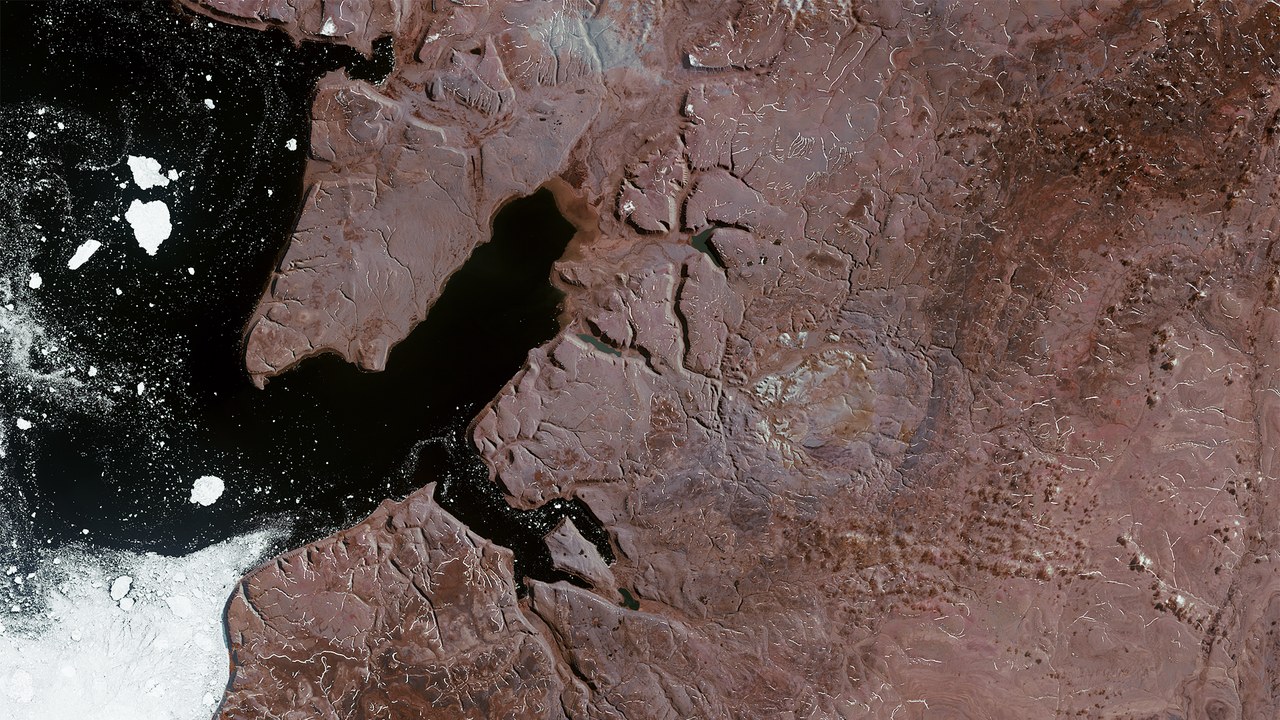
Roughly 23 million years ago a large rock hit what is now northern Canada, creating Haughton Crater, one of the world’s northernmost impact craters, according to Atlas Obscura’s crater list, which calls it the closest thing to Mars on Earth.
The crater lies in a polar desert environment called a frost rubble zone and is the only known impact crater in such a setting, which makes its freezing, desert-like landscape the closest approximation of Mars found on Earth. That has made it an excellent practice ground and research site for what may one day be the first human voyage to the planet.
9. Upheaval Dome, Utah: A Tangle of Folded Rock
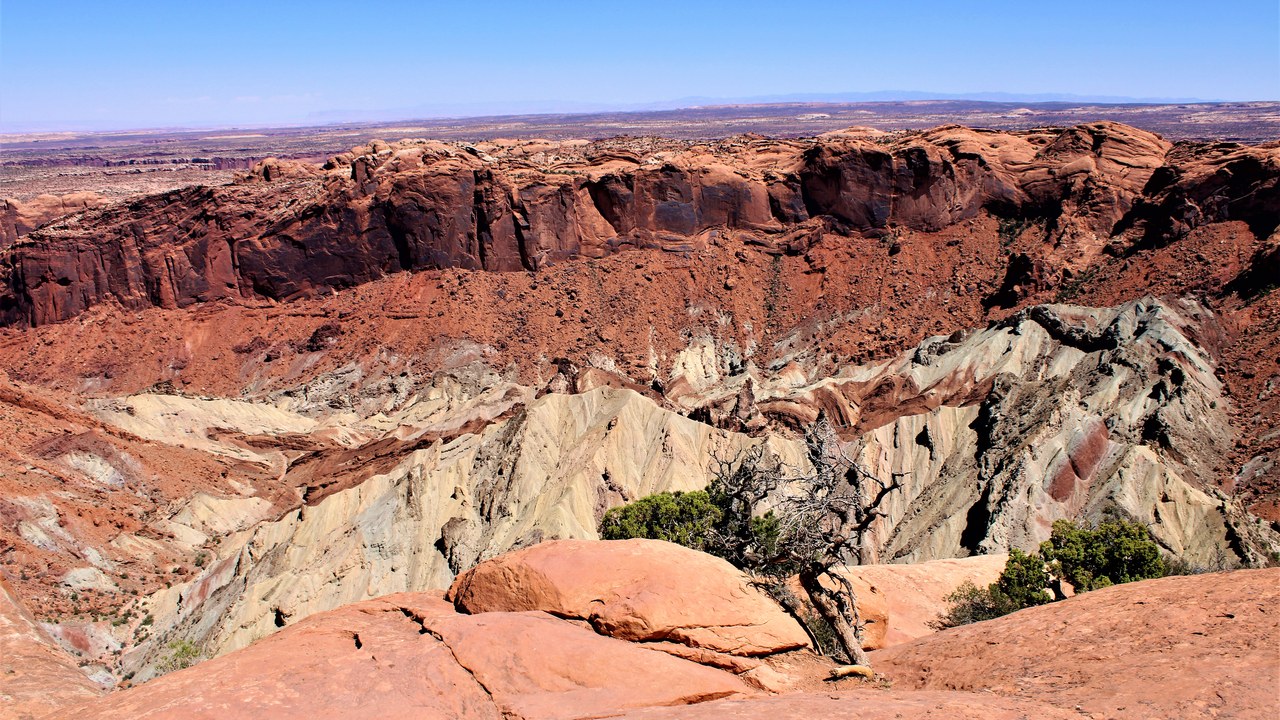
At Canyonlands National Park in Utah, rock layers across an area about three miles wide are dramatically deformed, with the center pushed up into a dome, according to the National Park Service. Some geologists estimate that roughly 60 million years ago a meteorite about one-third of a mile across hit the spot.
The park service says geologists do not know for sure what caused the folds and describes two hotly debated theories, one involving a rising bubble of salt. Recent research supports the meteorite hypothesis, but questions remain, and erosion has washed away any meteorite debris, exposing rock layers once buried thousands of feet underground.
10. Vredefort Dome, South Africa: The Oldest Scar
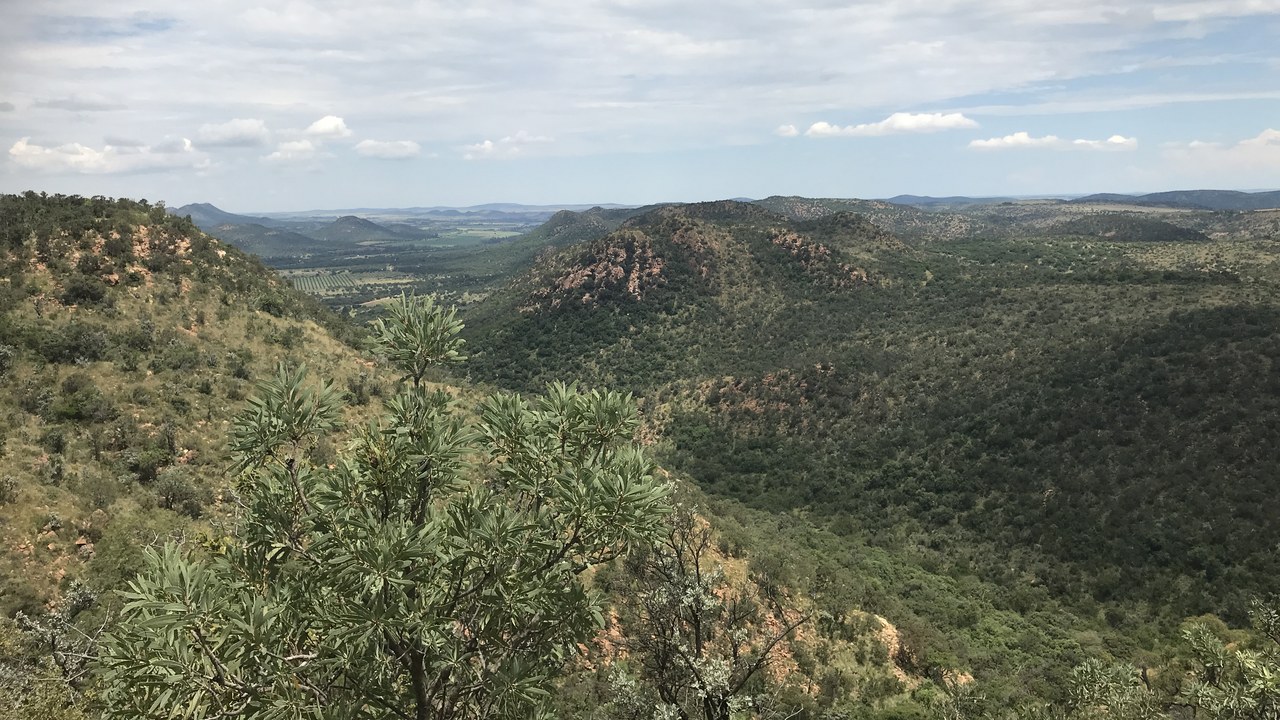
UNESCO describes Vredefort Dome in South Africa as part of a larger meteorite impact structure that dates back 2,023 million years, making it the oldest astrobleme yet found on Earth, according to UNESCO’s World Heritage listing. With a radius of 190 km, it is also the largest and the most deeply eroded.
UNESCO says the site bears witness to the world’s greatest known single energy release event, which had devastating global effects including, according to some scientists, major evolutionary changes. It adds that Vredefort is the only example to provide a full geological profile of an astrobleme below the crater floor.
11. Manicouagan, Quebec: The Ring Lake
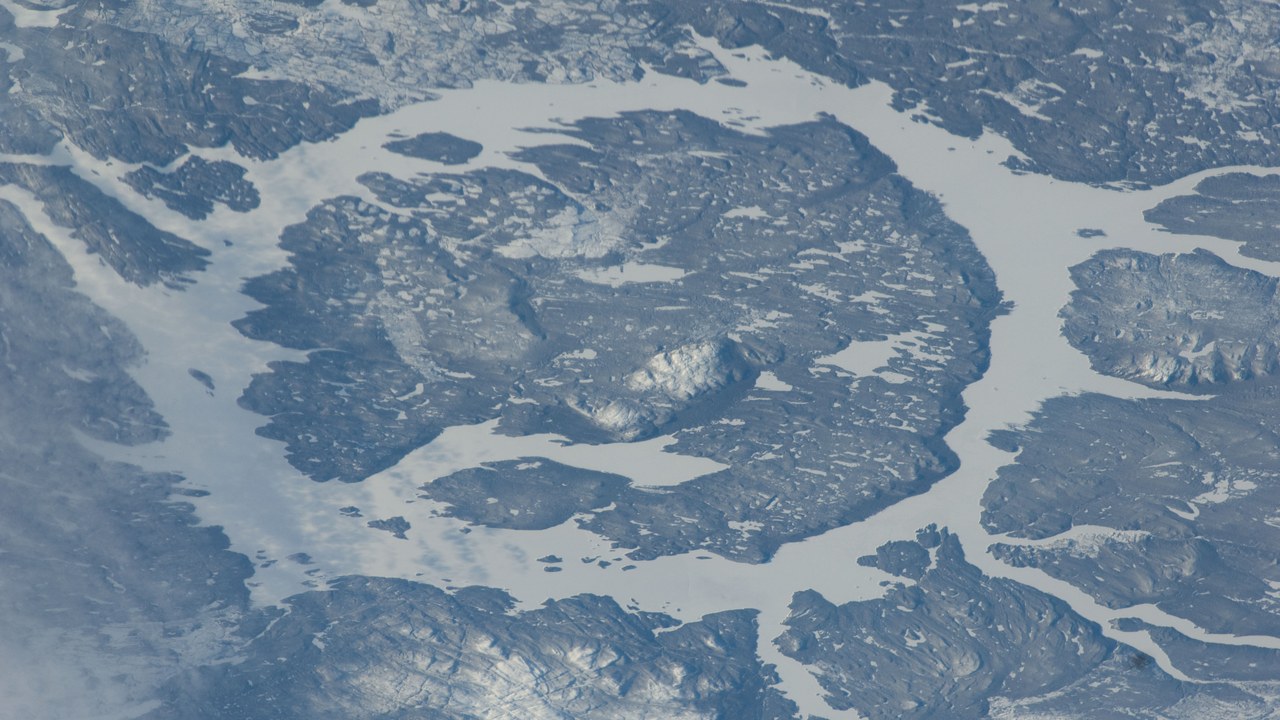
Manicouagan in Quebec was created about 212 million years ago and is now an ice-covered lake about 70 km across, according to Universe Today’s list of craters. The article ranks it as the fifth largest known impact crater and notes that its picture was taken by space shuttle astronauts.
The image shows an outer ring of rock that, seen up close, reveals clear signs of having been melted and altered by a violent collision. The original rim, now eroded away, is thought to have had a diameter of about 100 km, well beyond the roughly 70 km width of the lake today.
12. Lake Bosumtwi, Ghana: A Lake in Bedrock
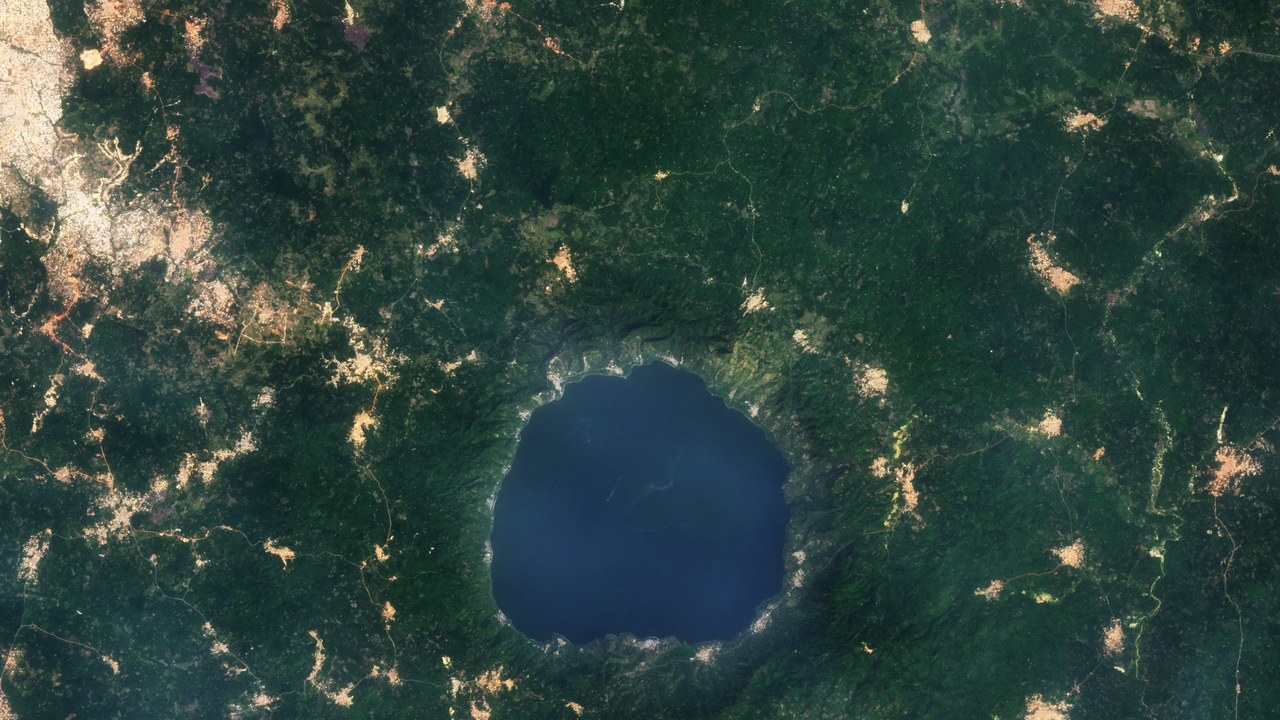
Lake Bosumtwi in Ghana fills a crater about 10.5 km in diameter and about 1.3 million years old, according to Universe Today’s crater tour, which lists it as the last stop on its tour of ten impressive impact craters.
The crater is filled almost entirely by water, which creates the lake, and the lakebed is made of crystalline bedrock. Universe Today places the structure in Ghana, in Africa, and says its list draws on Wikipedia’s material on impact craters.
More from Morning Overview
- Tesla’s Cybercab has already crashed 8 times, and the worst one came at highway speed
- A Cirrus SR22 declared an emergency a minute after departure clearance, its parachute still bagged
- Lockheed says its Valkyrie laser shot down a cruise missile stand-in with no tracking aids
- A hunting-trip Piper spiraled down from the sky before a deadly crash in Iowa
