
Wheels sink and spin the moment snow turns soft or ice opens into a crevasse, so polar expeditions have always needed machines built specifically for that terrain. Engineers from Sweden to the Soviet Union answered with tracked cabins, articulated carriers and oversized tires meant to float across drifts rather than dig into them. Here are ten machines that carried explorers, scientists and supplies across the coldest places on Earth.
1. Tucker Sno-Cat: Four Tracks, No Compromise
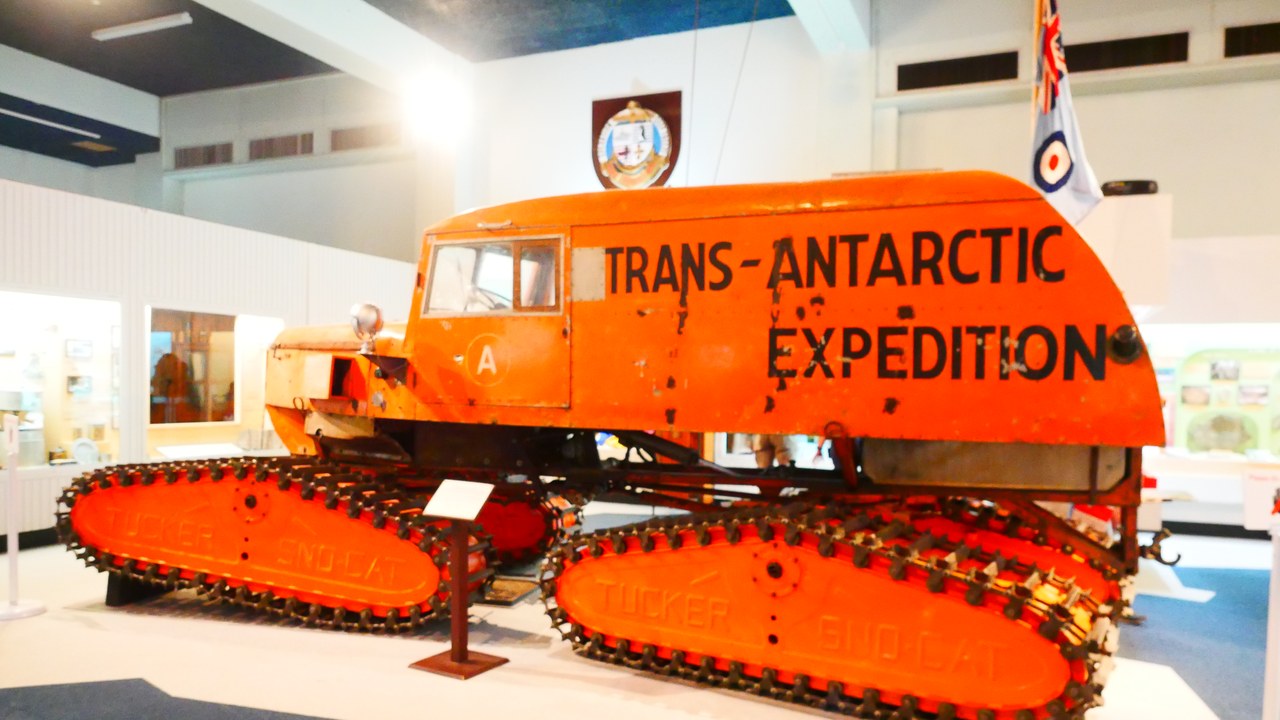
Four independently mounted tracks, a layout unique among snow vehicles of its era, let the Tucker Sno-Cat flex over uneven ice instead of binding up the way a rigid undercarriage would on rough, broken terrain. Cabins could be swapped for cargo sleds or living quarters depending on the mission at hand.
That flexibility made it a favored choice for the Commonwealth Trans-Antarctic Expedition of 1957-58, when reliability across thousands of miles of unmapped ice mattered far more than raw speed or comfort for the crews riding inside its cramped cabin.
2. Kharkovchanka: The Soviet Polar Giant
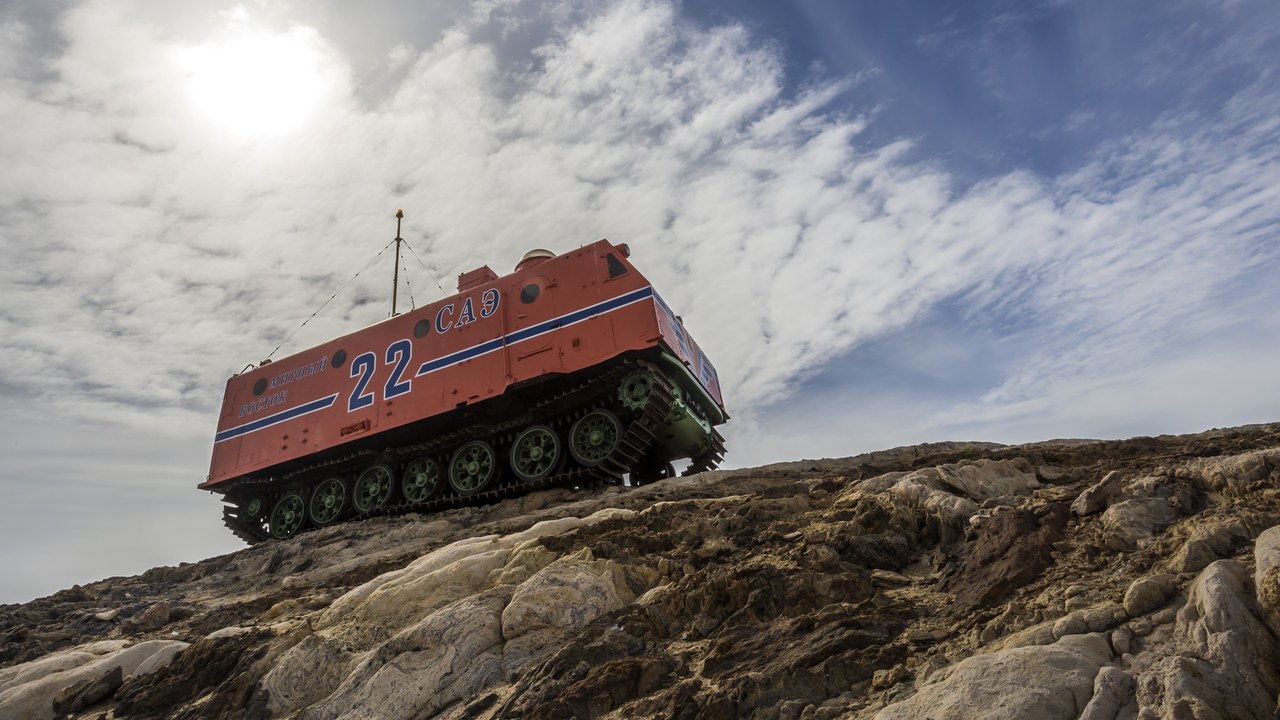
Soviet engineers at the Kharkov Transport Engineering Plant began building the Kharkovchanka in 1957 as a heavy, insulated tracked carrier meant to move scientists and supplies deep into the continent’s frozen interior, complete with bunks, a small kitchen and a radio room built into its hull.
Two of them proved the design by reaching the South Pole on 26 December 1959, a punishing overland distance that had stranded lighter, less rugged vehicles built in earlier decades of Soviet polar exploration.
3. Bandvagn 206: The Station Workhorse
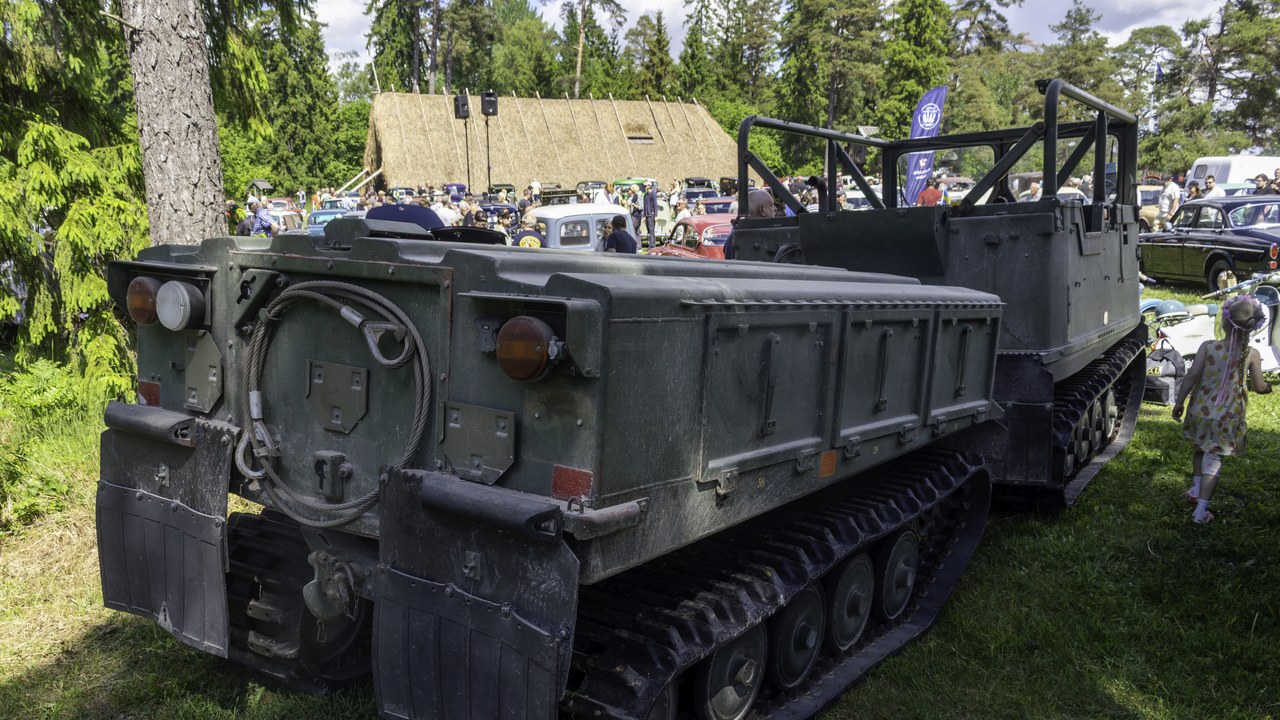
Two articulated units and power sent to all four tracks give the Bandvagn 206 enough traction and capacity to carry as many as 17 people, or a comparable load of cargo and fuel, across broken, drifted snow at once. A hydraulically driven cargo bed and a heated cab keep both crew and equipment protected against sustained sub-zero temperatures.
Decades after its introduction it still serves as a standard over-snow carrier at polar research stations worldwide, valued for reliably going where ordinary wheeled trucks simply cannot follow safely, season after season. Norway, the United Kingdom and other national Antarctic programs all still operate fleets of the type for routine resupply runs.
4. M29 Weasel: A Wartime Machine Goes South
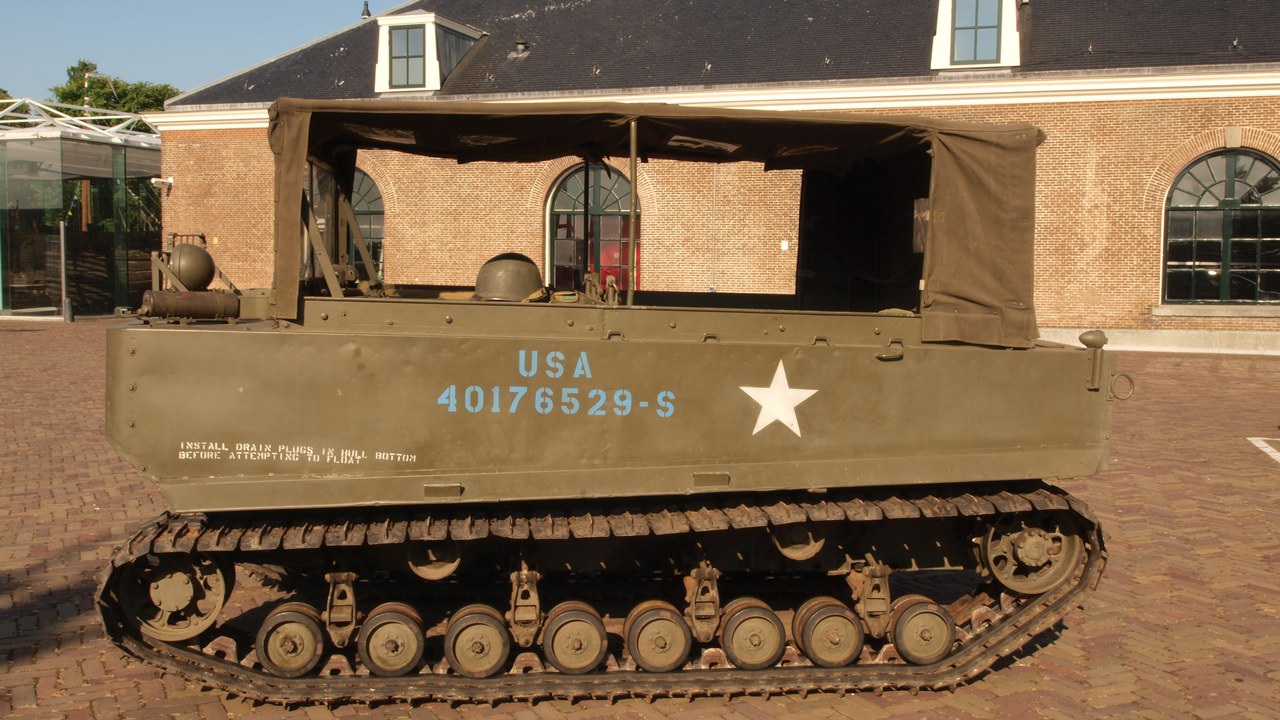
Studebaker built the M29 Weasel during World War II as a lightweight tracked vehicle for snow-covered battlefields in Europe, never intended for polar duty at all when engineers first drew up its wartime design. Its light aluminum body let it cross snow bridges over crevasses that would have collapsed under a heavier truck, a real advantage on unmapped ice.
Its wartime construction translated well to Antarctic service once the fighting ended, and it saw use on early postwar expeditions, including the large-scale mapping and aerial survey effort known as Operation Highjump in the late 1940s.
5. Antarctic Snow Cruiser: A Giant That Never Worked
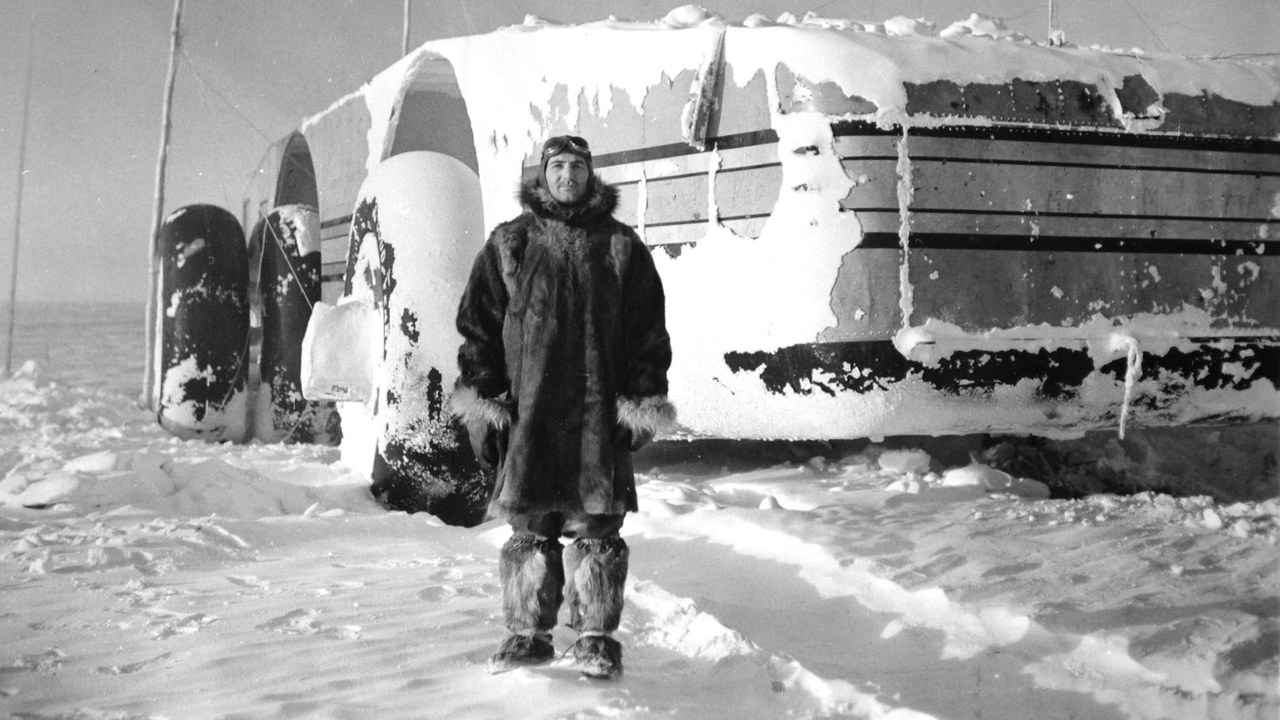
Thomas Poulter directed the design of the Snow Cruiser for the United States Antarctic Service Expedition of 1939-41, an enormous machine meant to roll across the entire continent under its own power while carrying an onboard airplane on its roof. Its tires stood roughly ten feet across, sized to spread the vehicle’s weight over soft snow.
Those oversized smooth tires could not grip the slick ice as engineers had hoped, and the immobilized vehicle was ultimately abandoned in Antarctica once the expedition wound down its planned work there.
6. Snow Trac: Sweden’s Small Solution
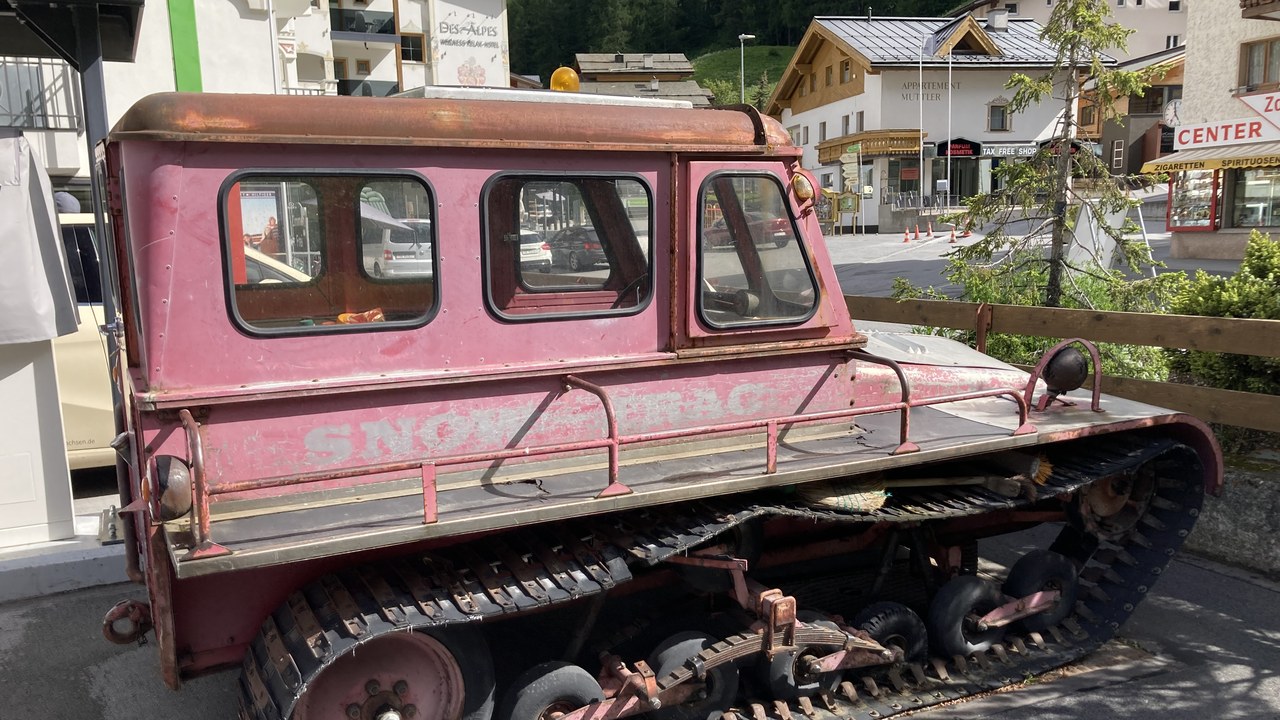
Swedish manufacturers built roughly 2,265 units of the Snow Trac between 1957 and 1981, a compact tracked cabin sized for small crews rather than the heavy cargo runs bigger polar machines were built to handle. Its lightweight aluminum body and rubber-tracked suspension made it easy to maintain far from any dealership or proper machine shop.
Australia’s ANARE program leaned on the type extensively for years, using it to keep remote Antarctic research stations supplied, connected and properly staffed through the harshest, darkest stretches of the polar winter. Several surviving examples have since been restored by collectors and museums that specialize in preserving early polar transport equipment.
7. PistenBully: From Ski Slopes To The Ice Cap
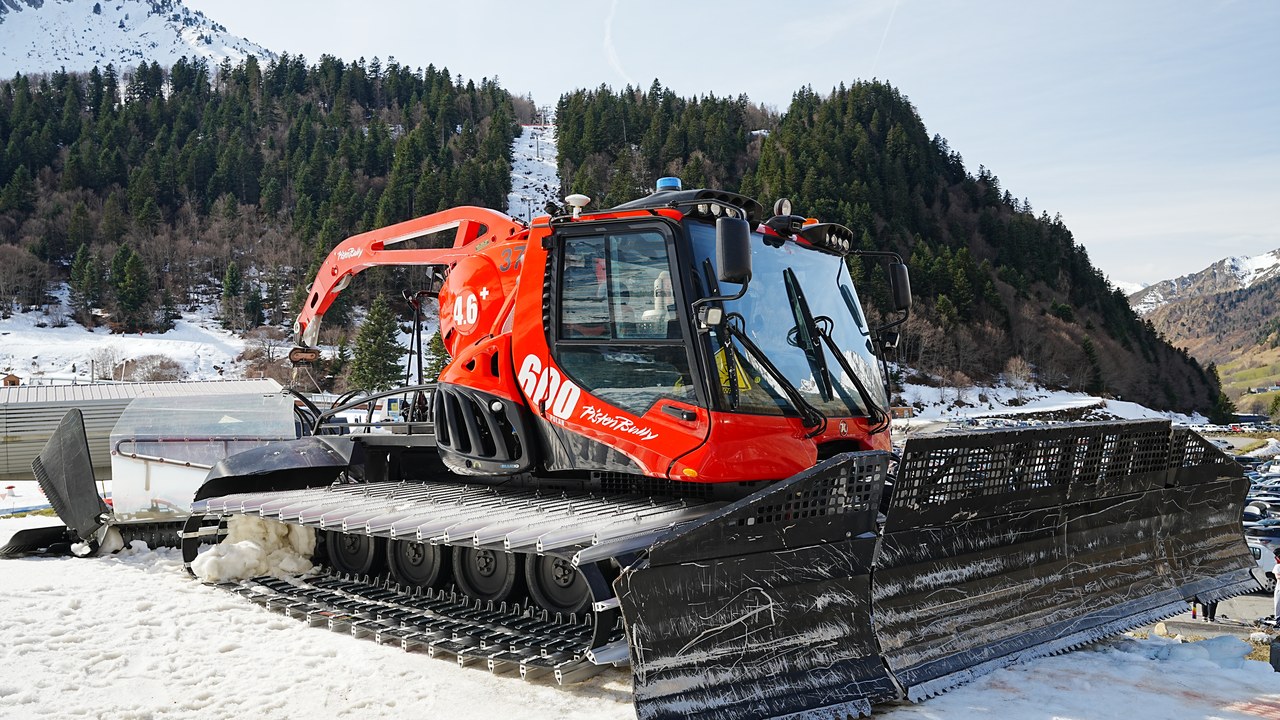
Kassbohrer’s PistenBully line entered production around 1970 as a snow-grooming machine built for commercial ski resorts, and had sold close to 2,000 units globally by 1989 alone, a figure that kept climbing. Later PistenBully models added GPS-guided grooming and heated cabs, features that also proved useful for scientists working in whiteout conditions.
The same grooming technology now doubles as polar-station transport, proving equally at home flattening a groomed ski run and hauling scientific gear across a raw, unmarked ice sheet far from any resort or lodge. Antarctic programs from multiple countries now run fleets of the machine alongside older, purpose-built polar vehicles for redundancy.
8. Snow coach: Moving Dozens At Once
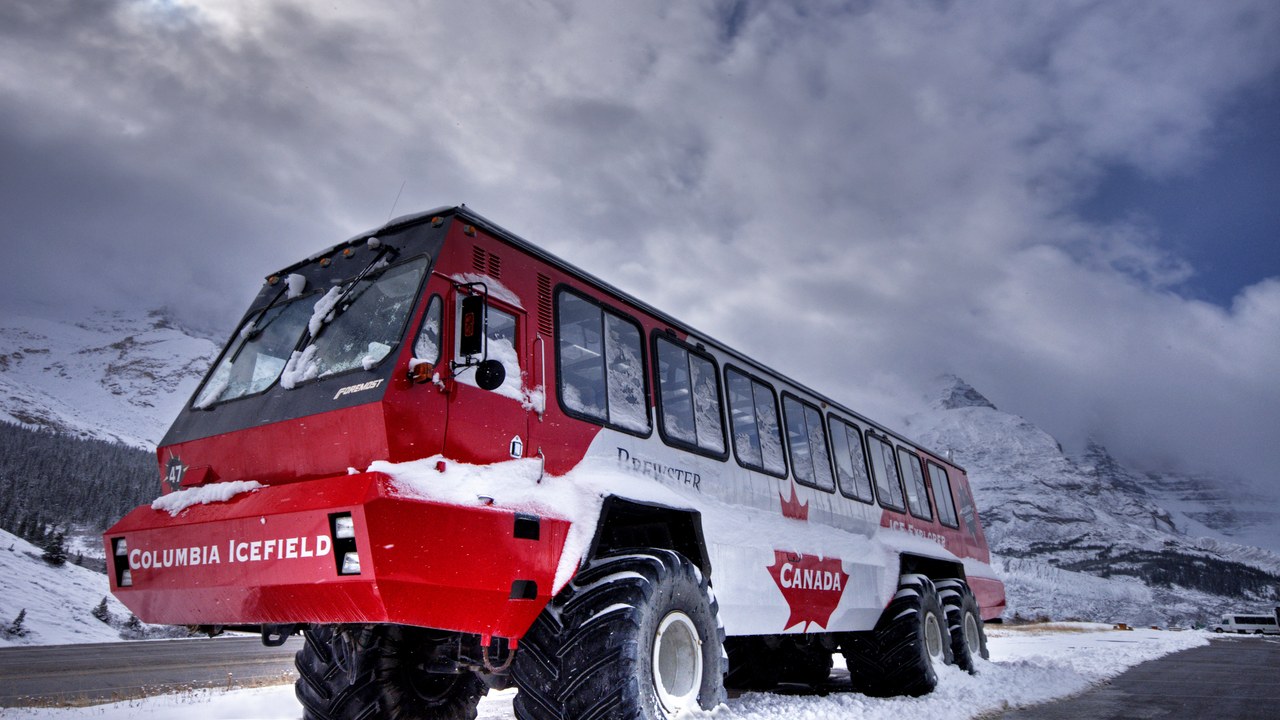
The Foremost Terra Bus, the main snow coach still in production today, rides on six low-pressure tires and can seat as many as 56 passengers at a time across its long, boxy cabin. Earlier snow coach designs date back to the 1920s, when operators in the Alps first bolted oversized tires and chained wheels onto passenger buses for winter routes.
That capacity has made it the standard people-mover at McMurdo Station, ferrying researchers and support staff across the ice in far larger numbers than any tracked cabin design could ever manage at once each trip. Smaller snow coaches also carry tourists across glaciers and national parks in places far from Antarctica.
9. Snowmobile: The Machine That Went Mainstream
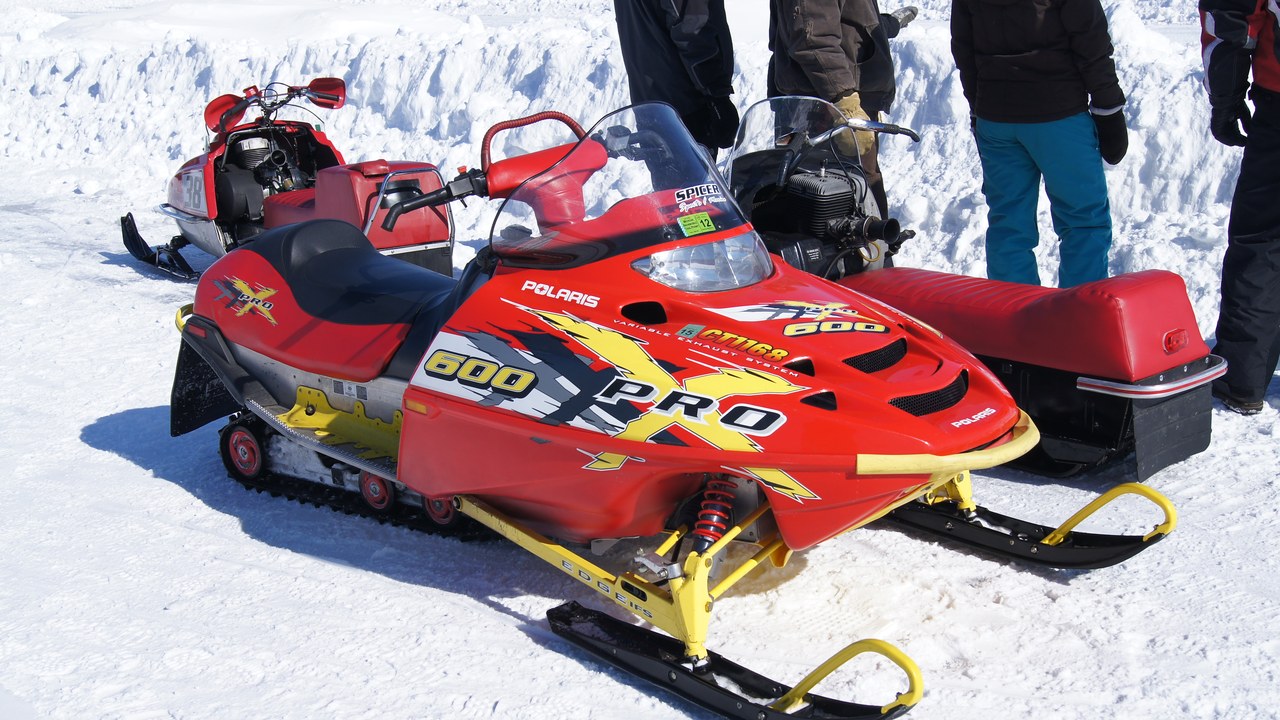
Joseph-Armand Bombardier’s company began mass-producing the Ski-Doo snowmobile in 1959, turning what had been a niche, experimental design into a machine built and sold by the thousands across the world within a few short years. Early models were compact and light enough for one person to maneuver alone across drifts that would stop a heavier vehicle cold.
Similar machines still tow sledges loaded with personnel and light supplies at polar research stations today, handling the quicker, lighter jobs the bigger tracked carriers were never built to perform efficiently or cheaply. Modern versions used in polar work often pull instrument sleds for scientific surveys rather than just carrying a single rider.
10. Snowcat: A Name That Became A Category
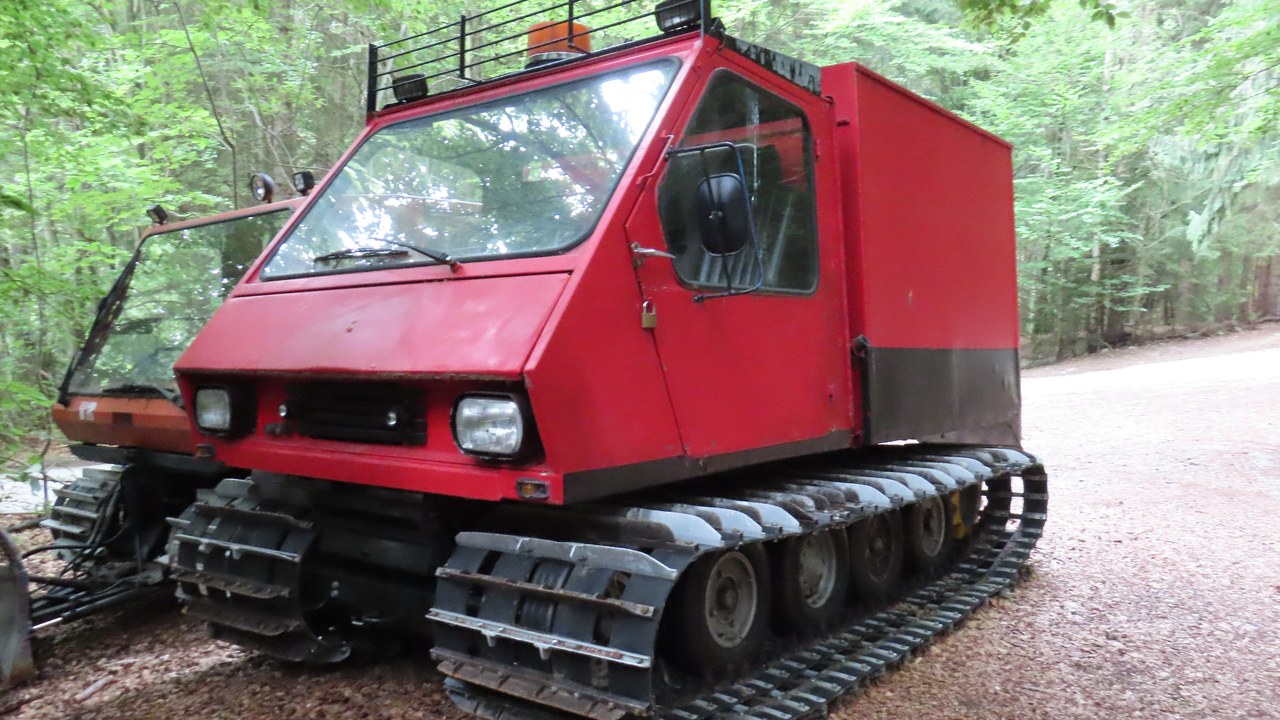
The generic term snowcat traces directly back to the original Tucker Sno-Cat name, later broadening over decades of continued use to describe an entire class of vehicle rather than one single brand. Manufacturers besides Tucker, including several European builders, now produce their own versions under the same broadened generic name.
That category now spans tracked, cabin-equipped machines built for polar research transport as well as the everyday ski-slope grooming duty performed at resorts around the world each winter season. The shared name reflects a shared engineering problem: keeping a heavy cabin moving reliably across snow too soft for wheels.
