
Railway engineers have spent nearly two centuries chasing two separate records: the fastest a locomotive can run and the heaviest load it can pull. Steam-era giants set marks decades ago that diesel and electric successors never matched, while modern high-speed trains kept pushing the outright speed ceiling higher long after steam retired. Here are ten locomotives that broke records for speed or sheer power.
1. LNER Class A4 4468 Mallard: Steam’s Speed Record That Never Fell
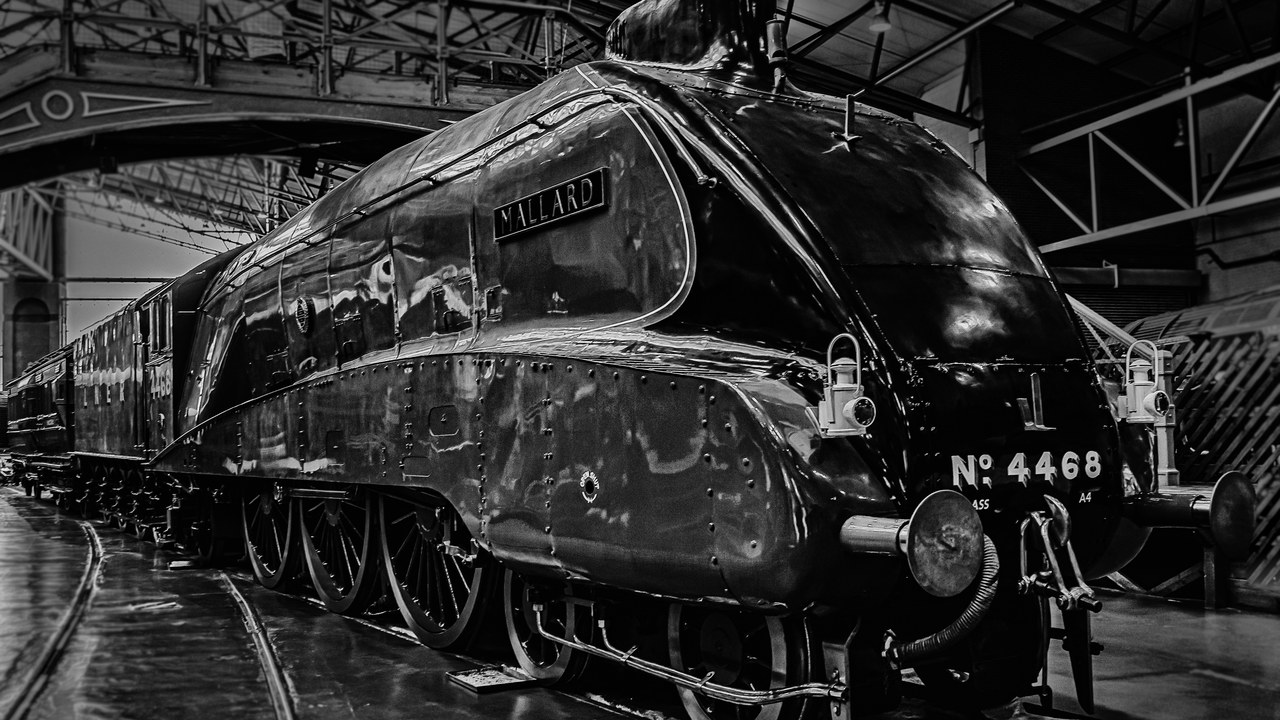
Streamlined and built for the London and North Eastern Railway, the A4 Pacific hit 126 mph on a downhill stretch of Stoke Bank on 3 July 1938, during a scheduled test run designed to show off the class’s braking system.
No steam locomotive anywhere has matched or beaten that mark in the decades since, making it the longest-standing rail speed record still on the books today. Mallard survives as a static exhibit at the National Railway Museum in York, where it draws visitors who never saw steam traction running at speed.
2. Union Pacific Big Boy: The Steam Giant That Came Back
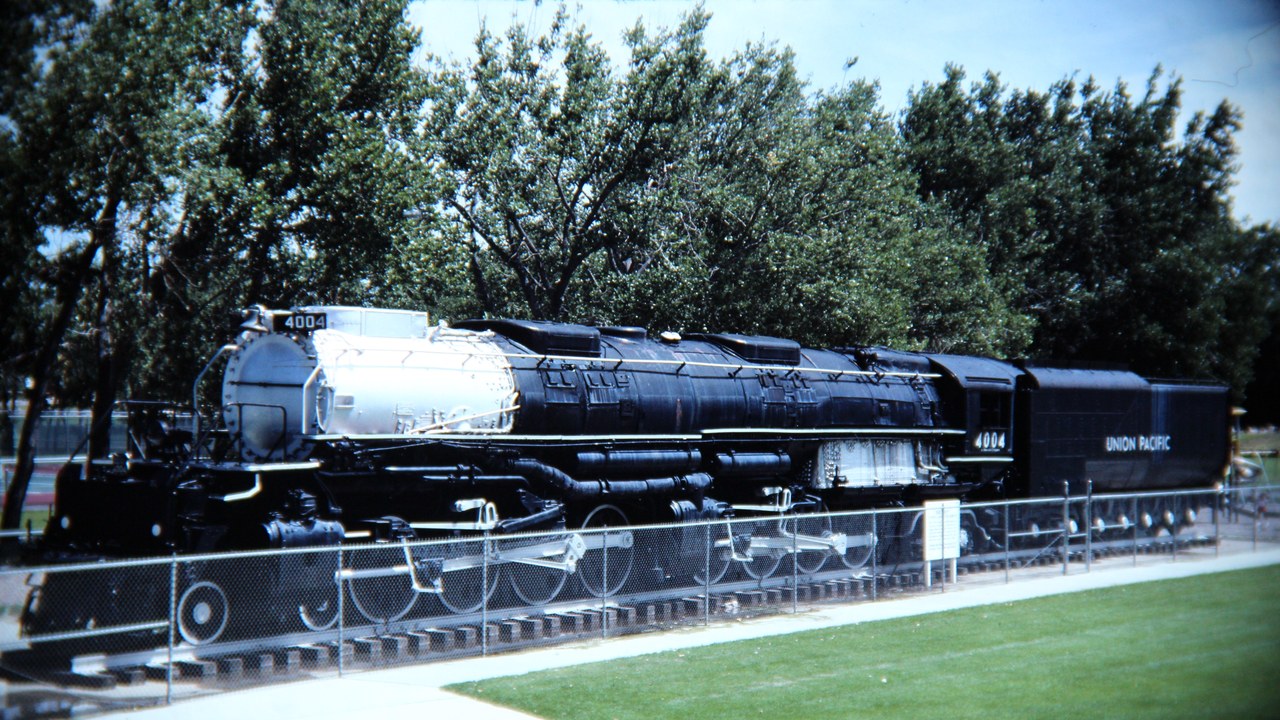
Union Pacific built the articulated Big Boy class specifically to haul heavy freight over Wyoming’s steep mountain grades, and each engine weighed 540 long tons while producing 135,375 pounds-force of tractive effort.
The title of largest operating steam locomotive in the world lapsed when the last working Big Boy retired in 1962, then returned unexpectedly in 2019 when Union Pacific completed a multi-year restoration of No. 4014. It now tours the national rail network for excursions, drawing crowds wherever it stops.
3. EMD DDA40X: One Frame, Two Diesel Engines
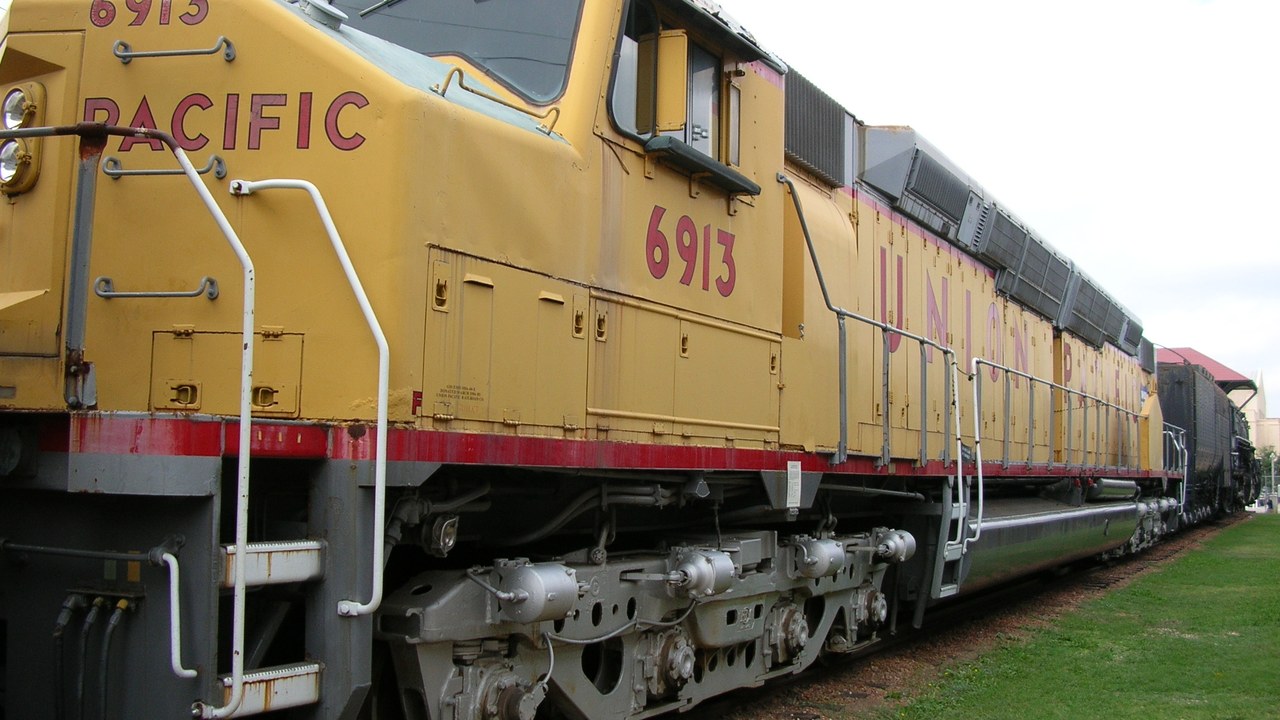
General Motors’ Electro-Motive Division built the DDA40X exclusively for Union Pacific between 1969 and 1971, pairing two complete diesel engines on a single rigid frame to reach a combined 6,600 horsepower, an output no other single-frame design has since equaled.
That figure still makes it the most powerful single-frame diesel-electric locomotive ever built anywhere in the world. Union Pacific pulled the class from regular freight service by the late 1980s as maintenance costs climbed, but it kept several units running for heritage and excursion duty.
4. TGV V150: The Fastest Wheeled Train On Earth
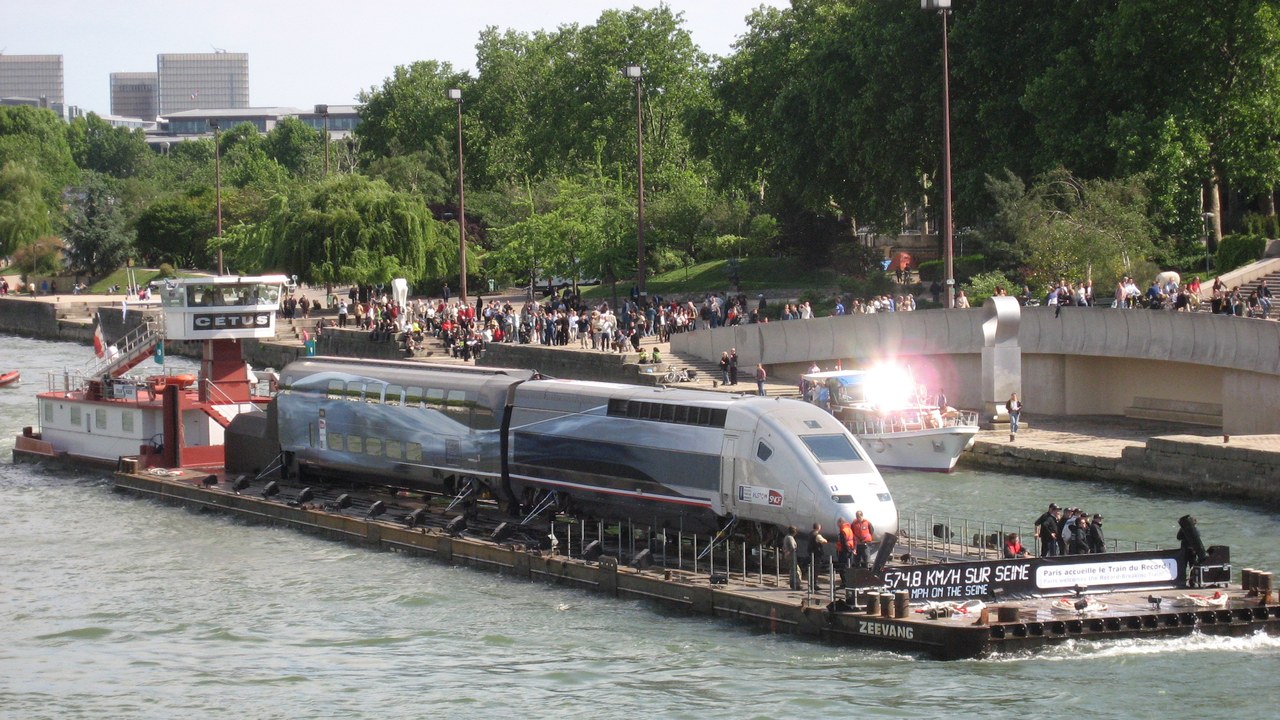
French engineers assembled a specially modified TGV trainset for a single record attempt, and it reached 574.8 km/h on the LGV Est high-speed line on 3 April 2007, a speed captured live on national television.
That run remains the world speed record for a conventional wheel-on-rail train, unmatched by any train running in ordinary passenger service since. The modified power cars used oversized wheels and higher-than-normal line voltage that everyday TGV sets never carry, making the run a one-off engineering exercise rather than a preview of daily service.
5. SCMaglev L0 Series: No Wheels, No Speed Limit
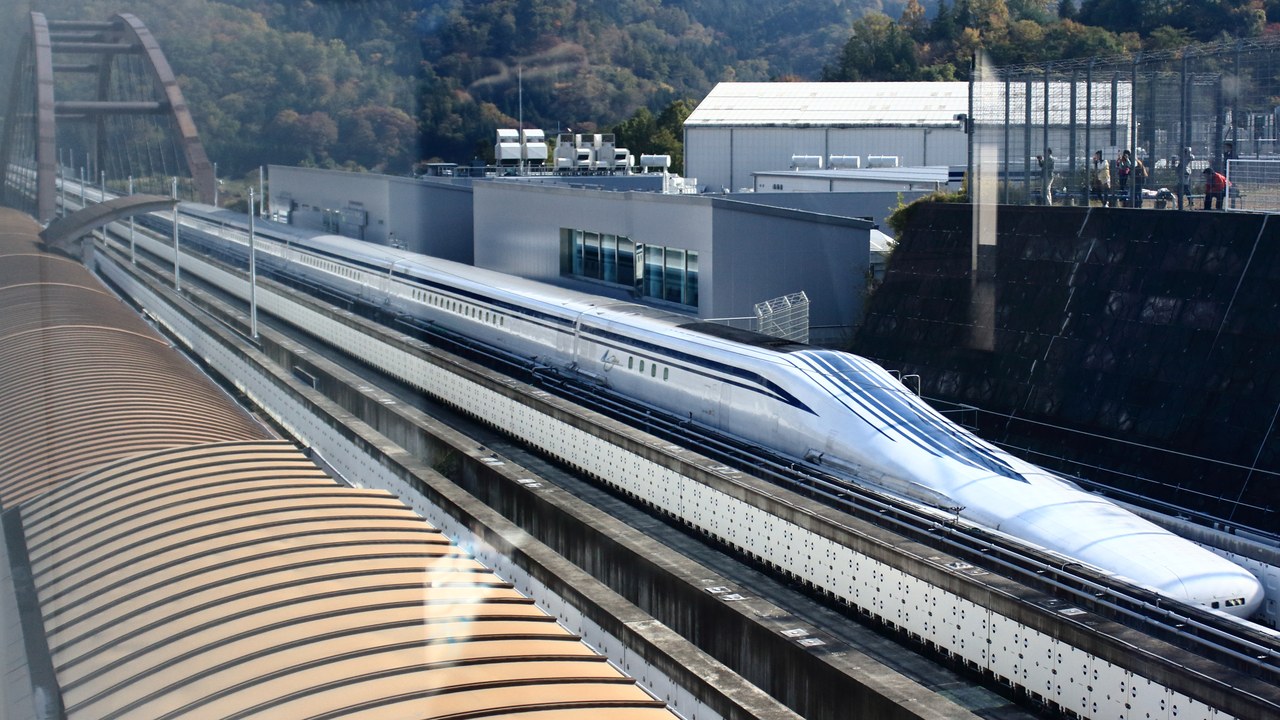
Central Japan Railway’s seven-car L0 Series maglev sustained 603 km/h for just under eleven seconds during a manned test run on 21 April 2015, floating above its guideway on magnetic levitation rather than rolling on steel wheels.
That figure stands as the outright speed record for any rail vehicle, wheeled or otherwise, edging past the TGV’s earlier wheel-on-rail mark by a wide margin. The L0 Series is still being refined for Japan’s planned Chuo Shinkansen maglev line, which aims to connect Tokyo and Osaka.
6. Pennsylvania Railroad Class S1: One Engine, Never Repeated
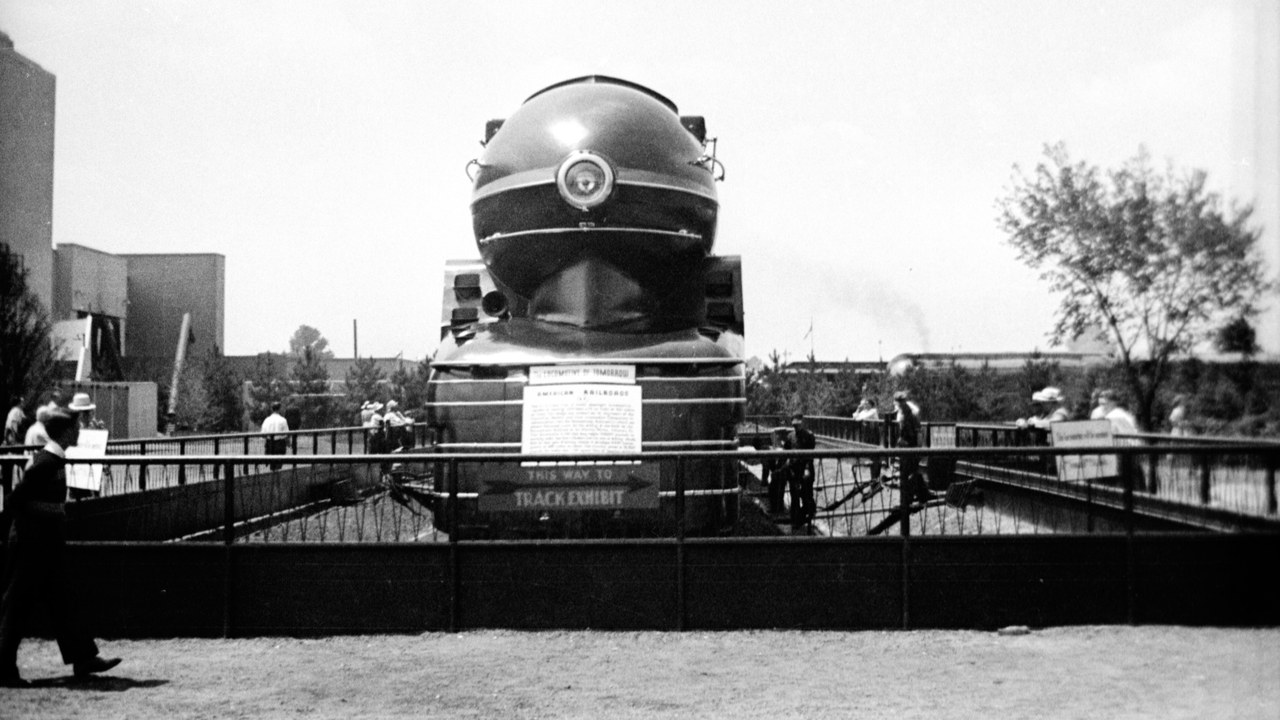
Only a single example of the Pennsylvania Railroad’s Class S1 was ever built, and at 140 feet 2.5 inches long with its tender attached, it became the longest and heaviest rigid-frame reciprocating steam locomotive ever constructed.
Its unusual duplex-drive design delivered 7,200 drawbar horsepower, roughly 13 percent more than a Big Boy could manage despite the Big Boy’s greater weight. The sheer length that made it a landmark also made it impractical to operate off its home division, and the railroad scrapped the sole unit in 1949 after limited use.
7. DRG Class 05: Germany’s Prewar Speed King
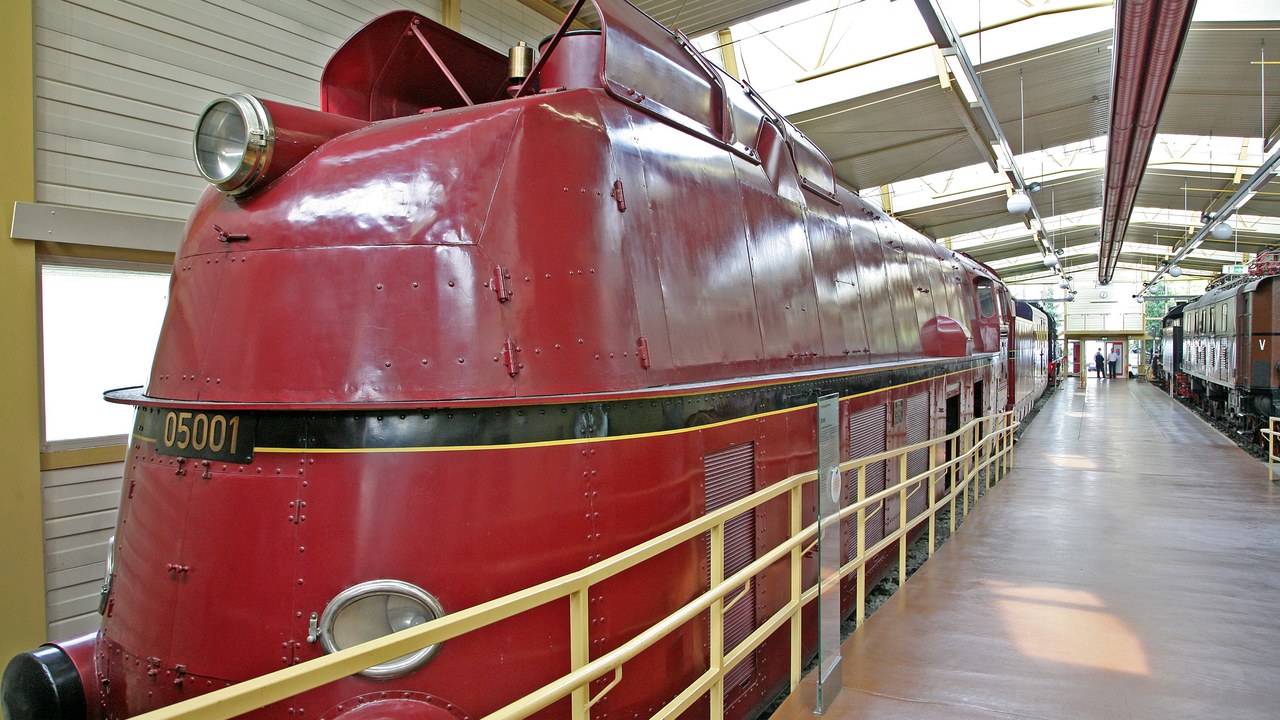
German State Railway locomotive 05 002 reached 200.4 km/h on the Berlin-Hamburg line on 11 May 1936, becoming the first steam locomotive on record to officially pass 200 kilometers per hour on rails.
The record held only until Mallard’s faster run two years later handed the world title back to Britain for good. One of the three streamlined Class 05 locomotives built survives today, preserved in a German railway museum collection open to the public, its once-radical streamlined casing still largely intact.
8. LMS Coronation Class 6220 Coronation: Britain’s Other Speed Record
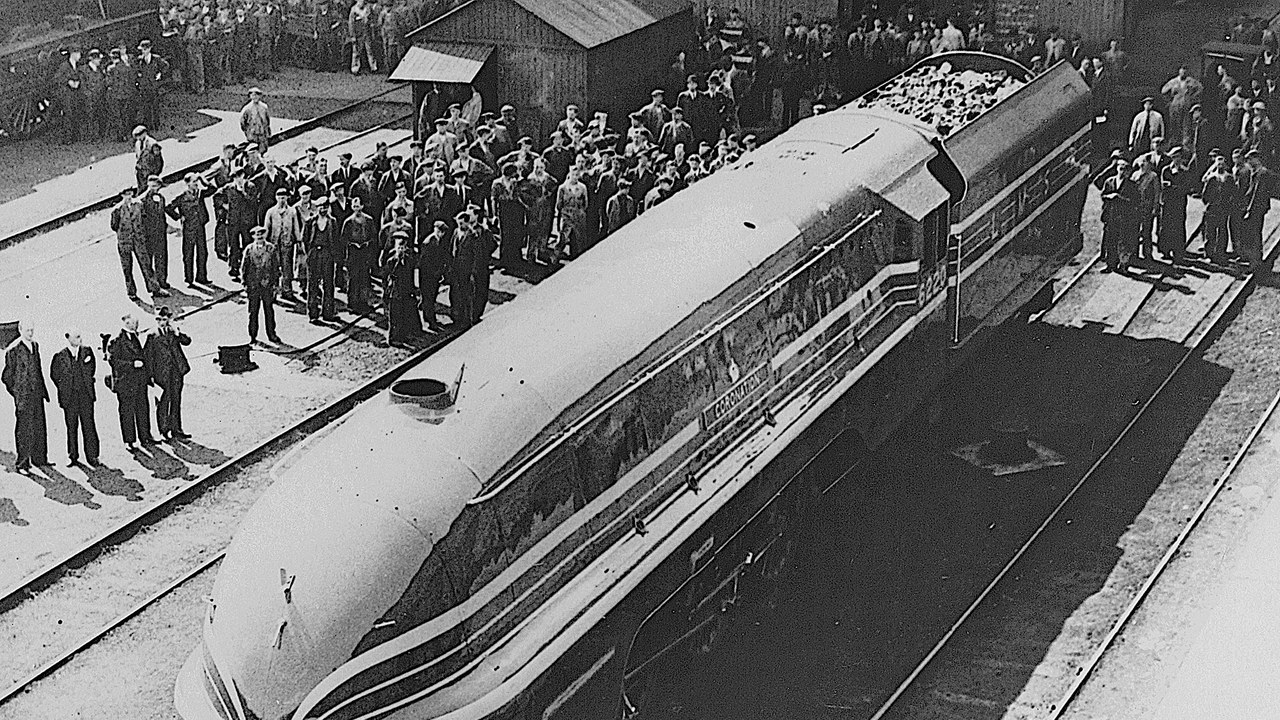
During a press demonstration run in June 1937, the London, Midland and Scottish Railway’s No. 6220 Coronation hit 114 mph near Crewe while hauling a full rake of test carriages behind it.
The run still stands as the British steam locomotive speed record on its own line, even though Mallard’s later mark overtook it as the fastest in the world just over a year afterward. A near-miss with the trailing carriages during the emergency braking that followed became almost as famous as the speed itself.
9. Union Pacific GTEL: The Turbine Engines Nicknamed Big Blow
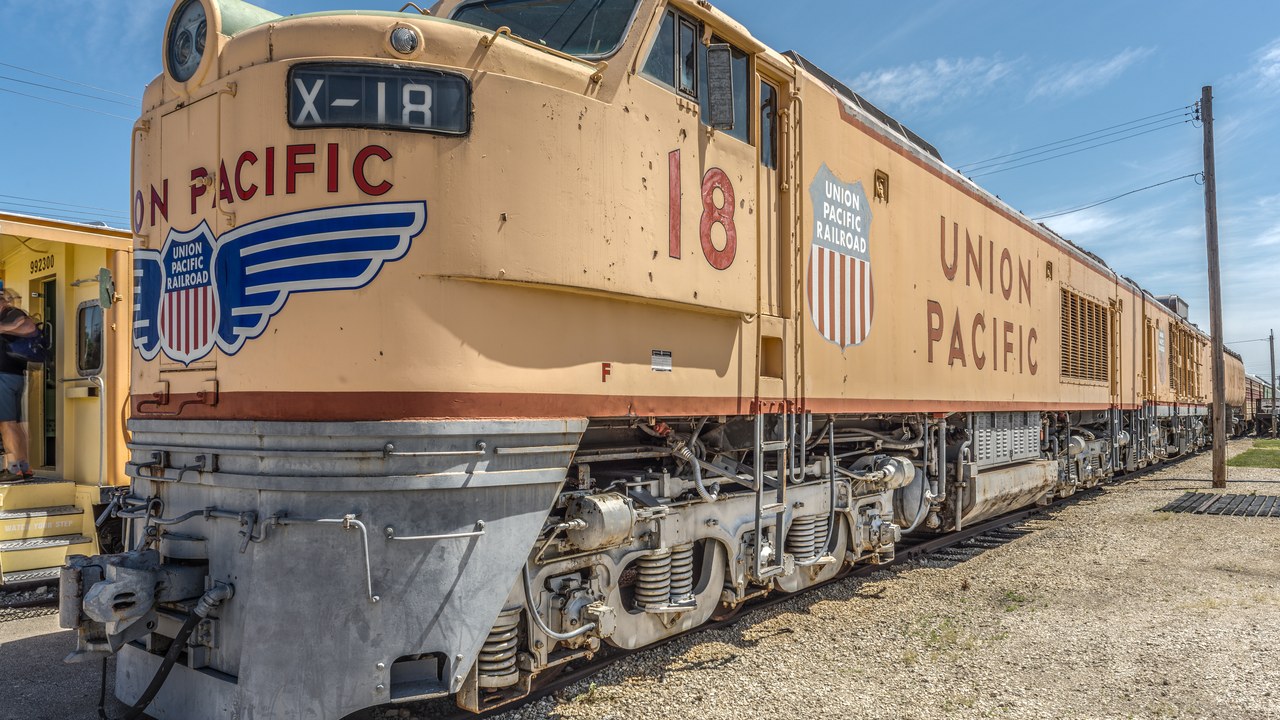
Union Pacific began ordering its gas-turbine-electric fleet in 1955, and each two-unit GTEL set was rated at 8,500 horsepower, marketed at the time as the most powerful locomotives running anywhere in the world.
Union Pacific ran the largest fleet of gas-turbine locomotives operated by any railroad, burning cheap low-grade Bunker C fuel oil to keep operating costs manageable on long freight hauls. Rising fuel prices and heavy maintenance demands pushed the entire fleet into retirement by the early 1970s, ending the turbine experiment.
10. China Railway CRH380A: The Bullet Train’s Test-Track Ceiling
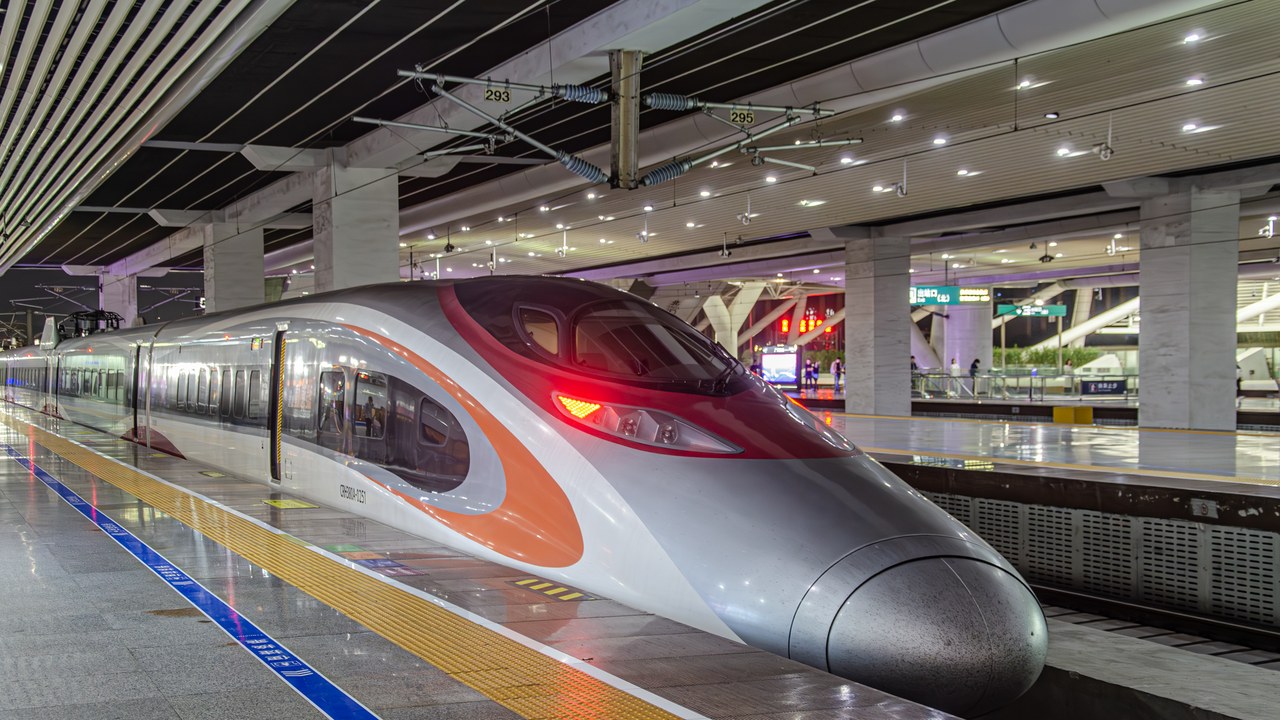
A sixteen-car CRH380AL trainset hit 486.1 km/h during a test run on the newly built Beijing-Shanghai high-speed line on 3 December 2010, ahead of the route’s public opening.
The figure marked a record for conventional wheel-on-rail high-speed trains at the time, though it was set under controlled test conditions on a closed line rather than during regular passenger service. Once opened commercially, CRH380A trainsets carried passengers at far lower everyday operating speeds than the record run achieved, typically well under 350 km/h in daily timetabled service.
More from Morning Overview
- Security experts still urge phone owners to switch off one location-tracking setting
- Automakers are quietly dropping the stop-start feature many drivers love to hate
- A granite sarcophagus surfaced in Egypt with its original lid still sealed
- The FBI tells phone owners to delete these toll-payment texts draining accounts nationwide
