
A handful of rivers carry so much water that damming them created lakes rivaling the largest natural ones on Earth, some holding more than a hundred cubic kilometres behind a single wall. Engineers built these structures across four continents, flooding valleys and relocating entire communities in the process. Here are ten dams that hold back the largest reservoirs ever created.
1. Kariba Dam: The Largest Reservoir On Earth
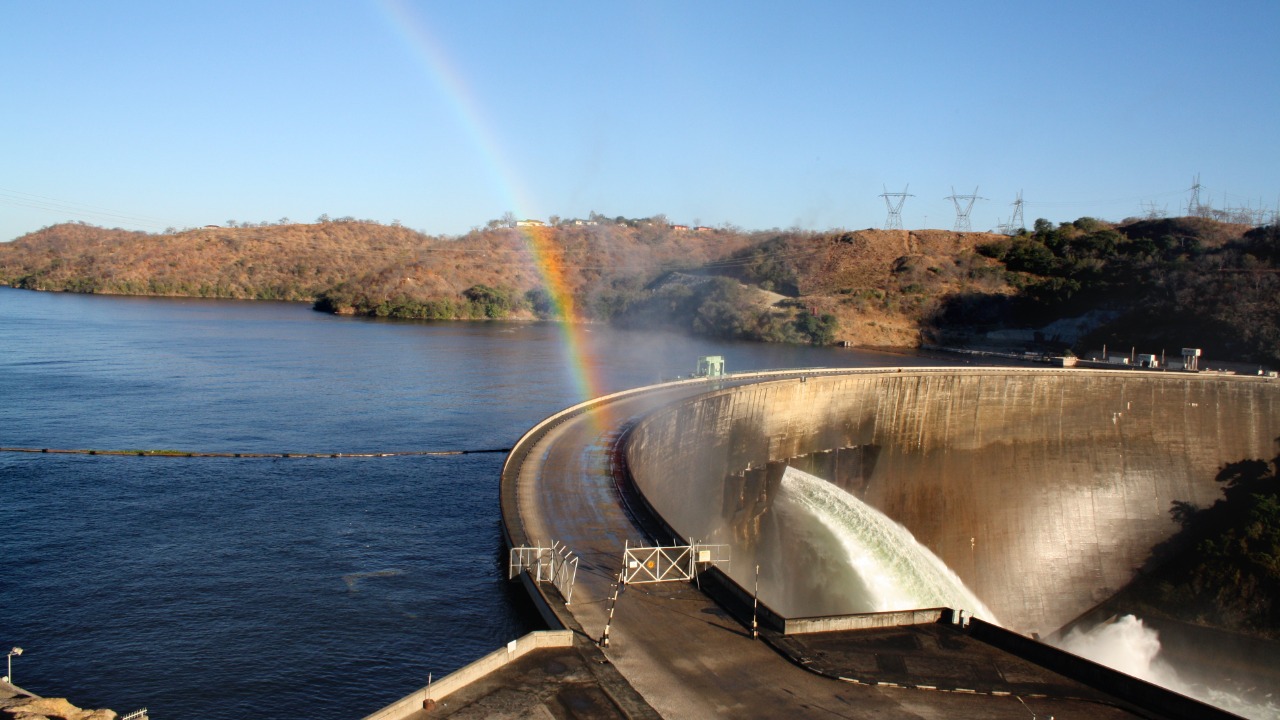
Completed on the Zambezi River in 1959, Kariba Dam backs up a curved concrete wall that created Lake Kariba, a reservoir holding roughly 180 cubic kilometres of water, the largest volume of any artificial lake on the planet.
The lake took several years to fill completely, and today the dam generates hydroelectric power for both Zambia and Zimbabwe, though engineers have spent recent decades reinforcing the plunge pool beneath the spillway against erosion that threatened the structure’s foundation and put hundreds of thousands of downstream residents at risk.
2. Bratsk Dam: The Soviet Union’s Industrial Giant
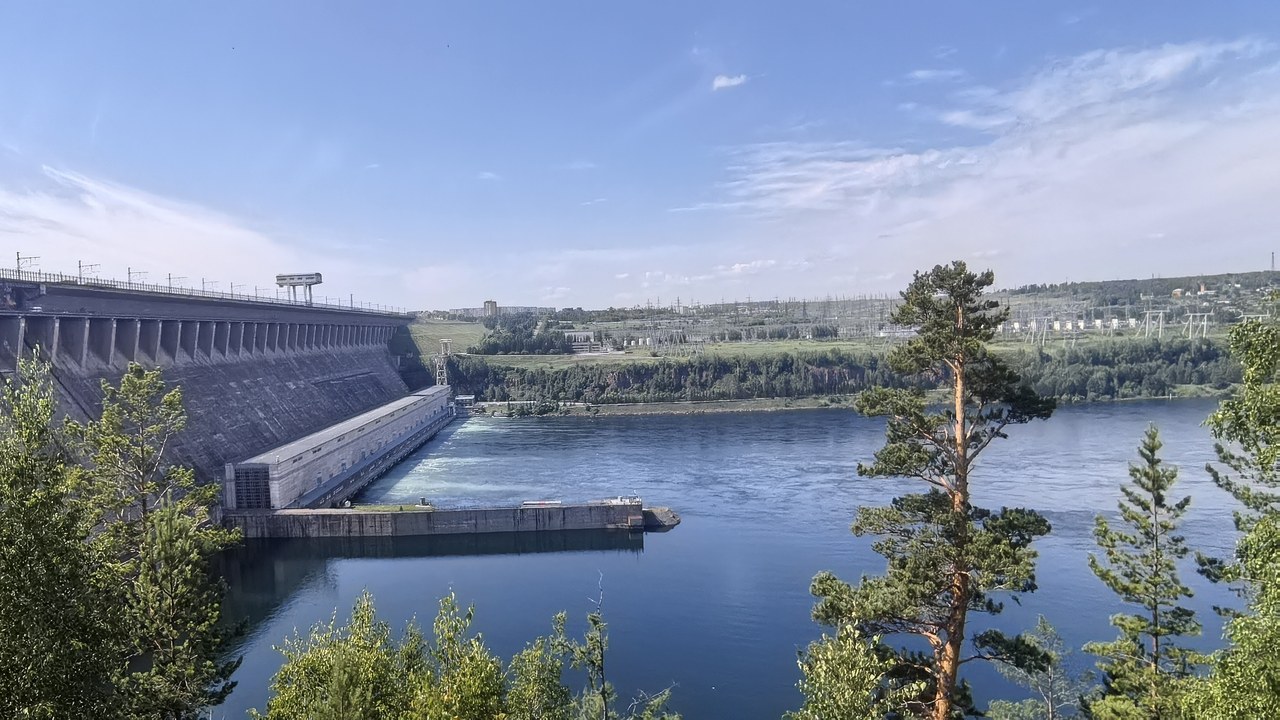
Soviet engineers finished Bratsk Dam on the Angara River in 1964, and the Bratsk Reservoir behind it holds about 169 cubic kilometres of water, the second-largest reservoir by volume anywhere in the world.
The dam’s power station supplied one of the largest hydroelectric capacities in the Soviet Union at the time, feeding heavy industry built specifically around the new reservoir, and the surrounding city of Bratsk grew from a small settlement into an industrial hub largely because of the project.
3. Akosombo Dam: Africa’s Widest Man-Made Lake
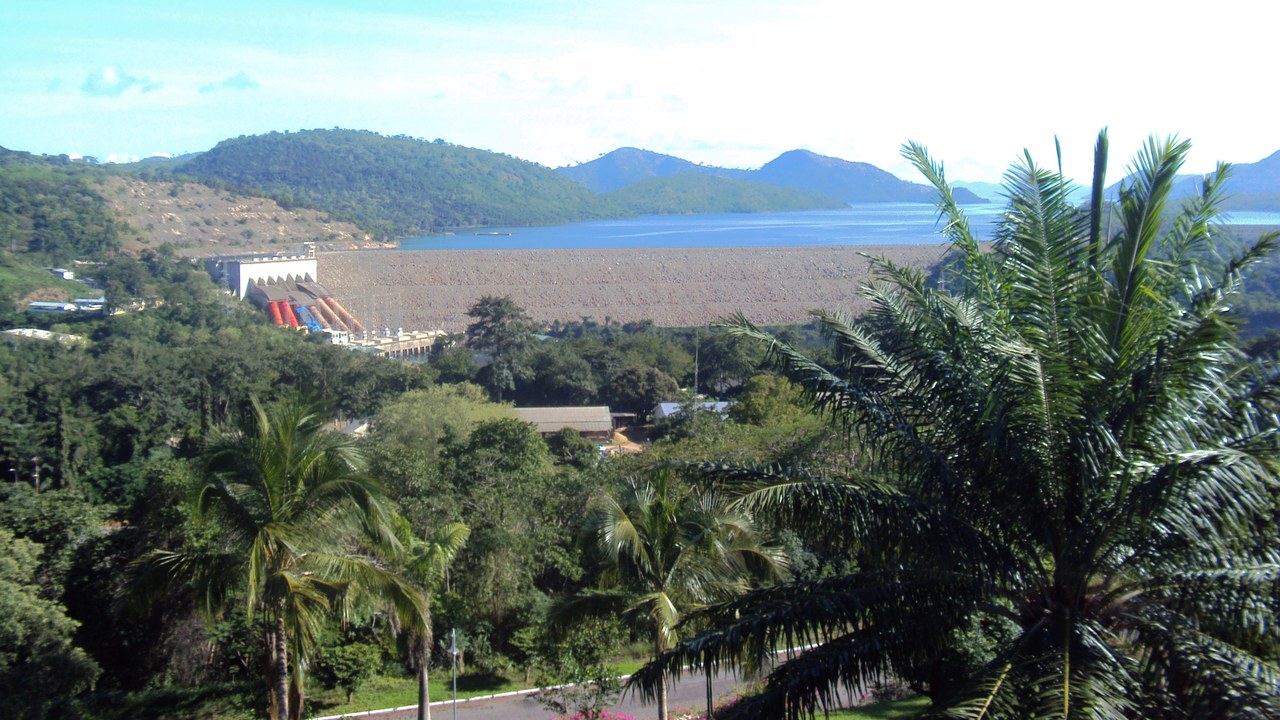
Akosombo Dam went up on the Volta River through the early 1960s and was completed in 1965, creating Lake Volta, a reservoir that holds roughly 150 cubic kilometres of water while covering more surface area than any other artificial lake on the planet.
Filling the reservoir displaced roughly 80,000 people from the Volta valley and forced the relocation of entire towns to newly built settlements, while the dam’s turbines still supply a large share of Ghana’s electricity and power aluminum smelting that was part of the project’s original purpose.
4. Daniel-Johnson Dam: A Reservoir Shaped By A Meteorite
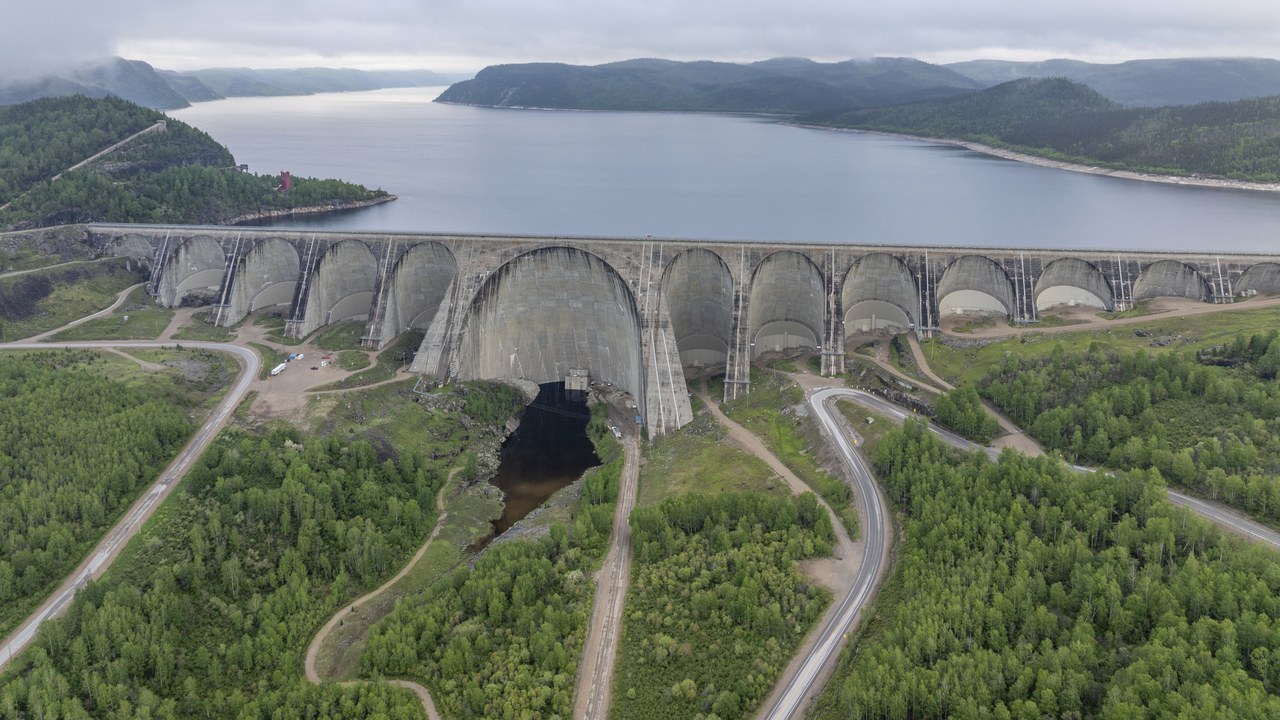
Quebec finished Daniel-Johnson Dam in 1968, and its distinctive multiple-arch-buttress wall holds back the Manicouagan Reservoir, which contains roughly 141.85 cubic kilometres of water inside an ancient, ring-shaped impact crater.
The reservoir’s near-circular outline, a legacy of a meteorite strike hundreds of millions of years ago, makes it visible from space, and the dam remains the largest structure of its kind anywhere, its concrete arches rising more than 700 feet above the riverbed to hold the annular lake in place.
5. Guri Dam: South America’s Power Giant
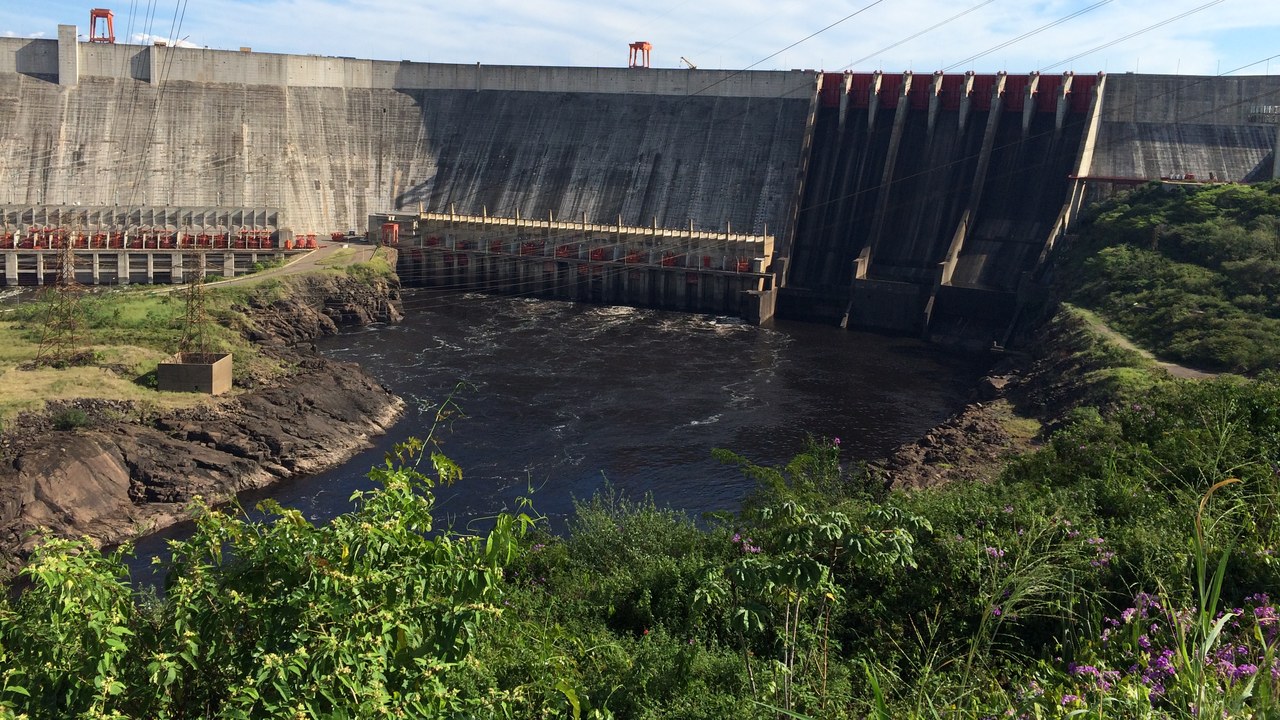
Guri Dam took decades to build on the Caroní River and was finished in 1986, backing up a reservoir that holds roughly 135 cubic kilometres of water across a stretch of the Guiana Highlands.
Its power station ranks among the largest hydroelectric plants ever built, with a generating capacity above 10,000 megawatts that supplies the majority of Venezuela’s electricity, and the surrounding rainforest and savanna were permanently reshaped when the rising water submerged hundreds of square miles of the Caroní valley, a scale of flooding rivaled by few dams anywhere on the continent.
6. Aswan High Dam: Ending The Nile’s Ancient Flood
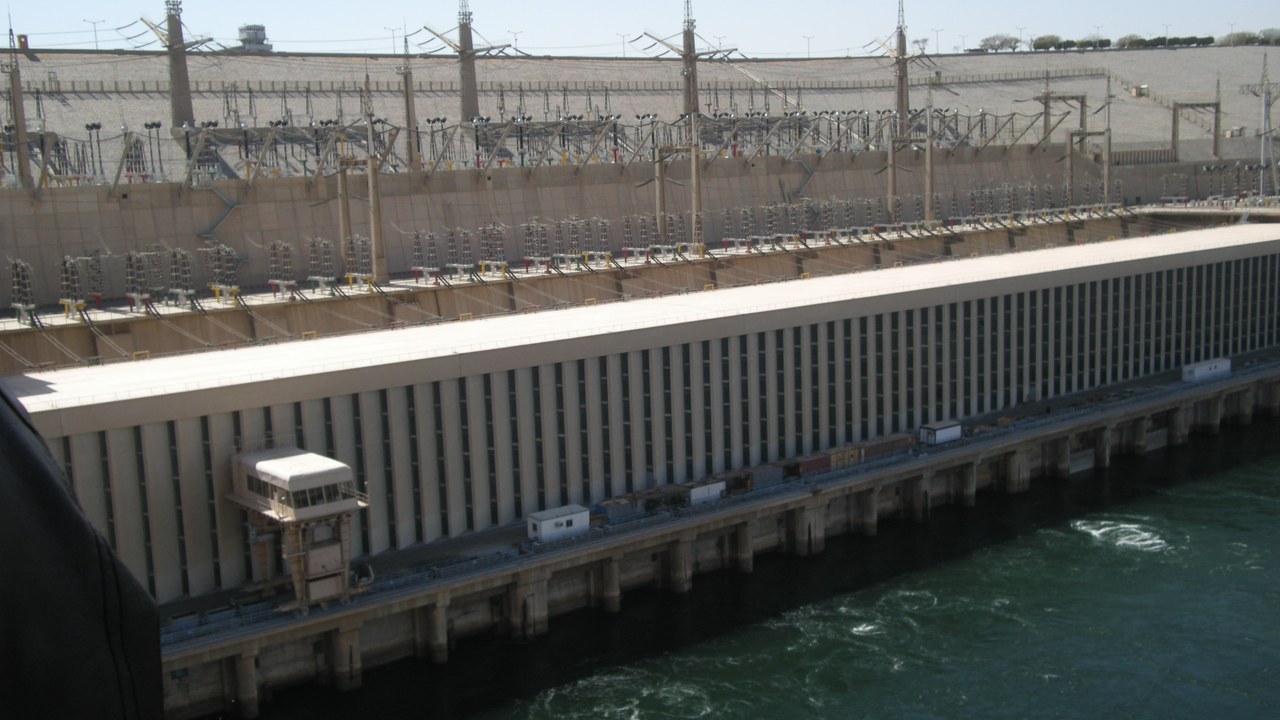
Egypt completed the Aswan High Dam on the Nile in 1971, creating Lake Nasser, a reservoir that stretches into Sudan and holds roughly 132 cubic kilometres of water.
Filling the lake displaced more than 100,000 Nubian families on both sides of the border and submerged ancient temples that had to be dismantled and rebuilt on higher ground, while the dam ended the Nile’s centuries-old annual flood cycle and now traps silt that once replenished farmland downstream, a tradeoff still debated by Egyptian and Sudanese engineers today.
7. W. A. C. Bennett Dam: North America’s Third-Largest Lake
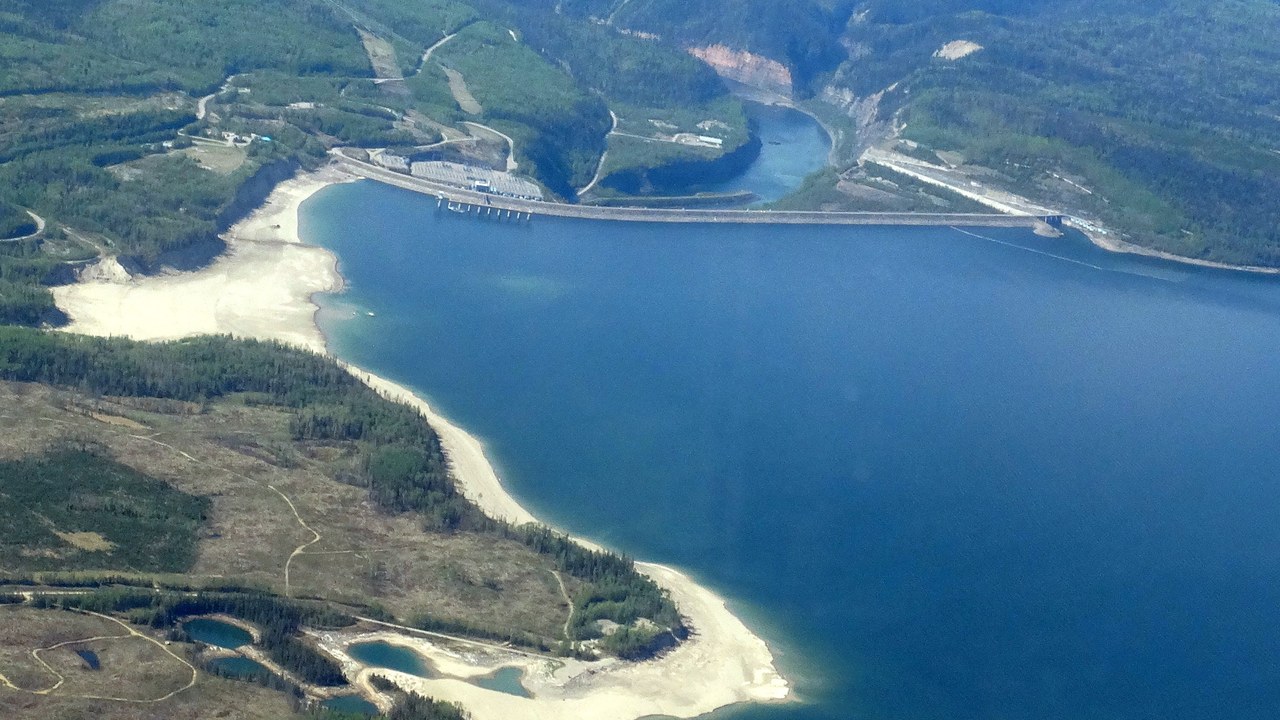
Crews finished W.A.C. Bennett Dam on the Peace River in 1968, and the reservoir it created, Williston Lake, holds about 74.3 cubic kilometres of water, the third-largest artificial lake in North America.
Built as one of the largest earth-filled dams on the planet, it uses compacted rock and glacial till rather than concrete for most of its bulk, and its powerhouse still generates a substantial share of British Columbia’s electricity from turbines buried deep inside the mountain beside the reservoir.
8. Krasnoyarsk Dam: Siberia’s River That Never Freezes
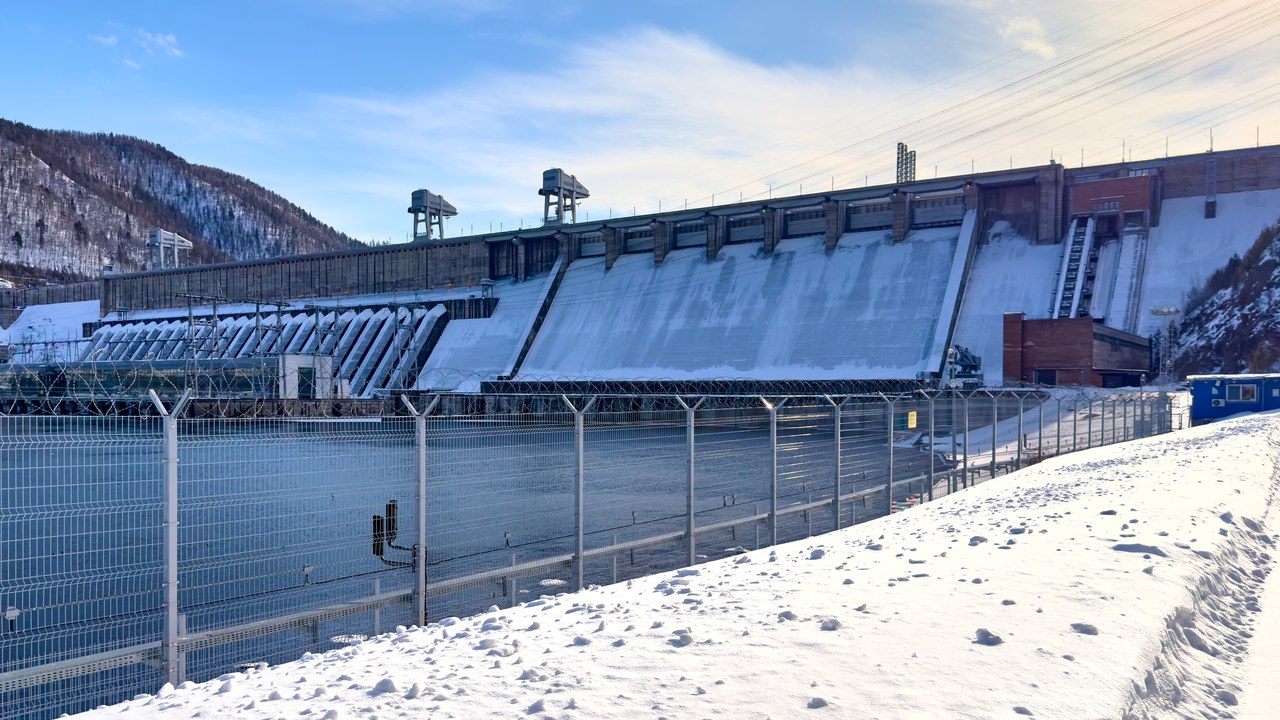
Construction on Krasnoyarsk Dam finished on the Yenisei River in 1967, and the reservoir behind it holds about 73.3 cubic kilometres of water stretching hundreds of kilometres upstream through Siberia.
Its power station was, for a time, the largest hydroelectric plant in the world by generating capacity, and the reservoir’s cold, deep water keeps the Yenisei from freezing over for miles downstream even through the harshest Siberian winters, a side effect that reshaped local river ecology for decades after the dam’s completion.
9. Zeya Dam: Built To Bend, Not Break
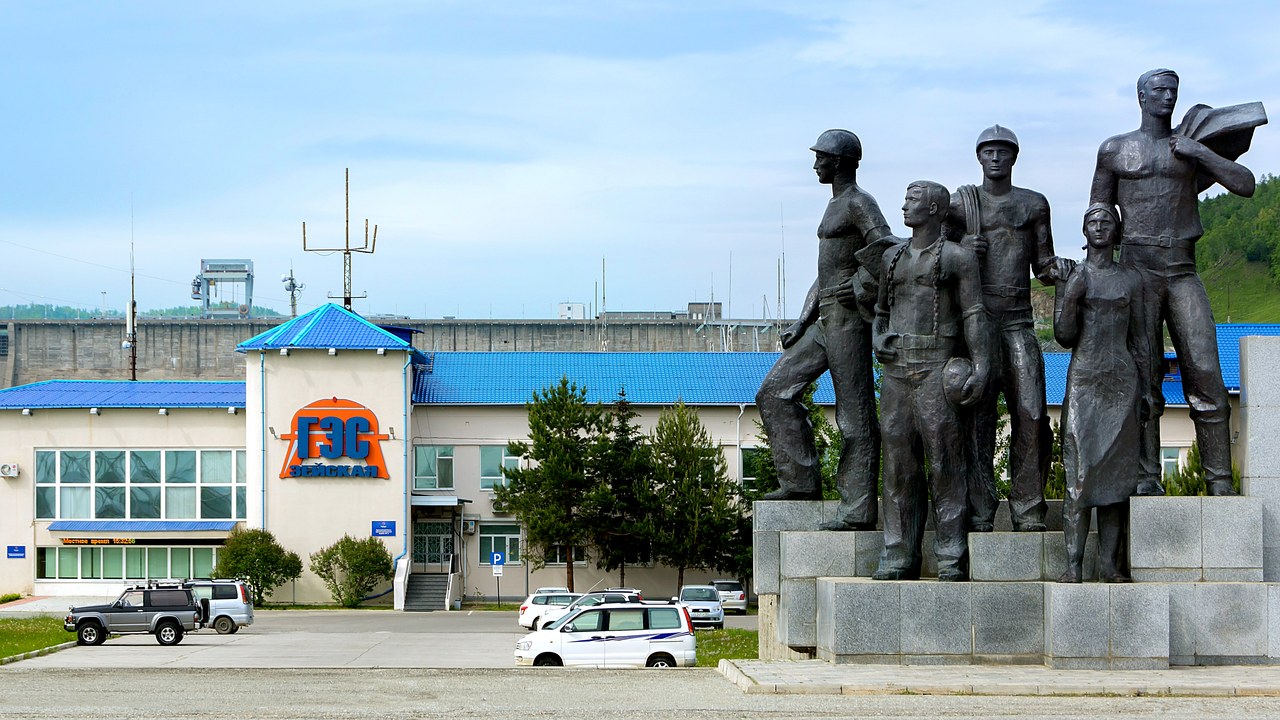
Engineers in the Soviet Union brought Zeya Dam online in 1978, and its concrete gravity wall on the Zeya River holds back a reservoir containing roughly 68.4 cubic kilometres of water in Russia’s Amur region near the border with China.
The dam was built in a seismically active zone, so engineers designed the structure with reinforced joints meant to flex rather than crack during an earthquake, and its reservoir also helps control seasonal flooding on the Zeya and Amur rivers that once regularly swamped nearby towns each spring.
10. Cahora Bassa Dam: Power Exported, A Delta Altered
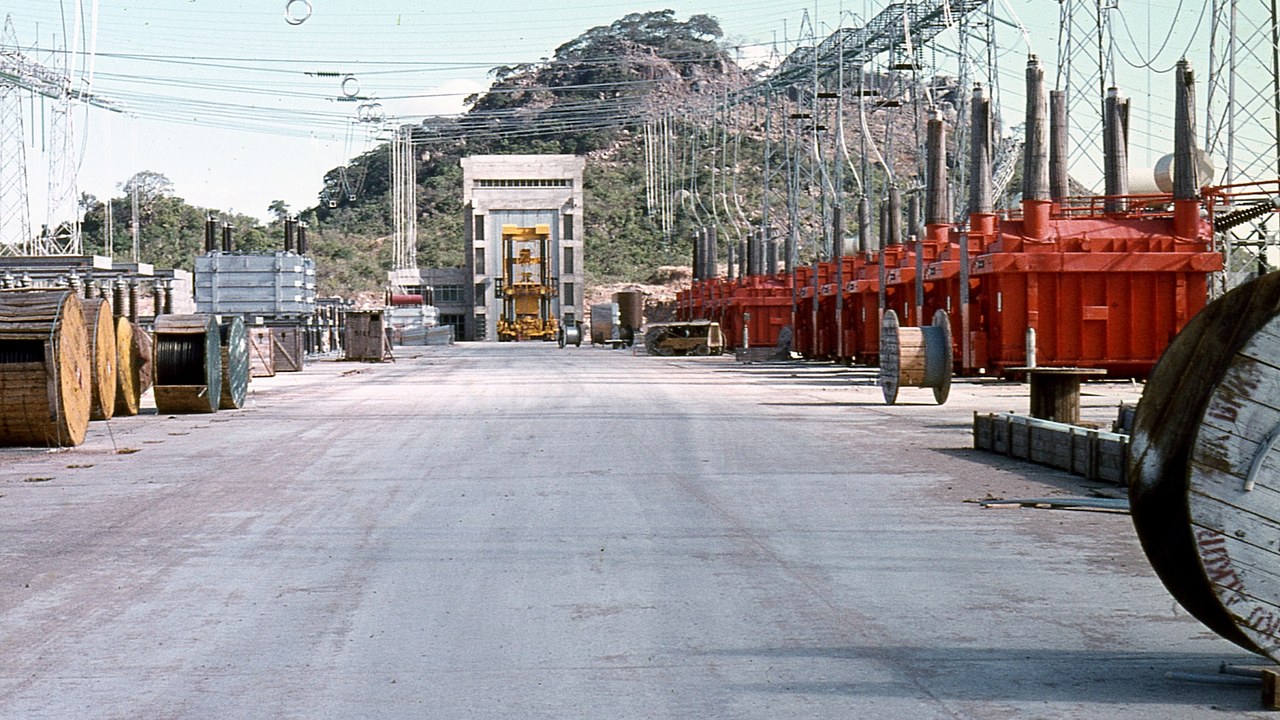
Builders raised Cahora Bassa Dam on the Zambezi River in Mozambique, finishing construction in 1974 and backing up a reservoir that stretches roughly 250 kilometres long and holds about 55.8 cubic kilometres of water.
Most of the electricity it generates is exported to South Africa over one of the longest high-voltage transmission lines built at the time, while downstream in the Zambezi delta the dam’s altered flow pattern has been blamed for eroding farmland, shrinking mangroves and disrupting fish and prawn stocks that coastal communities depended on.
More from Morning Overview
- Card skimmers hidden on gas pumps are draining accounts, and there’s a quick way to spot them
- The NSA warns one messaging setting can clone your texts to a stranger
- Security experts still urge phone owners to switch off one location-tracking setting
- Automakers are quietly dropping the stop-start feature many drivers love to hate
