
A transmission repair can wipe out years of savings on a used car, and some models have earned that reputation the hard way. Owner complaints, recalls, warranty extensions and class actions point to the same set of gearboxes again and again. Here are eighteen used cars whose transmissions have a record of quitting early.
Read next on Morning Overview: Hidden card skimmers on gas pumps and ATMs can be exposed with one quick shake
1. Ford Focus (2012-2016): Its Dual-Clutch Gamble Backfired
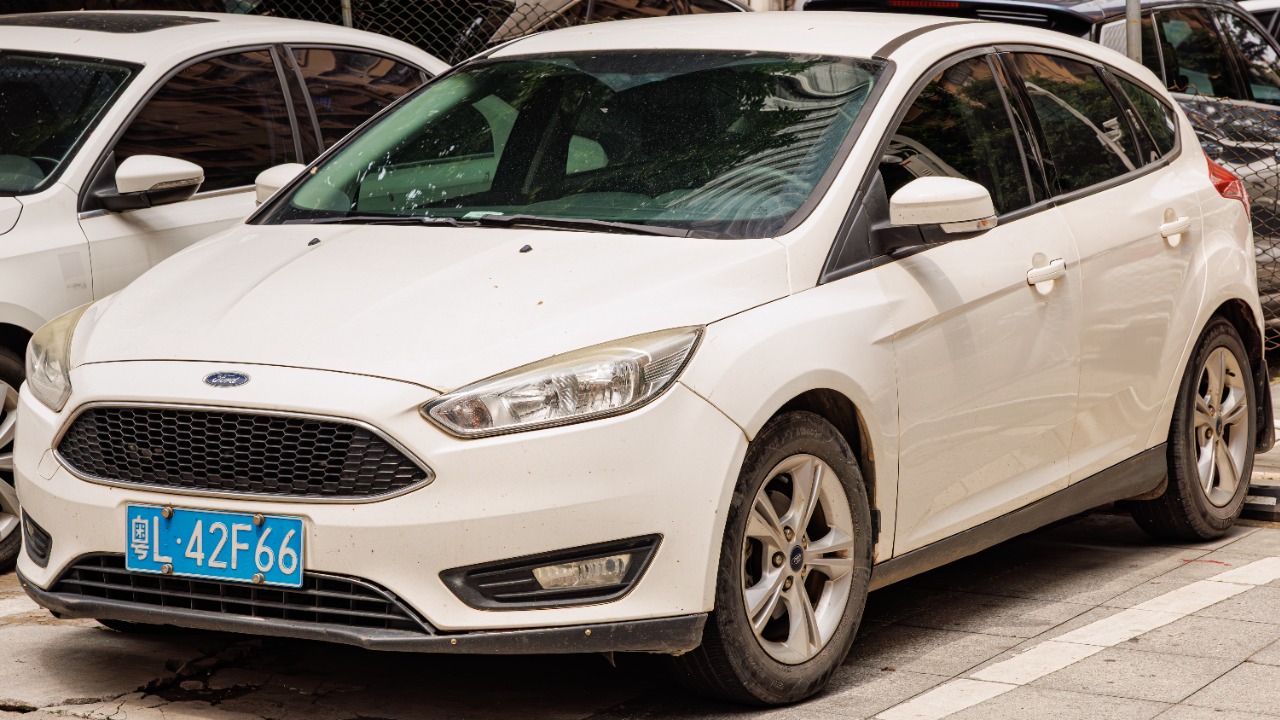
The 2012 to 2016 Focus used the DPS6 PowerShift automatic, a dual-clutch unit that owners said would slip, buck and jerk in normal driving. Complaints piled up until the problems led to a class-action settlement.
For used buyers, the clutch packs and control module are the parts to ask about. Service records showing clutch or module replacement under warranty are a good sign rather than a warning.
2. Ford Fiesta (2011-2015): The Focus Problem in a Smaller Body
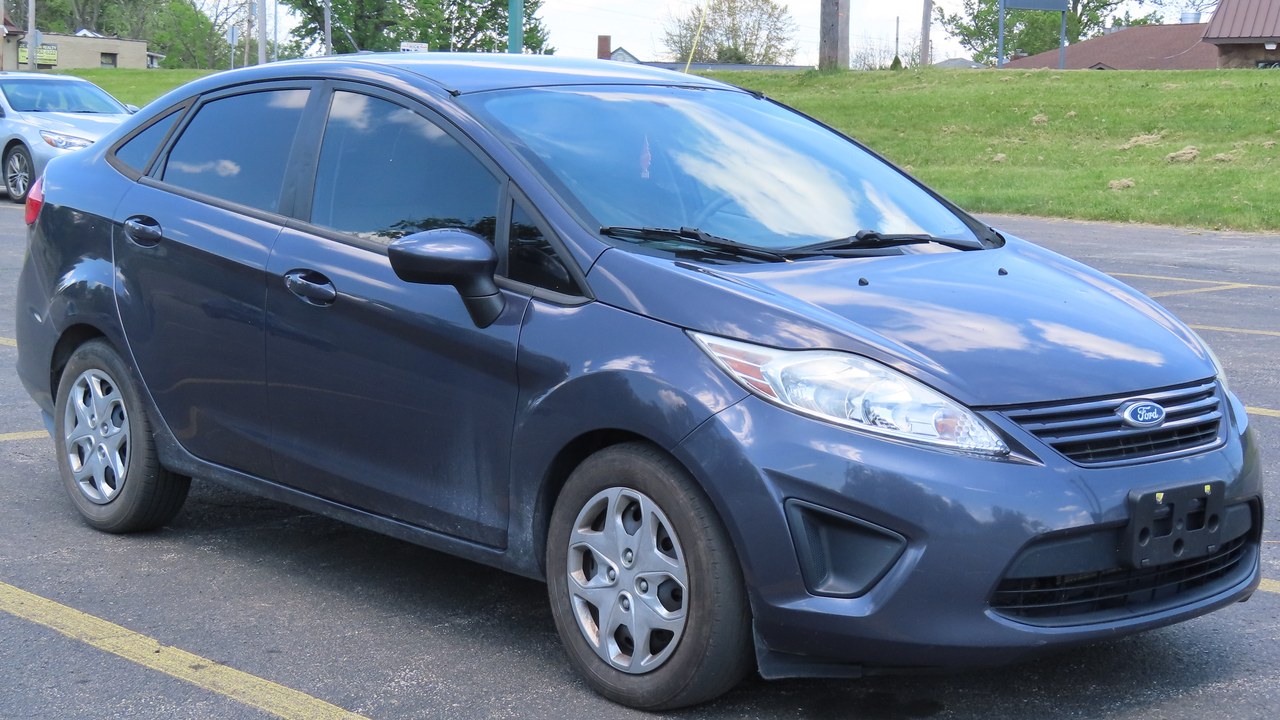
The 2011 to 2015 Fiesta shares the same troubled DPS6 automatic as the Focus, so it inherits the same shuddering and slipping complaints from owners. Cars built with the manual gearbox escape the problem entirely.
That makes the manual Fiesta the safer pick from these years. Anyone shopping an automatic should budget for clutch work and look for proof that earlier fixes were already done.
3. Nissan Altima (2013-2016): A CVT Bill Before 80,000 Miles
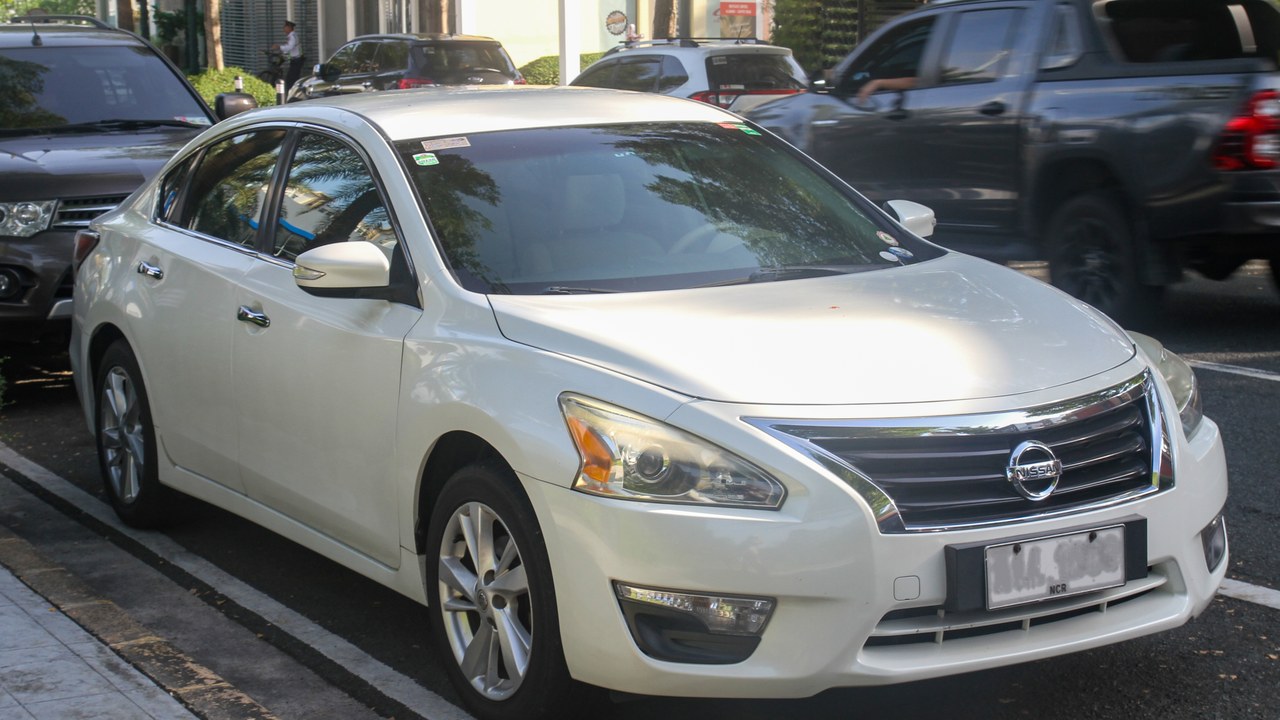
Nissan’s continuously variable transmission is the weak point of the 2013 to 2016 Altima. Reported CVT failures on a 2014 model averaged $3,860 to repair, and they arrived at roughly 75,200 miles.
That figure lands well before many owners expect major work on a midsize sedan. Regular CVT fluid changes help, but a whining or hesitating Altima on a test drive is a reason to walk away.
4. Nissan Sentra (2013-2017): Judder Bad Enough for a Warranty Extension
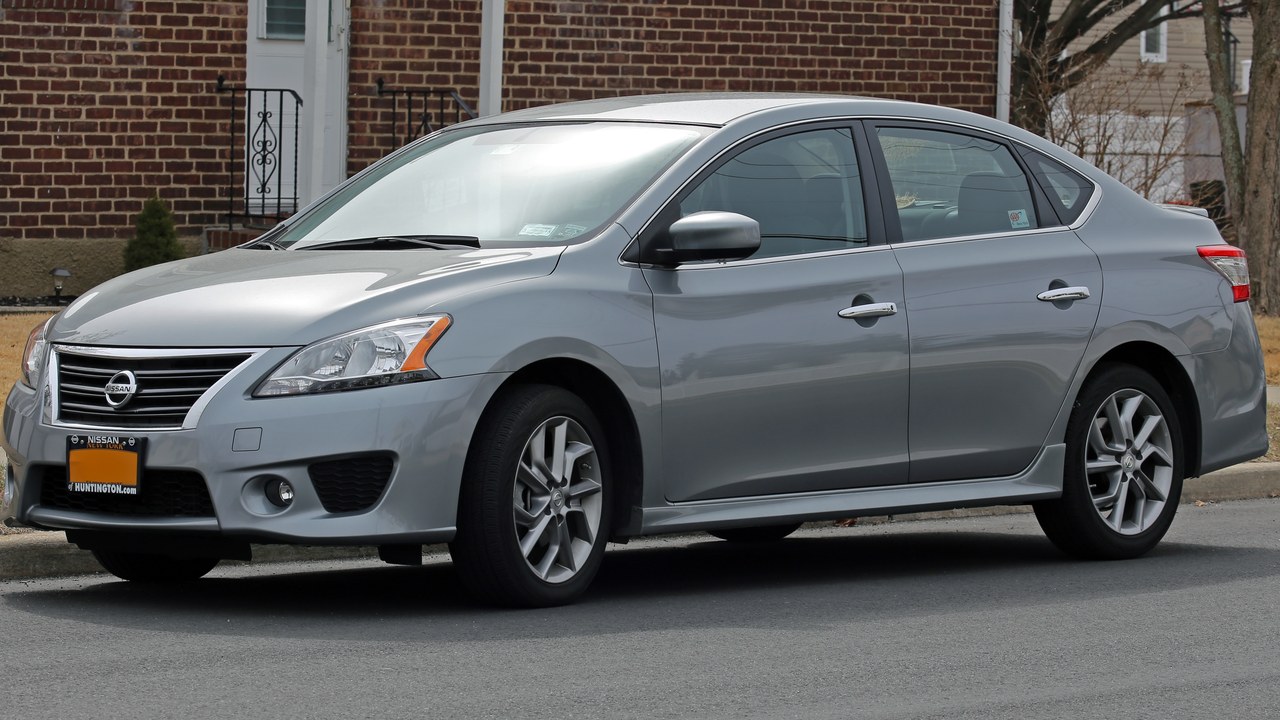
The 2013 to 2017 Sentra developed a CVT judder so common that Nissan extended the transmission warranty to cover it. Repairs often meant replacing the whole transmission instead of a single part.
Many of those extended warranties have now run out on older cars. A shudder when pulling away from a stop is the classic symptom, and it rarely improves on its own.
5. Nissan Rogue: A Bestseller That Shares the Blame
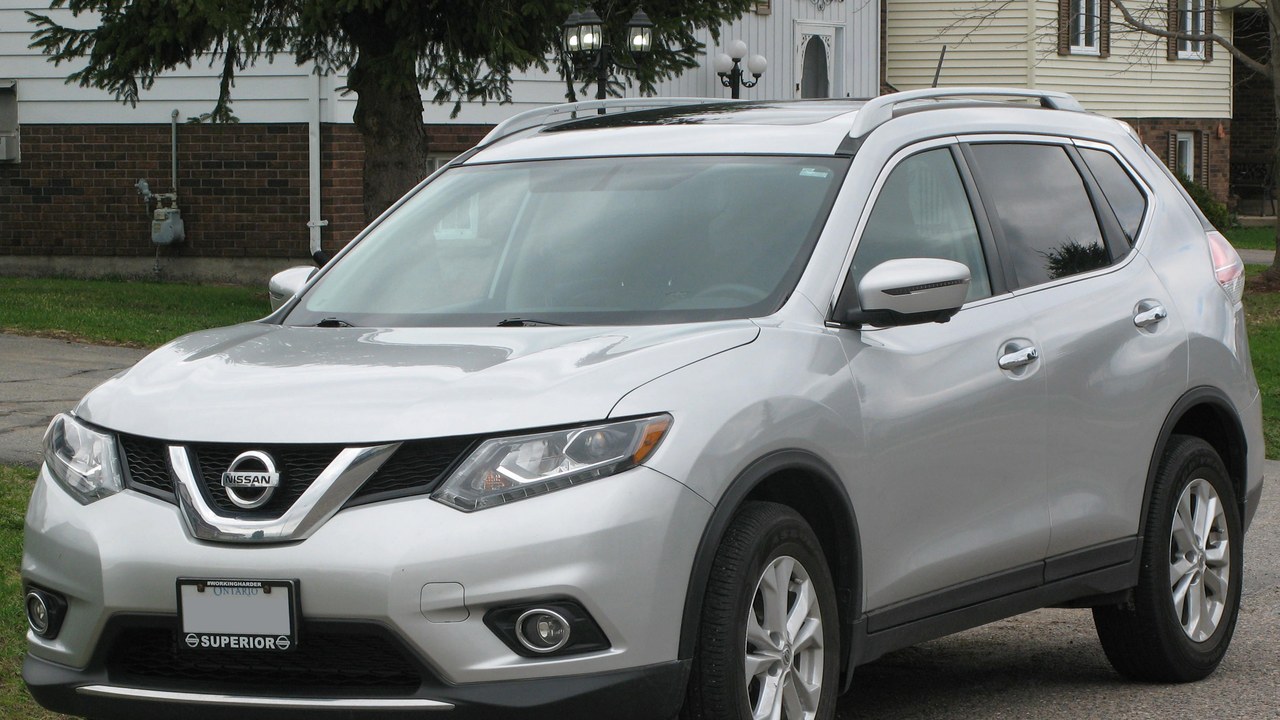
Transmission specialists put the Rogue from 2008 to 2019 among the Nissan models that take most of the CVT blame in their shops. The compact SUV sold in huge numbers, so plenty of these units are now on the used market.
High mileage makes the risk worse, since worn CVT belts and pulleys tend to fail without much warning. A pre-purchase inspection by an independent shop is cheap insurance on any of these years.
6. Nissan Maxima: Even the Flagship Sedan Is on the List
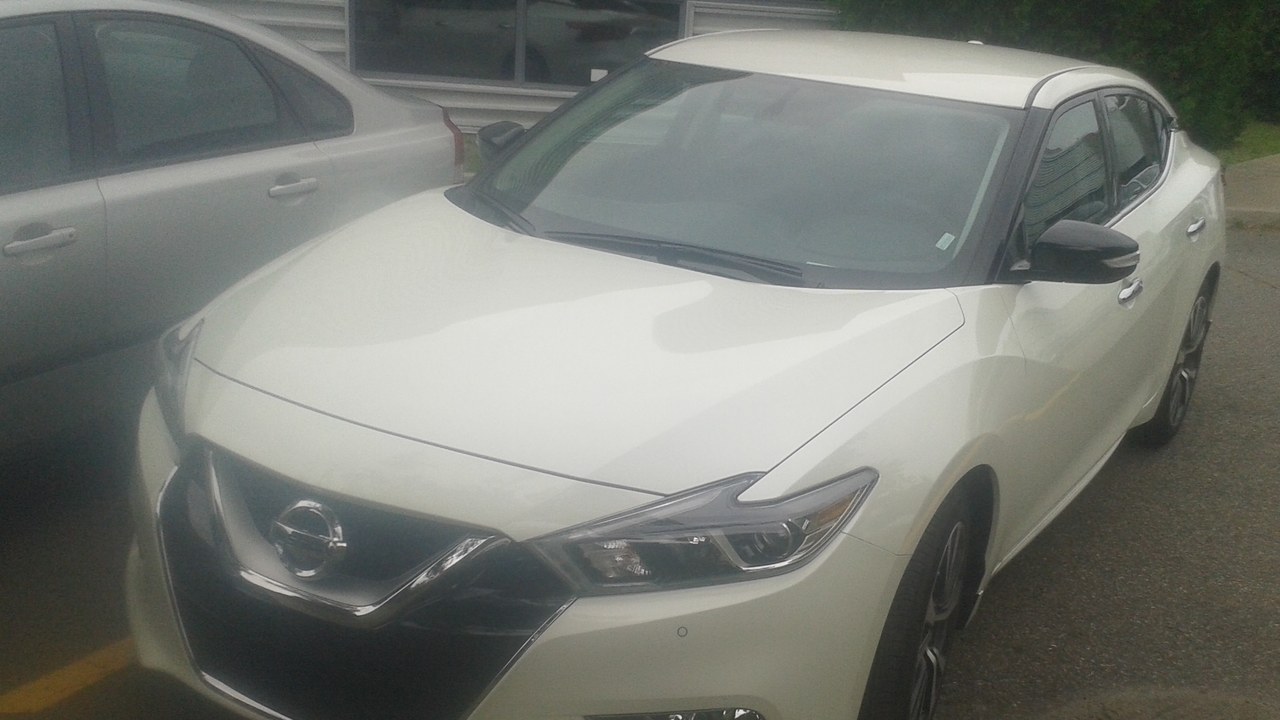
Nissan’s top sedan did not escape the problem. Maximas from 2007 to 2019 appear on the specialists’ list of CVT trouble models, despite their bigger engines and higher price tags.
A powerful V6 puts extra strain on a belt-driven transmission. Shoppers should treat a cheap high-mileage Maxima with suspicion and check whether the CVT has already been replaced. Later Maximas kept a CVT, so a newer model year alone is no guarantee.
7. Nissan Versa: Cheap to Buy, Costly to Fix
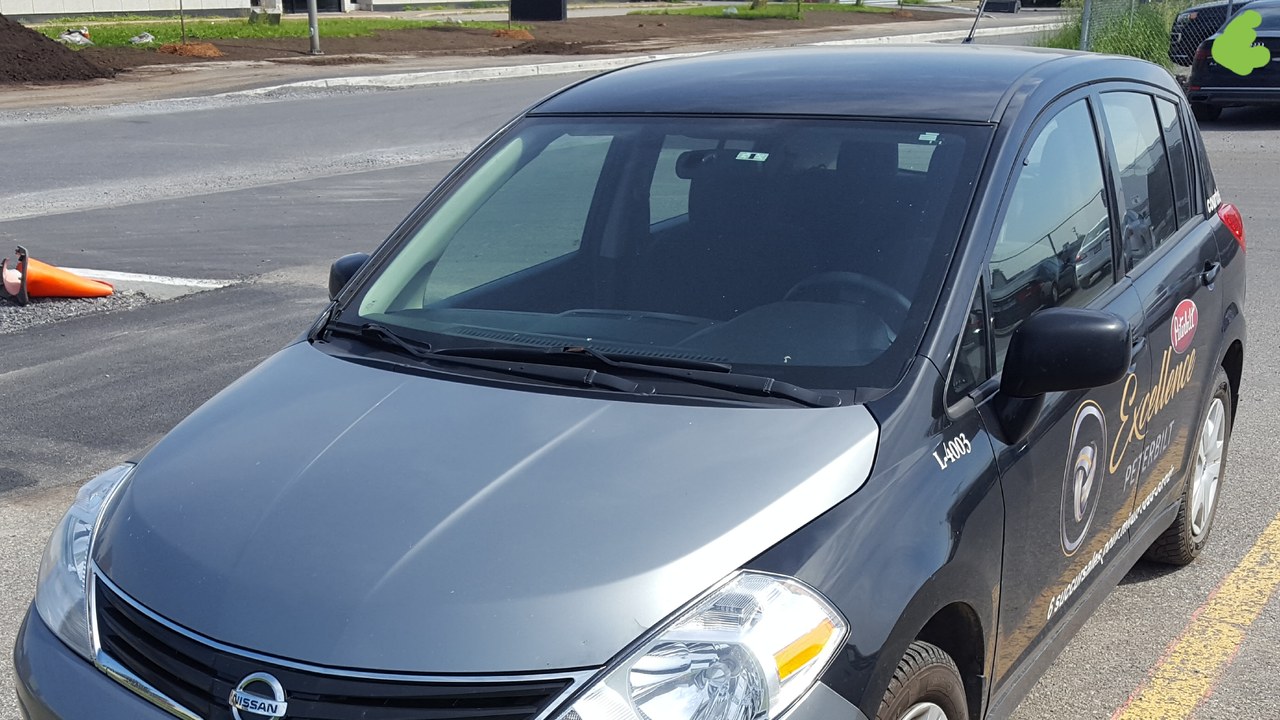
Versas from 2007 to 2019 round out the group of Nissans that specialists say take most of the CVT blame. Many were sold as budget commuters, often driven hard and serviced lightly.
That combination can leave a bargain Versa with a repair bill worth more than the car. Ask for fluid service records and listen for a whine or surge during acceleration.
8. Nissan Pathfinder (2013): A Loose Hose With Big Consequences
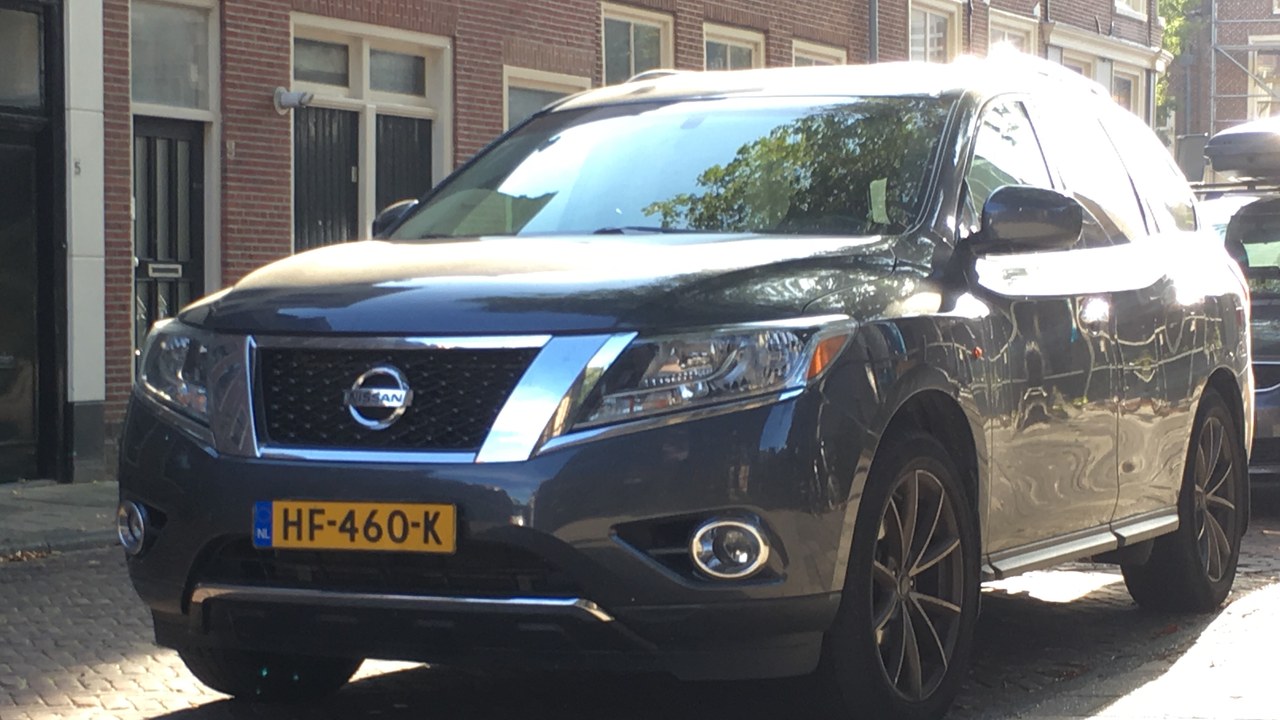
The 2013 Pathfinder had a fault that had nothing to do with gears. A poorly clamped hose could detach from the transmission oil cooler, dumping fluid and leaving owners stranded.
Without fluid, a transmission can be damaged within minutes. Buyers should confirm that any related repair was completed and check for signs of fluid loss under the SUV. The 2013 model was the first year of a new Pathfinder generation, which also switched the SUV to a CVT.
9. Nissan Murano (2011, 2013): Overheating CVTs and Sudden Lurches
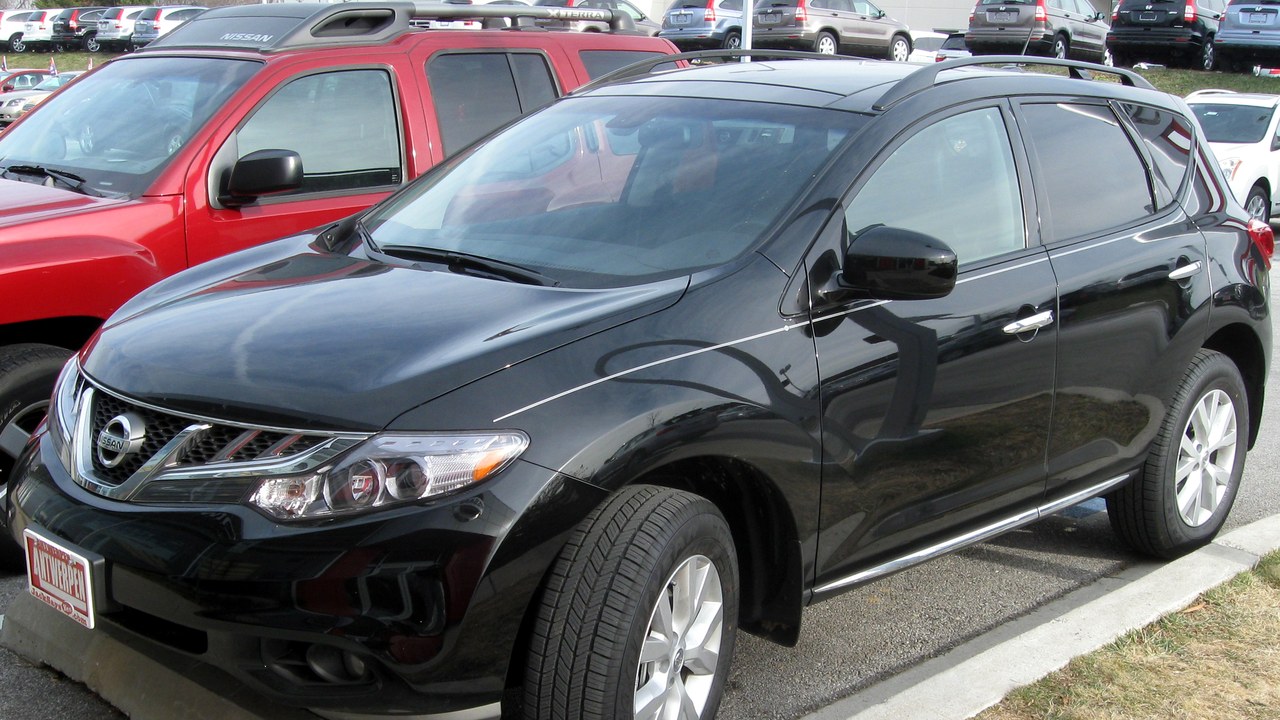
The 2011 and 2013 Murano are singled out for CVT overheating and fluid leaks that can cause violent lurching and sudden failures. Owners describe the problems arriving with little warning.
Heat is the enemy of these transmissions, so towing or hard summer driving adds risk. A Murano that has spent years in a hot climate deserves extra scrutiny before purchase.
10. Jeep Cherokee (2014-2015): The Nine-Speed That Shifted Itself to Neutral
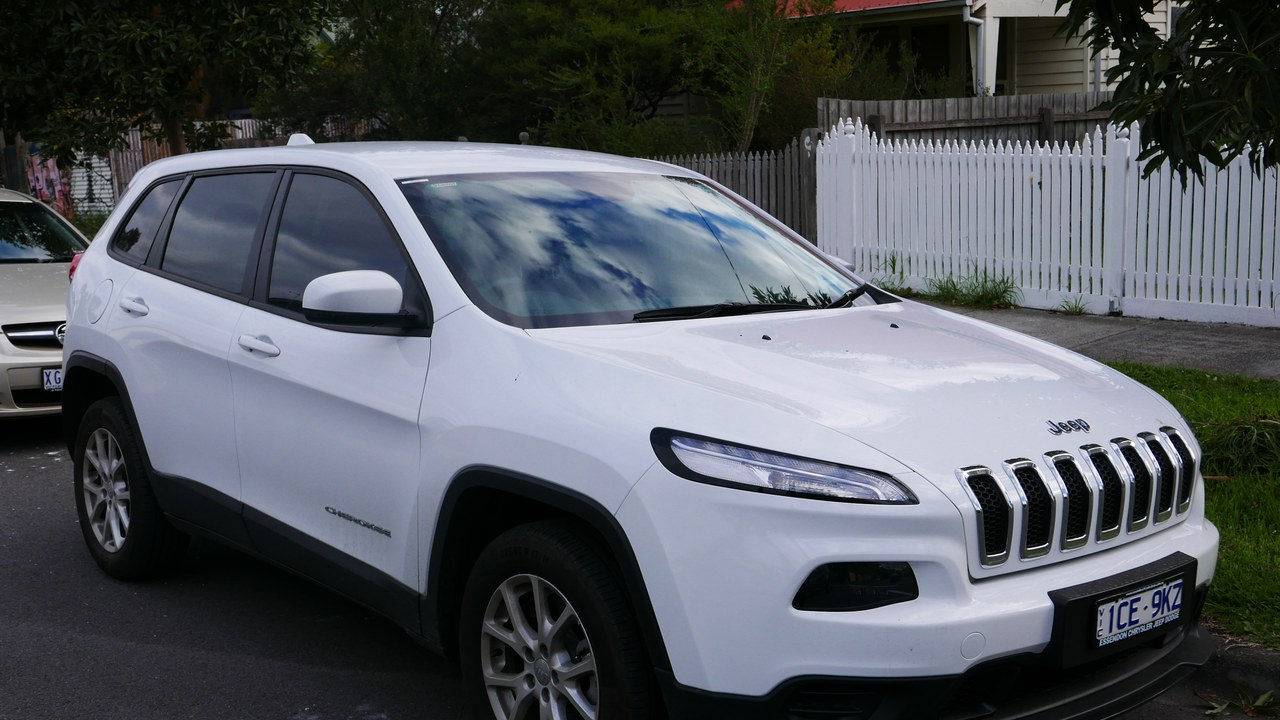
The 2014 and 2015 Cherokee brought a new nine-speed automatic, and owners reported it could shift into neutral without warning, cutting power while the SUV was moving.
Software updates addressed some of the behavior, but early units still have a poor reputation. Confirm that every recall and software update has been applied before buying one. The 2014 model marked the Cherokee name’s return to Jeep’s lineup, with the nine-speed as one of its headline features.
11. Chrysler 200 (2015): A Wiring Flaw That Hit the Transmission
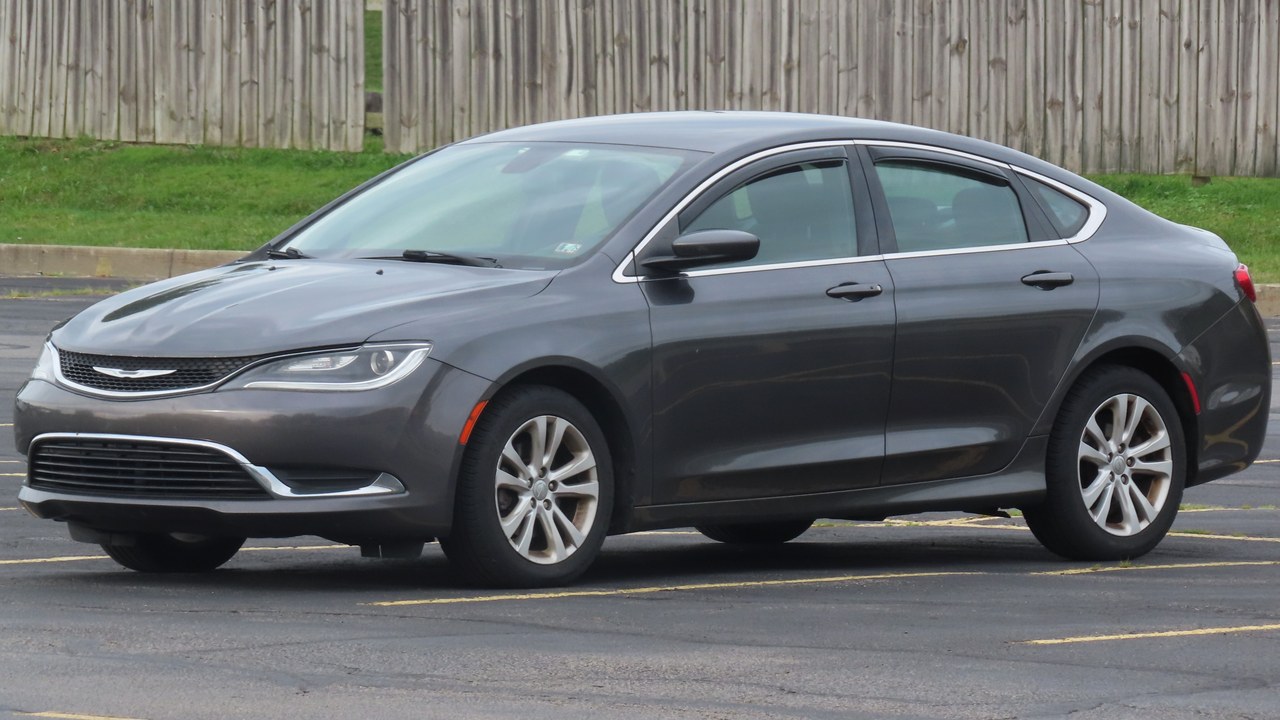
The 2015 Chrysler 200 shared the nine-speed automatic and added a separate problem: what NHTSA described as insufficient crimps in the wiring harness tied to the transmission.
Electrical faults like this can trigger warning lights, odd shifting or sudden loss of drive. Checking the VIN against NHTSA’s recall database is a quick first step for any used 200. The second-generation 200 was built only from 2015 to 2017.
12. Honda Odyssey (2002-2004): Heat That Chipped the Gears
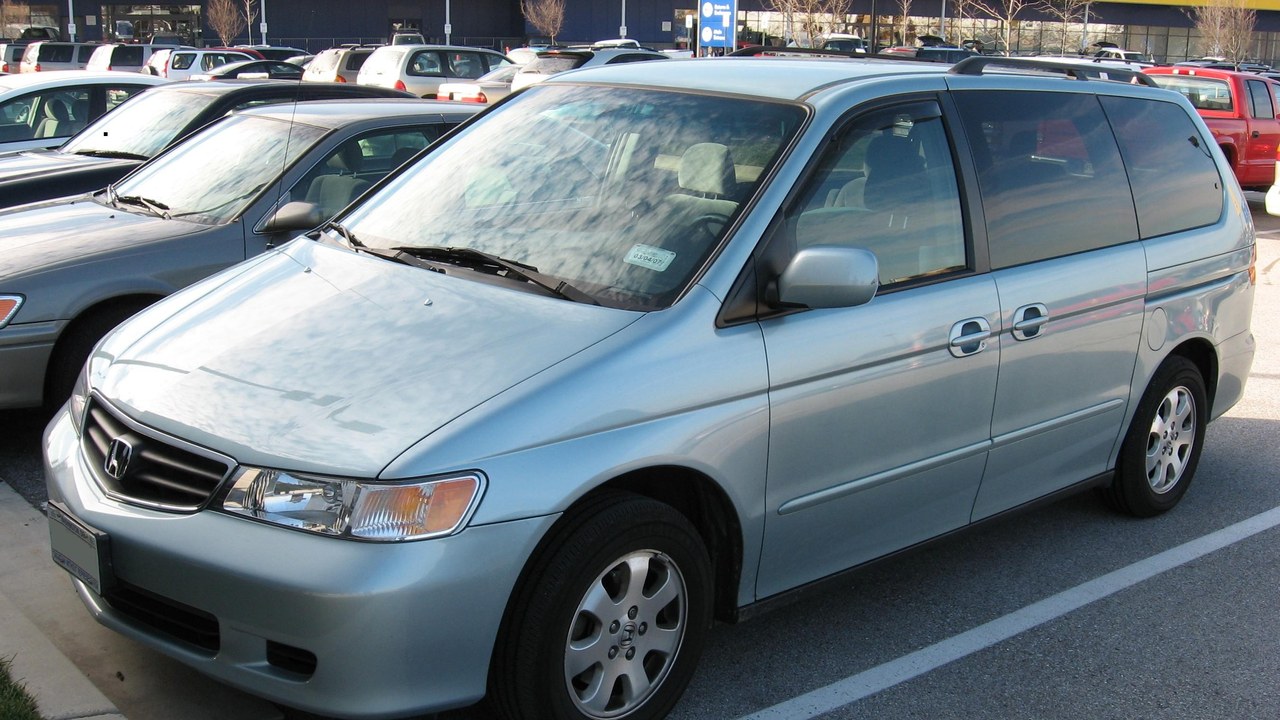
On the 2002 to 2004 Odyssey, heat buildup inside the automatic could lead to chipped gear teeth and, eventually, a transmission that locked up at speed.
These vans are now two decades old, so any help from the factory is long gone. A minivan from these years still running its original transmission is a gamble worth pricing in. Honda automatics of the same era drew similar complaints in other models, including the Accord.
13. Chevrolet Equinox (2018-2020): Leaks Serious Enough to Be Fire Risks
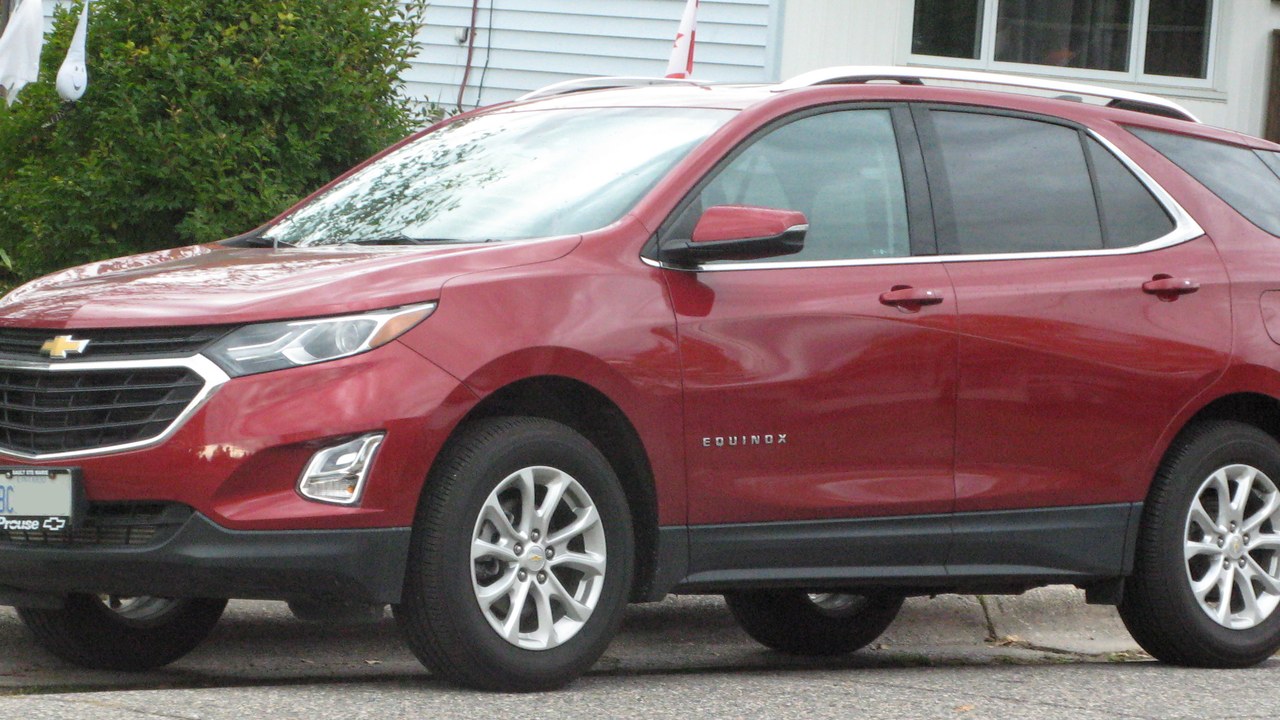
The 2018 to 2020 Equinox was hit with multiple recalls for transmission fluid leaks that posed fire hazards. Fluid escaping onto hot engine parts is what turns a leak into a safety issue.
Recall repairs are free regardless of age, so the key question is whether they were done. Any fluid spots or a burning smell after a drive should end the test drive.
14. GMC Acadia: Metal Fragments Inside the Gearbox
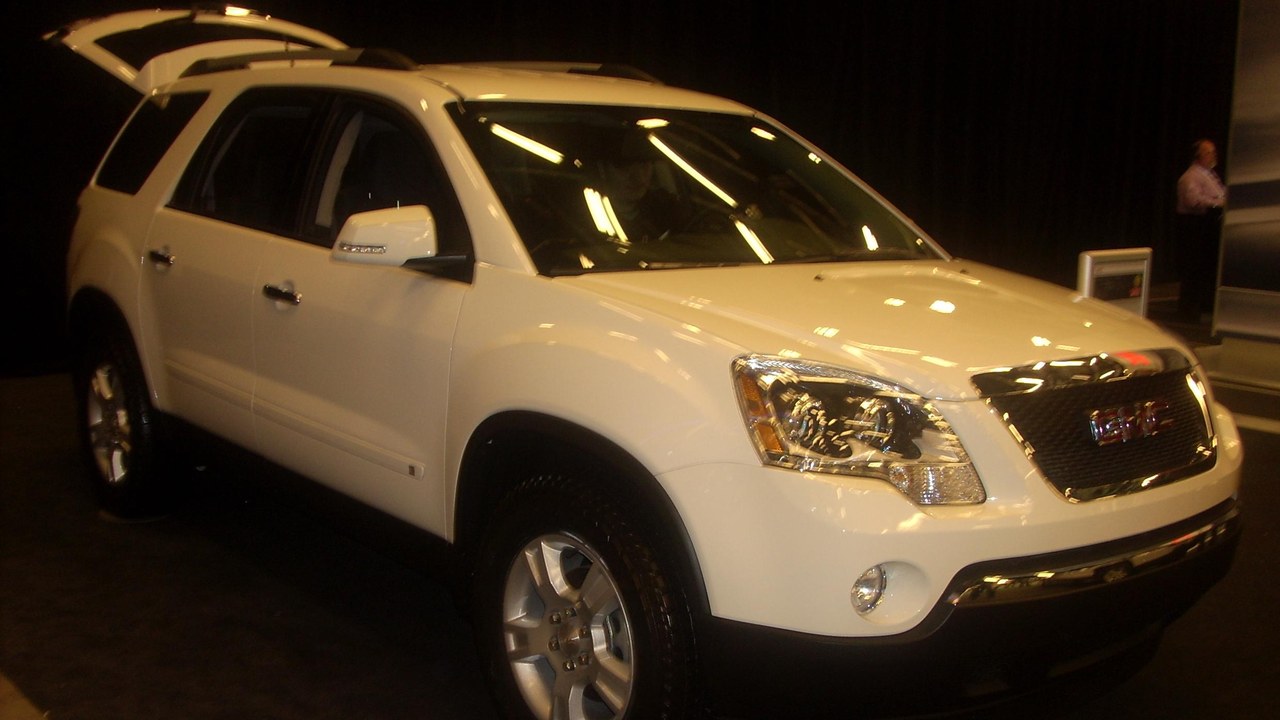
The Acadia’s 6T75 automatic is known for internal wave plate failures that send metal fragments through the transmission. Once debris circulates, damage tends to spread to other parts.
Repairs usually mean a rebuild or replacement rather than a quick fix. A slipping or flaring shift between gears is the warning sign to watch for on a used Acadia. The 6T75 was used across several of GM’s large crossovers of the period.
15. Chevrolet Traverse (2013-2015): The Same Six-Speed, the Same Trouble
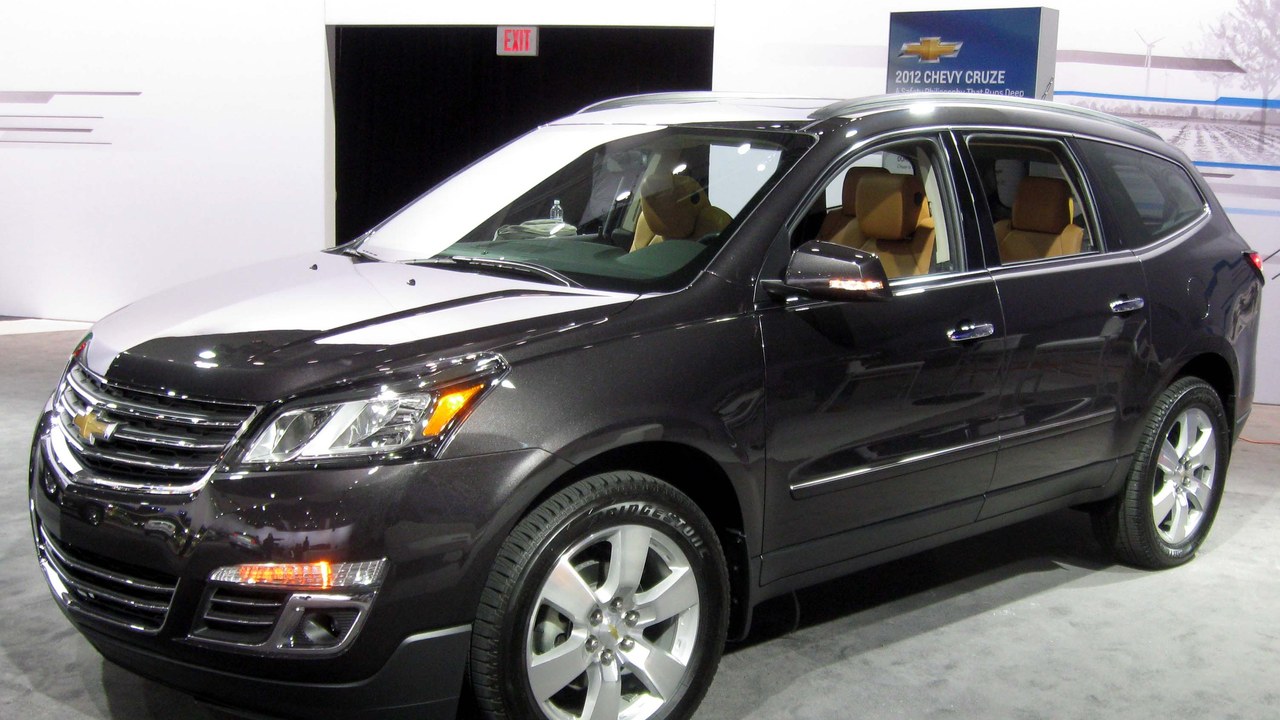
The 2013 to 2015 Traverse uses the same problematic 6T75 six-speed as its GMC cousin, with owners reporting shudder and torque converter trouble.
Because these big crossovers often carried full families and towed trailers, many transmissions have led hard lives. A history of regular fluid changes matters more than low miles alone. Torque converter problems can show up as a shudder at steady highway speeds, a symptom worth testing for on any used Traverse.
16. Toyota Highlander (2017-2021): A Rare Weak Spot for Toyota
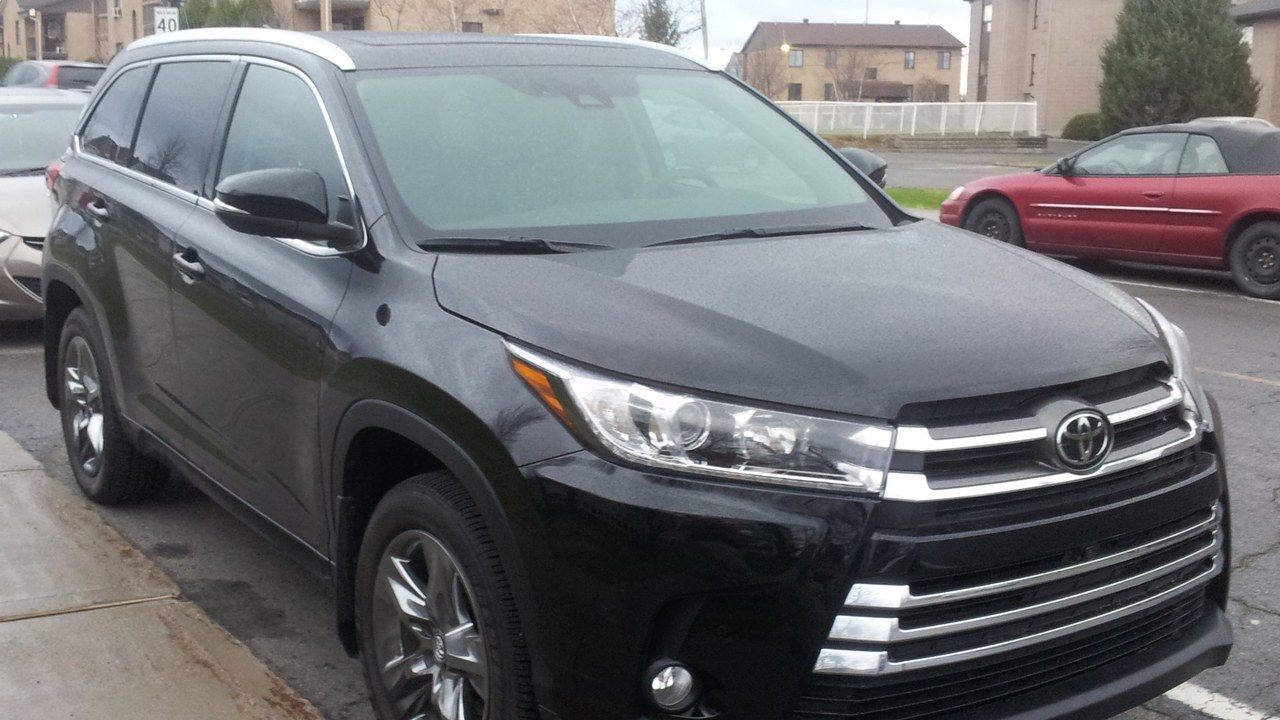
Toyota’s reputation took a hit with the 2017 to 2021 Highlander, which struggled with its eight-speed automatic. Owners reported harsh shifts and hesitation, and class-action lawsuits followed.
The complaints center on how the SUV drives day to day, which a short test drive can reveal. Spend time in stop-and-go traffic before deciding whether the shifting is tolerable. The 2020 redesign kept an eight-speed automatic for its V6 models.
17. Kia Forte (2019 onward): Two Gearbox Choices, Both With Problems
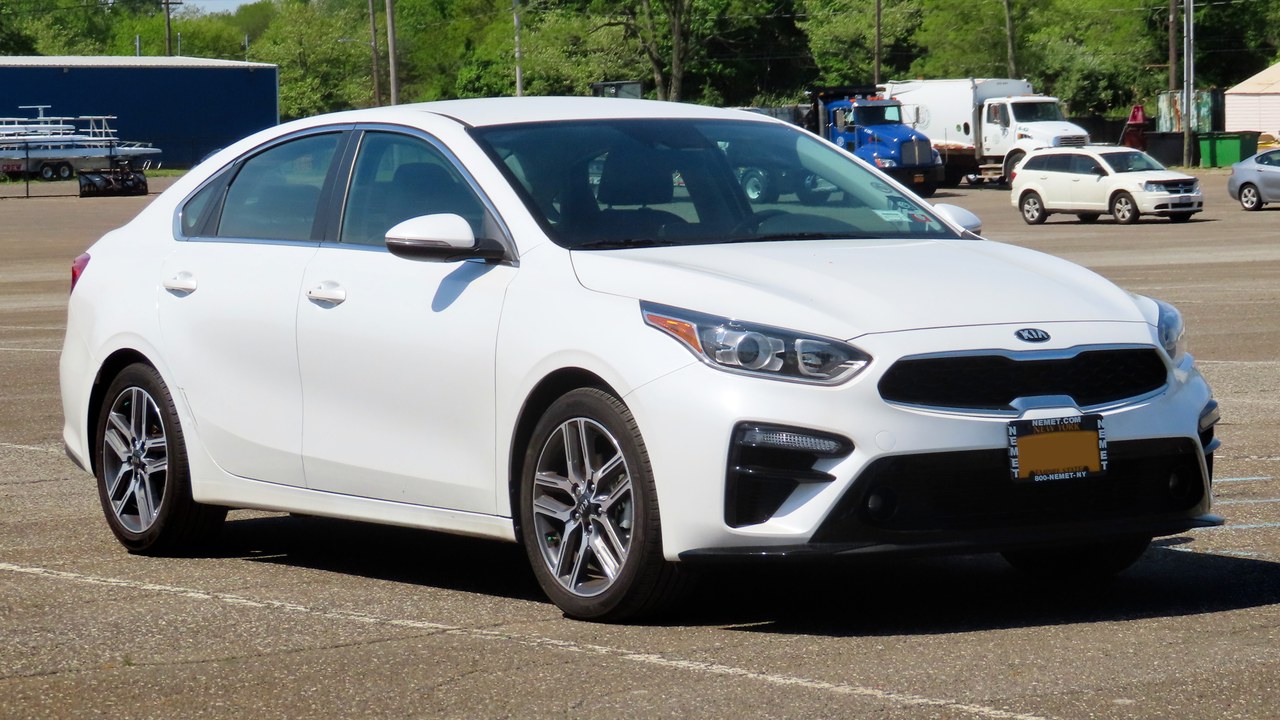
From 2019 onward, the Forte offered a CVT and a dual-clutch option, and both have documented high failure rates according to used-car analysis.
The Forte is otherwise a cheap, efficient compact, which makes it tempting. Buyers should check warranty status carefully, since Kia’s long powertrain coverage applies in full only to original owners. The dual-clutch was offered on turbocharged versions, while most Fortes use the CVT, which Kia calls an IVT.
18. Volkswagen Golf GTI: Fun to Drive Until the Mechatronics Quit
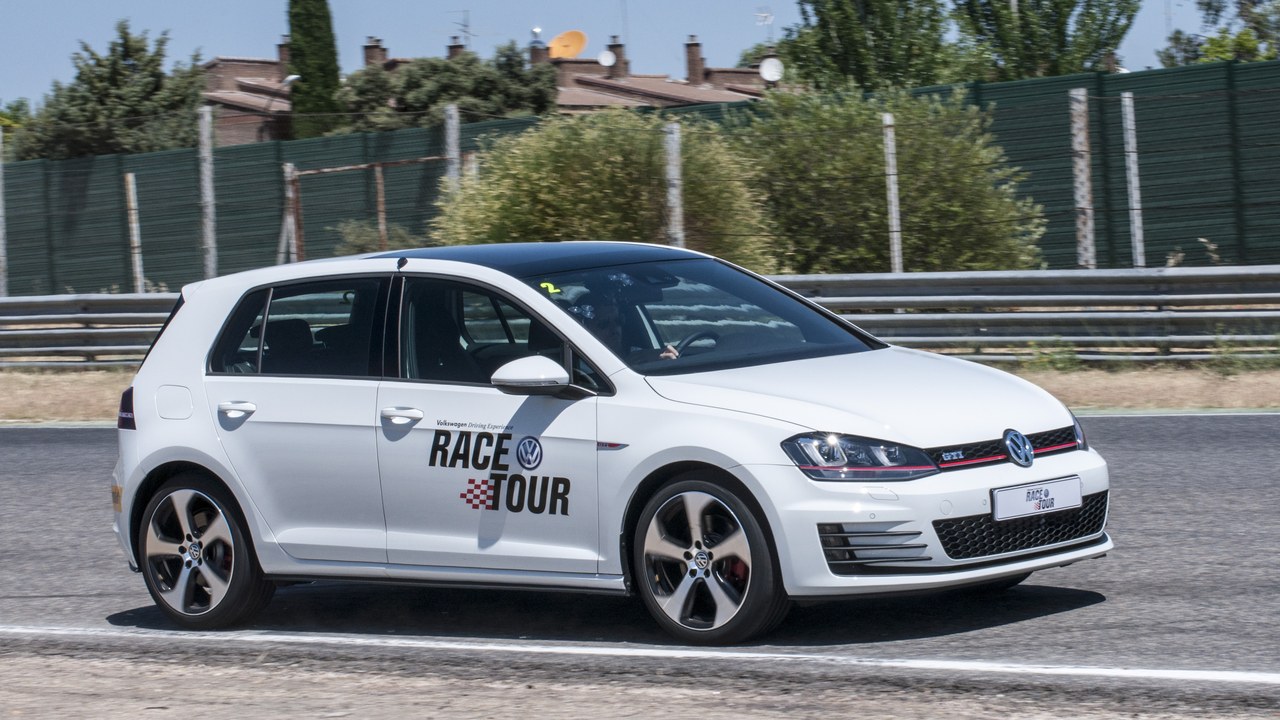
The Golf GTI’s DSG dual-clutch gearbox is quick and smooth when healthy, but it is prone to mechatronic unit failure, which causes jerky shifts and warning lights.
The mechatronic unit is the transmission’s electronic brain, and replacing it is expensive. DSG fluid service at the specified intervals is essential, so missing records are a red flag. The GTI was also sold with a six-speed manual, which avoids the problem altogether.
More from Morning Overview
- Three atmospheric rivers are lining up to drench the Pacific Northwest this week
- A dangerous unpatched Windows exploit is now public and can hand attackers full control
- Thousands of bottles of a combination blood pressure pill are recalled nationwide
- GM’s big V8 trucks keep blowing engines after the recall fix, and NHTSA is digging deeper
