
Autumn is the season when many animals start filling their pantries, from birds with thousands of hiding places to mammals with underground larders. Each species here uses a different method, whether burying, piling, drilling or storing in water. Here are thirteen animals that stockpile food, led by one bird that can hide as many as 98,000 seeds.
The day in tech, in one email: TLDR is the daily newsletter with links and TLDRs of the most interesting stories in startups, tech and programming.
We may earn a commission if you sign up.
1. Clark’s nutcracker: The 98,000 Seed Record
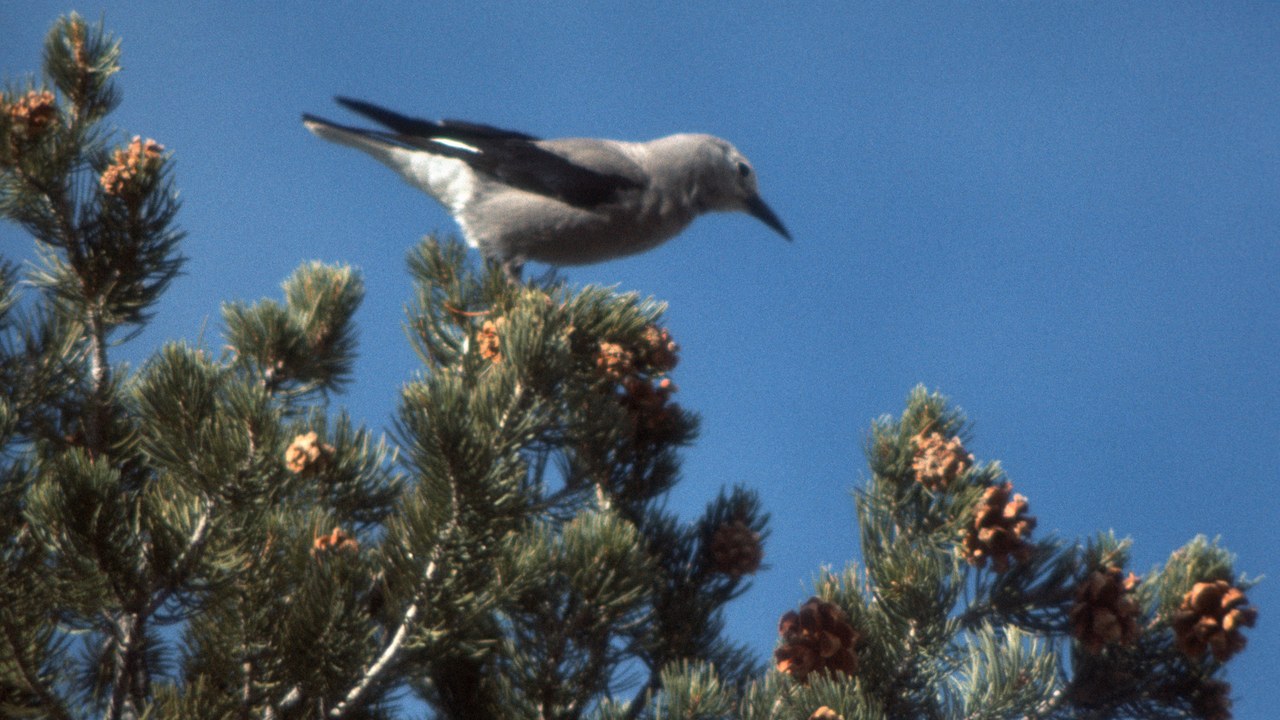
Yellowstone’s park educators say Clark’s nutcracker collects up to 98,000 whitebark pine seeds and stores them in up to 10,000 different places, as described in a National Park Service lesson on caching food.
That scale makes the bird a standout among food hoarders. Remembering thousands of hiding spots is central to its winter survival, and the whitebark pine seeds it buries are the pantry it depends on when the cold season arrives and other food is scarce.
2. Acorn woodpecker: A Tree Full Of Pantry
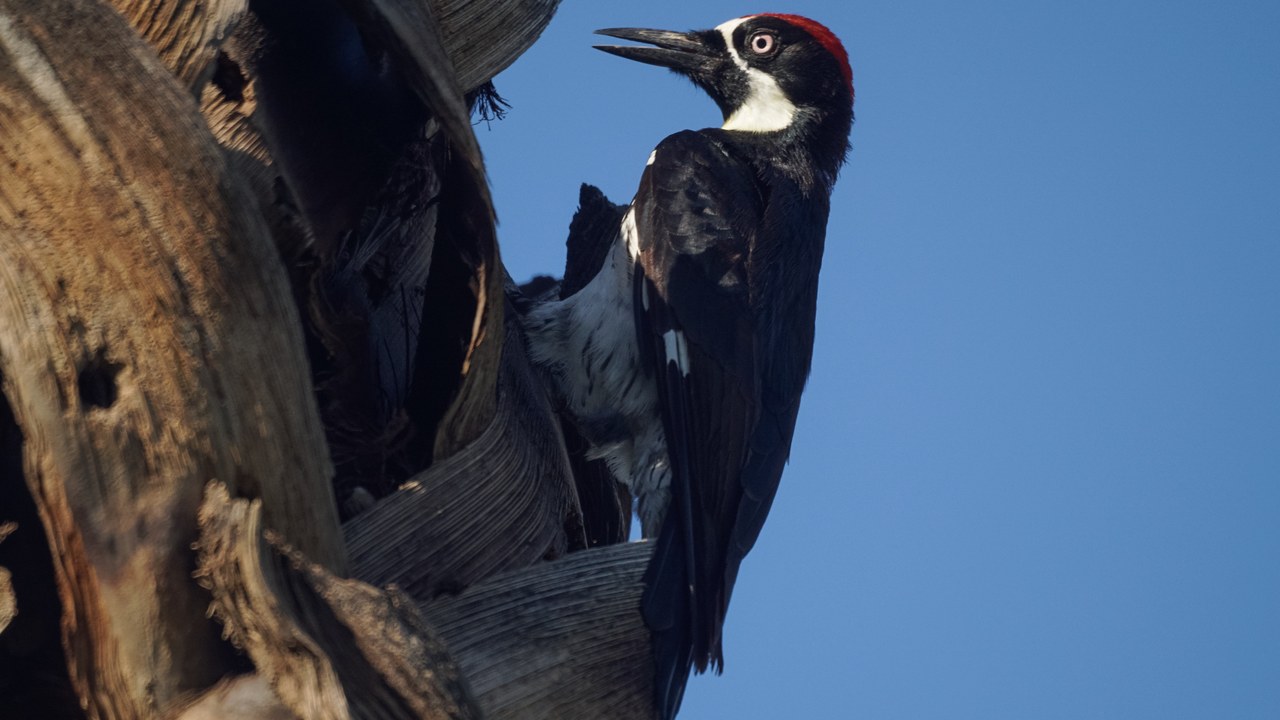
The acorn woodpecker keeps granary trees drilled with holes that can hold as many as 50,000 nuts at once, according to WorldAtlas’s article on animals that hoard their food.
Instead of burying food, the bird builds a visible storehouse in wood. A granary tree is a striking sight and shows that hoarding does not always mean hiding, since the nuts sit in plain view in their drilled holes for anyone passing by to see.
3. Eastern gray squirrel: The Fake Burial
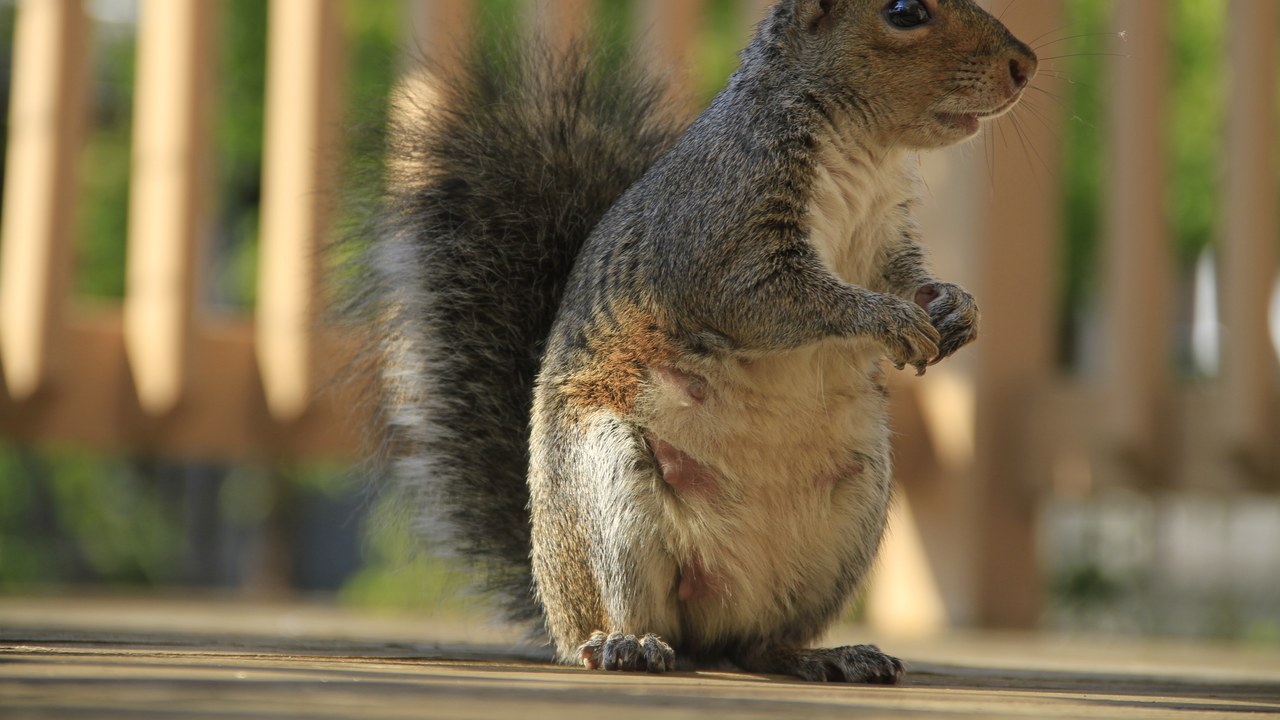
A gray squirrel will pretend to bury a nut when another animal is watching, then hide it somewhere more private, according to Ranger Rick’s feature on animals that save food.
The trick is a form of deception aimed at thieves, and it shows that caching involves more than digging. For a species so common in parks and yards, the behavior is a reminder that familiar animals often have surprisingly clever habits.
4. American red squirrel: Midden Builder
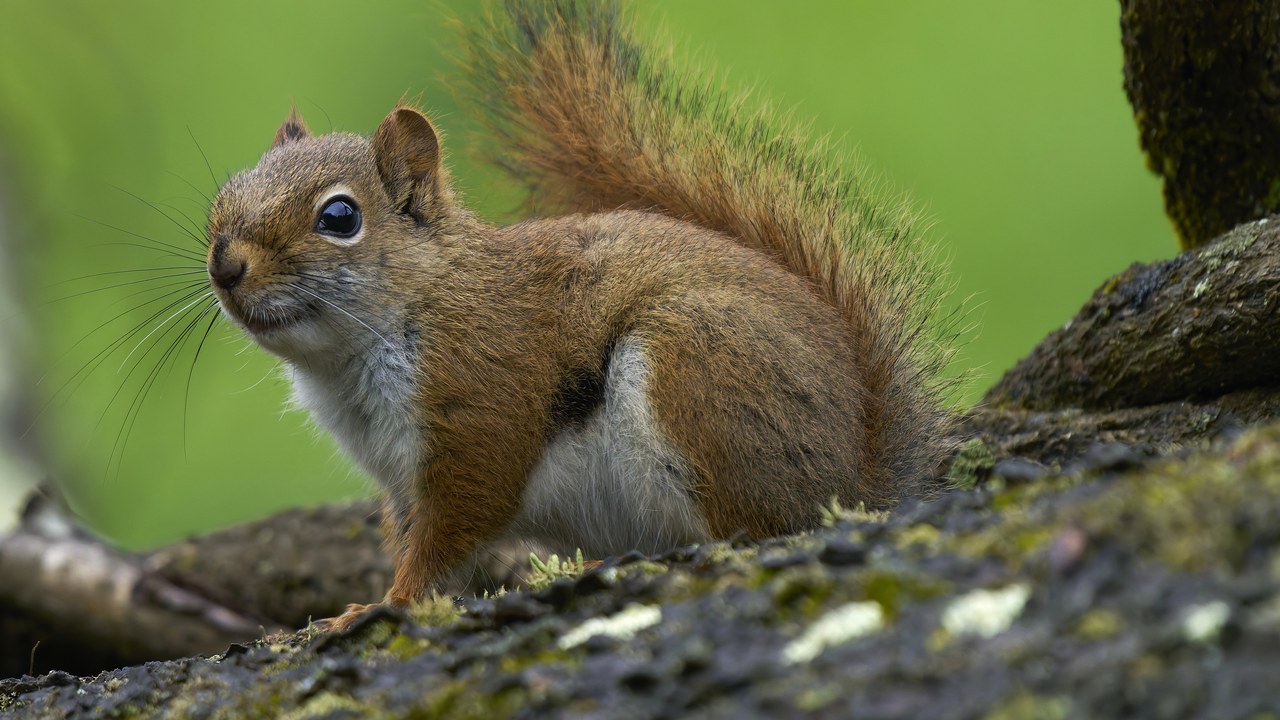
The American red squirrel gathers whitebark pine cones into a midden, a buried or hidden pile that grizzly bears raid, according to the National Park Service educator page on caching.
The pile is a reliable food supply for the squirrel, which makes it a target for larger animals as well. The arrangement ties a small rodent to the fortunes of the bears that depend on its work, an unexpected link in the food chain.
5. Eastern chipmunk: One Big Burrow Stash
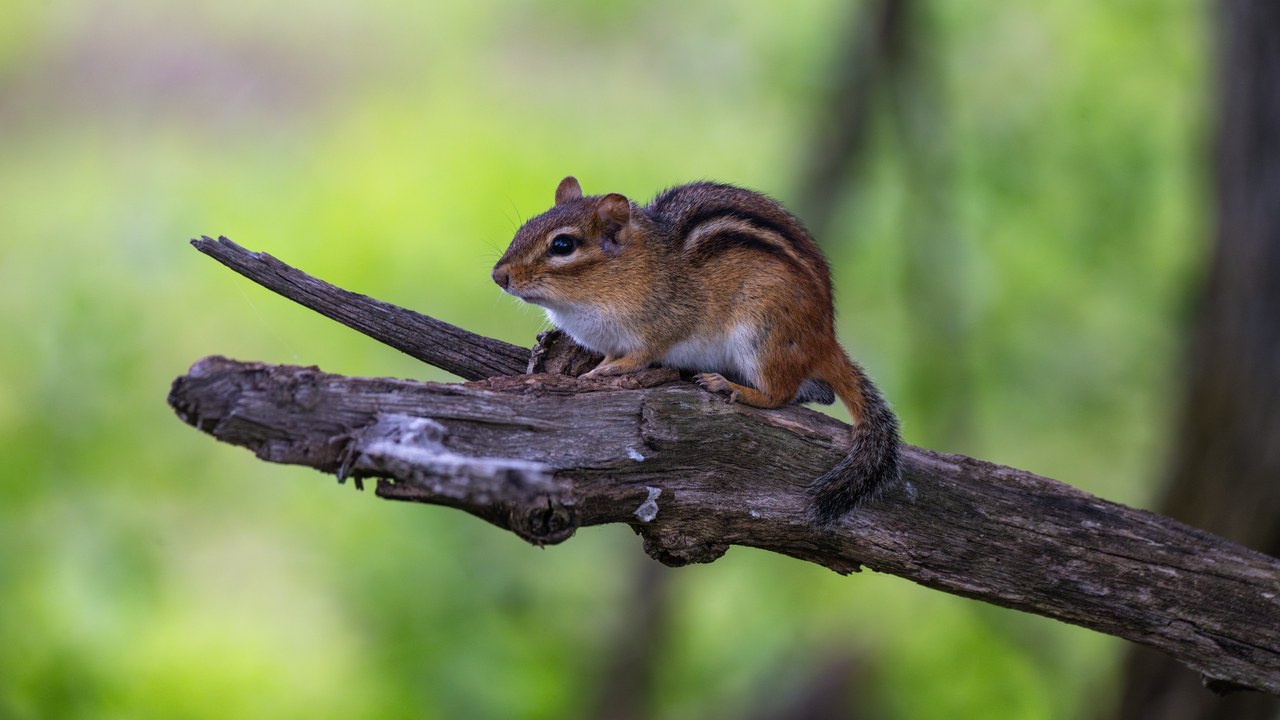
The eastern chipmunk keeps its food in one stash in burrows that can run past 10 feet, and it loses about half of it to other animals, according to WorldAtlas’s roundup.
Putting everything in one place is simple but risky, and the loss rate shows the cost of that choice. Even so, the chipmunk’s underground storeroom gets it through the cold months, and a stash that is only half lost is still worth the effort.
6. American pika: The Haypile Gatherer
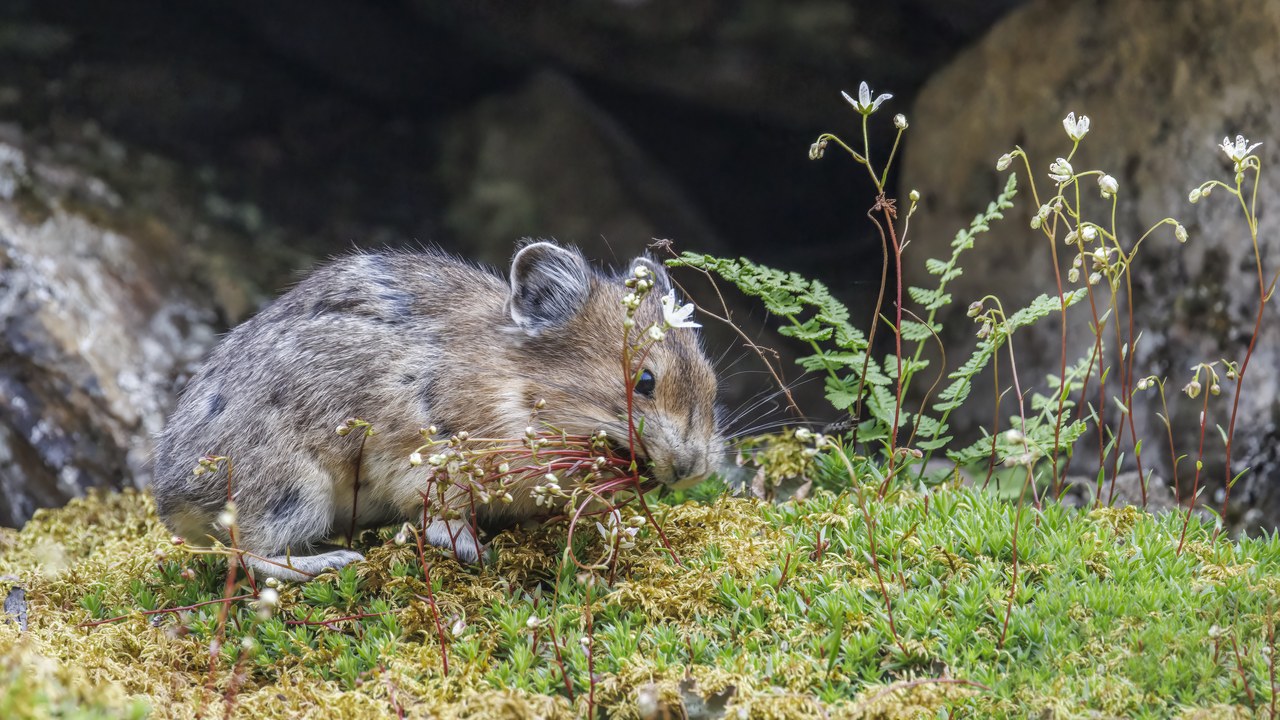
The American pika gathers leaves and grass into a large mound called a haypile to eat through the winter, according to Ranger Rick’s feature on super savers.
Rather than hoarding seeds, the small mountain dweller stockpiles plant material much like a farmer storing hay. The haypile is its winter pantry, which is a fitting strategy for an animal that does not leave its high, cold mountain habitat, where winters are long and food is hard to find.
7. North American beaver: Freezer Under The Ice
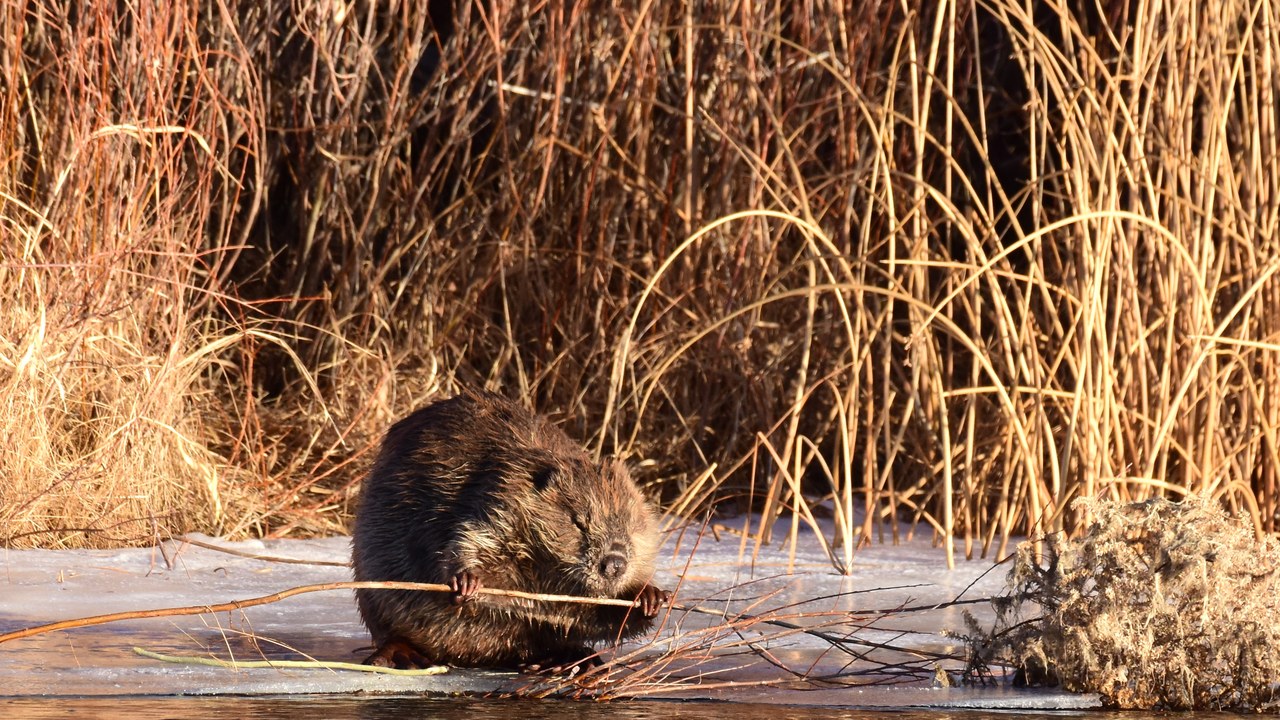
In late autumn the North American beaver builds underwater food caches of branches jabbed into the mud near its lodge, then swims out under the ice to feed, according to an Oakland County blog post.
The pond water acts as a natural freezer and keeps the branches within reach even when the surface is frozen over. It means the beaver can stay warm in its lodge and still eat through the winter.
8. Blue jay: The Winter-Active Jay
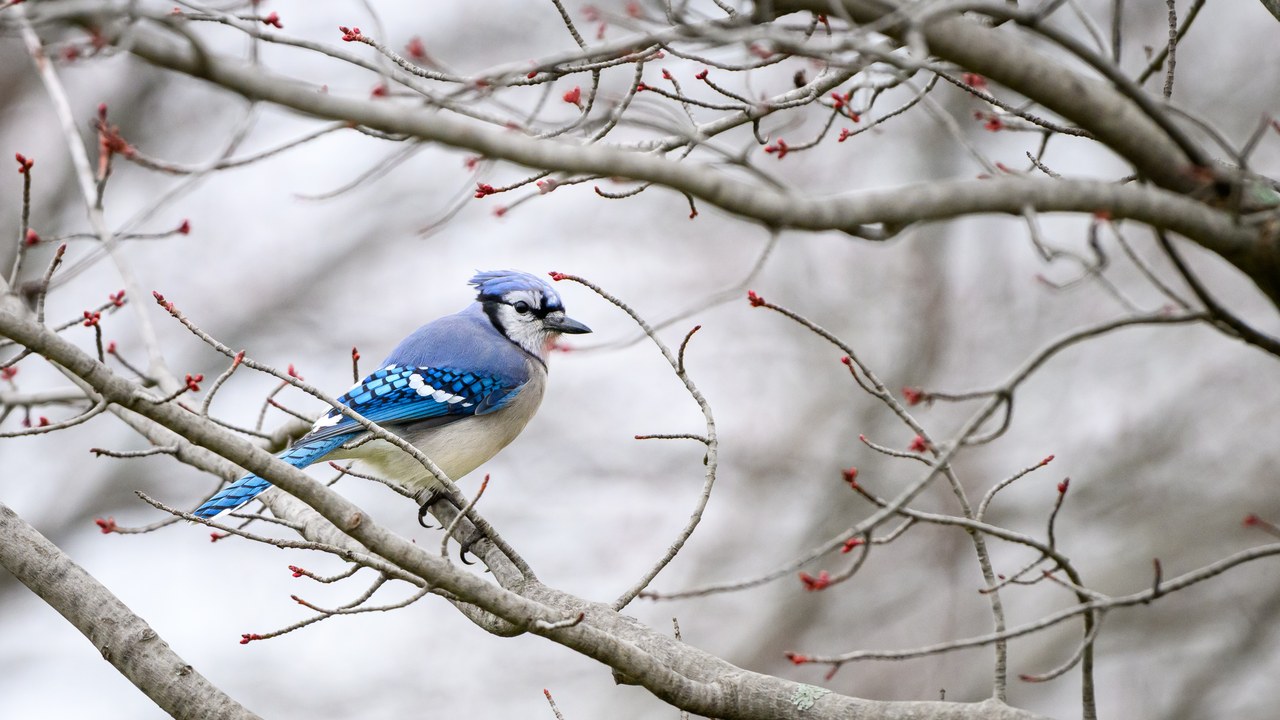
Blue jays stay active all winter and need to cache their food to do it, according to a Northern Woodlands article about harvesting in a time of plenty.
Unlike animals that sleep through the cold season, the bird must keep finding energy to stay awake and moving. Hiding food in the fall is its answer, and it explains why jays are such busy foragers when acorns and other nuts are plentiful.
9. Black-capped chickadee: One Seed At A Time
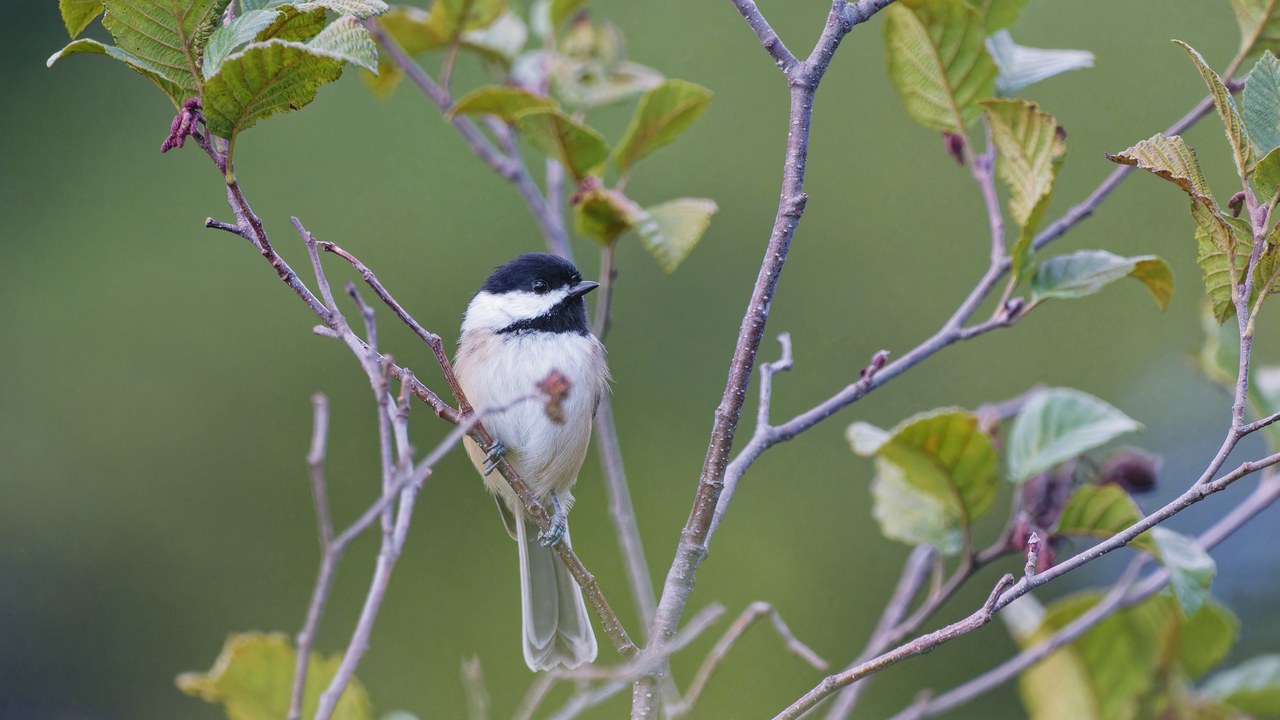
Chickadees survive winter on caches they store one seed at a time, according to a Northern Woodlands article about harvesting in a time of plenty.
The method is slow and patient, and it turns a tiny songbird into a dedicated hoarder. Each seed is a small contribution to a winter food supply that keeps the black-capped chickadee going through the coldest days of the year, when it must stay fed to stay warm.
10. California scrub jay: Fruit And Insect Stockpiles
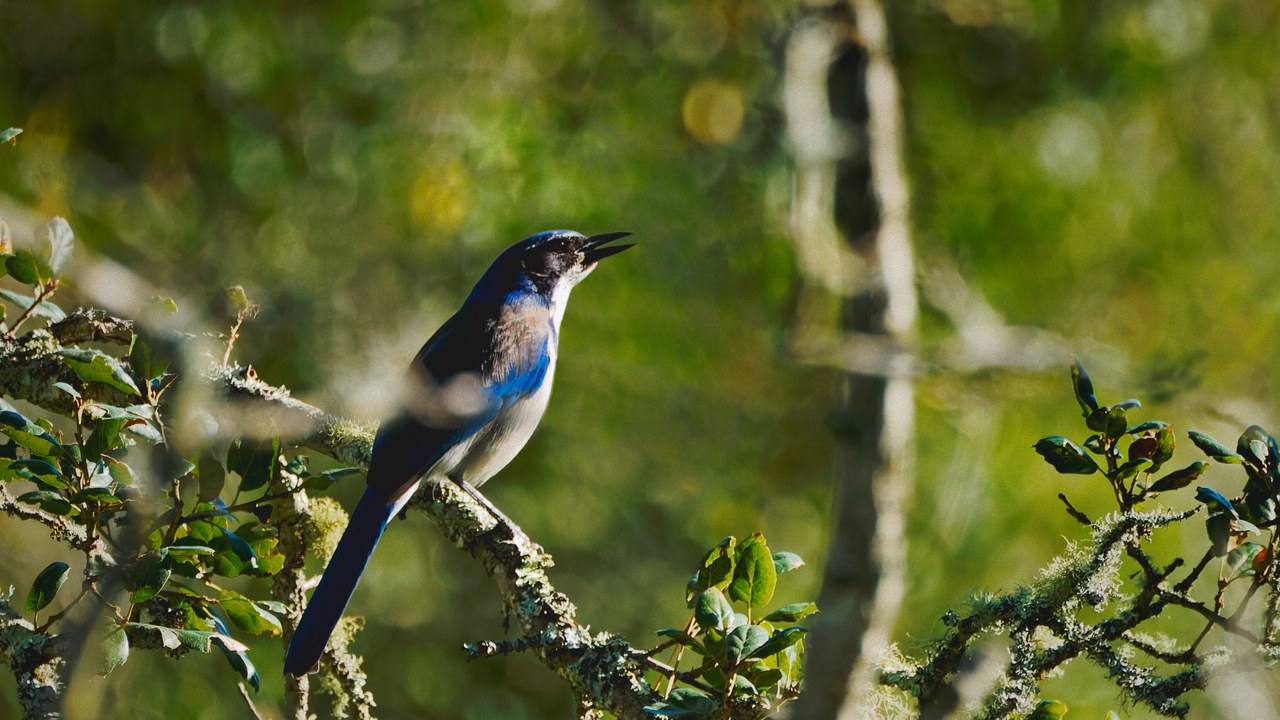
Scrub jays stockpile perishable foods such as fruits and insects, according to WorldAtlas’s article on animals that hoard their food.
Perishable items are a harder thing to save than hard nuts, which makes the habit notable. The California scrub jay is a bold, intelligent bird, and its willingness to cache food that can spoil adds an unusual twist to the usual picture of a seed-hiding bird and shows how flexible these clever caching habits can be.
11. Mole: A Larder Of Live Worms
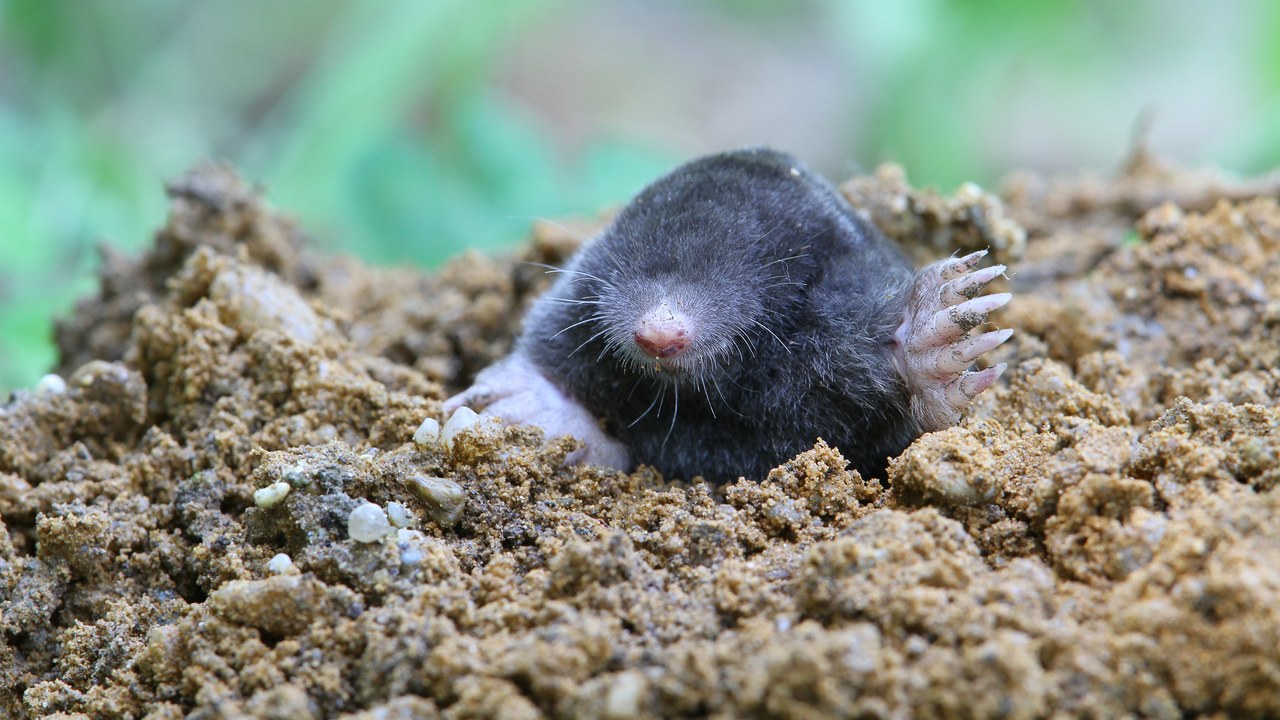
Moles stash live worms, and as many as 400 can be found in a single chamber, according to WorldAtlas’s roundup of animals that hoard their food.
The stored worms stay alive and fresh, a grim but effective pantry kept underground. It shows that stockpiling is not limited to seeds and nuts, and that a predator can keep prey in reserve for leaner times, much as other animals keep seeds or nuts.
12. Golden hamster: Cheeks Full Of Grain
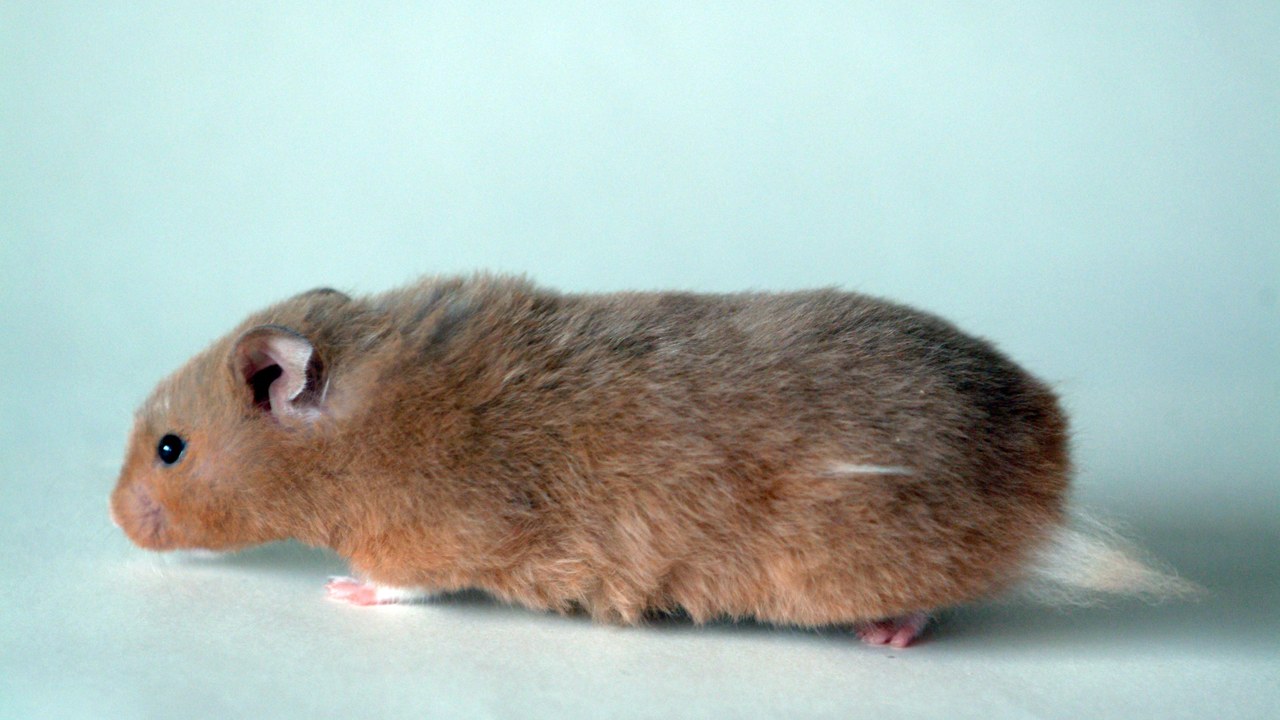
The golden hamster makes hundreds of trips carrying corn and wheat in its cheeks to fill its food stash, according to Ranger Rick’s feature on animals that save food.
The cheek pouches are the tool that makes the work possible, and the number of trips shows how seriously the animal takes the task. Many people know the hamster as a pet, and its stashing habit is a hint of its wild instincts.
13. Leopard: Dinner In The Treetop
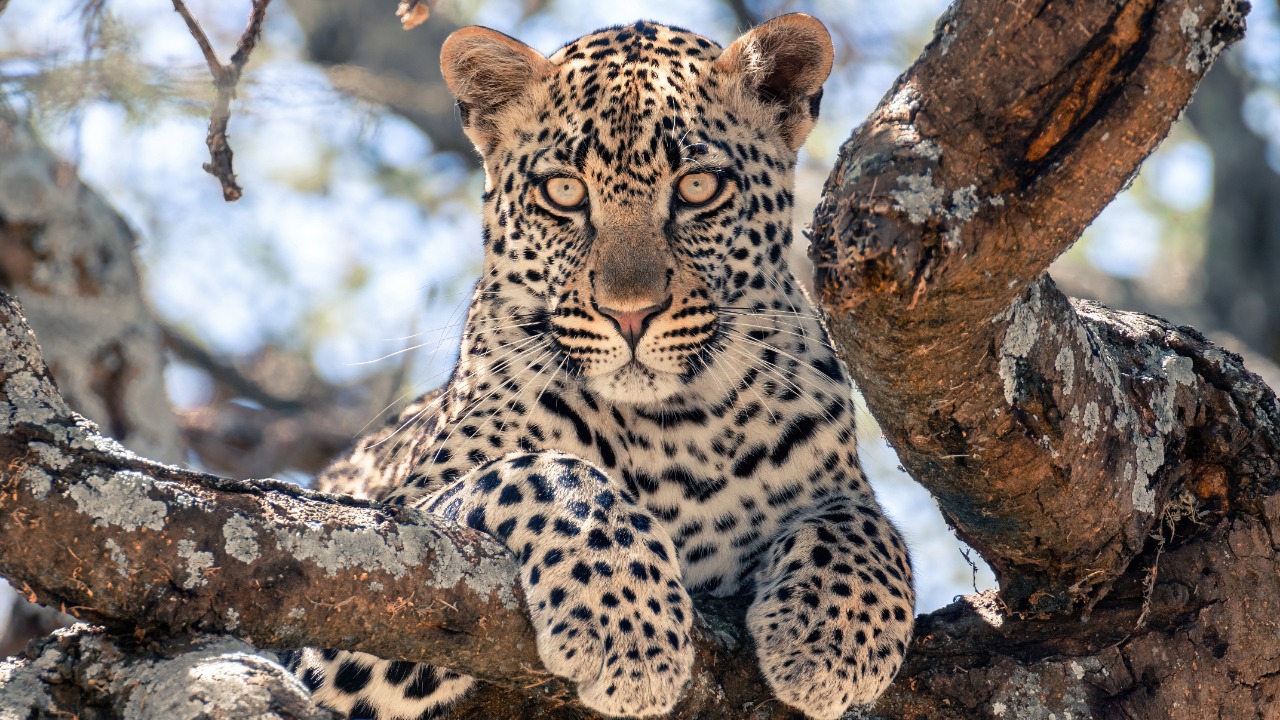
The leopard drags a killed antelope into a tall tree and returns several times over about a week to eat, according to Ranger Rick’s feature on super savers.
Hoisting the carcass out of reach keeps it safe from scavengers on the ground. It is the largest-scale stockpile here, because a single kill becomes a week of meals, and it shows that big cats also plan for the days ahead rather than eating everything at once.
The day in tech, in one email: Get TLDR →
We may earn a commission if you sign up.
More from Morning Overview
- Long use of a common prostate pill is tied to a higher chance of glaucoma
- Ford is recalling 223,472 F-150 pickups because the fuel tank can leak or detach
- Hybrids have 15% fewer problems than gas cars, while EVs and plug-in hybrids have about 80% more, Consumer Reports finds
- Regulators cleared the first U.S. small modular reactor, 4 months early
