
Most vehicles get redesigned every five to seven years, chasing new styling and technology cycles. A handful of models skipped that churn entirely, running for three decades or more on the same basic body and platform. Here are ten vehicles that stayed in one unbroken generation for more than thirty years straight.
1. Mercedes-Benz G-Class: Decades Without a Redesign
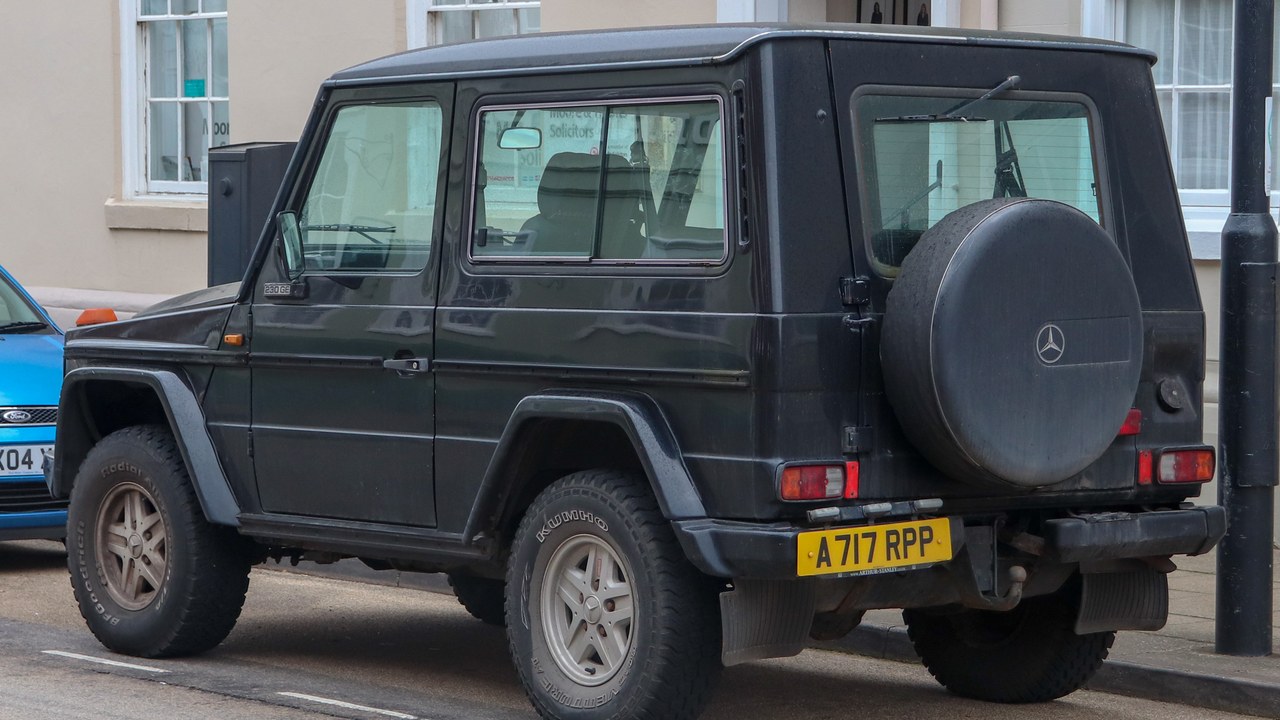
Mercedes-Benz has kept the G-Class production run going since 1979, and the boxy, flat-paneled SUV still rides on the same separate body-on-frame chassis today, a heavier-duty layout that off-road-focused vehicles favor because the frame absorbs punishment the body itself never has to. Forty-six years on, the shape in showrooms is still instantly recognizable as the original.
That kind of longevity means parts bins, independent mechanics and specialty shops have had decades to build deep expertise on one basic design, something a vehicle redesigned every few years never allows, and it has helped the model hold its value on the used market far better than most redesigned SUVs ever manage.
2. Volkswagen Beetle: Millions Off One Platform
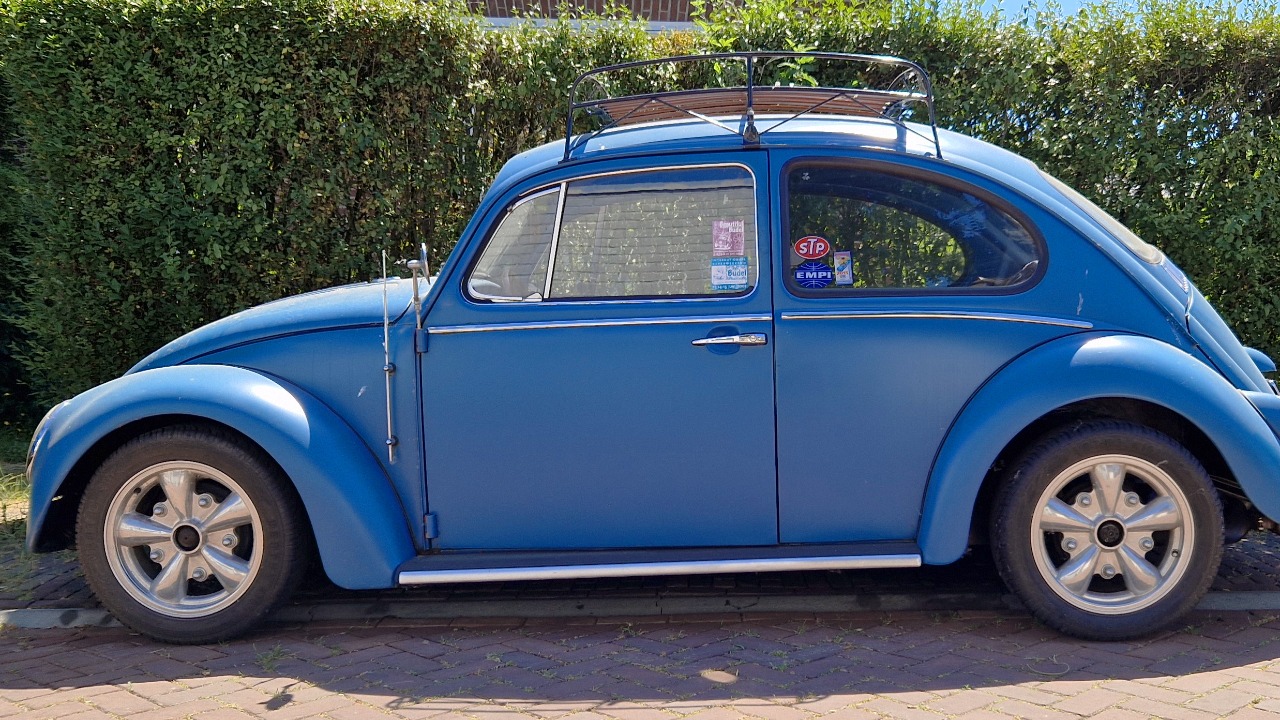
The original Volkswagen Beetle ran from 1938 to 2003, a 65-year span on one basic, air-cooled rear-engine platform that eventually produced 21,529,464 cars, a total production figure few other nameplates in automotive history have ever come close to matching, even as body styles across the wider industry kept turning over every few years.
That kind of production run meant tooling, spare parts and mechanical know-how spread through dealerships and independent garages worldwide, since a simple, air-cooled engine needed little specialized equipment to keep running, long after the line that built the car finally closed for good.
3. Volkswagen Type 2 (T2): The Last Kombi Line
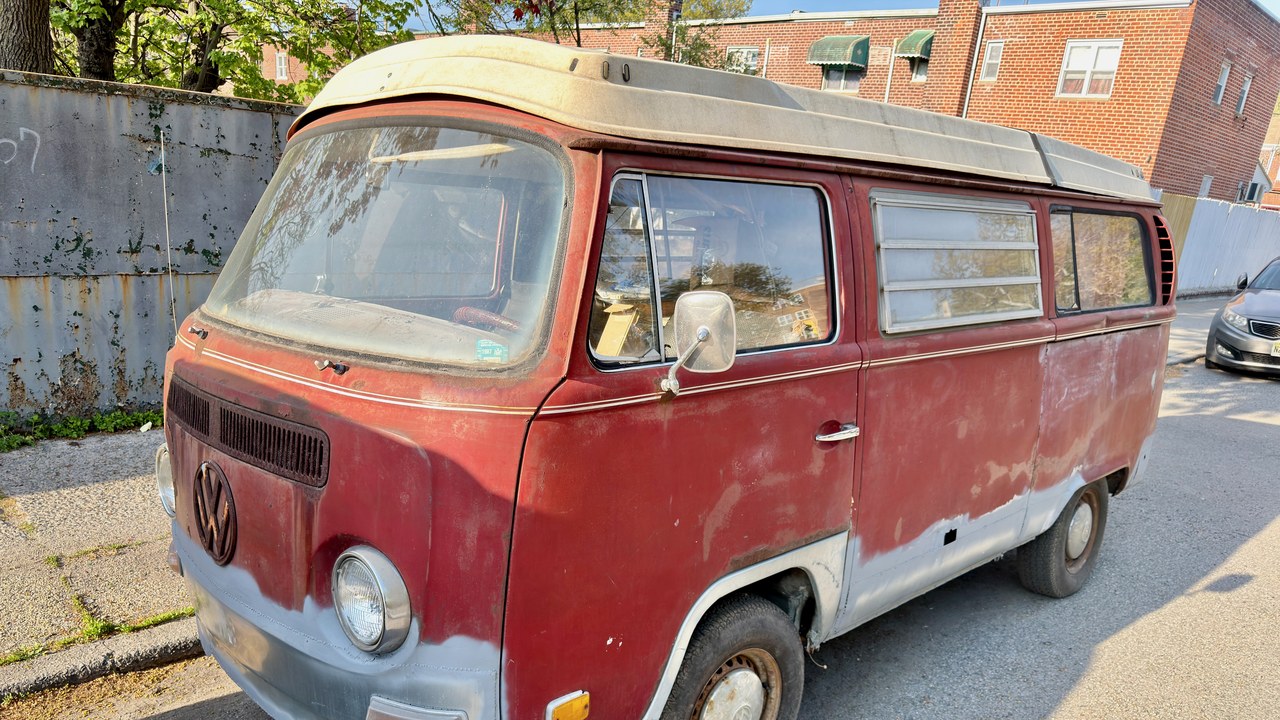
Volkswagen’s T2 bus kept rolling off a Brazilian assembly line long after its home market had moved on, until the final Brazilian production run ended on 31 December 2013, giving that one generation a span of more than four decades on largely the same rear-engine, air-cooled underpinnings.
The long Brazilian tail meant the boxy, cab-forward van outlived nearly every rival of its era, keeping parts, body panels and mechanical familiarity alive in South America for owners and repair shops years after most other manufacturers had moved on to newer, safer designs.
4. Land Rover Defender: Same Ladder Frame Throughout
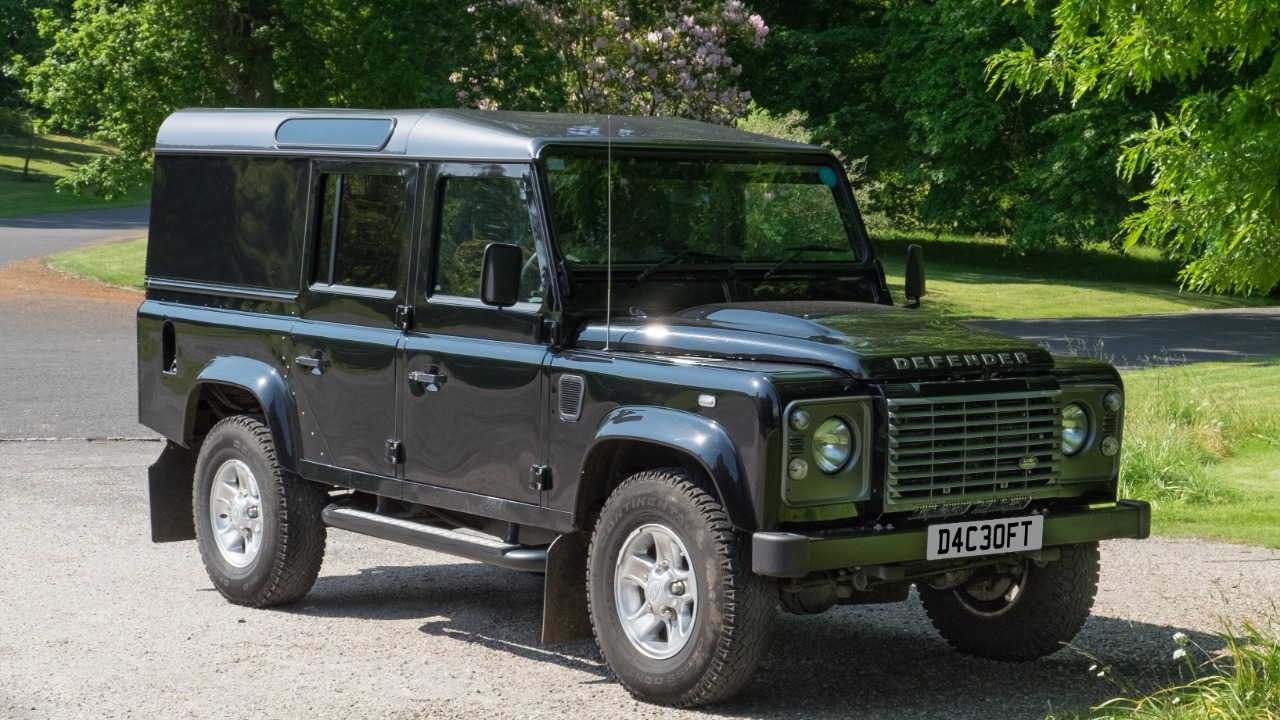
The original Land Rover Defender ran from 1983 to 2016, 33 years on the same basic ladder-frame design descended from the earlier Series trucks, before the final production vehicle left the line in January 2016, still recognizably related to the model that started the run.
Because the underlying chassis and running gear barely changed, mechanics who trained on early models could still service the last ones built decades later, a rare advantage for an off-roader whose owners prize durability and easy field repair above nearly everything else.
5. Morgan 4/4: An 82-Year Production Run
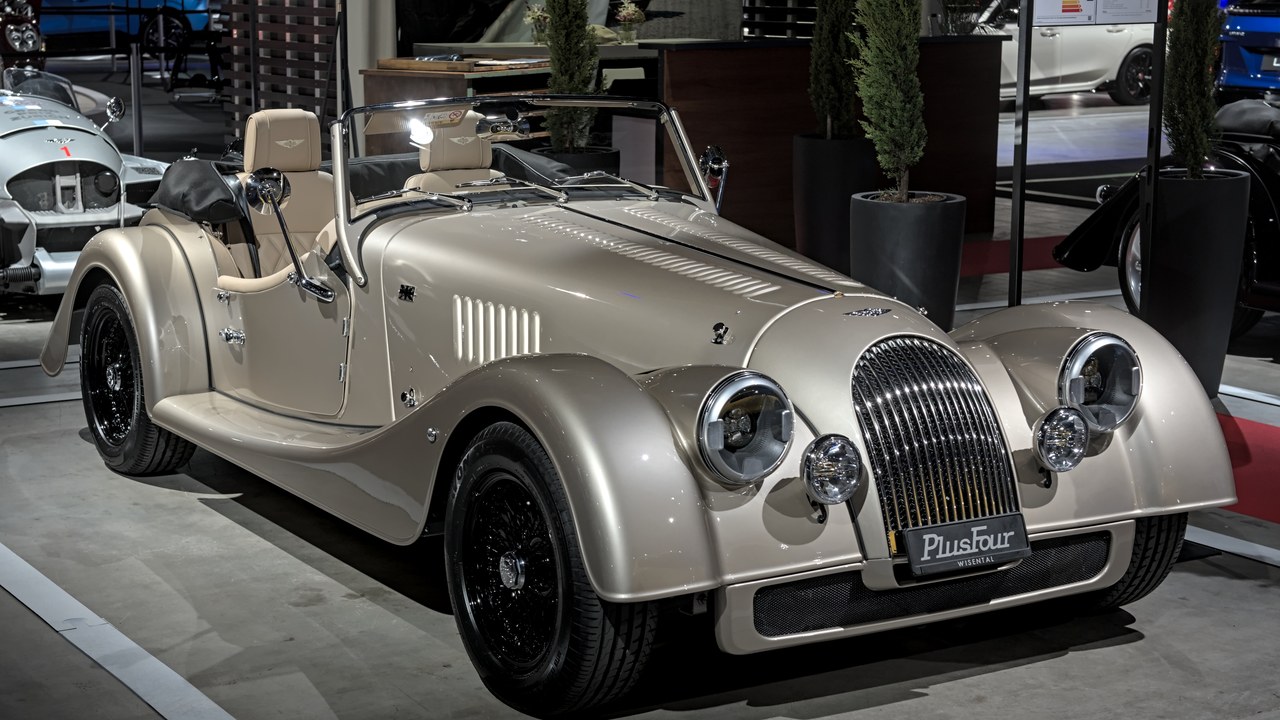
Morgan built the 4/4 from 1936 to 2018, according to the model’s production record, an 82-year stretch that dwarfs the 30-year bar set by this list. The car kept its wood-framed bodywork and small-batch, largely hand-built methods for that entire span, never moving to a high-volume assembly line.
That long run let Morgan’s small Malvern factory keep traditional coachbuilding skills alive across generations of craftsmen, passing hand-shaping and joinery techniques down rather than retiring them the way most automakers do whenever a model gets replaced and its tooling is scrapped.
6. Lada Riva: Three Million Built Alike
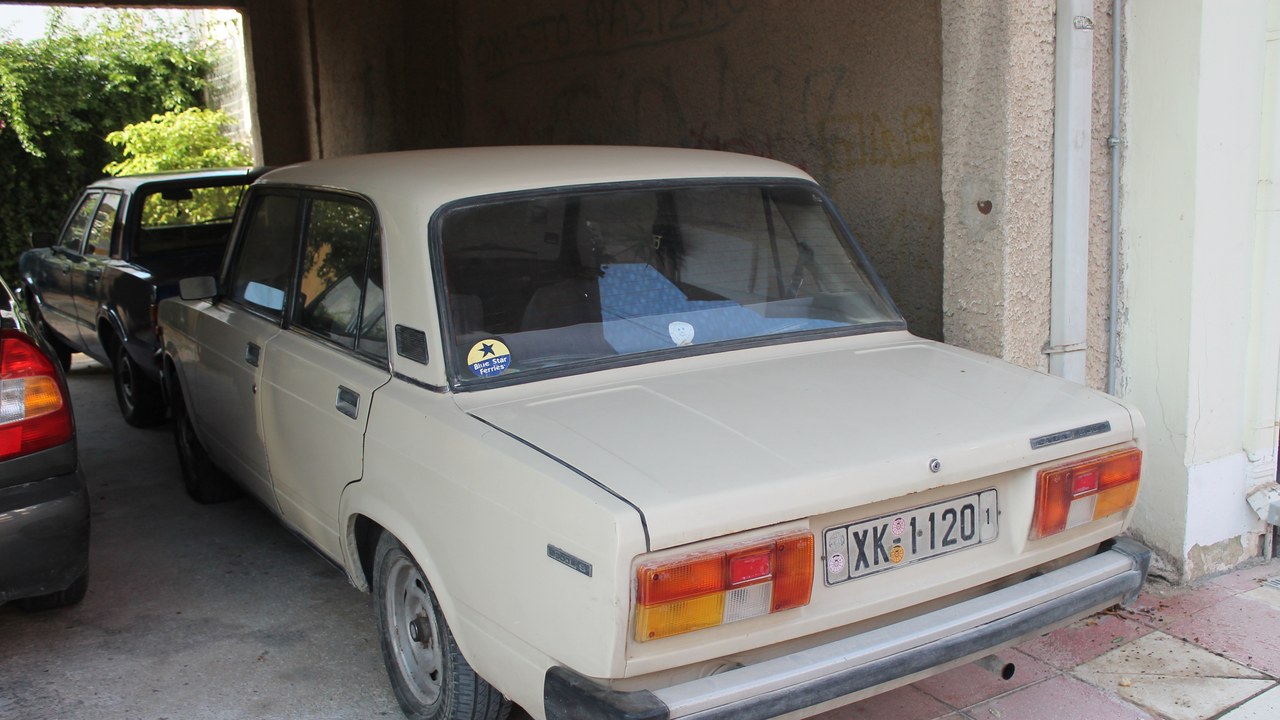
The Lada 2105 ran a full 30 years, from 1980 to December 2010, with nearly three million units produced on the same Fiat-derived body, engine and rear-wheel-drive layout throughout its entire run, with only minor trim changes along the way.
That scale made the boxy sedan a fixture on roads across the former Soviet Union and beyond, where simple, easily sourced mechanicals and shared parts kept it cheap to keep running and simple for home mechanics to fix for decades after it left the factory.
7. Hindustan Ambassador: Barely Changed for Decades
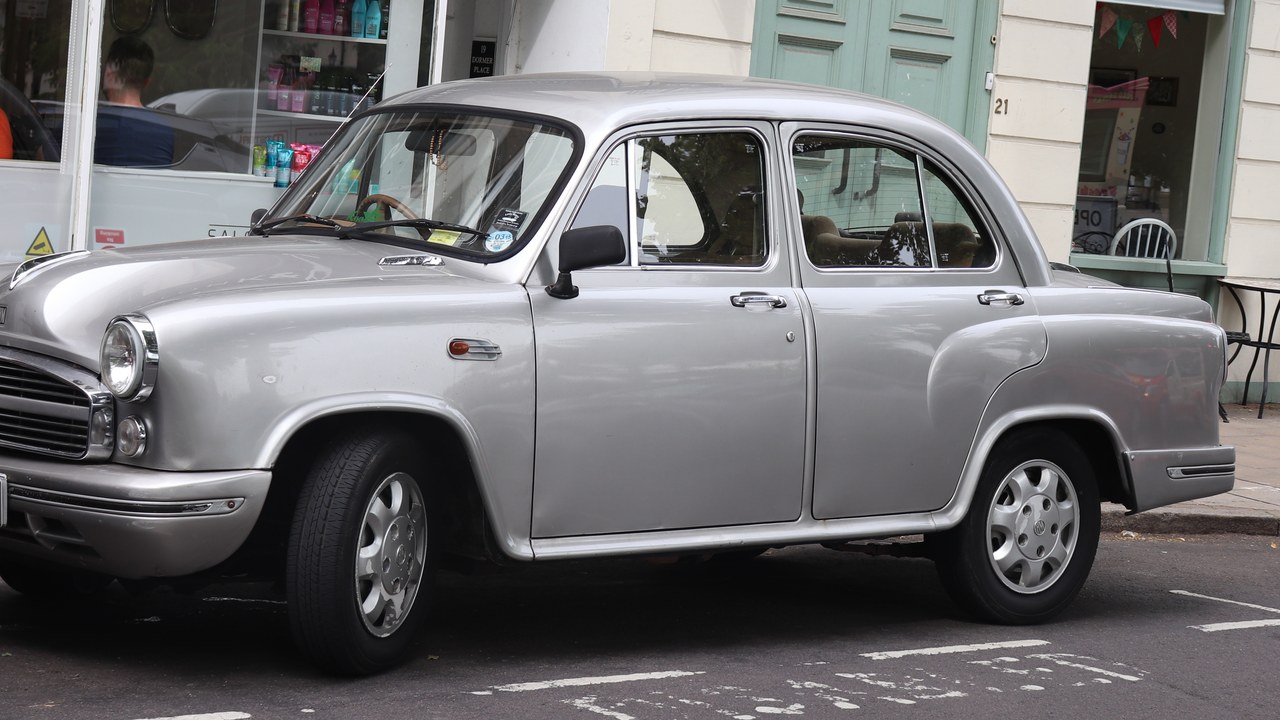
India’s Hindustan Ambassador, itself based on a 1950s British Morris design, rolled off the same line for 57 years, from 1957 to 2014, a production span longer than that of almost any other car, with its rounded shape barely changing the entire time.
That stability turned the Ambassador into the default government and taxi car across India for decades, so generations of mechanics learned the same engine, gearbox and body panels before the aging factory finally shut down and the model quietly disappeared from showrooms.
8. Toyota Land Cruiser 70: Still Sold New

Toyota has built the rugged 70 Series since 1984, a 41-year single-generation production run on the same solid-axle, body-on-frame layout that is still sold new in tough, remote markets worldwide today, largely unchanged in basic engineering.
The long run keeps the simple, rugged platform easy to fix with basic tools far from a dealership, which is exactly why aid groups, mining operations and farmers across Africa, the Middle East and Australia still order the truck new instead of switching to something more modern.
9. Piaggio Ape: The Longest-Running Three-Wheeler
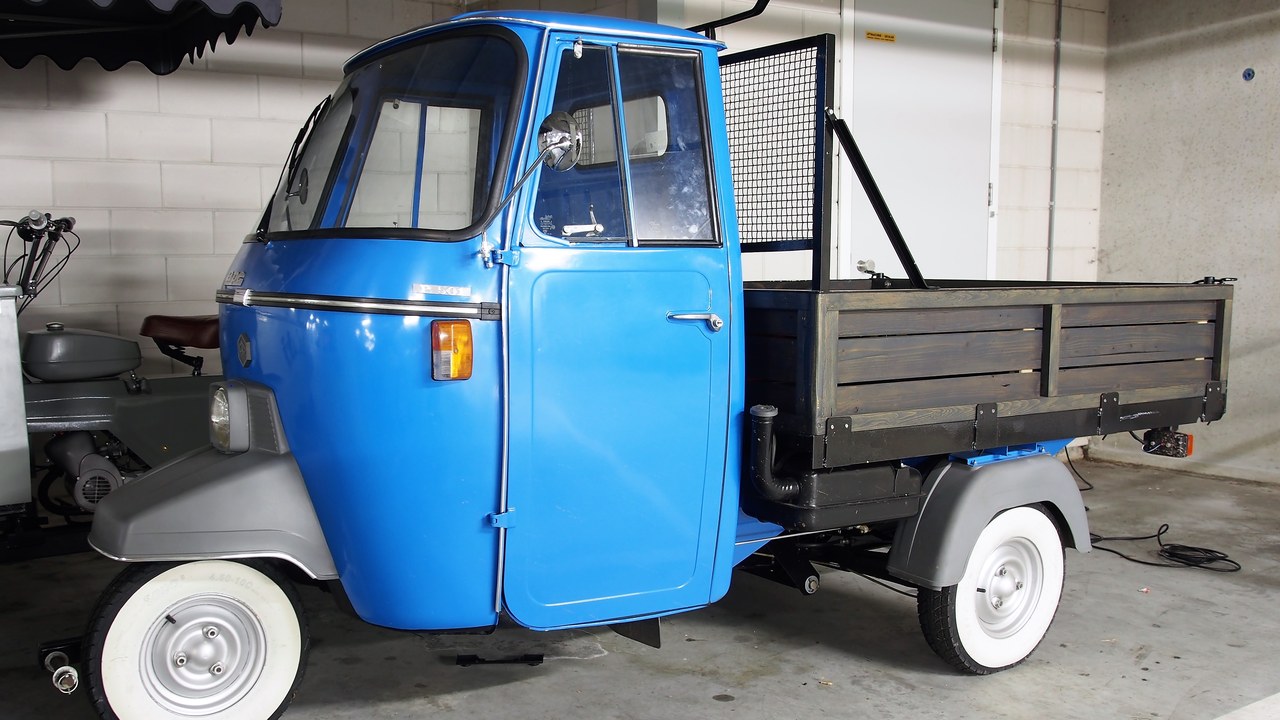
Piaggio’s three-wheeled Ape has been built continuously since 1948, a 77-year continuous production run on the same basic scooter-derived formula, pairing a small engine and single front wheel with a compact rear cargo bed.
That scooter-derived layout keeps the little hauler cheap to build, cheap to fuel and simple for local shops to repair with basic hand tools, which is why it remains a common sight moving goods and produce through narrow streets across Italy and export markets far beyond Europe, decades after larger three-wheelers disappeared.
10. Peugeot 504: A Design Nigeria Kept
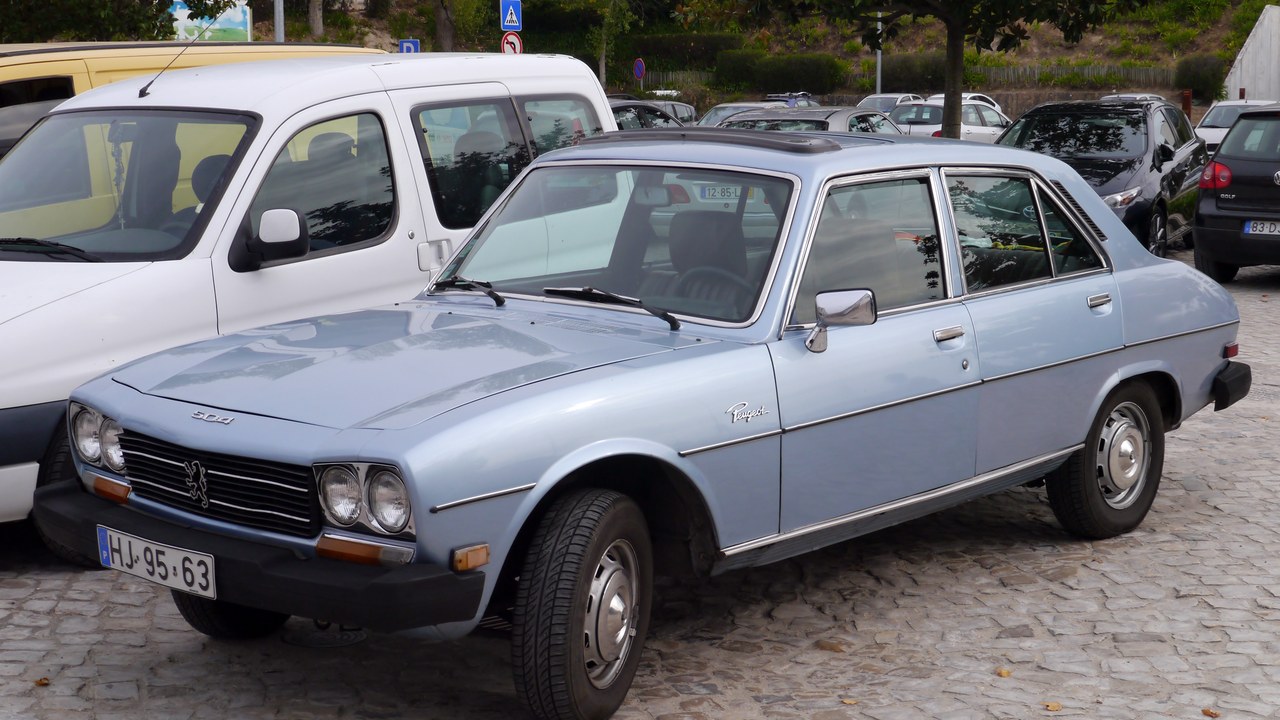
Peugeot kept building the 504 in Nigeria from 1975 all the way to 2006, a 31-year production run on a rugged, simple sedan design that France itself had already retired from its own home-market lineup decades earlier.
Local assembly and tough, straightforward mechanicals meant the 504 survived as a taxi, family car and workhorse sedan across West Africa long after European buyers had moved on to newer, more complex models with parts that were far harder to source locally and far costlier to keep running.
More from Morning Overview
- The NSA is again telling phone owners to switch off one location setting
- Supplements now rank as the fifth-leading cause of death from liver disease.
- Herbal supplements are landing Americans in the hospital with liver damage, doctors warn
- General Motors is switching on cameras that record inside your vehicle by update
