
Plenty of familiar machines run fine on private land and become a legal problem the moment they touch pavement. State rules vary widely, yet many agencies treat these vehicles as off limits on public roads, and at least one warns of arrest. Here are ten vehicles that can bring fines or worse to drivers who take them onto public roads.
1. Suzuki Carry: Kei Truck Turned Away
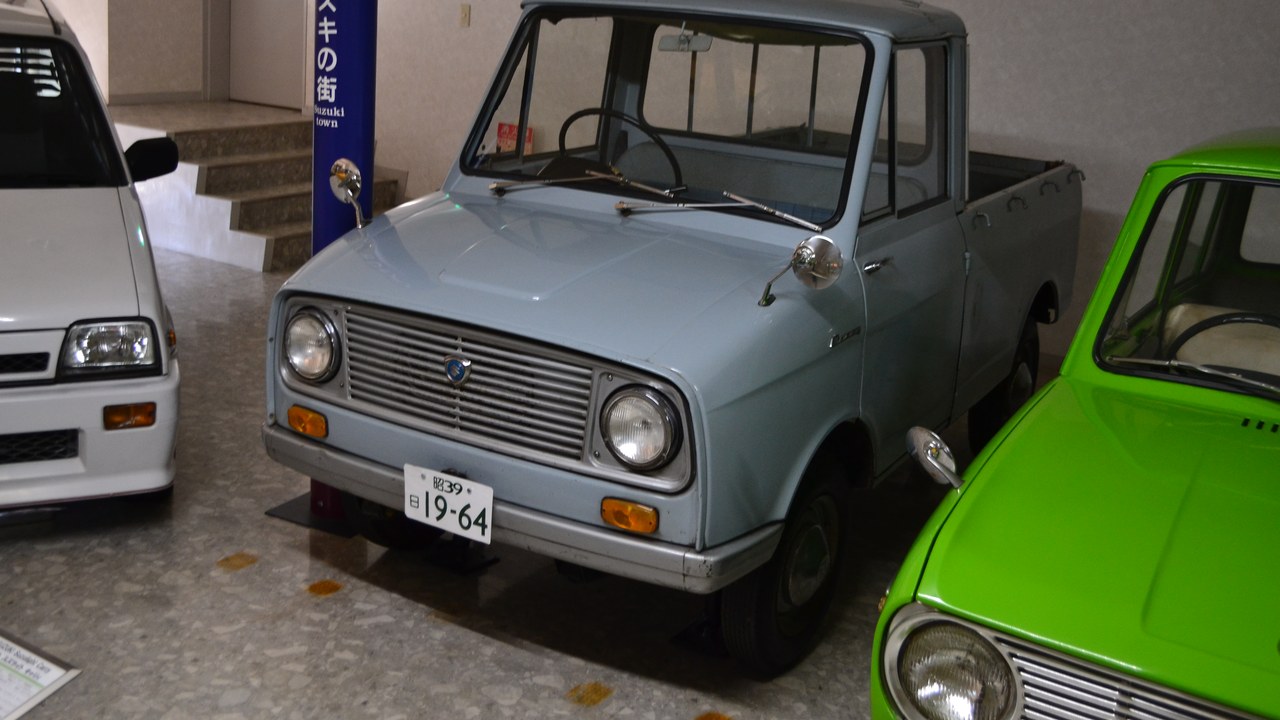
Small Japanese kei-class trucks such as the Suzuki Carry hit a wall in New York, where the state motor vehicle agency says a kei-class vehicle cannot be registered or titled at all. With no title and no registration, the mini-truck has no legal route onto public streets in that state.
Owners who import one for farm or yard work should not assume every state answers the same way, since kei rules differ across the country. In New York the question is settled before the truck leaves the driveway, and street use is simply not an option.
2. Mahindra Roxor: Off-Road Only Jeep Lookalike
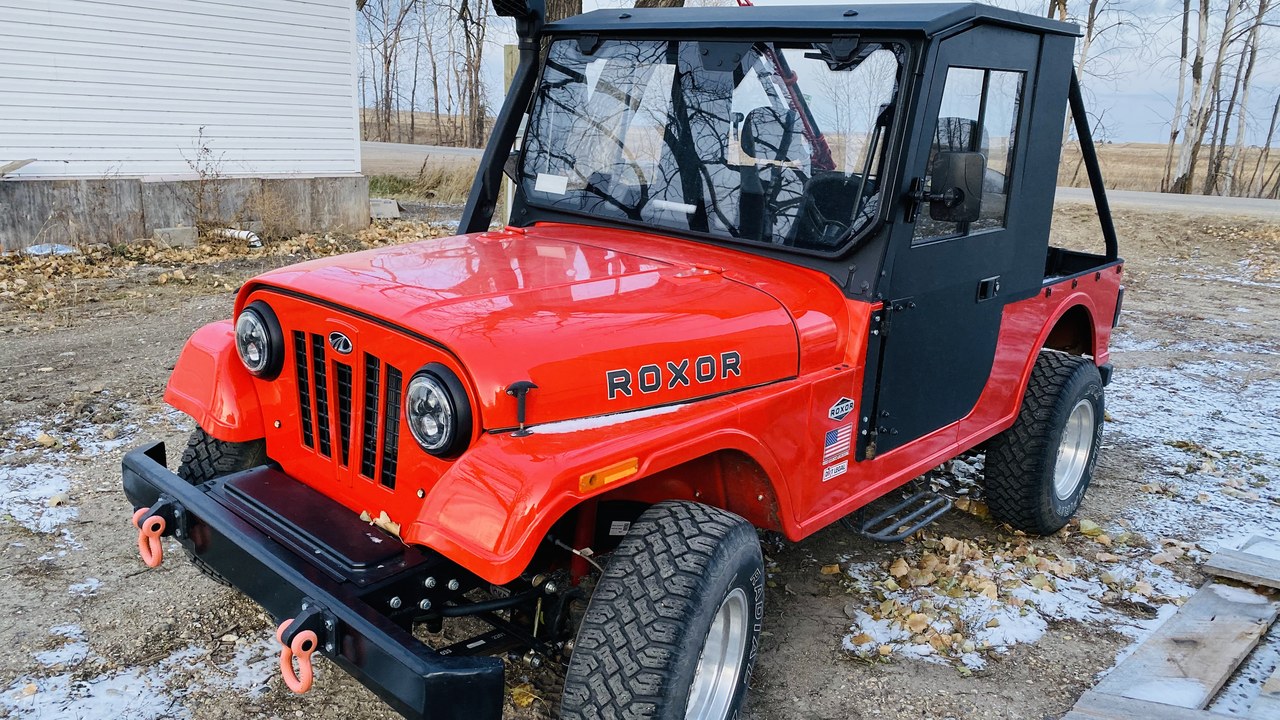
Mahindra’s Jeep-like Roxor is sold strictly as an off-roader and governed to 55 mph, and one road test put the point bluntly: as sold today, it is very much illegal to drive on public roads. The styling recalls a classic military-style Jeep, which makes the restriction easy to overlook.
Shoppers drawn to the retro look should treat the Roxor as a farm and trail machine. Driving it to town is not the intended use, and the legal status stays the same however tidy the vehicle appears.
3. Polaris RZR: Side-by-Side Roadblocks
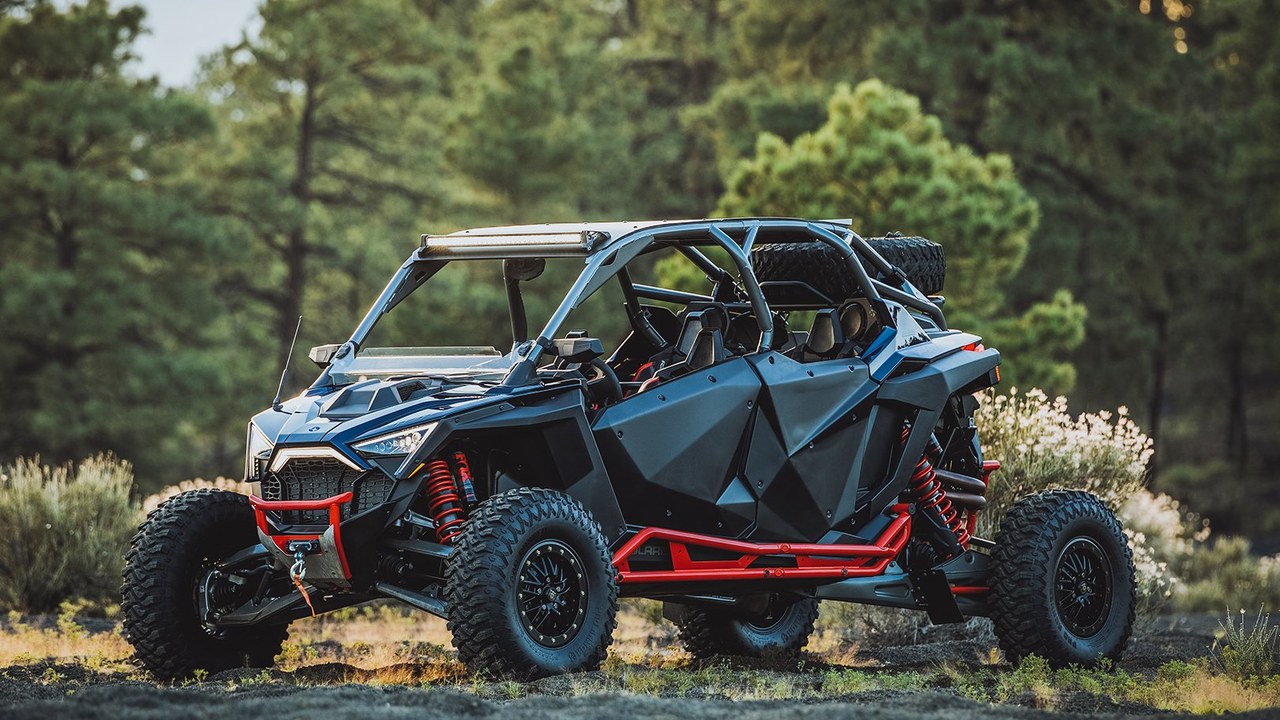
Side-by-sides such as the Polaris RZR are flatly barred from roads in about two dozen so-called red-light states, a group that includes California, Florida and New York, according to a Jalopnik state roundup. Even where some road use is allowed, these machines can never travel on Interstates.
Riders who trailer a RZR to a new state need to check local rules first, because the map of permitted and prohibited states is patchy. A machine that is welcome on one county road can be a ticket a few miles across a state line.
4. Golf cart: Cart Curfew
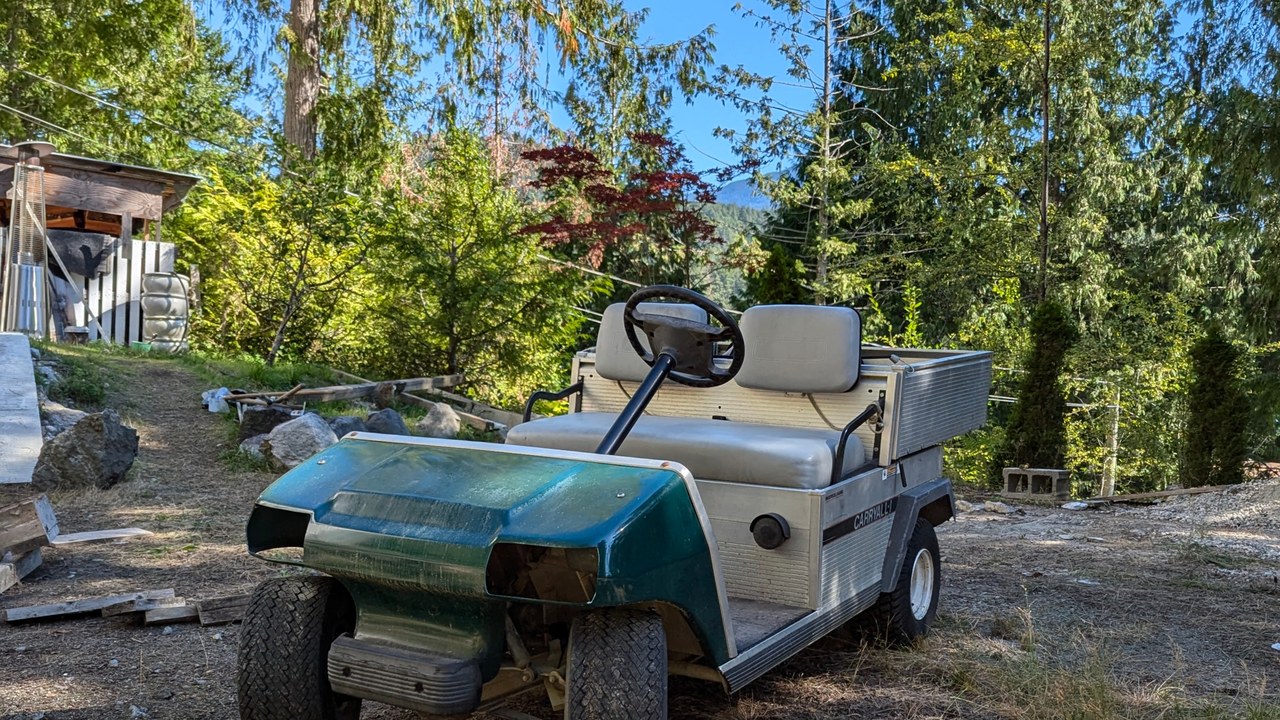
Florida law does not simply hand golf carts the road. The state golf cart statute allows operation only between sunrise and sunset, permits public-road use only where it is specifically allowed, and bars drivers under 18 unless they hold a license or learner’s permit.
Retirement communities often treat carts as everyday transportation, which makes the fine print easy to forget. Driving one after dark or on a road that has not been opened to carts can turn a casual ride into a violation.
5. All-terrain vehicle: Green Sign Only
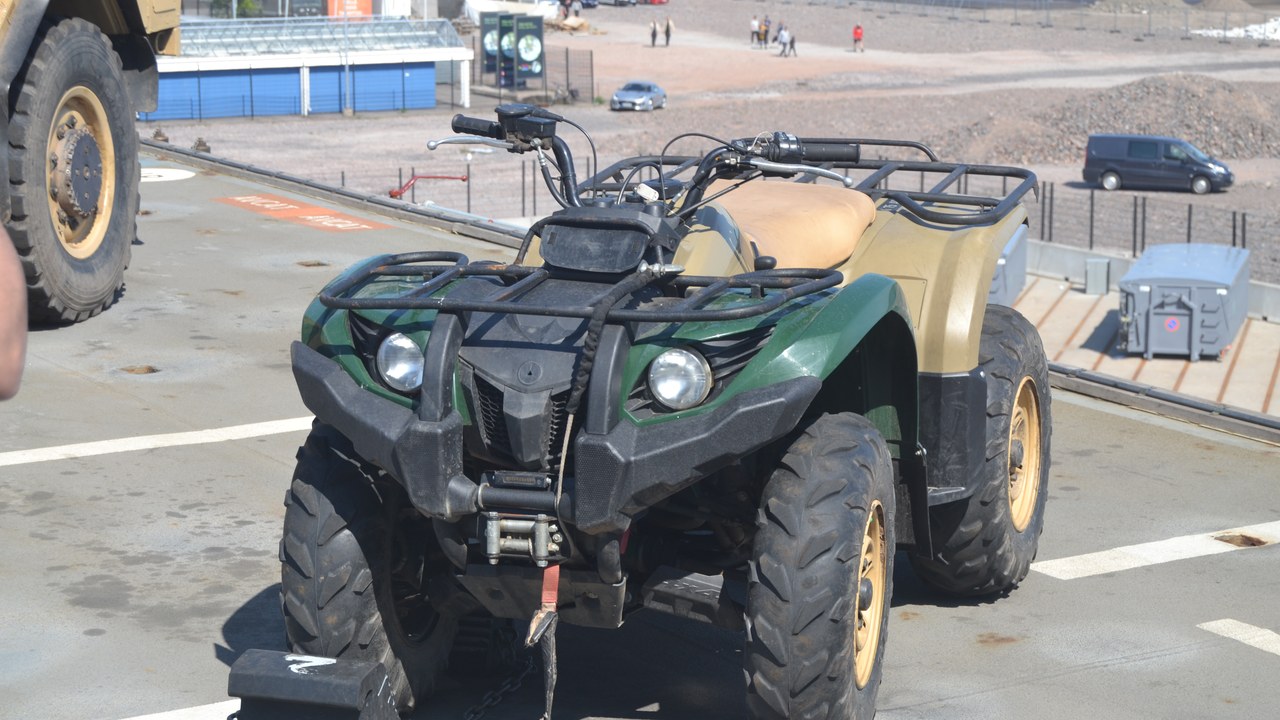
Pennsylvania allows ATVs on township roads only when the road is posted with a green ATV sign, and the state’s riding rules page lays out the penalties. First offenses range from $50 to $200 plus the cost of prosecution, and riding an unregistered or uninsured machine carries an automatic $300 fine.
Anyone tempted to take the four-wheeler down the road to a neighbor’s should look for the green sign first. Without it, the shortcut is a citation waiting to happen, and the costs stack quickly.
6. Dirt bike: Dirt Bike Ban
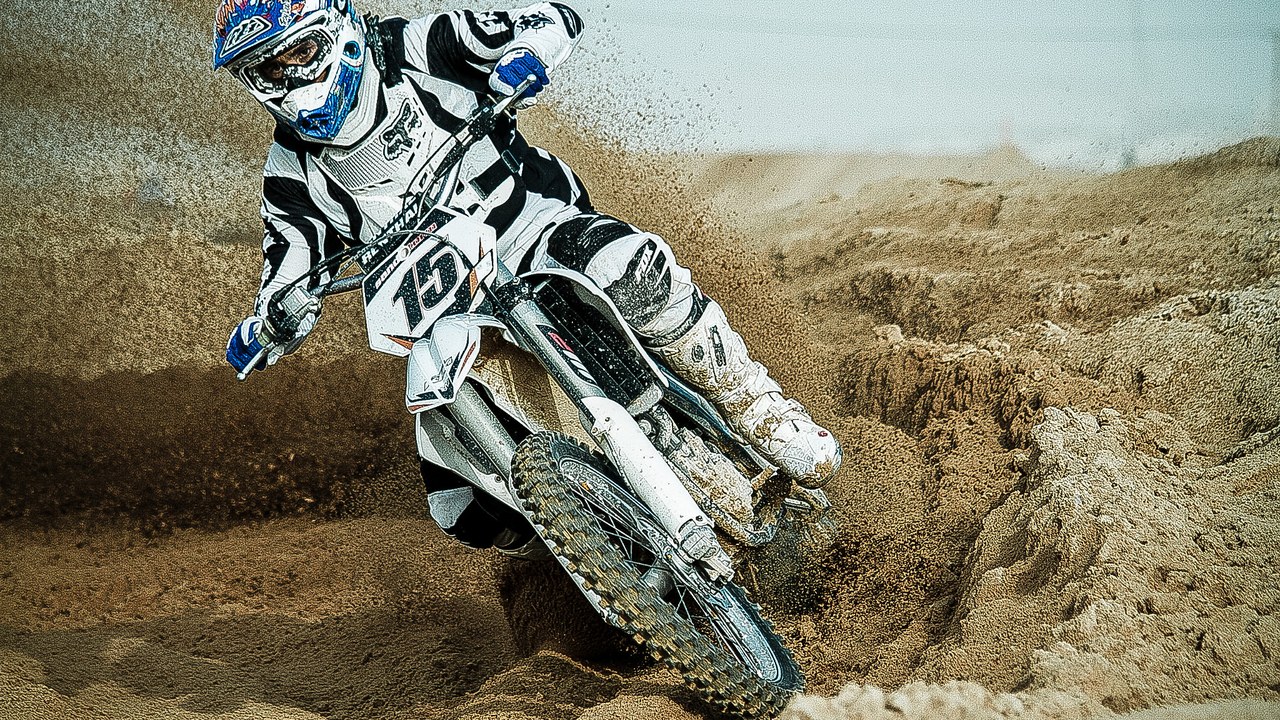
New York’s motor vehicle agency says off-road motorcycles cannot be registered or operated on any street, highway, parking lot or sidewalk, and its unregistered vehicles list adds a pointed warning: riders may be arrested. The prohibition covers the whole public realm, not just busy roads.
A quick ride around the block therefore carries real risk in New York. Parents buying a first dirt bike for a teenager should plan on trailers, private land and posted trails rather than the neighborhood street.
7. Go-kart: Kart Not Street Legal
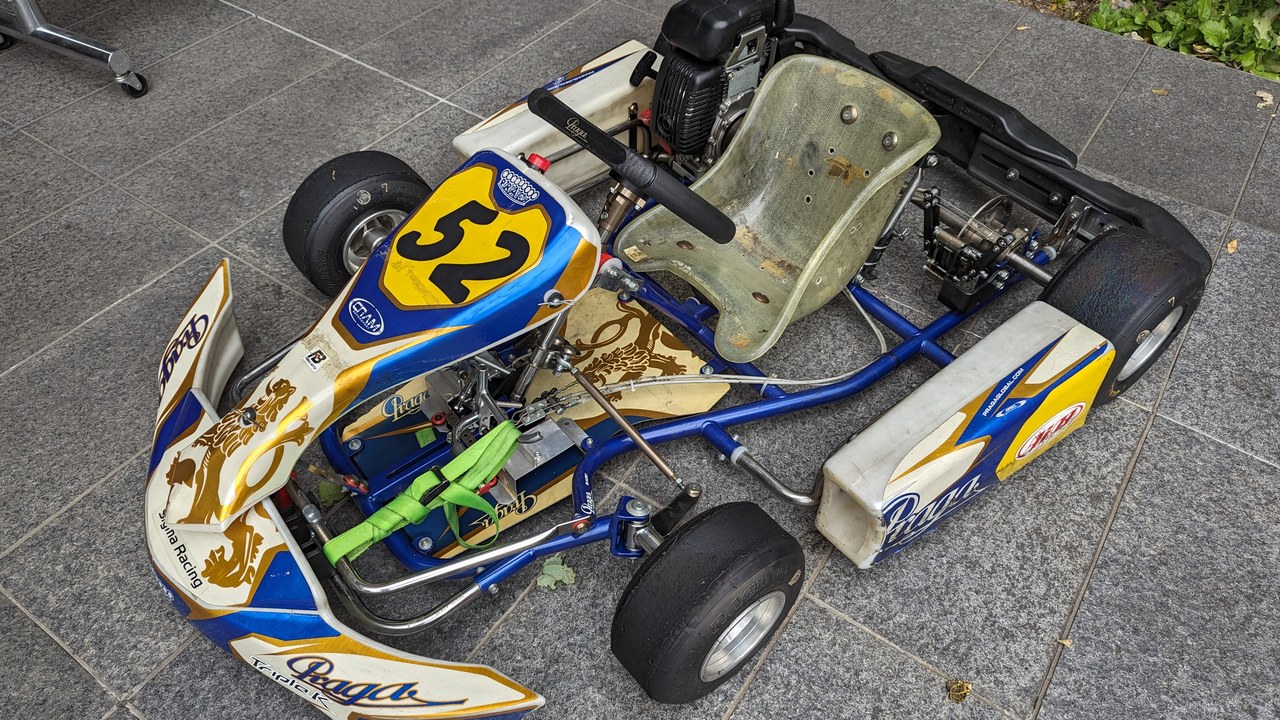
Go-karts appear on the same New York list of motorized devices that cannot be registered or driven on public streets or parking lots. The state describes a go-kart as a small, motorized device with four wheels, created for off-road use, so the design itself points away from pavement.
Karts look harmless and are often sold in ordinary retail settings, which fuels the misunderstanding. Their proper home is a track, a private lot or a backyard, not the shoulder of a public road.
8. Riding lawn mower: Mower Off the Road
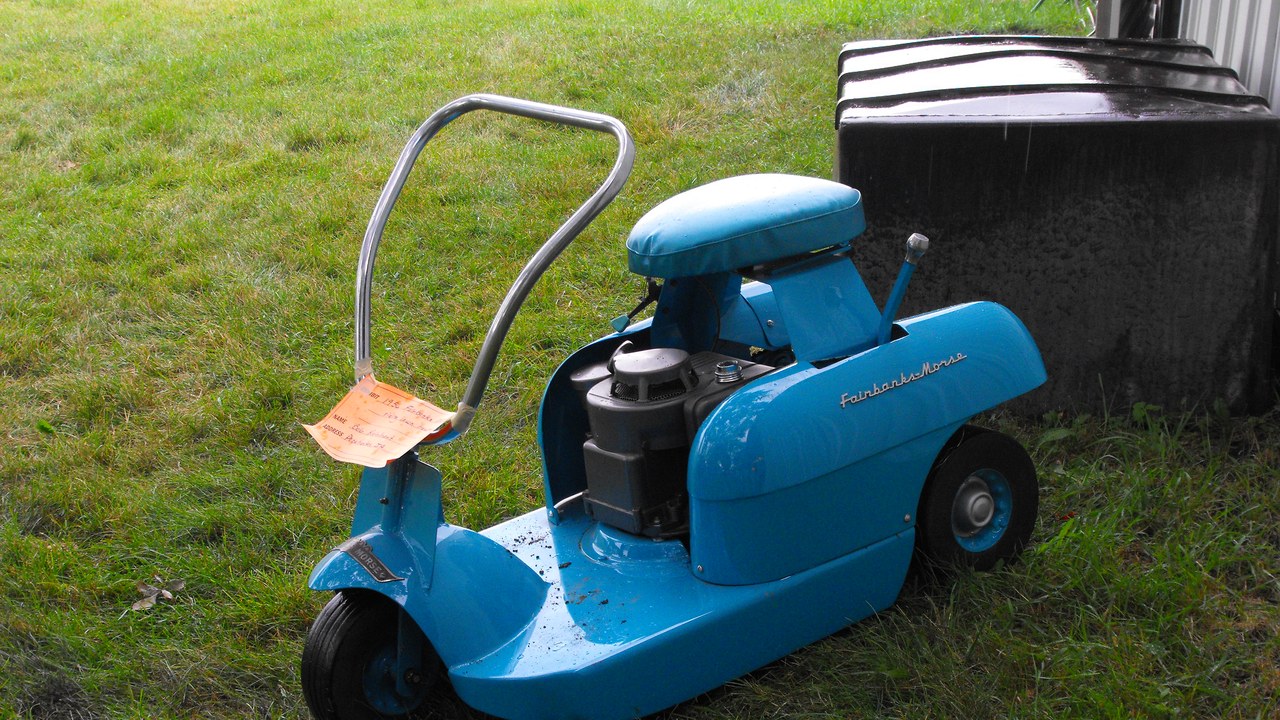
Even a lawn tractor is covered. New York’s list of machines that cannot be driven on streets, highways or parking lots includes the riding mower category, described as a self-propelled machine operated by a person in a seated or standing position.
Driving a mower down the block to reach a neighbor’s yard may feel like common sense, yet the rule makes no exception for it. The safer route is a small trailer, which keeps the machine, and its owner, on the right side of the law.
9. Snowmobile: Snowmobile Boundaries
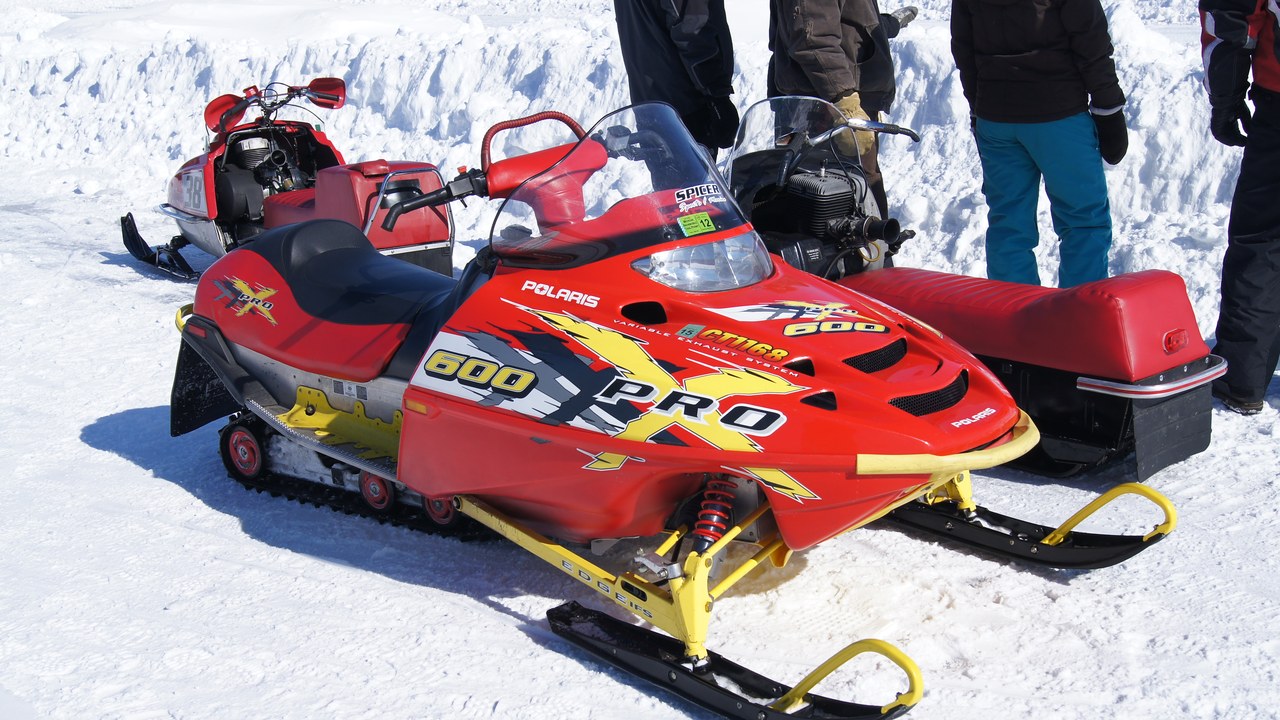
Minnesota, a state with deep snowmobile traditions, still draws firm lines. Its snowmobile statute bars operation on the roadway and shoulder of state and county highways, and it states that no snowmobile may be operated at any time within the right-of-way of an interstate or freeway.
Riders in snow country often follow ditches and trail corridors, which is where the rules matter most. Crossing or paralleling a major highway without checking the law can end a good day on the trail with a fine.
10. Class 3 e-bike: Fast E-Bike Limits
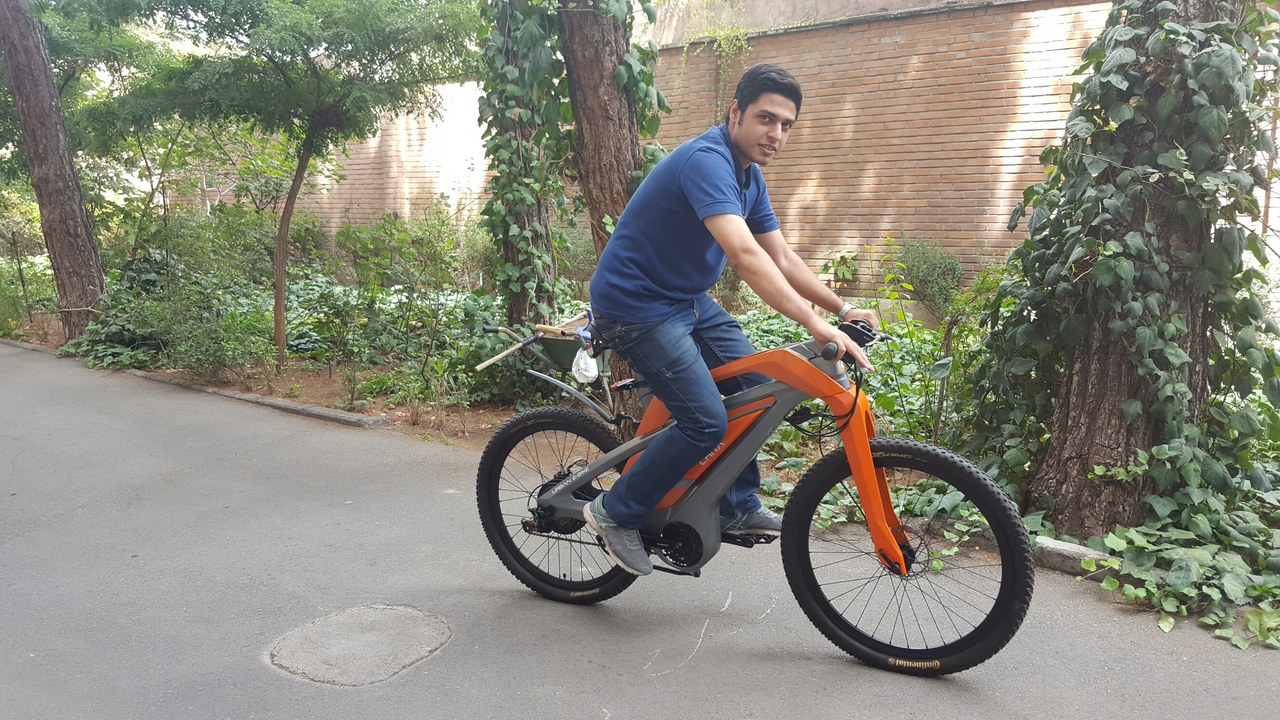
Class 3 electric bikes assist up to 28 mph, the fastest tier legal in California, and the state’s e-bike classification guide notes that riders must be at least 16. Every rider and every passenger must also wear a helmet.
Families buying one as a gift should check the age rule before handing over the keys. The bike itself is street legal, but a younger rider or a helmetless passenger can turn it into a violation. Rules for e-bikes also differ by state, so a rider crossing a state line should confirm that the same classification and age limits still apply.
More from Morning Overview
- Amazon’s Prime refunds are rising to $200 as millions more customers become eligible
- A handful of car engines are so tough mechanics say they almost never wear out
- The NSA is again telling phone owners to switch off one location setting
- Supplements now rank as the fifth-leading cause of death from liver disease.
