
Recall notices arrive constantly, but a handful cross into territory regulators treat as an emergency rather than routine maintenance. Some tell owners not to drive at all until a repair is done, while others follow confirmed fires or a death that forced an automaker’s hand. These ten vehicles carry warnings sharper than an ordinary notice.
1. Honda Accord: The Do-Not-Drive Window
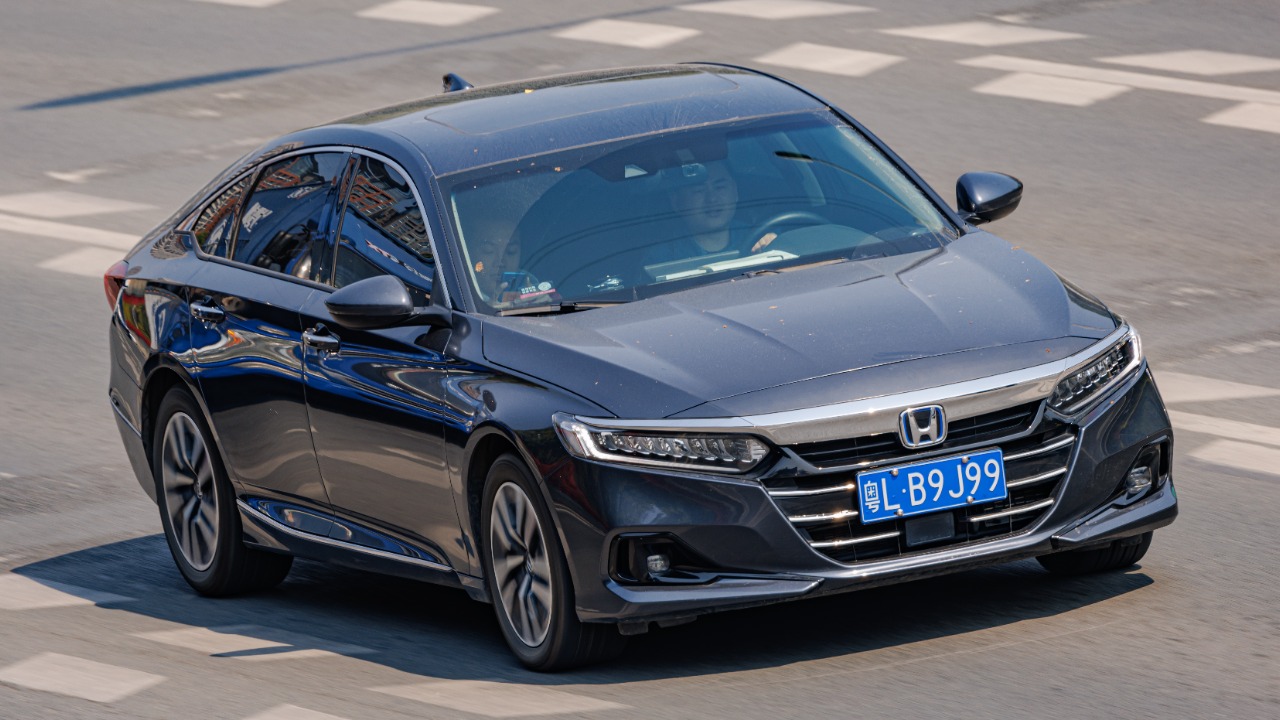
Honda’s Accord sits inside the narrowest band of the Takata airbag recall, the do-not-drive tier reserved for inflators regulators judge likely to rupture. NHTSA’s Takata recall spotlight lists 2001-2003 Accords among the cars owners should not use for ordinary errands.
The agency tells owners of those model years to drive the car only as far as a dealership, where the repair is free, rather than keep it in daily rotation until a routine appointment opens up. That single instruction separates this recall from a standard notice, which usually lets a driver keep using the vehicle in the meantime.
2. Acura 3.2TL: Acura’s Own Do-Not-Drive Years
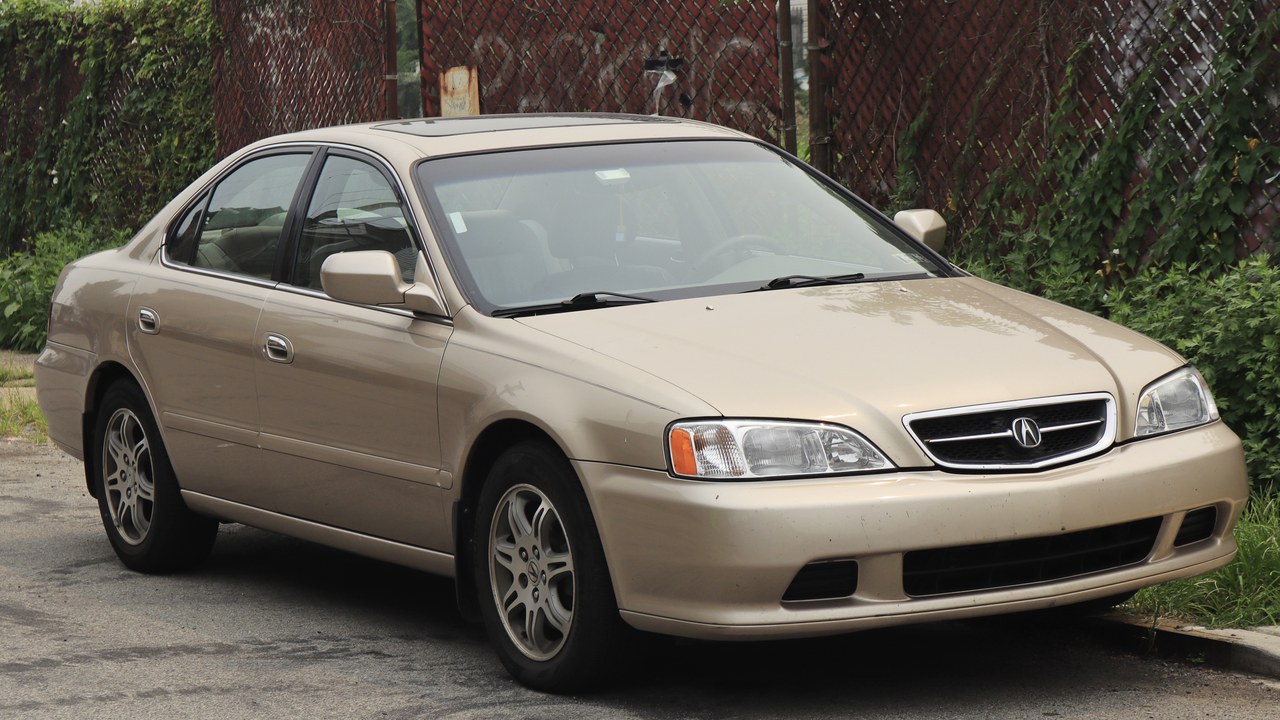
The Acura 3.2TL falls into the same emergency category as its Honda siblings, built in the exact 2002-2003 window NHTSA singles out for its most urgent Takata order. The federal recall notice groups it with the small set of cars regulators consider too risky for everyday use unrepaired.
Owners are told to skip routine trips and drive straight to a dealer, since the inflator can rupture with enough force to send metal fragments into the cabin. Luxury trim and badge make no difference here; the underlying part is the same Takata unit driving the whole warning.
3. Honda Civic: A Second Honda On The List
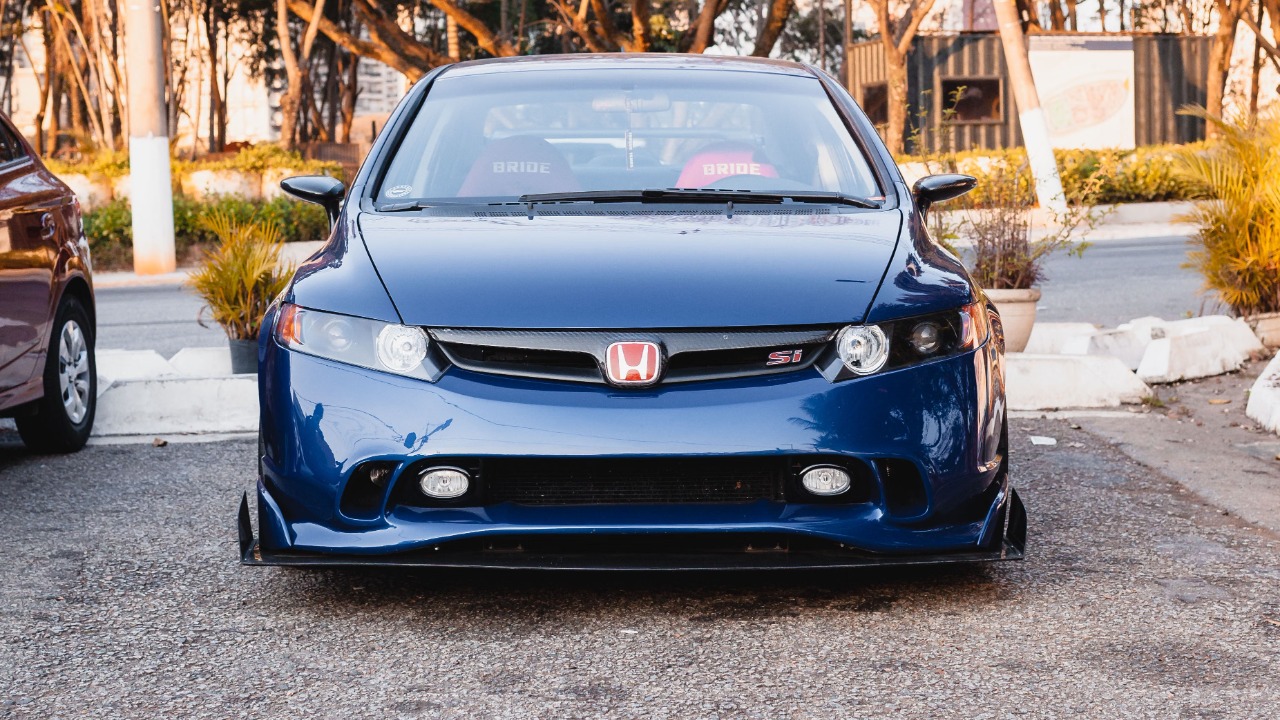
A Honda Civic built between 2001 and 2003 carries the same do-not-drive label NHTSA placed on its Accord stablemate, putting one of the country’s best-selling compacts inside the agency’s Takata warning list.
The advisory covers Takata’s most dangerous ammonium nitrate inflators, the ones judged prone to rupture after years of heat and humidity cycling. Because the Civic sold in such high numbers, it remains one of the more common cars owners still need to check by VIN before assuming an earlier repair already covered it.
4. Ford Ranger: Ford’s Own Not-To-Drive Order
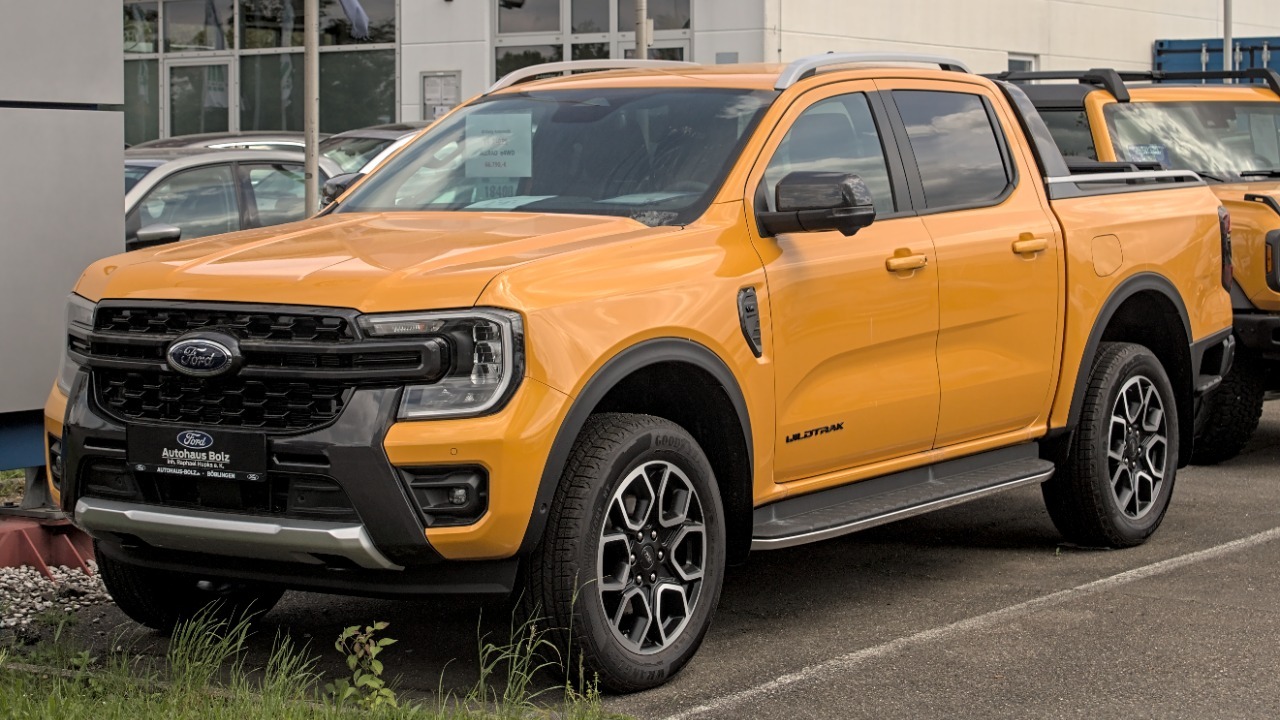
Ford broke from a standard recall letter for some 2006 Ranger owners, telling them plainly not to drive the truck at all until a dealer replaces its Takata inflator. NHTSA’s recall spotlight page preserves that instruction alongside the automaker’s own advisory.
Mazda issued a matching warning for its rebadged B-Series trucks built on the same platform in that model year. The urgency reflects how the Ranger’s inflator sat among the highest-risk parts identified in the broader Takata investigation, not a routine wear item.
5. Chevrolet Bolt: Park It Outside, GM Said
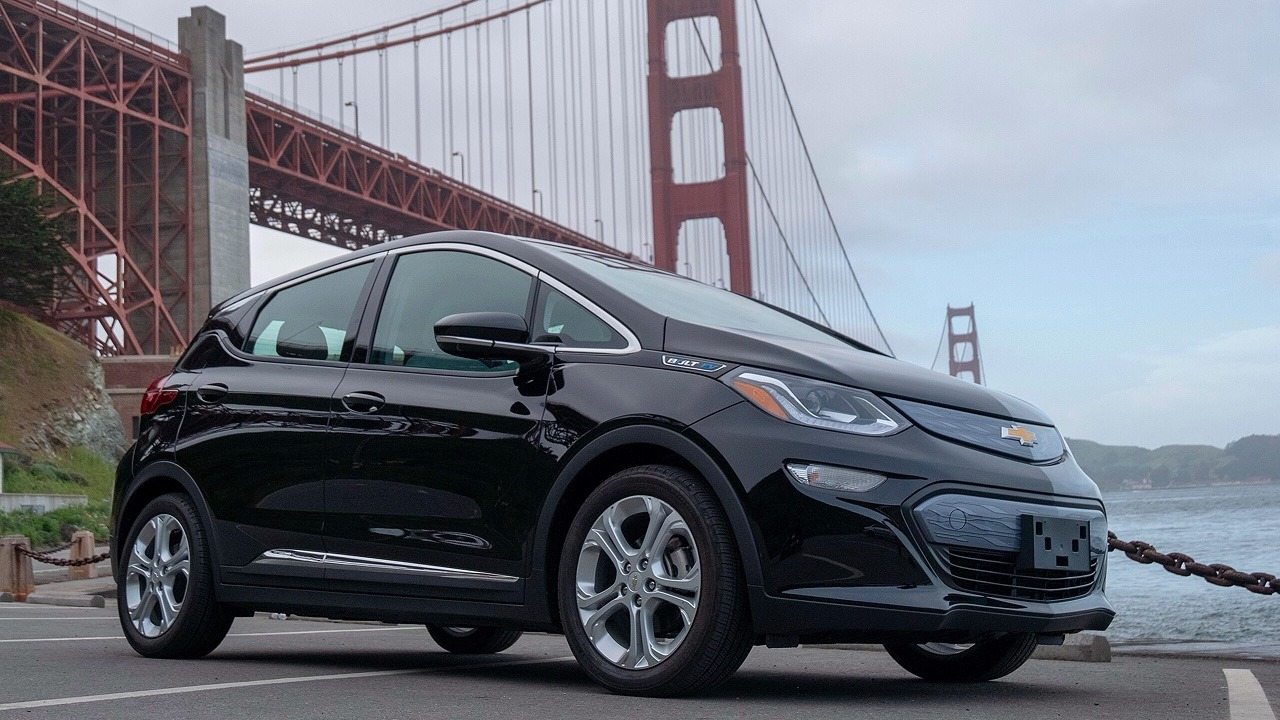
General Motors recalled 50,932 Chevrolet Bolts in November 2020 after confirming battery fires in vehicles from the 2017 through 2019 model years, according to the Bolt’s recall history.
Rather than wait for a scheduled repair, GM told owners of the affected cars to park them outside and away from structures until a fix was available, an instruction usually reserved for the most serious fire risks. The advice stemmed from a battery cell defect capable of igniting without warning, even while parked and unplugged.
6. Hyundai Palisade: A Stop-Sale After A Child’s Death
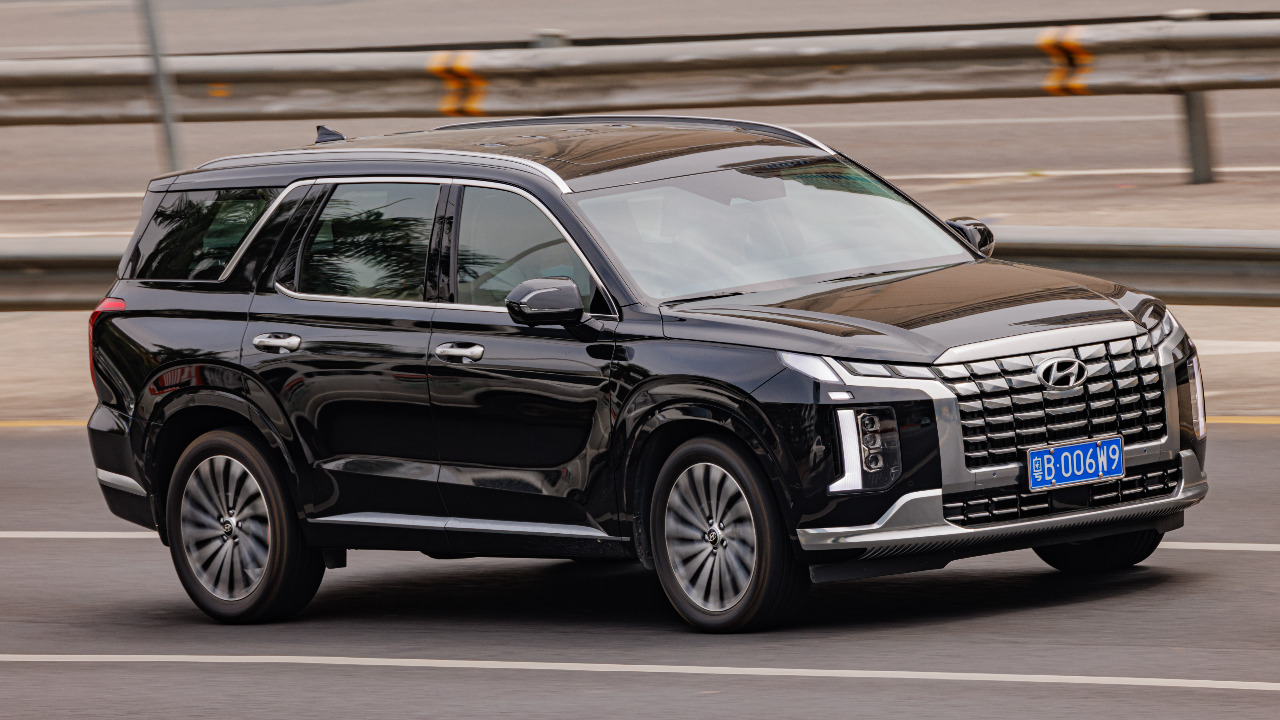
Hyundai halted sales of the Palisade’s Limited and Calligraphy trims across four countries in March 2026 after a child died when the SUV’s power-operated rear seats failed to detect an occupant, per a summary of the Palisade’s recall record.
The stop-sale reached the United States, Canada, Korea and Australia simultaneously, a scale unusual for a single-feature defect. It followed a mechanism meant to add convenience — seats that move themselves for easier entry — turning into a hazard when the sensor meant to prevent it from closing on a person did not work as designed.
7. Tesla Cybertruck: Ten Recalls In One Year
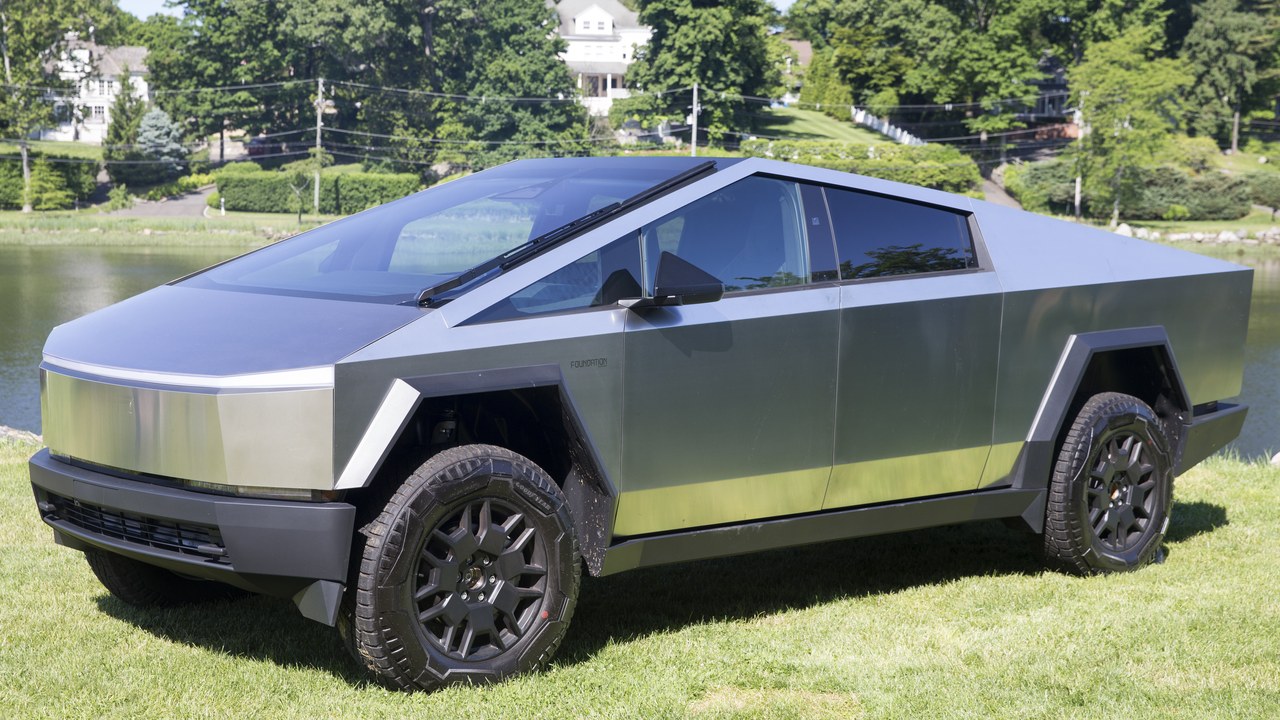
Tesla’s Cybertruck logged 10 separate recalls in its first year on sale, through October 2025, according to its recall table, an unusually fast pace for a truck still new to showroom floors.
One of those actions covered an accelerator pedal that could dislodge and become trapped against the floor, triggering unintended acceleration inside a vehicle already known for its unusual shape and weight. That volume of fixes on a single new model has made the truck a reference point for how quickly a freshly launched platform can accumulate safety actions.
8. Fisker Ocean: Losing Power On The Road
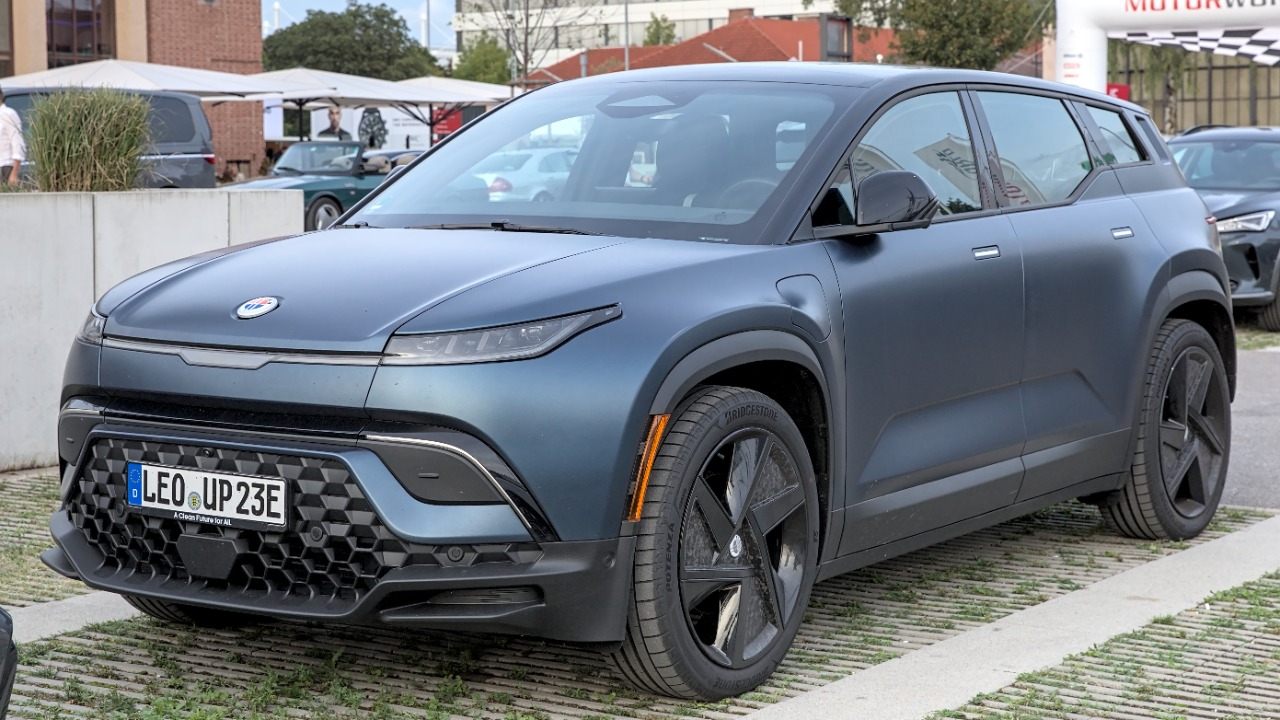
The Fisker Ocean drew three separate NHTSA investigations after owners filed more than 100 reports of the SUV suddenly losing power while driving, per a record of the Ocean’s technical problems, alongside multiple recalls tied to the issue.
A vehicle that cuts power mid-drive loses assisted braking and steering at the same moment, turning a software or electrical fault into a road hazard rather than an inconvenience. The repeated investigations reflect how the failure kept resurfacing even as Fisker issued fixes aimed at earlier reports.
9. Hyundai Kona: A Wiring Bracket That Could Spark
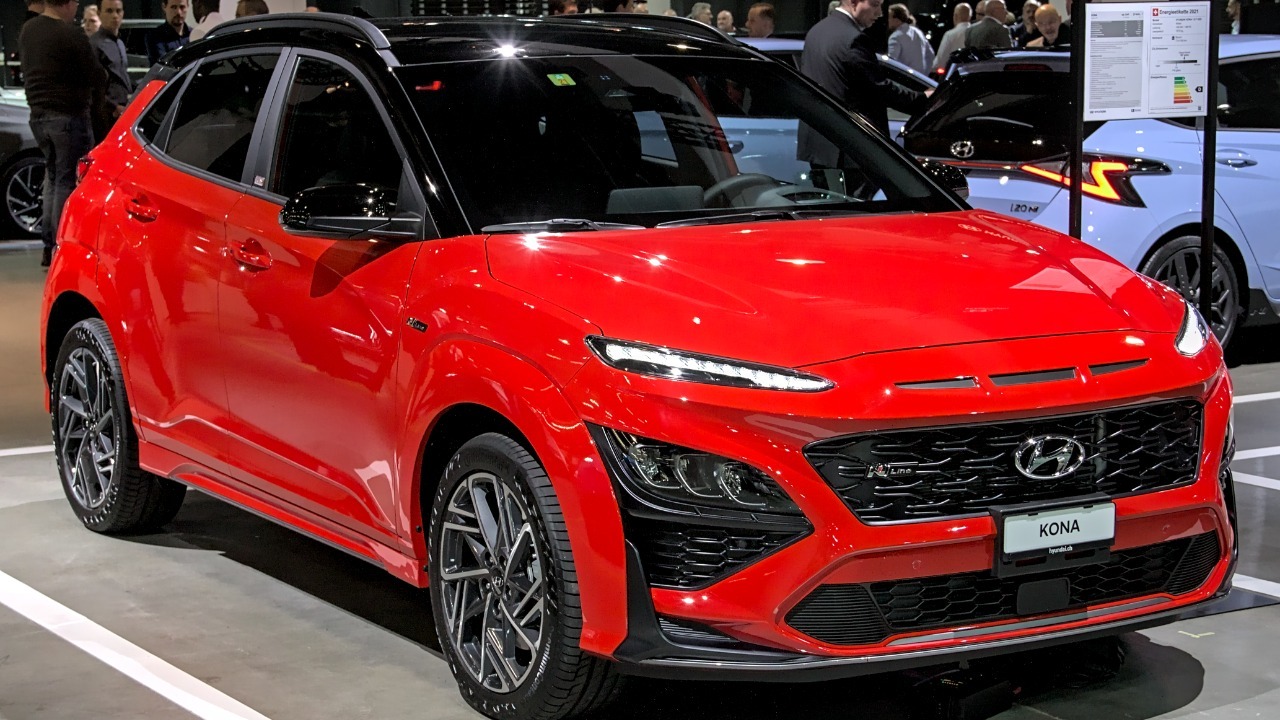
Hyundai Australia recalled more than 1,700 Konas in April 2024 after finding that a bracket holding the engine control unit could interfere with nearby wiring, according to the Kona’s recall entry.
The affected cars used the turbocharged petrol engine rather than the electric drivetrain the Kona is now best known for, and the bracket contact created a short-circuit risk capable of starting a fire. It is a reminder that a shared nameplate can cover mechanically distinct vehicles with separate safety histories.
10. Ford Escape: Over 160,000 Escapes, One Engine
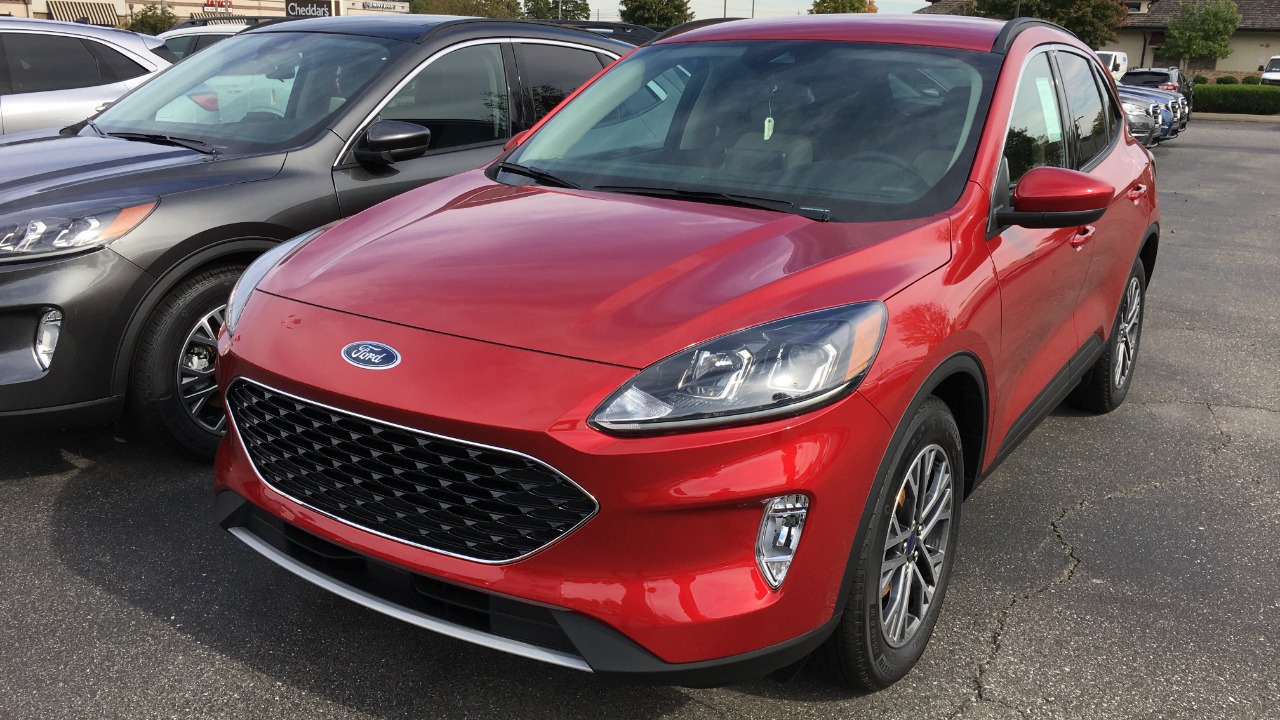
Ford recalled more than 160,000 Escapes in November 2013 after 13 reports of engine fires linked to oil and fuel leaks, per the Escape’s recall history, all tied to its 1.6-liter EcoBoost engine.
A leak in that engine could pool fuel or oil near hot components, the kind of slow-building defect that does not announce itself the way a crash-related failure would. The scale of the recall, spanning a single engine option across one model year, showed how one component choice can ripple across a large share of a production run.
More from Morning Overview
- General Motors is switching on cameras that record inside your vehicle by update
- A geomagnetic storm is forecast to hit Earth today, pushing the northern lights unusually far south
- A recalled pill hid a stimulant dose linked to heart attacks and death
- Four U.S. startups fired up their first small nuclear reactors, aiming to power AI data centers on-site
