
Owning an SUV costs far more than the purchase price once fuel, insurance, maintenance and depreciation are added up over five years. Some models hold their value and sip fuel efficiently, keeping total ownership costs well below the segment average, while others quietly drain a budget long after the sale is final. Here are ten SUVs that keep five-year costs low without sacrificing space or capability.
1. Toyota RAV4: Compact and Cost-Efficient
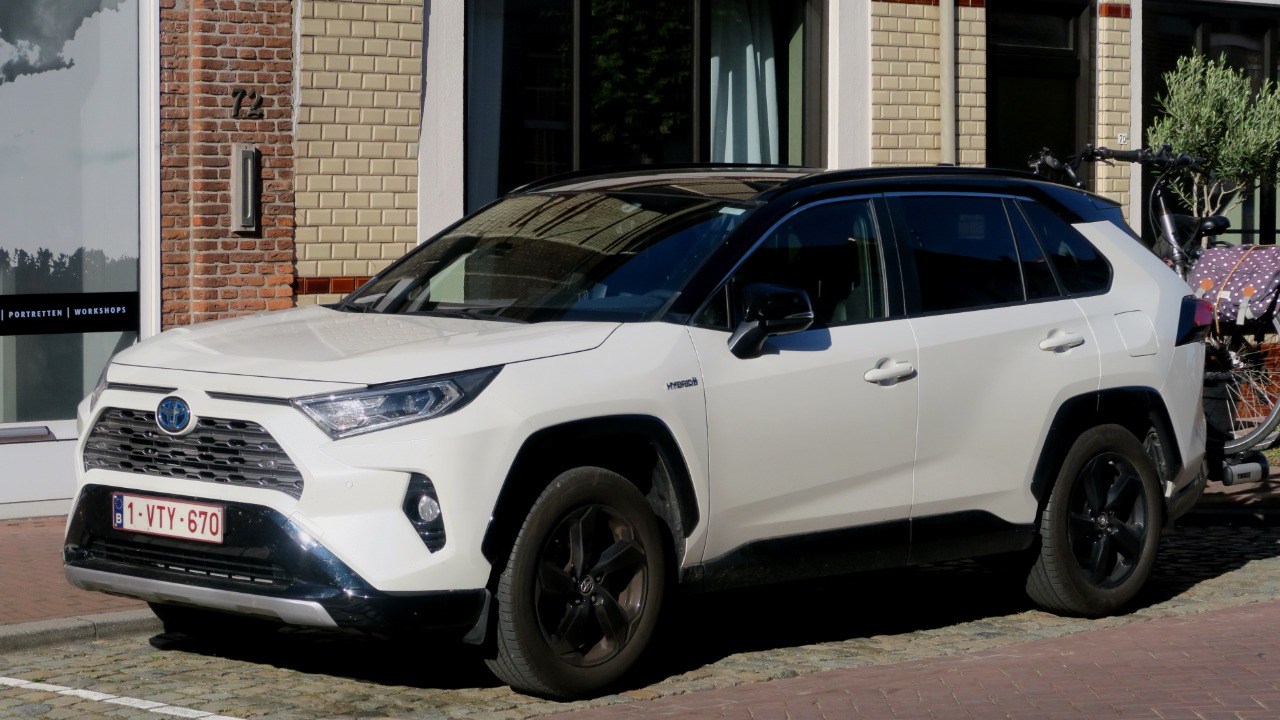
Kelley Blue Book’s resale value awards credit the Toyota RAV4 with the segment’s strongest combination of fuel economy, low insurance premiums and modest repair bills, driving down its projected five-year ownership total. The hybrid variant stretches fuel savings further, while parts availability keeps routine maintenance inexpensive across dealer networks nationwide.
Buyers considering a compact SUV should note that the RAV4’s high resale value cuts the biggest cost of ownership: depreciation. A vehicle that loses less value at trade-in effectively returns more of the purchase price, offsetting years of fuel and service expenses.
2. Honda CR-V: Steady Value, Low Drama
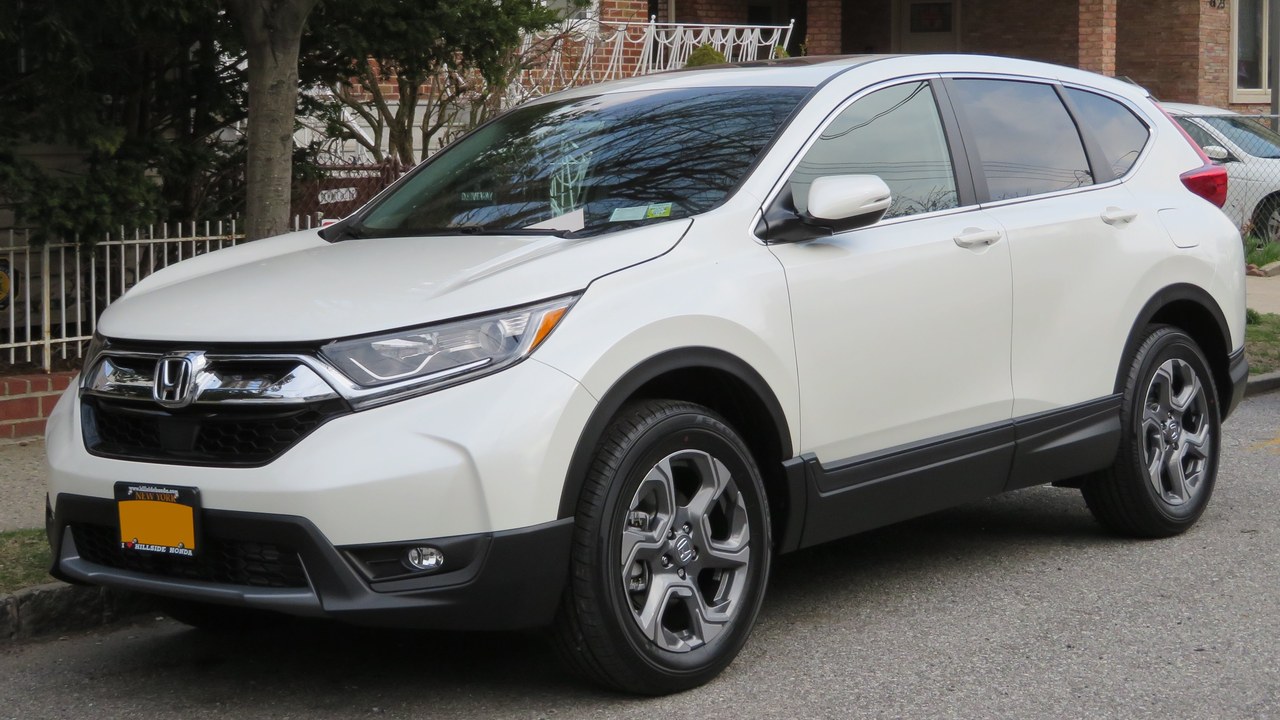
The Honda CR-V’s best resale value ranking reflects a five-year depreciation curve that lags most rivals, according to Kelley Blue Book. Combined with Honda’s reputation for mechanical reliability, the CR-V rarely demands costly unscheduled repairs, and its widely available parts keep labor rates competitive at independent shops.
That reliability record matters most after the warranty expires, when owners of less durable models start absorbing larger repair bills. A CR-V owner who keeps the vehicle a full five years typically pockets the savings other owners lose to depreciation and breakdowns alike.
3. Mazda CX-5: Understated and Economical
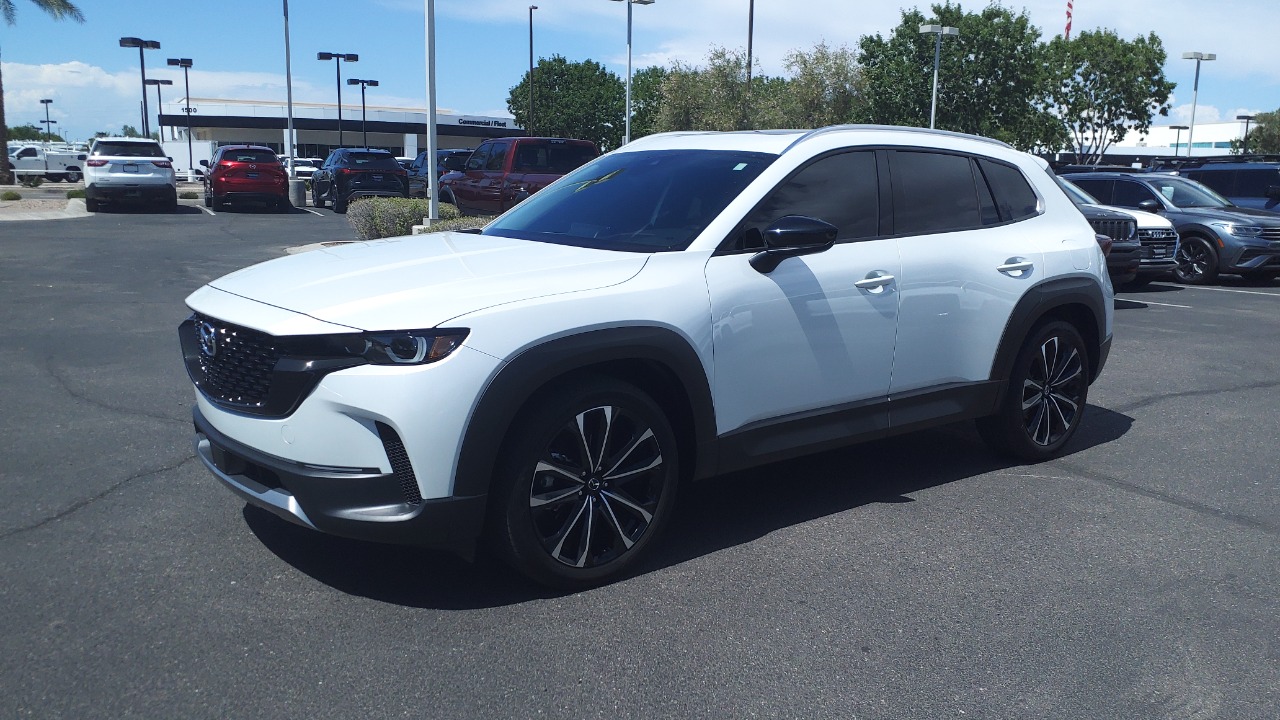
Kelley Blue Book’s annual resale rankings place the Mazda CX-5 among the segment’s slowest-depreciating models, a distinction that keeps its five-year cost of ownership below many higher-volume competitors. Fuel economy from its four-cylinder engines runs comparable to segment leaders, and insurance premiums stay moderate thanks to strong crash-test ratings.
Maintenance costs also track lower than the industry average, since Mazda’s lineup shares components across several models, simplifying parts sourcing. Over five years, the combination of slow depreciation and predictable upkeep can leave a CX-5 owner meaningfully ahead of buyers who chose a faster-depreciating rival.
4. Toyota Highlander: Three Rows, Modest Costs
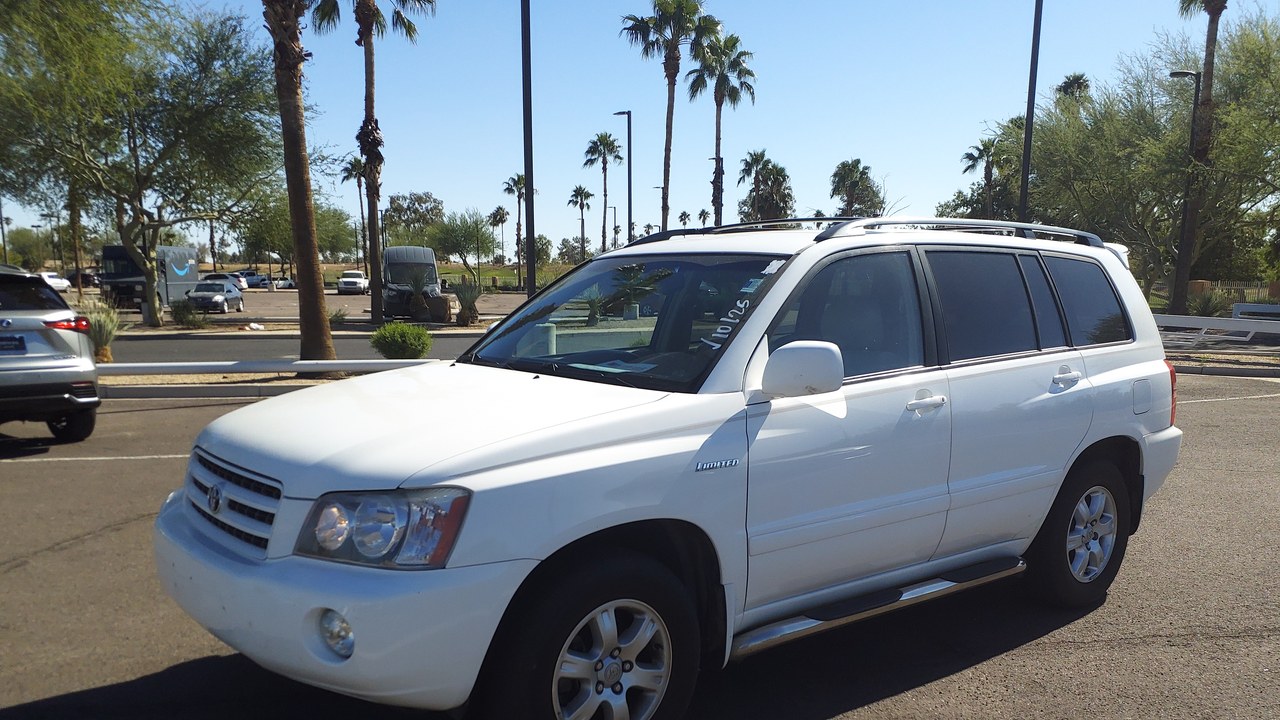
The Toyota Highlander earns a spot on Kelley Blue Book’s best resale value list despite competing in the pricier three-row segment, where depreciation typically runs steeper. Its hybrid powertrain option cuts fuel costs well below comparable V6-only rivals, and Toyota’s dealer network keeps scheduled maintenance pricing consistent nationwide.
Three-row SUVs generally cost more to insure and fuel than compact models, so the Highlander’s below-average depreciation carries outsized weight in its five-year total. Families cross-shopping larger SUVs can expect the Highlander’s running costs to land closer to a compact crossover than to its three-row peers.
5. Subaru Forester: Safety Ratings, Cheap Cover
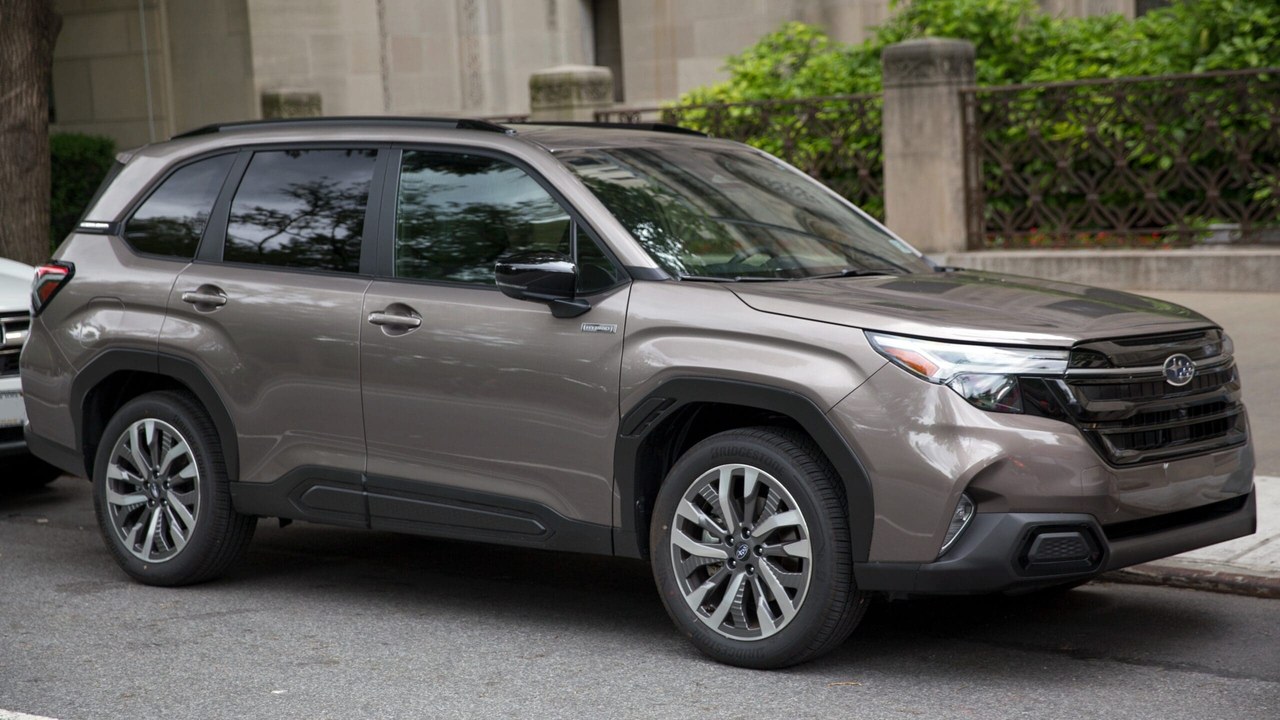
The Subaru Forester’s standard all-wheel drive and consistently high crash-test scores translate into insurance premiums below the compact-SUV average, a meaningful line item across five years of ownership. Standard EyeSight driver-assist tech, included on nearly every trim, further reduces claim frequency and, by extension, premium costs.
Resale value has also held steady across recent Forester generations, limiting the depreciation hit at trade-in. Combined with routine maintenance costs typical for a naturally aspirated four-cylinder engine, the Forester’s total five-year expense sits comfortably below many all-wheel-drive competitors.
6. Honda Pilot: Big Hauler, Fair Upkeep
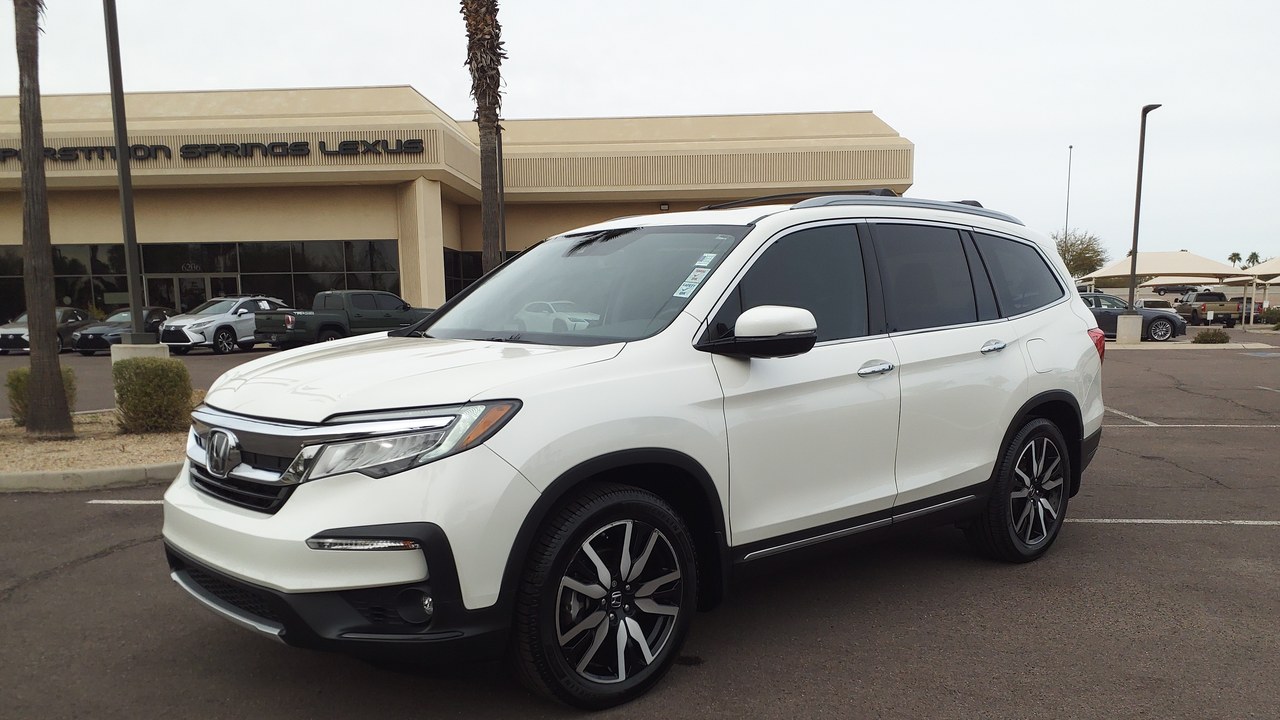
The Honda Pilot’s V6 powertrain has powered the model for three generations, giving independent shops deep familiarity with common repairs and keeping labor costs in line with smaller crossovers rather than premium three-row rivals. Fuel economy trails hybrid competitors but remains typical for the segment.
Depreciation on the Pilot tends to track the broader three-row-SUV average rather than beating it, so its five-year advantage comes mainly from lower-than-typical repair and insurance costs. A family that keeps a Pilot the full five years generally spends less on upkeep than on a comparably sized truck-based SUV.
7. Toyota 4Runner: Resale Value, Rock Solid
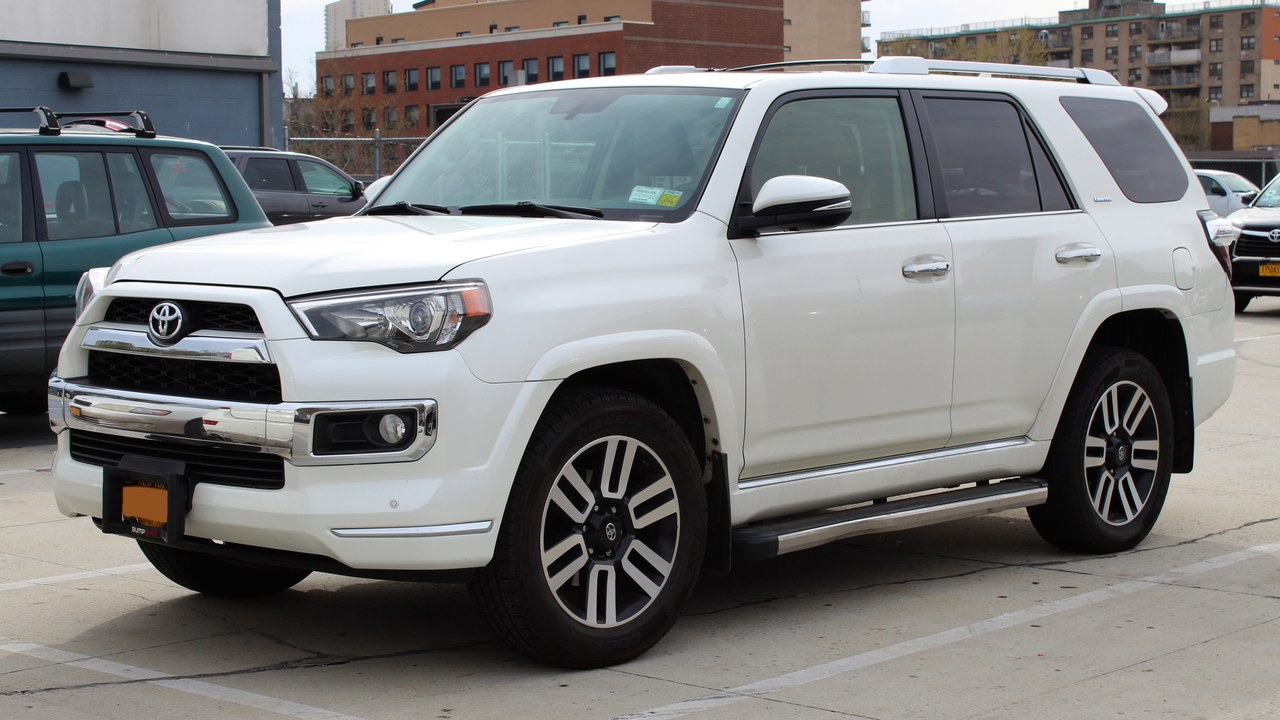
The Toyota 4Runner’s body-on-frame construction has remained largely unchanged for over a decade, a rare durability that pushes resale value to among the highest of any SUV on the road. That slow depreciation curve offsets the 4Runner’s thirstier V6 engine, which posts fuel economy below most car-based crossovers.
Owners who plan to keep the truck past five years often recoup an outsized share of the purchase price at resale, a trade-off that rewards long-term ownership more than short leases. Insurance costs run moderate given the vehicle’s strong safety record despite its truck-based platform.
8. Kia Sportage: Warranty-Backed Budget Pick
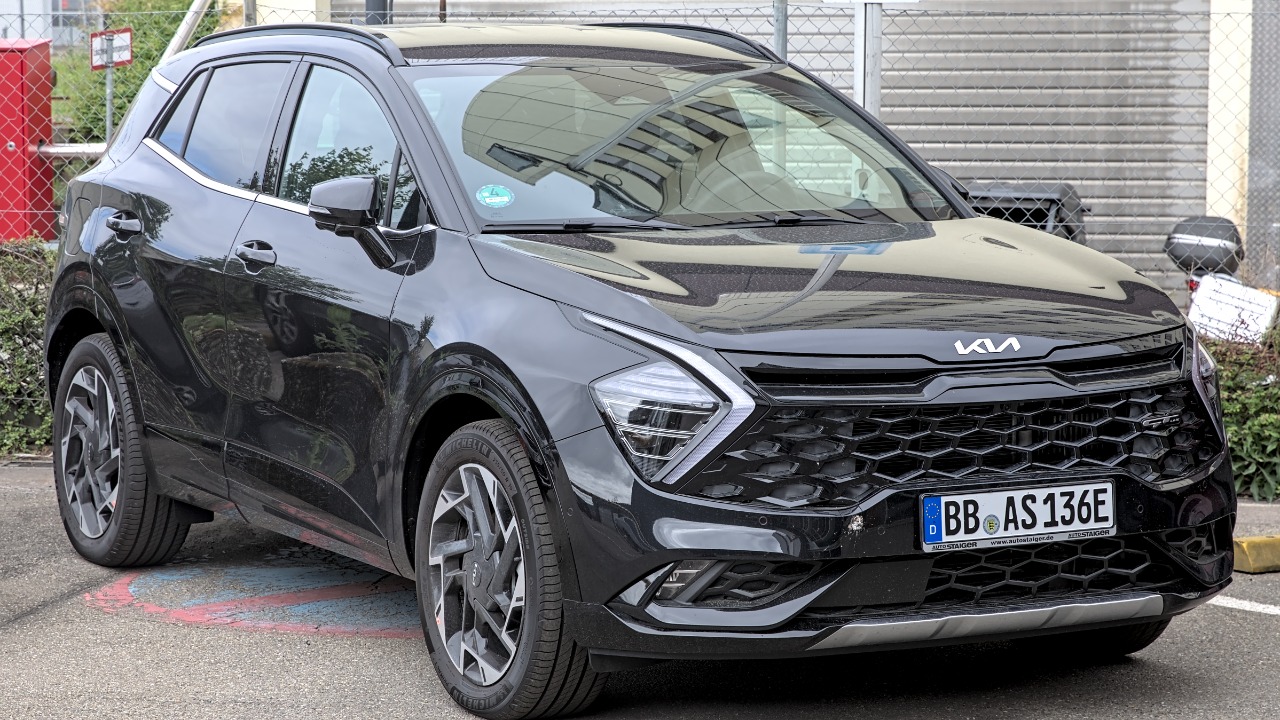
Kia backs the Sportage with a longer factory warranty than most competitors, shifting early repair risk away from the owner and lowering out-of-pocket costs during the years covered. The lower starting price than segment leaders also means less capital tied up in depreciation from day one.
Fuel economy from the standard four-cylinder engine sits in the middle of the class, while insurance premiums track the segment average. The combination of a lower purchase price and extended coverage gives the Sportage one of the lowest total five-year outlays among compact crossovers.
9. Hyundai Tucson: Coverage That Cuts Costs
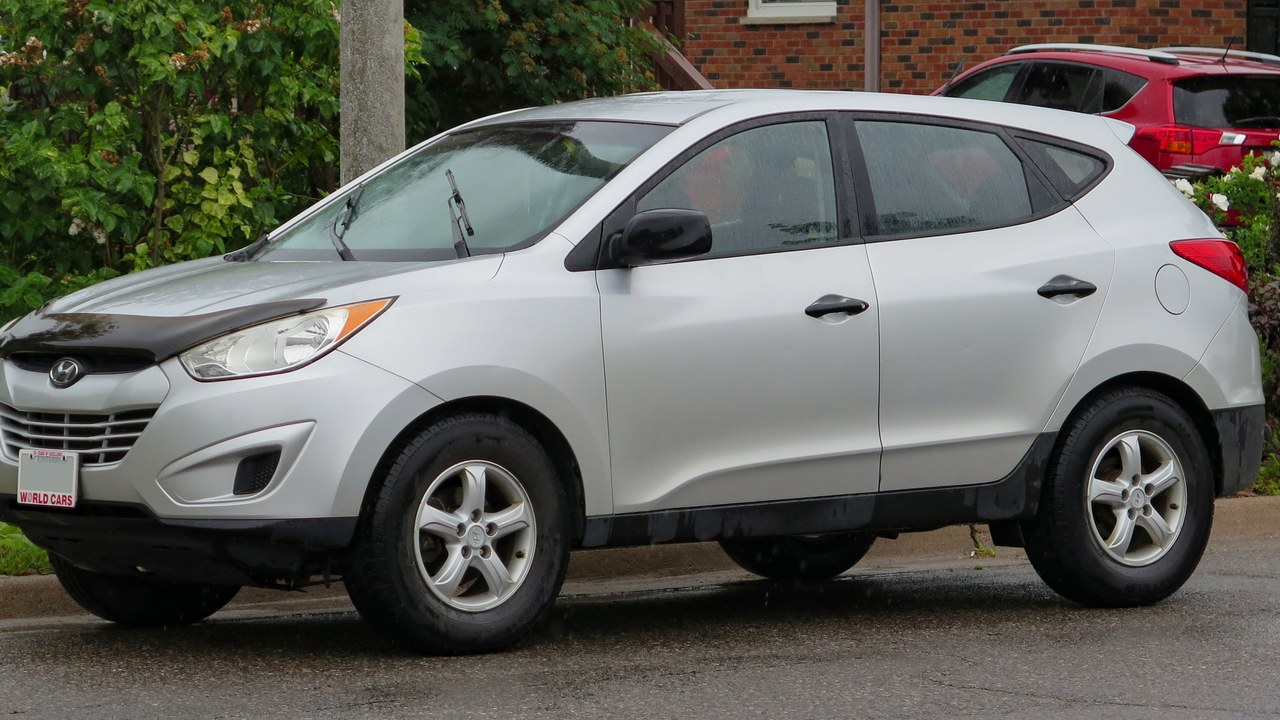
Like its Kia sibling, the Hyundai Tucson carries an extended powertrain warranty well beyond the industry standard, limiting major repair expenses during the years the coverage remains active. Its competitive base price keeps the depreciation baseline low, since there is less initial value for the vehicle to lose.
Fuel economy from the available hybrid variants beats most gas-only rivals in the class, trimming a recurring cost that adds up over five years of ownership. Insurance premiums land near the segment median, leaving warranty coverage and purchase price as the Tucson’s biggest cost advantages.
10. Subaru Outback: Efficient Engine, Lower Bills
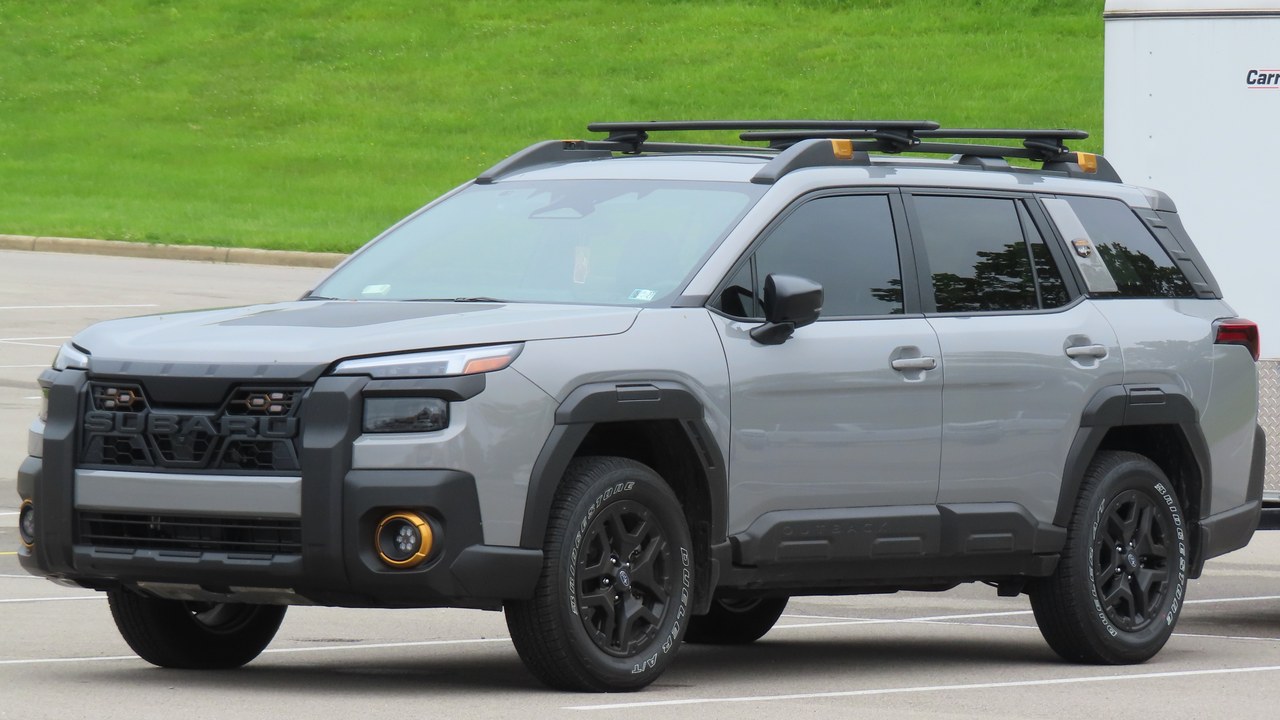
The Subaru Outback’s flat four-cylinder boxer engine delivers fuel economy that outperforms many all-wheel-drive SUVs, a recurring saving that compounds across five years of driving. Standard all-wheel drive on every trim also keeps insurance classification consistent, avoiding the premium spikes that hit optional-AWD competitors.
Depreciation on the Outback has historically tracked below the midsize-crossover average, aided by a loyal buyer base that keeps demand for used models steady. Maintenance costs run close to the Forester’s, since the two models share much of their drivetrain and parts inventory.
More from Morning Overview
- A granite sarcophagus surfaced in Egypt with its original lid still sealed
- The FBI tells phone owners to delete these toll-payment texts draining accounts nationwide
- Herbal supplements are landing Americans in the hospital with liver damage, doctors warn
- Long-term use of common heartburn pills is linked to kidney and dementia risk
