
Federal safety regulators keep a public complaint file on every vehicle sold in the United States, and some sport-utility models attract far more entries than others. Stalling, transmission failure, phantom braking and fire risk are the themes that turn a trickle of reports into a formal defect investigation. Here are ten SUVs whose owners have filled that file.
1. Jeep Grand Cherokee: The Rollaway Gear Selector
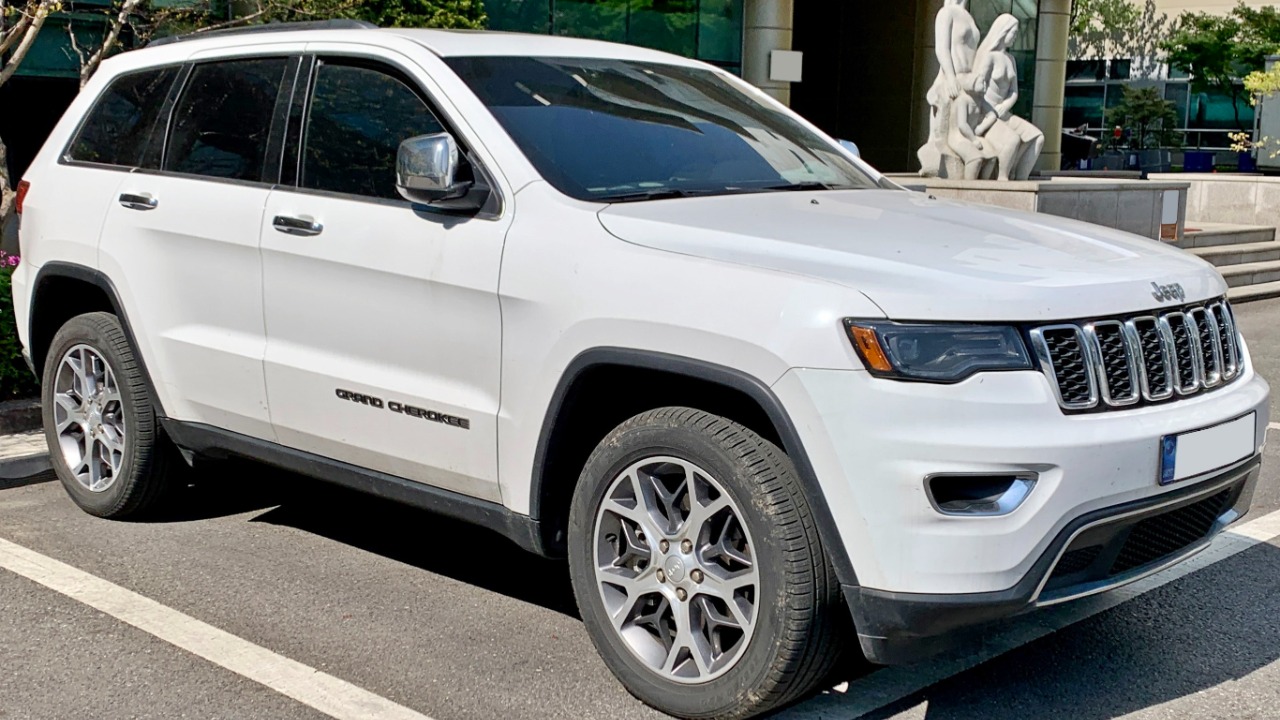
Reports of parked vehicles rolling away pushed the National Highway Traffic Safety Administration to investigate the monostable electronic shifter used in the fourth-generation Jeep Grand Cherokee, a design owners said gave no clear feedback about which gear was actually engaged. Fiat Chrysler recalled roughly 1.1 million vehicles in 2016 to add software safeguards.
Older examples carry separate baggage, because models built between 1993 and 2004 drew a federal push over rear-mounted fuel tanks and post-crash fires that ended in a trailer-hitch remedy critics called inadequate. Anyone shopping a used example is wise to run the VIN against open recalls first.
2. Ford Explorer: The Exhaust Odor Investigation
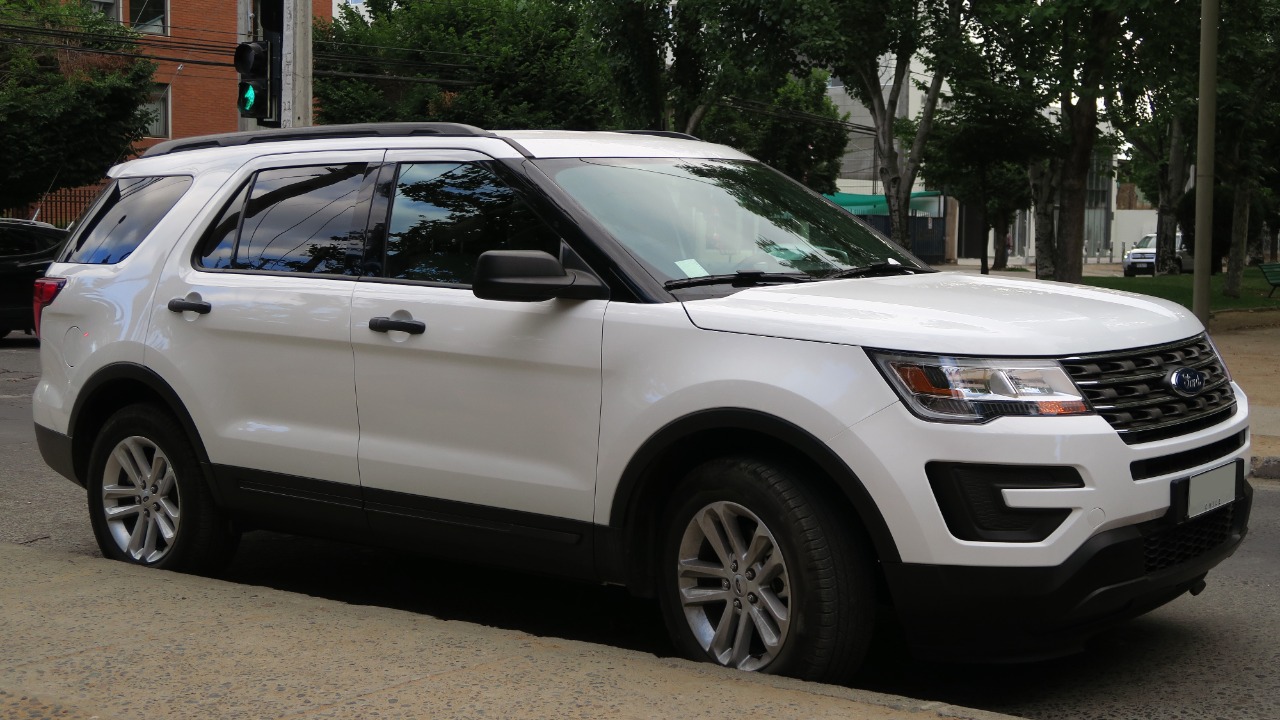
Thousands of complaints about exhaust fumes seeping into the cabin led federal investigators to escalate their inquiry into the Ford Explorer to an engineering analysis in 2017, a step that covered well over a million SUVs from the 2011 through 2017 model years.
Ford insisted the civilian vehicles were safe and concentrated free repairs on police interceptor fleets, where officers had described dizziness behind the wheel. The episode echoed the Firestone tire failures of 2000, when Explorer rollovers were linked to hundreds of deaths and a recall of millions of tires.
3. Nissan Rogue: A Transmission That Shudders

Shuddering, overheating and an abrupt drop into limp mode from the Xtronic continuously variable transmission fill the federal complaint file on the Nissan Rogue. Nissan extended powertrain warranty coverage on several affected model years and settled class-action litigation brought over the units.
A separate defect investigation opened in 2019 examined automatic emergency braking that clamped down with no obstacle ahead, prompted by hundreds of phantom-braking reports on 2017 and 2018 examples. Neither problem is cheap: a replacement transmission can approach what an older Rogue is worth.
4. Ford Escape: Cracked Injectors and Fire Risk
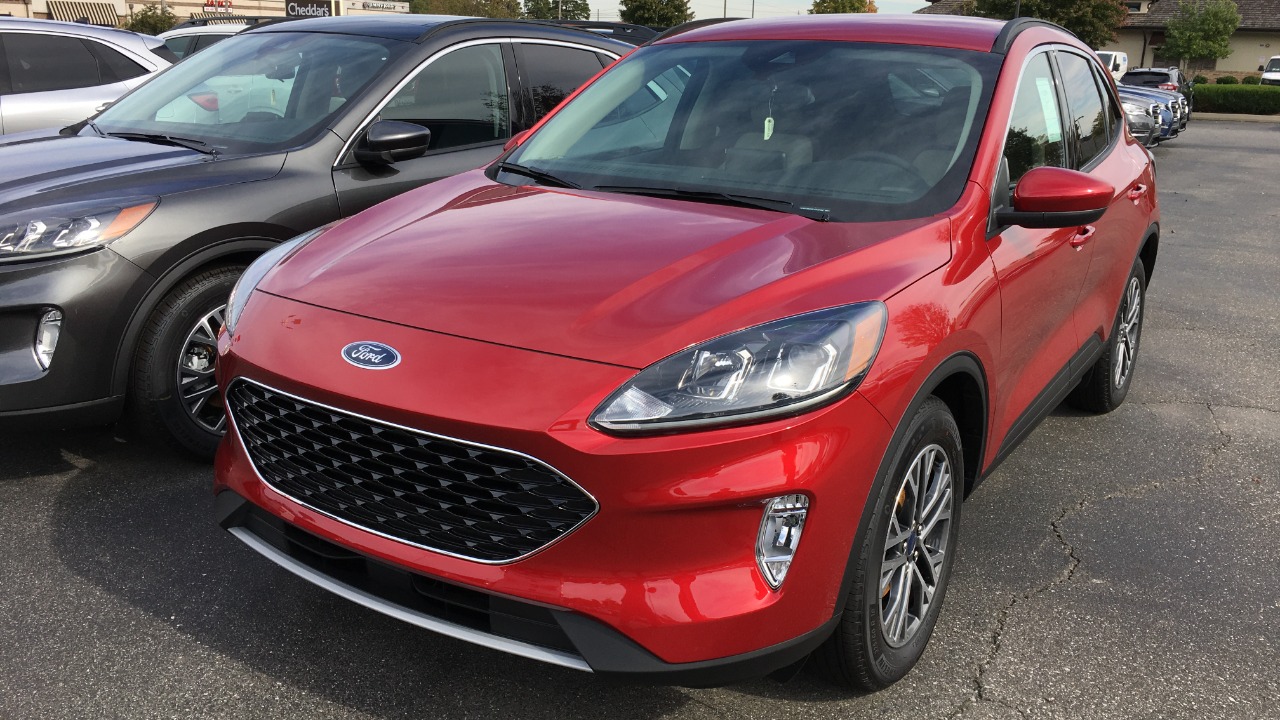
Fuel injectors that can crack and spray gasoline onto hot engine parts forced a 2022 recall of the three-cylinder Ford Escape, and regulators went on to question whether the software-only remedy, which vents leaking fuel away from ignition sources instead of replacing hardware, genuinely resolved the hazard.
A broader callback followed in 2024. That repetition fits an older pattern for the nameplate, since the 2013 Escape and its 1.6-litre EcoBoost engine were recalled five separate times during the first year on sale, mostly over overheating and underhood fires.
5. Chevrolet Traverse: Seat Belts and Burned Oil
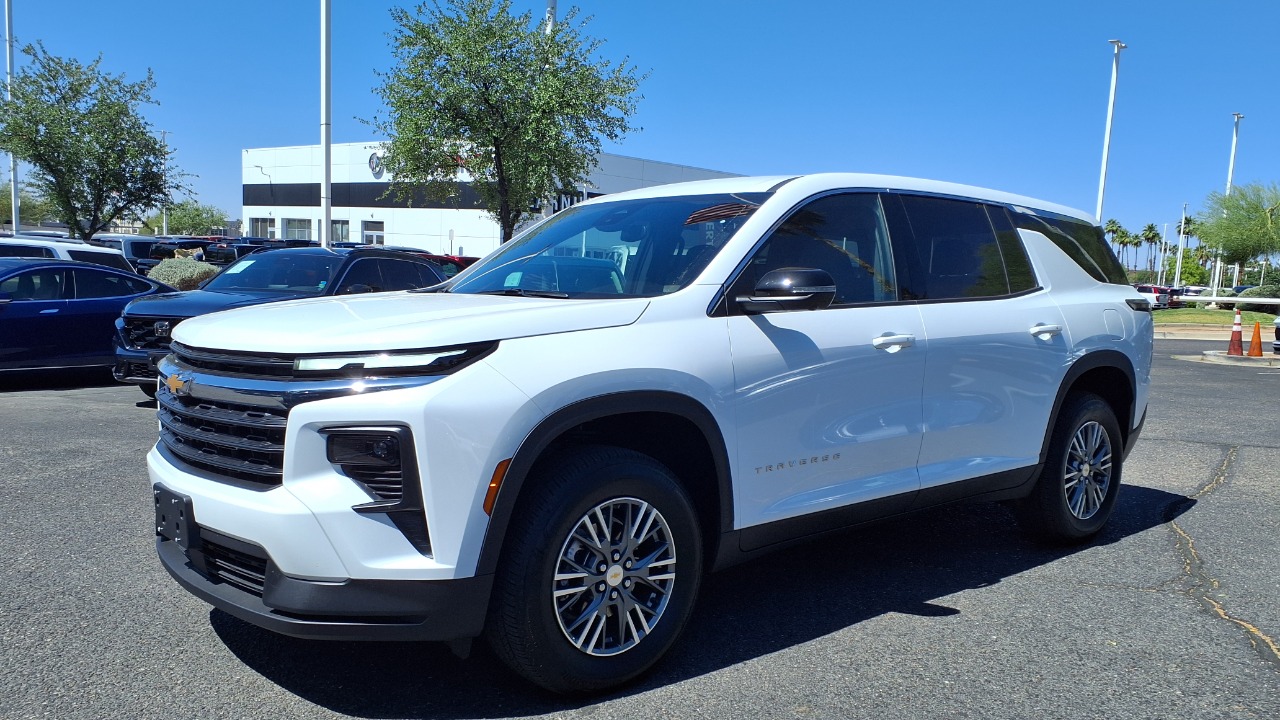
General Motors recalled roughly 1.3 million large crossovers in 2014, the Chevrolet Traverse among them, after the flexible steel cable anchoring the front seat belts was found capable of fatiguing and snapping in a crash.
Complaint entries on the same generation are equally thick with timing-chain wear and heavy oil consumption from the 3.6-litre V6, a failure that can surface well before 100,000 miles. Drivers who never check the level between services are the ones who discover it as engine damage.
6. Jeep Wrangler: The Notorious Death Wobble
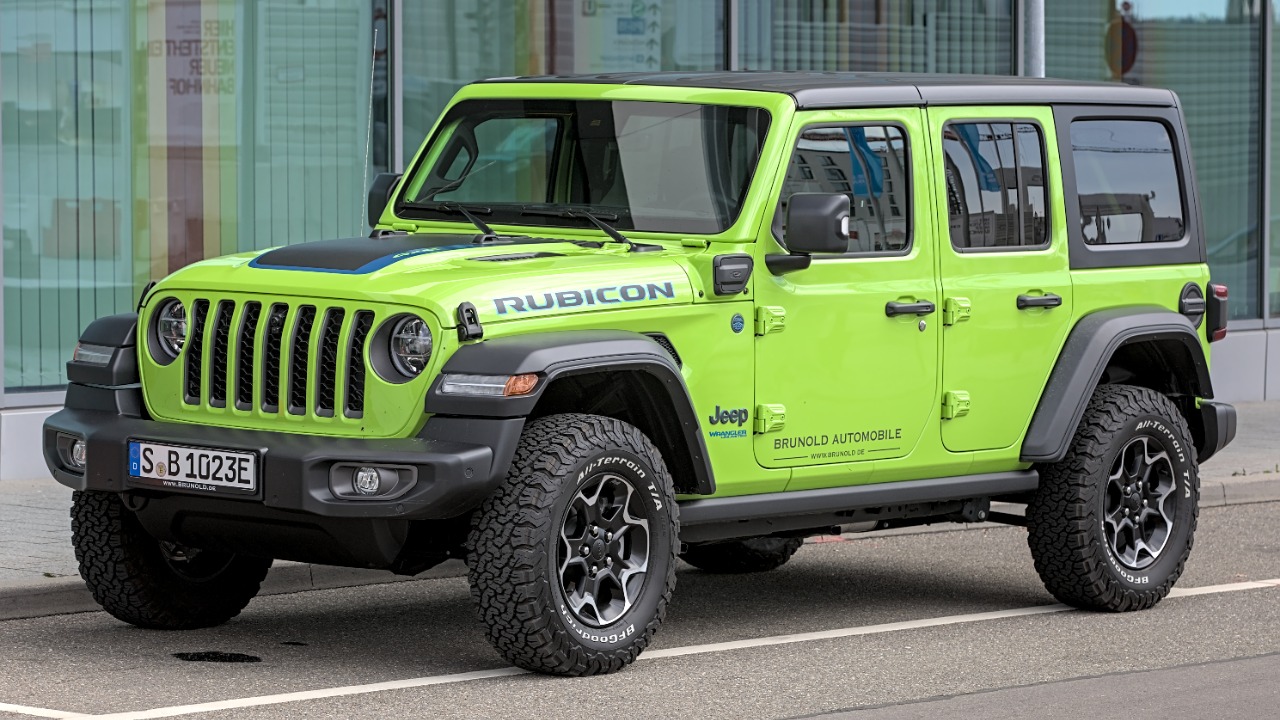
Front-end oscillation violent enough to shake the steering wheel at highway speed, nicknamed death wobble by owners, produced a steady stream of complaints about the solid front axle and drew regulator attention in 2019 after reports on the newest generation kept arriving.
The manufacturer treated the shake as a maintenance matter rather than a defect, fitting an upgraded steering damper while maintaining that the vehicle remained safe to drive. Class-action suits followed, and worn track bars, ball joints and control-arm bushings remain the usual mechanical culprits.
7. Chevrolet Equinox: An Engine That Drinks Oil
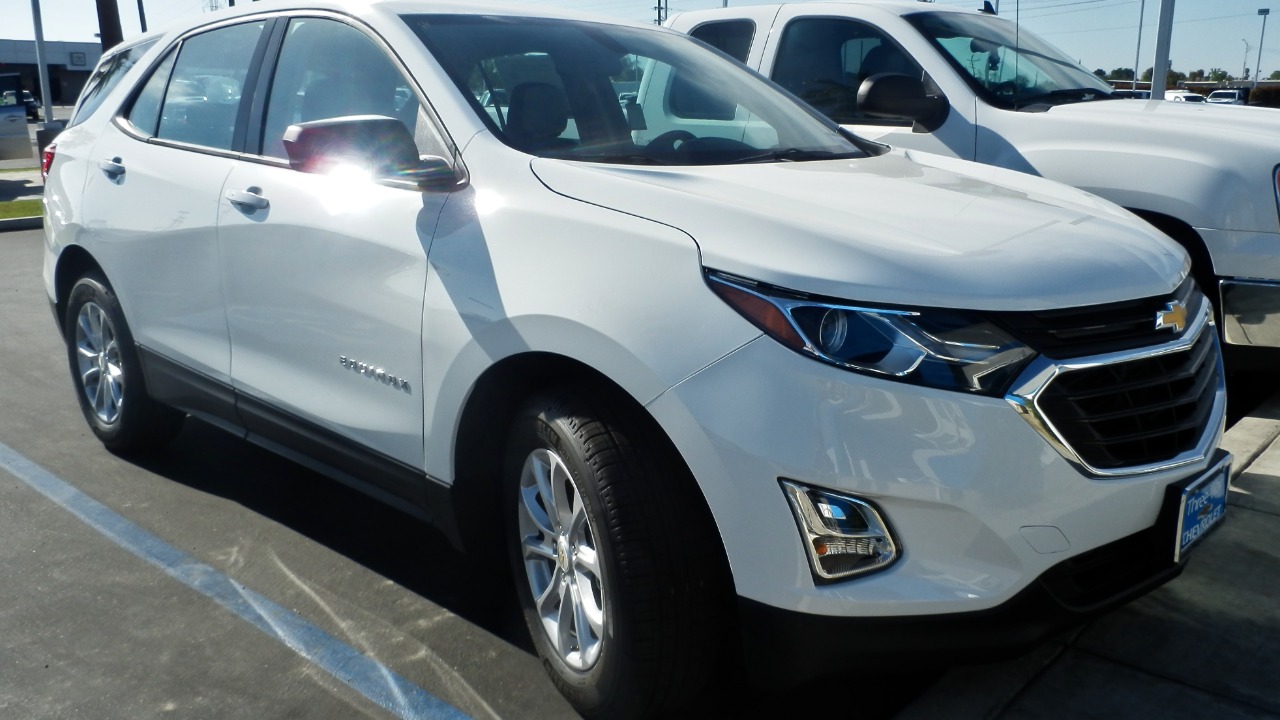
Worn piston rings in the 2.4-litre Ecotec four-cylinder let the Chevrolet Equinox consume oil fast enough to run the sump low between scheduled changes, and in the worst cases the engine was starved badly enough to fail outright.
General Motors settled litigation covering the affected years and extended coverage for certain repairs, yet stalling reports kept landing at the federal complaint desk long afterward. Checking the dipstick monthly costs nothing and is often the difference between a top-up and a rebuild.
8. Dodge Durango: The Power Module Stall
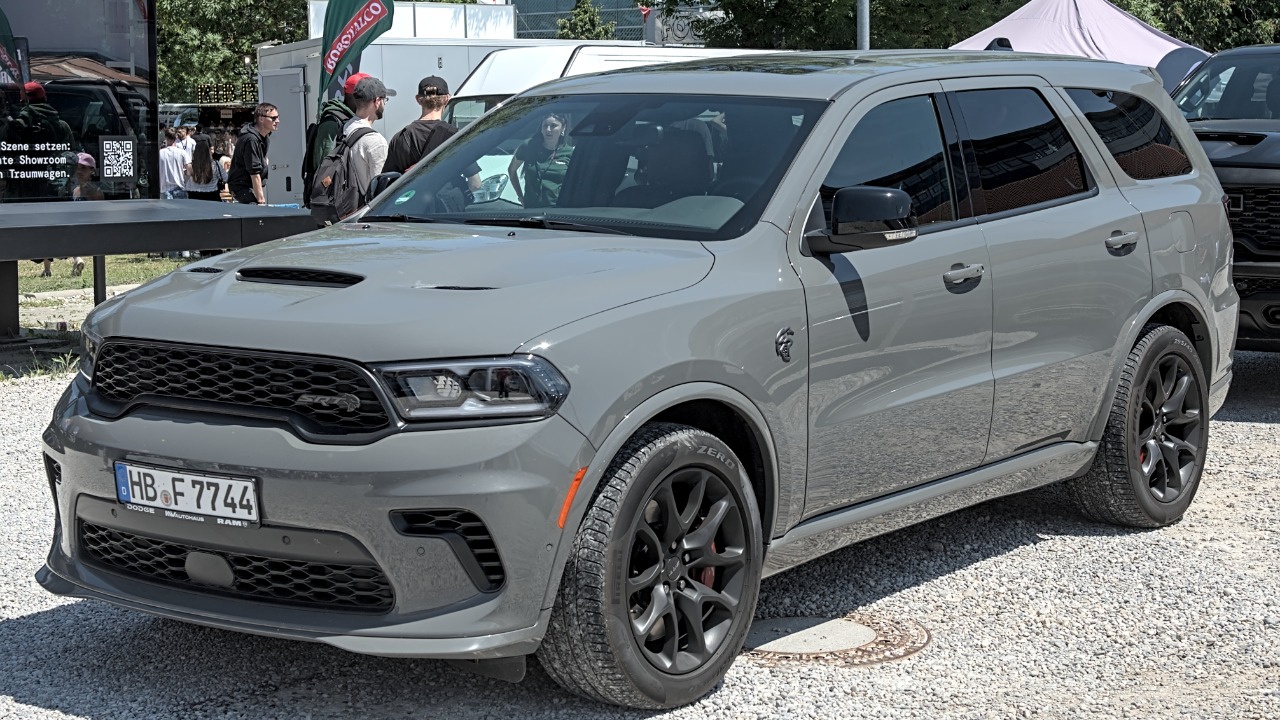
A fuel-pump relay inside the Totally Integrated Power Module can fail and shut the engine down without warning, a fault that saw Chrysler recall close to half a million examples of the Dodge Durango and its Grand Cherokee sibling in 2013.
That module sits at the heart of the electrical system, so its failures also register as dead fuel pumps, wipers that run unbidden and vehicles that refuse to start. Replacement units are expensive, and the recall remedy was a bypass harness rather than a new module.
9. Honda CR-V: Gasoline in the Crankcase
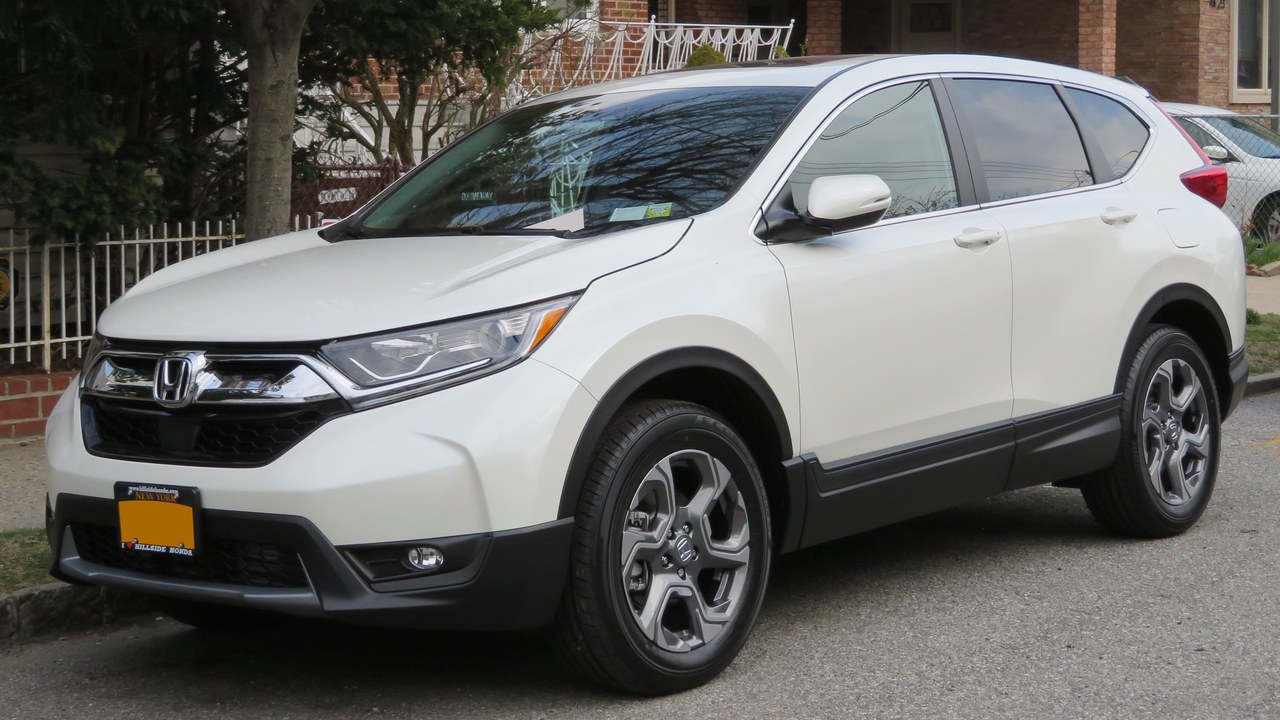
Short winter trips let unburned fuel slip past the rings of the 1.5-litre turbocharged engine and gather in the sump, raising the level on the dipstick and thinning the lubricant, a pattern owners of the Honda CR-V reported in volume from northern states.
Honda answered in 2018 with a product update that revised engine and climate-control software for cold-weather markets and lengthened powertrain warranty coverage on the affected cars. Diluted oil protects bearings poorly, which explains why the reports clustered where commutes are shortest and coldest.
10. Ford Bronco Sport: Recalled Before the Warranty Ends
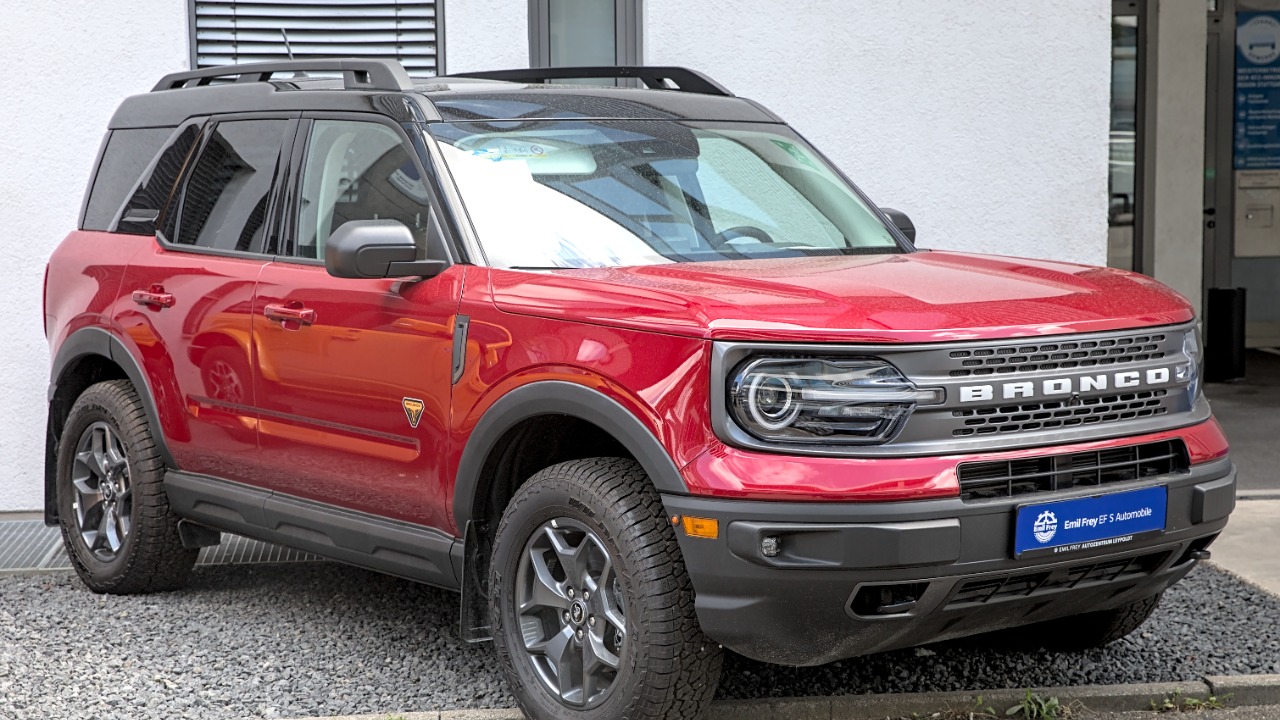
Sharing the three-cylinder engine that troubled its corporate stablemate, the Ford Bronco Sport was called back for cracking fuel injectors and the same contested software fix, one entry in a run of early recalls that also covered rear suspension bolts and seat-belt hardware.
Investigators opened a recall query to test whether venting leaked fuel was an adequate remedy, and a wider callback followed. For a model that reached showrooms in 2021, that amounts to an unusually crowded regulatory file before most examples left their original warranty.
More from Morning Overview
