
Turbochargers now dominate performance car engineering, delivering torque earlier and helping manufacturers meet tightening efficiency rules. What they rarely deliver is the linear pull and rising howl that makes an engine feel wired directly to a driver’s right foot. Here are ten sports cars that enthusiasts still hold up as arguments for the naturally aspirated engine.
1. Mazda MX-5 Miata: The Purist’s Four-Cylinder
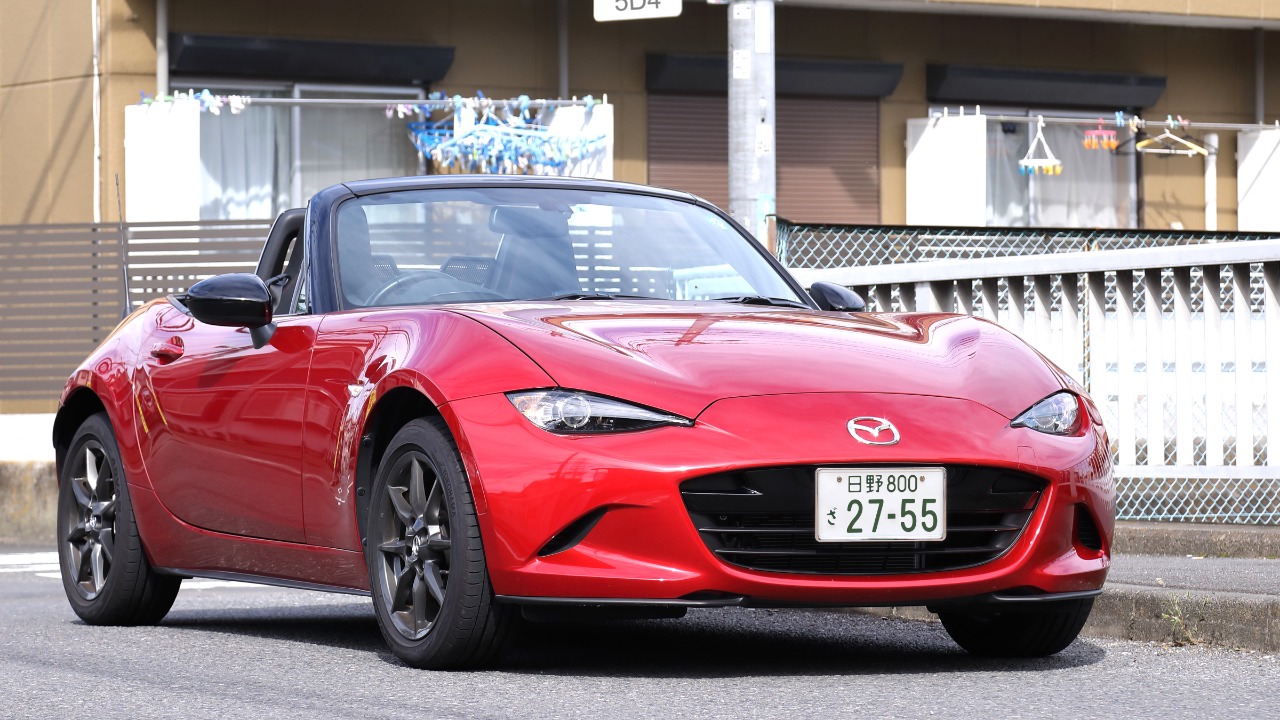
No standard MX-5 has ever left the factory with a turbocharger, and the current ND car’s 2.0-liter four keeps pulling well past 7,000 rpm before it runs out of road. Enthusiasts prize the lightweight Mazda roadster less for outright thrust than for how instantly a throttle input turns into revs, with no waiting for boost to arrive.
That restraint is the appeal for drivers who chase momentum rather than horsepower, though anyone expecting effortless highway passing will be downshifting often. The naturally aspirated engine is the standard specification rather than a rare option, which keeps used examples easy to find.
2. Porsche 911 GT3: The Flat-Six That Screams
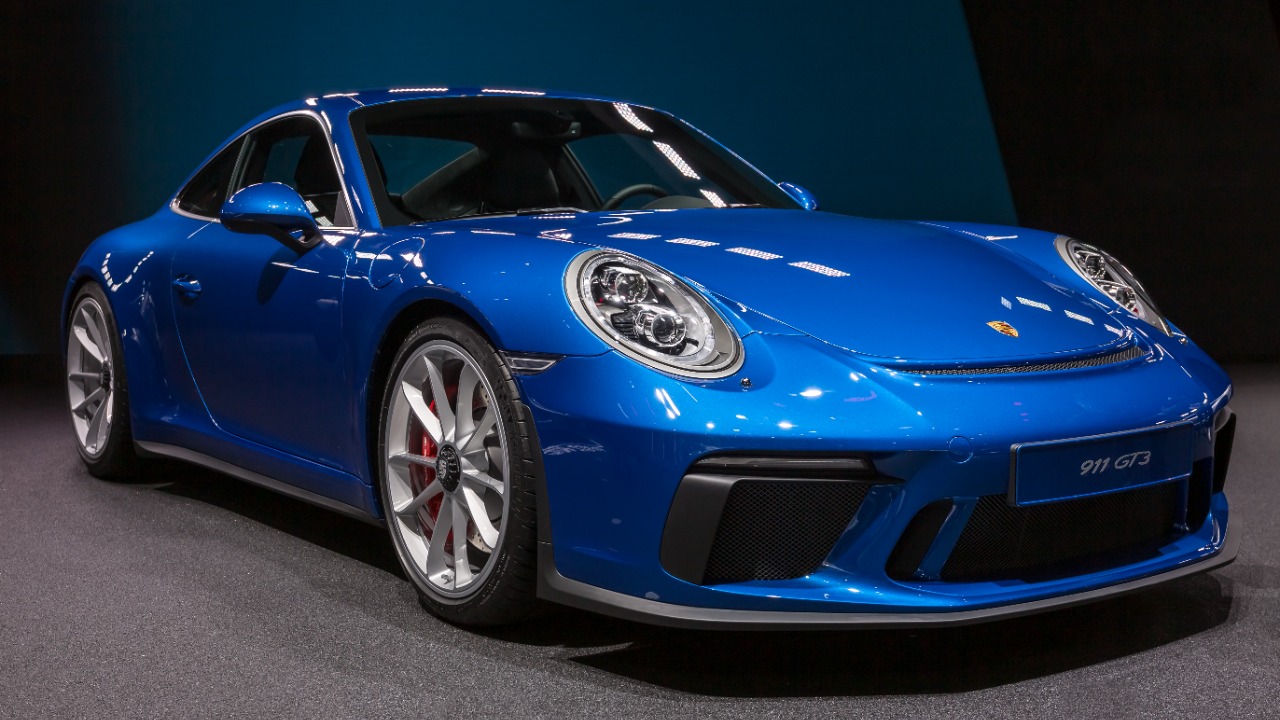
Almost every other 911 variant now runs turbochargers, yet the GT3 has held onto a naturally aspirated 4.0-liter flat-six that spins to roughly 9,000 rpm. The engine traces its architecture to Porsche’s endurance racing programs, and the track-focused 911 variant is built around keeping it, right down to individual throttle bodies.
Buyers pay a substantial premium over a faster turbocharged Turbo model for less low-end torque, which only makes sense once the tachometer passes 6,000 rpm. Demand has been strong enough that allocations are rationed, and clean cars rarely depreciate the way ordinary sports cars do.
3. Chevrolet Corvette: Pushrod V8 Tradition
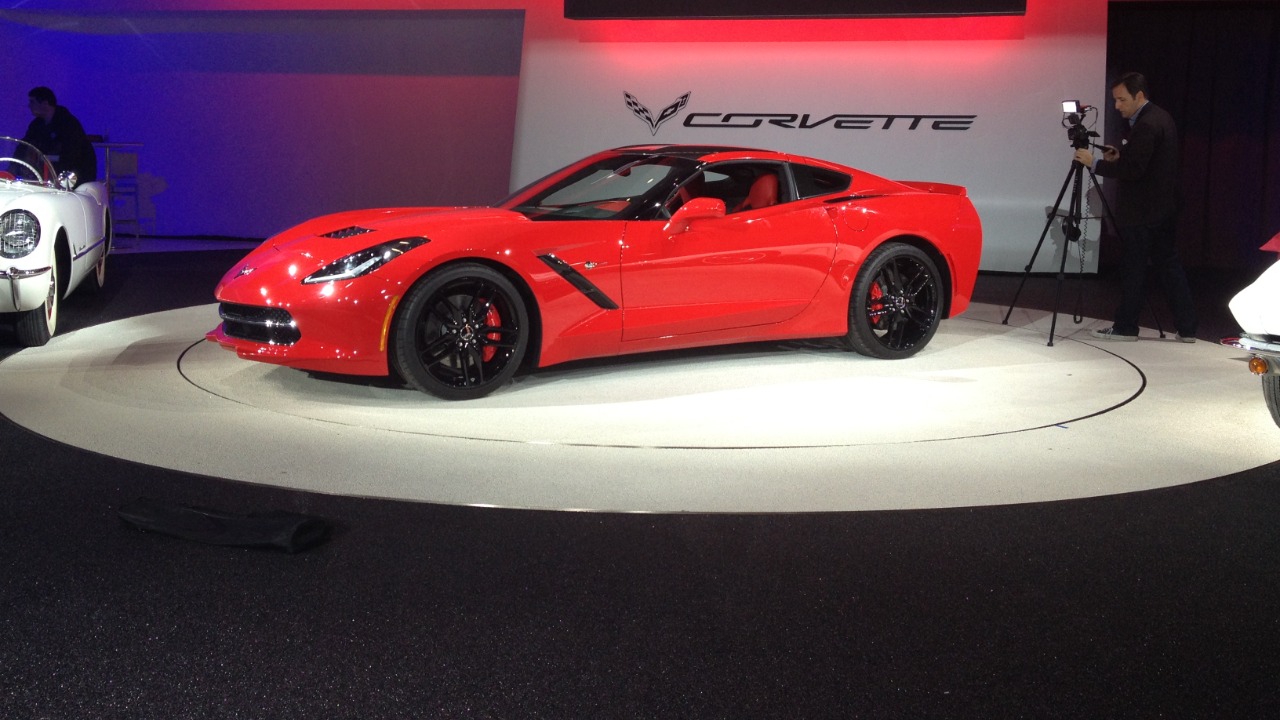
Seven decades of Corvettes have been defined by large-displacement naturally aspirated V8s, and the mid-engine C8 Stingray continues that with a 6.2-liter pushrod engine sitting directly behind the cabin. The Z06 goes further with a flat-plane-crank 5.5-liter that revs past 8,000 rpm, giving the American sports car an exotic soundtrack.
For shoppers, the practical draw is that this performance arrives without turbo plumbing, intercoolers or heat-soak worries during repeated hard laps. The hybrid E-Ray and forced-induction ZR1 signal where the range is heading, so the plain V8 cars may prove to be the traditionalist’s last easy choice.
4. Honda S2000: Nine Thousand Reasons
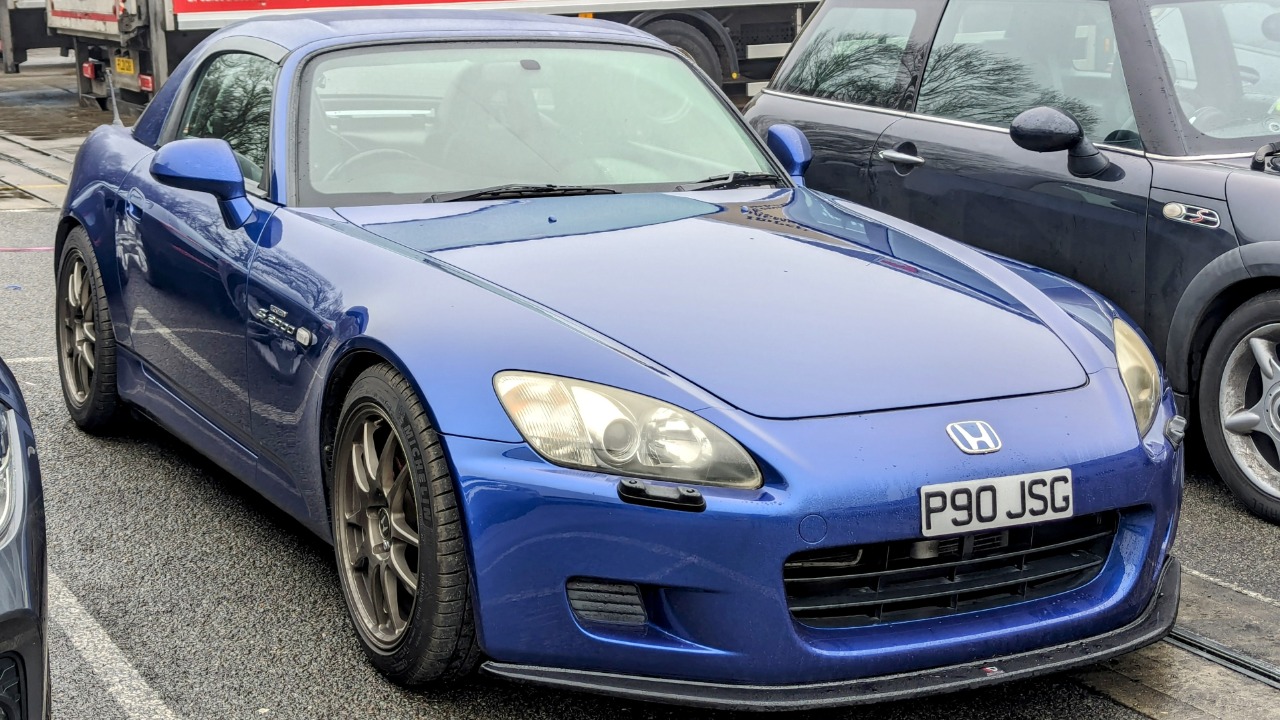
Few production four-cylinders have matched the F20C fitted to early S2000s, which used Honda’s VTEC valvetrain to reach a 9,000-rpm redline from just two liters. The engine made its power almost entirely at the top of the range, so driving the Honda convertible sports car quickly meant living above 6,000 rpm.
Later AP2 cars traded some of those revs for a larger 2.2-liter with friendlier midrange, a swap owners still argue about. Production ended in 2009, and clean low-mileage examples have climbed sharply in value as a naturally aspirated engine of that character became unrepeatable.
5. Dodge Viper: Ten Cylinders, No Apologies
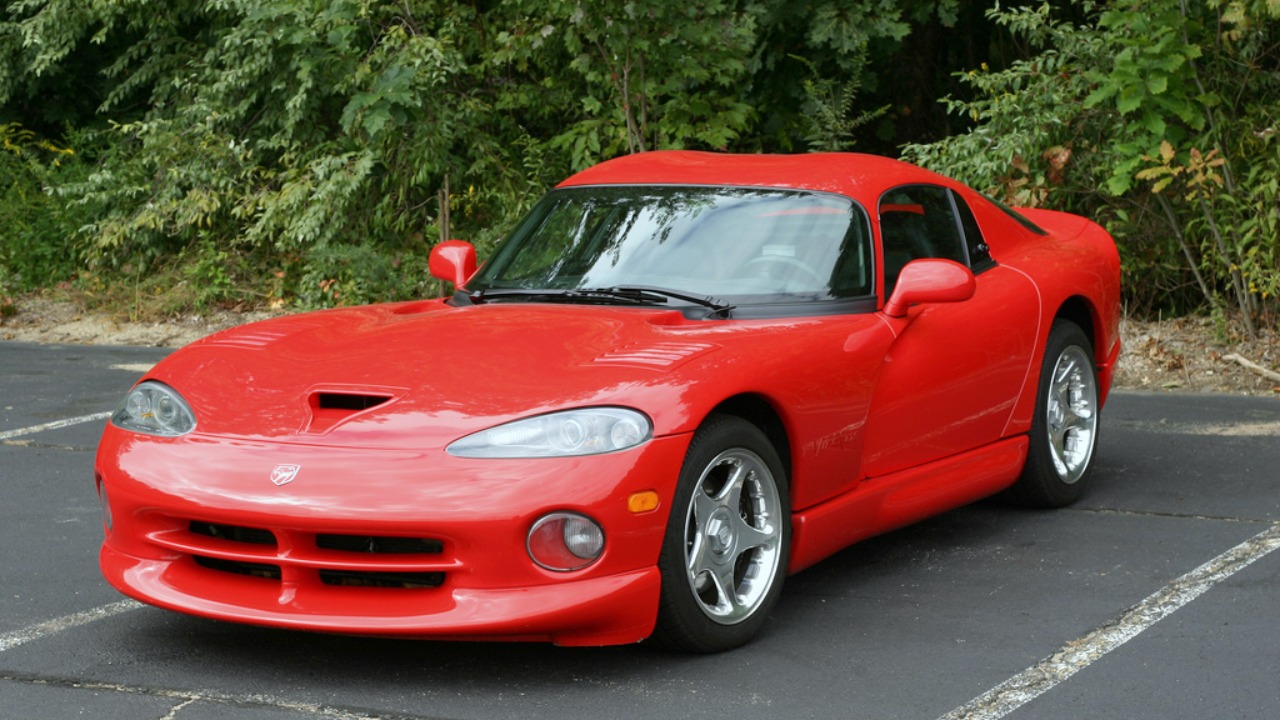
Where rivals reached for boost, Dodge reached for displacement, giving the Viper a V10 that grew from 8.0 liters at launch to 8.4 liters in later generations. Nothing about the front-engine American supercar was subtle, and its torque arrived so low that the engine hardly needed to rev.
That character came with side-exit exhausts, brutal cabin heat and famously little electronic intervention on early cars. Production ended in 2017 without a successor, leaving the Viper as the last mass-market American car sold with a ten-cylinder engine under the hood.
6. Lexus LFA: The Yamaha-Tuned Wail
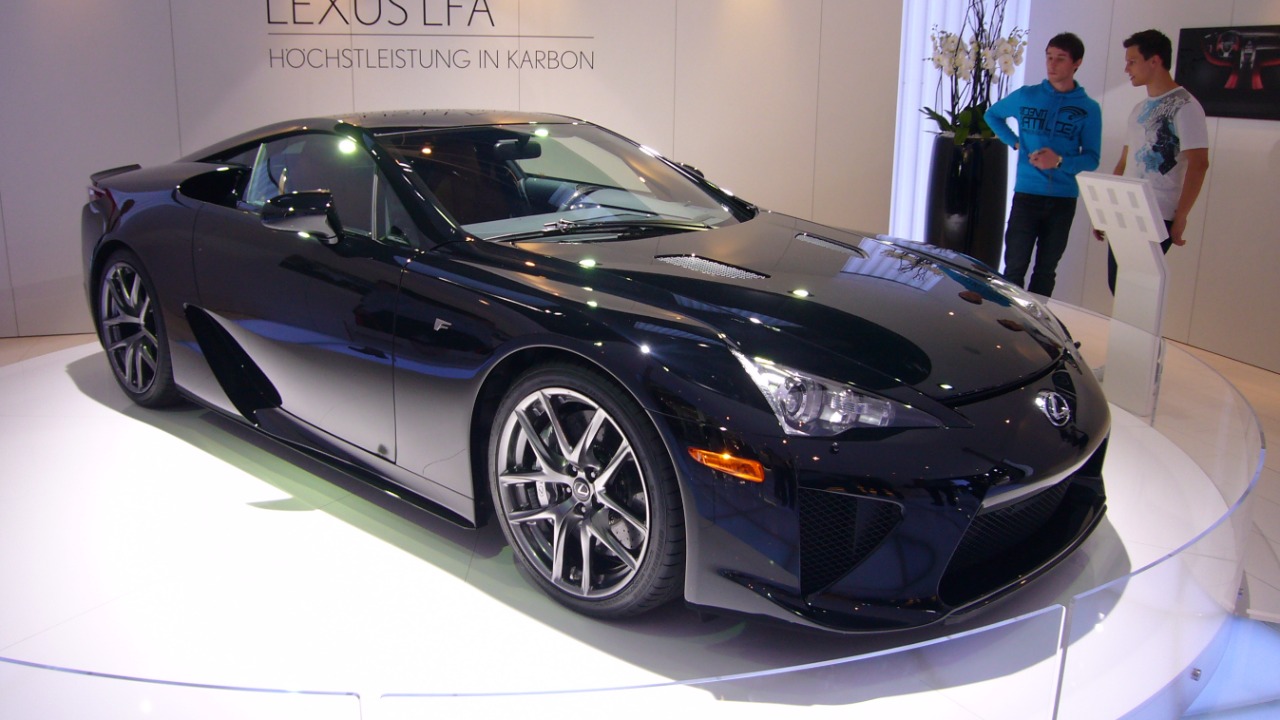
Lexus built only 500 examples of the LFA, each powered by a 4.8-liter V10 developed with Yamaha that revs to around 9,000 rpm. The engine responds so quickly that the carbon-fiber Lexus supercar was given a digital tachometer, because an analog needle could not keep pace with it.
Yamaha’s acoustic engineers also shaped the intake and exhaust, and the resulting noise is regularly cited as the finest of any road car. Values have risen far above the original sticker, driven almost entirely by an engine that no manufacturer is likely to build again.
7. Ford Mustang GT: The Coyote Holds The Line
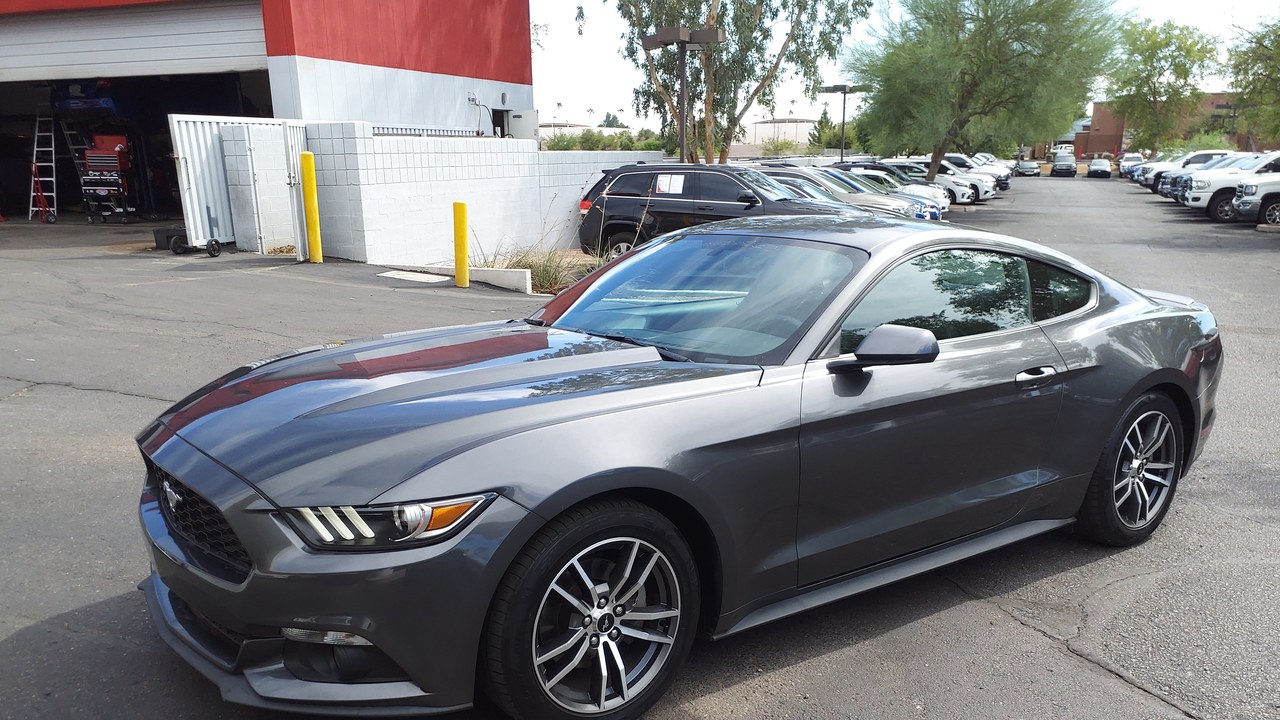
Ford sells a turbocharged four-cylinder Mustang, but the GT keeps a naturally aspirated 5.0-liter Coyote V8 with dual overhead cams and a willingness to rev well past 7,000 rpm. That combination makes the rear-drive Ford coupe the most affordable new car offering that kind of engine.
For buyers, the V8 is the reason resale holds up better than the four-cylinder version and why the aftermarket is enormous. It also remains available with a manual transmission, a pairing that has quietly disappeared from most of the segment.
8. Subaru BRZ: Boxer Balance Without Boost
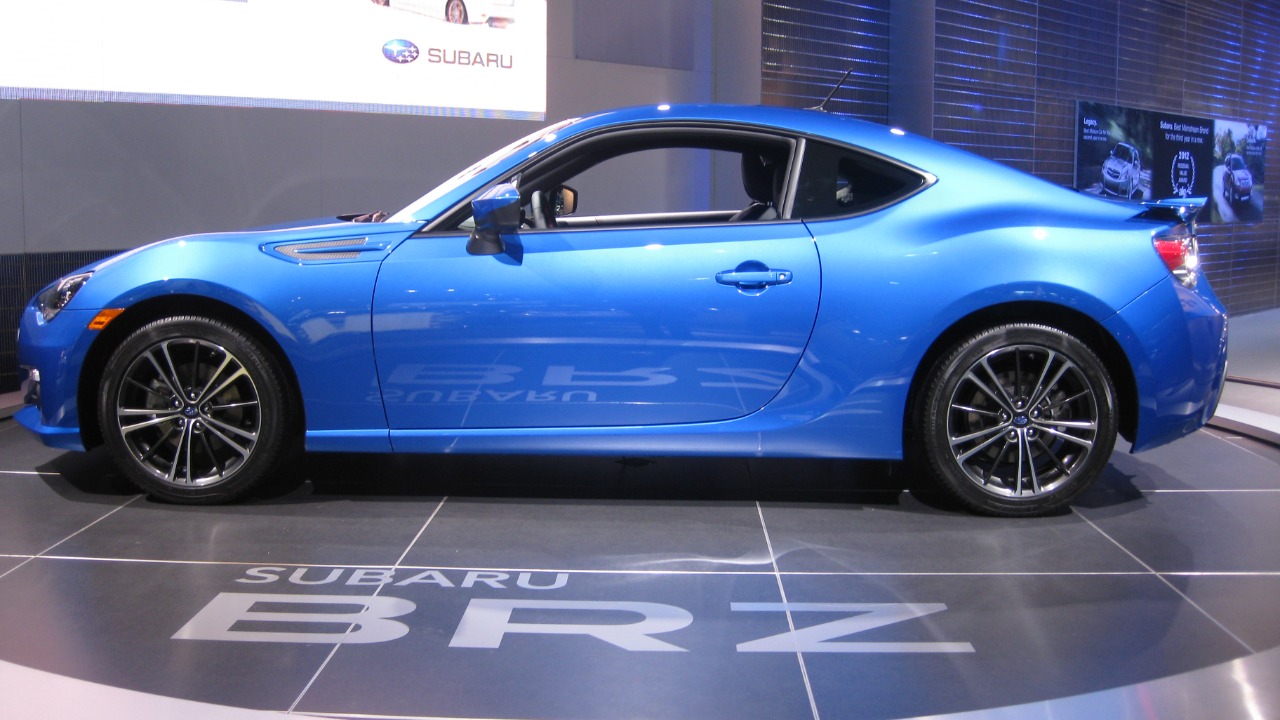
Subaru turbocharges most of its lineup, yet the BRZ deliberately does not, pairing a naturally aspirated flat-four with rear-wheel drive and a curb weight under 3,000 pounds. Mounting the boxer engine low gives the Subaru sports coupe an unusually low center of gravity, which is the whole design argument.
The second-generation 2.4-liter engine answered the most common complaint about the original 2.0-liter, whose torque sagged in the middle of the rev range. Owners still get modest outright power, and that is the deliberate trade for a car meant to be driven at full throttle legally.
9. Toyota GR86: Cheap Thrills, Fully Wrung Out
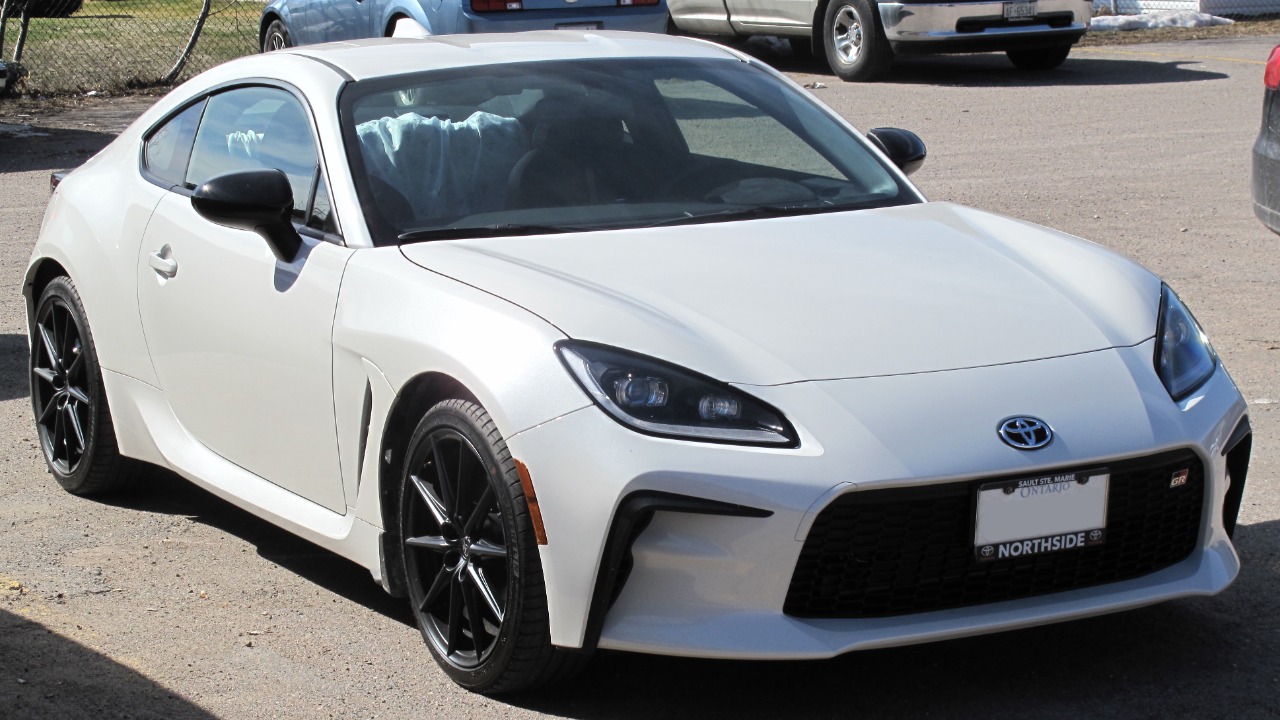
Co-developed with Subaru, the GR86 uses the same naturally aspirated 2.4-liter boxer engine and adds Toyota’s own suspension and steering tuning. Toyota has repeatedly declined to turbocharge the compact rear-drive coupe, arguing that throttle response and low weight matter more to its buyers than a bigger horsepower number.
The result is one of the cheapest new cars in which a driver can use most of the engine on a public road without losing a license. A six-speed manual remains standard, and running costs stay closer to an economy car than to a sports car.
10. Nissan 370Z: The Last Naturally Aspirated Z
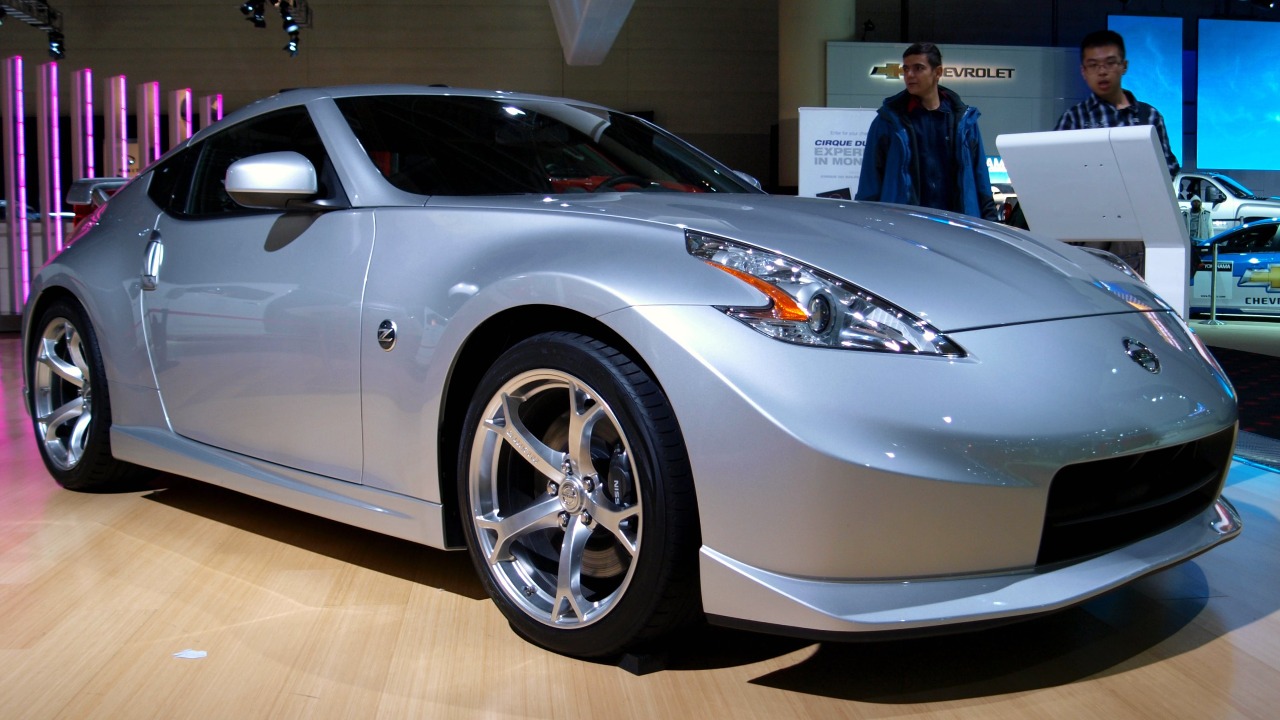
A 3.7-liter VQ V6 sat under the long hood of every 370Z, coupe or roadster, driving the rear wheels through a manual gearbox with an available rev-matching function. Nissan tuned the two-seat Japanese sports car for a hard-edged induction bark rather than the smoothness usually associated with a six-cylinder.
Its replacement moved to a twin-turbocharged V6, which made the 370Z the final naturally aspirated chapter of a lineage running back to the original 240Z. Used examples are among the least expensive routes into a rear-drive six-cylinder coupe, and the engine has a long reliability record.
More from Morning Overview
