
Small cars used to mean cheap plastic and tinny doors, but that reputation no longer holds across the segment. A handful of compact sedans, hatchbacks, and subcompact crossovers now borrow cues from luxury brands, pairing tighter panel gaps with richer-feeling switchgear and quieter cabins. Here are ten small cars that feel genuinely premium inside.
1. Mazda3: Interior Class Leader
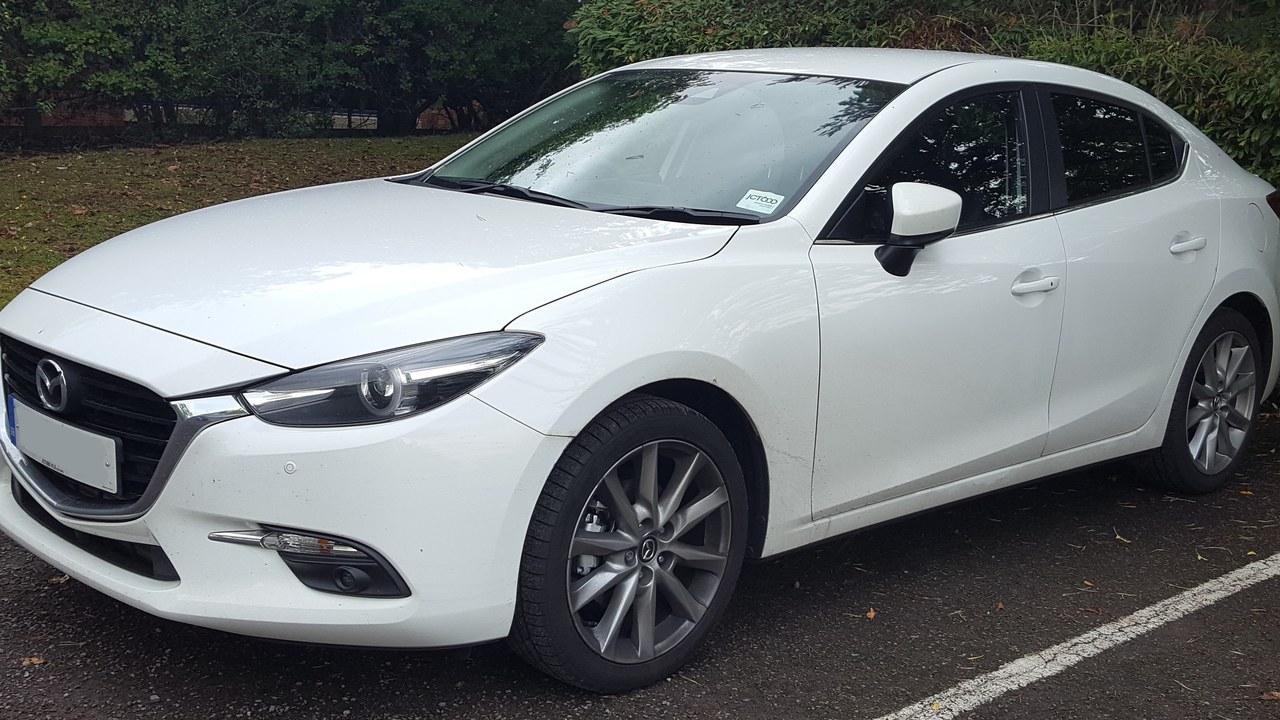
The Mazda3 has earned a reputation as the class leader for cabin quality among compact cars, with tightly fitted panels, restrained use of glossy plastic, and switchgear that feels sturdier than the car’s price point implies. Automotive reviewers have long noted that its dashboard ambience rivals cars from a segment above.
Physical dials handle climate and volume instead of burying those functions in a touchscreen menu, and the driving position sits low like a compact sport sedan. Mazda has kept the layout consistent across generations, so the same sense of restraint and precision carries through the lineup.
2. Audi A3: Scaled-Down German Flagship
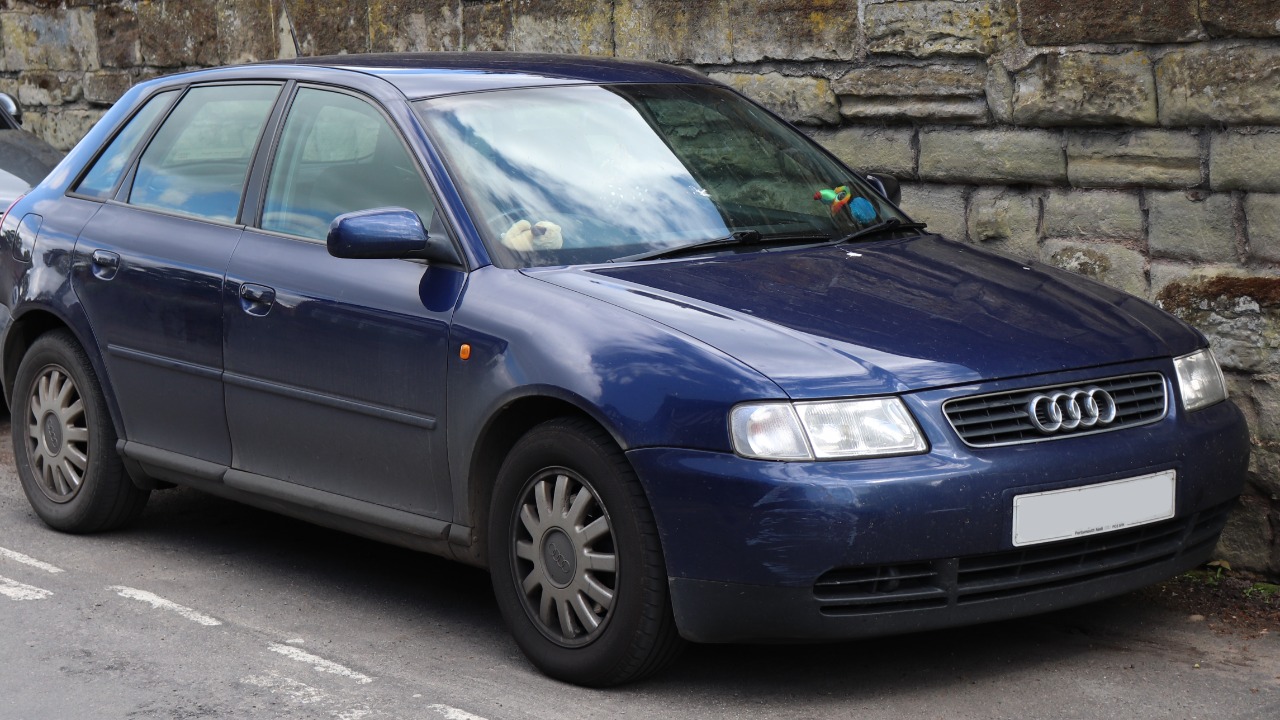
The Audi A3 offers genuine German luxury in Audi’s smallest and most attainable model, carrying over cabin architecture, ambient lighting cues, and a digital instrument cluster borrowed from the brand’s larger sedans. The dashboard layout and switch quality echo what shoppers find in models that cost considerably more.
Panel gaps stay tight and the control layout favors ergonomics over cost-cutting, an approach Audi applies across its lineup rather than reserving for flagship models. The result is an entry point that reads as a shrunken version of a larger luxury sedan rather than a stripped-down economy car.
3. Mercedes-Benz CLA: Upscale Materials, Compact Price
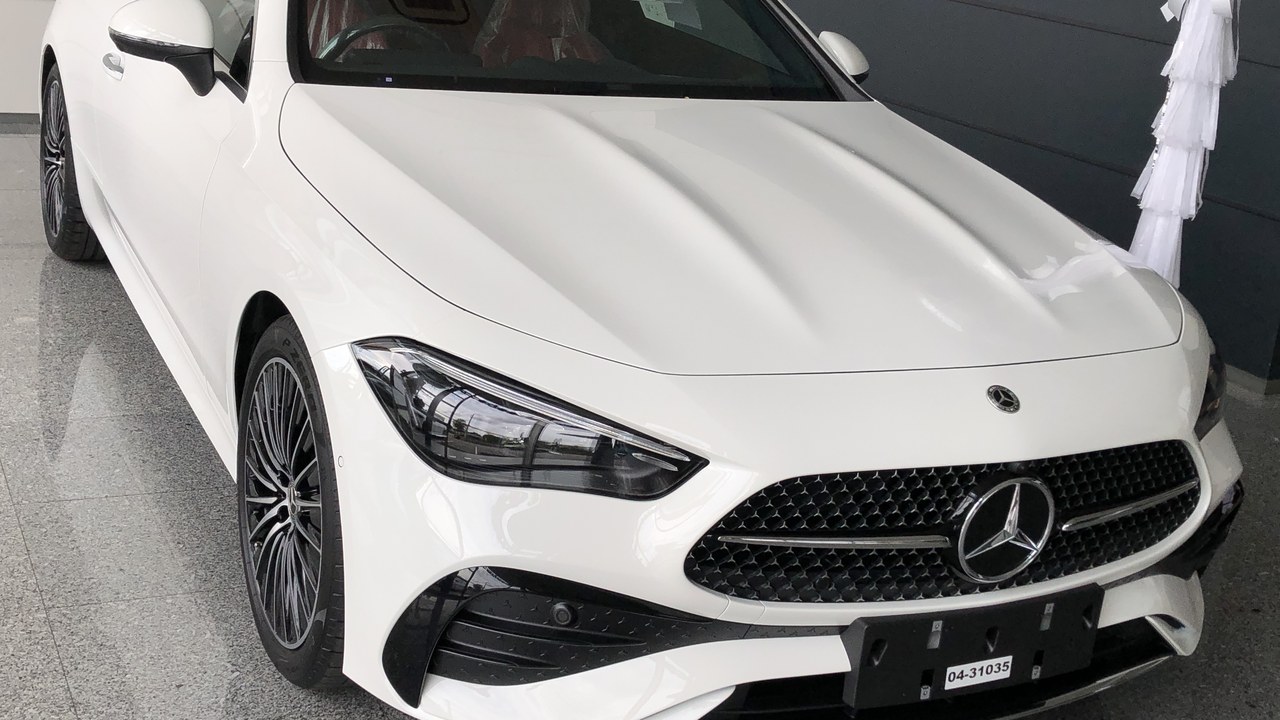
The Mercedes-Benz CLA brings upscale materials and a design language borrowed from the brand’s larger sedans into a compact four-door body. Its sweeping dashboard, complete with a wide-screen digital display setup, mirrors the layout Mercedes uses in cars several price tiers above it.
The coupe-like roofline does cut into rear headroom, a tradeoff for the styling underneath the badge. Even so, the cabin’s overall presentation, from the vents to the trim accents, keeps the CLA feeling like a real entry point into the brand rather than an afterthought.
4. Mini Cooper: Character Meets Craftsmanship
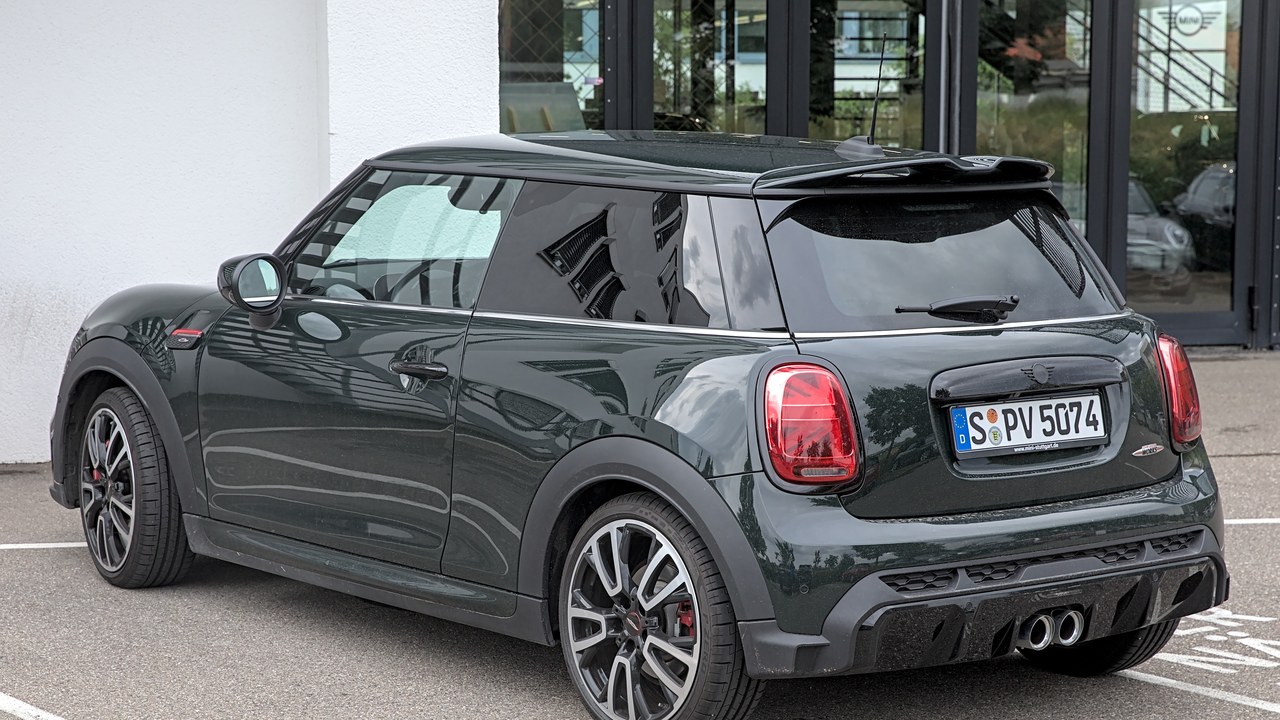
The Mini Cooper pairs a characterful cabin with genuinely solid build quality, wrapping circular gauges, toggle switches, and a large center display into a design that still nods to the original 1960s car. The layout feels playful without feeling cheap, a balance few small cars manage.
Fit and finish inside has improved steadily under BMW ownership, with tighter tolerances between panels than the Mini’s go-kart image might suggest. The retro switchgear is more than a styling gimmick; it operates with a mechanical solidity that reinforces the sense of a well-built small car.
5. Volkswagen Golf GTI: Driver-Focused, Built Solid
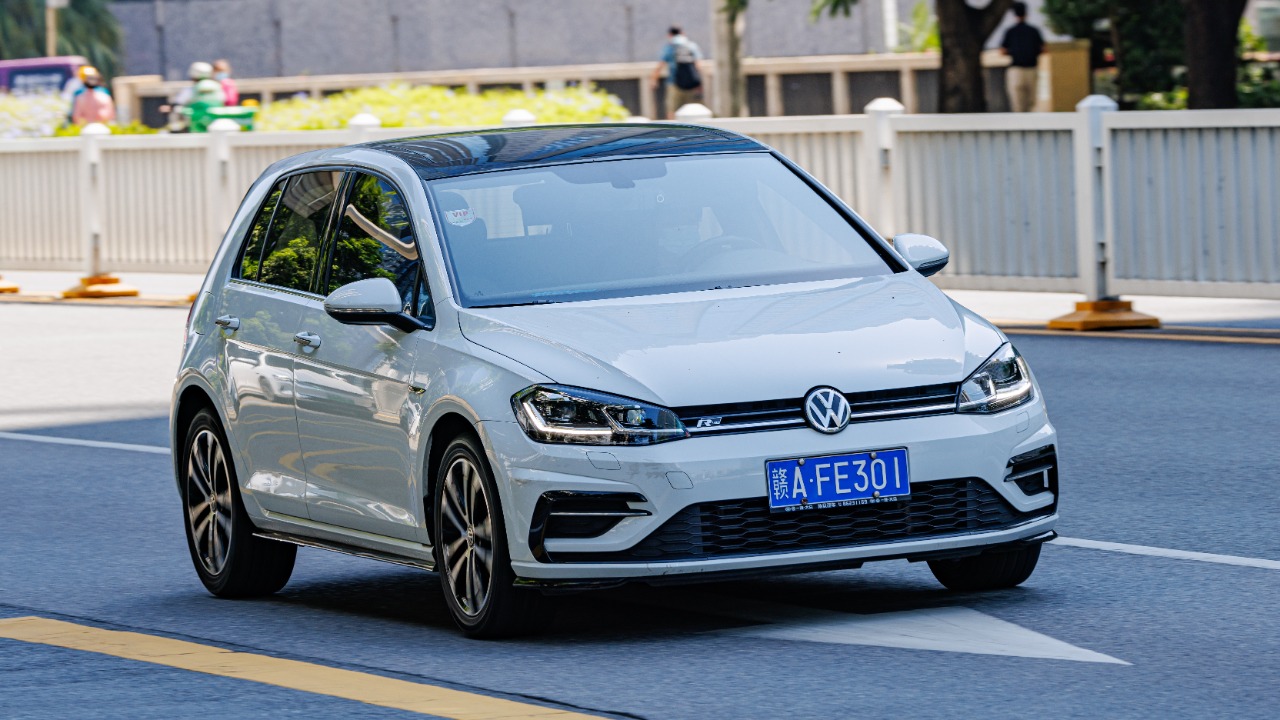
The Volkswagen Golf GTI carries a solid, driver-focused interior that has defined the hot-hatch segment for decades, built around supportive sport seats, a flat-bottom wheel, and a dashboard laid out for the person behind it. The cabin’s density and tactile controls have long set the GTI apart from softer economy hatchbacks.
Volkswagen’s German engineering reputation shows up in the way the doors close and the switches click, details that reinforce a sense of solidity beyond what the GTI’s compact footprint suggests. It remains the benchmark rivals get measured against for combining everyday usability with a cabin that still feels special.
6. Acura Integra: Near-Luxury Hatchback Feel
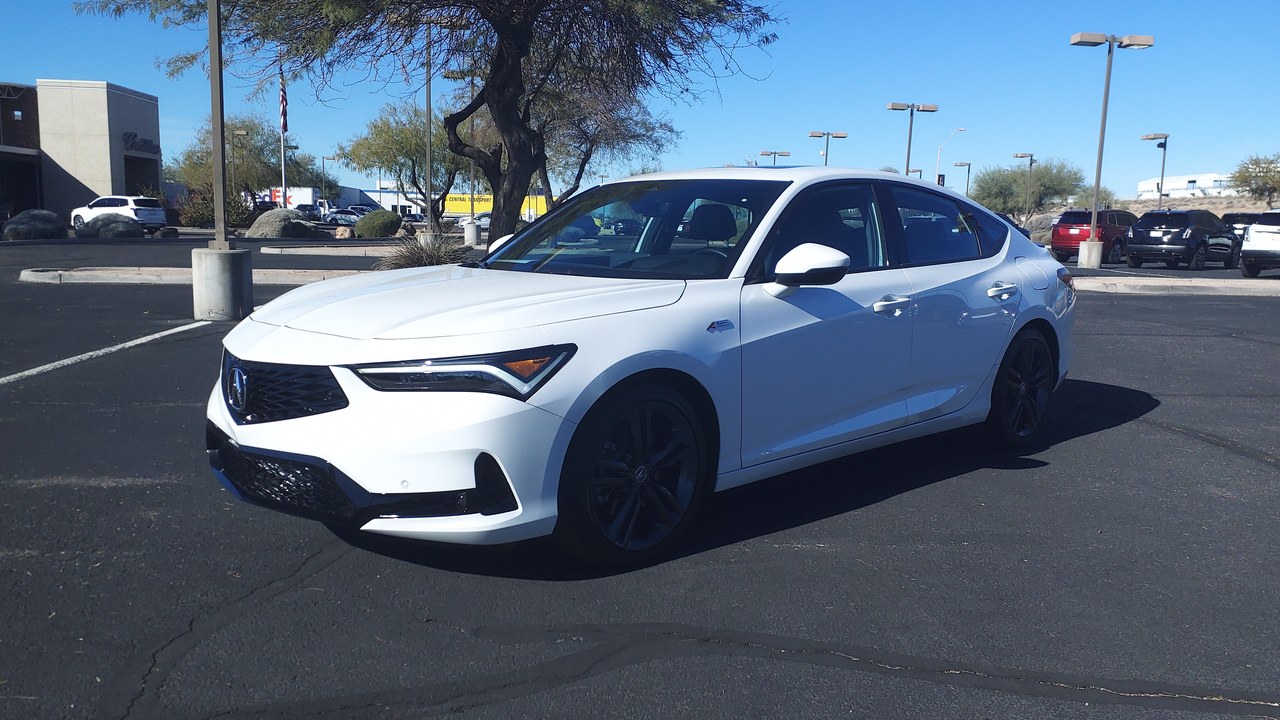
The Acura Integra delivers a near-luxury feel in hatchback form, drawing on Honda’s engineering discipline while adding Acura-specific trim, upholstery choices, and a more refined dashboard design than its platform-mate might suggest. The cabin’s ergonomics reflect decades of compact-car experience, tuned toward a more premium presentation.
The revived nameplate leans on tight panel fitment and a driver-oriented console rather than flashy design flourishes to earn its near-luxury reputation. It positions itself as the practical, refined alternative to sportier badges that charge more for a similar sense of occasion.
7. Lexus UX: Rich Cabin, Small Footprint

The Lexus UX packages a rich cabin into the smallest SUV the brand builds, applying the same attention to stitching, trim texture, and quiet operation that Lexus uses across its larger models. The compact footprint does not stop the interior from carrying real weight and hush at highway speed.
Rear seat space runs tight relative to rivals, the tradeoff for a cabin tuned toward the front occupants and a sense of intimacy. For buyers who mostly drive alone or with one passenger, the UX offers a genuine entry point into Lexus refinement at a lower cost than its larger SUVs.
8. BMW 2 Series: Premium Tech, Compact Coupe
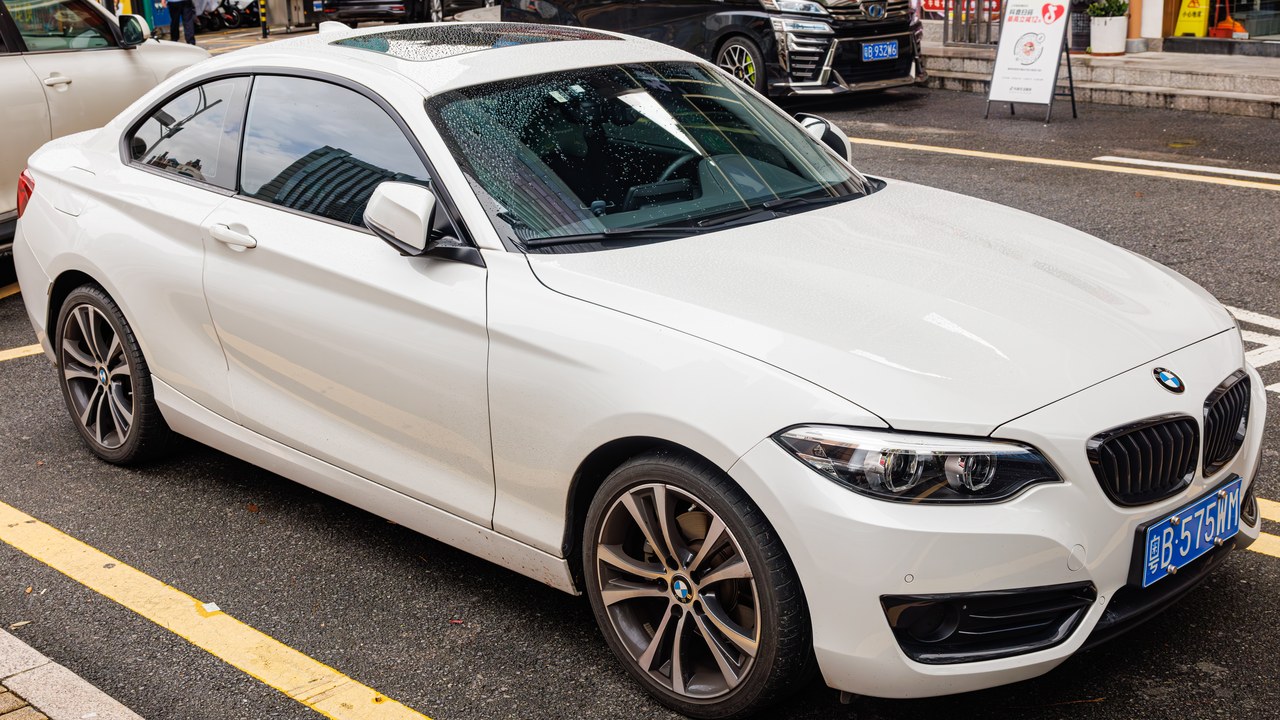
The BMW 2 Series combines premium materials and tech in the smallest coupe and sedan body styles BMW currently sells, including a digital instrument cluster and infotainment display pulled from the brand’s larger cars. The layout keeps the driver-focused console angle that has defined BMW interiors for years.
Trim and upholstery quality track closely with BMW’s larger 3 Series and 4 Series, giving the 2 Series a sense of shared DNA rather than feeling like the budget option in the lineup. It functions as the brand’s most accessible entry point into that cabin experience.
9. Mazda CX-30: Upscale Subcompact Crossover
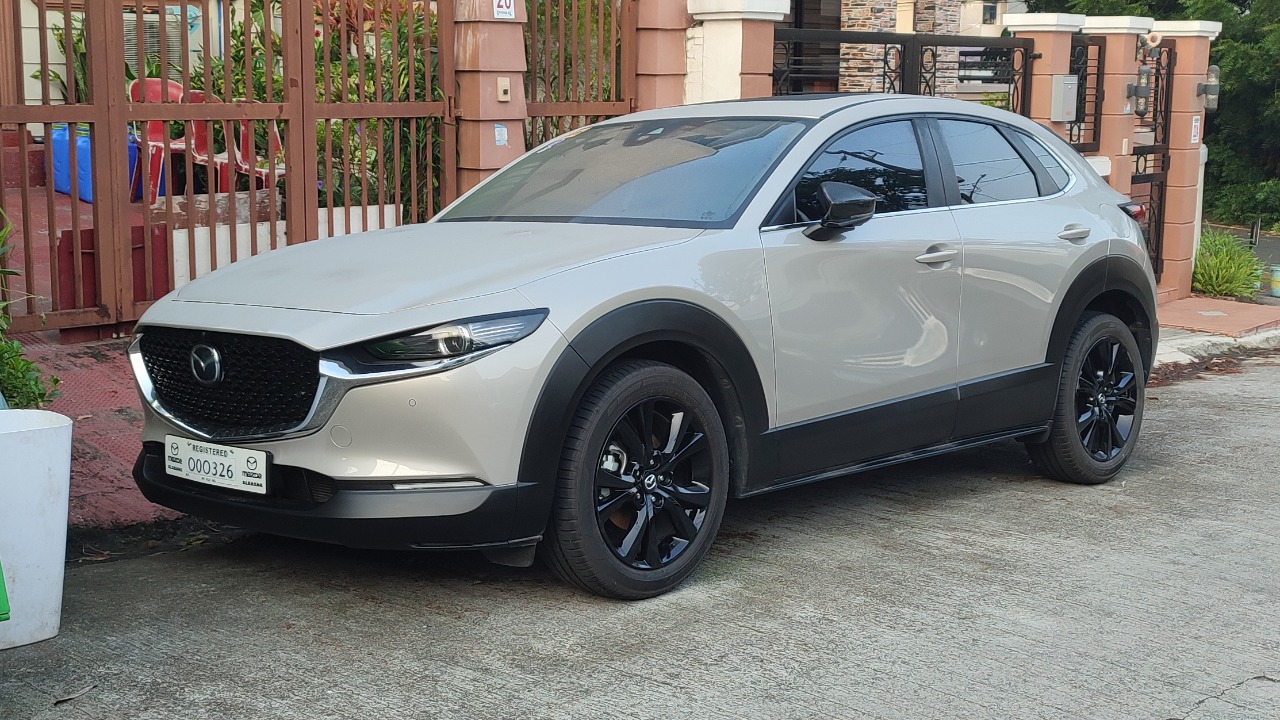
The Mazda CX-30 extends an upscale cabin into the subcompact crossover body style, applying the same restrained dashboard design and tightly damped controls that have made Mazda’s sedans stand out in quality comparisons. The raised seating position adds SUV practicality without giving up that sense of care in the details.
Rear cargo and legroom trail some rivals, a consequence of prioritizing a tighter, more cohesive cabin over outright space. For buyers who value how a car feels over outright interior volume, the CX-30 has become one of the more frequently cited value picks in its class.
10. Kia K5: Plush Sedan, Modest Price
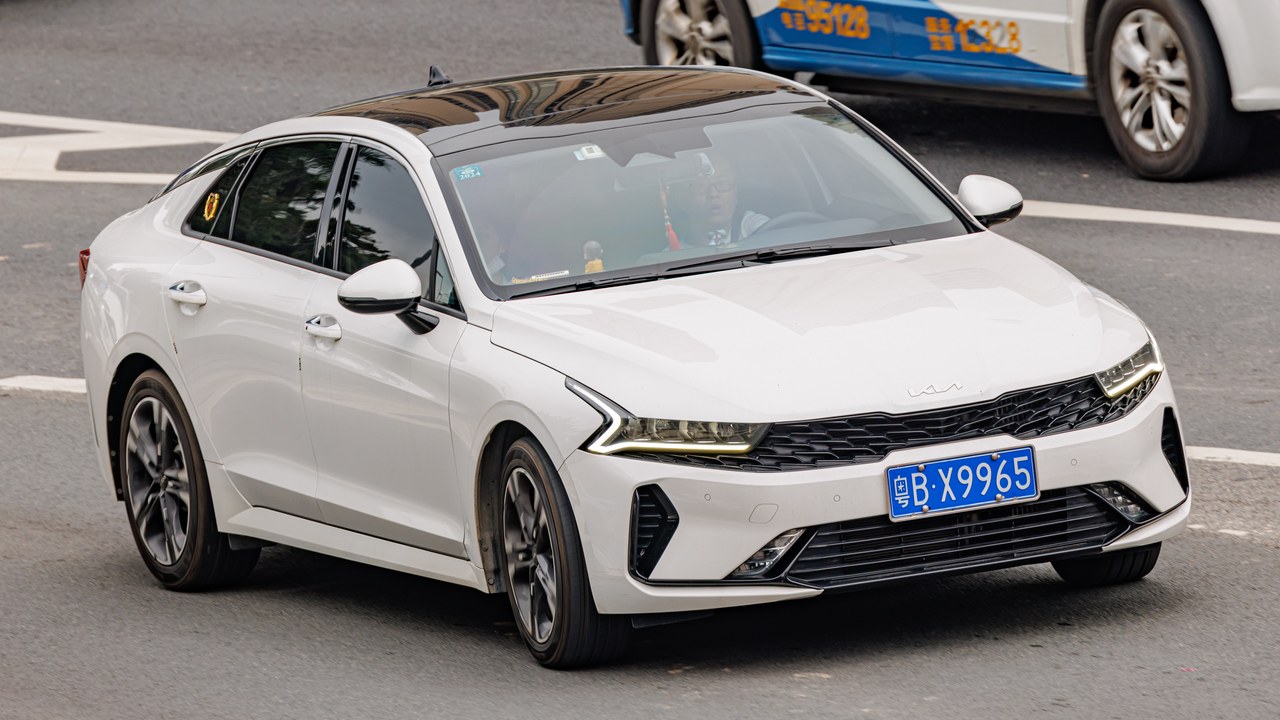
The Kia K5 feels surprisingly plush for its price, with a sweeping dashboard design, ambient lighting, and a curved digital display setup that borrow visual cues from cars well above its segment. The sedan’s design language has helped Kia shed its old reputation as a budget-only brand.
Kia has invested heavily in interior refinement across its lineup, and the K5 shows that push clearly in its switchgear feel and overall cabin cohesion. It stands as one of the stronger arguments that a mainstream mid-size sedan can compete with pricier rivals on look and feel.
More from Morning Overview
