
Hitting 250 mph on a public road once seemed like a stunt reserved for jet-powered speed machines, yet a small group of street-legal, VIN-numbered production cars has done it under independent verification. Bugatti held the outright record through several models before a Chinese electric hypercar broke it in 2025, and the cars in between show how that number kept climbing. Here are ten production cars verified above 250 mph.
1. Yangwang U9 Xtreme: Breaking Bugatti’s Reign
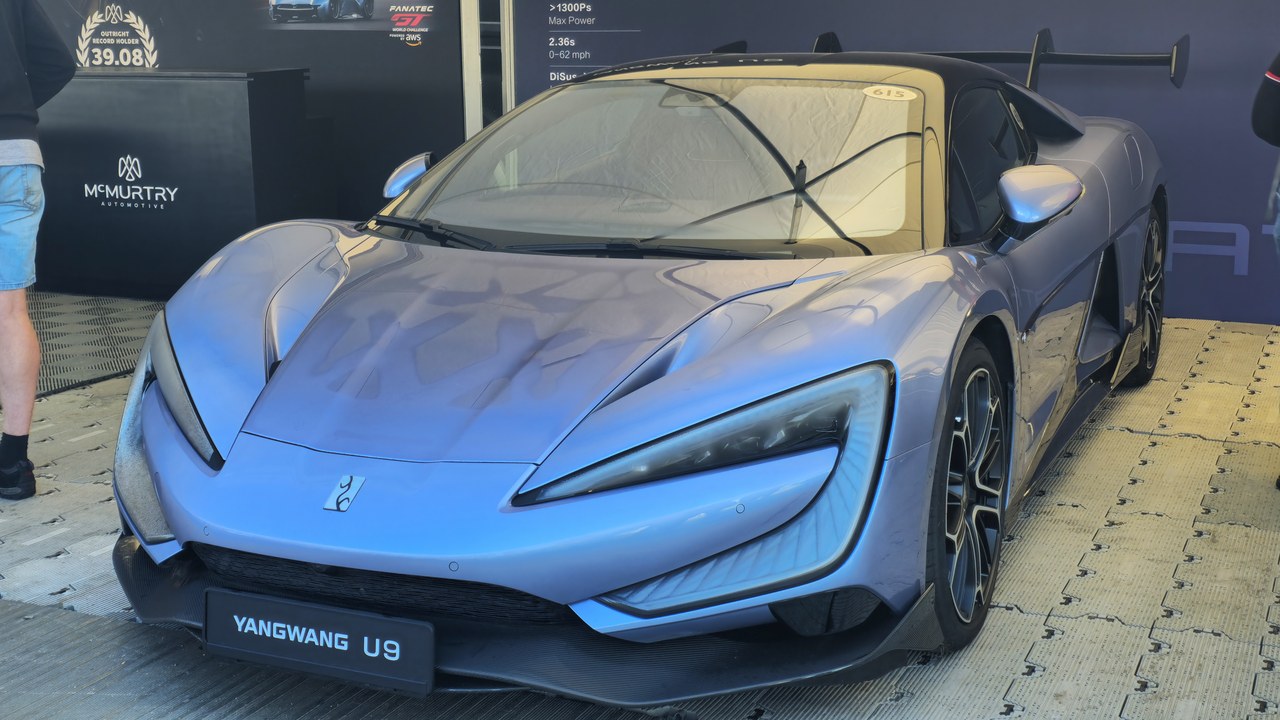
BYD’s Yangwang U9 Xtreme hit 308.34 mph during an official Papenburg speed run in Germany in 2025, edging past the Bugatti Chiron Super Sport 300+’s 304.8 mph mark to become the fastest verified production car built.
The result put an all-electric Chinese hypercar ahead of a field long dominated by European gasoline-powered machines, a shift few speed-record watchers saw coming even a few years earlier. Its dual-motor electric powertrain, rather than a large gasoline engine, is what finally pushed a production car past the 300 mph mark set by Bugatti.
2. Bugatti Chiron Super Sport 300+: First Past 300 Mph
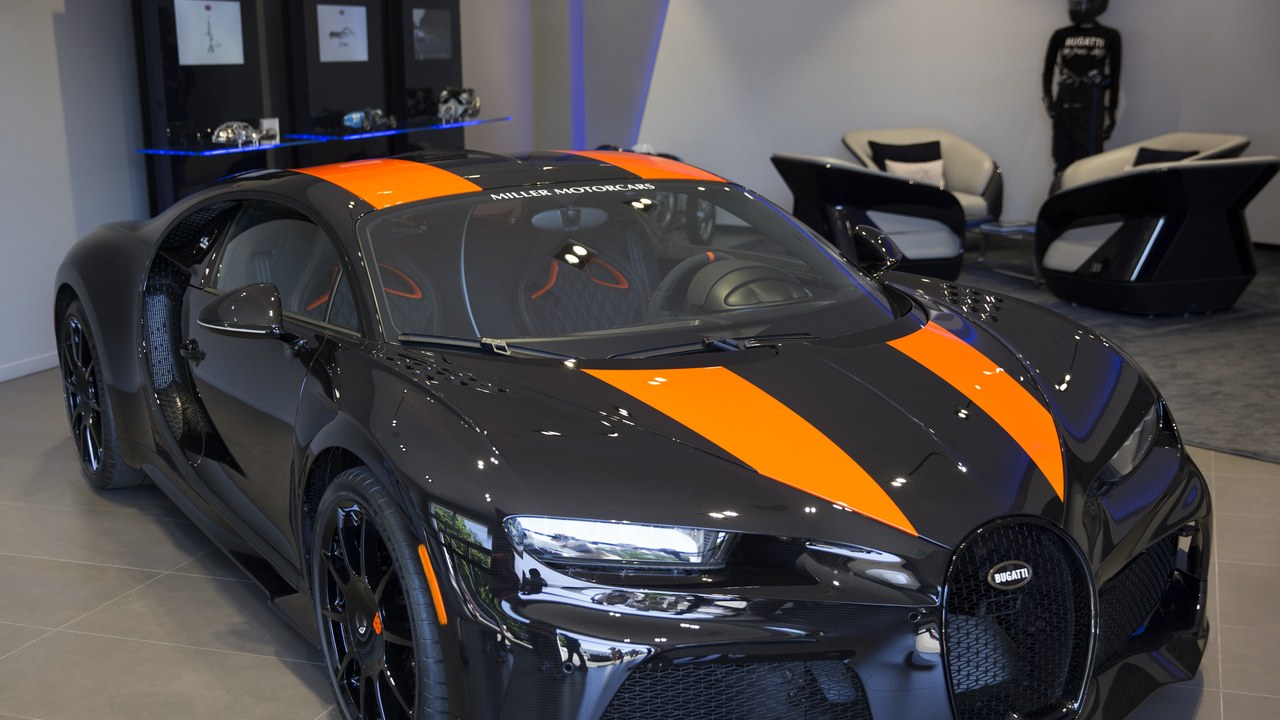
Bugatti became the first manufacturer to break the 300 mph barrier with the Chiron Super Sport 300+ in 2019, and according to a contemporary Top Gear report, only 30 production examples were ever built.
That scarcity, combined with the outright speed record it held for years afterward, makes the 300+ one of the most sought-after modern Bugattis among collectors who can find one. Each of the 30 cars was effectively spoken for well before Bugatti finished building it, reserved by buyers who wanted the exact car that set the milestone.
3. SSC Tuatara: American Owner-Driven Record
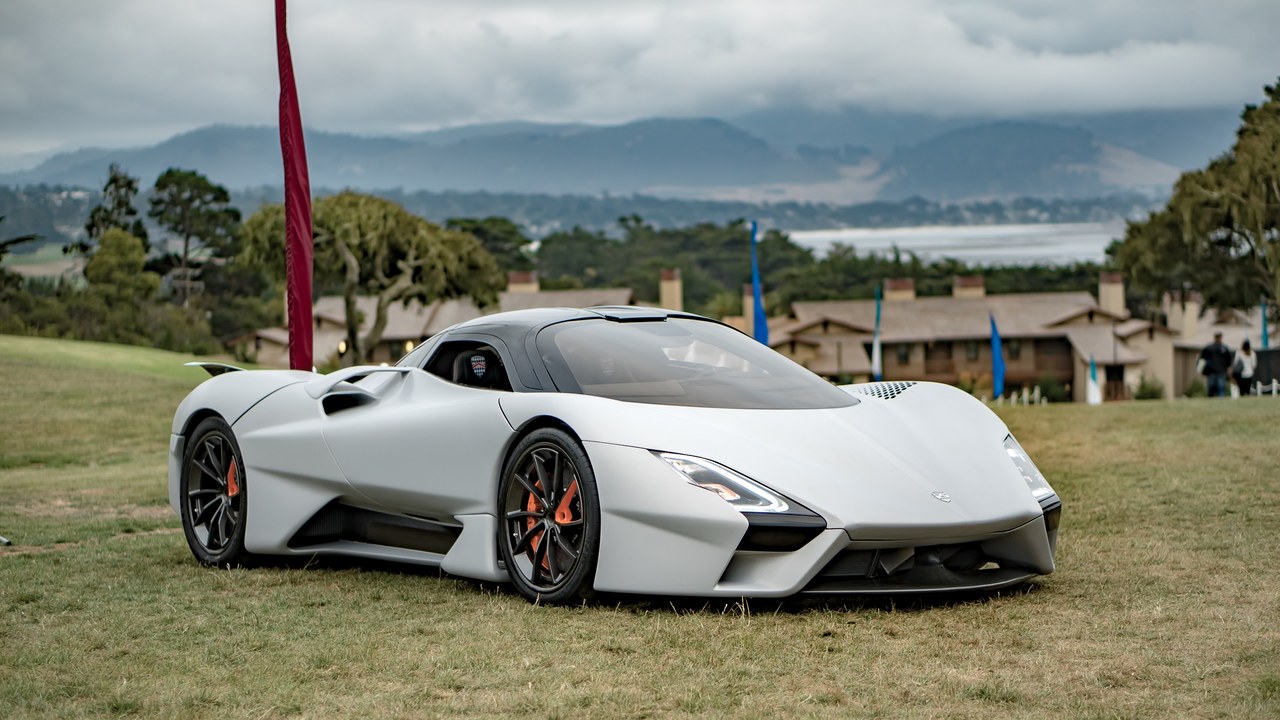
SSC North America’s Tuatara posted a verified two-way average of 282.9 mph at the Kennedy Space Center in January 2021, edging out the Koenigsegg Agera RS’s 277.9 mph mark from 2017.
The run marked a rare moment when a small American manufacturer, rather than an established European hypercar maker, held the outright production-car speed record, if only for a few years. Running the two passes on a runway at a NASA facility rather than a European test track underscored how far outside the usual hypercar circuit that record had traveled.
4. Koenigsegg Agera RS: Five Records In One Day

Koenigsegg’s Agera RS averaged 277.87 mph on a closed public road near Pahrump, Nevada in November 2017, one of five separate speed records the car set that same day, according to Koenigsegg’s own announcement.
Running the record on an ordinary stretch of closed highway rather than a purpose-built track underscored how close top-tier hypercars had come to reaching such speeds outside a controlled circuit. Setting four other records that same afternoon showed the car’s speed was no one-off fluke tuned for a single pass.
5. Bugatti Veyron 16.4 Super Sport: Record Despite A Limiter
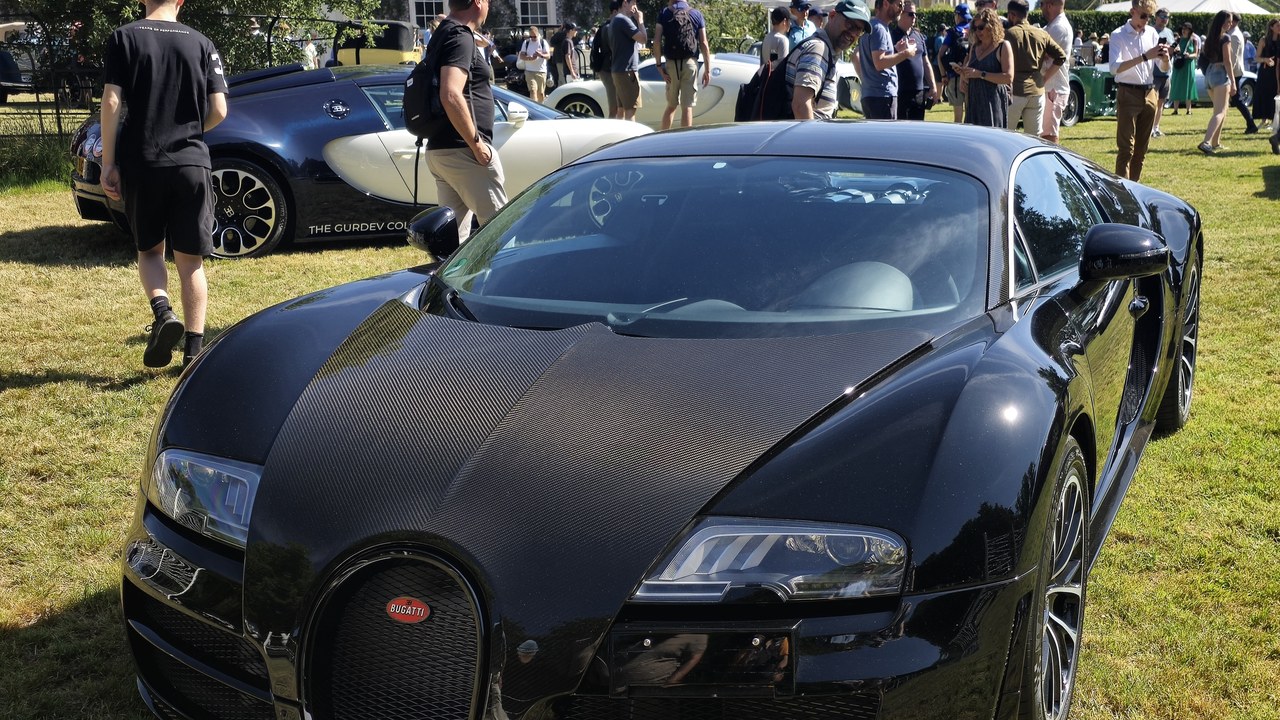
Driver Pierre Henri Raphanel took the Veyron 16.4 Super Sport to 267.8 mph in July 2010, and Guinness upheld the record in its Guinness-certified 2010 run even though customer cars shipped with a 258 mph limiter.
That gap between the record-setting car and the limited version customers actually drove became a template other manufacturers would later use to protect tires rated for lower top speeds. Bugatti judged the unrestricted top speed too risky for everyday tires and roads, so buyers received all of the car’s power below a safer ceiling.
6. Hennessey Venom GT: Just Short Of Bugatti

Hennessey’s Venom GT ran 265.7 mph, a mark that fell just 2 mph short of the Bugatti Veyron Super Sport’s record, according to the same speed-record report covering that era’s fastest cars.
Coming that close with a low-volume, Texas-built car from a far smaller operation than Bugatti signaled that outright top speed no longer belonged only to major manufacturers with huge engineering budgets. A boutique tuner built around a modified Lotus chassis had nearly matched a purpose-engineered hypercar backed by an entire automotive conglomerate.
7. Rimac Nevera: Croatian Electric Contender
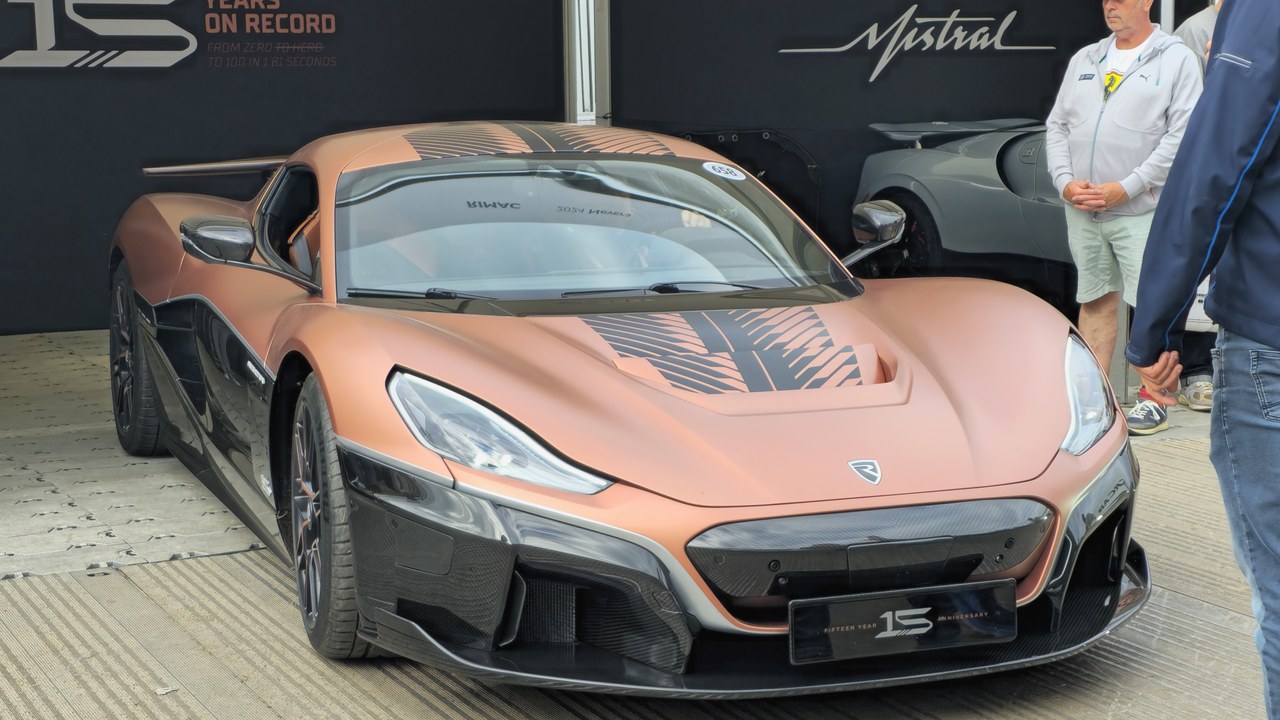
Croatia’s Rimac reached 256 mph with the electric Nevera at Papenburg, Germany in 2022, according to the Nevera’s Wikipedia entry; only 150 examples were built.
It was an early sign that electric hypercars could compete on outright speed with gasoline-powered rivals, years before the Yangwang U9 Xtreme pushed the record past 300 mph. Four electric motors, one for each wheel, gave the Nevera the kind of instant, controllable power that a single large engine cannot easily match. Rimac remains a comparatively young manufacturer, having built its reputation on electric drivetrains before turning that expertise toward outright top speed.
8. Dauer 962 Le Mans: Racer Turned Road Car
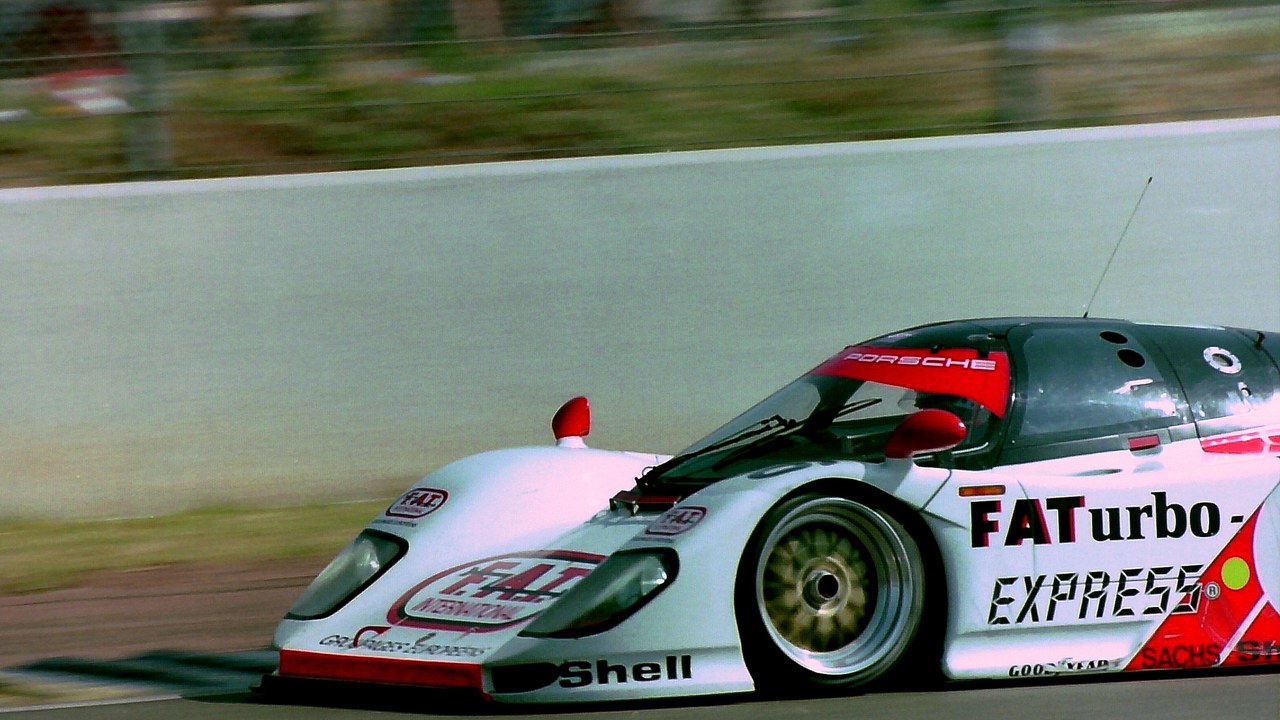
Based on the Porsche 962 Le Mans prototype, the road-legal Dauer 962 was clocked at 251.4 mph in an independent 1993 measurement taken at Volkswagen’s Ehra-Lessien test track.
Crossing 250 mph in 1993 made the Dauer a startling outlier for its era, reaching a speed that most purpose-built hypercars would not approach again for another decade or more. Converting an actual Le Mans-winning race car into something road-registered and street-legal, rather than designing a new car from scratch, is what let it reach that speed so early.
9. Bugatti Veyron 16.4: Where 250 Became Routine
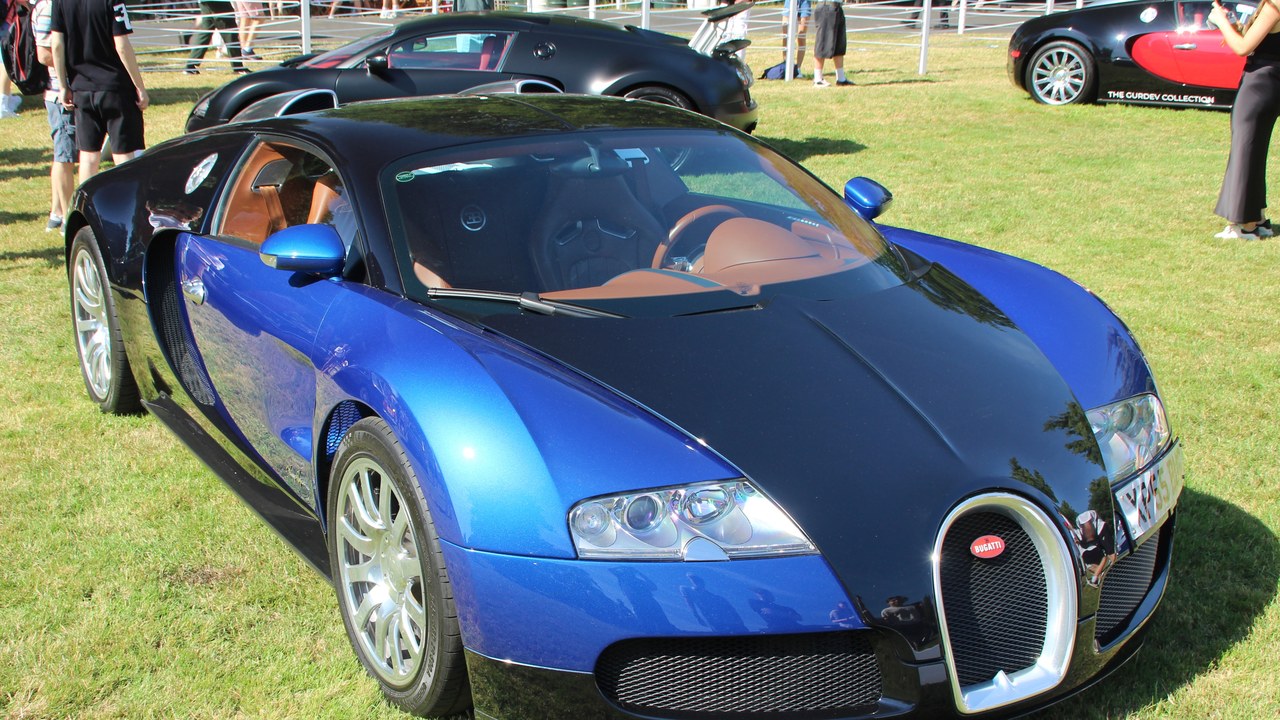
German inspection officials recorded the original Bugatti Veyron 16.4 averaging 253.81 mph at Ehra-Lessien in April 2005, according to the Veyron’s Wikipedia page.
That 2005 run effectively opened the modern race for outright top speed, setting a benchmark that rival manufacturers spent the following two decades trying to beat. A quad-turbocharged sixteen-cylinder engine, an unusual configuration even among hypercars, is what gave the original Veyron the power to reach that mark. Volkswagen’s Ehra-Lessien track, built with a long enough straight for exactly this kind of test, has hosted several of the record runs on this list.
10. Bugatti Veyron 16.4 Grand Sport Vitesse: Fastest With No Roof
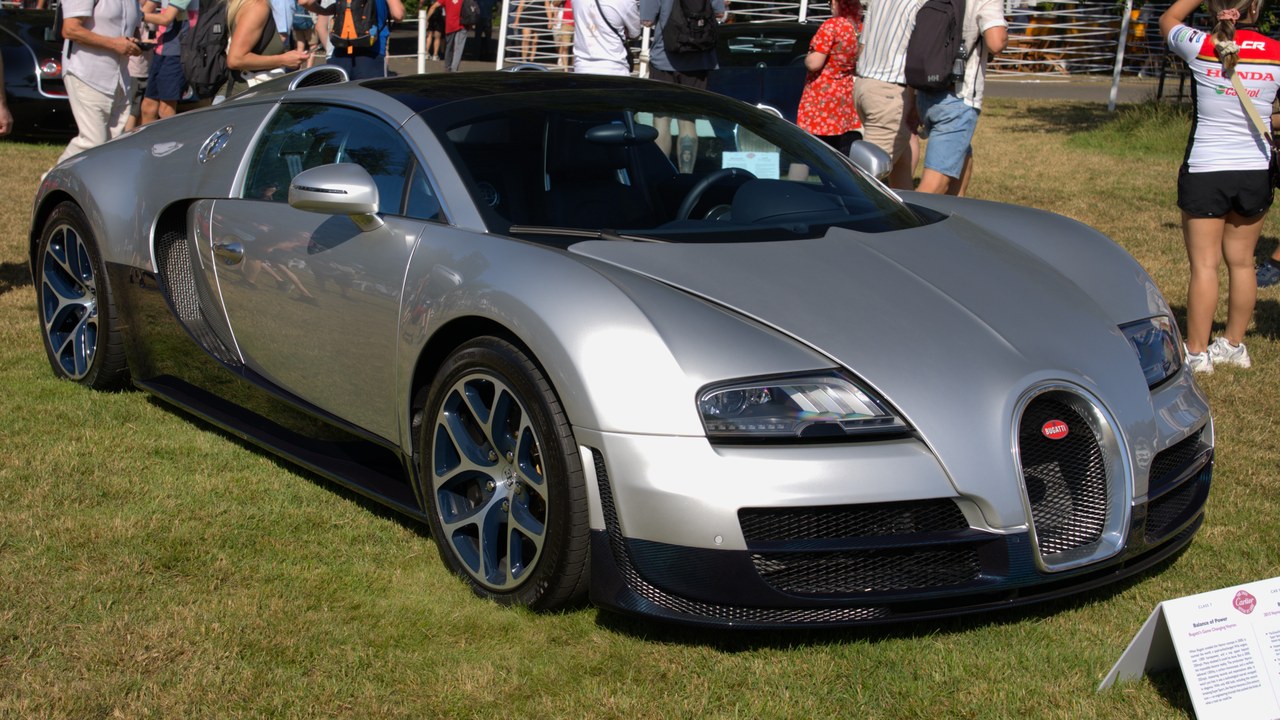
The open-top Grand Sport Vitesse variant of the Veyron became the fastest convertible production car ever built, reaching 254.04 mph, according to that Wikipedia record entry.
Removing the roof normally costs a car top-end stability and speed, yet Bugatti proved a convertible hypercar could still clear 250 mph without a fixed structure overhead. Extra reinforcement around the windshield and chassis compensated for the missing roof, keeping the car stable at a speed few coupes ever reach, let alone a car open to the sky.
More from Morning Overview
- A recalled pill hid a stimulant dose linked to heart attacks and death
- Four U.S. startups fired up their first small nuclear reactors, aiming to power AI data centers on-site
- Card skimmers hidden on gas pumps and ATMs are draining accounts, and here’s the tell
- Doctors warn a silent liver disease now affects one in three American adults
