
Detroit spent the 1960s and 1970s persuading ordinary families that a touch of luxury was within reach. The formula was a long hood, a plush interior and a coupe body at a price the middle class could stretch to. Here are ten personal luxury coupes that turned that idea into sales records and a few memorable broken promises.
1. Chrysler Cordoba: Corinthian Leather Legend
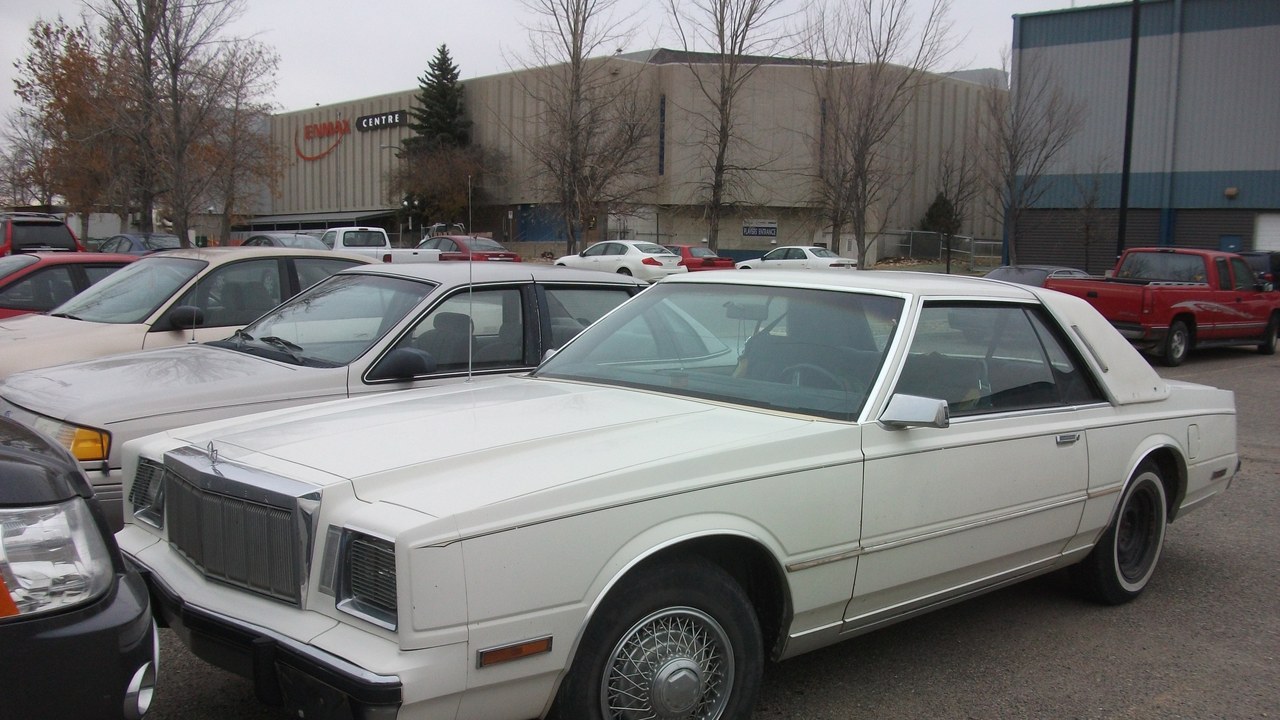
Chrysler sold the Cordoba with Ricardo Montalbán’s ‘rich Corinthian leather’ pitch, and Hagerty’s history of 1970s coupes notes it peaked at 183,146 sales in 1977.
In that period it outsold the Dodge Charger five to one, proof that a soft-spoken actor and a plush interior could beat performance marketing. Few coupes have been so closely tied to a single advertising line. The Cordoba shows how advertising could turn a mid-priced Chrysler coupe into a status symbol, and its 1977 total remains a strong showing in this group. It helped open the door for a decade of similar cars from Detroit.
2. Chevrolet Monte Carlo: America’s Attainable Luxury
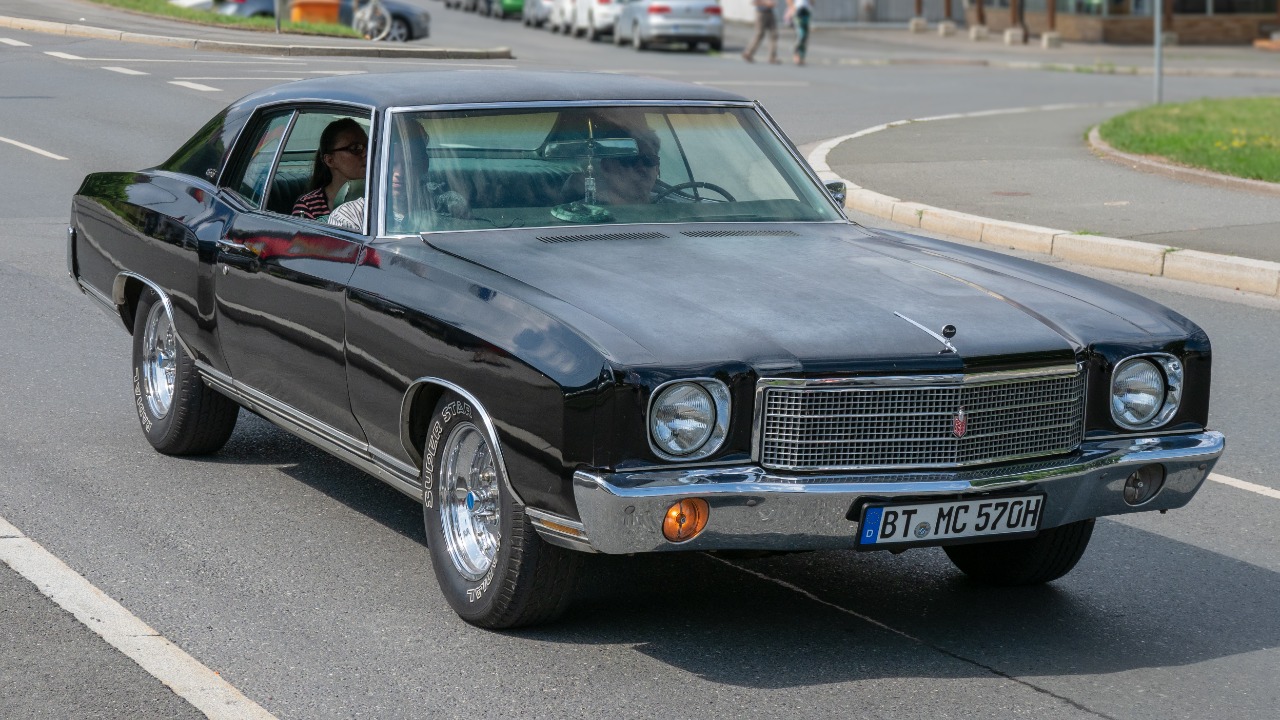
Chevrolet pitched the Monte Carlo as ‘America’s most attainable luxury car,’ and Hagerty’s account says it started at $3,123 in 1970.
By 1977 it sold 411,000, the largest single-year figure quoted for any coupe on this list. The low entry price was the whole point, letting ordinary buyers step into a luxury-styled coupe without paying for a top-tier badge. Where the Cordoba leaned on a celebrity voice, the Monte Carlo leaned on a promise of accessibility, and the 1977 total suggests the message landed. Together they show the two selling styles behind the segment.
3. Pontiac Grand Prix: The Template Setter
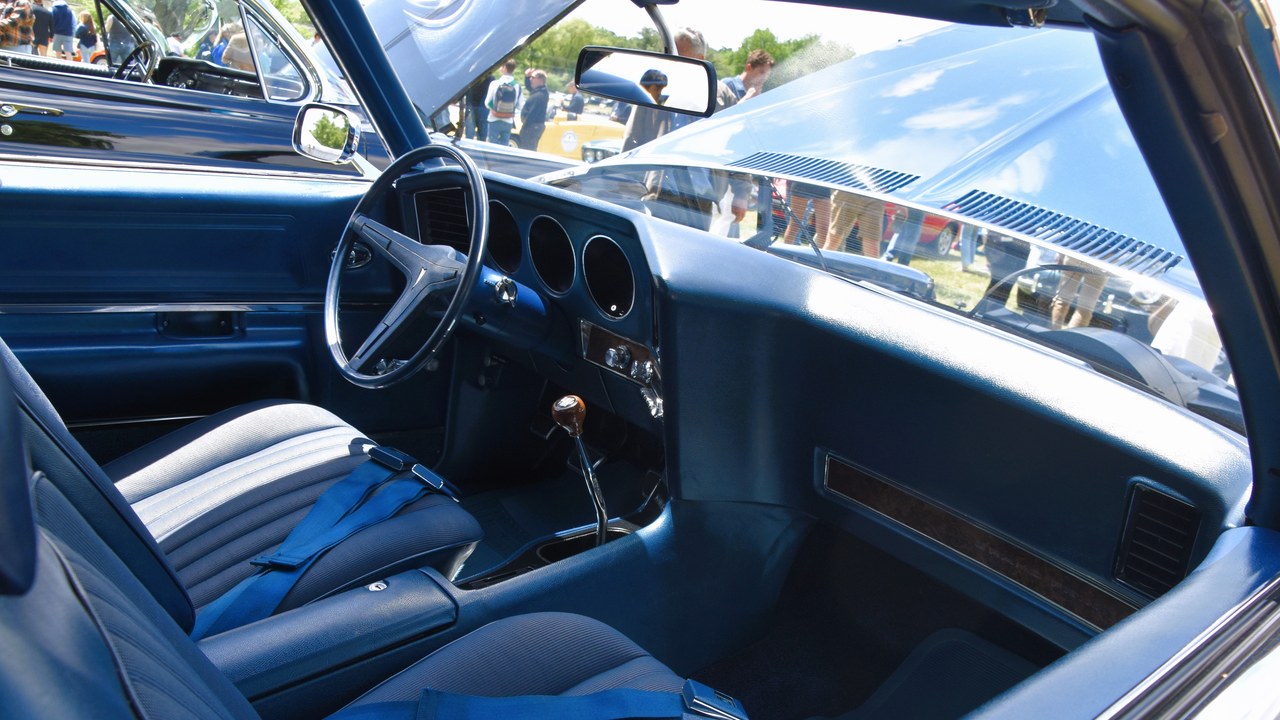
Pontiac’s 1969 Grand Prix redesign, built on a stretched midsize platform, set the template for the segment, as Hagerty’s look at its influence explains.
The formula later showed up in the Chevrolet Monte Carlo, the Chrysler Cordoba and, ironically, the Mercury Cougar. Its importance lies less in its own sales than in the blueprint it handed to competitors. Because the redesign came in 1969, well before the 1977 sales peaks quoted for the Monte Carlo and Cordoba, the Grand Prix works as an early template rather than a late imitator.
4. Ford Thunderbird: The Downsized Hit
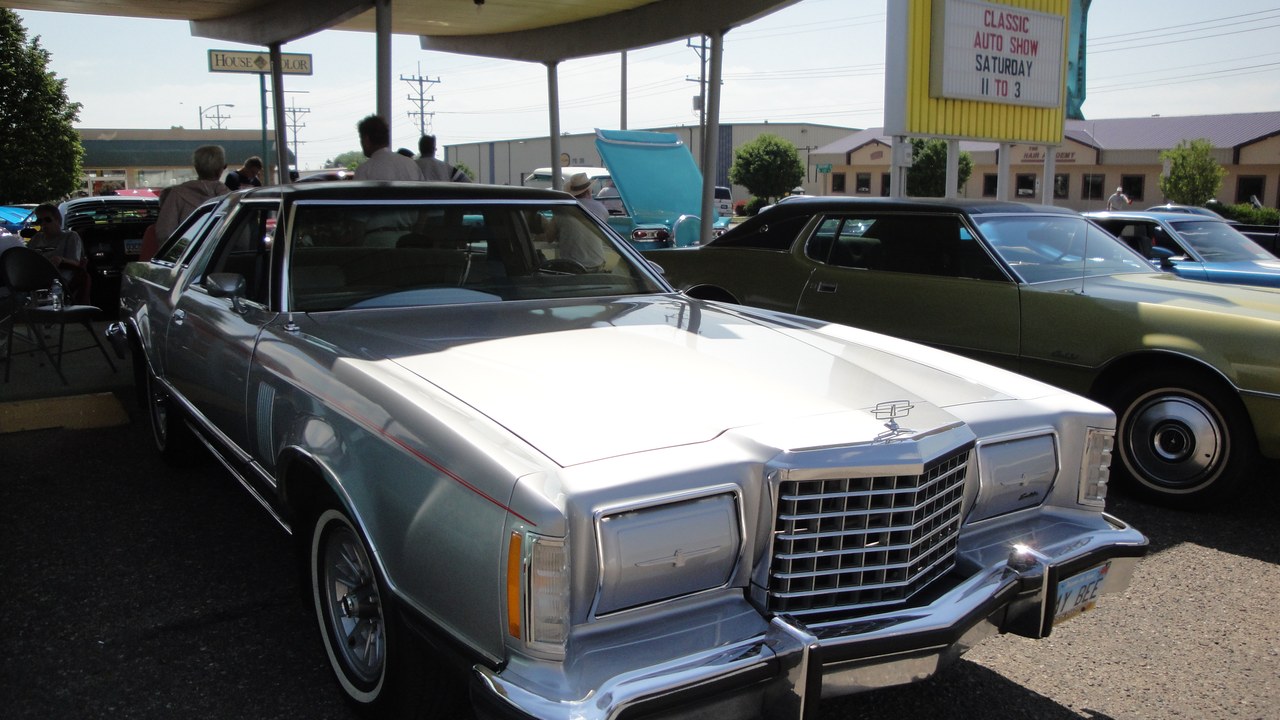
Ford’s downsized 1977 Thunderbird was priced $2,700 lower, and the seventh-generation Thunderbird entry records 352,000 sales in 1978, the best single year in the nameplate’s history.
Shrinking the car and trimming the price proved a powerful combination. The result beat every earlier year for a name that had been around for decades, and it kept the Thunderbird in the middle-class conversation. The 1978 total is the record for the nameplate, a notable mark for a car with such a long history, and it came from a smaller, cheaper design rather than a bigger one.
5. Oldsmobile Cutlass Supreme: Best-Seller Family
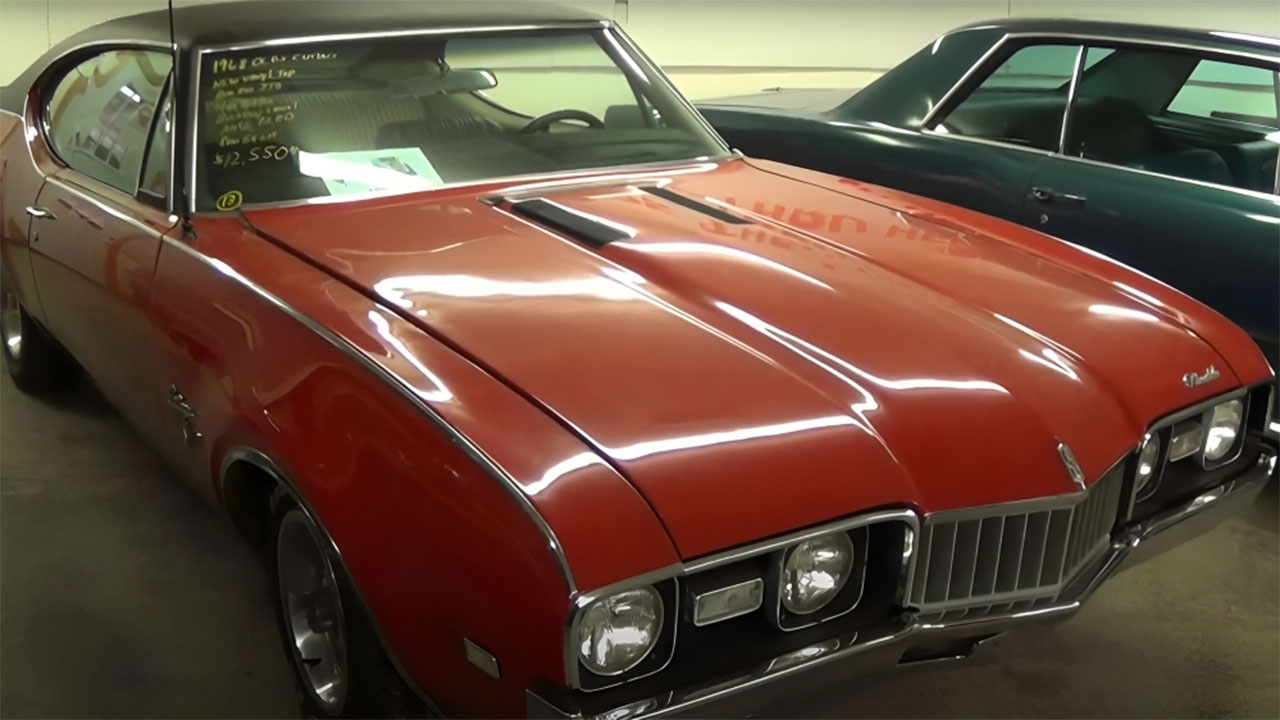
The Cutlass line was America’s best-selling car in 1976, according to Wikipedia’s Cutlass Supreme entry, and that helped push Oldsmobile past one million sales.
The Cutlass Supreme rode that wave, showing that a step-up coupe could sell alongside a mainstream bestseller. The sales title belongs to the Cutlass line as a whole rather than to the Supreme alone. Oldsmobile passing one million sales in that year shows how much of the brand’s fortunes rested on this family. A personal luxury coupe sharing showrooms with the country’s top seller was a strength of the formula.
6. Cadillac Eldorado: The Last Convertible Promise
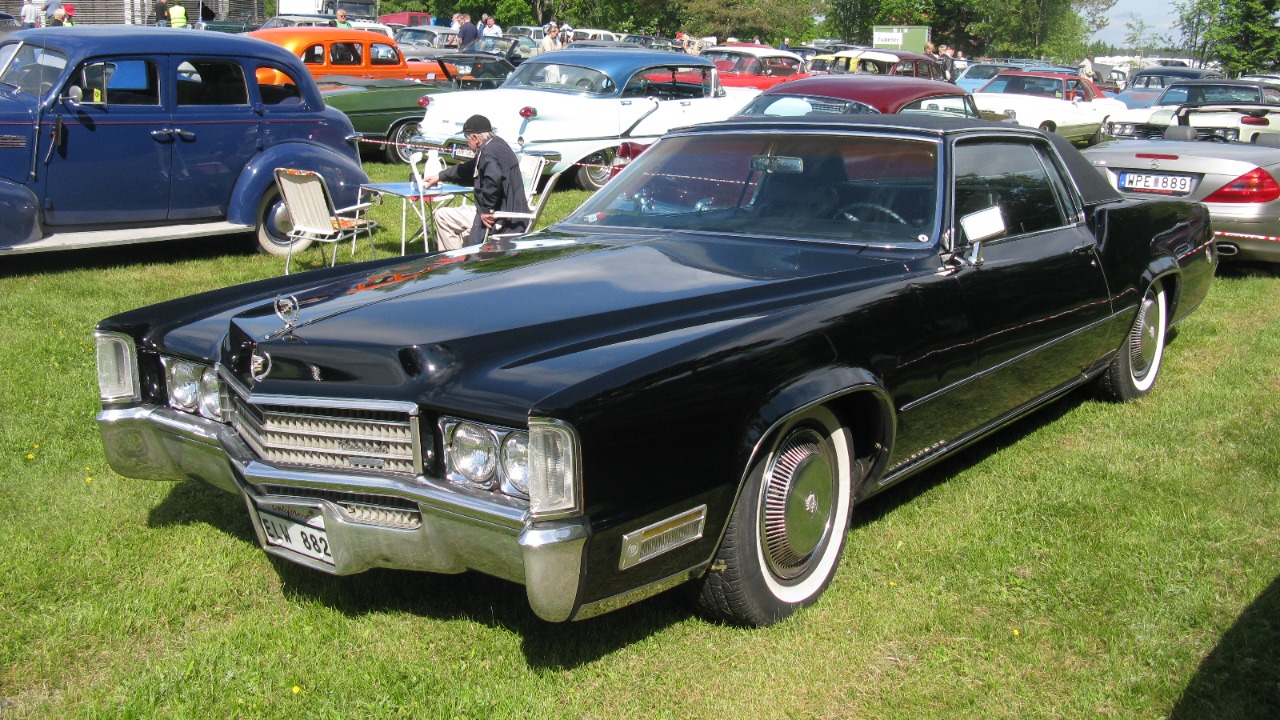
Cadillac promoted the 1976 Eldorado convertible as the last convertible it would ever produce, MacsMotorCityGarage recounts, then brought one back.
The reversal led to a class-action suit, which failed. The episode is a reminder that in the status business, a promise of exclusivity was part of what buyers paid for. Cadillac’s marketing treated the open car as a farewell, which made its later return an awkward reversal. The promise itself became part of the car’s story, and it remains the detail most often repeated about that model year.
7. Lincoln Continental Mark V: Longest Coupe Ever
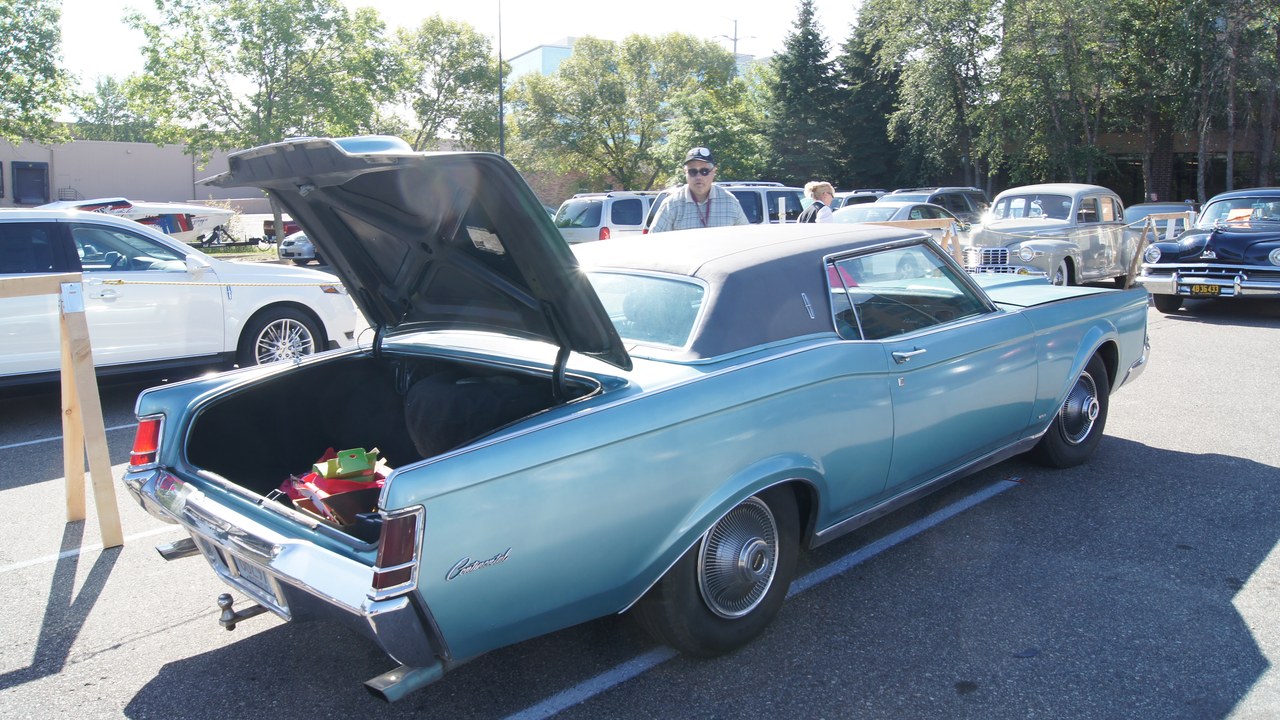
At 230 inches, the Lincoln Continental Mark V was the longest two-door coupe Ford ever marketed, according to its Wikipedia entry.
With 228,262 built, it is also the best-selling Mark. Sheer size was the selling point, a rolling statement for buyers who wanted the biggest coupe in the neighborhood. Its size and its sales together show that the market rewarded big, formal styling at the top of the segment. The record length also makes it an easy car to spot in any photo from the late 1970s.
8. Oldsmobile Toronado: Front-Drive Pioneer
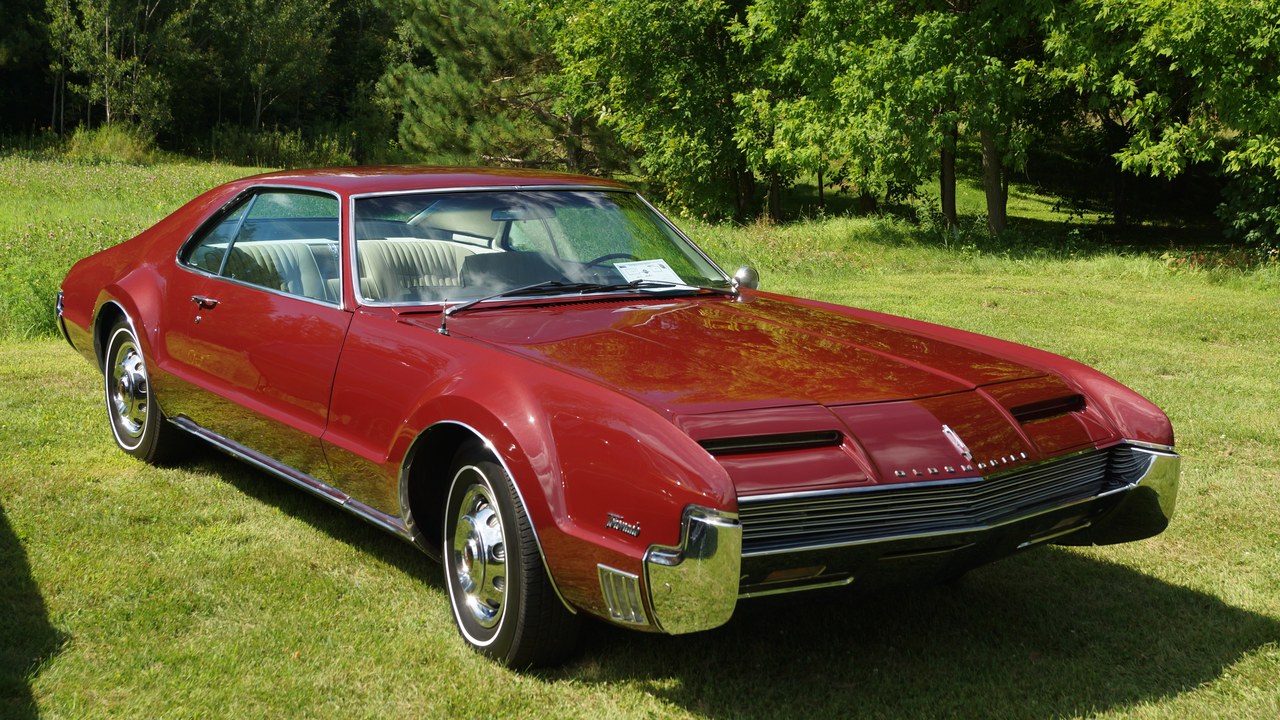
Oldsmobile’s Toronado was the first U.S.-built front-wheel-drive car since the 1937 Cord, per its Wikipedia entry, and it won Motor Trend’s Car of the Year award.
That mix of engineering novelty and luxury styling showed that a personal luxury car could offer more than plush seats. Front drive was an unusual bet for an American luxury coupe. It also predates most of the coupes here, so it shows the segment was already producing bold ideas before the 1970s sales boom. The 1937 Cord comparison hints at how long American buyers had gone without such a layout.
9. Buick Riviera: GM’s First Personal Luxury
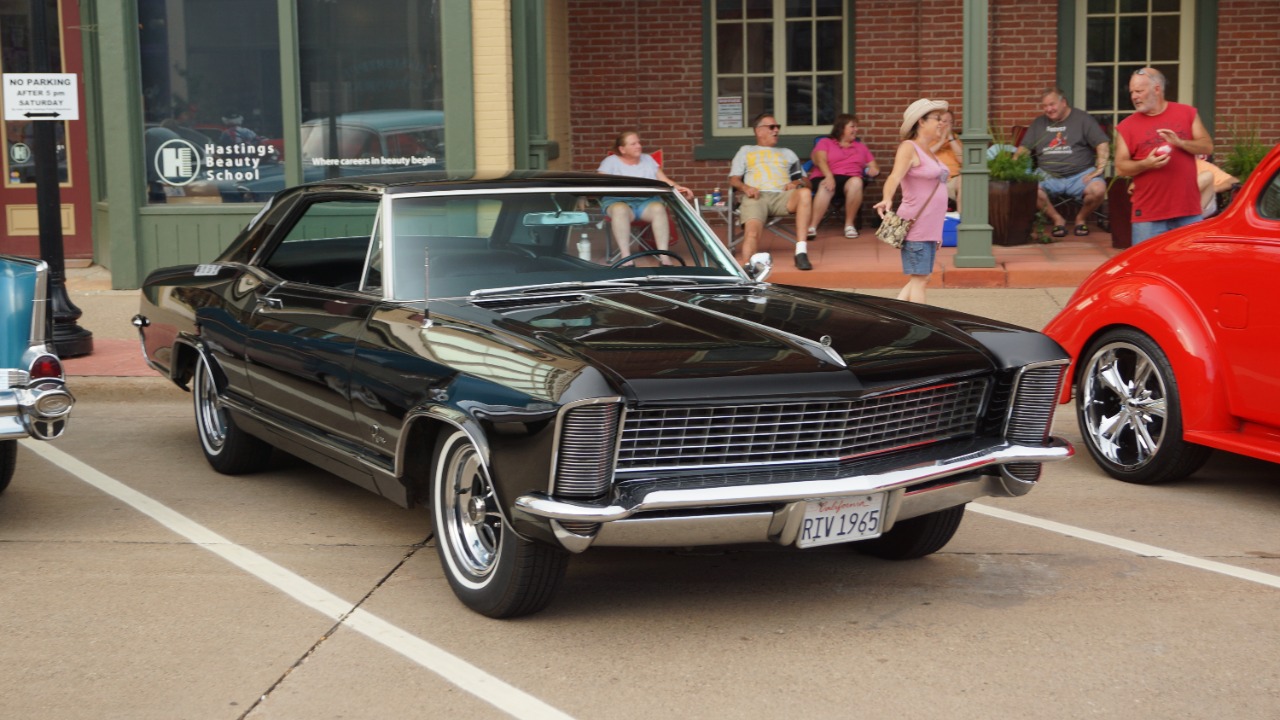
Buick’s Riviera was GM’s first personal luxury car, and the Buick Riviera entry says it was reportedly inspired by a custom-bodied Rolls-Royce that styling chief Bill Mitchell saw in London.
The nameplate later earned Motor Trend’s 1979 Car of the Year title. The word reportedly matters, since the London story is told as inspiration rather than settled fact. As GM’s first entry in the segment, it also predates the wave of 1970s rivals from Chevrolet, Chrysler and Ford. The award shows the nameplate stayed relevant long after its debut.
10. Buick Regal GNX: The 547 Club
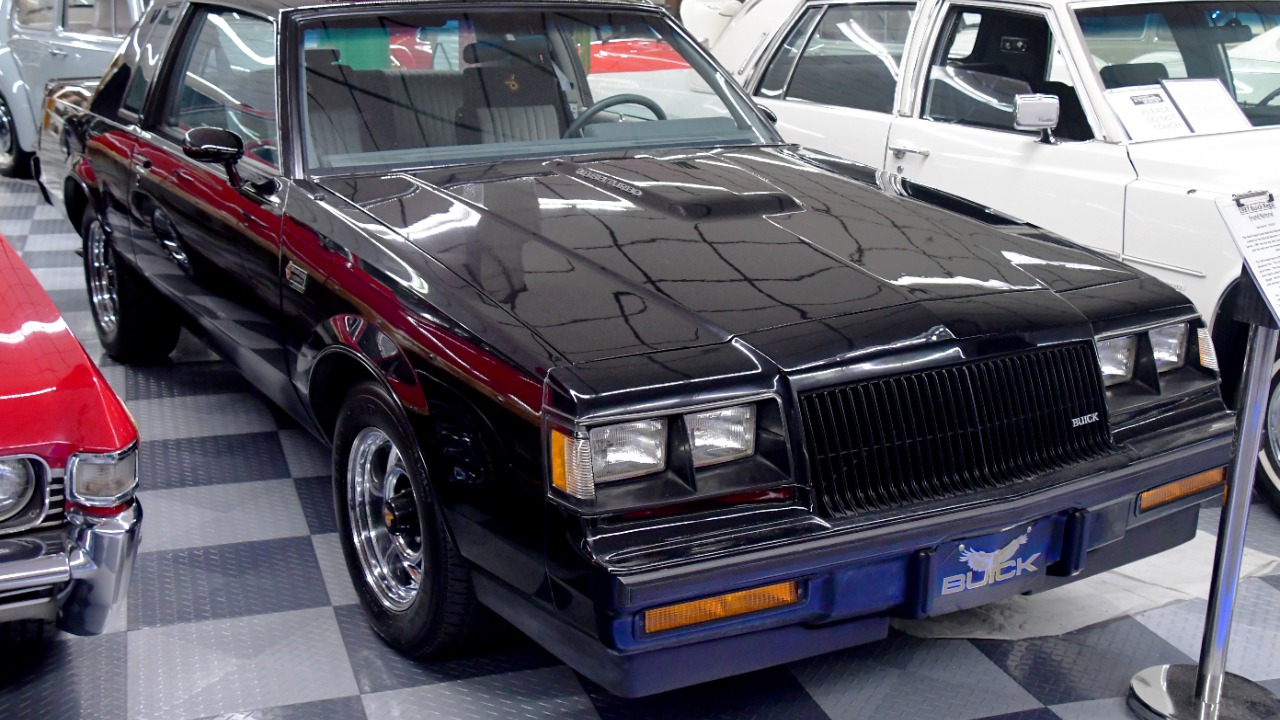
The Regal-based 1987 GNX was one of GM’s fastest coupes, and Buick’s own history notes that only 547 were built, numbered #001 to #547.
That tiny run turned a personal luxury body style into a collectible performance car. It stands at the far end of the list, showing that the formula could shift from comfort to speed. Buick’s own history frames the small production run as the source of its exclusivity. It also shows a company known for comfort turning its attention to speed for a select group of buyers.
More from Morning Overview
- Doctors warn a silent liver disease now affects one in three American adults
- Hackers are hijacking outdated home routers, and the FBI named the models to check
- Older Teslas are wearing out in ways early owners never saw coming
- Early electric-car owners are hitting battery and screen failures no one warned them about
