
Motorcycles rarely change the world on paper specs alone; more often a single model resets what riders expect and every competitor spends a decade catching up. Some of these machines proved their worth through sheer sales numbers, others through races won or awards swept, and a few simply refused to leave production. Here are ten motorcycles that reshaped the industry, from a postwar Italian scooter to Japan’s first liter-class superbike.
1. Honda Super Cub: The Best-Selling Vehicle Ever
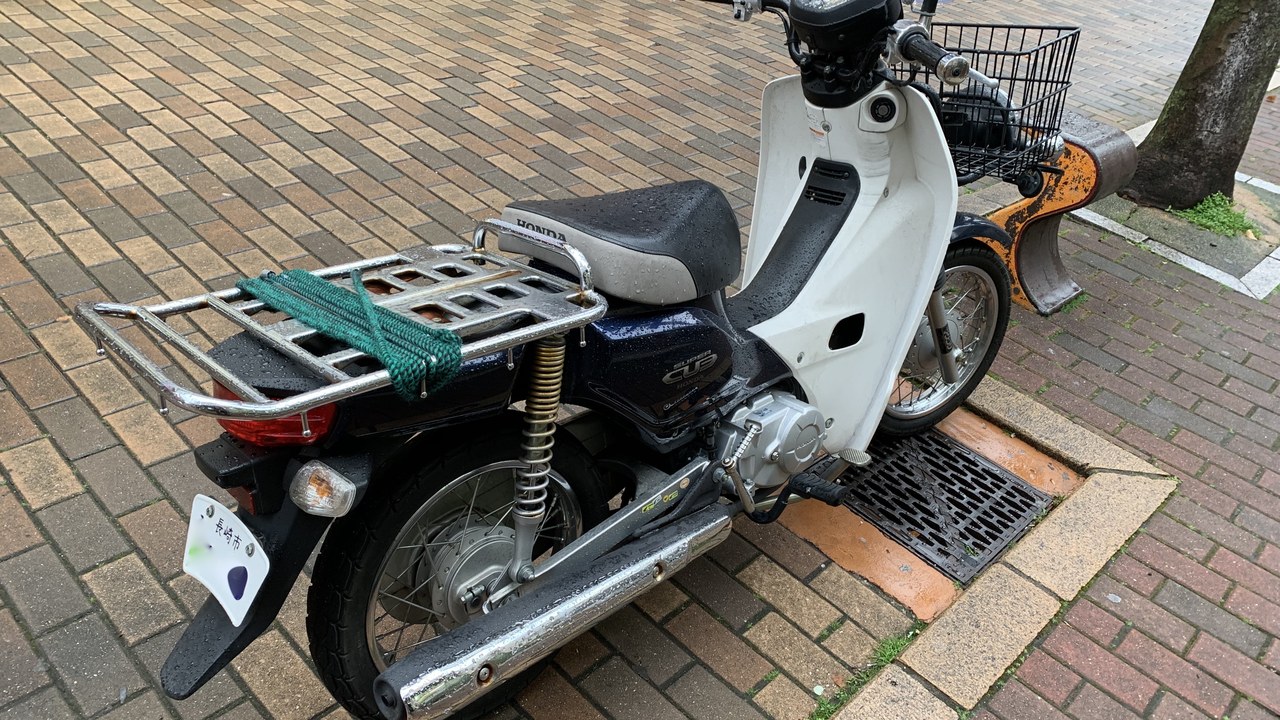
Honda’s Super Cub has stayed in continuous production since 1958, longer than almost any other vehicle on the road, and the production tally passed 100 million units in 2017, a milestone no other motor vehicle has reached.
That scale came from a simple recipe: a step-through frame, an automatic clutch and a rugged four-stroke engine that needed little upkeep, so the bike became everyday transportation for delivery riders, commuters and farmers across Asia, Africa and Latin America long before collectors started calling it a design classic.
2. Harley-Davidson Sportster: Seven Decades of One Model
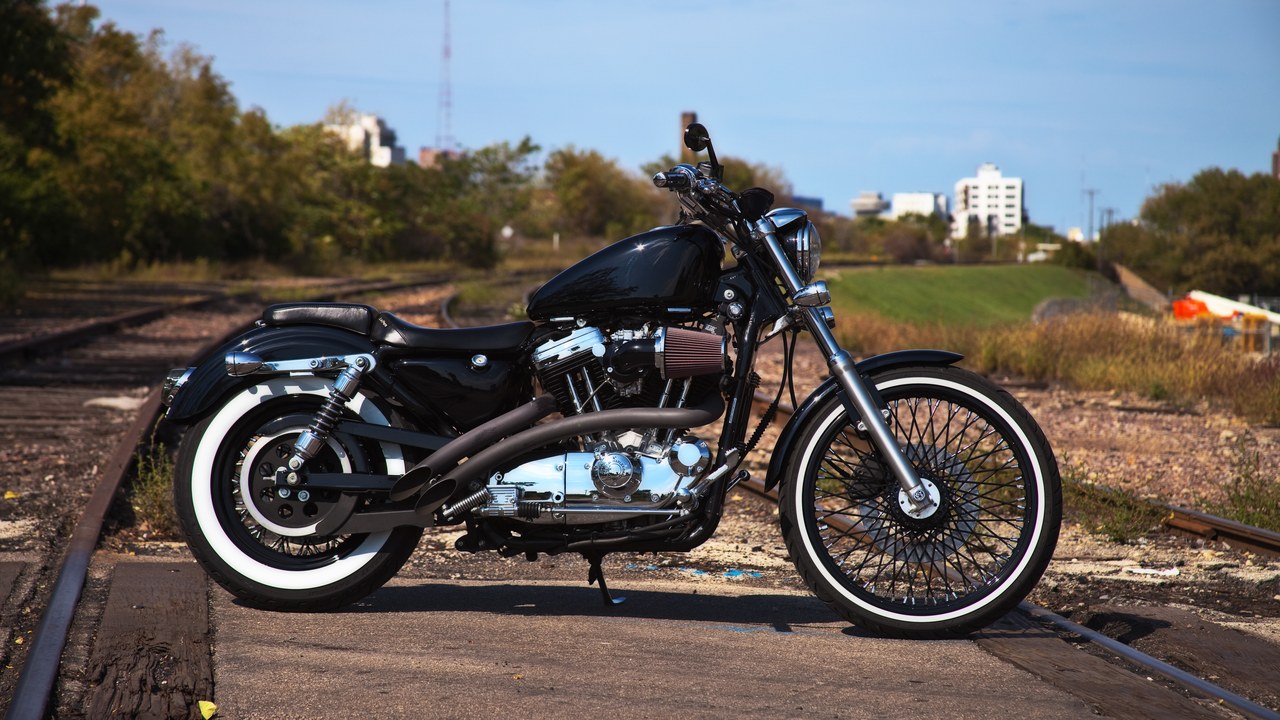
Harley-Davidson has built the Sportster nearly continuously since 1957, and the nameplate’s production run now stretches nearly seven decades, making it the longest continuously built model in the company’s current lineup.
That longevity reflects how the small-displacement V-twin carved out its own niche: light enough for new riders to handle, cheap enough to customize, and simple enough that generations of owners kept the platform alive even as Harley’s touring bikes grew larger and more complex around it, long after many rival cruiser lines came and went.
3. Triumph Bonneville: Born On The Salt Flats
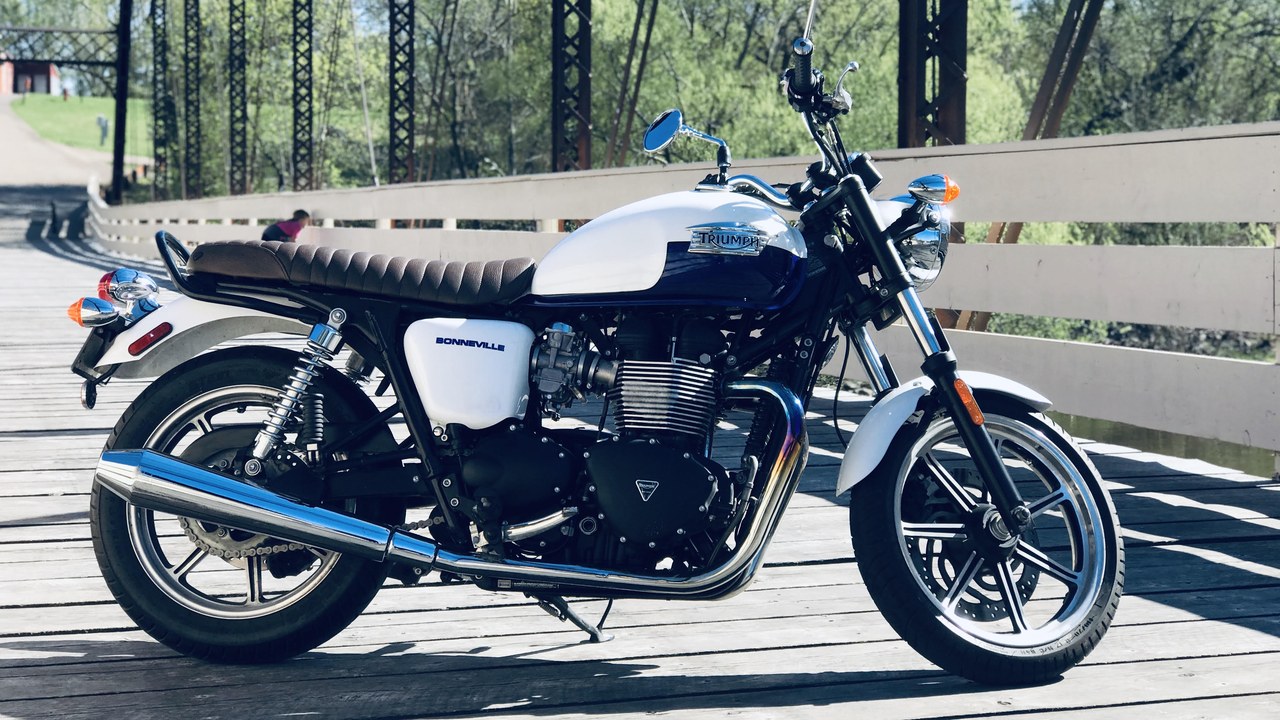
Triumph named the Bonneville after the Bonneville Salt Flats speed runs where the marque chased motorcycle land-speed records, and the model went on to become the defining machine of Britain’s 1960s cafe racer scene.
Production has run in three separate stretches since 1959, interrupted when Triumph itself collapsed in the 1980s, then revived in 2001 with a modern remake that kept the parallel-twin engine’s look and sound while adding fuel injection, disc brakes and the reliability the originals often lacked, keeping the same recognizable silhouette in showrooms today.
4. BMW R32: The Boxer’s Origin Story
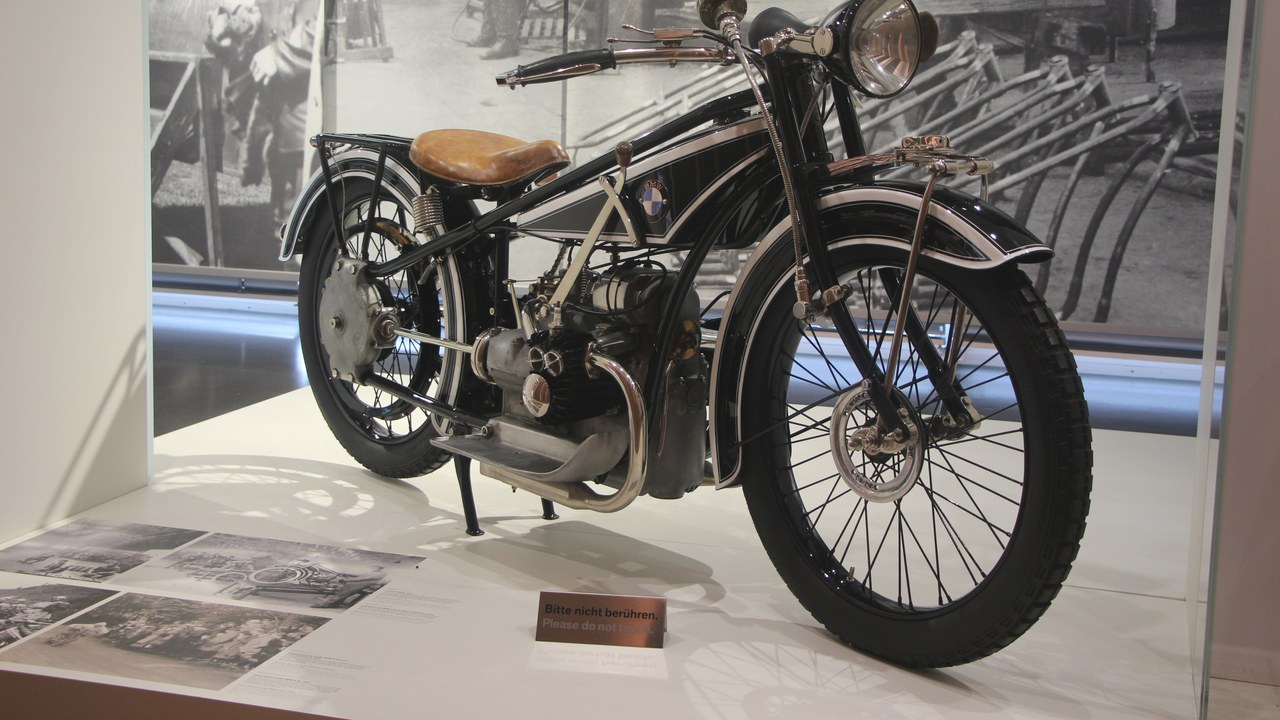
BMW’s first-ever motorcycle, the R32, established the boxer-twin, shaft-drive layout the company still builds around a century later, a configuration that started as an engineering choice and became the brand’s signature.
Built only from 1923 to 1926, the R32 was a low-volume machine even in its day, but the flat opposed-twin engine’s low center of gravity and clean, enclosed shaft drive proved so effective at resisting dirt and stretch that BMW never seriously abandoned the formula, carrying it forward through touring bikes and adventure machines alike.
5. Indian Chief (motorcycle): Back From The Dead
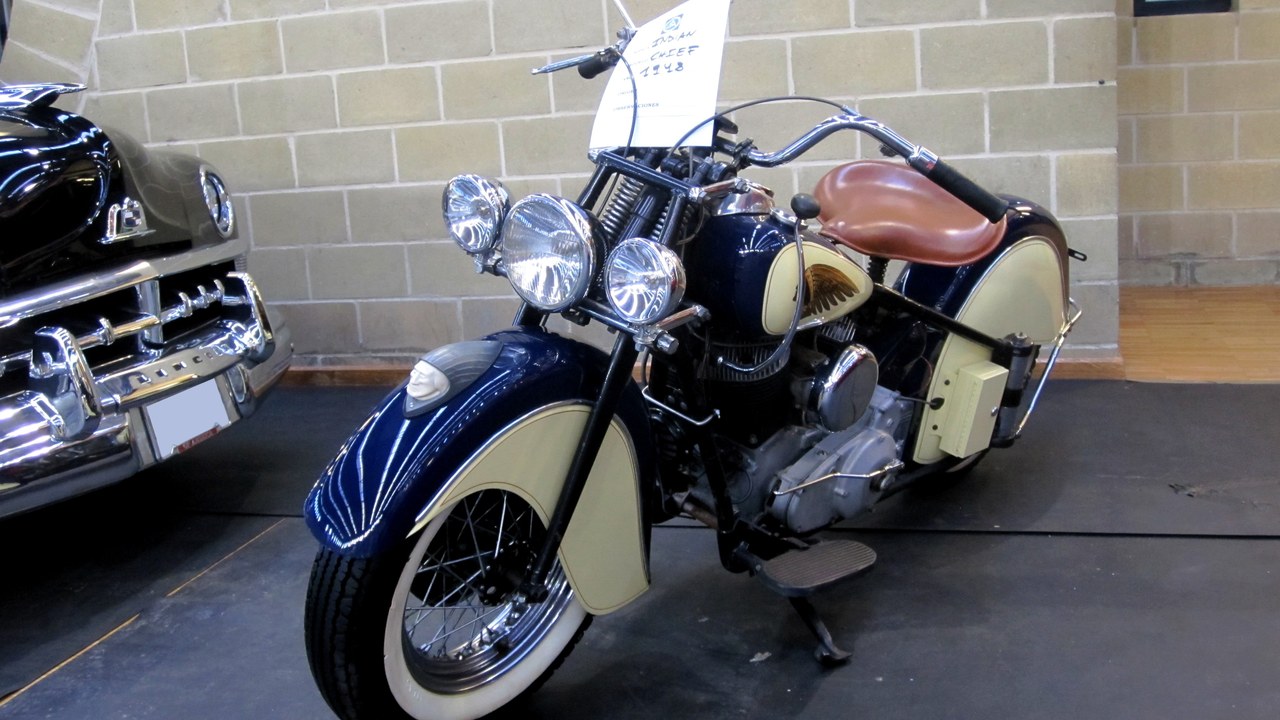
The Indian Chief nameplate first appeared in 1922, and the model’s on-again, off-again history includes production runs that stopped and restarted across the 1940s, 1950s and early 2000s before the current version arrived in 2006.
Each revival came from a different owner trying to cash in on the Chief name after the original Indian Motorcycle company folded, and the pattern of stops and restarts makes the nameplate a rare case of a brand outliving the company that created it, repeatedly rebuilt by whoever bought the rights along the way.
6. Suzuki GSX-R750: The First Race Replica
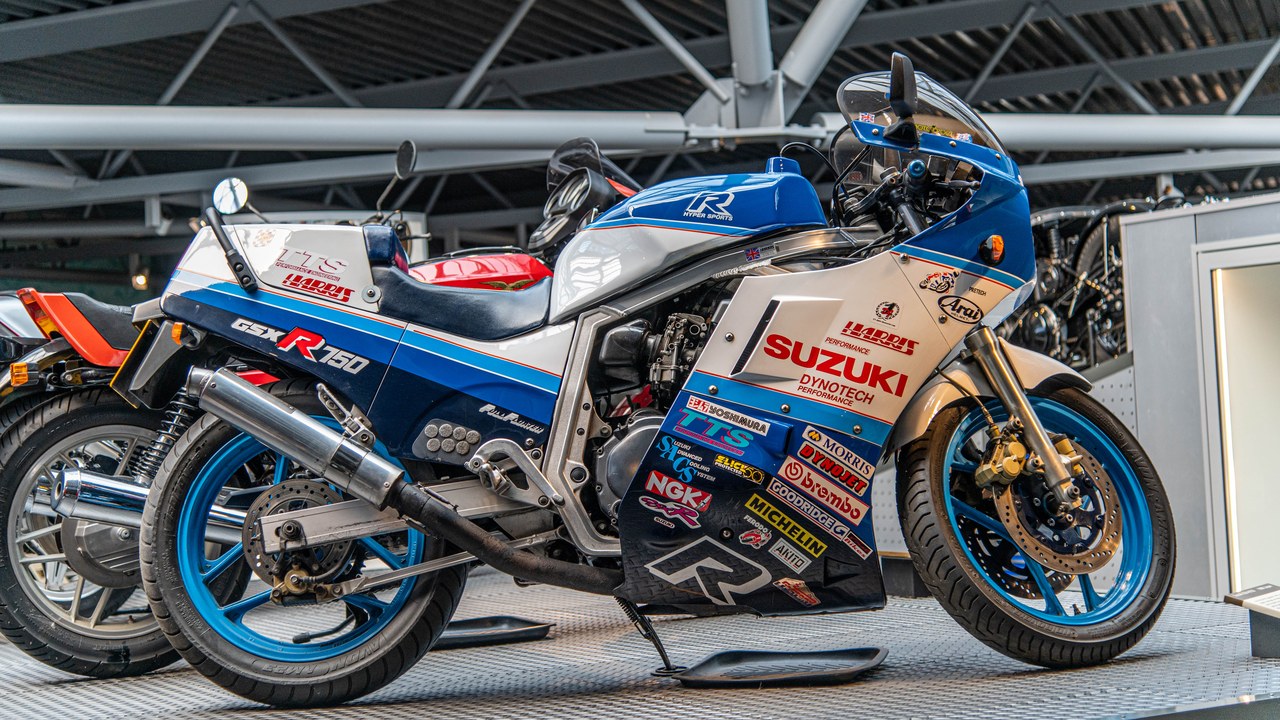
Suzuki unveiled the GSX-R750 at the Cologne Motorcycle Show in October 1984 as a 1985 model, built around an aluminum frame and oil-cooled engine at a weight far below its rivals of the period.
That approach, stripping weight rather than chasing raw horsepower, created an entirely new category: the race replica, a street-legal bike built to mimic a factory racebike as closely as regulations allowed, and every lightweight sportbike sold since has been measured against the template the GSX-R750 set.
7. Yamaha YZF-R1: The Stacked Gearbox Trick
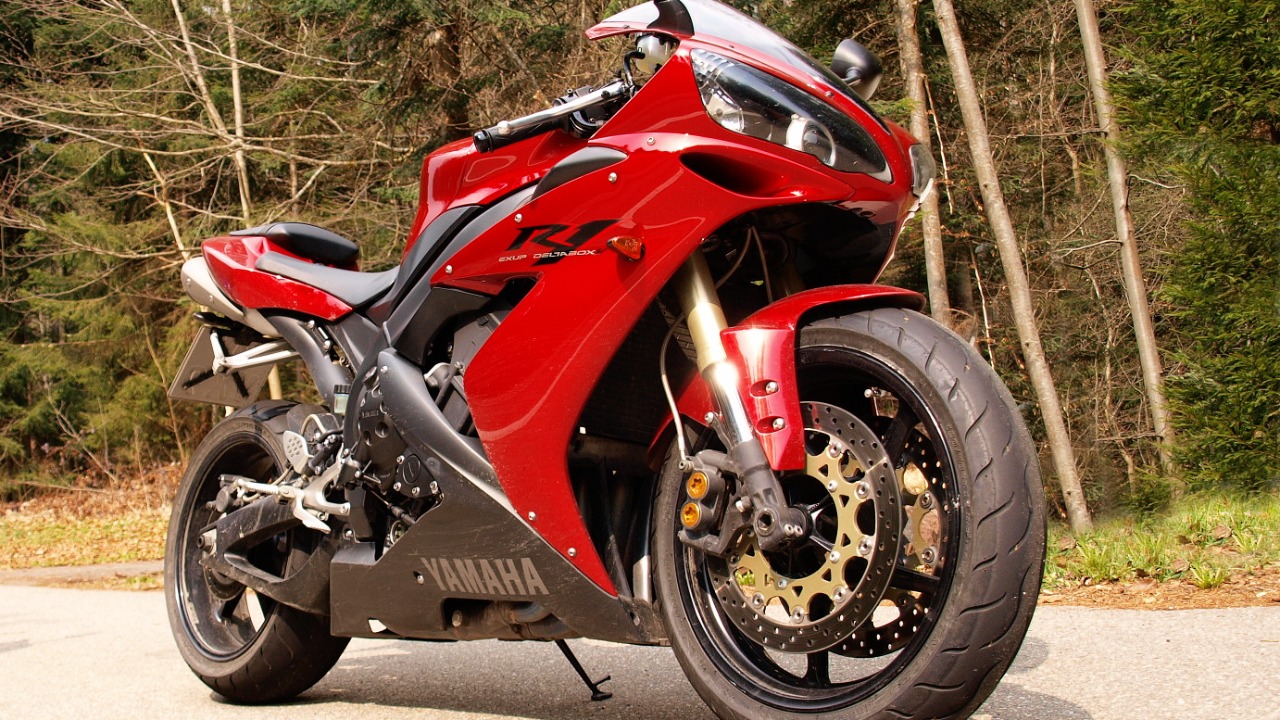
Yamaha released the YZF-R1 in 1998 with a stacked-gearbox engine design that shortened the whole powerplant front to back, letting engineers shrink the wheelbase without shrinking the motor itself, a packaging idea borrowed from Yamaha’s own racing program.
The trick worked so well that rival manufacturers copied the layout in their own liter-class sportbikes soon after, turning what started as one company’s packaging solution into the standard approach for building a fast, compact four-cylinder engine, a layout still found under the bodywork of modern superbikes today.
8. Ducati 916: A Museum-Piece Superbike
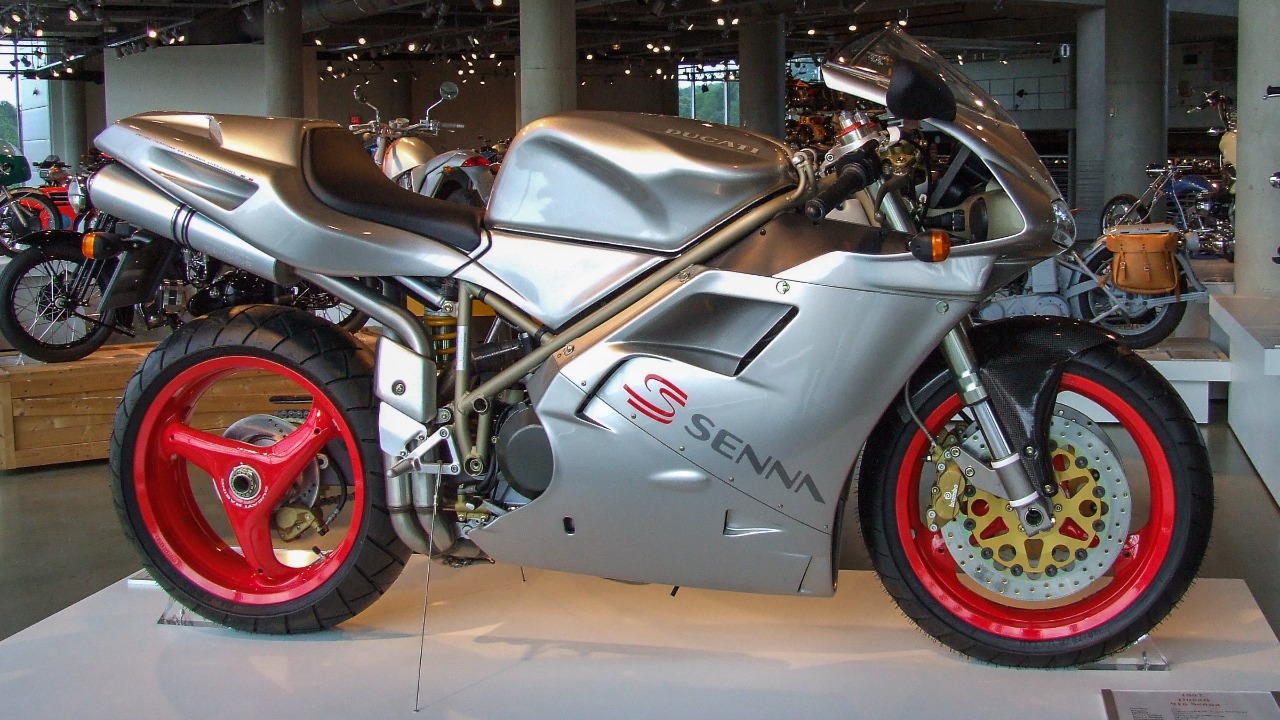
The Ducati 916 swept every major magazine’s Bike of the Year award for 1994, a clean sweep that had rarely happened before across competing publications with very different testing priorities and rulebooks.
Its single-sided swingarm, underseat exhausts and trellis frame turned out to be as influential visually as the bike was fast, and in 1998 the design earned it a place in the Guggenheim Museum’s ‘The Art of the Motorcycle’ exhibit, a rare crossover from showroom floor to fine-art gallery wall.
9. Norton Commando: Five Years, One Trophy
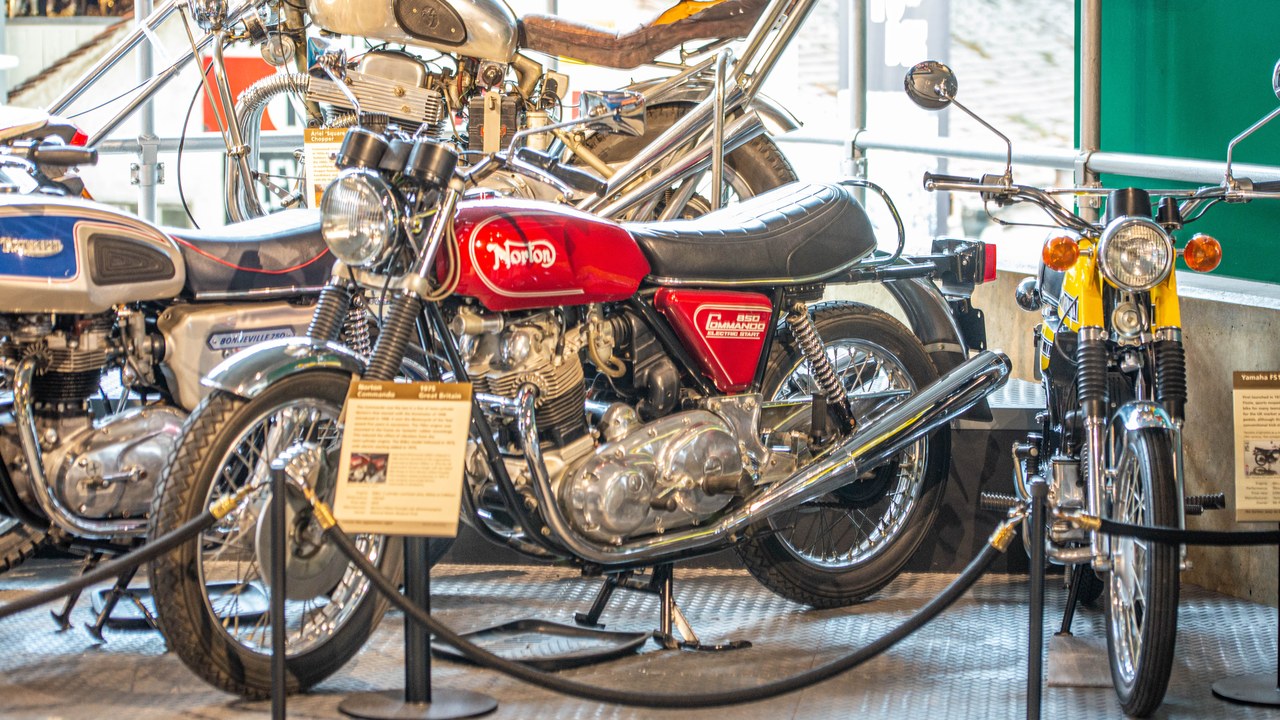
Norton built the Commando from 1967 to 1977, and the model won Motor Cycle News’ Machine of the Year award five years running, from 1968 through 1972, a streak no other bike of the era matched.
The secret was a rubber-mounted engine cradle that isolated the vibration of Norton’s big parallel-twin from the frame and rider, solving the numb-hands, blurred-mirrors problem that plagued British twins of the period and letting the Commando stay comfortable at speeds that shook apart less carefully engineered rivals.
10. Vespa: The Audrey Hepburn Effect
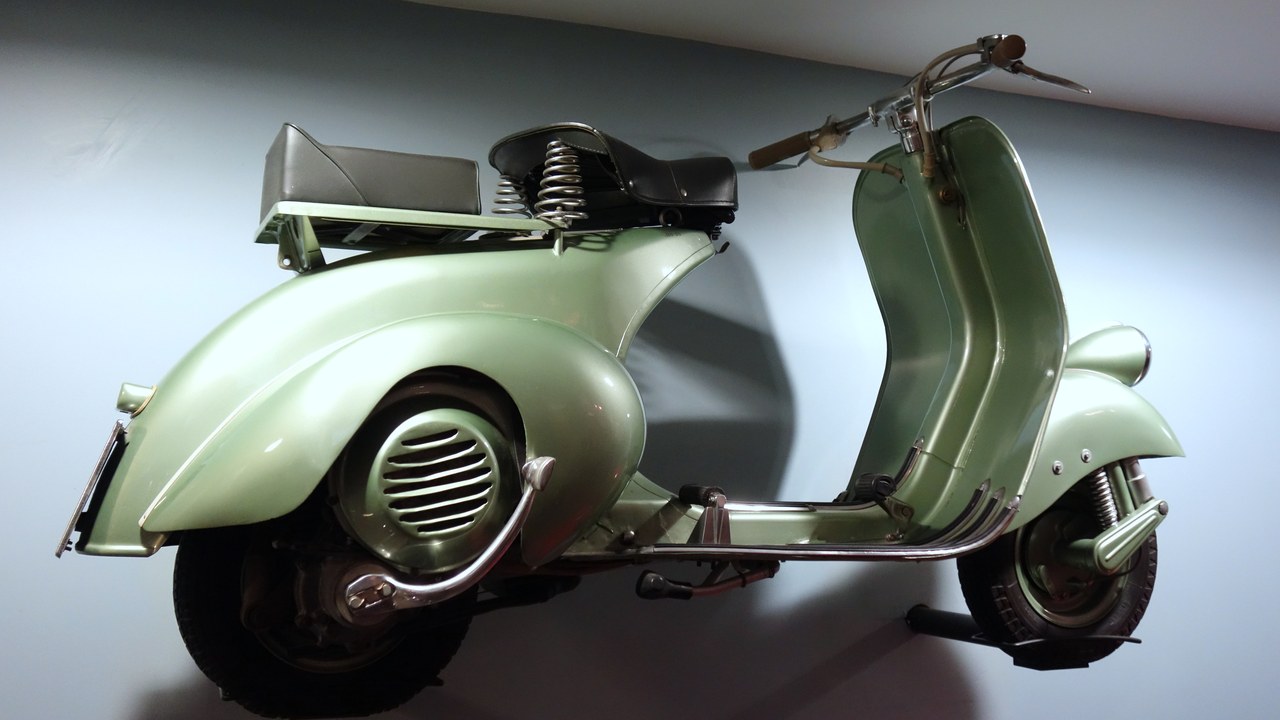
Vespa launched its scooter in 1946 and had sold ten million units by the late 1980s, a pace that outstripped nearly every other powered two-wheeler built in postwar Europe.
Sales got an early lift when Audrey Hepburn rode one through Rome in the 1952 film Roman Holiday, a scene credited with driving more than 100,000 additional sales, and the steel monocoque body and step-through seating that made the scooter easy for anyone to ride kept demand climbing for decades afterward.
More from Morning Overview
- Supplements now rank as the fifth-leading cause of death from liver disease.
- Herbal supplements are landing Americans in the hospital with liver damage, doctors warn
- General Motors is switching on cameras that record inside your vehicle by update
- A geomagnetic storm is forecast to hit Earth today, pushing the northern lights unusually far south
