
Every vehicle sold in the United States generates a paper trail at the National Highway Traffic Safety Administration, where drivers can file a complaint the moment something goes wrong. Some model years pile up thousands of filings for one defect, from failing transmissions to stalling engines, while similar cars from other years draw less scrutiny. Here are ten model years whose complaint files at federal regulators are stacked especially thick.
1. 2012 Ford Focus: A Transmission Owners Distrusted
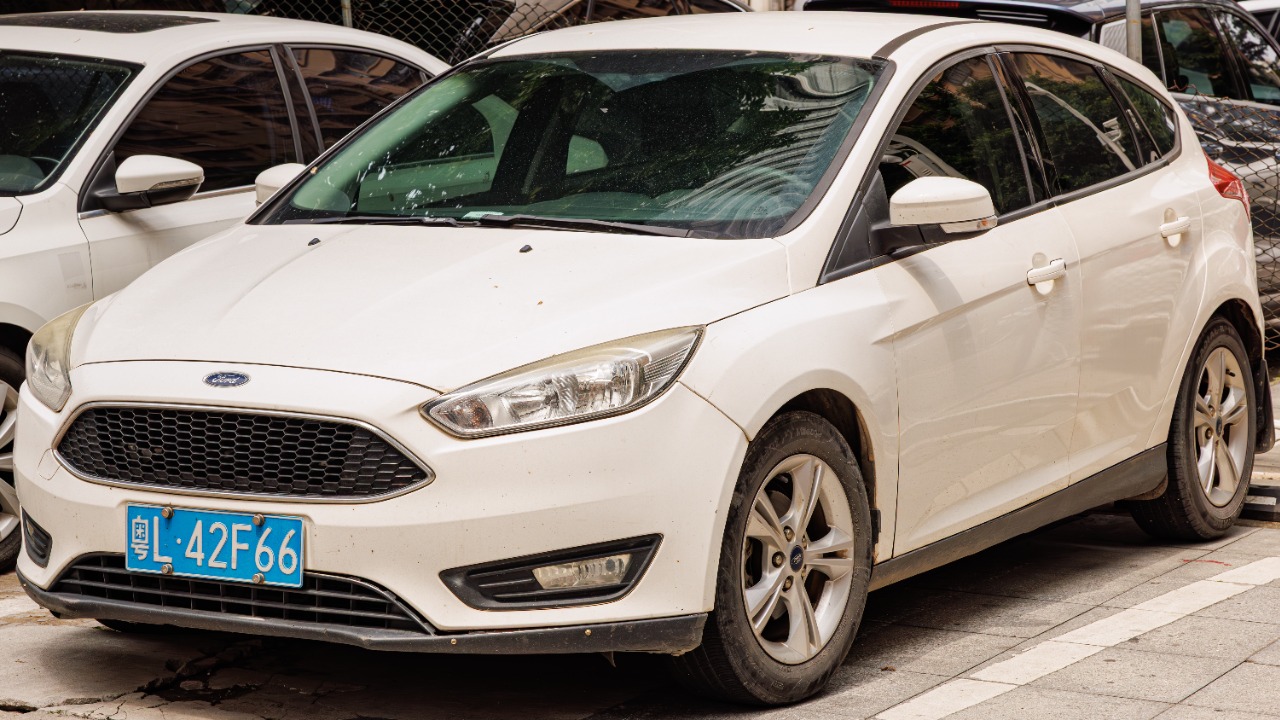
The federal complaint database lists roughly 3,800 filings against the 2012 Ford Focus, more than almost any other compact car of its era. Owners repeatedly reported shuddering, hesitation and delayed engagement tied to the dual-clutch automatic transmission Ford used across the lineup that model year.
The volume of reports eventually pushed Ford into extended warranty coverage and a class-action settlement over the transmission, though owners outside the settlement window paid for repairs themselves. Buyers shopping the used market still price the affected Focus below comparable compacts because of the lingering reputation.
2. 2011 Hyundai Sonata: Steering And Stalling Reports Pile Up
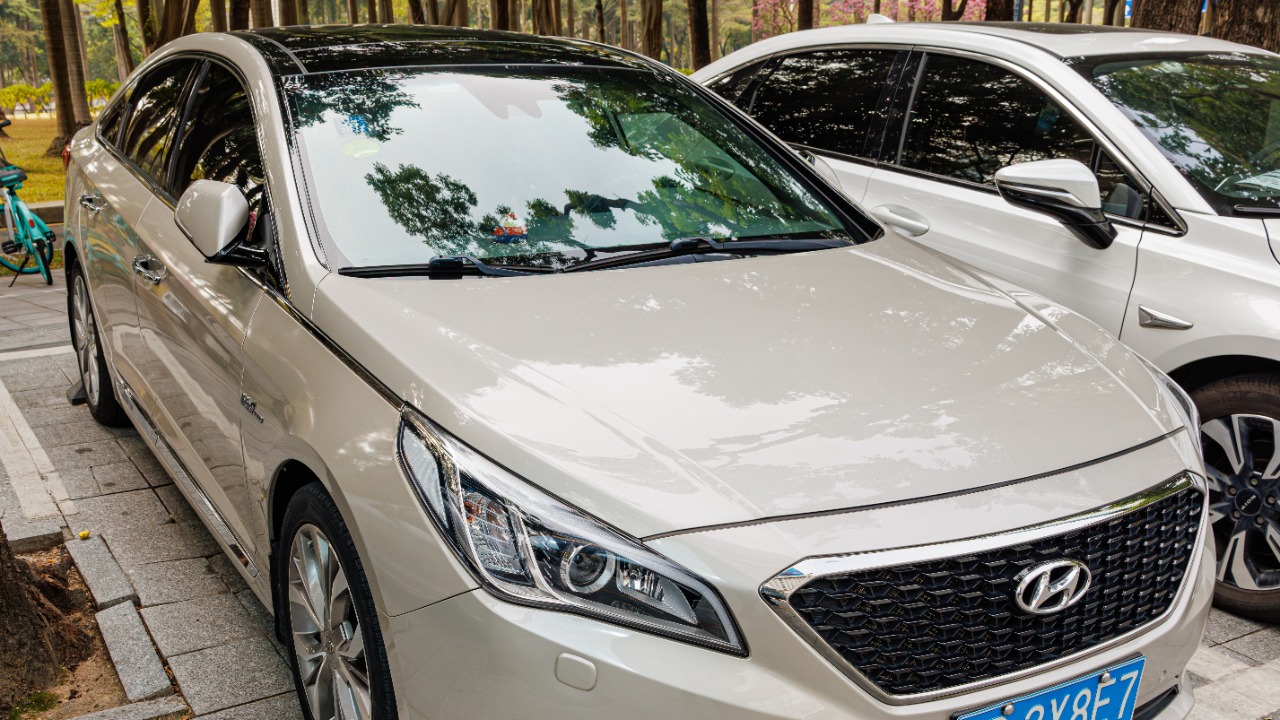
Regulators logged 3,376 owner complaints against the 2011 Sonata, many describing sudden loss of power steering or an engine that stalled at low speed. The model year falls inside the range that Hyundai’s later steering and engine recalls eventually covered.
Some owners reported the steering failures happened suddenly and without warning in the middle of ordinary driving, prompting Hyundai to extend coverage on the electric power steering unit. The engine complaints surfaced later and pulled the same model year into a broader, multi-year recall campaign that followed.
3. 2016 Ford Explorer: The Smell Owners Could Not Ignore
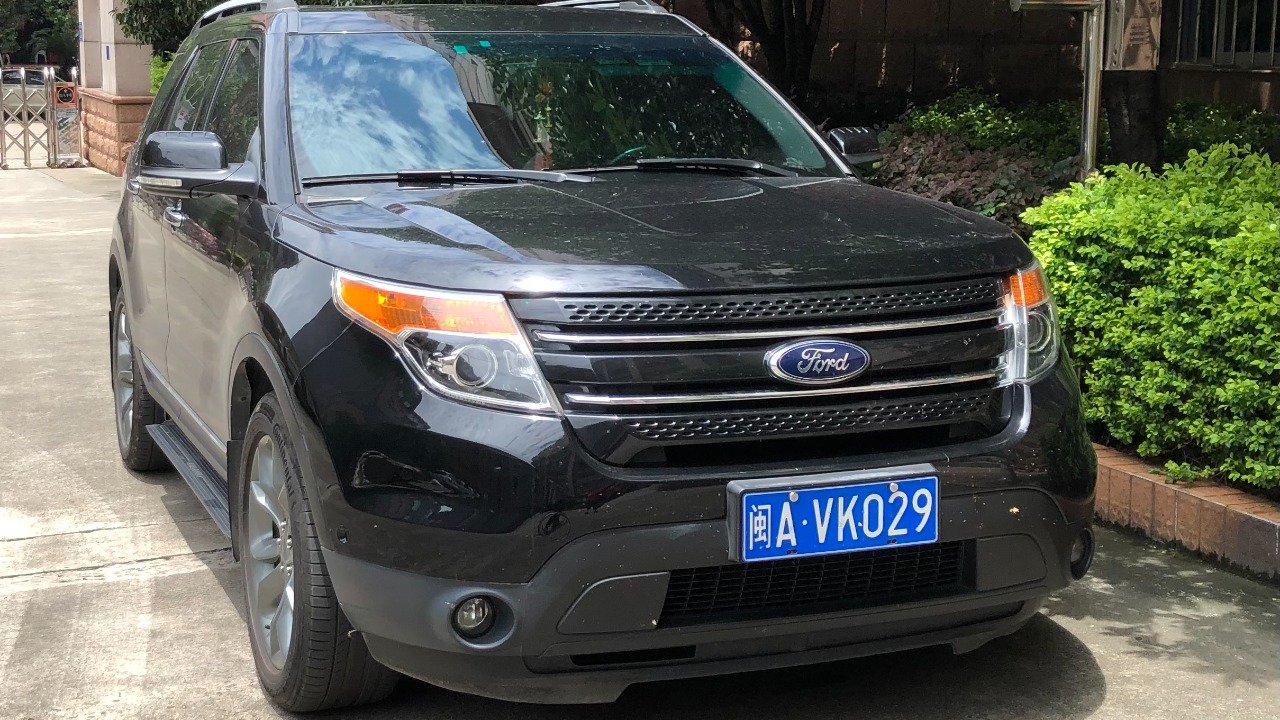
The 2016 Explorer accumulated 2,443 complaints on file, with exhaust odor entering the cabin as the most repeated theme. Drivers described headaches on long trips before Ford issued service bulletins addressing the seals and HVAC settings blamed for the leak.
Ford stopped short of a full recall, instead extending warranty coverage and inspecting exhaust systems through dealers when owners complained. Reports about the smell kept arriving years after the model year first went on sale, well past the vehicle’s initial warranty period.
4. 2013 Nissan Altima: A CVT That Kept Failing
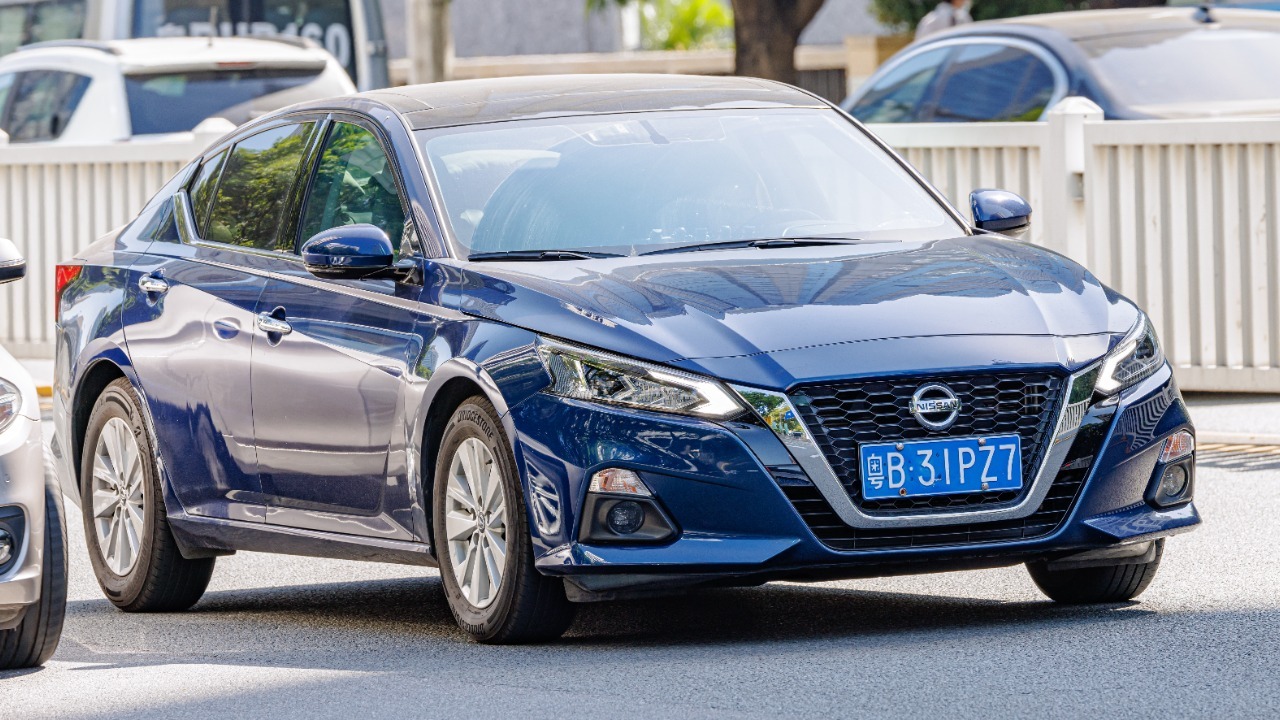
Owners filed 2,309 reports with regulators about the 2013 Altima, a large share centered on the continuously variable transmission shuddering, hesitating or failing outright. Some drivers described the car lurching at highway speed before the transmission gave out entirely.
Nissan extended the CVT warranty on affected models once the complaint volume grew, though many owners still paid out of pocket for a replacement once that extended coverage lapsed. Independent shops now treat CVT failure as a routine, expected repair for this generation of Altima.
5. 2004 Ford F-150: A Recall Two Decades Later
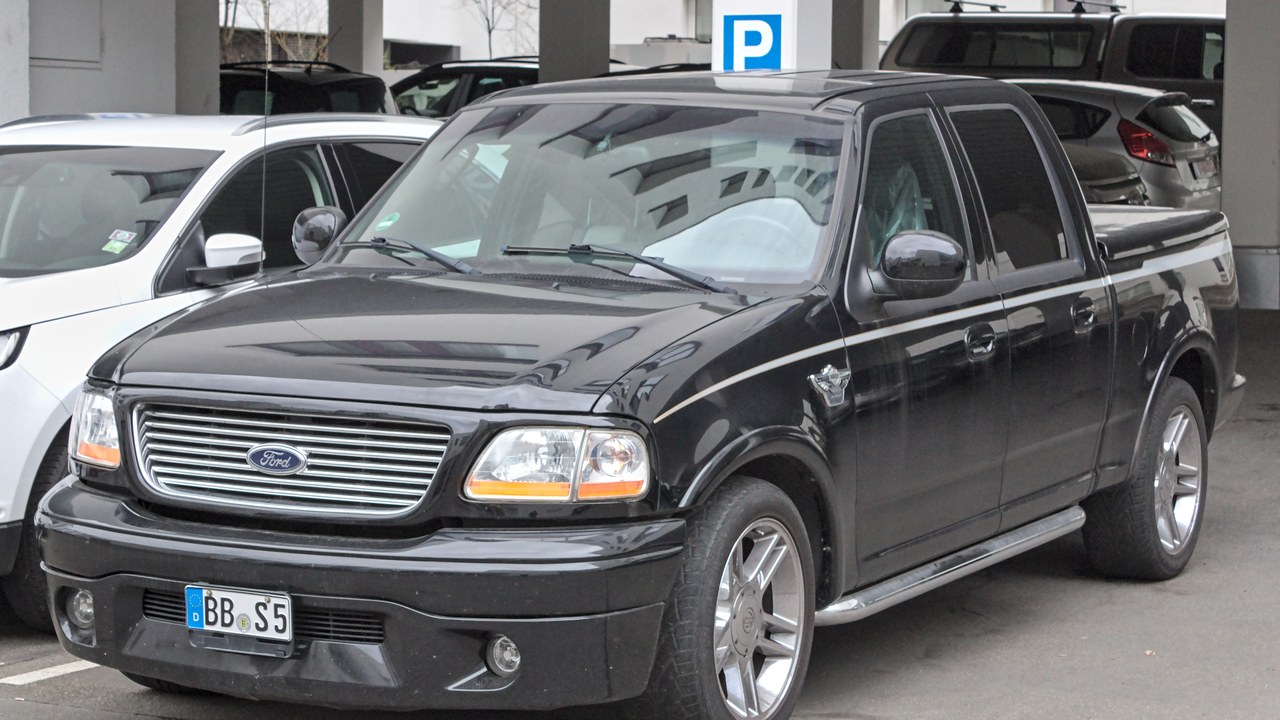
Even two decades after these trucks were sold, the 2004 F-150 carries 2,035 complaints in the federal files, dominated by reports of spontaneous fires traced to a cruise control deactivation switch. The defect prompted one of the largest truck recalls in the agency’s history.
Ford eventually recalled millions of trucks and SUVs across several model years to remove or replace the faulty switch, but complaints kept arriving from owners who bought the truck used and never learned about the recall. Unrepaired examples from the era still turn up for sale today.
6. 2008 Chrysler Town & Country: Nearly Two Thousand Complaints
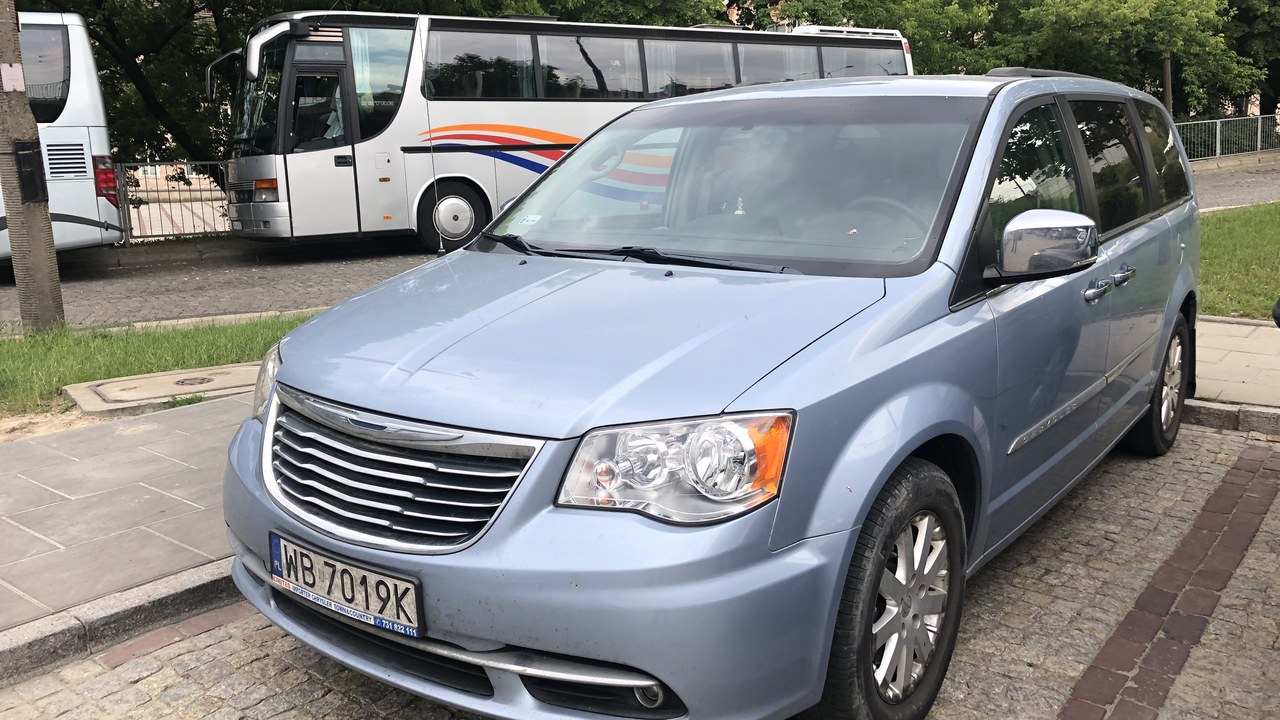
Federal records show 1,939 complaints filed against the 2008 Town & Country, placing this single model year of family minivan among the more complained-about vehicles in the entire database. The count alone signals a model year that gave owners more trouble than most in its class.
A minivan generation this size typically carries a family through years of daily driving, so a complaint total in the high thousands reflects problems that surfaced repeatedly rather than a handful of isolated incidents. Buyers considering this model year secondhand can pull the full complaint history directly from NHTSA before signing anything.
7. 2015 Jeep Cherokee: Growing Pains For A New Platform
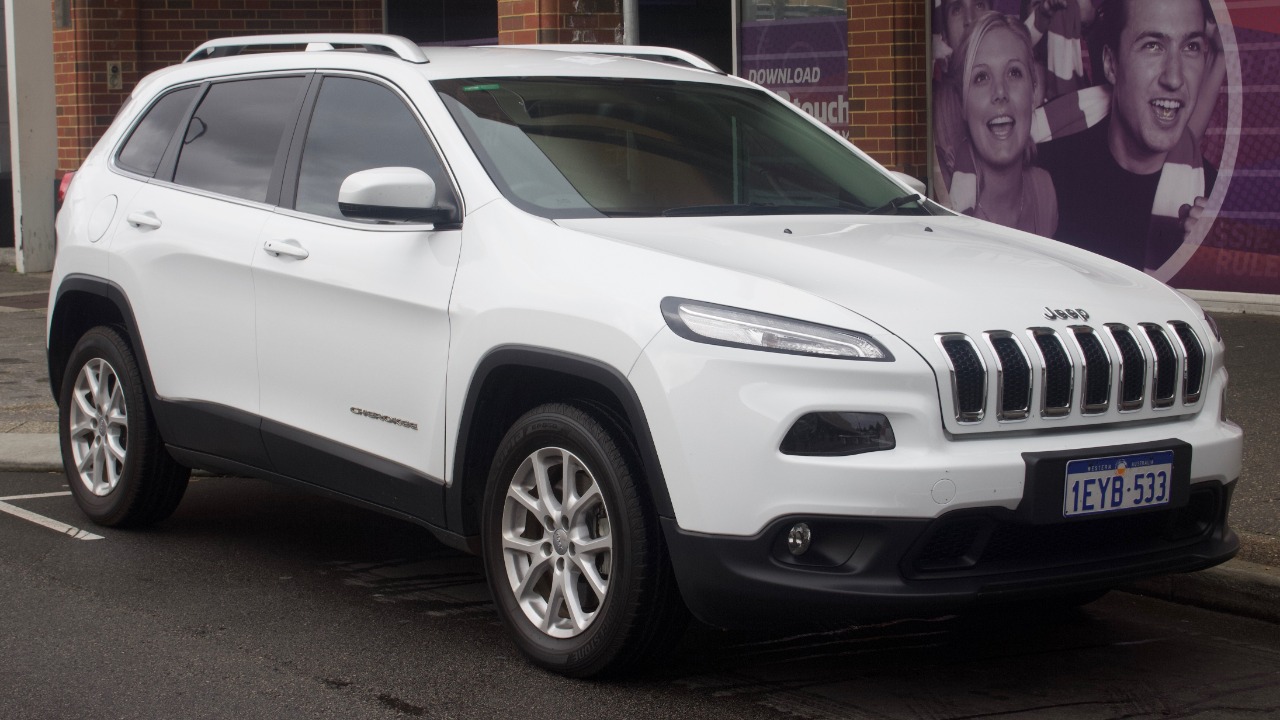
The 2015 Cherokee, the model year that revived the nameplate on a new platform with a nine-speed automatic, drew 1,785 complaints from owners. The transmission was the most frequent target, with reports of harsh shifting, hesitation and unexpected gear hunting at low speed.
Jeep spent years refining the nine-speed’s software through dealer updates, but early buyers of the 2015 model year bore the brunt of those growing pains before the fixes matured. The complaint volume makes the launch year one worth researching closely on the used market.
8. 2013 Kia Optima: Engines That Stalled Without Warning
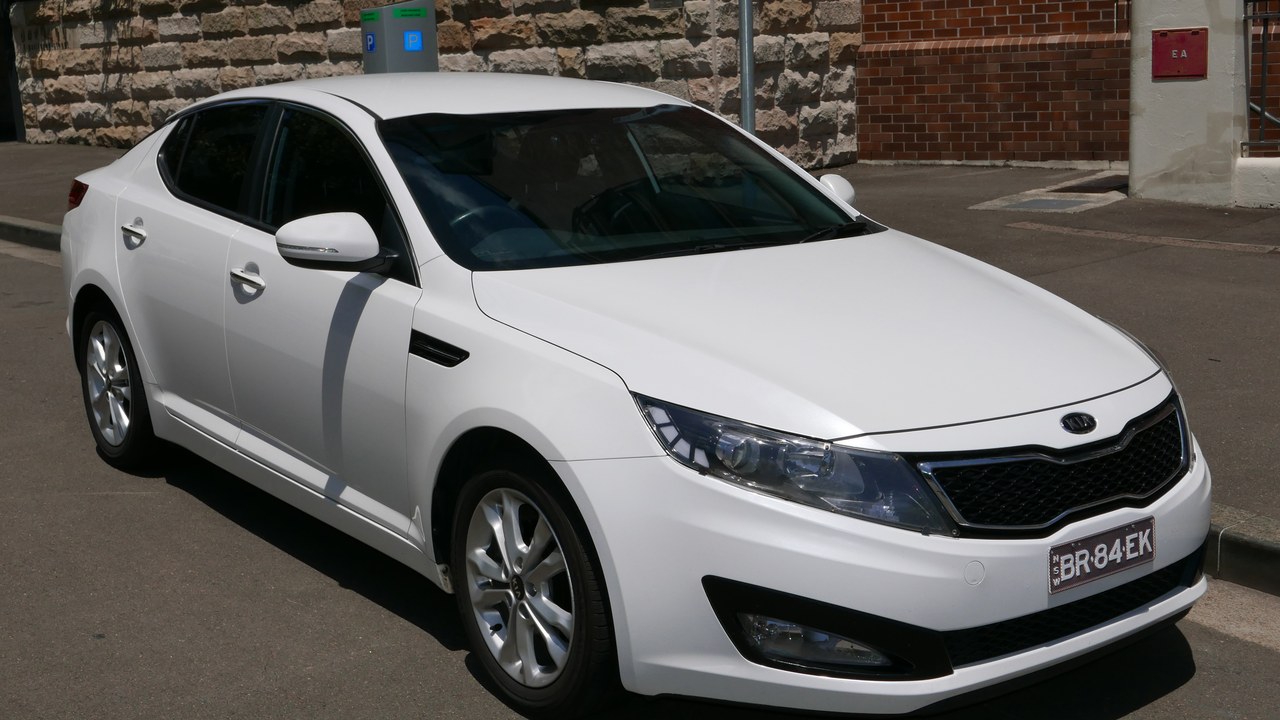
Owners lodged 1,381 complaints with NHTSA over the 2013 Optima, with engine failure and stalling among the most common threads. The model year falls within the range of Kia’s Theta II engine problems that led to a series of recalls across the brand.
Some owners reported their engines seizing with little warning, occasionally while driving at speed, before Kia extended warranty coverage and began replacing affected engines. The complaint total reflects a defect that took the automaker years to fully address across its full lineup.
9. 2008 Dodge Grand Caravan: The Other Minivan With The Same Flaw
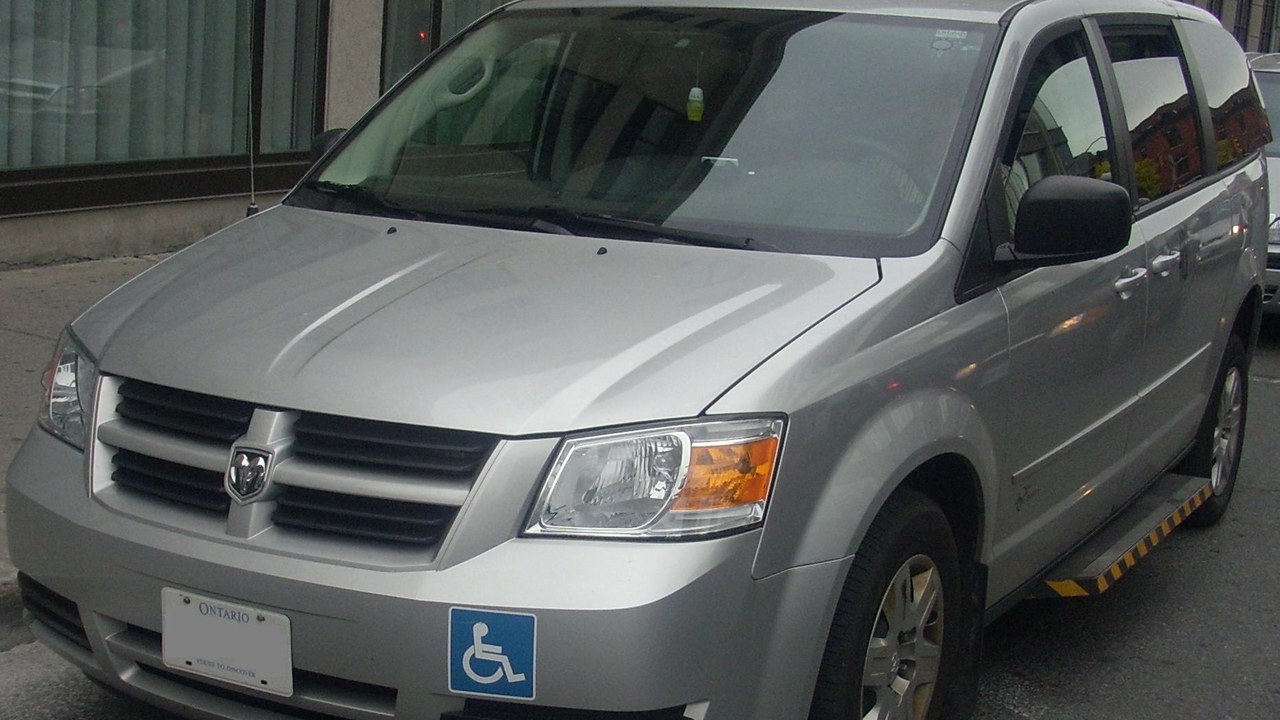
As the Dodge-badged twin of the Town & Country, the 2008 Grand Caravan drew 1,292 complaints of its own, built on the same platform and often reported for similar faults. The shared engineering meant shared weaknesses across both minivan brands that model year.
Chrysler’s cost pressures in the mid-2000s touched both nameplates equally, so a buyer cross-shopping that era’s minivans found little advantage in picking one badge over the other. Combined complaints across both vehicles push the shared platform toward the top of the minivan segment’s problem list for the period.
10. 2016 Honda Civic: Reliability Reputation, Real Complaints
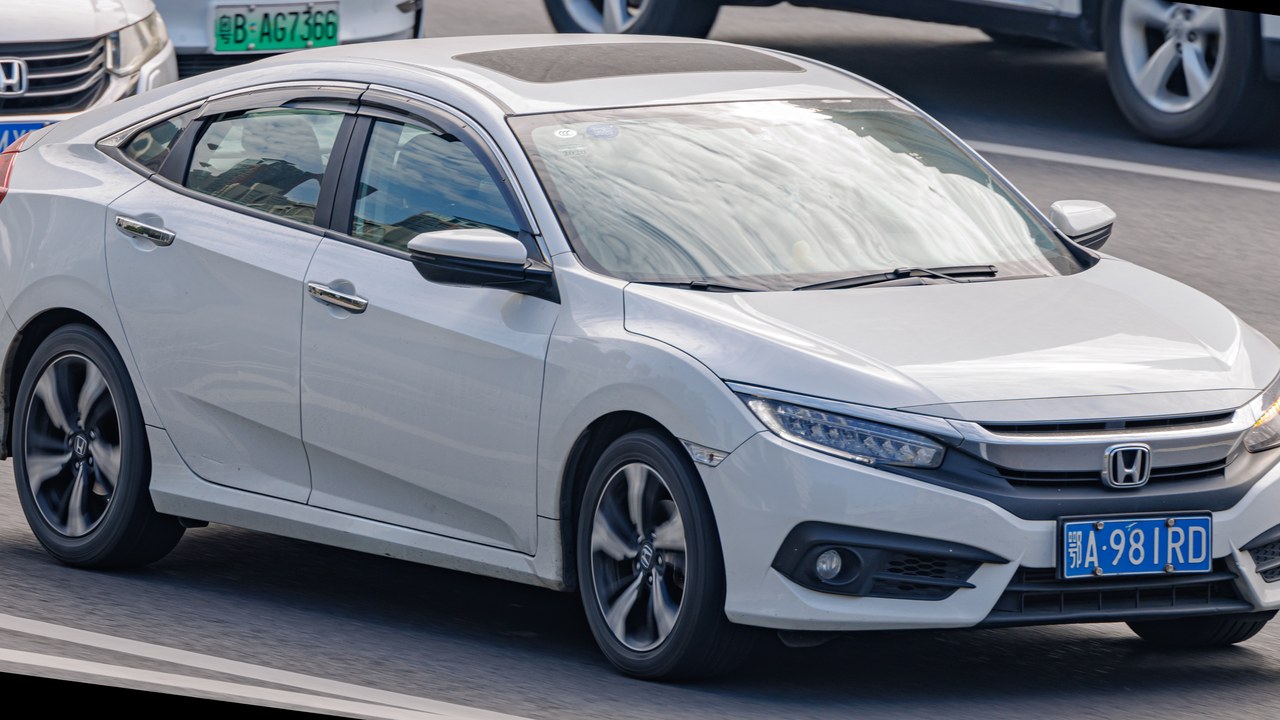
Honda built its reputation on reliability, which makes the 1,078 complaints against the 2016 Civic stand out. The redesigned tenth-generation car drew reports of infotainment freezes, fuel smell in the cabin and, on turbocharged models, oil dilution from frequent short trips in cold weather.
Honda addressed some of the concerns through software updates and dealer service actions rather than a full recall, leaving fixes dependent on owners bringing the car in voluntarily. The launch year of a full redesign carries more open issues than the Civic generations that followed once the bugs were worked out.
More from Morning Overview
