
Every new vehicle picks up recalls as engineers and regulators catch defects after production begins, but some model years pile up campaigns far faster than the rest of the fleet. NHTSA’s recall database ties dozens of separate notices to a single Ford truck redesign, a debut SUV generation, or a software-heavy electric sedan learning from its own hardware. Here are ten model years carrying the heaviest recall counts on record.
1. 2020 Ford Explorer: Redesign Draws The Most Recalls
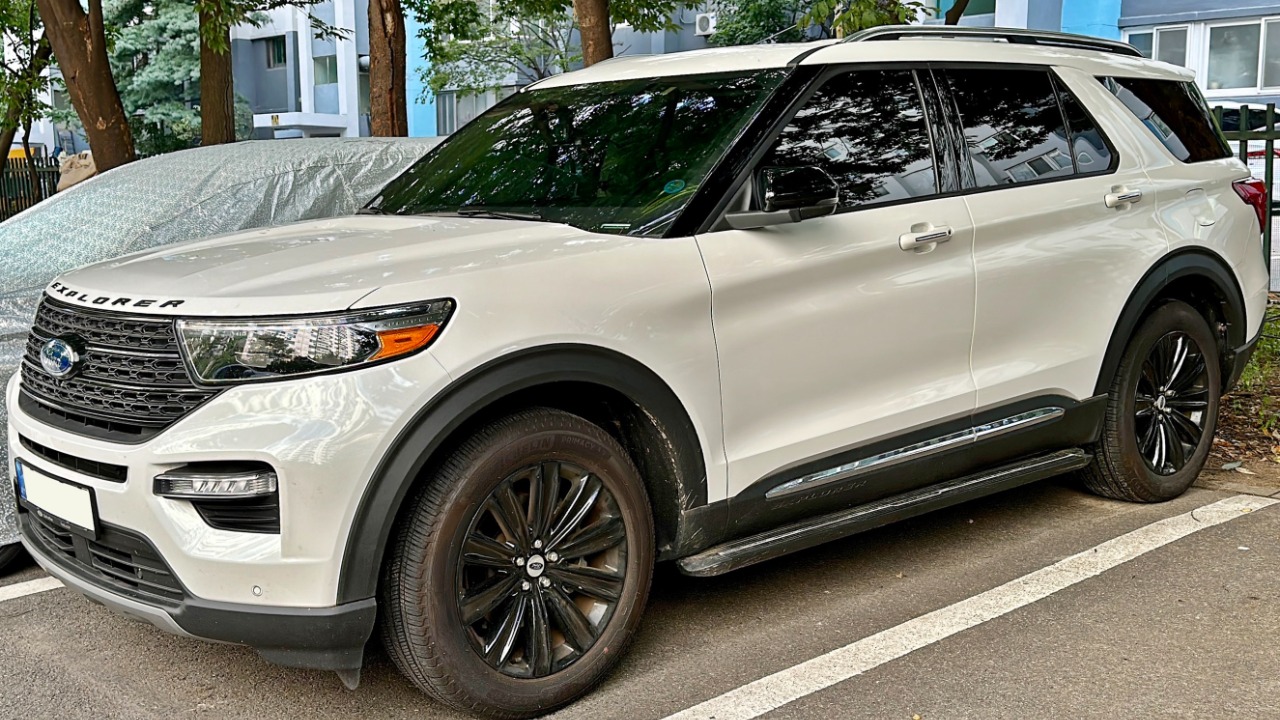
NHTSA’s recall lookup for this model year lists thirty-three separate campaigns filed against Ford’s newly redesigned midsize SUV, more than any other model year in this list. The notices, filed across several years, cover a rollaway risk from unlatched gear selectors, fuel-pump and wiring-harness failures, and seat-frame welds that fell short of Ford’s own specification.
The count reflects a ground-up sixth-generation redesign that paired a new rear-drive platform with electronics still being debugged after launch. Owners of this model year have faced far more recall-notice mail than buyers of a carryover design typically see in the same span.
2. 2021 Ford F-150: A Redesigned Truck Piles Up Notices
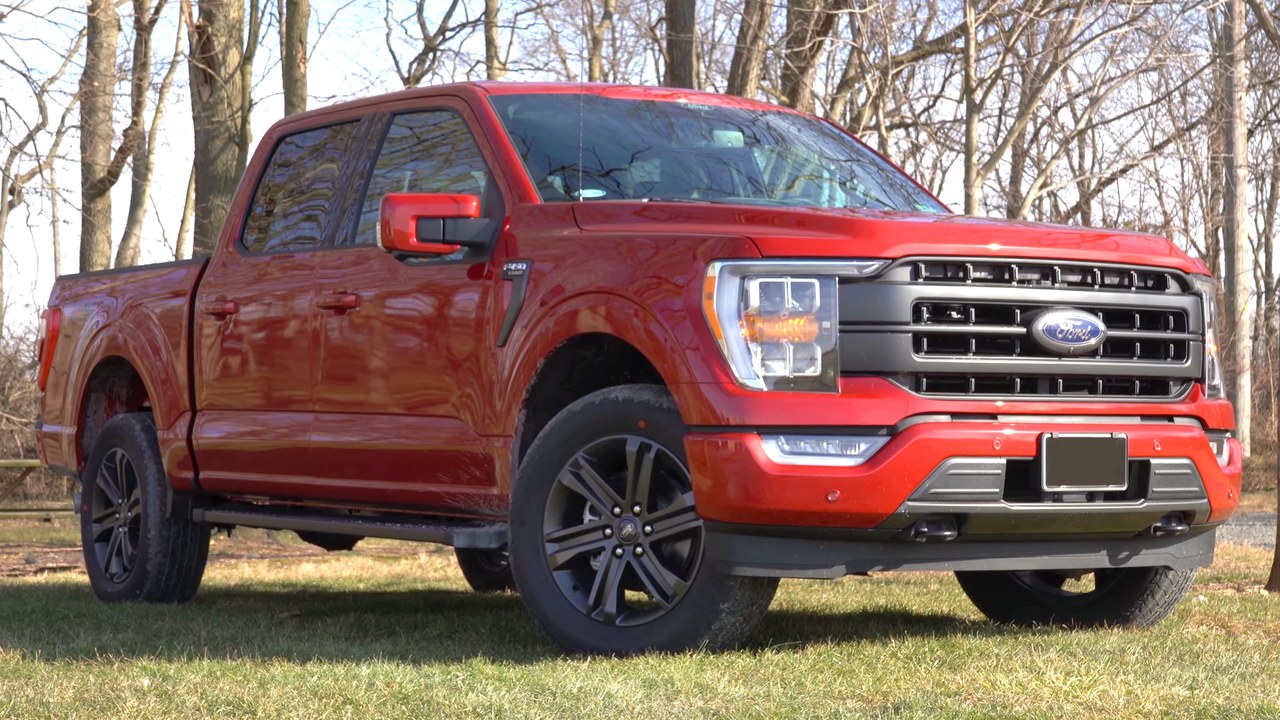
The 2021 F-150, the first model year of Ford’s fourteenth-generation truck, carries twenty-nine recall campaigns on file with federal regulators. The notices range from seatbelt pretensioners that could fail to deploy correctly to door latches, fuel-tank straps, and backup-camera software that needed a fix after the truck reached dealers.
America’s best-selling vehicle sells in high enough volume that even a narrow defect rate translates into a long list of separate campaigns. The redesign also introduced new driver-assistance hardware and a hybrid powertrain option, both of which added fresh systems that had not yet accumulated years of real-world mileage.
3. 2022 Ford F-150: Second Year, Still 23 Recalls
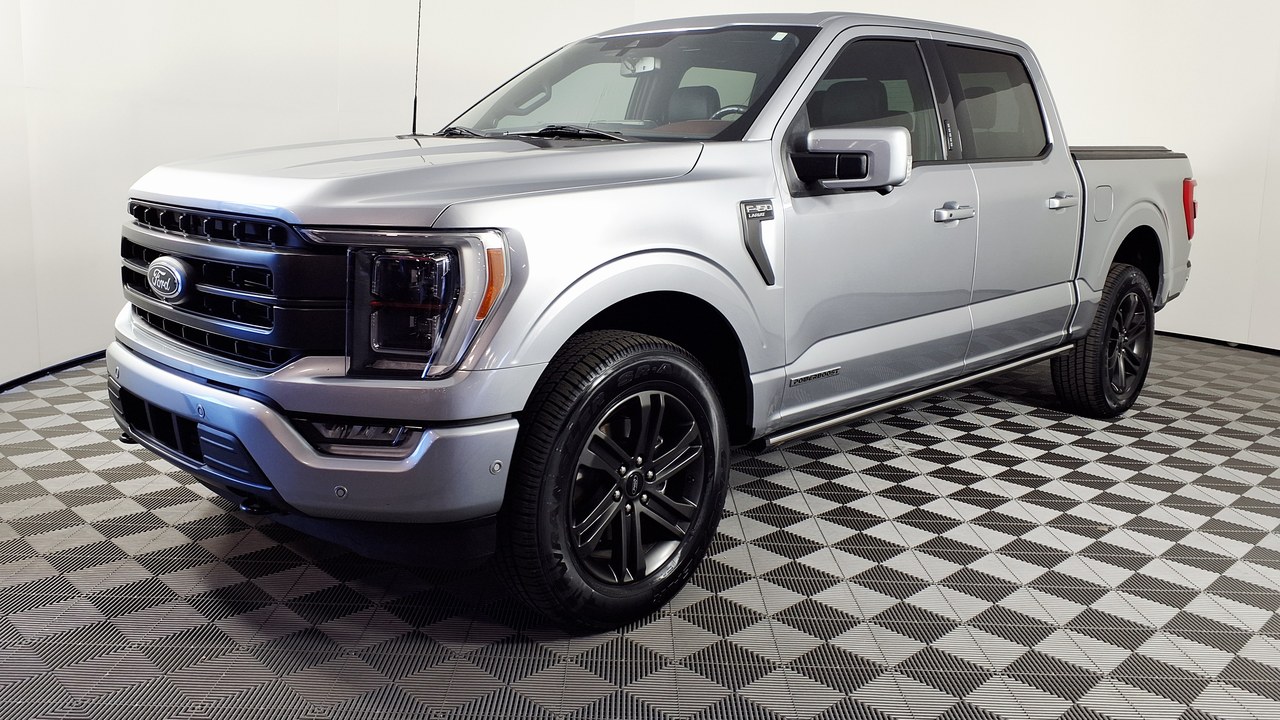
A year later, the 2022 F-150 still carries twenty-three recall campaigns of its own, fewer than its 2021 sibling but still among the highest counts of any truck on the road. Filings include roof-rail airbags, tailgate wiring, and a rearview camera image that could freeze or drop out while the truck was in reverse.
The overlap with the prior model year shows how slowly some fixes propagate through a production line even after engineers identify a problem. A high-volume nameplate built across multiple plants tends to generate more paperwork than a low-volume model with a single assembly site.
4. 2021 Tesla Model 3: Most Fixes Arrive As Software
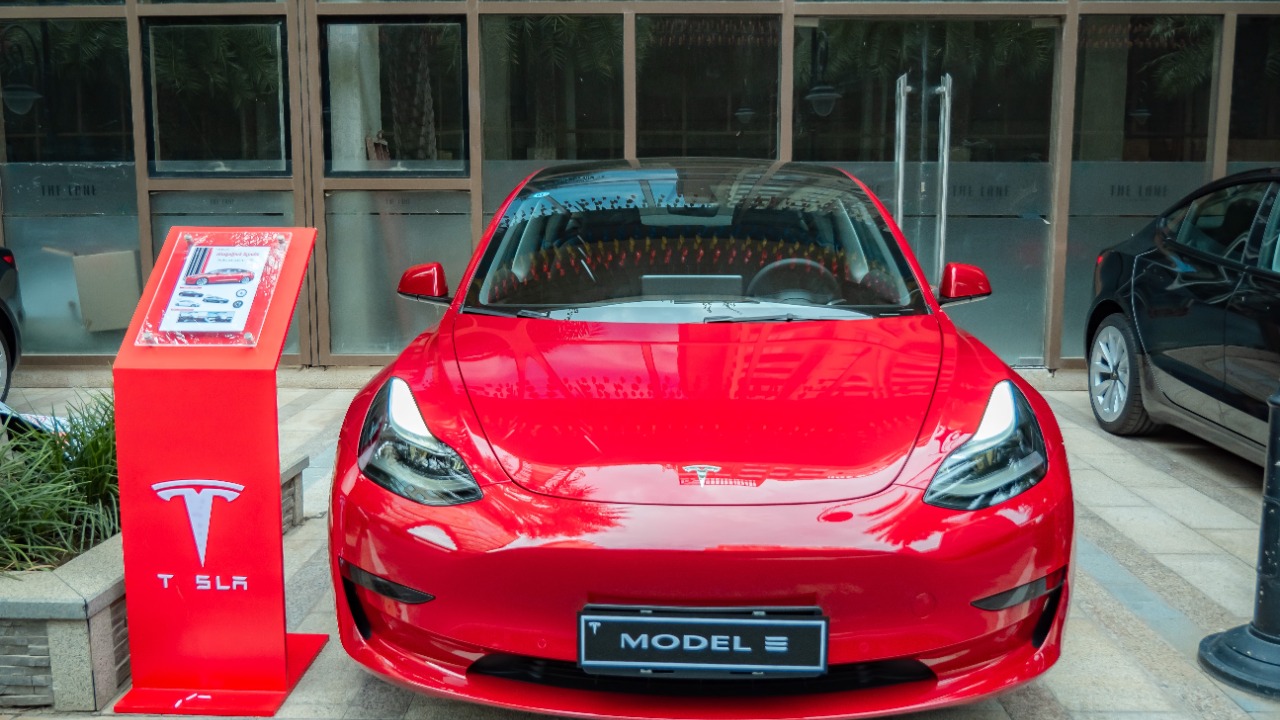
Federal records show twenty-two recall campaigns against the 2021 Model 3, though most were resolved through an over-the-air software update rather than a dealer visit. Issues covered seatbelt chimes that failed to sound, a rearview camera that could stay blank, and touchscreen displays that dimmed or froze in cold weather.
Tesla’s software-defined approach means a defect can reach every affected car within days, but NHTSA still logs each fix as a separate campaign whether or not an owner ever notices it happened. The high count says as much about how the company reports fixes as it does about build quality.
5. 2021 Ford Escape: Battery And Brake Defects Add Up
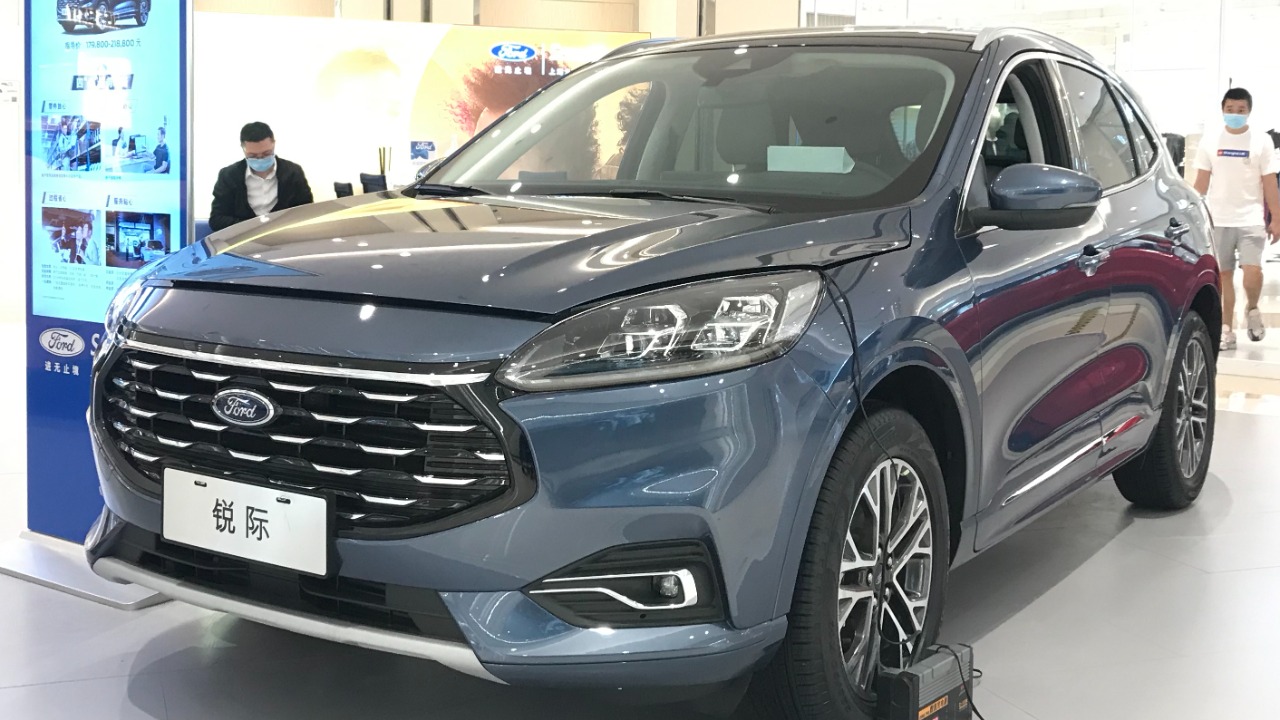
The 2021 Escape, including its hybrid variants, has accumulated nineteen recall campaigns, among the highest totals for a compact crossover. The list includes a high-voltage battery risk in plug-in hybrid models that could lead to a fire and a brake-lining defect that could extend stopping distance in ordinary models.
Sharing a platform and powertrain options with corporate siblings meant a defect found in one version often required a matching campaign across several nameplates built from the same parts bin. The mix of conventional, hybrid, and plug-in hybrid drivetrains under one nameplate multiplied the number of distinct fixes needed.
6. 2021 Volkswagen Atlas: Seventeen Recalls For A Family Hauler
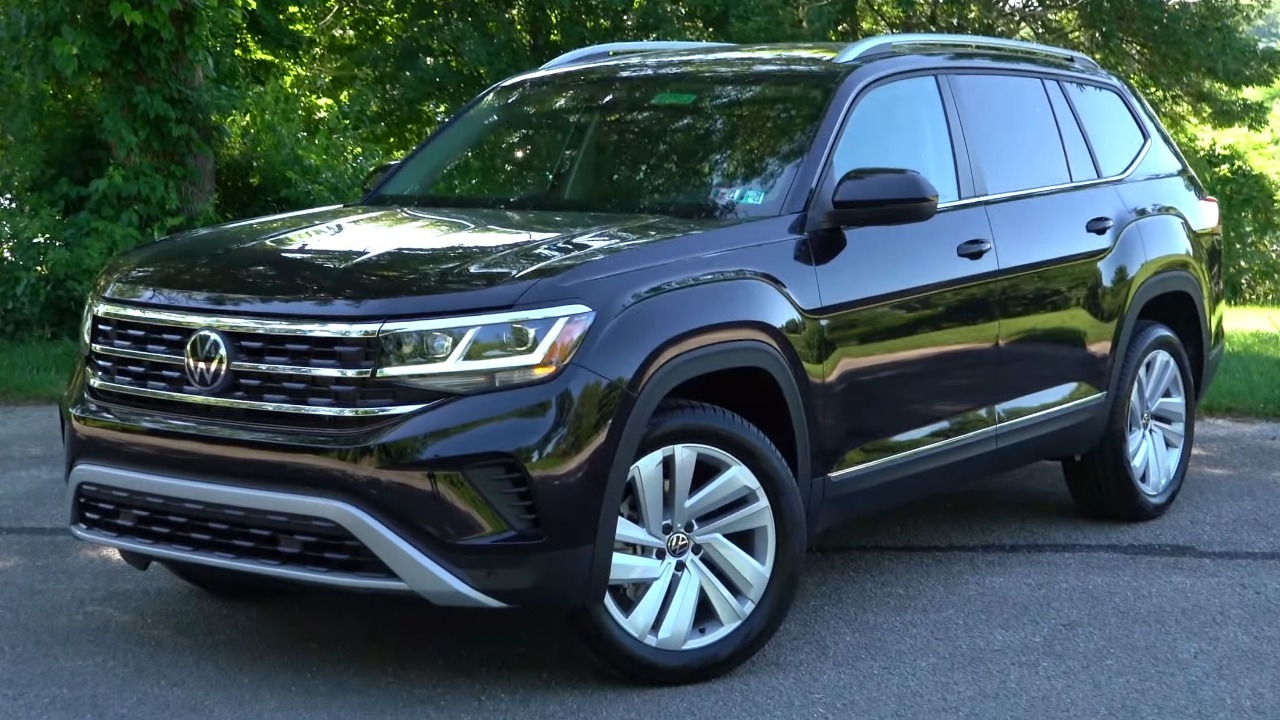
Volkswagen’s three-row Atlas for 2021 carries seventeen recall campaigns, a notable count for a single model year of a nameplate built primarily for family duty. Filings cover a third-row seatback latch that could fail in a crash, a rearview camera display fault, and a fuel-pump control module that could stall the engine.
A vehicle marketed on cargo room and seating for up to seven still depends on the same crash-safety and powertrain systems as any other SUV, and each of those systems can generate its own campaign. Buyers cross-shopping three-row SUVs on space alone rarely see this count before signing.
7. 2021 Ford Bronco Sport: Escape’s Off-Road Sibling Shares Its Flaws
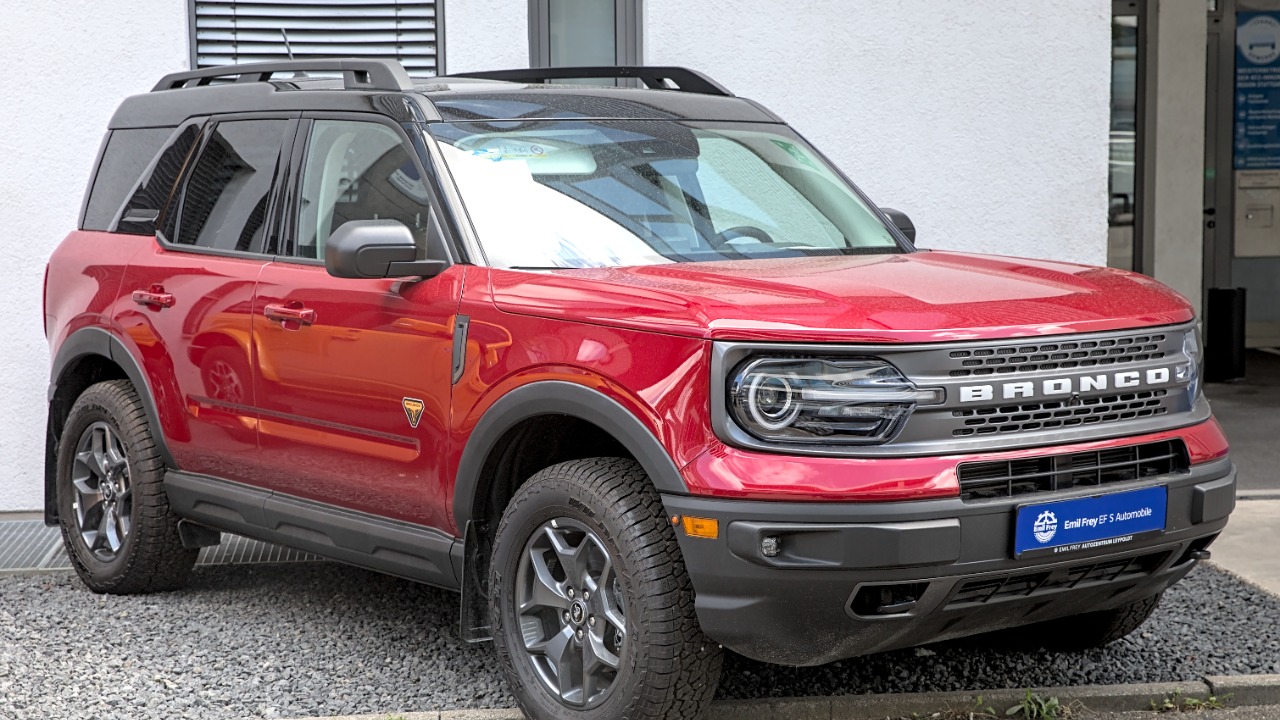
The 2021 Bronco Sport, built on the same platform as the Escape, has logged sixteen recall campaigns of its own. Several notices, including the brake-lining defect and a fuel-injector fire risk, mirror fixes issued for its corporate sibling, since the two crossovers share a factory, an engine lineup, and much of their underlying structure.
Ford marketed the Bronco Sport as a rugged, adventure-ready alternative to the Escape, but the two share enough hardware that a defect rarely stays confined to one nameplate. The overlap illustrates how platform-sharing can spread a single design flaw across multiple recall counts.
8. 2021 Ram 1500: From Spare Tires To Side Airbags
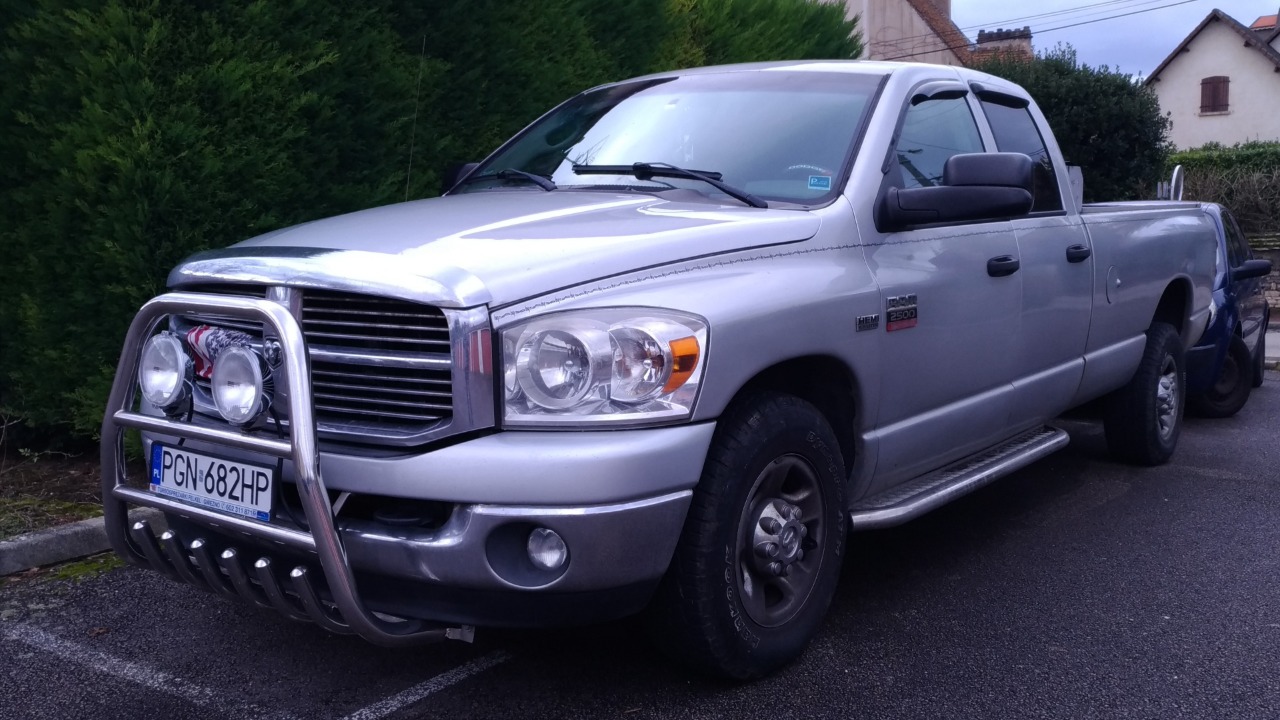
Fifteen distinct notices are on file for the 2021 Ram 1500, per NHTSA’s recall records for the truck. The range is wide: some trucks left the factory with a wrong-size spare tire that would not match the vehicle’s load rating, while a separate campaign addressed side curtain airbags that could fail to deploy properly in a rollover.
The spread between a low-stakes parts mismatch and a safety-critical airbag failure shows that recall counts alone do not sort defects by severity. A truck built in high volume across multiple configurations, from work trucks to loaded crew cabs, tends to rack up more separate filings than a single-trim model.
9. 2021 Jeep Wrangler: Off-Roader Ties For Fifteen Recalls
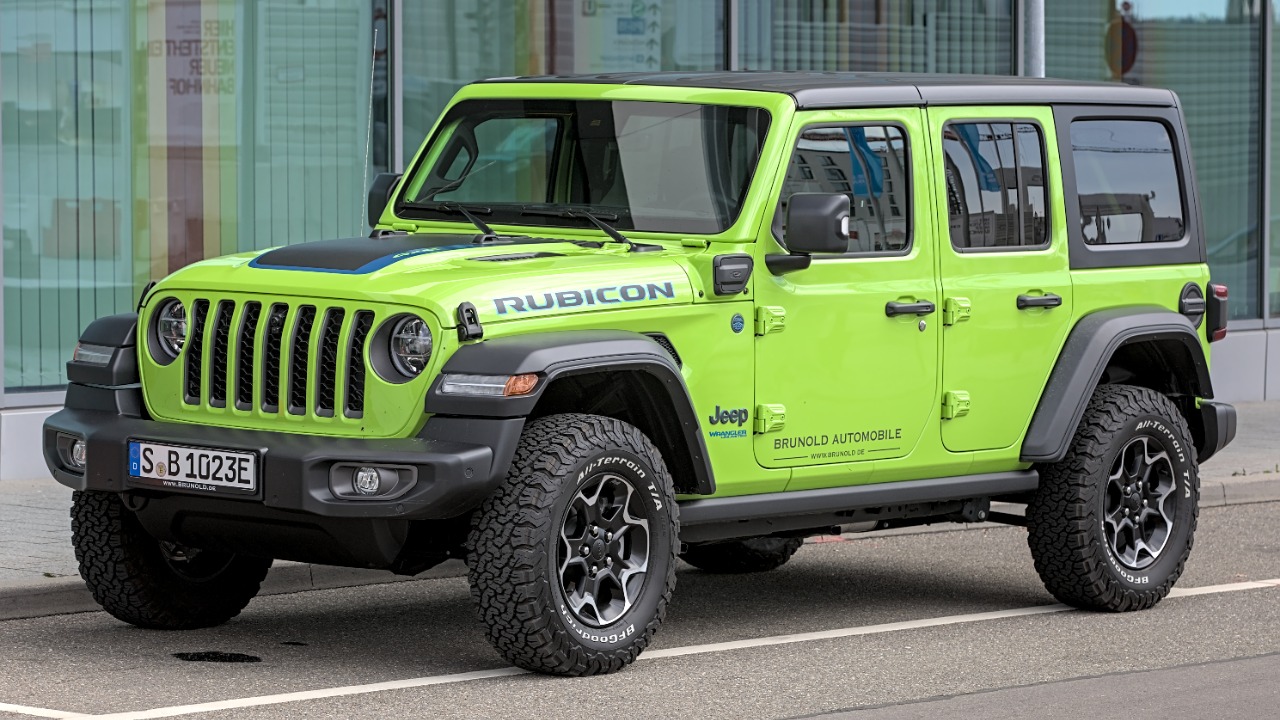
The 2021 Wrangler matches the Ram’s count with fifteen recall campaigns of its own, spanning the gasoline lineup and the newer diesel model. Filings include a clutch assembly that could disengage unexpectedly on manual-transmission trucks and a diesel fuel pump that could fail and leave the engine unable to restart.
Adding a diesel engine option to a nameplate built for decades on gasoline power introduced a fresh set of components with no long-term reliability record, and several of the year’s campaigns trace to that new hardware. A body-on-frame off-roader with removable doors and a folding windshield also carries mechanical complexity that ordinary SUVs do not.
10. 2022 Toyota Tundra: Even Toyota’s Truck Isn’t Immune
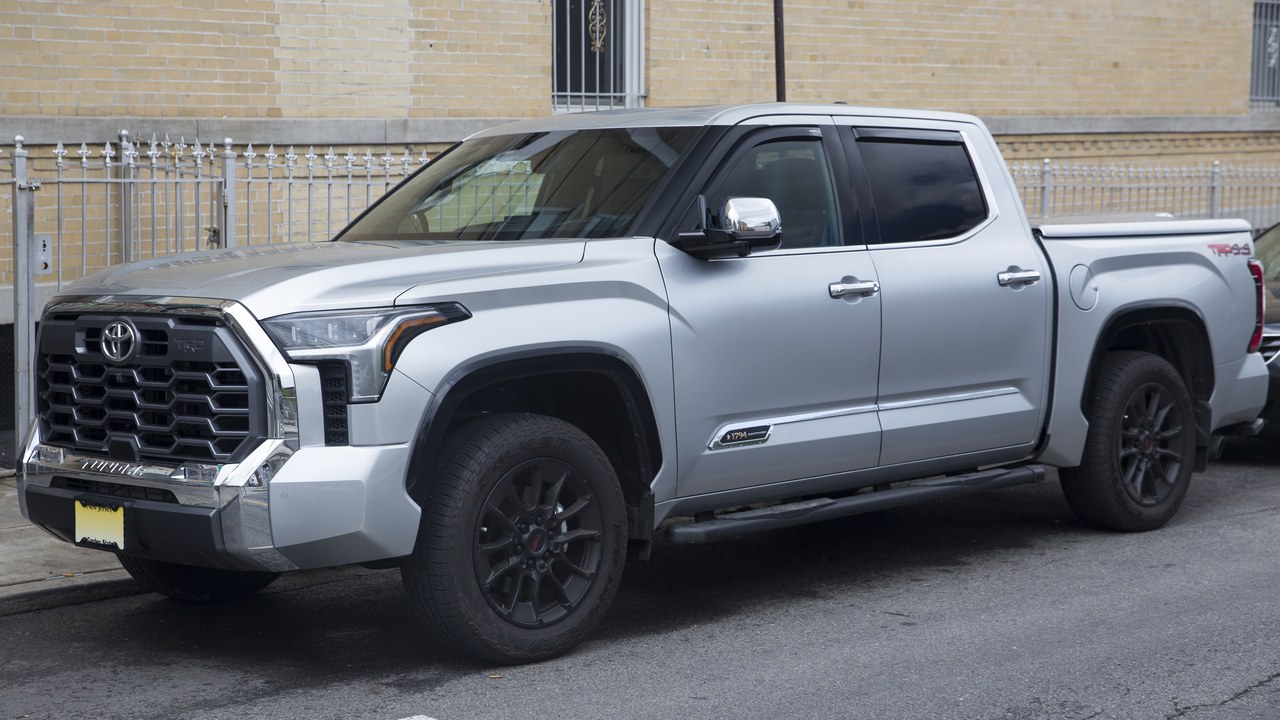
The redesigned 2022 Tundra, the first full overhaul of Toyota’s full-size pickup in over a decade, carries thirteen recall campaigns, a count that stands out against the brand’s reputation for reliability. Notices cover a frame that could corrode and separate from the body, and a fuel-tank strap defect that could allow the tank to detach in a crash.
A ground-up redesign, like the Explorer and F-150 entries above it, tends to introduce new parts before they have years of field data behind them, and Toyota was not exempt from that pattern. The brand’s reputation for durability is built on long-term ownership data, not on a clean recall sheet in a model’s first year.
More from Morning Overview
