
Unmanned aircraft moved from experimental curiosities to everyday military tools within a couple of decades. The hardware ranges from large surveillance platforms to small loitering munitions, and the figures below come from official fact sheets and one comparison table, so some are older than the current fleet. Here are ten drones that illustrate the shift.
Read next on Morning Overview: The FAA wants $2.39 million from a flight school it says flew a Cessna about 280 times with an unapproved part
1. MQ-9 Reaper: The Armed Workhorse
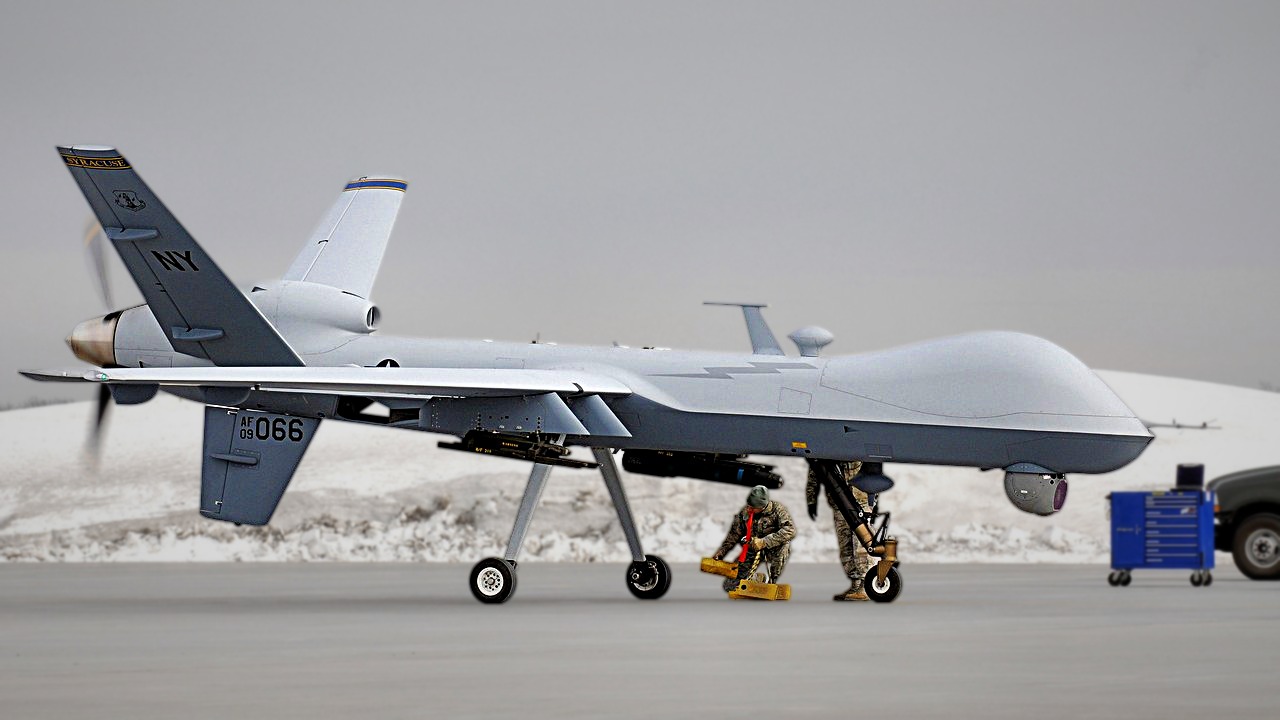
The Air Force fact sheet, hosted by Creech Air Force Base, describes the MQ-9 Reaper as an armed multi-mission remotely piloted aircraft with a 66-foot wingspan, a ceiling up to 50,000 feet and four Hellfire missiles. It is medium-altitude and long-endurance.
The fact sheet is current as of September 2020, so later upgrades are not reflected here. The Reaper stands as the clearest example of a surveillance drone turned hunter-killer, and its published ceiling gives a sense of its reach. It remains among the best-known examples of a remotely piloted aircraft that carries weapons as well as sensors.
2. MQ-1 Predator: Where Armed Drones Began
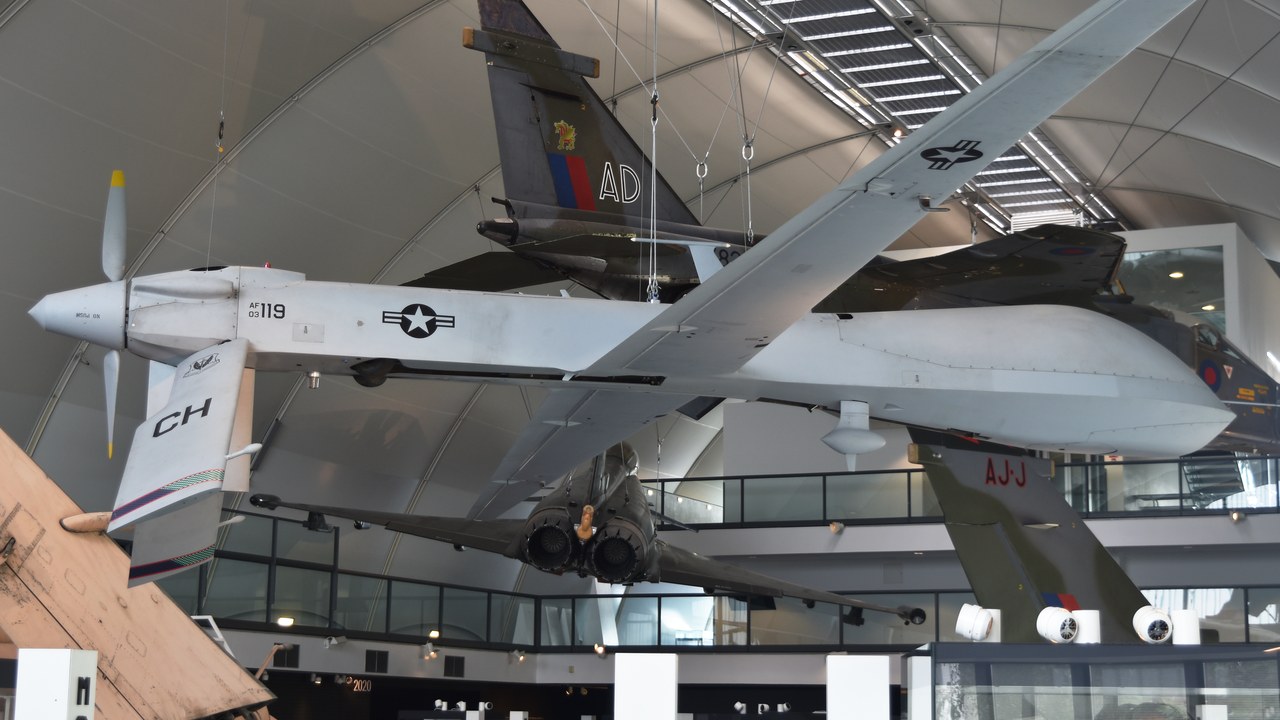
The Air Force describes the MQ-1B Predator on its Predator fact sheet as an armed, multi-mission, medium-altitude, long-endurance remotely piloted aircraft. Its main job is intelligence collection, with strikes on dynamic execution targets listed as secondary.
That order of duties is the interesting part: the Predator earned its place as an eye in the sky first and a weapons carrier second. The source gives role details rather than performance numbers. Readers should keep in mind that the fact sheet speaks of the MQ-1B variant and does not describe later developments or retirement plans.
3. RQ-4 Global Hawk: High-Altitude Watcher
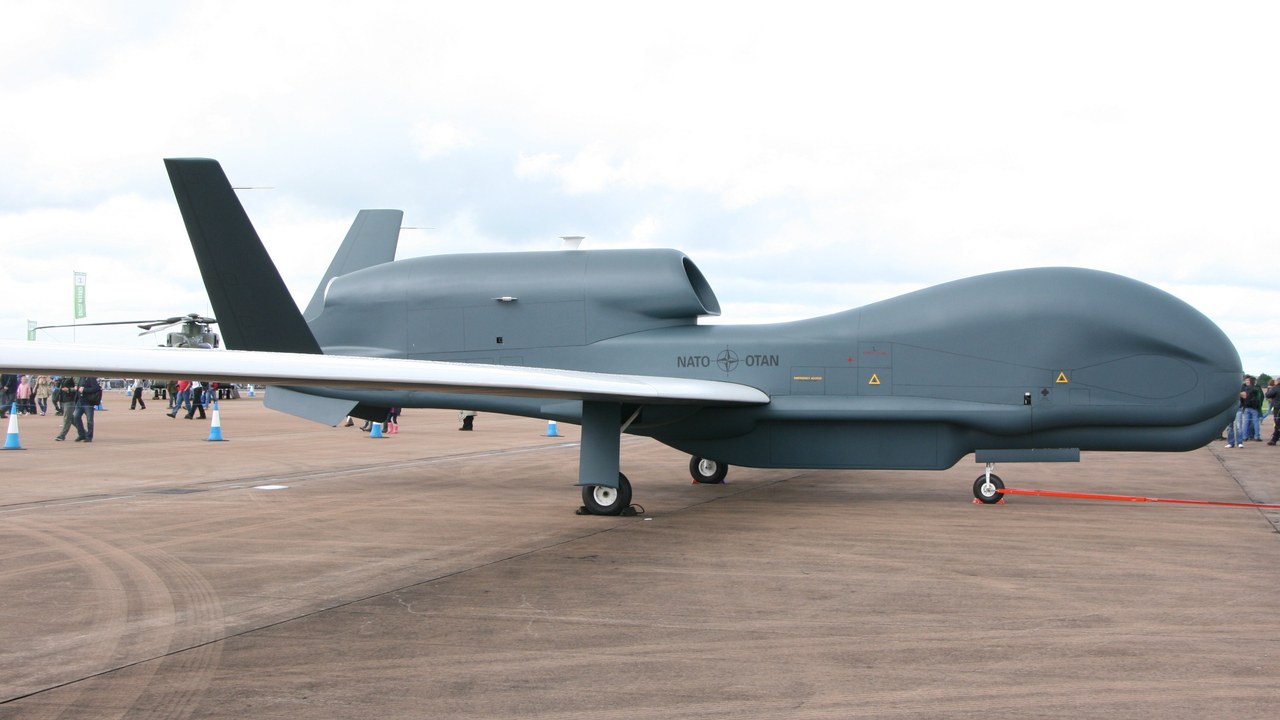
The Air Force’s unmanned aircraft fact sheet list describes the RQ-4 Global Hawk as a high-altitude, long-endurance remotely piloted aircraft carrying a sensor suite for all-weather, day-or-night intelligence, surveillance and reconnaissance.
Unlike the armed drones above it, the Global Hawk is about seeing, not striking. The source offers a role description without dimensions or ranges, so the entry rests on what the aircraft does rather than how fast or far it flies. It shows how surveillance has become a core military mission performed without a pilot on board at all.
4. RQ-7 Shadow: Brigade-Level Eyes
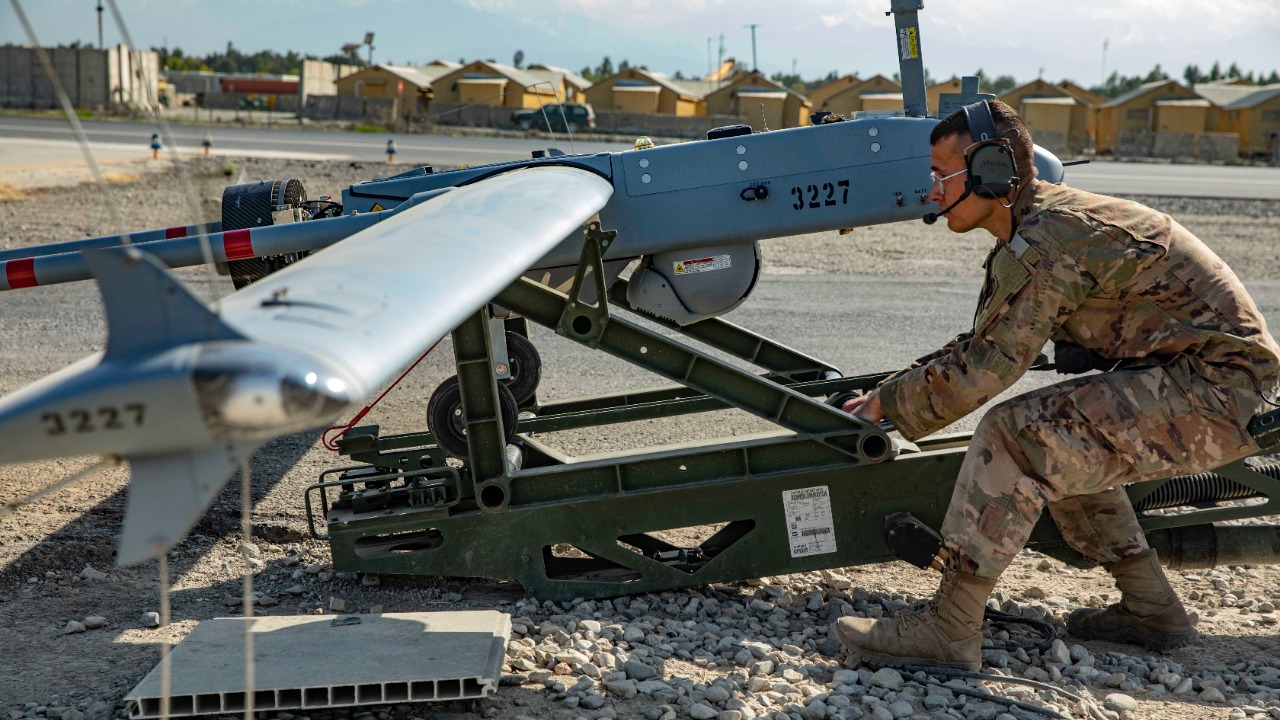
An August 2009 Army article says in its Army aviation drone overview that the RQ-7B Shadow is assigned directly to brigade combat teams and is typically operated and supported by a platoon of 22 Soldiers.
That detail captures how drones changed ground warfare: a unit commander got an aircraft of his own. The article is more than a decade old, so the staffing figure describes the arrangement as published then, not necessarily today. For a reader, it shows that even small units began to receive their own aerial reconnaissance, a notable change from earlier practice.
5. MQ-4C Triton: Persistent Maritime Patrol
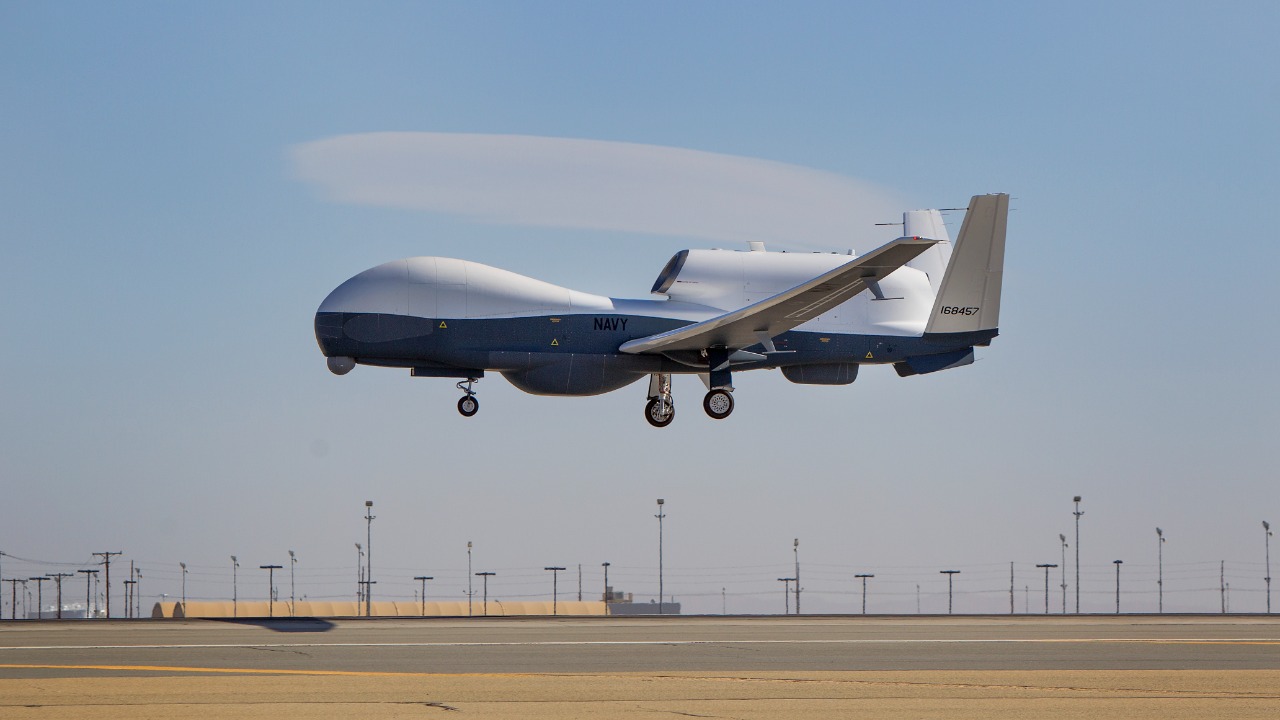
The Navy’s MQ-4C Triton fact file lists a 130.9-foot wingspan and 24-plus hours of endurance, with the aircraft flying persistent maritime intelligence, surveillance and reconnaissance. The page was last updated on September 28, 2021.
A wingspan that wide places the Triton among the largest drones on this list. The endurance figure explains its value over open water, where staying on station matters more than speed. The page date matters, since the fact file may not capture later changes to the aircraft or its operators.
6. ScanEagle: Small Drone, Big Wars
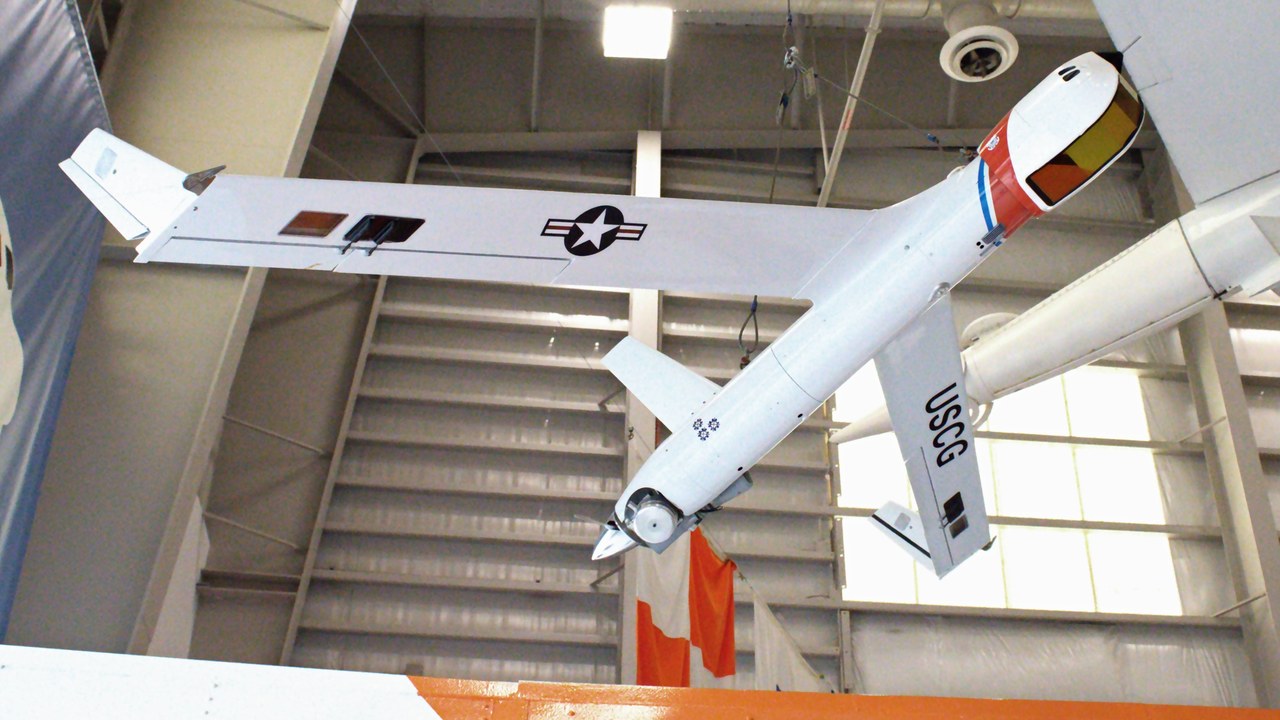
The Navy history site says in its unmanned aerial vehicles topic page that the Fire Scout and Scan Eagle platforms were used during Operation Enduring Freedom and Operation Iraqi Freedom. ScanEagle shares that sentence with its helicopter counterpart.
The source ties the ScanEagle to two named campaigns but gives no specifications, so its place here rests on that combat record. The wording is quoted as published by the Navy. Readers should also remember that the Navy page is a history overview, so it supports the wartime use but not specific performance claims.
7. MQ-8 Fire Scout: A Helicopter Drone
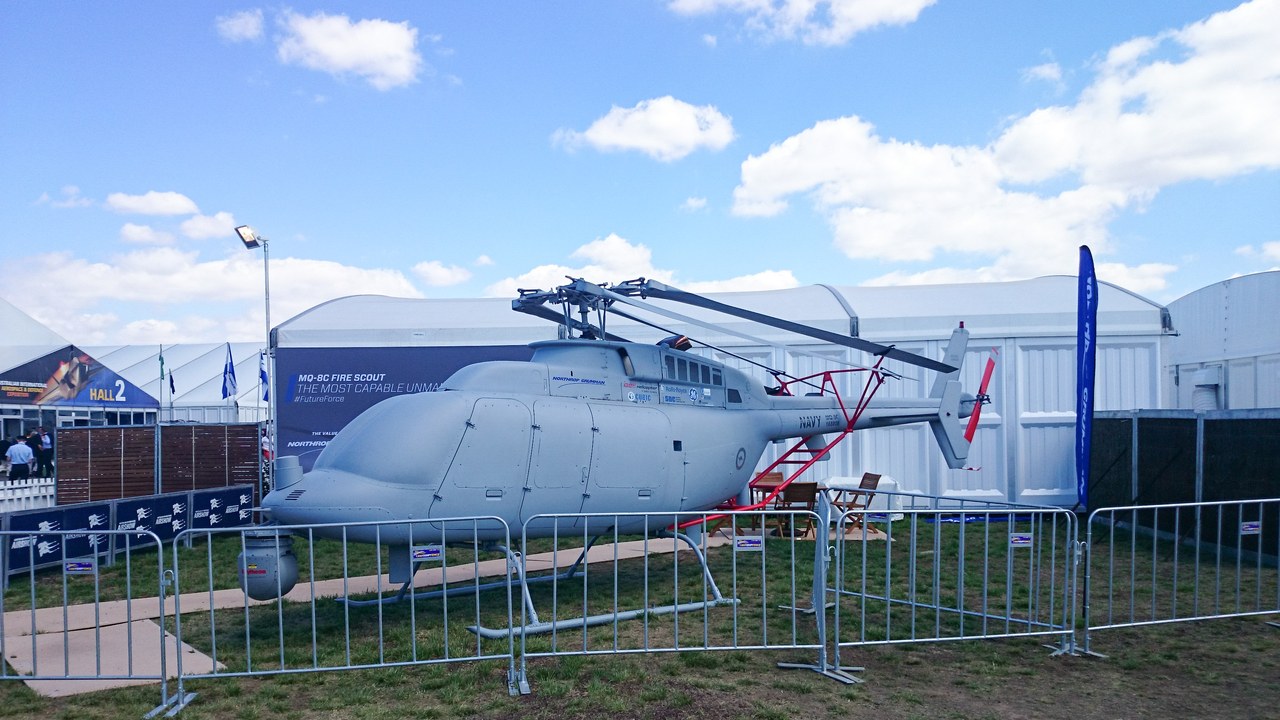
The Navy history site shows an MQ-8B Fire Scout conducting hover checks on February 24, 2020, and says in its drone history page that the platform was used in Operation Enduring Freedom and Operation Iraqi Freedom.
The Fire Scout is a reminder that unmanned aircraft are not all fixed-wing. The February 2020 photo caption is a dated snapshot of testing, not a statement of the platform’s current status. The photo caption describes a test event, so it should not be read as proof of any particular operational deployment.
8. Bayraktar TB2: Endurance Listing

A 2023 comparison by the Missile Defense Advocacy Alliance, its world drone comparison table, lists the Bayraktar TB2 with a 12-meter wingspan, a 300 km range, 27 hours of endurance and a 150 kg payload.
The table does not label the drone’s country of origin, and the figures come from a single advocacy-group comparison. Even so, the endurance and payload numbers explain why the TB2 became a common point of reference in discussions of modern drone warfare. Because the comparison comes from an advocacy organization rather than a manufacturer, the table is a useful if secondary reference.
9. RQ-11 Raven: The Drone Thrown by Hand
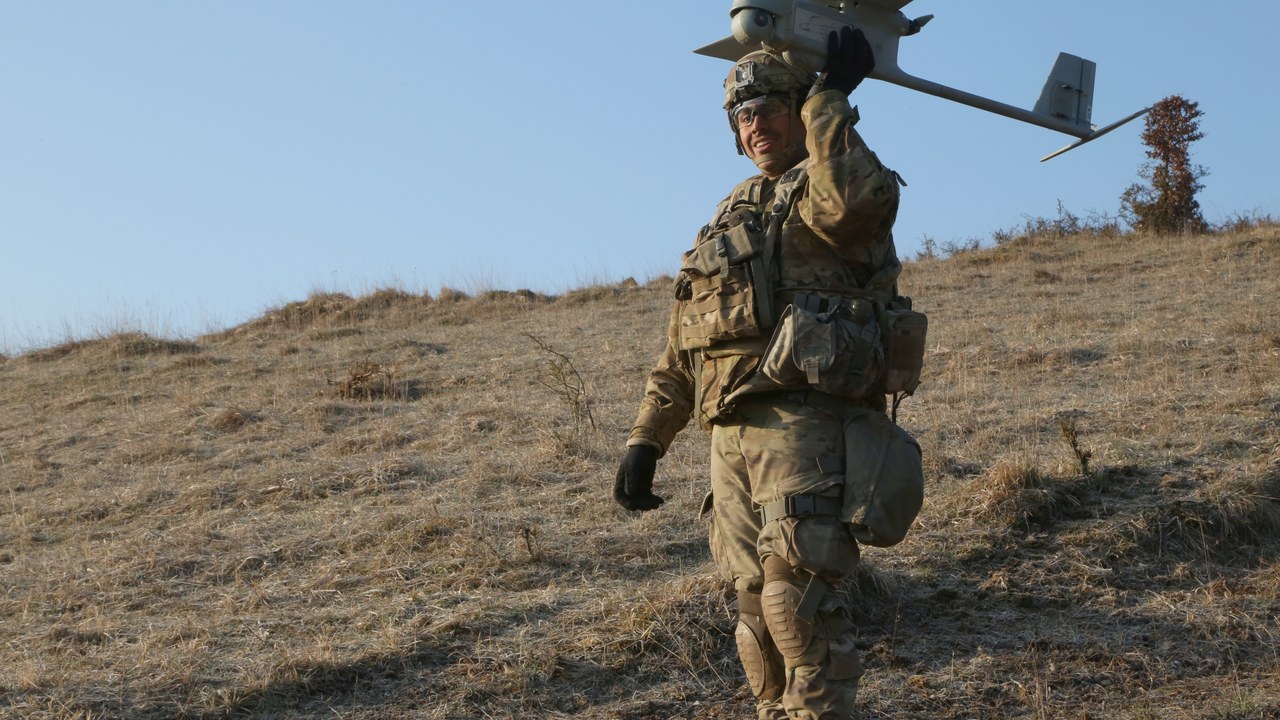
Not every drone that changed the battlefield needed a runway. The Army describes the RQ-11B Raven as a hand-launched system in its November 2014 Raven overview: the aircraft weighs 4.2 pounds, spans 4.5 feet, flies for about 90 minutes and works out to roughly ten kilometers.
Two soldiers can operate it, and no specialist job code is required, which put an aerial view in the hands of small ground units rather than distant command centers. The Army’s page lists it as operational in contingency operations worldwide, though it does not give a fielded count.
10. Switchblade 600: Loitering Munition
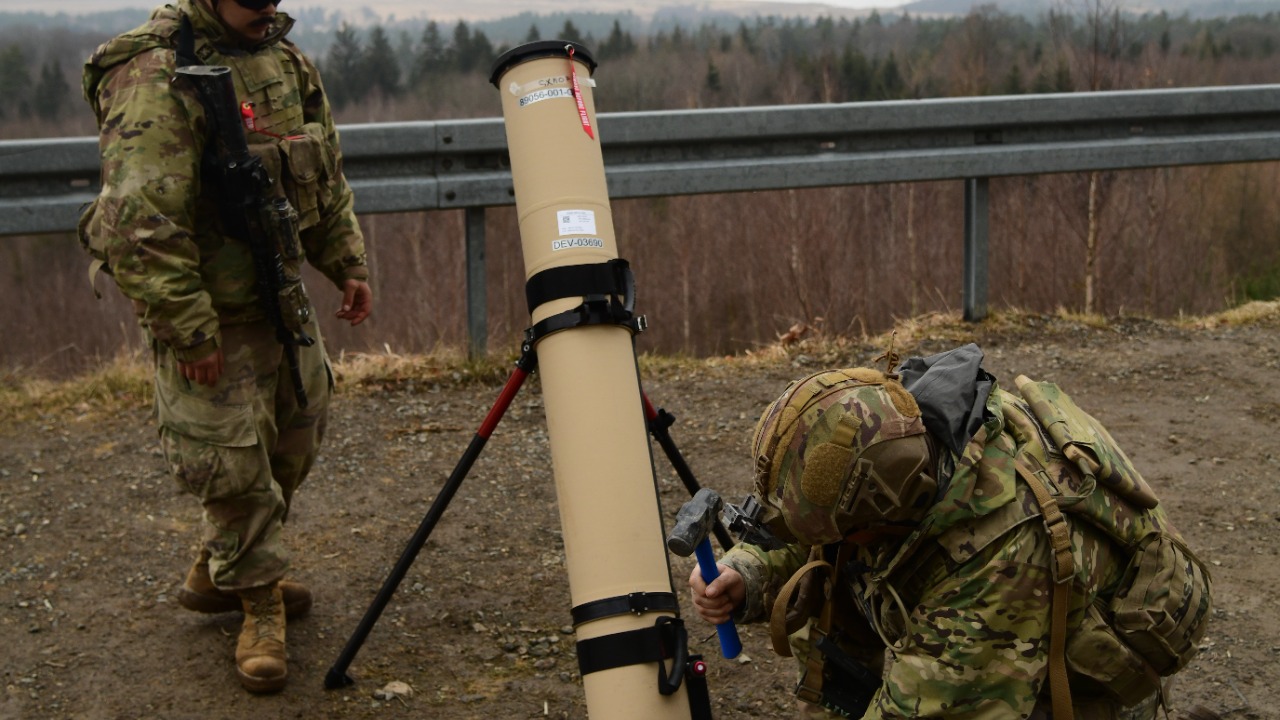
The Missile Defense Advocacy Alliance’s August 2023 loitering munition comparison lists the Switchblade 600 at a 40 km range, 185 km/h speed and a 15 kg payload, and labels it as American.
The Switchblade is a different category from the surveillance aircraft above, a drone that doubles as a weapon. The numbers are the table’s, and they describe a single comparison snapshot rather than a full specification. Its listed 40 km range is short next to the other types here, which matches its role as a close-range system.
More from Morning Overview
- Arizona’s governor declared a statewide emergency after Flagstaff logged its wettest Nov. 1 on record
- Zero Motorcycles unveiled an electric motorcycle targeted at under $8K and a street-legal dirt bike at EICMA
- New FCC rules on how people can stop robocalls and texts take effect Nov. 25
- Neanderthals in Spain carved a wooden object that matches nothing archaeologists have ever found
