
American cars from the 1970s and early 1980s absorbed new emissions rules and fuel-economy pressure so fast that horsepower ratings collapsed almost overnight, even on cars that still looked muscular. A big-block V8 that once churned out hundreds of horses could suddenly struggle to outrun a modern economy car. Here are ten malaise-era cars whose spec sheets still surprise anyone who assumes bigger engines always meant more power.
1. 1975 Chevrolet Corvette: Fewer Horses Than The Original
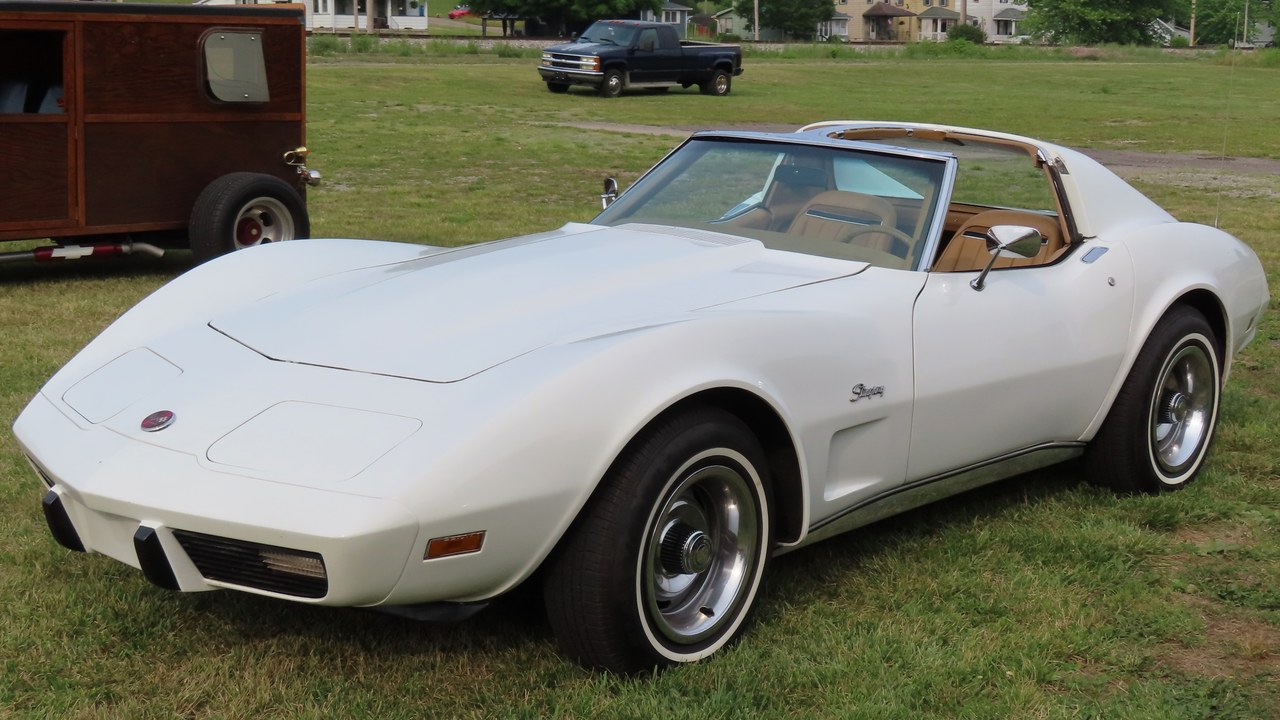
The 1975 Corvette’s base V8 made just 165 horsepower, a startling number for a car marketed as America’s sports car and one that undercut even the original 1955 Corvette’s output, a figure that would embarrass even a modern compact hatchback.
Buyers cross-shopping a new Corvette in the mid-1970s were paying sports-car money for a V8 that made roughly 30 fewer horses than the model’s first generation two decades earlier, a gap that emissions equipment and lower-octane fuel had opened up, a change that reshaped what the Corvette name was even supposed to mean.
2. 1975 Pontiac Firebird Trans Am: A Big Block, Modest Output
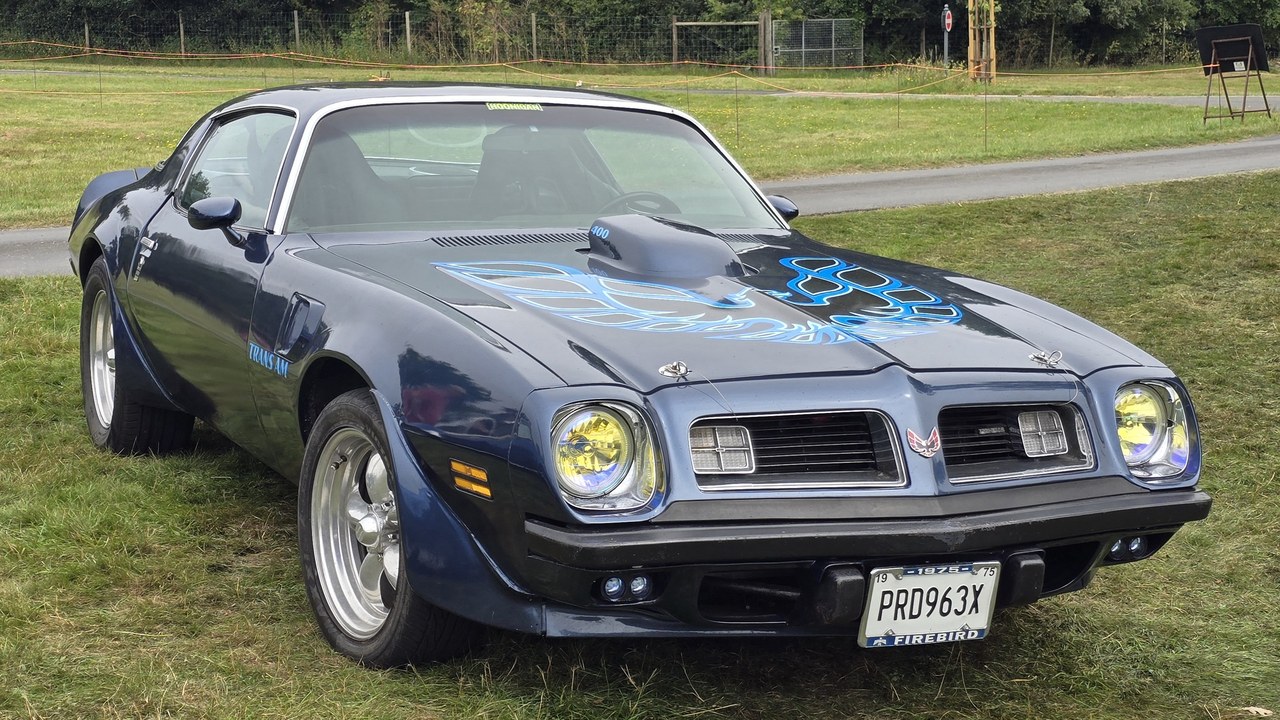
The Trans Am’s 400-cubic-inch V8, a genuinely large engine by any era’s standard, made only 185 horsepower in 1975, a figure that would have seemed absurd a decade earlier, when a smaller V8 could still deliver real performance without today’s emissions hardware.
A displacement that large usually promised muscle-car performance, but emissions controls and lower compression ratios meant the Trans Am’s V8 was making barely enough power to match a modern four-cylinder sedan while burning far more fuel doing it, a mismatch between size and output that became the era’s signature disappointment.
3. 1975 Dodge Charger: Down From Nearly 420 Horses
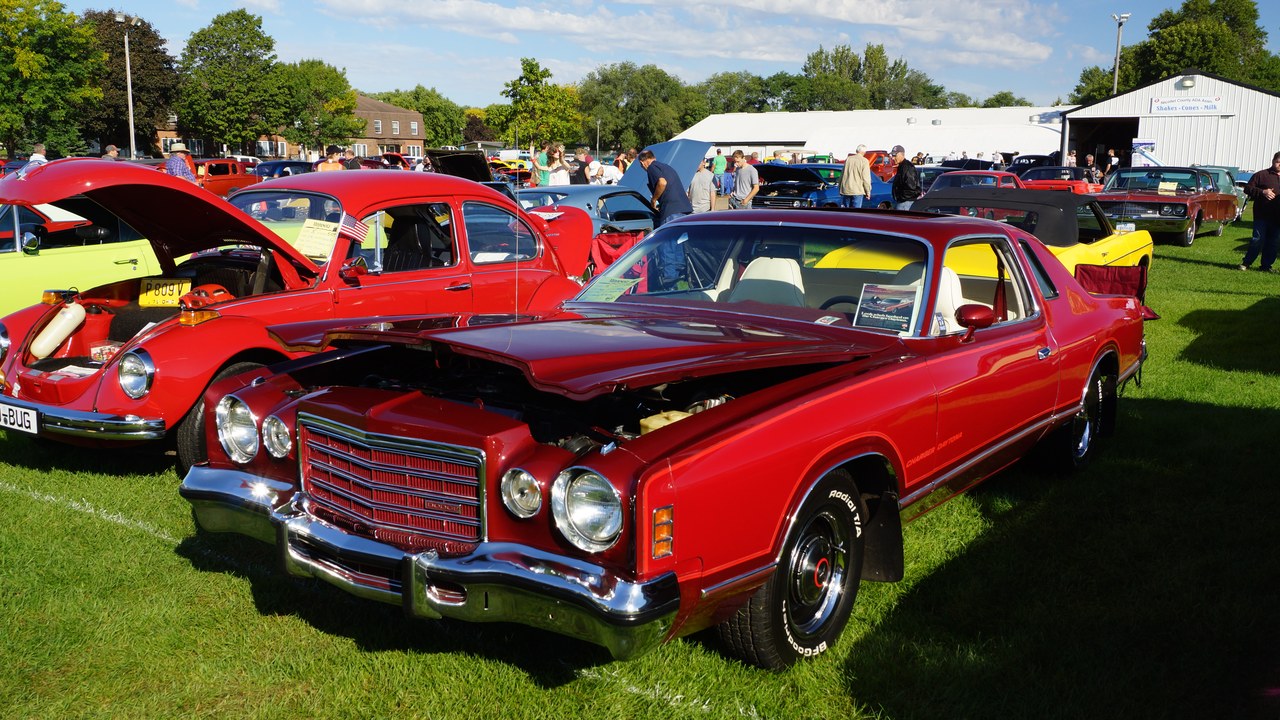
The Charger’s 7.2-liter V8 produced barely over 212 horsepower in 1975, a steep drop from the nearly 420 horses Chrysler’s Hemi-powered Charger had made just seven years earlier in 1968, a decline that stunned buyers who remembered the Charger as a genuine muscle car.
Losing more than half the engine’s output while keeping nearly the same displacement showed just how aggressively emissions equipment, lower compression, and unleaded gasoline strangled big-block performance in only a few model years, even as the engine itself barely changed in size.
4. 1974 Ford Mustang II: A Mustang Cut To 105 Horses
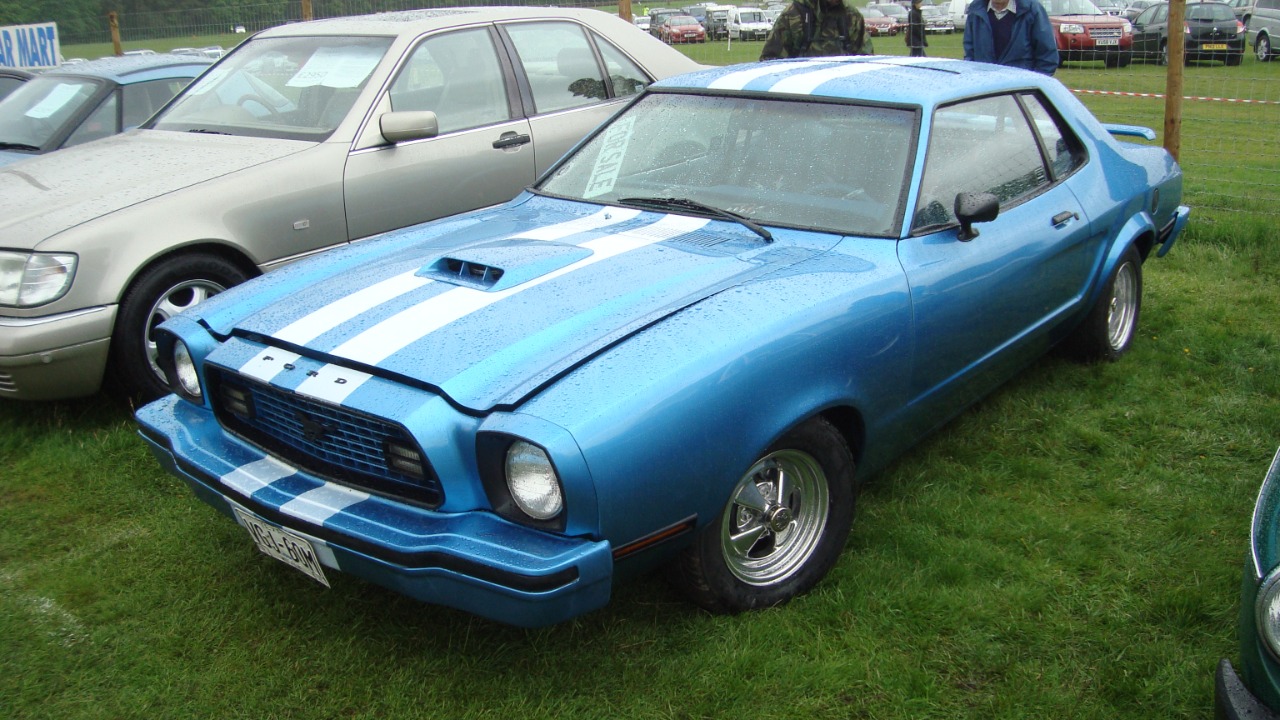
The redesigned Mustang II peaked at just 105 net horsepower, a sharp fall from the 266 horsepower the outgoing Mustang had offered only a year before, a number that made the once-legendary nameplate feel like a different car entirely.
The smaller Mustang II arrived just as the 1973 oil crisis reshaped what American buyers wanted, trading the pony car’s traditional muscle for better fuel economy and a lighter platform, even if that meant a car nowhere near as quick as the one it replaced.
5. 1976 Cadillac Eldorado: The Biggest Engine’s Steepest Fall
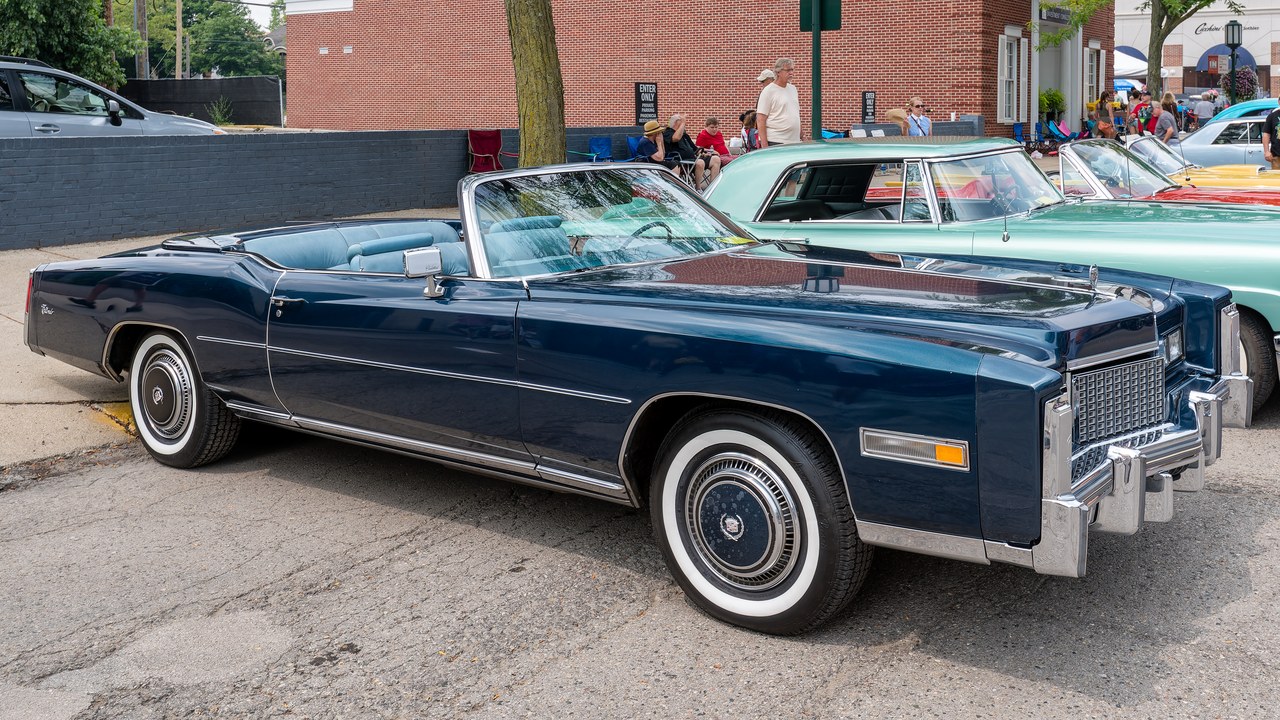
Cadillac’s enormous 500-cubic-inch V8 made 400 gross horsepower in 1970, and by 1976 that same engine was rated at just 190 horsepower in the Eldorado, a decline that spanned barely half a decade of increasingly strict tailpipe rules.
Some of that decline reflects a switch from gross to net horsepower measurement, but even accounting for the measurement change, the largest V8 General Motors ever built was producing less than half its earlier rating within just six model years, a fall few luxury buyers of the era would have predicted.
6. 1981 Cadillac Sedan de Ville V8-6-4: Cylinders That Shut Themselves Off
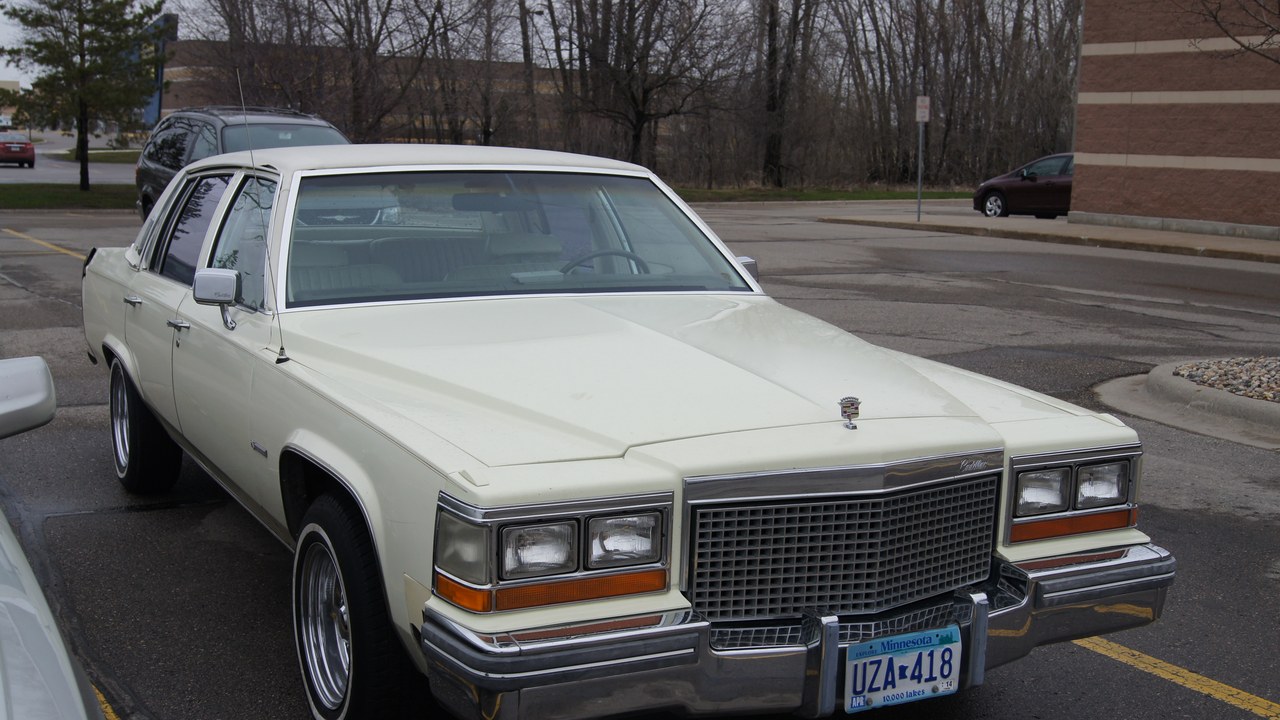
Cadillac’s experimental V8-6-4 engine could deactivate cylinders on the fly to save fuel, yet the 6.0-liter unit in the 1981 Sedan de Ville still made only 140 horsepower, a modest number for a full-size luxury flagship of its day.
The technology was ahead of its time in concept, using primitive computer controls to shut down cylinders under light load, but owners complained of rough running and dealers often disconnected the system entirely, leaving a full-size luxury sedan with modest power and a reputation for reliability trouble.
7. 1975 Ford Granada: 46 Pounds For Every Horse
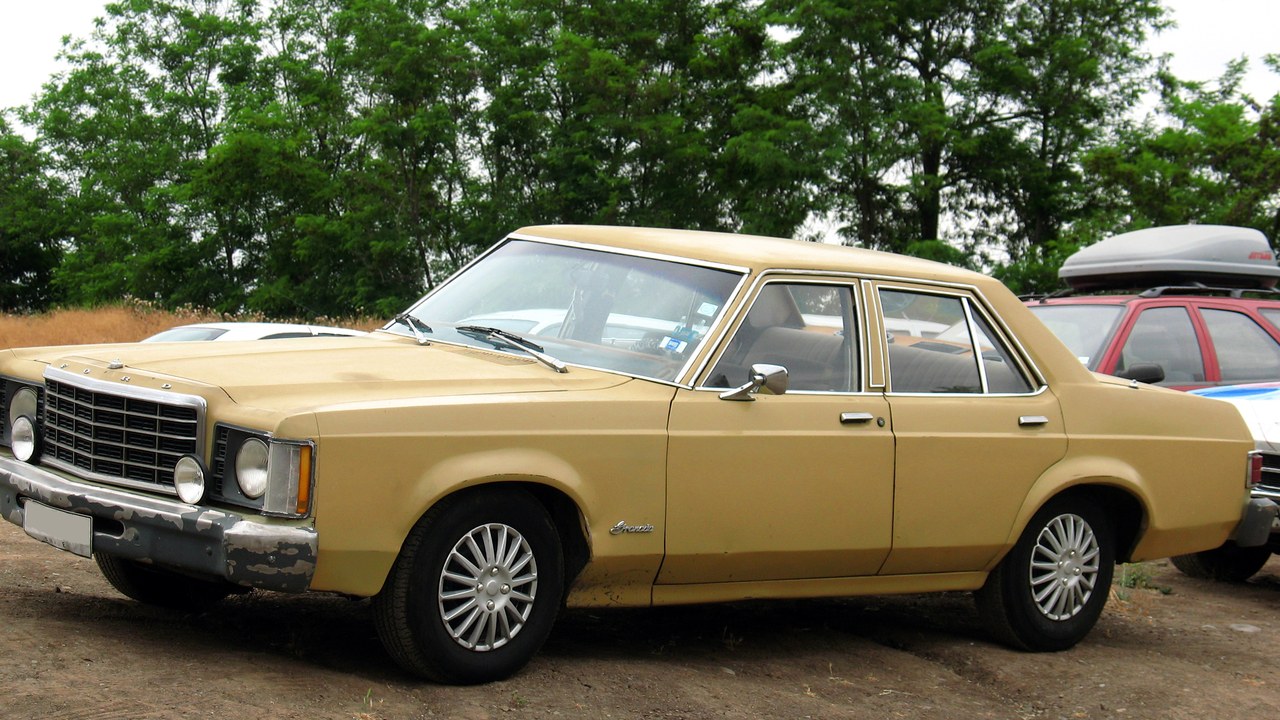
Curbside Classic’s ranking put the Granada’s 250-cubic-inch inline six at 72 horsepower, hauling a 3,342-pound sedan at a ratio of 46.4 pounds for every horsepower the engine made, a figure Curbside Classic flagged among the weakest of the entire malaise era.
That weight-to-power ratio put the mid-size Granada closer to a heavy-duty truck than a passenger sedan in terms of effort per pound, and drivers accustomed to earlier Fords found the six-cylinder version particularly sluggish merging onto a highway or climbing a modest grade.
8. 1981 Chrysler Newport: A Six-Cylinder Full-Size Sedan
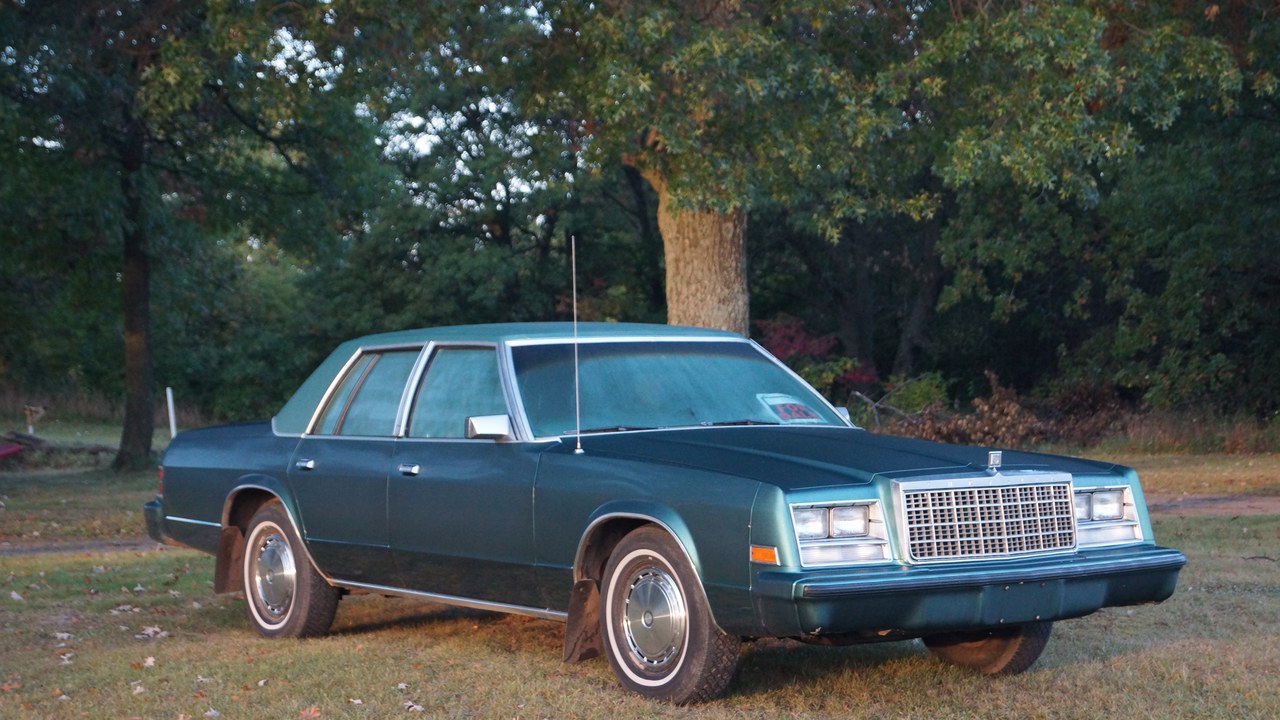
Chrysler’s dependable 225-cubic-inch Slant-Six made only 85 horsepower in the 1981 Newport, according to Curbside Classic’s data, yet it still had to move a full-size sedan weighing 3,515 pounds, a pairing that left the sedan feeling underpowered even by the standards of its own era.
Offering a six-cylinder engine in a full-size car had once been reserved for base-model economy trims, but by the early 1980s it had become Chrysler’s practical answer to fuel prices, even if acceleration in the Newport suffered noticeably as a result.
9. 1973 Chevrolet Bel Air: One Hundred Horses, Two Tons
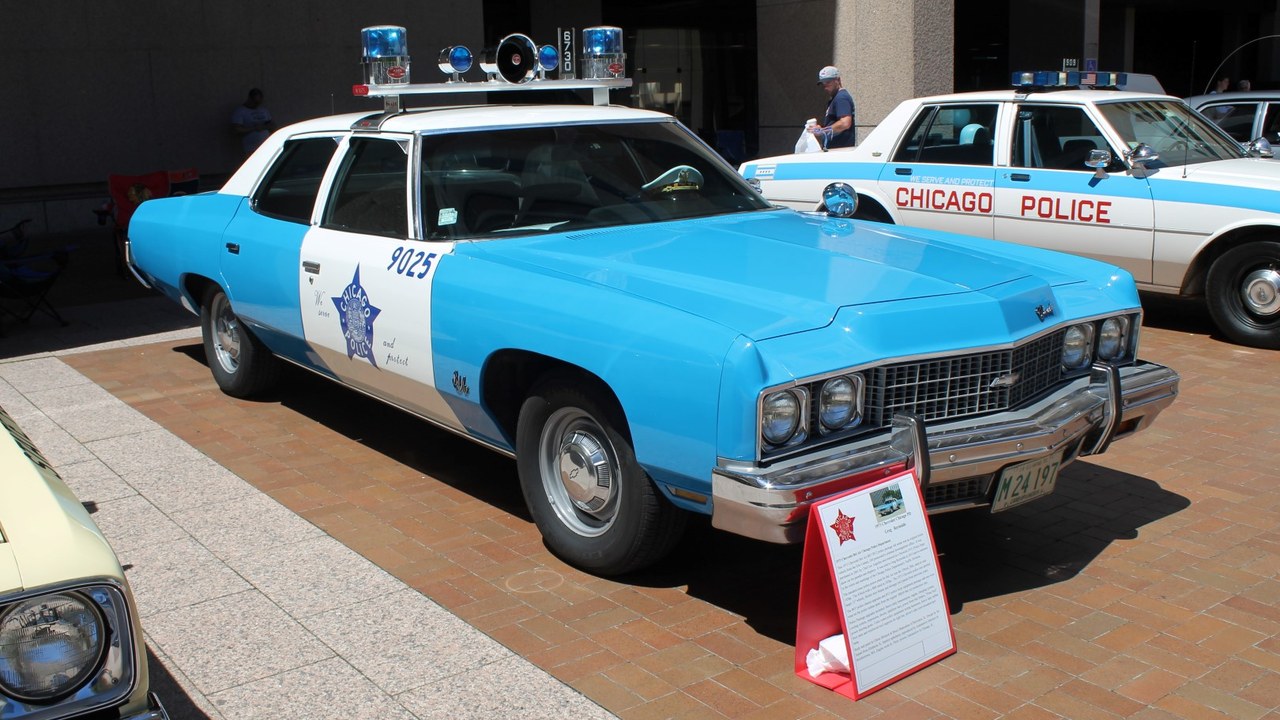
The 1973 Bel Air’s 250-cubic-inch six made 100 horsepower, per Curbside Classic’s figures, in a full-size sedan that weighed a substantial 4,087 pounds, one of the least powerful full-size domestic sedans sold that entire model year.
A round 100 horsepower sounds adequate on paper, but spread across more than two tons of full-size Chevrolet, the Bel Air’s six-cylinder version needed a long run-up to reach highway speed and struggled further once passengers or cargo added to the load, a combination that made the Bel Air feel noticeably slower than its 1960s predecessors.
10. 1973 Ford Pinto: A Subcompact At 54 Horses
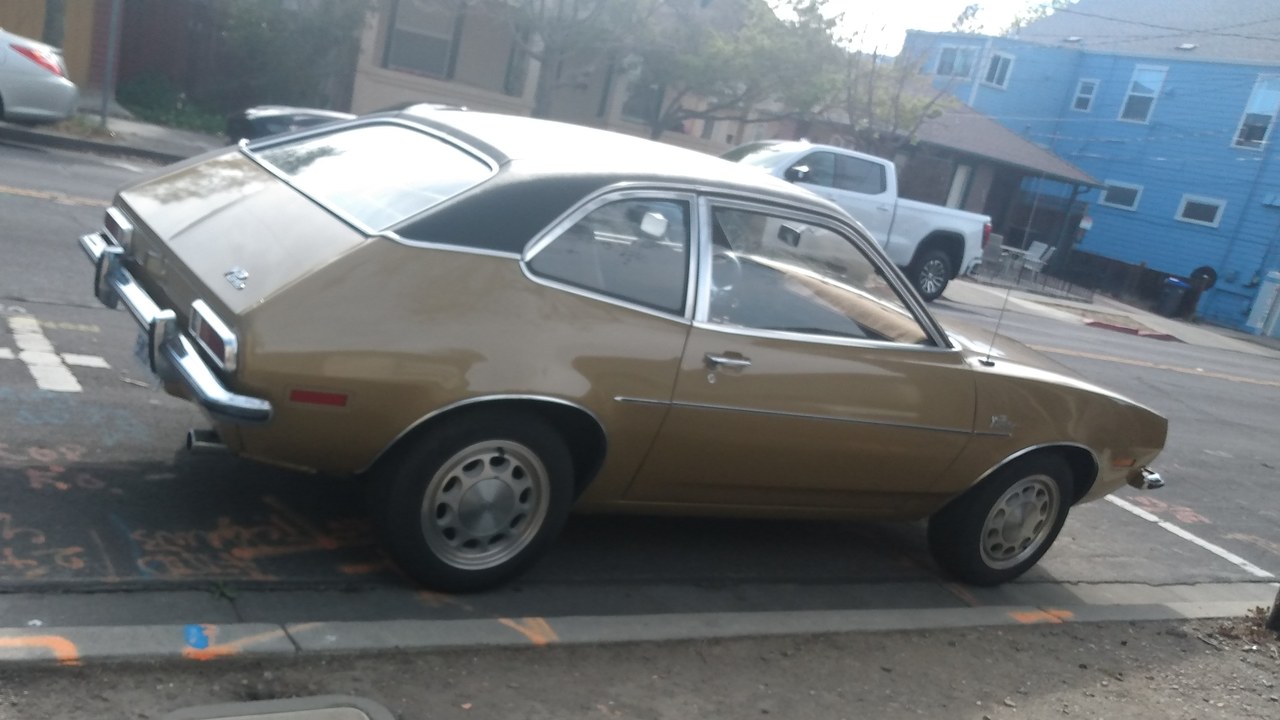
Ford’s subcompact Pinto used a 1.6-liter four-cylinder engine that made just 54 horsepower in 1973, among the lowest outputs Curbside Classic found anywhere in its malaise-era ranking, a modest figure even by subcompact standards of the time.
Even for a small, lightweight car, 54 horsepower left almost no margin for passing on a two-lane road or merging onto a fast-moving highway, and it illustrated how far even the smallest, simplest American engines had fallen under the same emissions rules that hobbled bigger V8s.
More from Morning Overview
- Four U.S. startups fired up their first small nuclear reactors, aiming to power AI data centers on-site
- Card skimmers hidden on gas pumps and ATMs are draining accounts, and here’s the tell
- Doctors warn a silent liver disease now affects one in three American adults
- Hackers are hijacking outdated home routers, and the FBI named the models to check
