
Every rule that makes modern air travel safe was written after something went wrong. Some airliners were grounded outright, while others carried a hidden flaw that only a disaster or a near-disaster exposed. Here are ten airliners whose design problems forced regulators, manufacturers and airlines to change how planes are built, maintained and flown.
Read next on Morning Overview: Over 20 trillion gallons of rain fell on the Four Corners states and Nevada in two weeks
1. de Havilland Comet: The Square-Window Lesson
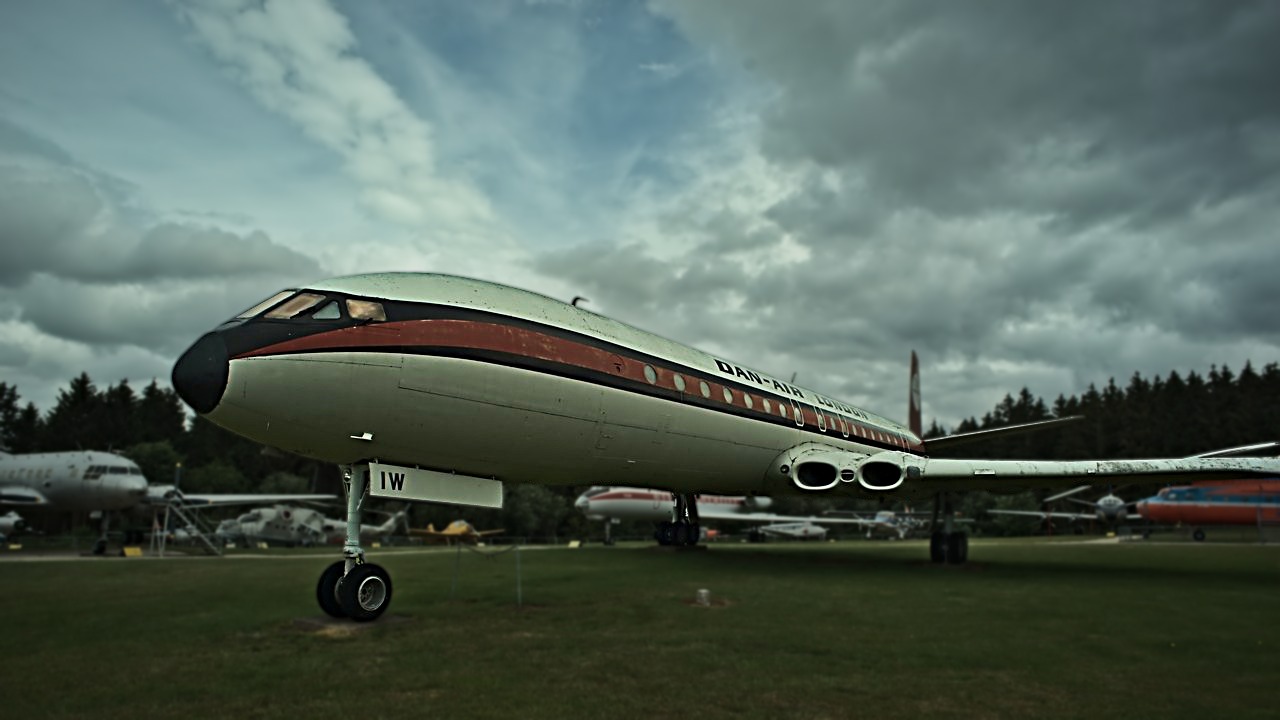
The world’s first jet airliner suffered a string of in-flight breakups before investigators found that its fuselage fatigue life was far shorter than testing had shown, the FAA’s lessons-learned library explains. BOAC Flight 781 fell into the sea off Elba on January 10, 1954, and a second Comet broke up near Naples on April 8.
Tests showed the relatively squarish windows created stress concentrations far higher than expected, fatiguing the metal at their corners. The fleet was grounded indefinitely, and it took four years for the Comet to return to airline service, as the Comet 4.
2. Lockheed L-188 Electra: Wings That Tore Away
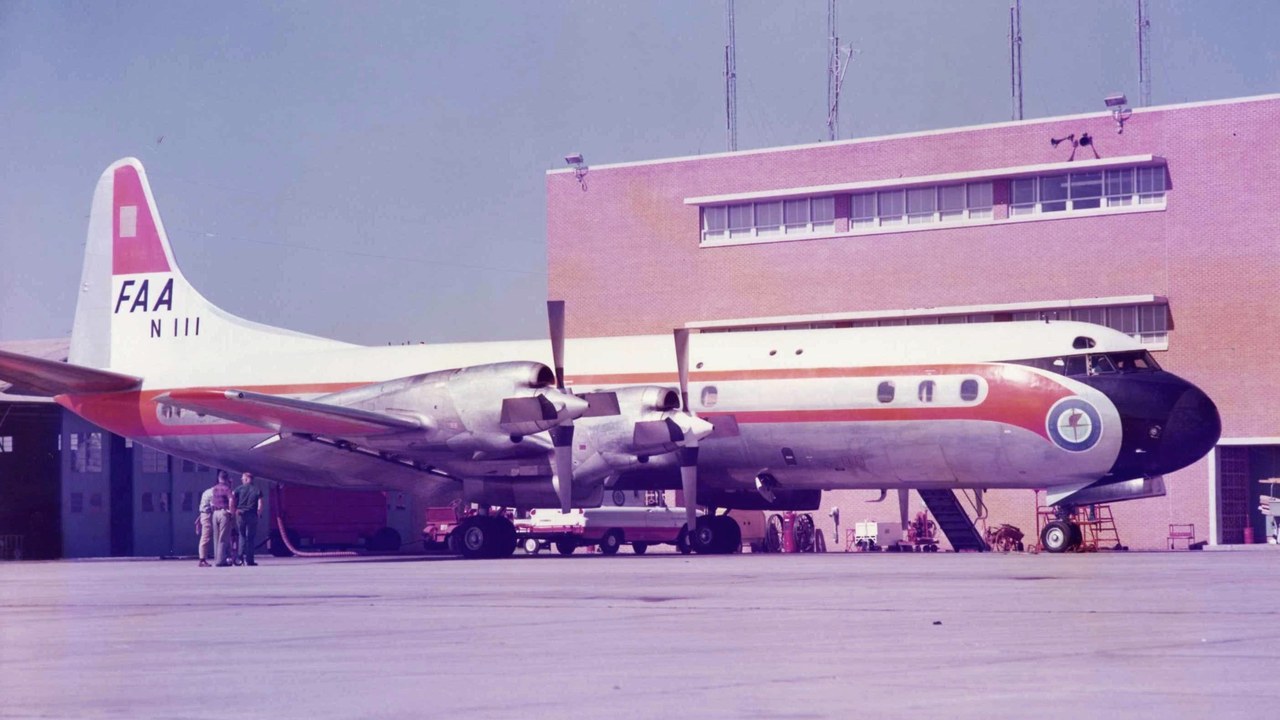
Two Lockheed Electras lost a wing in flight within six months: Braniff Flight 542 near Buffalo, Texas, on September 29, 1959, and Northwest Flight 710 near Cannelton, Indiana, on March 17, 1960, FAA records show.
Both were traced to destructive wing flutter set off by a propeller whirl mode, which could build once an engine mount was weakened. The FAA capped the Electra’s never-exceed speed at 245 knots, and Lockheed redesigned the engine mounts, nacelles and wing. No Electra accident has been blamed on whirl-mode flutter since.
3. McDonnell Douglas DC-10: The Certificate Pulled
On May 25, 1979, the left engine and pylon of American Airlines Flight 191, a DC-10, tore away during takeoff from Chicago O’Hare, and the jet crashed, killing all 271 people aboard and two on the ground, according to the FAA’s account.
The pylon had been damaged when it was reinstalled with a forklift during maintenance. Inspections found nine more cracked mounts, and the FAA revoked the DC-10 type certificate for 37 days. Certification rules were later changed to address vital maintenance tasks.
4. Boeing 737 MAX: Grounded for 20 Months
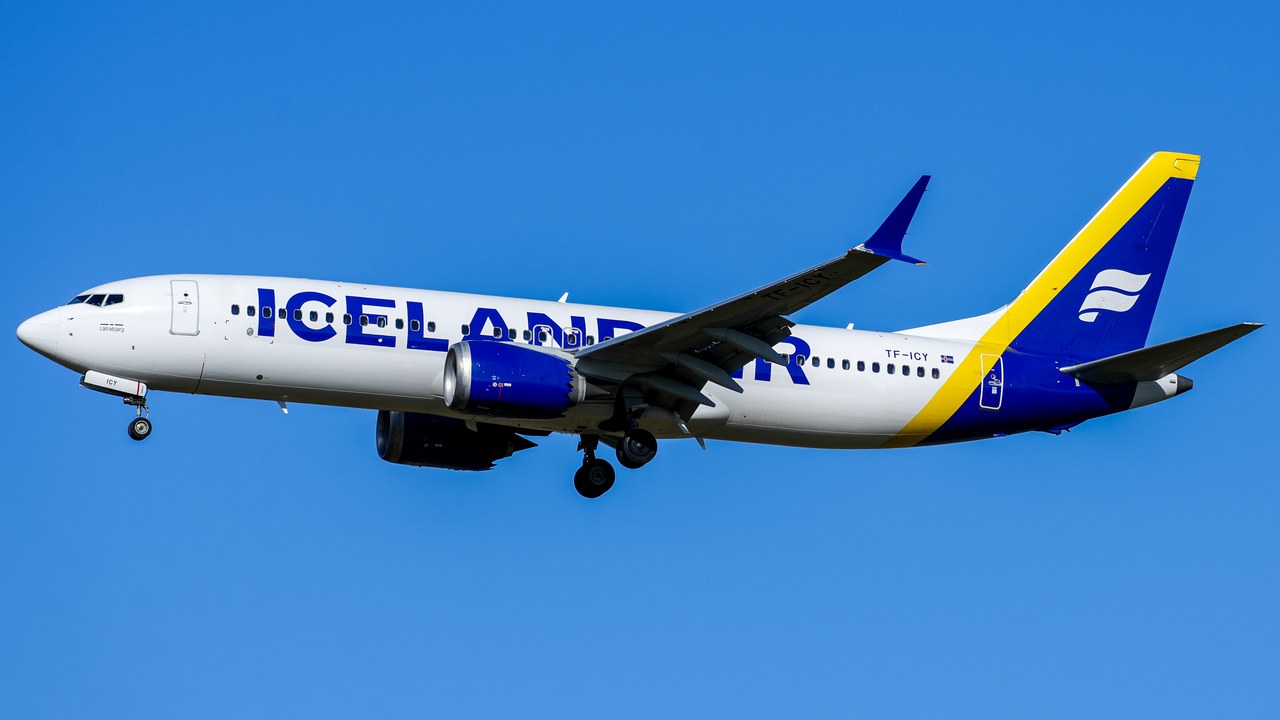
The FAA grounded the 737 MAX in March 2019 after the crashes of Lion Air Flight 610 and Ethiopian Airlines Flight 302 killed 346 people, and it lifted that order in November 2020, Aerospace Testing International reported.
Investigators identified the MCAS flight-control software, added because of the MAX’s heavier engines, as the main cause; it pushed the nose down when it wrongly sensed a stall. Before flying again, each jet needed software changes, wiring separation work and new pilot training under an FAA airworthiness directive.
5. Boeing 737 MAX 9 (door plug): Four Missing Bolts
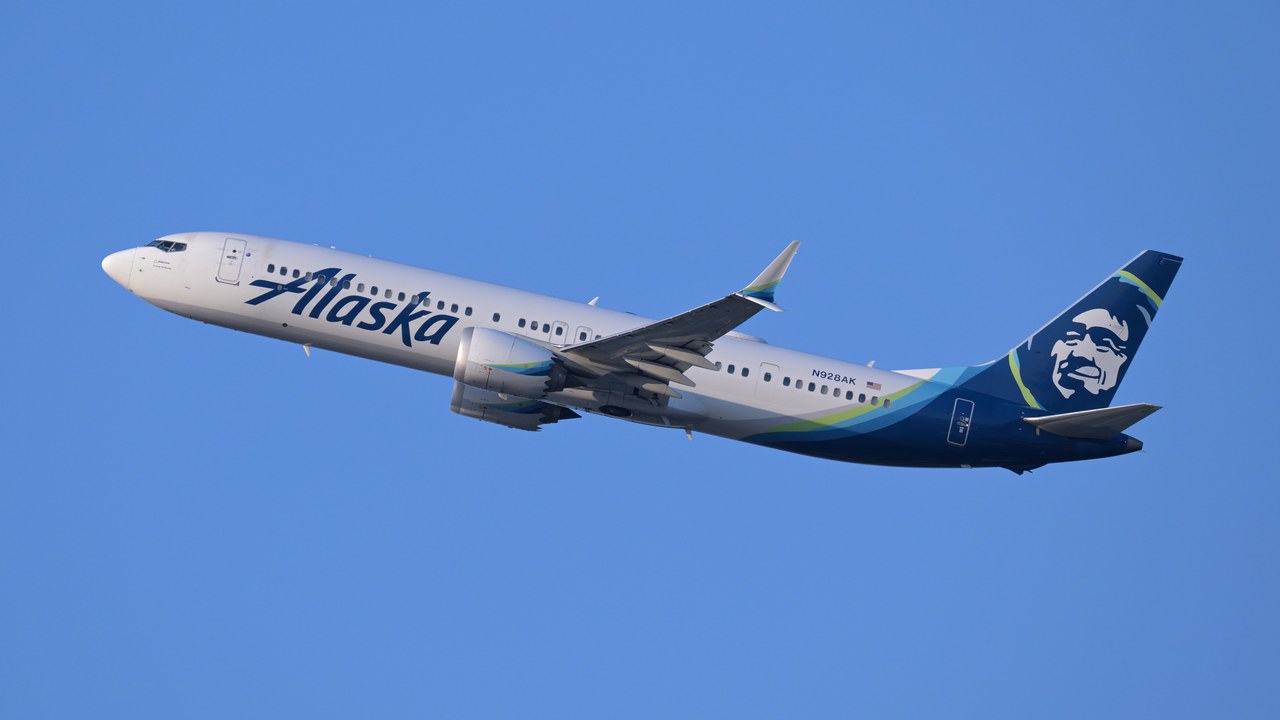
About six minutes after leaving Portland, Oregon, on January 5, 2024, Alaska Airlines Flight 1282, a 737-9, lost its left mid-exit door plug, and the cabin suddenly depressurized, the NTSB said in its final findings.
The four bolts meant to hold the plug in place were missing before the flight. The board blamed Boeing’s failure to provide adequate training, guidance and oversight to factory workers, and faulted the FAA’s oversight. A flight attendant and seven passengers suffered minor injuries, and everyone aboard survived.
6. Boeing 787 Dreamliner: Battery Fires
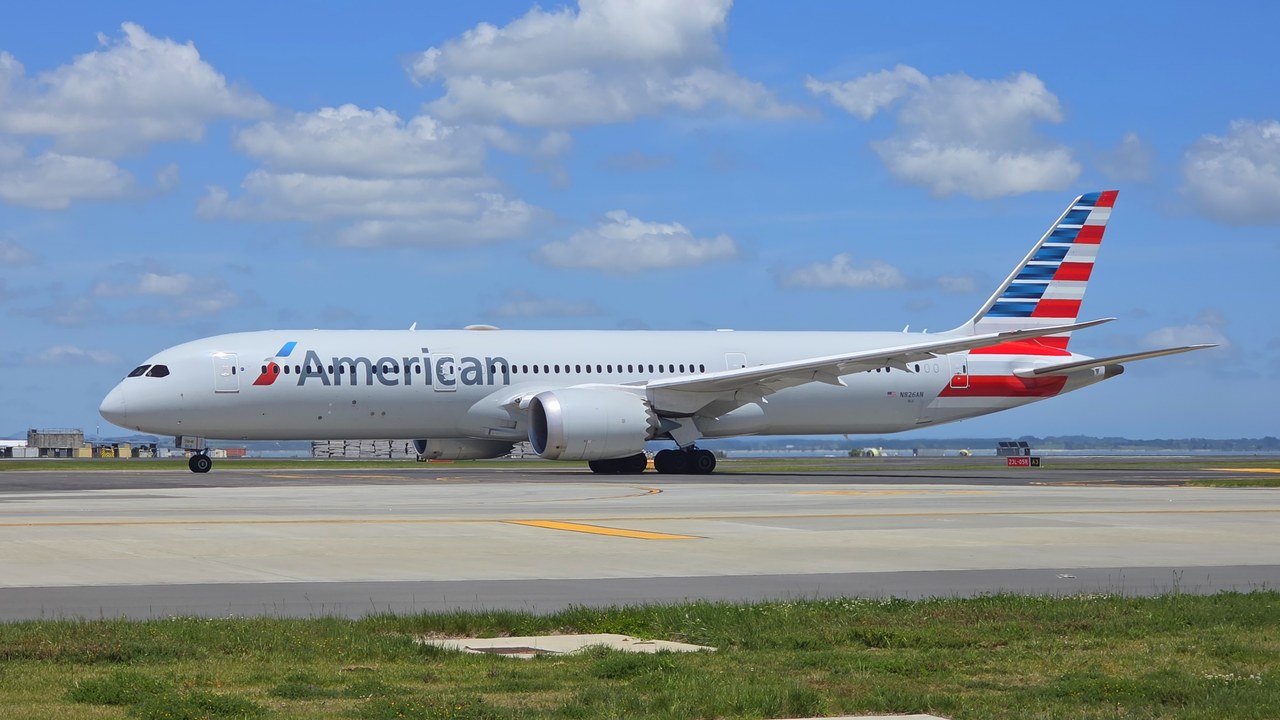
In January 2013, lithium-ion battery fires hit two 787s, one on a parked Japan Airlines jet in Boston and another that forced an All Nippon Airways emergency landing in Takamatsu, and on January 16 the FAA grounded all U.S. 787s, Wikipedia’s account notes.
It was the first time the FAA had grounded an airliner type since 1979. The agency allowed U.S. Dreamliners back into service on April 19, 2013, after changes to better contain battery fires. The NTSB later blamed the battery maker, Boeing’s engineers and the FAA.
7. Concorde: A Burst Tire
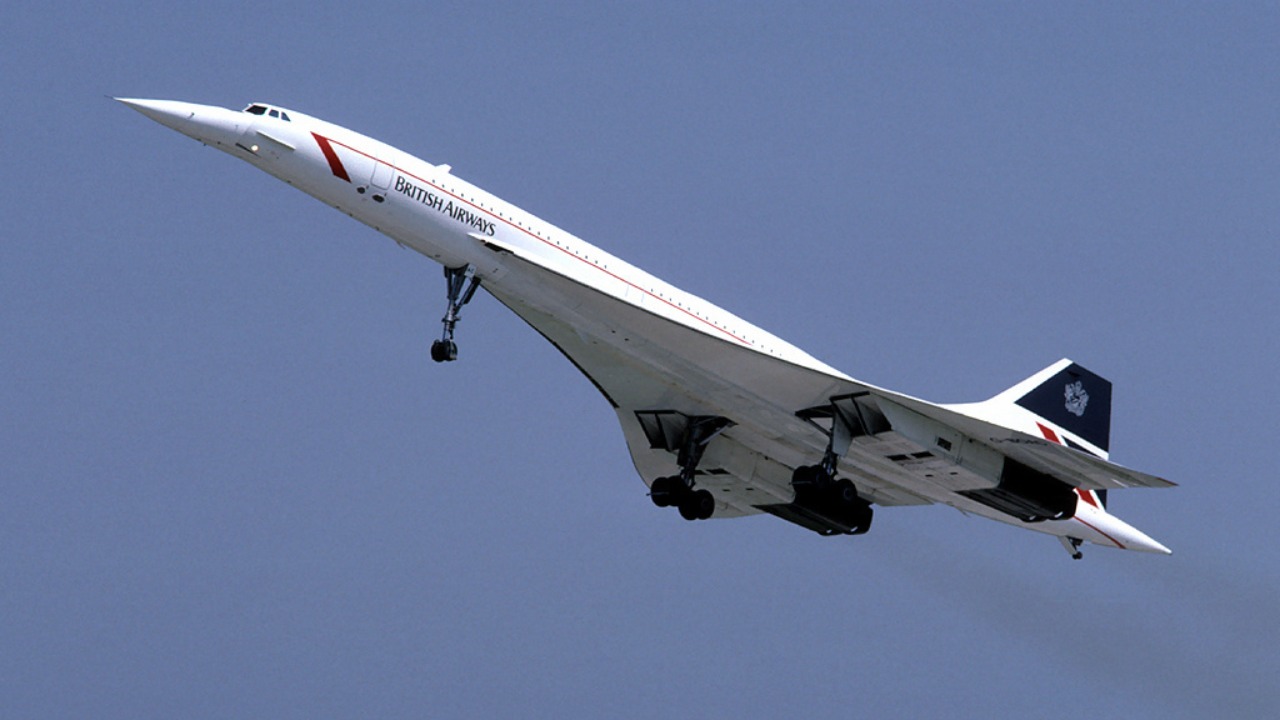
Air France Flight 4590 blew a tire on takeoff from Charles de Gaulle on July 25, 2000, and debris punctured a fuel tank, Smithsonian’s Air & Space magazine reported. The Concorde struggled barely 200 feet into the air before crashing onto a hotel, killing all 100 passengers and the crew.
Air France grounded its Concordes, and French and British authorities pulled the jet’s certificate of airworthiness. Engineers then armored the wiring and fitted the fuel tanks with flexible liners of Viton and Kevlar to keep a repeat tire strike from causing a catastrophic leak.
8. McDonnell Douglas MD-11: Grounded After Louisville
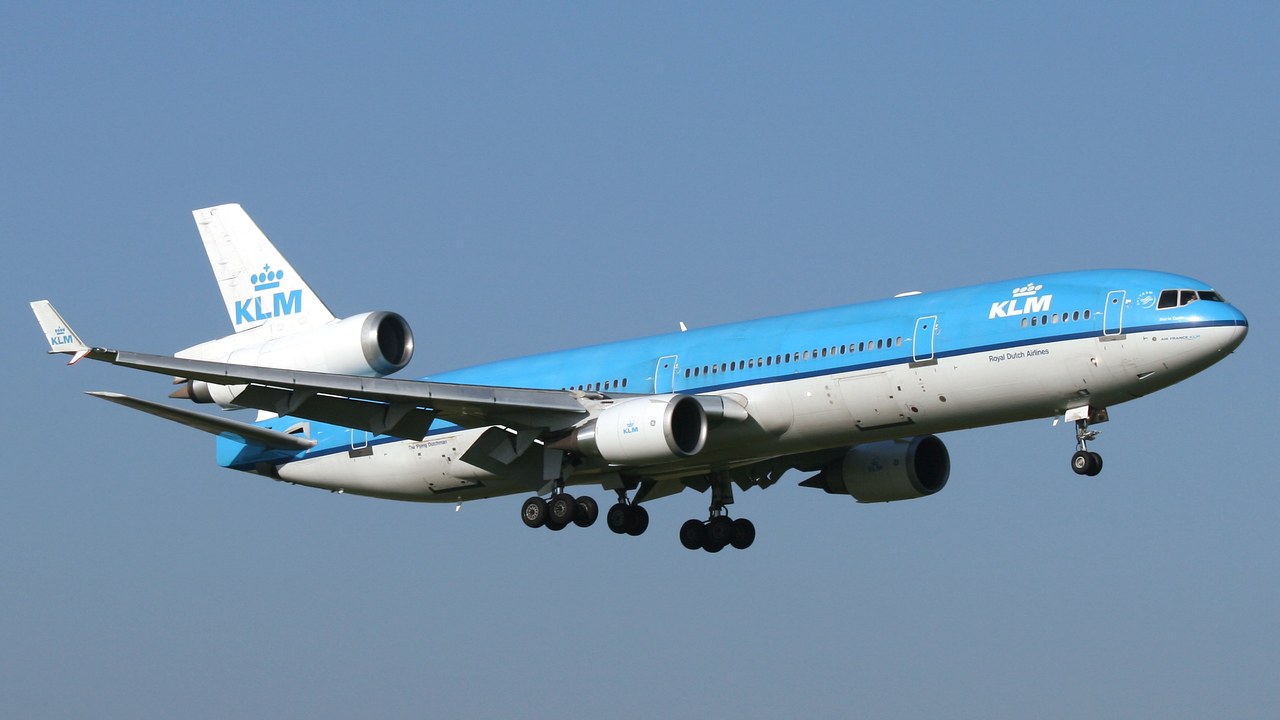
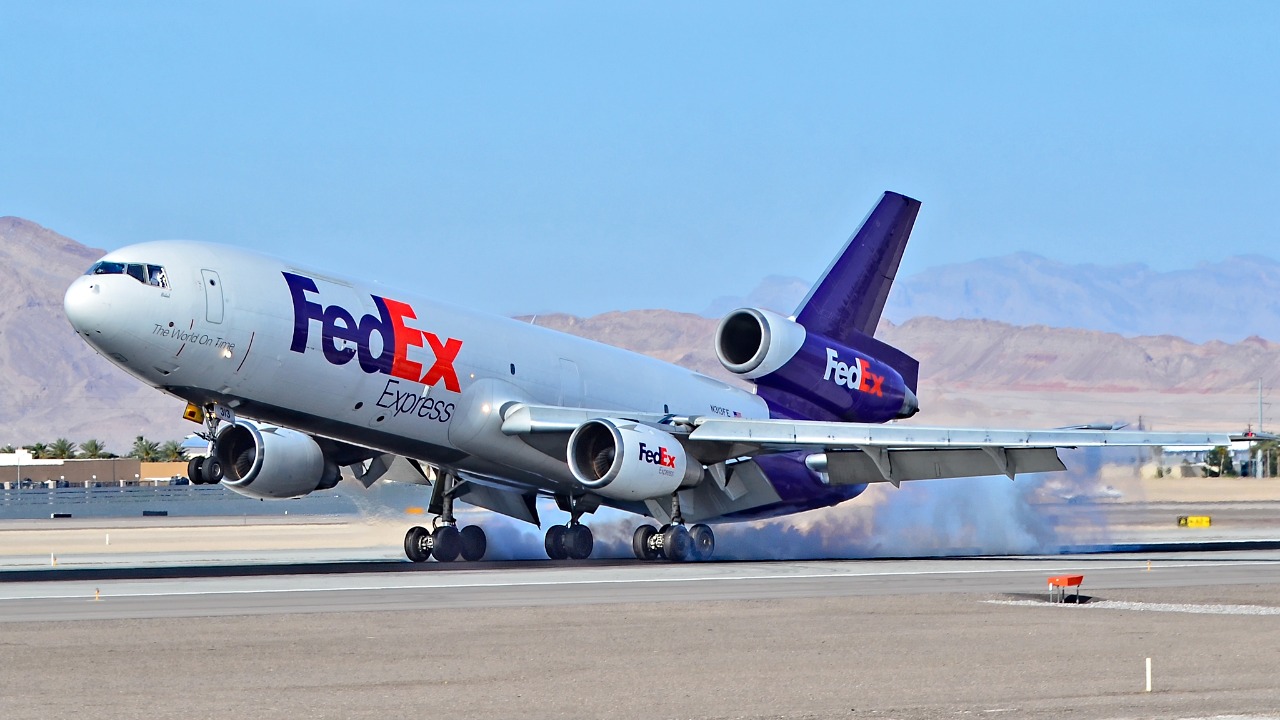
After a UPS MD-11 freighter lost its left engine and pylon on takeoff in Louisville, Kentucky, in November 2025, killing 14 people, the FAA issued an emergency directive barring MD-11 flights until inspections were done, ABC7 reported.
UPS and FedEx grounded their MD-11 fleets on the manufacturer’s recommendation. The crashed jet, built in 1991, barely lifted off with its left wing burning before plowing into the ground. MD-11s made up about 9% of the UPS fleet and 4% of FedEx’s, the companies said.
9. Boeing 747 (TWA 800): The Center Tank
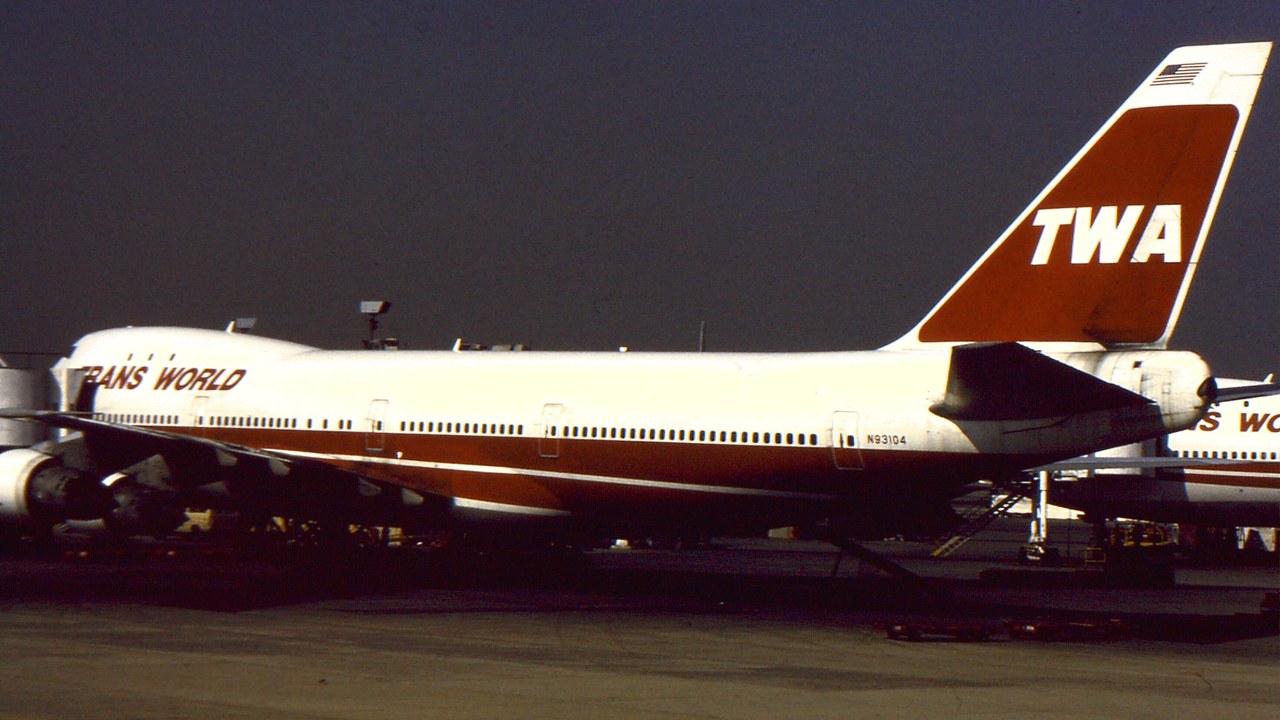
TWA Flight 800, a 747-131 bound for Paris, exploded and crashed into the Atlantic off East Moriches, New York, on July 17, 1996, killing all 230 people aboard, the FAA’s case study recounts.
The NTSB blamed an explosion of flammable fuel vapors in the center wing tank, with the ignition source never pinned down for certain. The FAA concluded many airliners shared similar weaknesses and issued Special Federal Aviation Regulation 88 in 2001 to hunt down ignition sources in fuel tanks.
10. Airbus A380 (Qantas QF32 engine): A Pipe Machined Too Thin
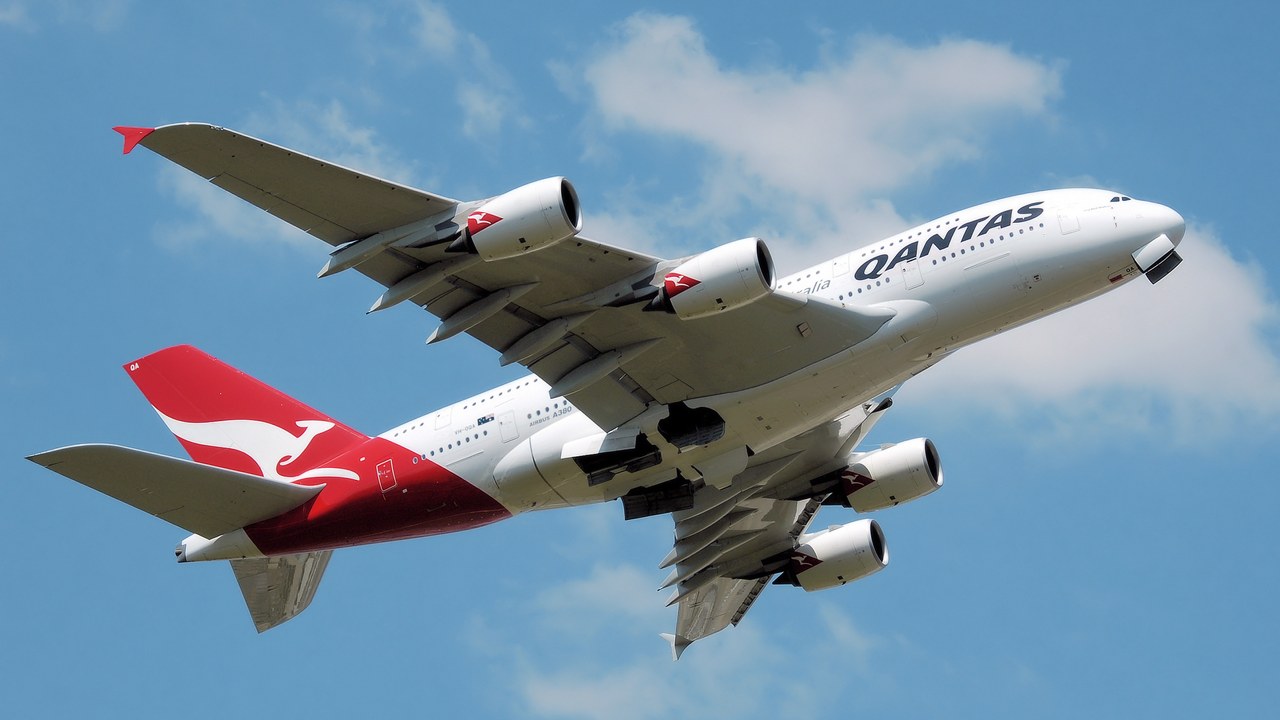
On November 4, 2010, Qantas Flight 32, an A380 carrying 469 people from Singapore to Sydney, suffered an uncontained failure of its No. 2 Rolls-Royce Trent 900 engine, the FAA’s lessons-learned file explains.
An oil feed stub pipe made with insufficient wall thickness cracked from fatigue, starting an oil fire that burst a turbine disc. Debris hit the wing and systems, yet the crew landed safely in Singapore. Rolls-Royce added overspeed protection, thickened the pipe and removed 40 engines from service.
More from Morning Overview
- The FAA wants $2.39 million from a flight school it says flew a Cessna about 280 times with an unapproved part
- A $1 billion gas plant planned for Superior, Wisconsin, has been abandoned
- Shaq spent $1.3 million on three Rolls-Royce Phantoms to prove a point to a salesman
- The Justice Department asked courts to undo approvals for three offshore wind farms, one already making power
