
American showrooms in the 1950s hid oddities that mainstream car history has mostly forgotten, from a Sears-branded compact to a hand-built roadster with sliding doors. Some carried racing pedigrees that outperformed the decade’s more famous names, while others simply vanished when their small manufacturers ran out of money. Here are ten forgotten American cars that earned a second look.
1. Hudson Hornet: Stock Car Racing Legend
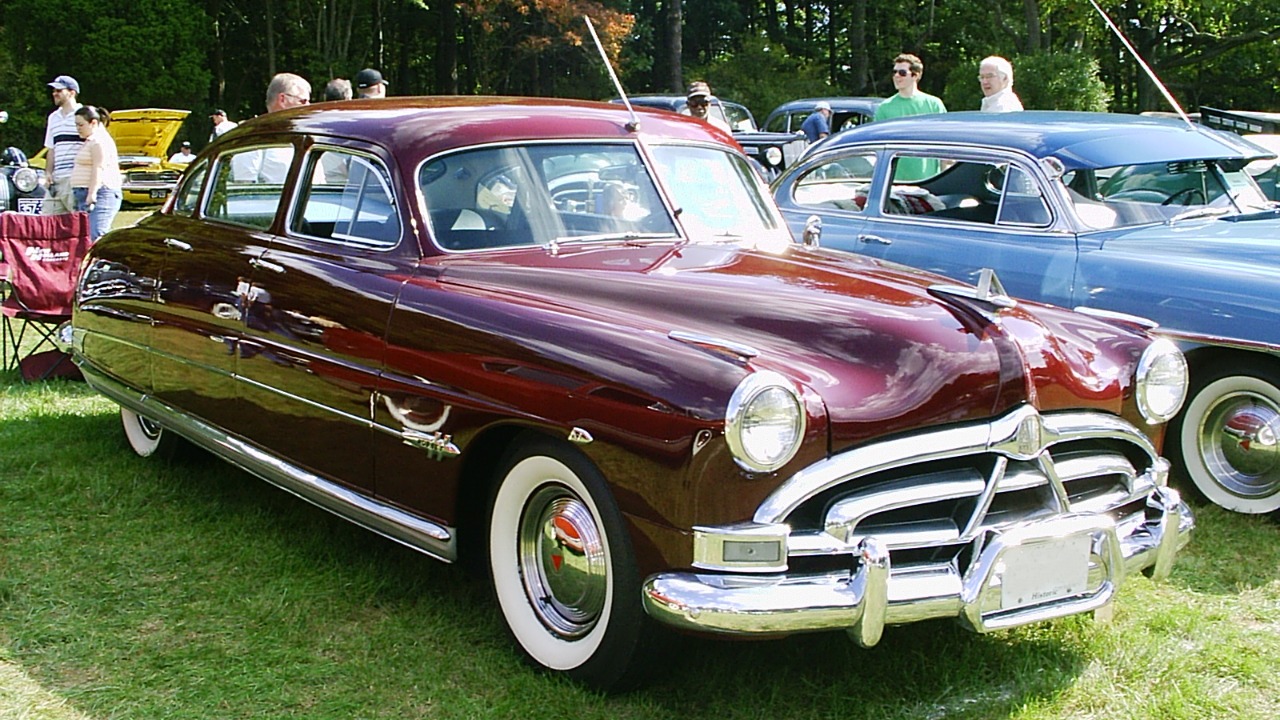
The Hudson Hornet took 27 of the 34 NASCAR Grand National races run in 1952, a single-season sweep that still ranks among stock car racing’s most lopsided years. Its “step-down” unibody sat the floor pan below the frame rails, dropping the center of gravity low enough that a full-size six-cylinder sedan could out-corner smaller, lighter competitors.
That racing pedigree later gave Pixar a template: Doc Hudson, the crusty mentor in Cars, is modeled directly on the Hornet, introducing the nameplate to viewers who had never seen one take a checkered flag. Street-going Hornets shared none of the racing modifications, but the reputation stuck to the name regardless.
2. Nash Metropolitan: American Design, British Build
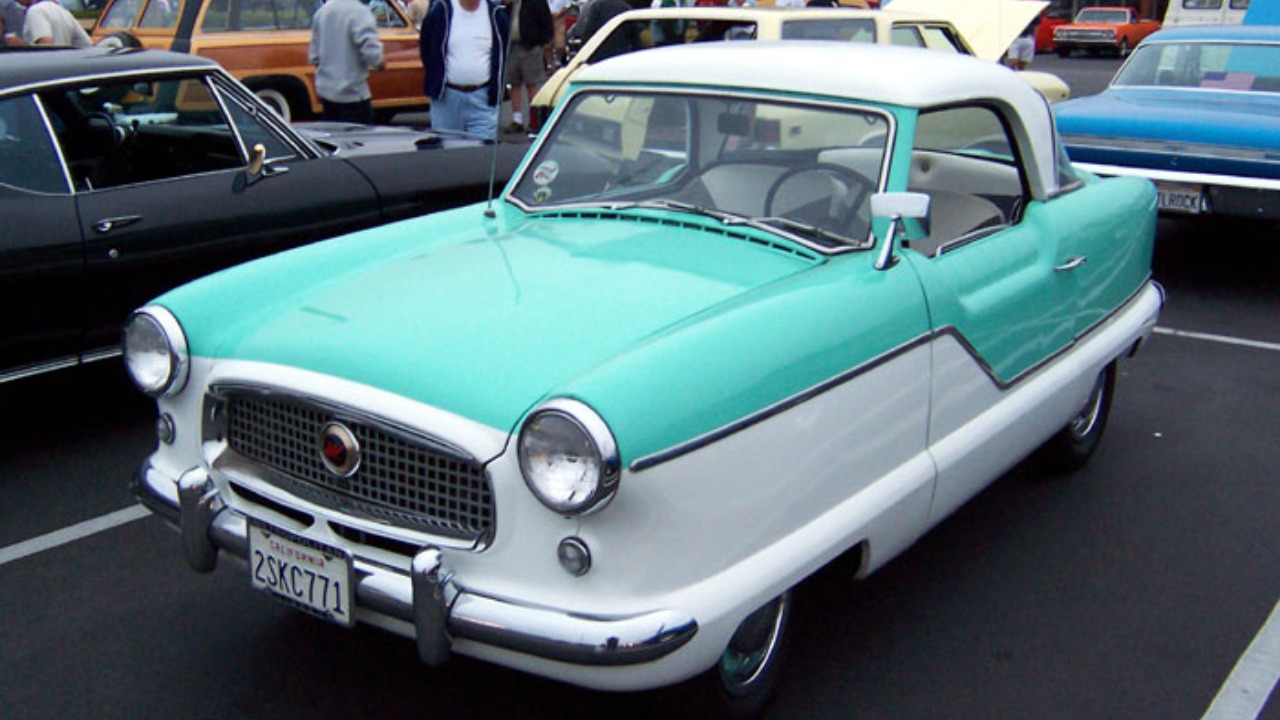
The Nash Metropolitan was designed in the United States yet built entirely in England, the first time an American-designed car had been made exclusively in Europe while being sold only in North America. Nash contracted the assembly to British manufacturers, an arrangement almost no other domestic brand of the era tried.
The result looked nothing like a Detroit product: a rounded, two-tone economy car scaled for city parking rather than interstate cruising, sold through Nash and later Rambler dealers to shoppers who wanted a second, smaller car. Its British-built unibody made it an odd hybrid that has confused collectors about its nationality ever since.
3. Nash-Healey: Sports Car Before The Corvette
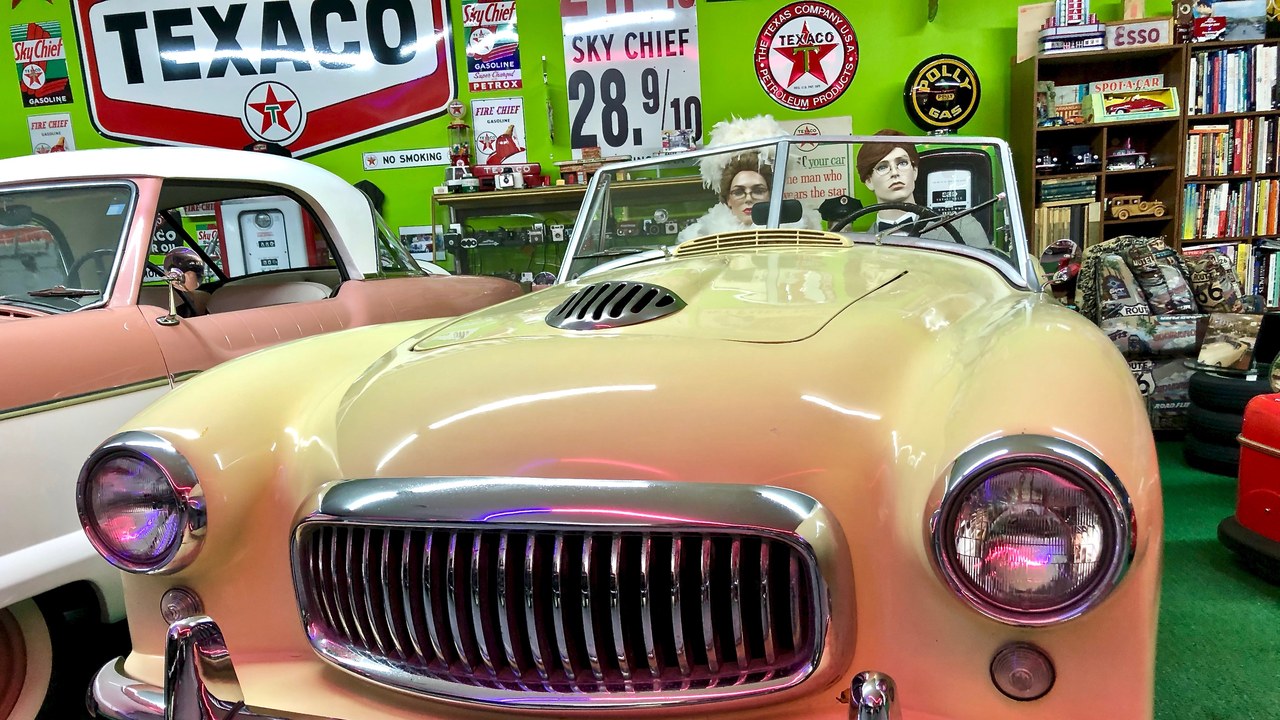
The Nash-Healey sports car reached showrooms two years before the Chevrolet Corvette, making it the first sports car fielded by a major American automaker after World War II. A works-entered example finished third overall at the 24 Hours of Le Mans in 1952, an unusually strong result for a low-volume American brand racing against European specialists.
Nash paired its own engine with a chassis and body developed with British engineer Donald Healey, a transatlantic partnership that let a mainstream American maker punch above its weight in international endurance racing. The Corvette then arrived and absorbed most of the attention the Nash-Healey had briefly earned.
4. Packard Caribbean: Highest Horsepower, Reversible Seats

The 1956 Packard Caribbean packed a V8 rated at 310 horsepower, the highest output claimed by any American automaker that model year. Packard paired that power with reversible seat cushions, cloth on one side and leather on the other, so an owner could flip them to match the weather or simply refresh the interior’s look.
It was Packard’s halo convertible, built in small numbers to show off engineering the company could no longer sustain on its own; Packard would merge with Studebaker and vanish as an independent make within a few years of the Caribbean’s debut. The flip cushions now read as a small, clever idea from a company that ran out of runway.
5. Henry J: Sold Through Sears
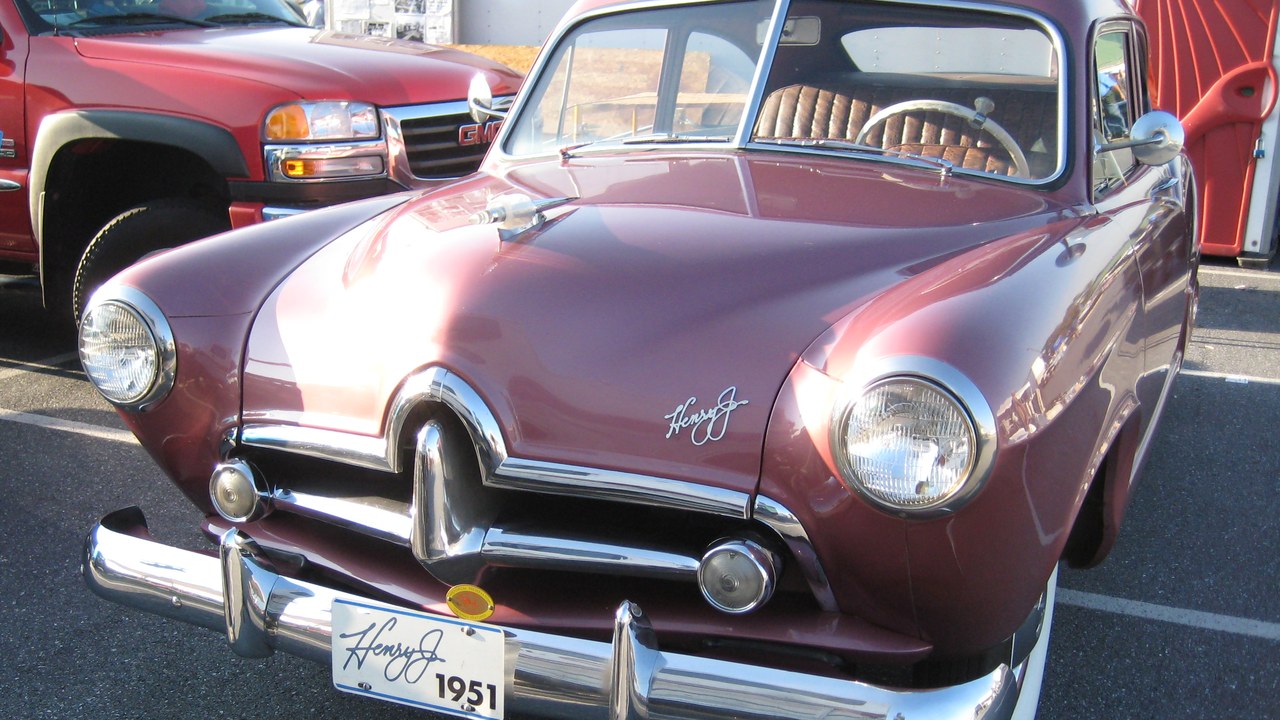
Kaiser’s Henry J was a stripped-down compact aimed at buyers priced out of full-size cars, and in 1952 Kaiser rebadged it for Sears, which sold the same car under its own Allstate nameplate. A department store selling a car alongside its appliances and tires was unusual even by the standards of a decade full of odd retail experiments.
The Allstate arrangement gave Kaiser extra distribution without building new dealerships, but it also diluted the Henry J’s identity at a moment when the compact segment needed a clear one. Both versions disappeared within a few years as Kaiser’s passenger-car business wound down.
6. 1951 Studebaker Champion Starlight Coupe: Airplane-Inspired Fastback Styling
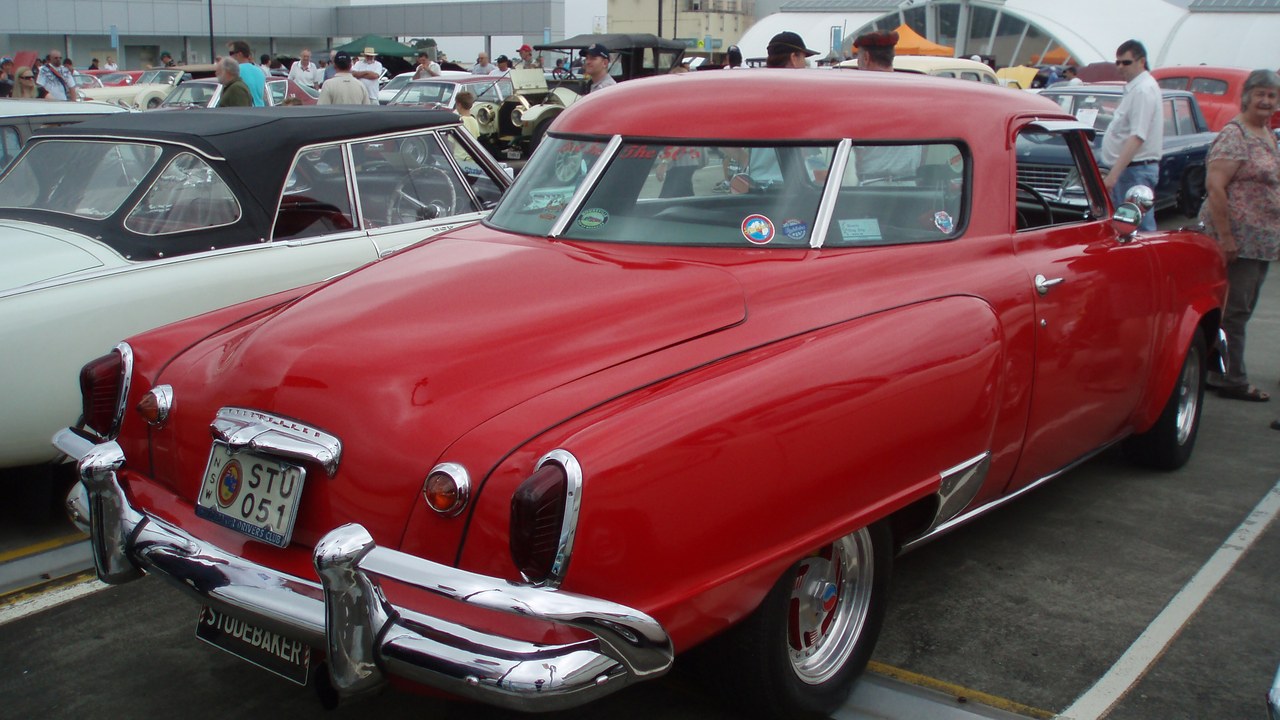
Designer Virgil Exner gave the 1951 Studebaker Champion Starlight Coupe a wraparound rear window and a fastback profile borrowed from aircraft styling of the period, and the result reportedly seemed to leap forward even while parked at the curb. The greenhouse wrapped nearly all the way around the cabin, an unusual amount of glass for a mainstream American coupe.
That aviation-inspired silhouette made Studebaker’s postwar cars instantly recognizable next to boxier competitors from Detroit’s bigger makers. The Starlight name referred to that panoramic rear glass, a styling flourish most owners of the era had never seen on an affordable coupe.
7. Crosley Hotshot: Featherweight With Disc Brakes

The Crosley Hotshot weighed just 1,175 pounds and was the first American production car with four-wheel disc brakes, a technology most domestic automakers would not adopt for another decade. That featherweight chassis and stopping power helped it win its class in the Index of Performance at Sebring in 1951.
Crosley built its reputation on small, cheap, mechanically inventive cars rather than raw power, and the Hotshot’s tiny four-cylinder engine needed every ounce it could shave to compete. The company folded soon after, leaving the disc-brake breakthrough to be rediscovered by bigger automakers years later.
8. Kaiser Darrin: Doors That Slide, Not Swing

The Kaiser Darrin wore one of the earliest fiberglass bodies on an American production car, years before the material became a sports-car standard. Its doors did not swing outward; they slid forward into recesses ahead of the front wheels, a mechanism unlike anything else being sold in the United States at the time.
That combination of an unusual body material and a stunt-like door design made the Darrin a curiosity even among people who never got near a dealership. Kaiser built only a small run before abandoning the passenger-car business altogether, leaving the sliding-door idea largely unrepeated.
9. Muntz Jet: Extremely Rare Survivor
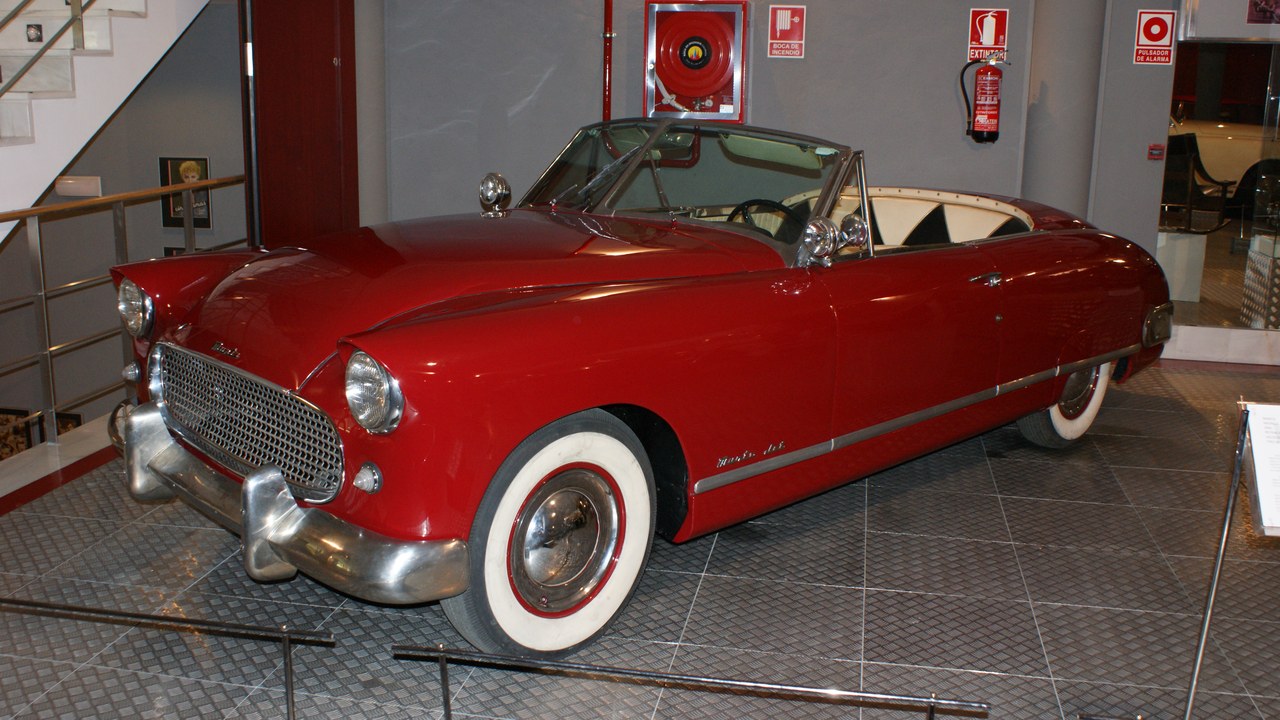
Only 394 examples of the Muntz Jet were built in the early 1950s, and just 49 are known to survive today, making it one of the rarest American cars from the entire decade. Low production and a short model run meant most that did sell were used hard rather than preserved.
That scarcity is why the Jet barely registers today next to mass-market names like Chevrolet or Ford, even though it offered four seats and a convertible top that few low-volume manufacturers of the era attempted to build at all. Most of the surviving cars are now in the hands of collectors rather than everyday drivers.
10. Kurtis 500S: Race Shop’s Street Speedster
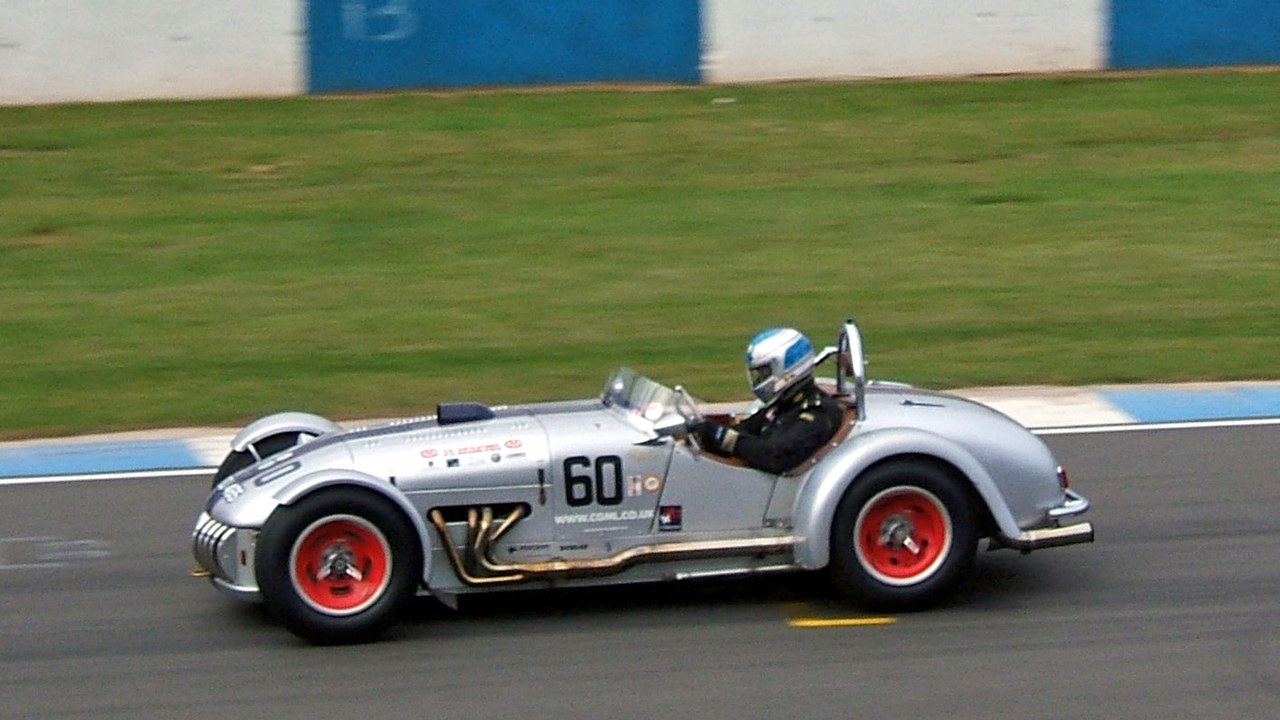
Kurtis, a race-car builder whose cars had already won the Indianapolis 500, turned that oval-track expertise toward the street with the Kurtis 500S, a low, lightweight sports car said to reach 142 mph in stock trim. That top speed made it one of the fastest cars sold to the American public at the time, Indy pedigree included.
Because it came from a small racing shop rather than a major automaker, the 500S never reached anything like mass production, and most buyers of the era had no idea it existed alongside flashier offerings from Detroit. Its speed claim alone would have embarrassed cars costing several times as much.
More from Morning Overview
- Supplements now rank as the fifth-leading cause of death from liver disease.
- Herbal supplements are landing Americans in the hospital with liver damage, doctors warn
- General Motors is switching on cameras that record inside your vehicle by update
- A geomagnetic storm is forecast to hit Earth today, pushing the northern lights unusually far south
