
Acceleration has become the headline number in modern performance cars, and electric drivetrains have compressed figures that once belonged only to dragsters. Launch control, all-wheel traction and instant torque now deliver sprints that were science fiction a decade ago. Here are ten of the quickest-accelerating cars on the market, ranked by the sprint times their makers and testers record.
1. Tesla Model S Plaid: Under Two Seconds To Sixty
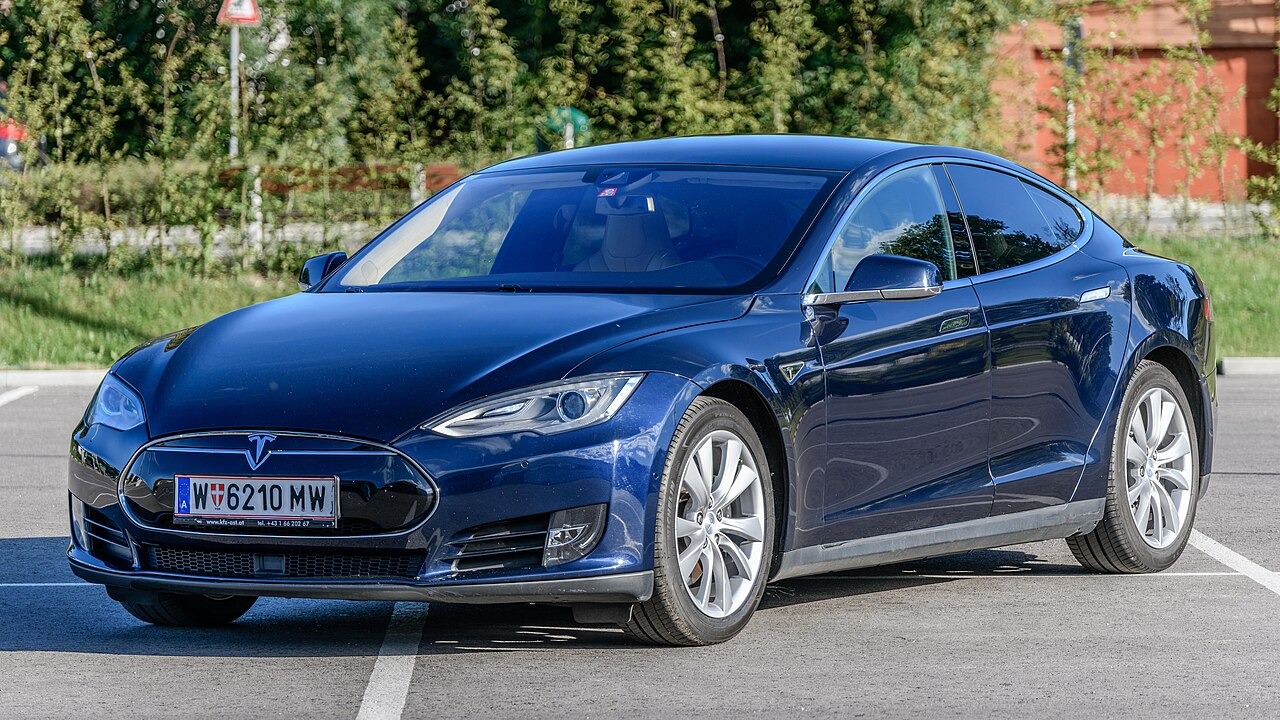
Tesla’s tri-motor Plaid produces a combined 1,020 horsepower and is quoted at 1.99 seconds to 60 mph with a one-foot rollout, a figure the Model S specification record lists alongside a 9.23-second quarter mile. Three independent motors, one at the front axle and two driving the rear wheels individually, meter torque wheel by wheel.
Those numbers arrive in a five-seat sedan with a hatchback trunk, which is the reason the Plaid keeps appearing in acceleration comparisons against two-seat exotics. The caveat is repeatability: the quickest runs depend on battery temperature and a prepped surface, and a cold pack will not deliver the advertised time.
2. Lucid Air Sapphire: Three Motors, One Purpose
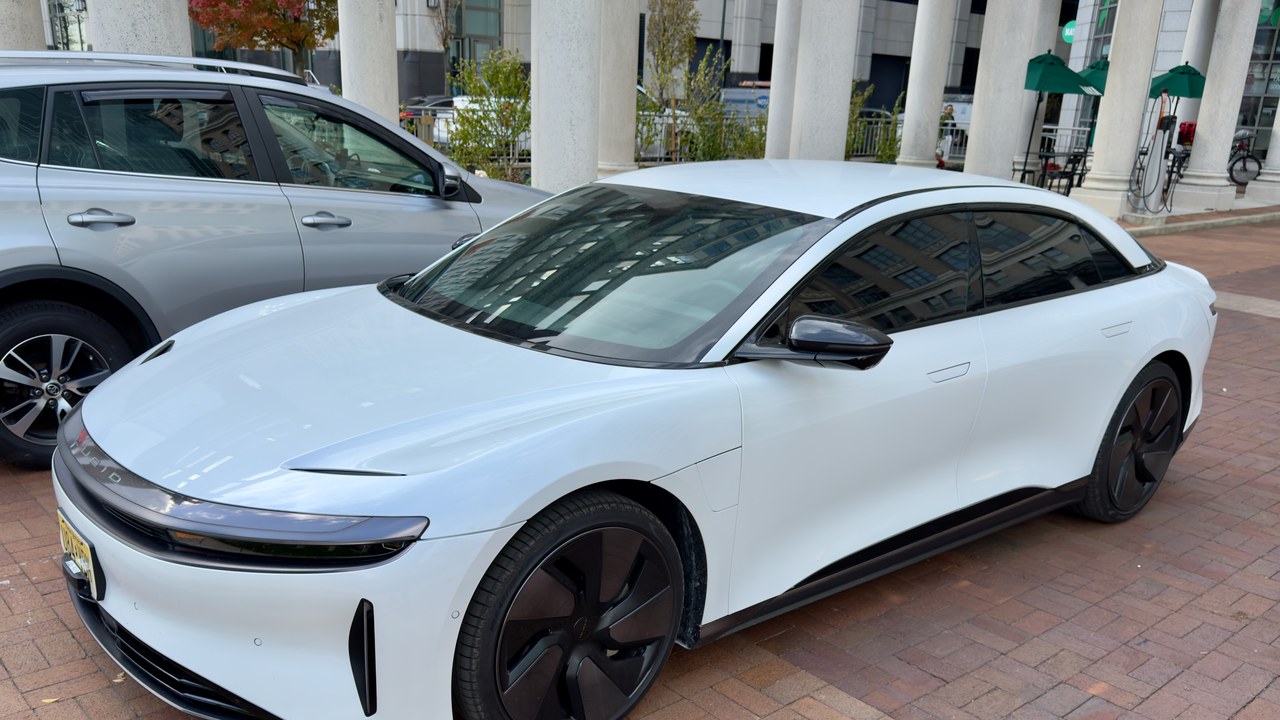
The Sapphire trim adds a second rear drive unit to the Air’s twin-motor layout, and Lucid rates the resulting three-motor system at 1,234 horsepower. Company figures put the sedan at 1.89 seconds to 60 mph and an 8.95-second quarter mile, numbers documented in the Lucid Air performance summary.
Sapphire also carries carbon-ceramic brakes and a widened track, because stopping and cornering had to be rebuilt around the extra output. Buyers pay a steep premium over a standard Grand Touring for a difference measured in tenths, which is the usual arithmetic at the top of any performance range.
3. Rimac Nevera: The Record Collector

Four independent motors, one per wheel, give the Croatian hypercar 1,914 horsepower and a 0-60 mph time of roughly 1.85 seconds. The Nevera performance record also lists an 8.25-second quarter mile and a 258 mph top speed, and the car set nearly two dozen acceleration and braking marks in a single day of testing.
Production is capped at 150 examples, so the Nevera functions less as a rival to the sedans above it than as a demonstration of what four-motor torque vectoring can do. Its engineering has since been sold on: Rimac supplies drivetrain hardware to several established manufacturers.
4. Porsche 911 Turbo S: Traction Does The Work
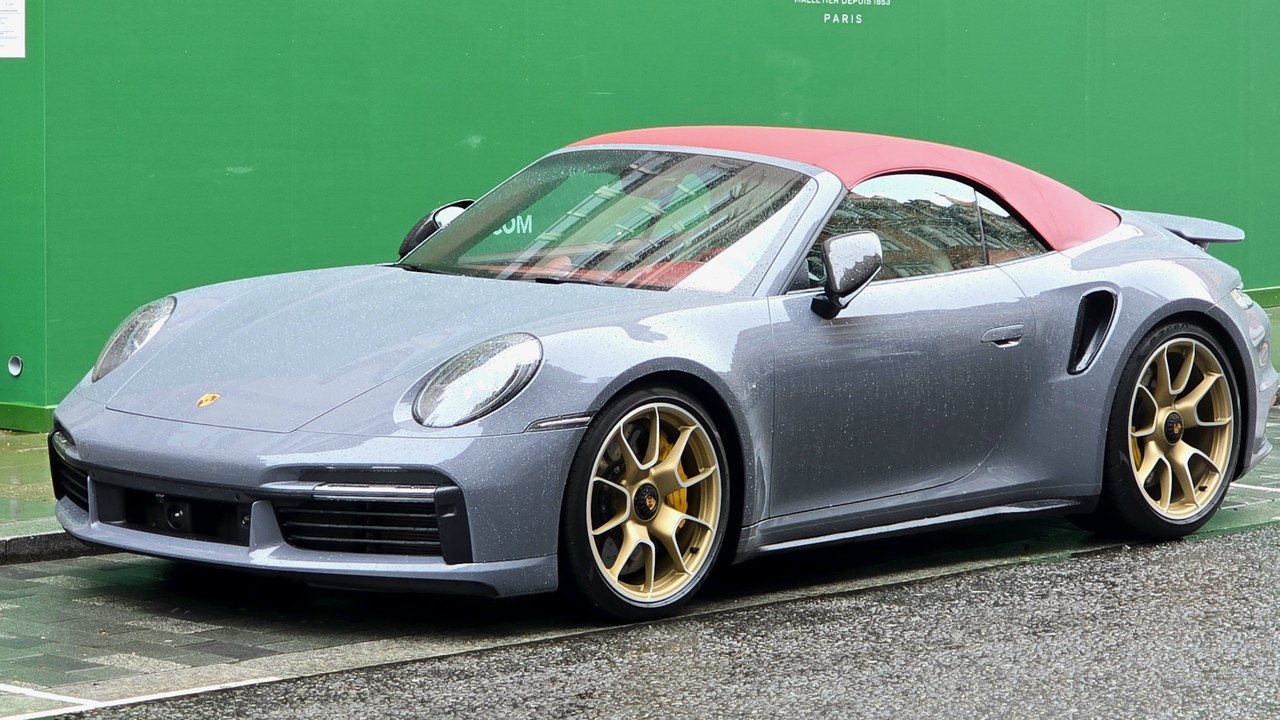
Porsche’s 992-generation Turbo S pairs a twin-turbocharged 3.8-liter flat-six with all-wheel drive, and the factory figure for the sprint to 62 mph is 2.7 seconds. What makes that repeatable is the launch procedure recorded in the 911 model history: the system pre-loads the clutches and shifts torque forward before the car moves.
Independent testers have often beaten the quoted number, which is a long-standing habit of Porsche’s conservative claims. The trade-off is weight: the Turbo S is several hundred pounds heavier than a rear-drive Carrera, a penalty that shows up in corners rather than in a straight line.
5. Porsche Taycan Turbo GT: Two Speeds, Eight Hundred Volts
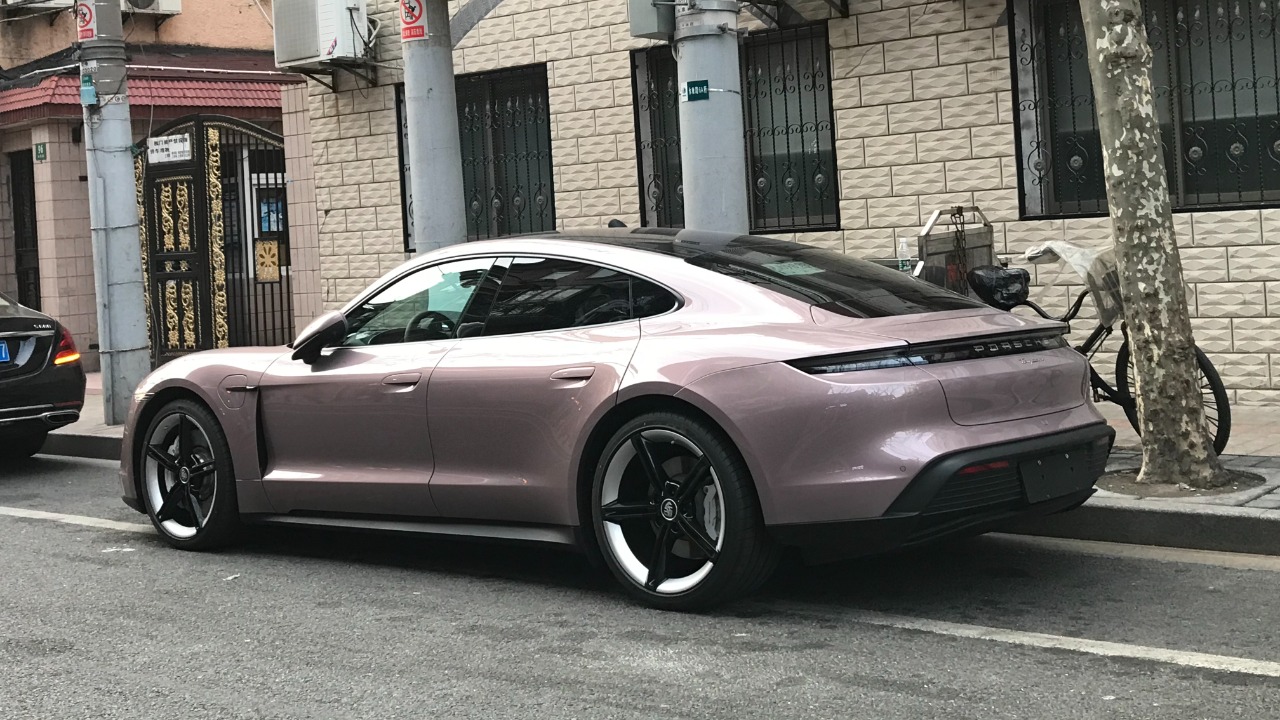
Porsche’s quickest series-production model pairs an 800-volt electrical architecture with a motor on each axle, and the rear unit drives through a two-speed transmission that keeps torque available where a single ratio runs out. The Taycan model overview puts the Turbo GT at about 2.2 seconds to 60 mph, with the lighter Weissach specification a tenth quicker.
That second ratio matters most away from a drag strip, holding acceleration together at highway speeds where fixed-gear rivals taper off. The compromise is mass: the sedan carries well over two tonnes of battery and structure, leaving it quicker in a straight line than nimble through a sequence of corners.
6. Chevrolet Corvette Z06: The Flat-Plane Screamer
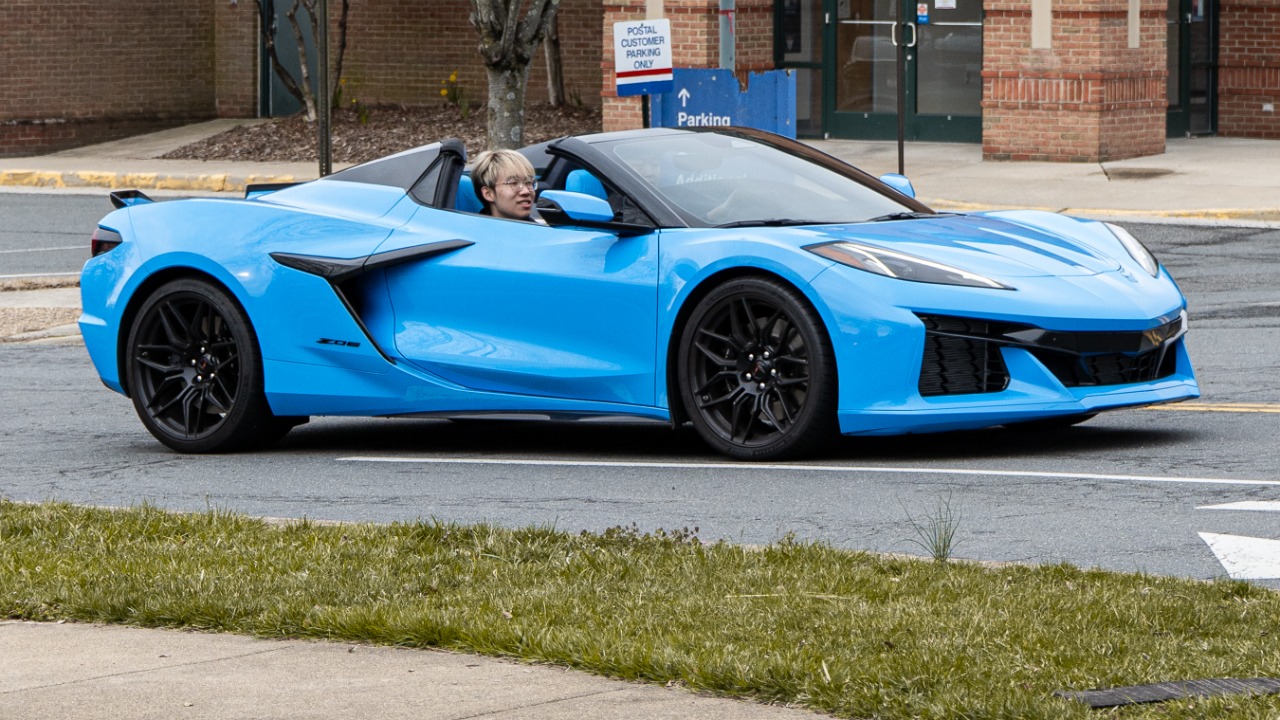
Chevrolet swapped the Stingray’s pushrod engine for the LT6, a naturally aspirated 5.5-liter flat-plane-crank V8 rated at 670 horsepower and redlined at 8,600 rpm. The C8 Corvette specifications put the sprint to 60 mph at about 2.6 seconds, helped by the mid-engine layout planting weight over the rear tires.
It is the only car on this list to reach the mark without a turbocharger, a supercharger or an electric motor, which makes the delivery linear rather than instant. Buyers trading up from a Stingray inherit wider bodywork, larger brakes and a fuel bill that reflects an engine designed to live near redline.
7. Ferrari SF90 Stradale: Hybrid Math In Ferrari’s Favor
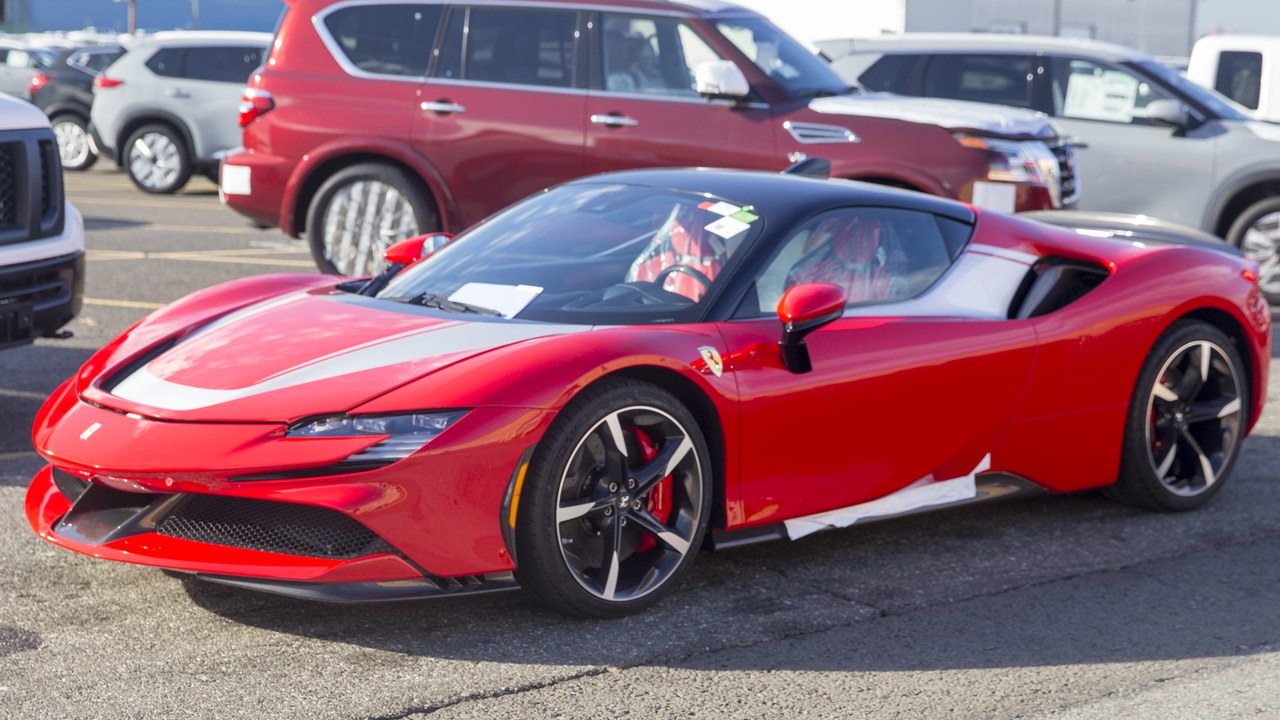
Ferrari’s first series-production plug-in hybrid combines a 4.0-liter twin-turbo V8 with three electric motors for a combined 986 horsepower, two of the motors driving the front wheels. The SF90 Stradale technical data records 2.5 seconds to 62 mph and 6.7 seconds to 124 mph, the second figure being the more revealing one.
The electric front axle supplies torque vectoring and all-wheel traction off the line, which is how a mid-engine Ferrari matches launch times previously reserved for all-wheel-drive machinery. It also carries several hundred pounds more than a comparable non-hybrid Ferrari, a mass penalty the car spends the rest of the lap managing.
8. McLaren 750S: The Weight Advantage
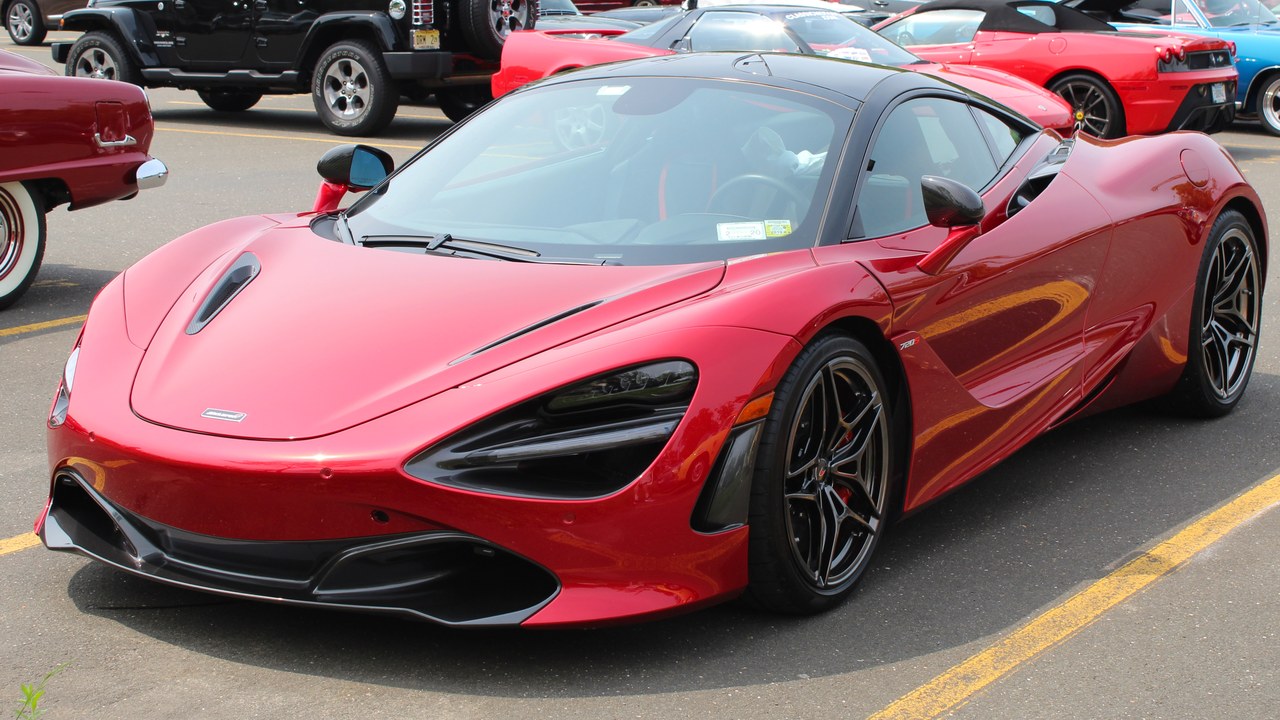
McLaren’s replacement for the 720S makes 740 horsepower from a 4.0-liter twin-turbo V8 and weighs about 66 pounds less than the car it succeeded. The 750S performance data lists 2.8 seconds to 62 mph, 7.2 seconds to 124 mph and a quarter mile in the low tens, all from rear-wheel drive alone.
Achieving those times without a driven front axle depends on a carbon tub, short gearing and tires that need heat before they will accept full throttle. That makes the 750S the most conditional launcher here, and the one most likely to disappoint on a cold, damp morning.
9. Lamborghini Revuelto: Twelve Cylinders Plus Three Motors
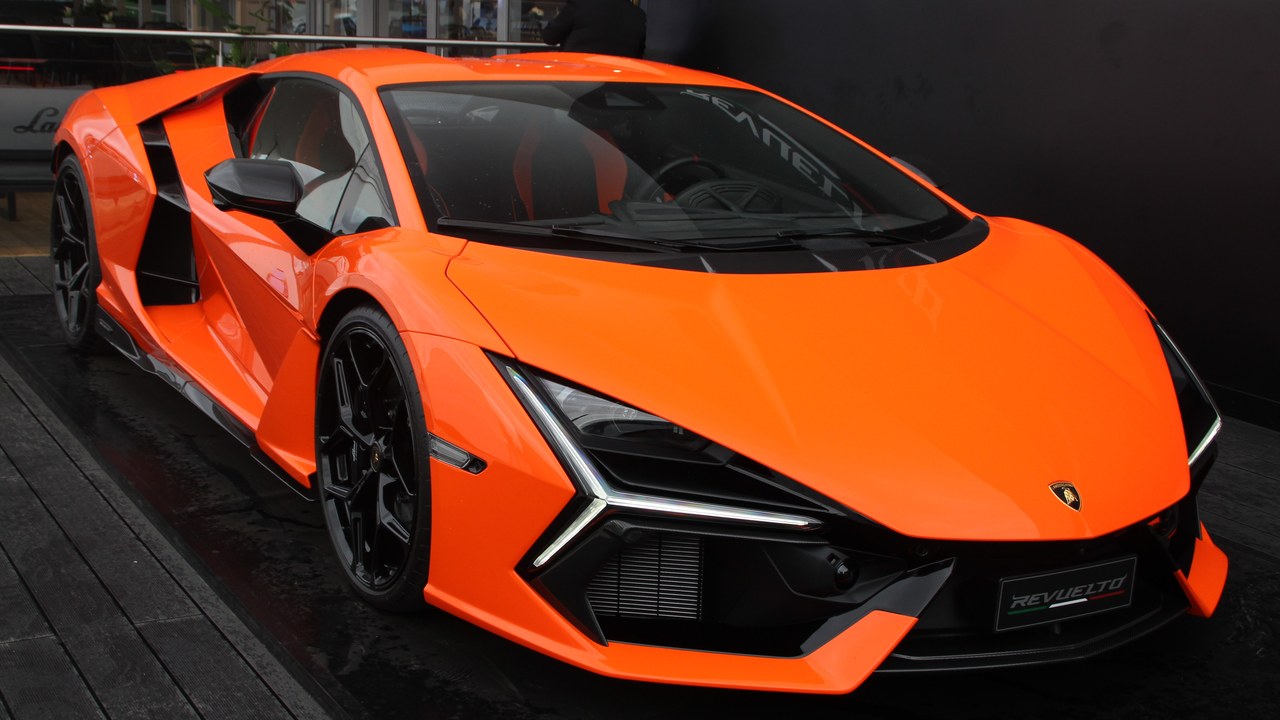
Lamborghini’s replacement for the Aventador keeps a naturally aspirated 6.5-liter V12 and surrounds it with three electric motors, two of them driving a front wheel each. The Revuelto technical specification lists a combined 1,001 horsepower and a sprint to 62 mph in 2.5 seconds, the front axle adding instant torque while the V12 builds toward a redline no turbocharged rival approaches.
The hybrid system exists partly to keep a large V12 viable under tightening emissions rules, which is why the battery sits in the transmission tunnel. Owners get a short electric-only range as a side effect, though the pack’s real job is covering the gap below the engine’s power band.
10. Ferrari 296 GTB: The Six-Cylinder Ferrari
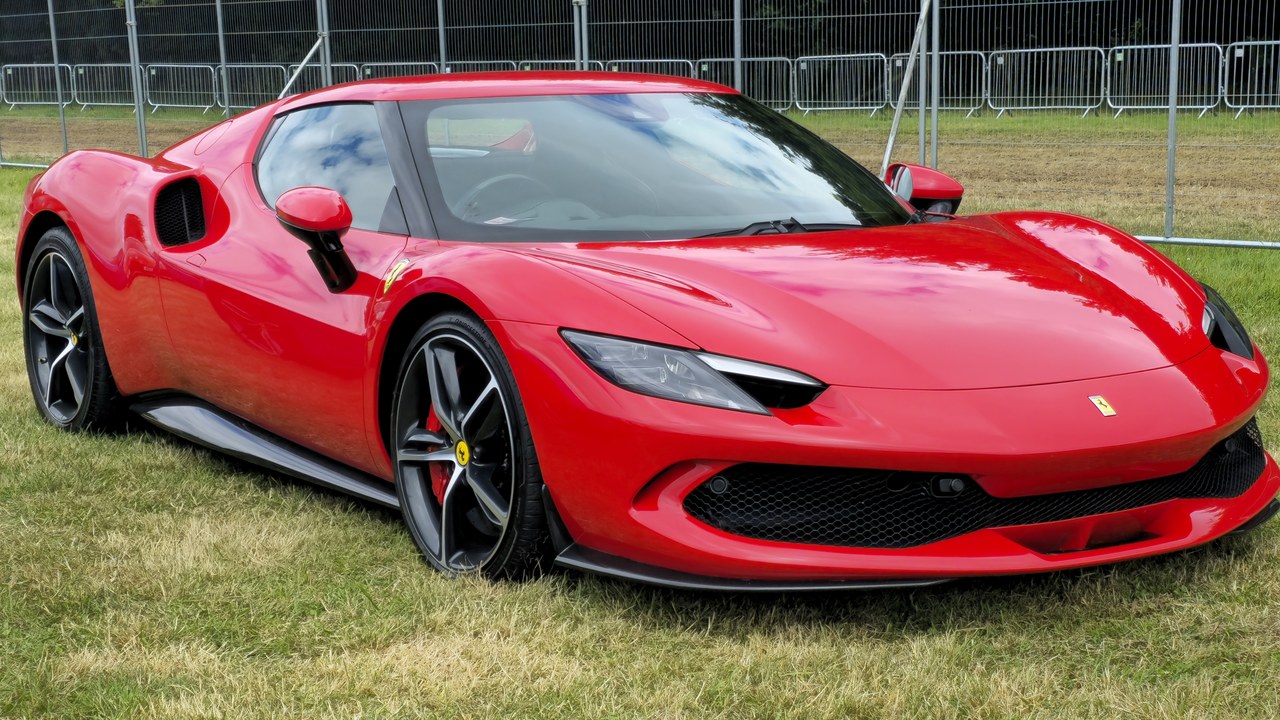
Ferrari built the 296 around a 120-degree twin-turbocharged V6 rather than the V8 that defined its mid-engine berlinettas, then added an electric motor between the engine and the eight-speed dual-clutch gearbox. The 296 GTB technical data records a combined 819 horsepower and 2.9 seconds to 62 mph, with the motor filling the moment before both turbochargers are fully spun up.
The shorter, lighter V6 sits lower in the chassis than a V8 would, which pays off in cornering rather than on a timing beam. Against that, the hybrid hardware adds weight of its own, and the assist depends on charge left in a small battery after a few hard laps.
More from Morning Overview
- A California supervolcano has bulged upward about two and a half feet since 1978
- The FTC is warning about a scam quietly draining thousands from victims
- The NSA is again telling phone owners to switch off one location setting
- A handful of car transmissions are so tough mechanics say they almost never fail
