
Europe’s oldest cities were laid out long before the automobile, leaving drivers to thread narrow lanes and hunt for parking barely longer than a bicycle. Automakers answered with a class of tiny, tightly packaged hatchbacks that shrink the footprint without sacrificing everyday practicality. The following ten models show how far small-car engineering has come.
1. Fiat 500: The reborn Italian icon
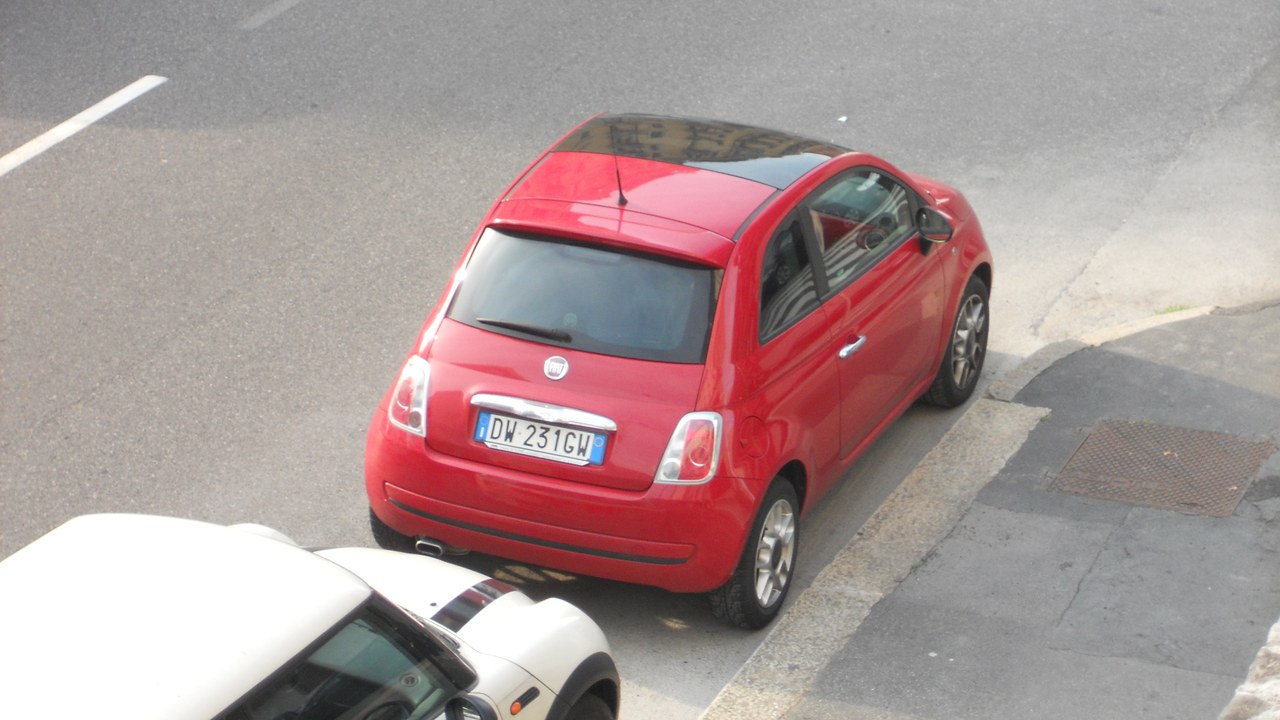
Fiat revived one of the country’s best-loved shapes in 2007, reintroducing the Fiat 500 as a retro three-door built on the compact Panda platform. Measuring only about 3.5 metres, it slots into gaps that defeat larger hatchbacks, while a notably tight turning circle helps in crowded historic centres.
The rounded bodywork and circular headlamps deliberately echo the original Nuova 500 launched in 1957. Assembled in Tychy, Poland, the modern car has been offered with small petrol engines and, later, a fully electric successor. Its enduring popularity turned a practical runabout into a genuine fashion statement across much of the continent.
2. Mini Hatch: A premium take on the small car
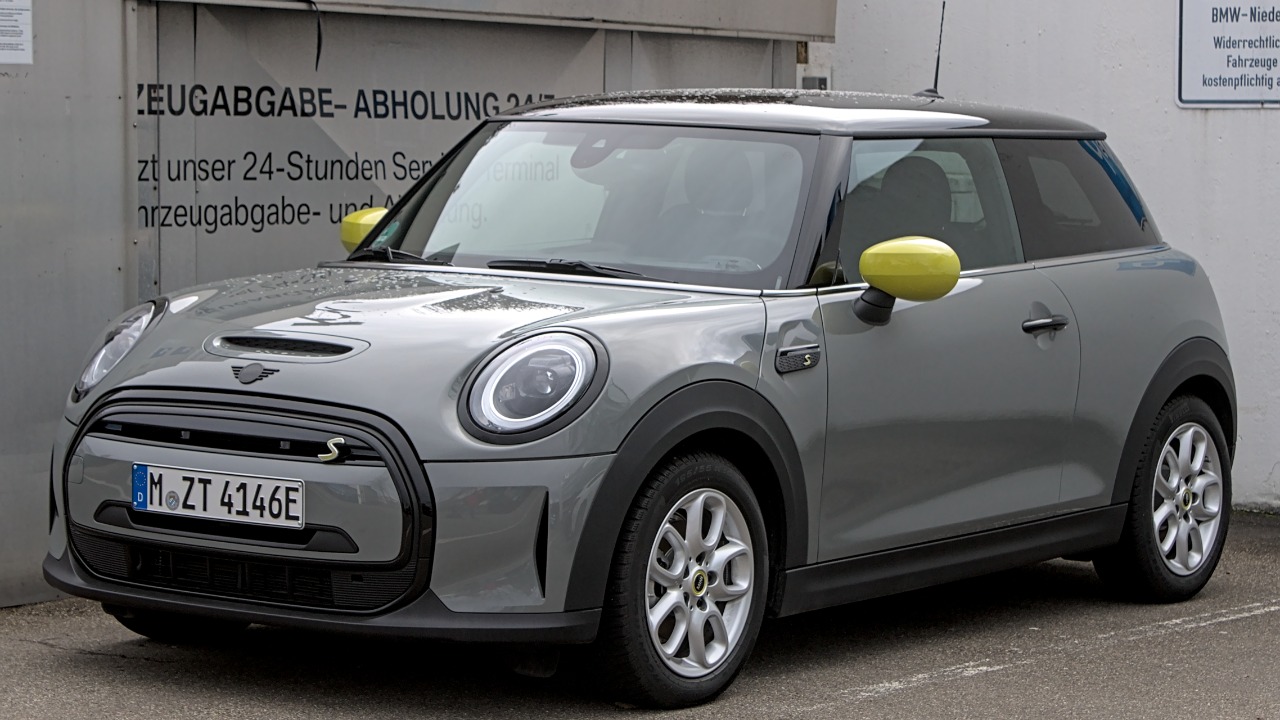
Built in Oxford under BMW ownership, the Mini Hatch reinvented a 1960s legend as a premium small car when it arrived in 2001. Its short overhangs and wide track deliver the darty, go-kart handling that reviewers repeatedly praise, making quick direction changes through congested lanes feel effortless.
Offered in three- and five-door forms, the modern Mini pairs a compact footprint with a plush, gadget-filled cabin that shames some larger models. Successive generations have grown slightly, yet the car keeps a nimble character and a strong resale reputation. Buyers pay a premium, but many owners consider the driving feel worth the cost.
3. Volkswagen Up: Clever packaging in a tiny shell
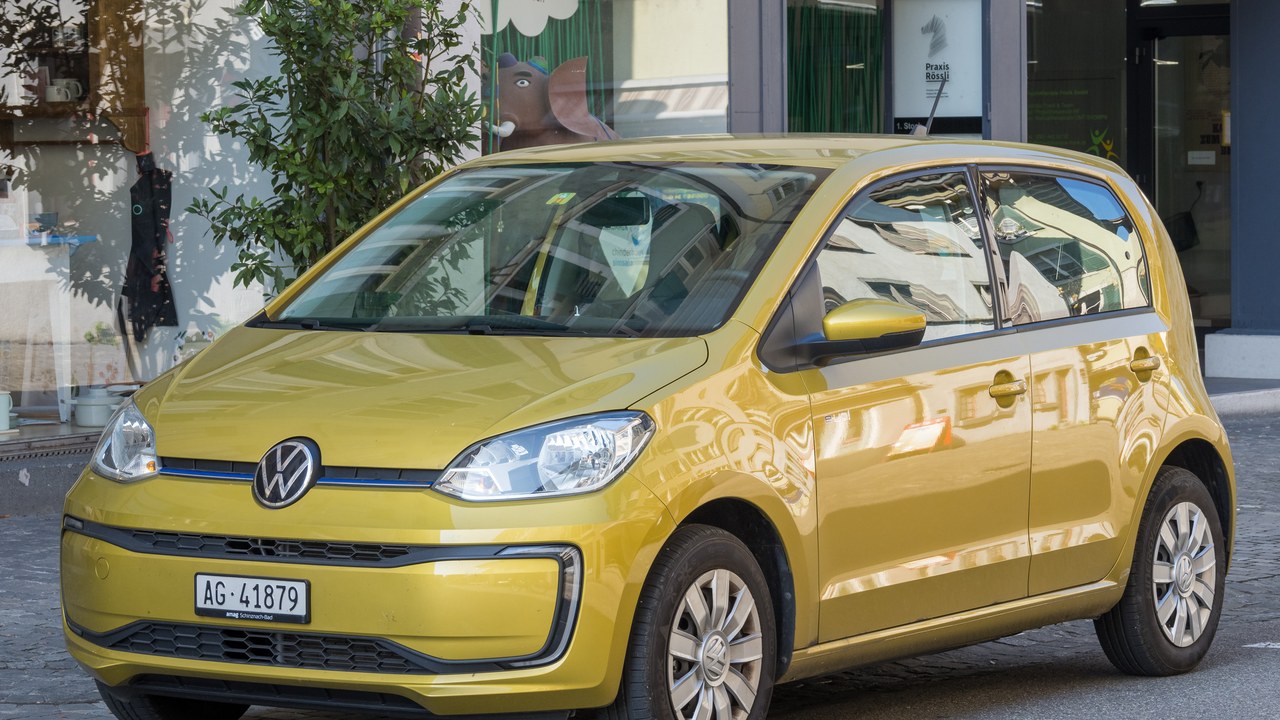
Volkswagen’s smallest modern offering, the Up, launched in 2011 as the anchor of the firm’s New Small Family. Clever packaging gives four adults usable space inside a body just under 3.6 metres long, and near-vertical sides make the most of every available centimetre.
The same design was rebadged as the Skoda Citigo and Seat Mii, spreading development costs across the wider group. A battery-powered e-Up version later added silent, zero-tailpipe running for short urban trips. Assembled in Bratislava, Slovakia, the model earned a reputation for feeling far more grown-up than its tiny dimensions might suggest.
4. Smart Fortwo: Two seats, almost no footprint
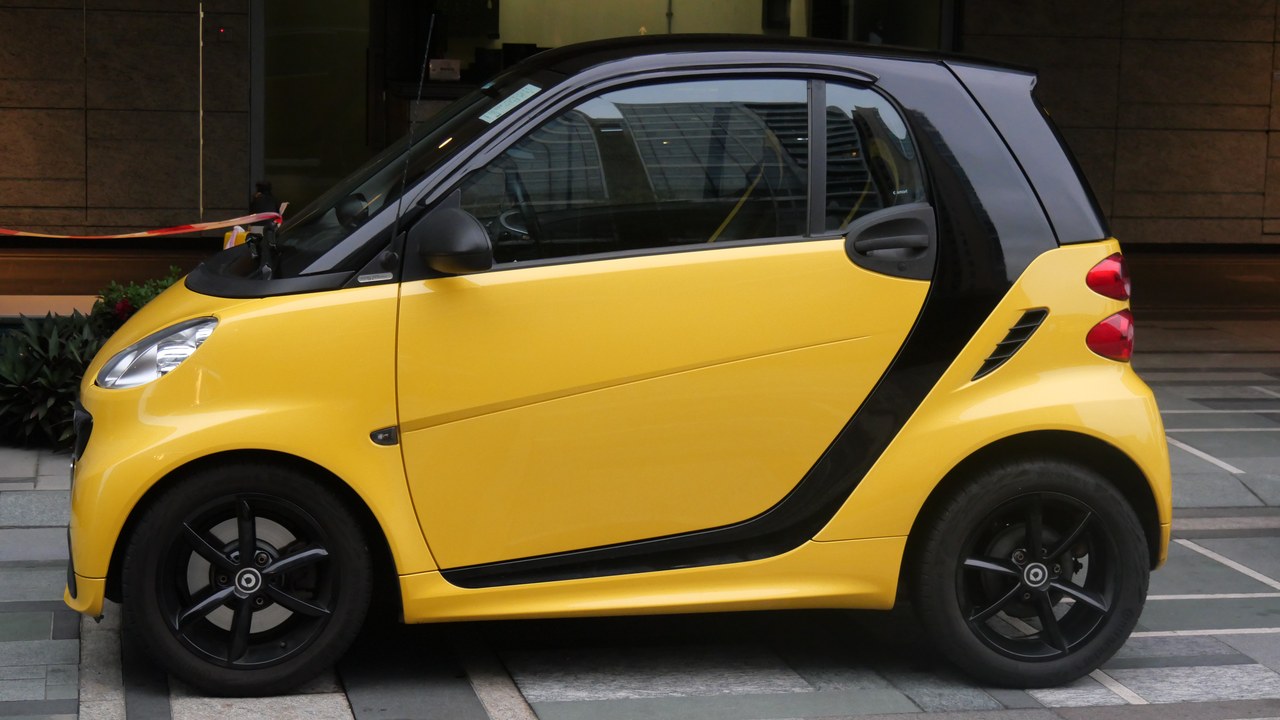
Barely 2.7 metres long, the two-seat Smart Fortwo was engineered so it can nose straight into spaces where others must parallel park. A rear-mounted engine drives the back wheels, freeing the front axle for a remarkably tight turning circle in dense traffic.
A reinforced Tridion safety cell, usually finished in a contrasting colour, protects occupants despite the minimal length. Developed by Daimler, the car has been sold in petrol and all-electric forms over successive generations. Its footprint remains among the shortest of any road-legal four-wheeler designed for congested inner cities and their scarce parking.
5. Renault Twingo: French personality on a budget
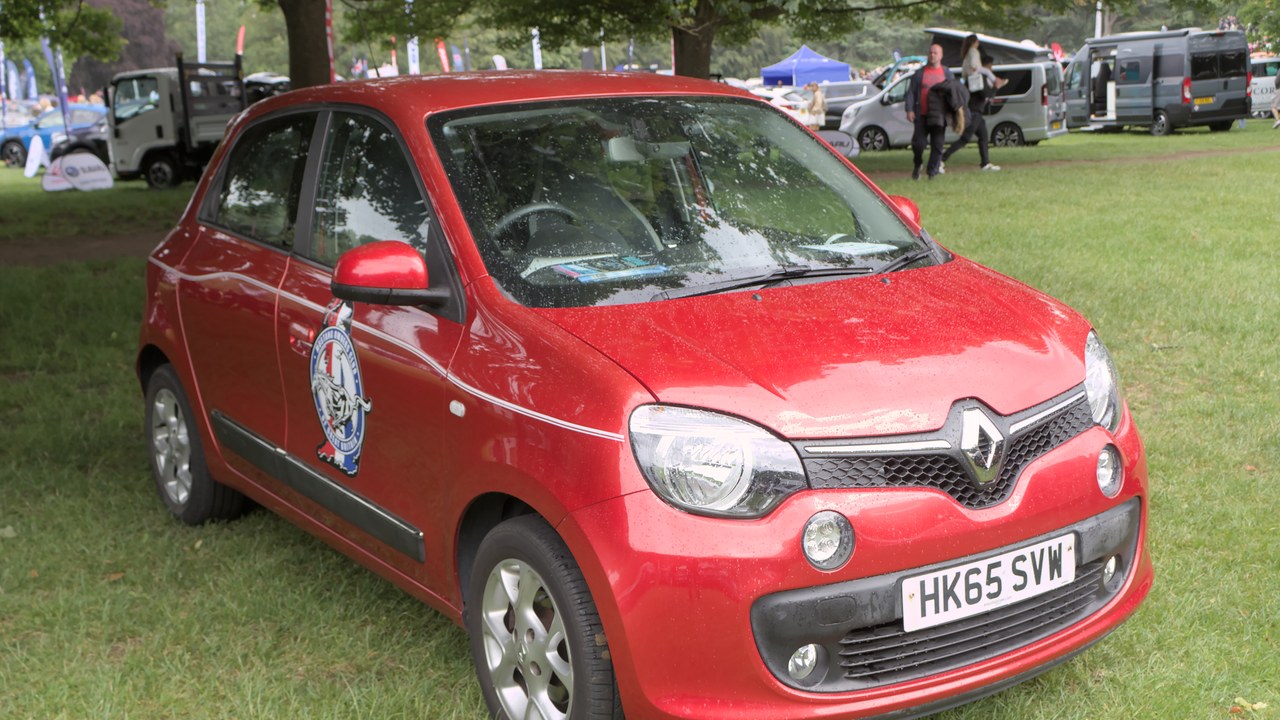
First launched in 1992, the Renault Twingo won fans with a cheeky one-box design and a playful face that stood apart from rivals. The third generation, revealed in 2014, moved the engine to the rear, sharpening its turning circle for genuinely tight manoeuvres.
That rear-engine layout was co-developed with the Smart Forfour, letting both cars share components and packaging tricks. Wide-opening doors and a flexible cabin make loading easy in cramped kerbside spots. Sold mainly across Europe, the Twingo built a loyal following among drivers wanting real personality in an affordable, genuinely small package.
6. Toyota Aygo: A thrifty urban runabout
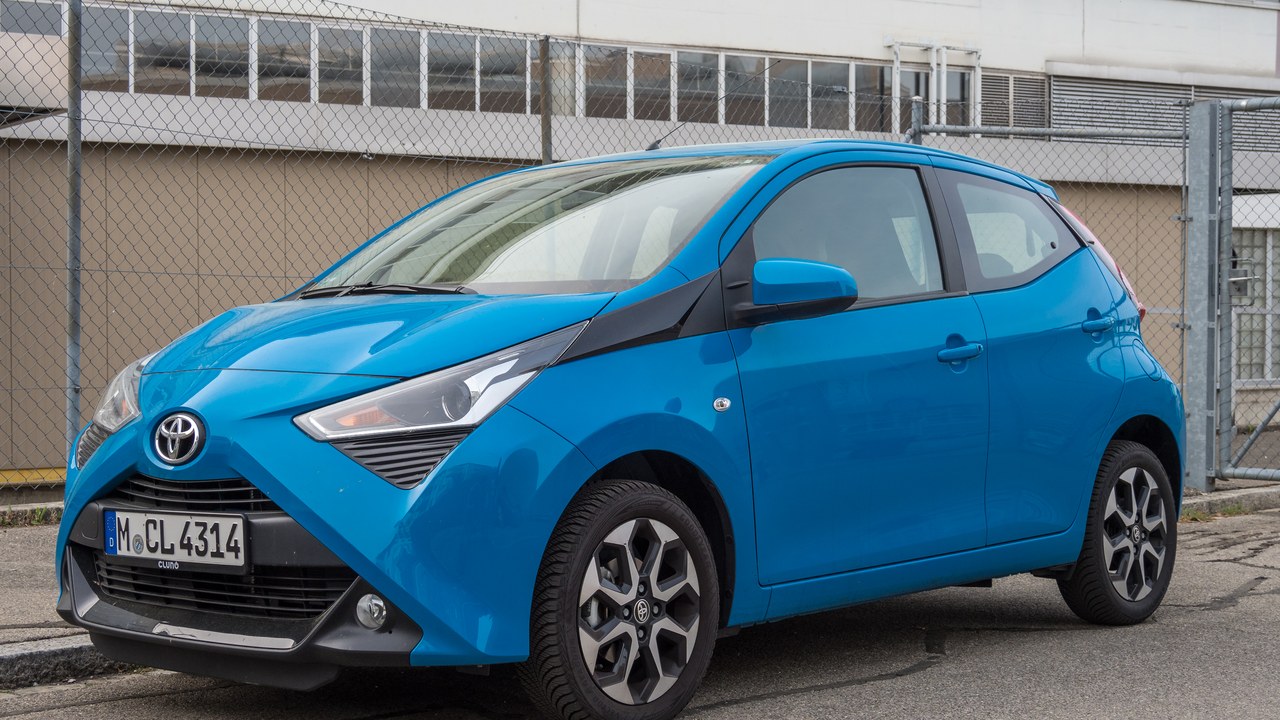
A joint venture between Toyota and PSA produced the Toyota Aygo, launched in 2005 alongside near-identical Peugeot and Citroen twins. Built at a shared plant in Kolin, Czech Republic, it targeted budget-minded buyers who wanted low running costs and easy parking.
Compact dimensions, light steering and thrifty three-cylinder engines made the Aygo a natural fit for stop-start traffic. A later crossover-styled version, the Aygo X, added raised ground clearance while keeping the small footprint. Cheap servicing and strong fuel economy helped the model stay popular with first-time buyers and seasoned city drivers alike.
7. Peugeot 108: One of a shared trio
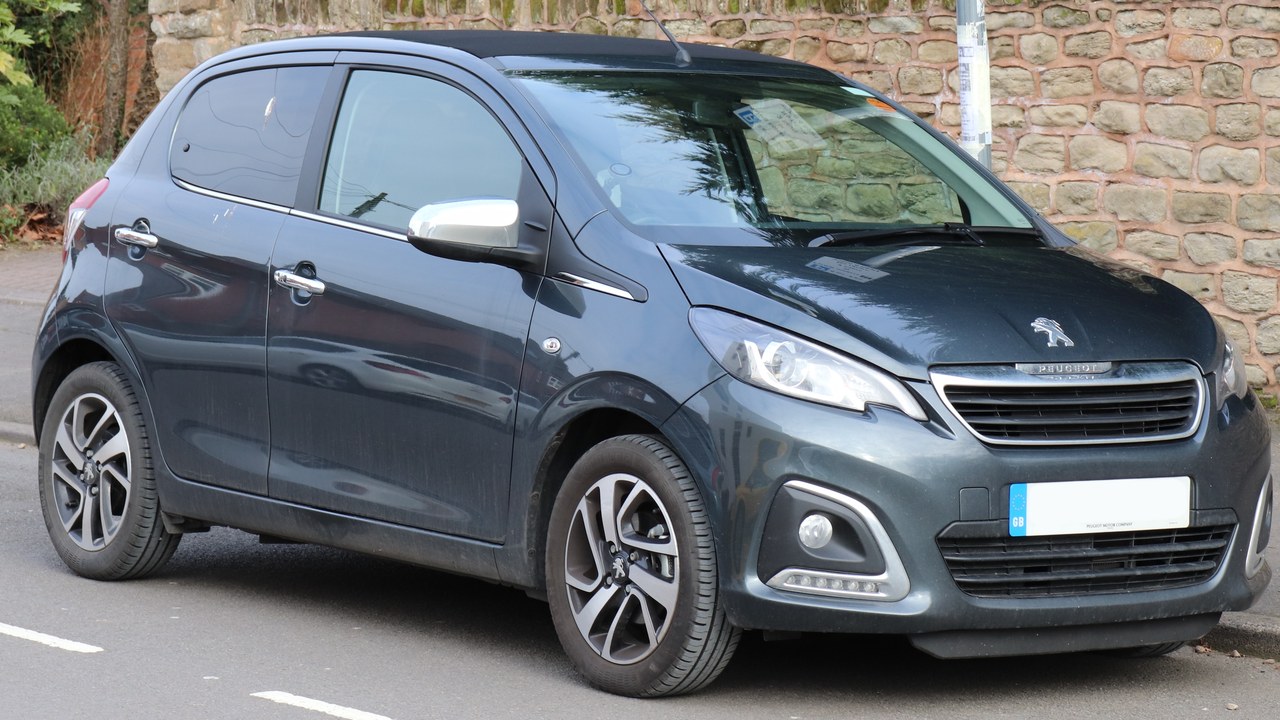
Introduced in 2014, the Peugeot 108 replaced the earlier 107 and shared its underpinnings with the Citroen C1 and Toyota Aygo. All three rolled off the same Czech assembly line, spreading costs across a trio of near-identical city cars.
Short overhangs and a compact body made the 108 easy to slot into tight kerbside gaps and multi-storey bays. Buyers could choose three- or five-door forms, plus a folding fabric roof on some versions. Modest engines kept fuel use and insurance low, reinforcing the model’s appeal to cost-conscious younger drivers.
8. Hyundai i10: Roomy where it counts
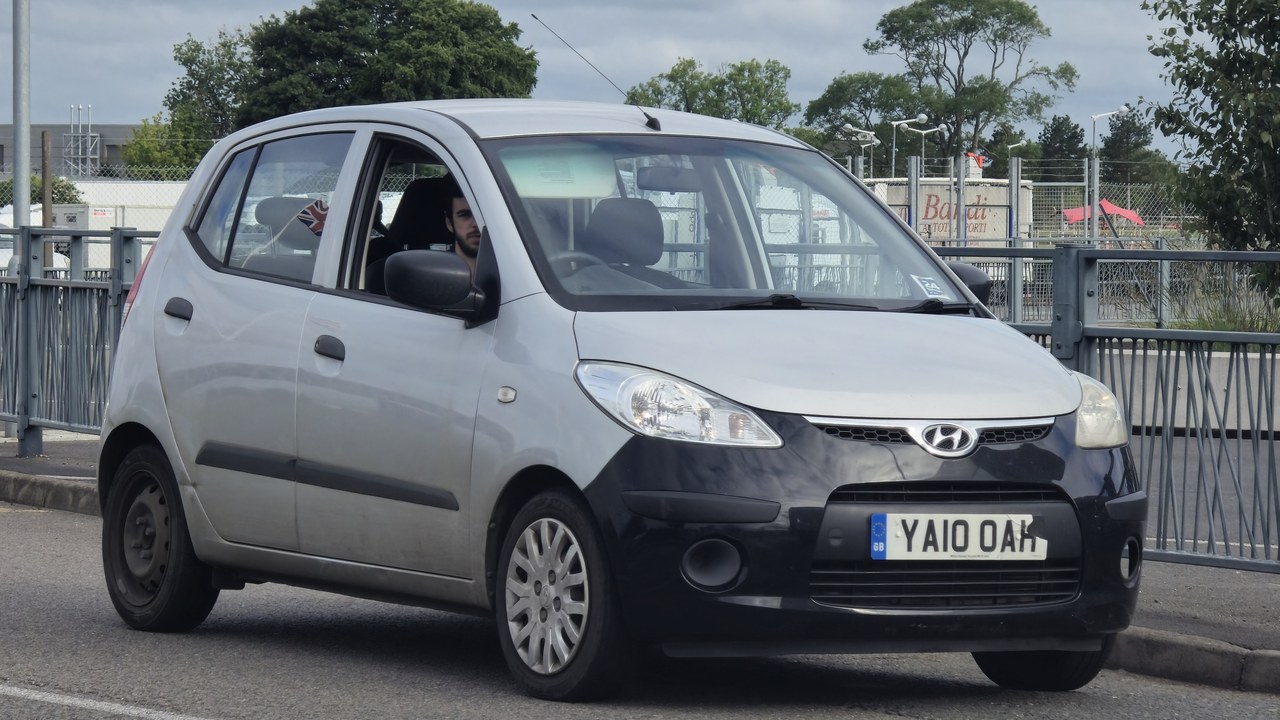
Sold since 2007, the Hyundai i10 earned a reputation for offering surprising interior room within a genuinely small city-car body. Tall proportions and a clever layout free up head and leg space that larger superminis sometimes struggle to match.
Built largely in India and later Turkey, the model paired keen affordability with a long warranty that reassured cautious buyers. Compact dimensions and light controls make parking and low-speed manoeuvring straightforward in congested areas. Successive generations improved refinement and safety, helping the i10 become a steady seller across many European markets.
9. Kia Picanto: Value packed into a small hatch
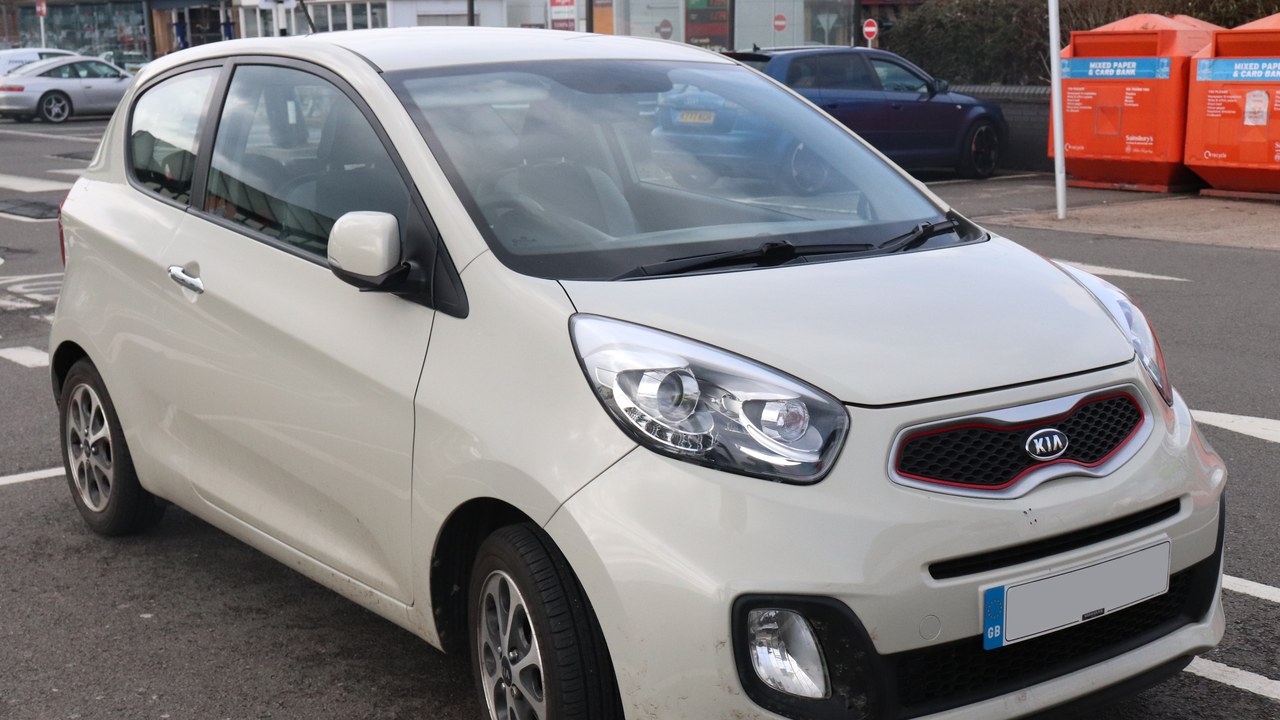
Value has long defined the Kia Picanto, a compact hatchback launched in 2004 and aimed squarely at budget-conscious buyers. Its small footprint and light steering make it easy to thread through traffic and drop into short parking spaces.
Generous standard equipment and a lengthy manufacturer warranty helped the model stand out against more established rivals. Built for low running costs, it relies on frugal small engines suited to short urban journeys. Regular updates kept the styling fresh, and the Picanto remains one of the more affordable routes into a brand-new car.
10. Citroen C1: Minimalist and easy to park
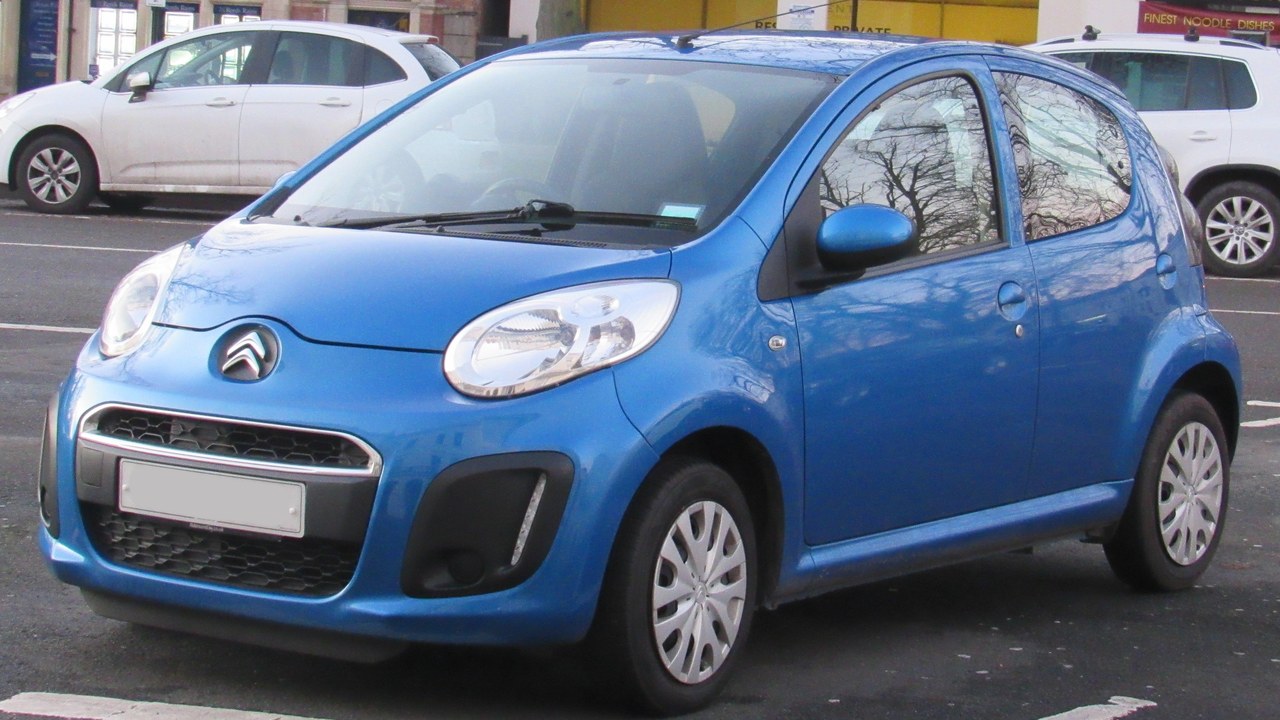
Among the last of a shared trio, the Citroen C1 arrived in 2005 as a minimalist city car twinned with the Peugeot 107 and Toyota Aygo. Its stripped-back approach kept weight and price low, appealing to drivers who wanted simple, cheap transport.
Assembled at the same Kolin plant as its siblings, the C1 offered three- and five-door bodies and a fabric sunroof option. Light weight and tiny dimensions made it economical to run and easy to park. Production ended in 2022, closing a chapter on one of Europe’s most successful small-car collaborations.
More from Morning Overview
