
Some engines do more than burn gasoline; they quietly burn through their own oil supply, leaving owners topping off quarts between scheduled changes without knowing why. Consumer Reports tracked owner complaints and identified a dozen engine families, from BMW’s twin-turbo V8 to Subaru’s flat-four, that consumed oil fast enough to run a crankcase dangerously low. Here are ten of those engines and the cars that carried them.
1. BMW 4.4-liter twin-turbo V8 in the 2012-19 M5: Worst On The List
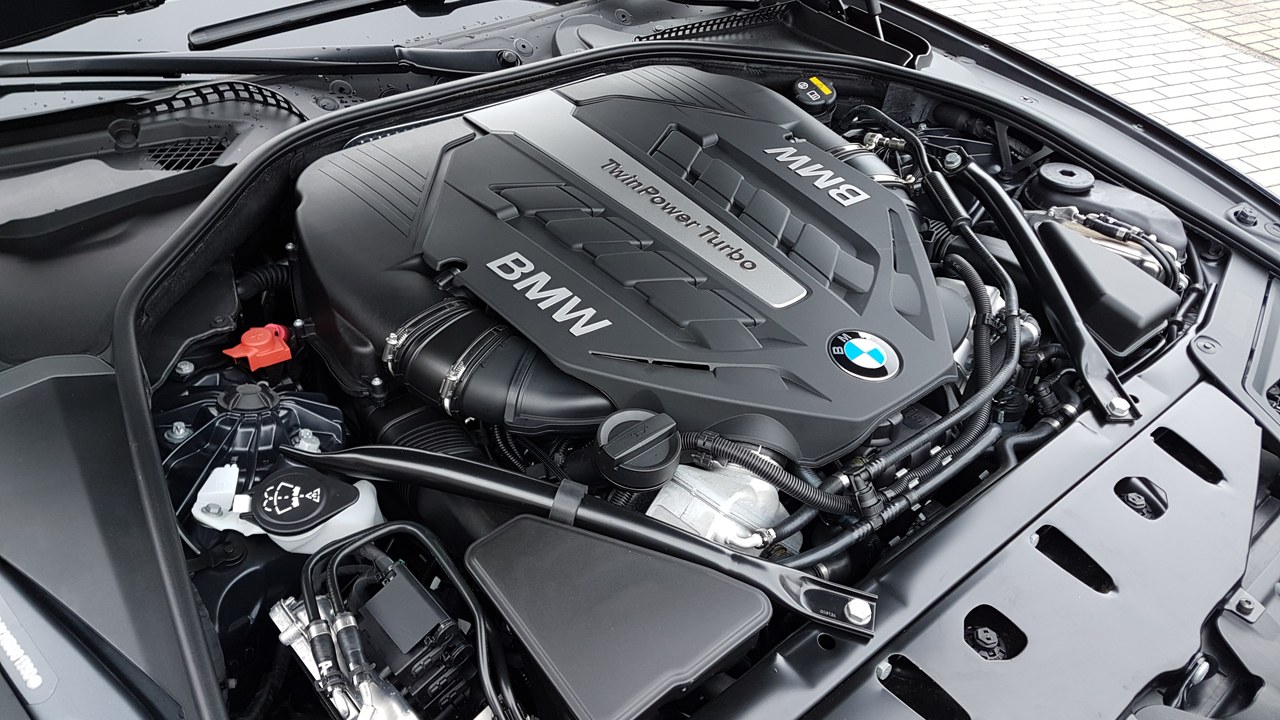
Consumer Reports named this twin-turbo V8, built for the high-performance M5 sedan, the worst oil-burner on its entire used-car oil-burner list, and more than half of owners surveyed about the 2012 model year reported the problem.
A shopper eyeing a used M5 should plan on checking the dipstick far more often than a normal owner’s manual suggests, since low oil on a high-output twin-turbo V8 can starve rod bearings and camshafts before any warning light on the dashboard even flickers, turning a cheap top-off into an expensive rebuild.
2. BMW 4.8-liter V8: BMW Called It Normal

This naturally aspirated V8, fitted to several BMW sedans and SUVs of its era, was named among the brand’s biggest offenders, and BMW itself considered a quart burned every 600 to 700 miles within its acceptable consumption range at the time.
That threshold is far thirstier than most owners expect from a factory-fresh engine, so a used buyer should ask for oil-consumption records rather than trust a clean-looking dipstick at a single showing, since a car can pass a quick inspection and still be drinking oil between visits.
3. Acura 3.7-liter V6 in the 2010-13 MDX: MDX Owners Complained
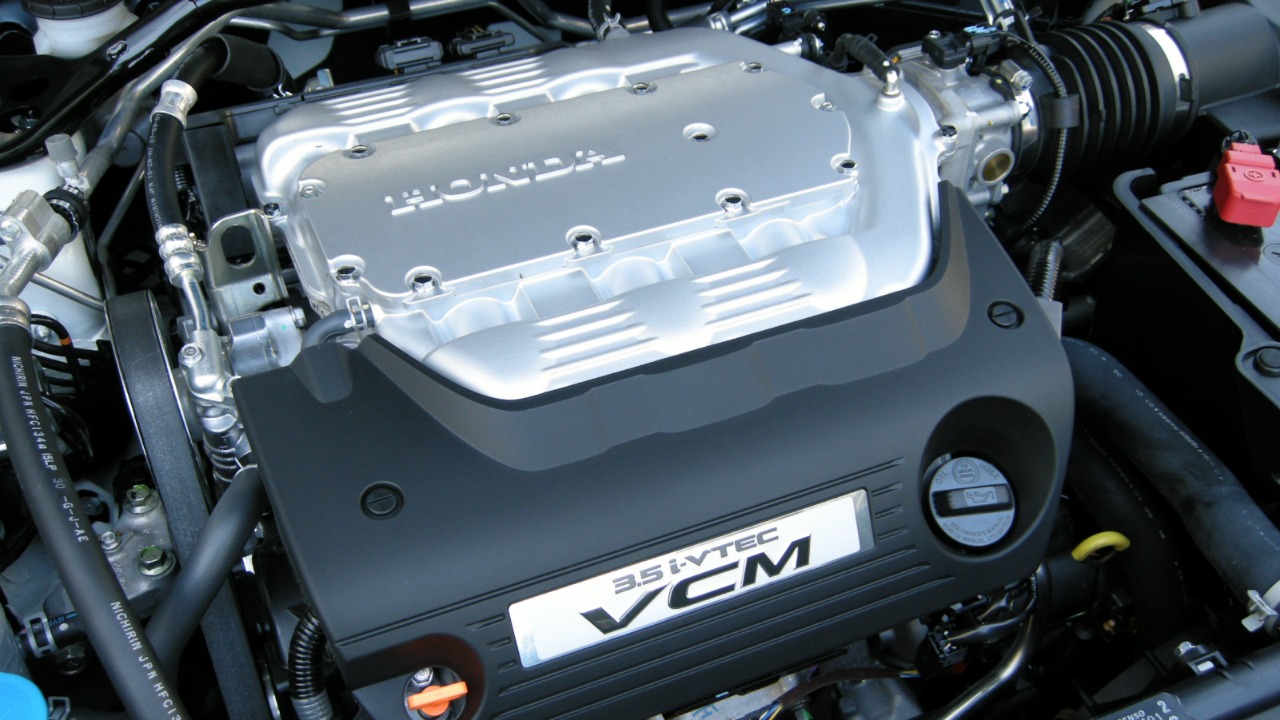
Between 10 and just over 20 percent of owners reported oil consumption trouble with this V6, according to Consumer Reports’ owner survey of the 2010-13 Acura MDX, a three-row crossover built on Honda’s J-series engine platform.
That is a wide enough share that a prospective MDX buyer should ask a seller directly how often oil gets topped off between changes rather than assume the SUV’s broader reputation for dependability automatically covers this particular engine and generation, since the two do not always line up in practice.
4. Subaru 3.6-liter flat-six in the 2010-14 Tribeca: A Quarter Of Owners
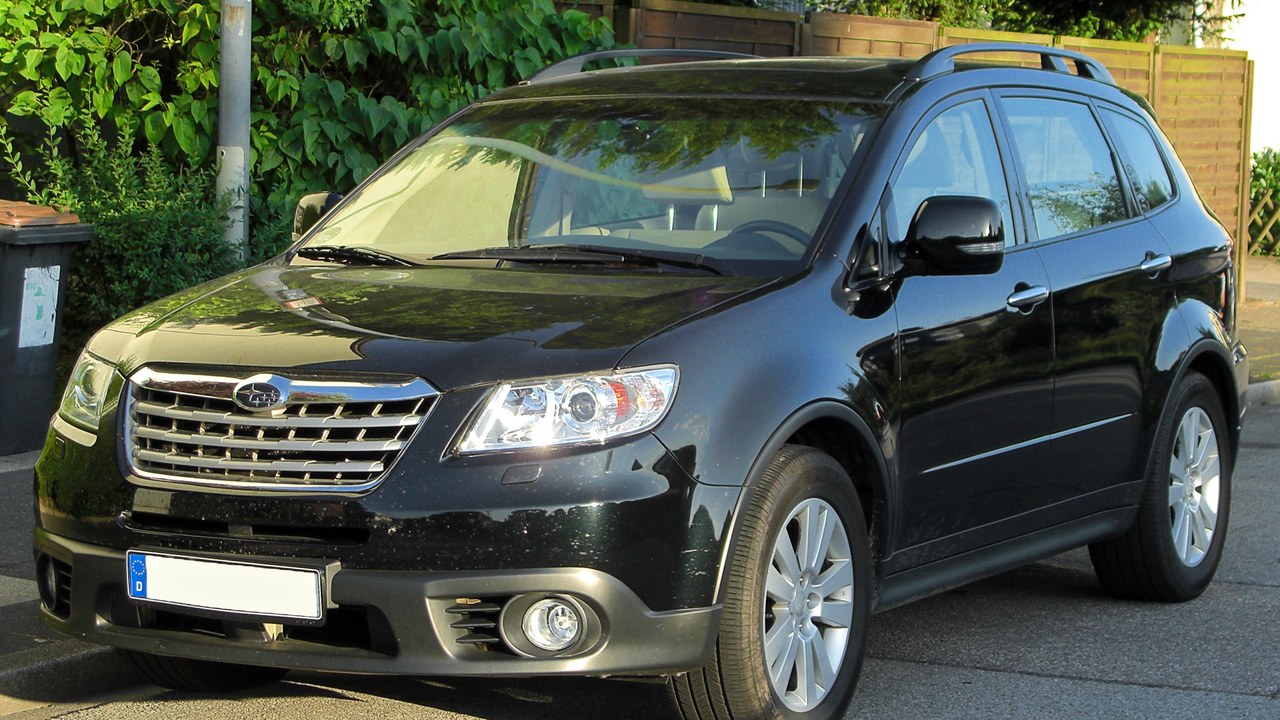
About a quarter of Tribeca owners complained of oil consumption in this flat-six, per Consumer Reports’ used-car findings on the 2010-14 Subaru Tribeca, a slow-selling three-row crossover from the brand.
The Tribeca never sold in huge numbers, so parts and specialist knowledge can be scarcer than for Subaru’s more common models, which makes a pre-purchase oil-consumption test even more worthwhile before committing to one, since a surprise top-off habit is harder to diagnose and budget for on a rarer, lower-volume model like this one.
5. Subaru 2.5-liter flat-four in the 2010-15 Forester and Outback: Hit Two Best-Sellers

Consumer Reports flagged this flat-four as an oil burner in two of Subaru’s biggest sellers, the 2010-15 Forester and Outback, on the same used-car oil-burner list that named the brand’s six-cylinder engine too.
Because these two models sold in such volume as everyday family wagons and small SUVs, the problem likely touches far more driveways than a niche model would, so checking oil-level history matters even on an example that otherwise looks well cared for and comes with a tidy service binder.
6. Audi 2.0-liter turbo four: Same Threshold As BMW
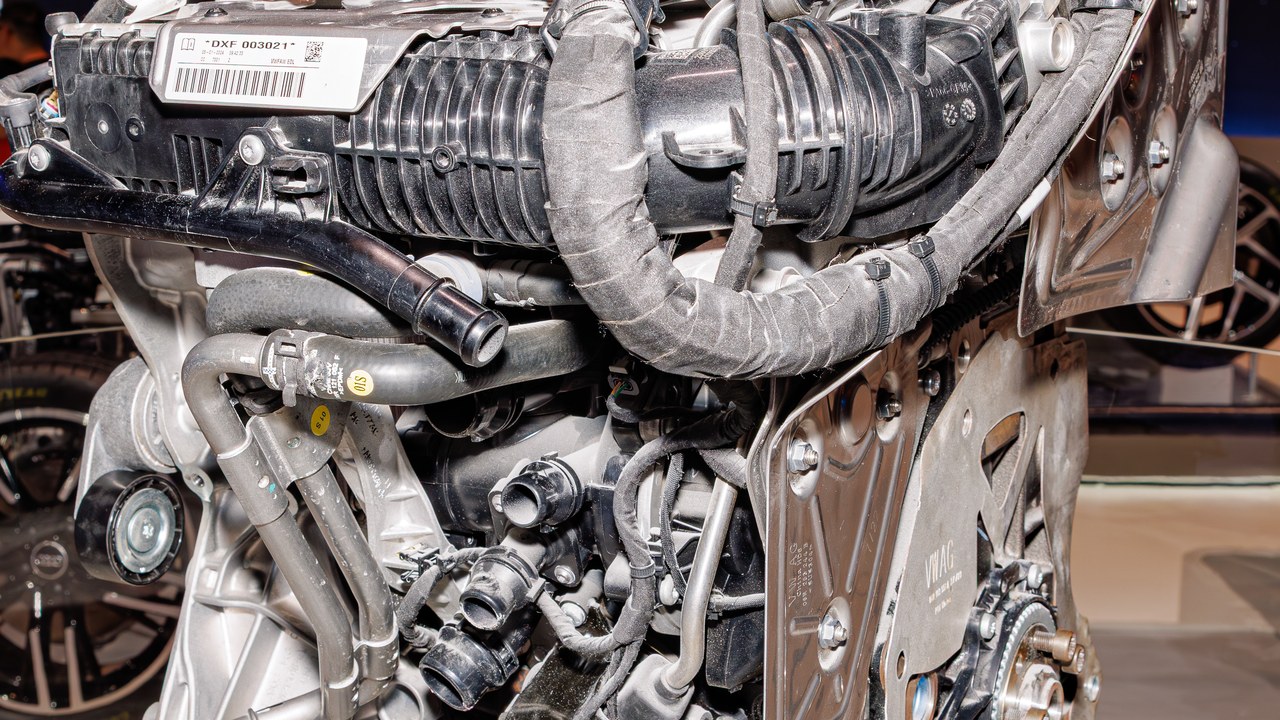
Audi’s turbocharged four-cylinder, used across several sedans and crossovers, also made Consumer Reports’ thirsty list, and Audi likewise called a quart burned every 600 to 700 miles acceptable consumption for the engine.
That is a notably loose standard for a small-displacement, mass-market engine, so anyone shopping a used Audi sedan or crossover from this era should ask specifically about oil top-offs rather than rely on a service history alone to rule out the issue before signing anything or handing over payment.
7. Audi supercharged 3.0-liter V6 (2011-2019): One Of Twelve Flagged

This supercharged 3.0-liter V6, built from 2011 through 2019 and shared across several Audi sedans and SUVs, is one of twelve engines Consumer Reports found could deplete oil between changes.
Supercharged engines already run hotter oil temperatures than naturally aspirated ones, so a buyer should treat frequent dipstick checks as routine maintenance rather than an extra chore on any Audi sedan or SUV built around this particular six-cylinder engine, especially one bought without a documented oil-change history from a prior owner or dealer service record.
8. GM 2.4-liter four-cylinder (2011-2015): Ecotec Made The List
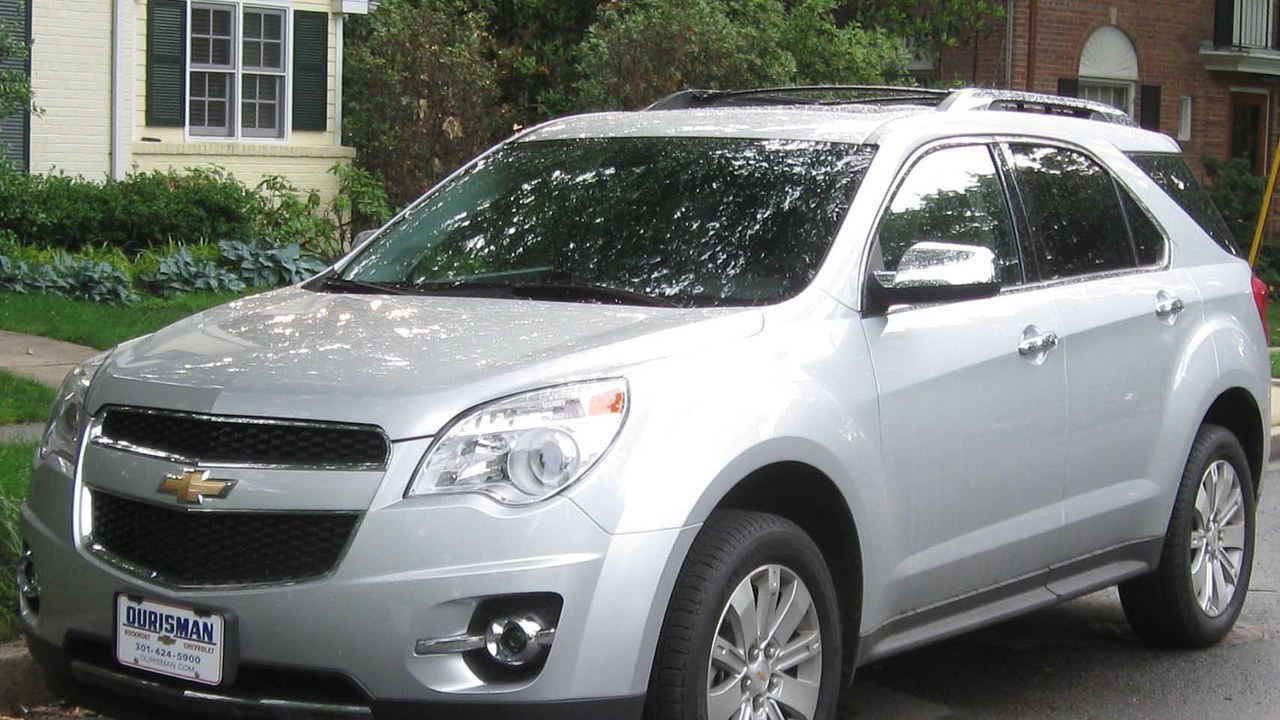
The Ecotec four-cylinder used in the Chevrolet Equinox and GMC Terrain from 2011 to 2015 also made Consumer Reports’ oil-burning engines report, alongside pricier German engines on the same list.
These compact crossovers were sold in large numbers as affordable family vehicles, so the issue likely affects plenty of daily commuters who may never have been warned by a dealer to watch oil consumption closely between routine service visits and inspections at their local shop or dealership over the years.
9. Mini turbocharged 1.6-liter four (2010-2015): Small Turbo, Same Problem

Mini’s turbocharged 1.6-liter four, built from 2010 to 2015 for the Cooper S and related models, sits on the same Consumer Reports oil-consumption findings as its larger German rivals.
A compact hatchback with a thirsty engine can be an easy problem to miss, since the small crankcase leaves less margin before oil runs critically low between scheduled changes, especially for an owner who only checks levels once a season rather than checking monthly like a more cautious driver would prefer.
10. Volkswagen turbocharged 1.4-liter four (2016-2019): Newest Engine On The List

Volkswagen’s small turbocharged four-cylinder, built for the 2016 through 2019 model years and used in several compact sedans, rounds out Consumer Reports’ oil-burning engines report.
Being the newest engine on this list is a reminder that downsized turbo fours have not fully solved the consumption problem that plagued larger engines before them, so a newer build date alone is no guarantee against the same costly trouble showing up later down the road for an unsuspecting owner who trusted the shorter age.
More from Morning Overview
- Herbal supplements are landing Americans in the hospital with liver damage, doctors warn
- General Motors is switching on cameras that record inside your vehicle by update
- A geomagnetic storm is forecast to hit Earth today, pushing the northern lights unusually far south
- A recalled pill hid a stimulant dose linked to heart attacks and death
