
The average new vehicle now sells for more than $50,000, which leaves many shoppers wondering whether an electric car is out of reach. Several models undercut that figure by a wide margin, and three start below $30,000. Here are ten electric vehicles that show how far a modest budget can stretch.
1. Chevrolet Bolt: Back With a Bargain Price
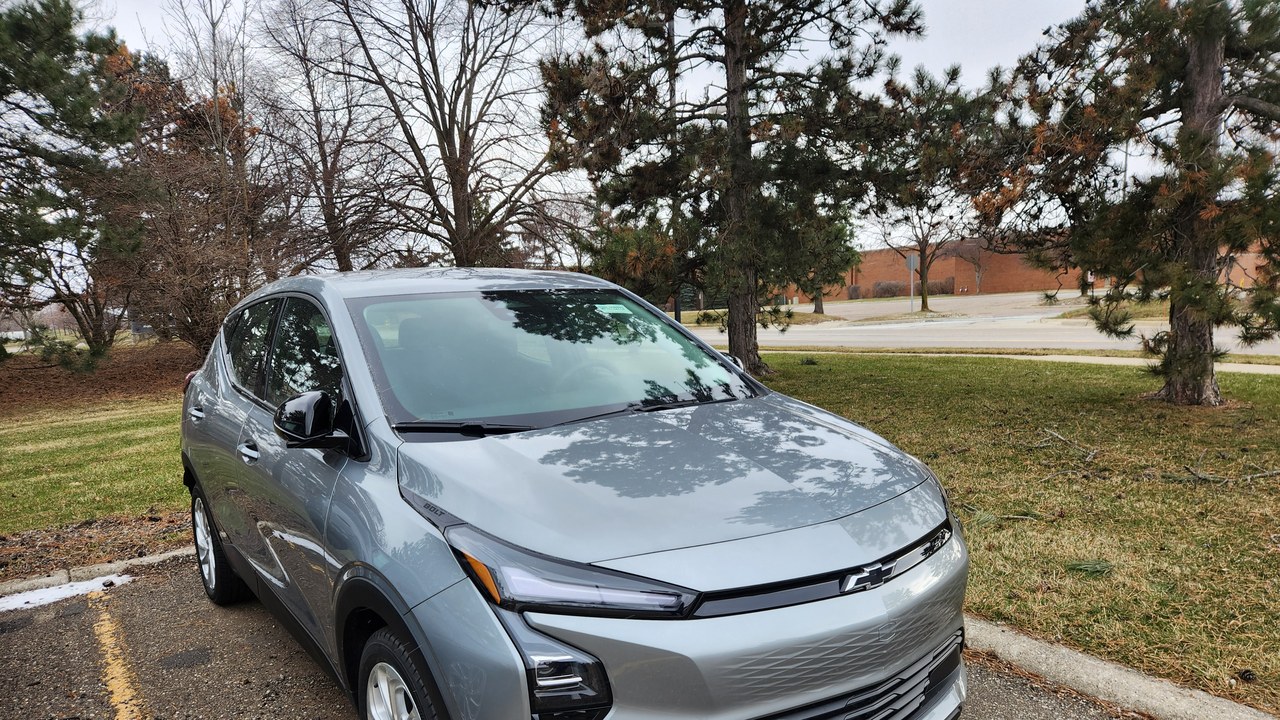
The returning 2027 Bolt starts at $28,995 including a $1,395 destination charge, according to Chevrolet’s own announcement. That is the lowest starting price on this list, and the EPA-estimated range is 262 miles.
A sub-$30,000 sticker paired with that much range covers most daily driving and plenty of longer trips. The price includes destination but not taxes, options or dealer charges, so the final bill will run higher for most buyers. The Bolt name returns after a pause, giving Chevrolet a familiar badge at a price that can be compared directly with the average new car. Shoppers weighing it against gas models should look at total ownership costs, not only the sticker.
2. Kia EV3: Kia’s Entry Point
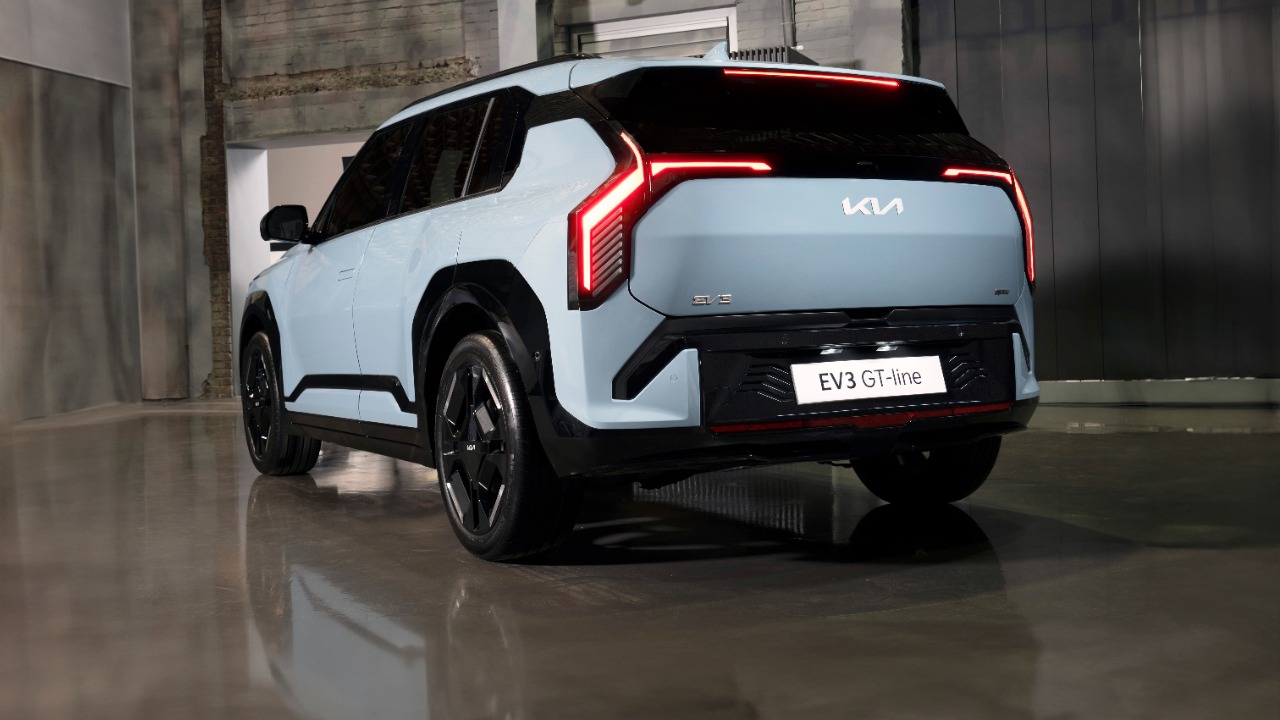
Kia calls the 2027 EV3 its most affordable electric vehicle in America, with a starting MSRP of $29,890, as autoevolution reported after the pricing was announced.
InsideEVs lists the same model at $31,385 once destination is included, so the two figures are not measured the same way. Even at the higher number, the EV3 sits far below the $50,000 average, and its MSRP places it among the three models starting under $30,000. Kia’s own wording makes affordability the headline for this model. Shoppers should check what equipment comes standard at that entry price and whether the range suits their routine before comparing it with the Bolt.
3. Nissan Leaf: Still Under Thirty Grand
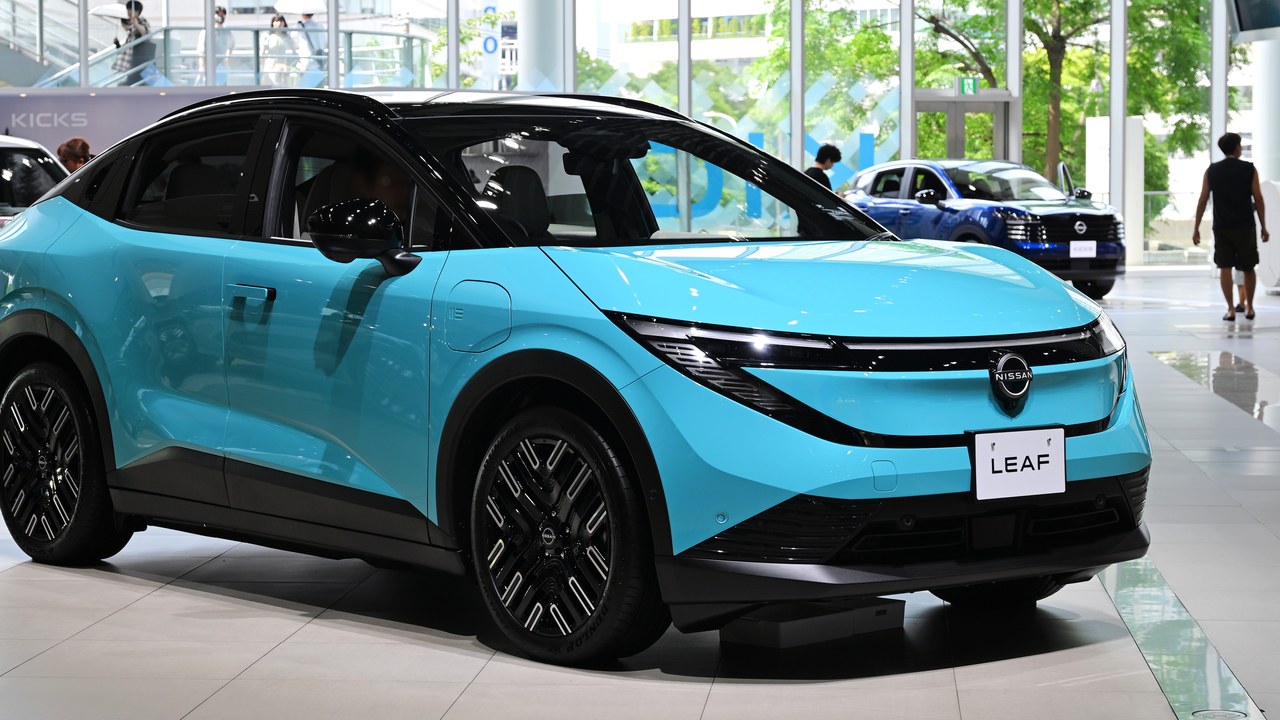
Nissan priced the all-new 2026 Leaf from $29,990 MSRP, and its official news release stresses that the car stays under $30,000 while adding features and range.
That makes the Leaf the third model here to start below the $30,000 line, joining the Bolt and the EV3. As with the Kia, the number is an MSRP, so destination charges will push the total higher. It suits shoppers who want a fresh design without crossing that threshold. Nissan’s message centers on getting more for the same money, with more features and more range than before while holding the line on cost. That focus on value is why the Leaf belongs on any list built around price.
4. Toyota bZ: Toyota’s Mid-Pack Pick
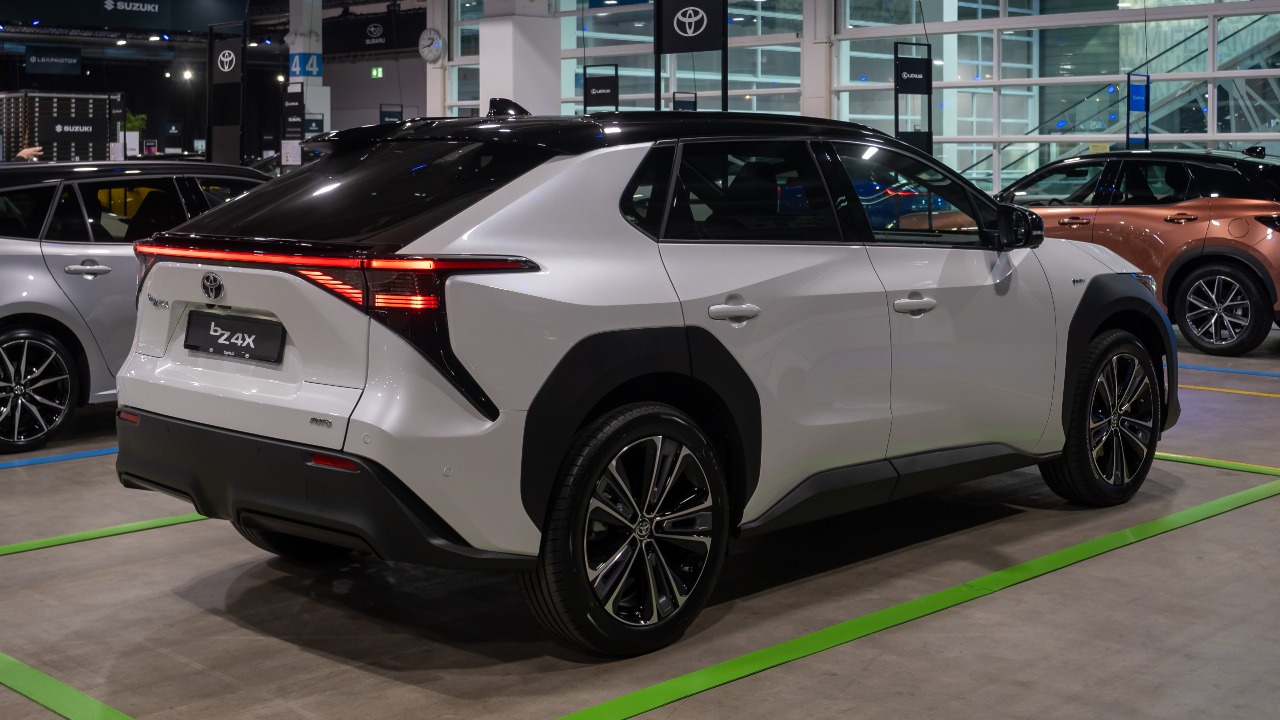
The 2026 Toyota bZ starts at $36,495 including destination, based on InsideEVs’ price ranking of the cheapest electric cars.
That lands more than $13,000 under the $50,089 average transaction price reported by Kelley Blue Book for August. The bZ sits above the sub-$30,000 trio but well below the average, and because the figure includes destination, the comparison is close rather than exact. Toyota’s model rounds out a group of mainstream brands competing for the same buyers. The practical step for anyone comparing options is to look at destination-inclusive prices, as InsideEVs does, so the numbers line up fairly.
5. Hyundai Ioniq 5: Hyundai’s Tight Race
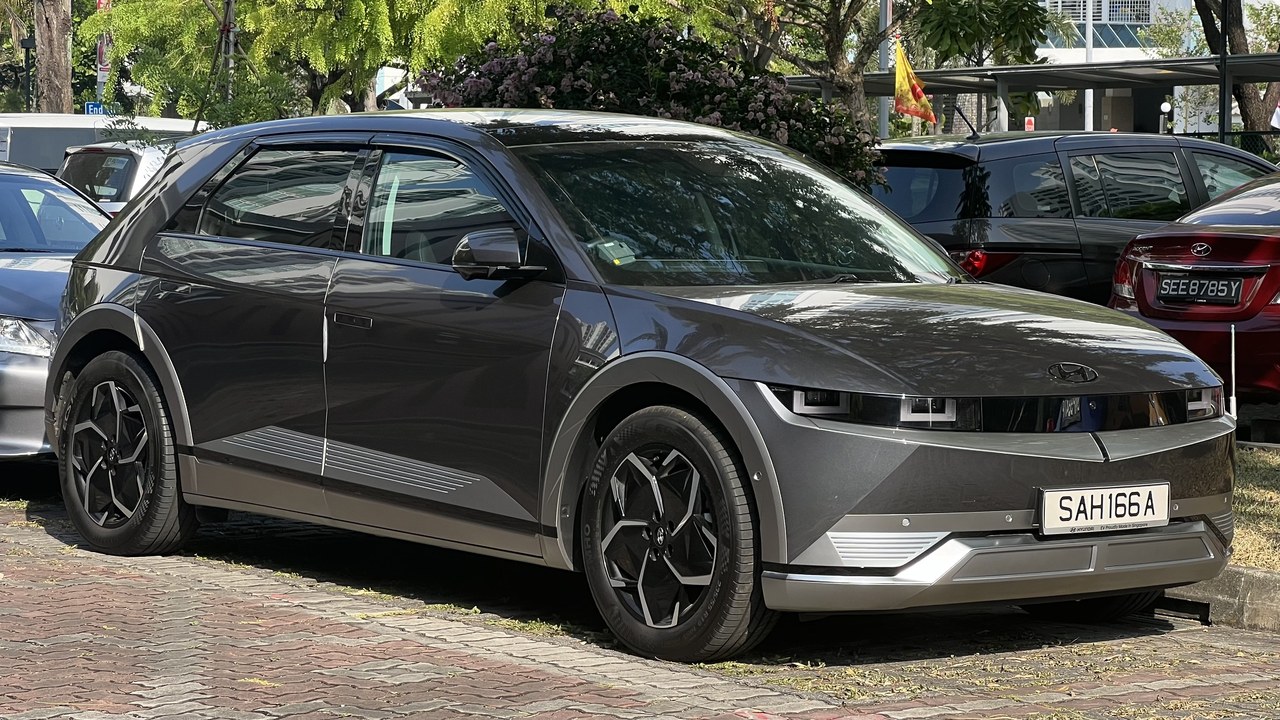
The 2026 Ioniq 5 starts at $36,600 including destination, according to the same InsideEVs list, only a little above the Toyota.
The Hyundai lands within a few hundred dollars of its rivals here, which shows how tightly this part of the market is priced. It still undercuts the $50,089 average by roughly $13,500. Prices can shift, so shoppers should confirm current numbers with a dealer. The InsideEVs list is destination-inclusive across its entries, which makes the Hyundai’s number easy to compare with the Toyota, Chevrolet and Fiat. Small gaps like these often come down to trim and equipment rather than a clear winner.
6. Chevrolet Equinox EV: Chevy’s Second Entry
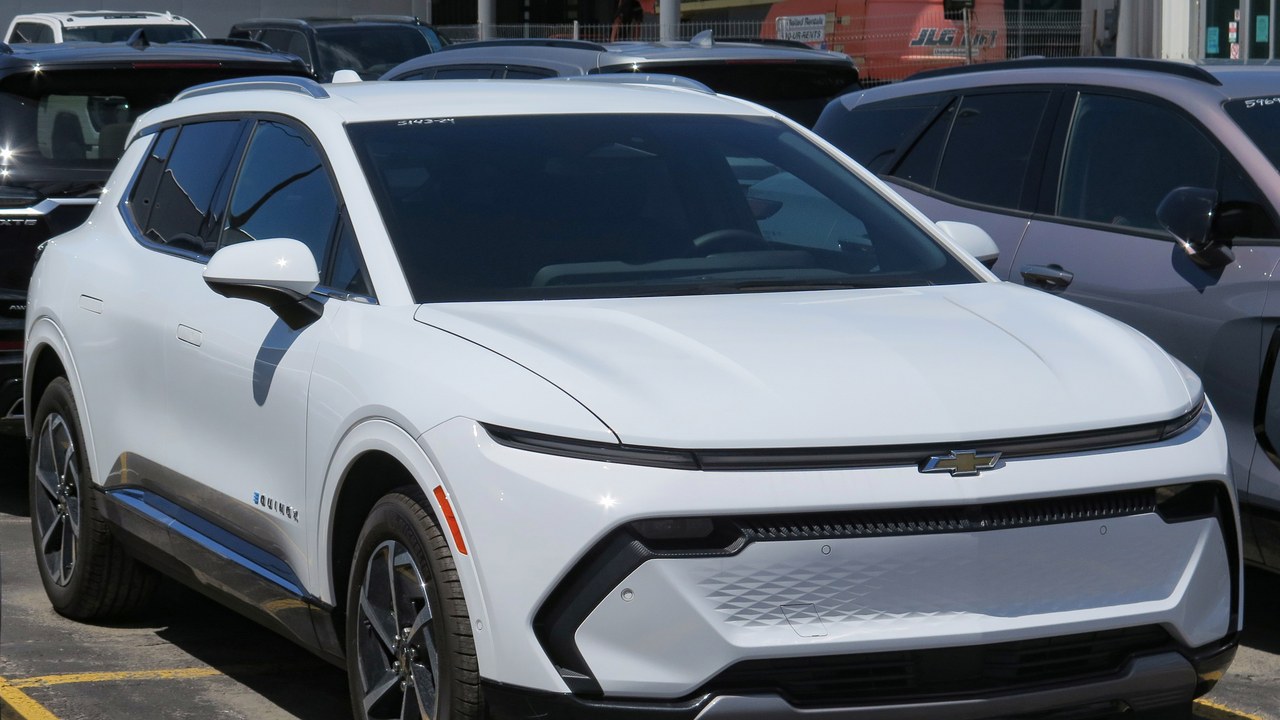
Chevrolet’s Equinox EV starts at $36,795 including destination for 2026, says InsideEVs’ ranked list, close to the Ioniq 5 and the bZ.
It gives Chevrolet a second spot on the list alongside the Bolt, at a price that leaves roughly $13,000 of room under the average new car. Starting prices reflect the base trim, so better-equipped versions will cost more. Between this Chevrolet, the two Kia models and the two Tesla models, several brands here field more than one affordable electric vehicle. That suggests mainstream nameplates are competing hard on price.
7. Tesla Model 3: Tesla’s Cheaper Sedan
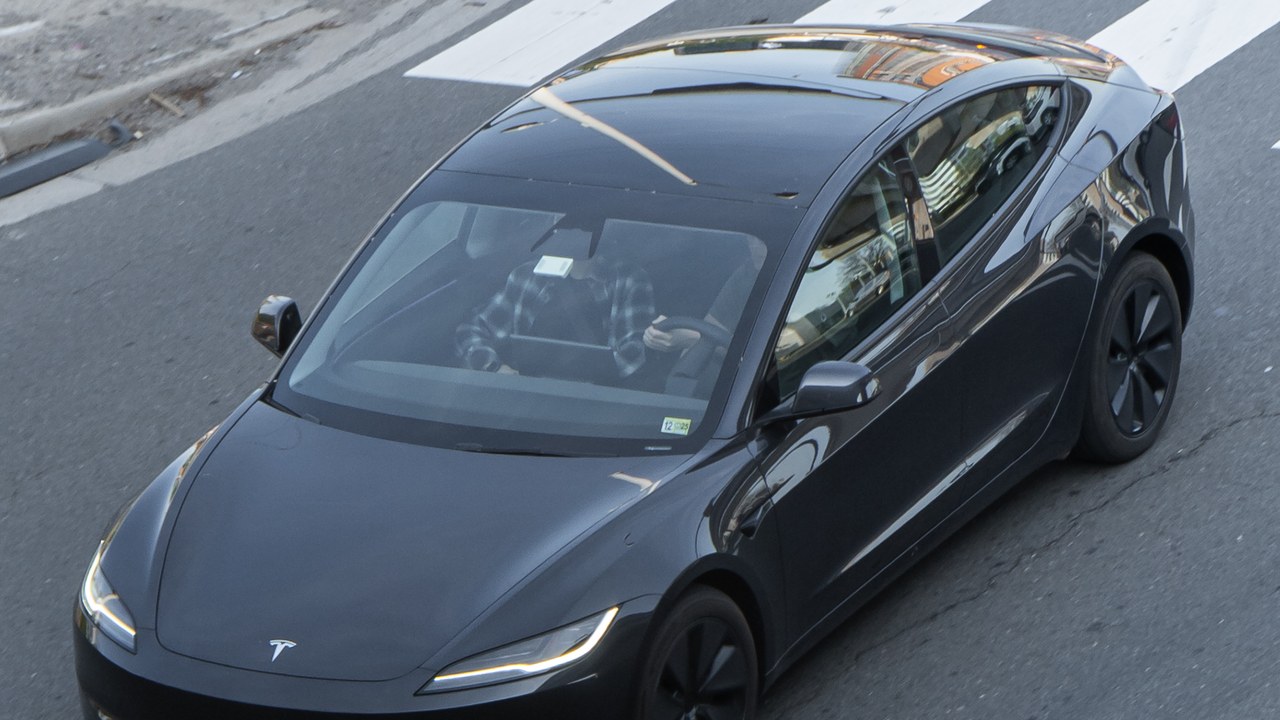
The Model 3 Standard lowered Tesla’s entry price to $36,990, according to autoevolution’s coverage of the launch.
InsideEVs lists the Model 3 at $38,630 with destination included, a reminder that the two prices are not counted the same way. Even the higher figure sits well under $50,000, which is why the sedan earns a place on a list built around price. Tesla’s Standard versions are how the company reaches lower price points, and the Model Y Standard at $39,990 follows the same approach. Both were presented as new, lower-priced entries in Tesla’s lineup.
8. Fiat 500e: Small Fiat, Modest Price

The 2026 Fiat 500e starts at $37,695 including destination, based on the InsideEVs price ranking.
The figure is under $1,000 above the Model 3 Standard’s base price, though the two are counted differently. It still sits about $12,400 below the $50,089 average. Small size is part of the appeal, so shoppers should compare space and range before deciding. InsideEVs includes it in its ranked list of the cheapest electric cars, which is why it belongs here despite its small footprint. Buyers who mostly drive around town may find that trade-off worthwhile.
9. Kia EV6: Kia Cuts the Price
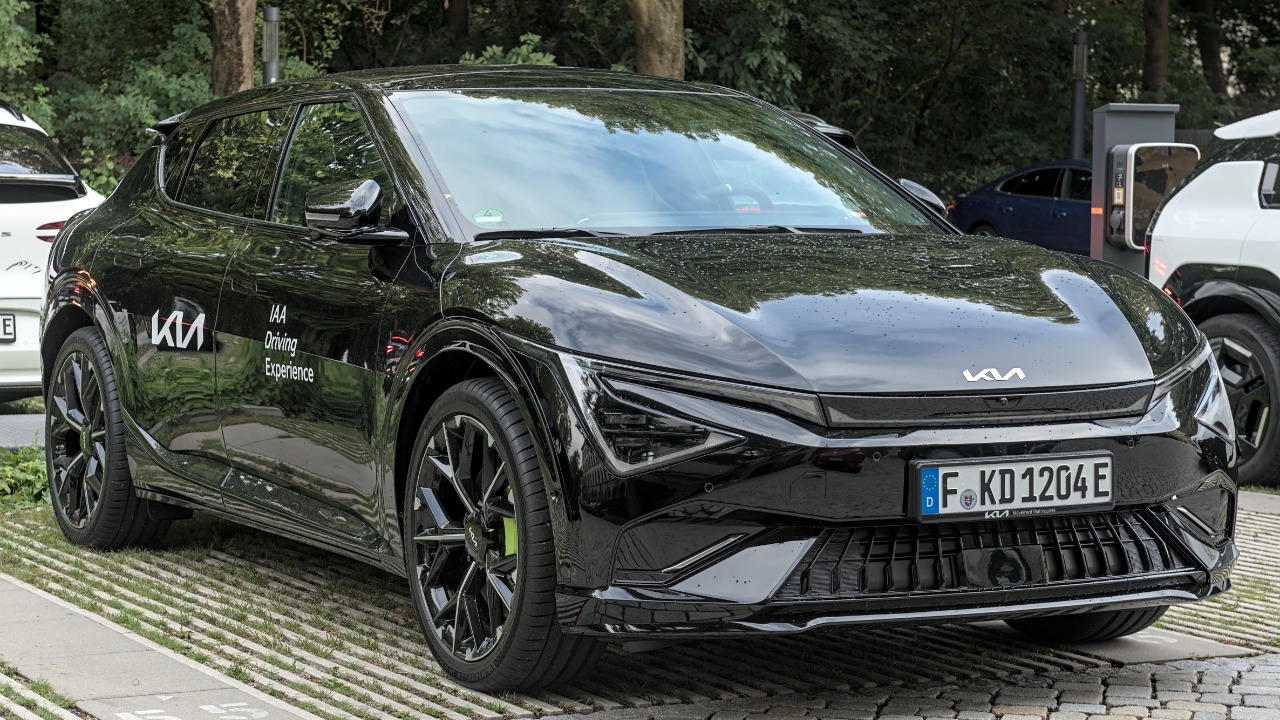
After major 2026 price cuts, the EV6 Light SR RWD trim starts at $37,900, autoevolution reported.
The cut moves Kia’s larger electric model into the same price range as the Ioniq 5 and the bZ. The $37,900 figure applies only to that Light SR RWD version, so stepping up to other trims will cost more. Kia now has two entries on the list, the EV3 and the EV6. Price cuts of this kind can change quickly, so the number reflects the reported 2026 pricing at the time of the story. Shoppers should treat it as a starting point for conversations with a dealer.
10. Tesla Model Y: The Top of the Range
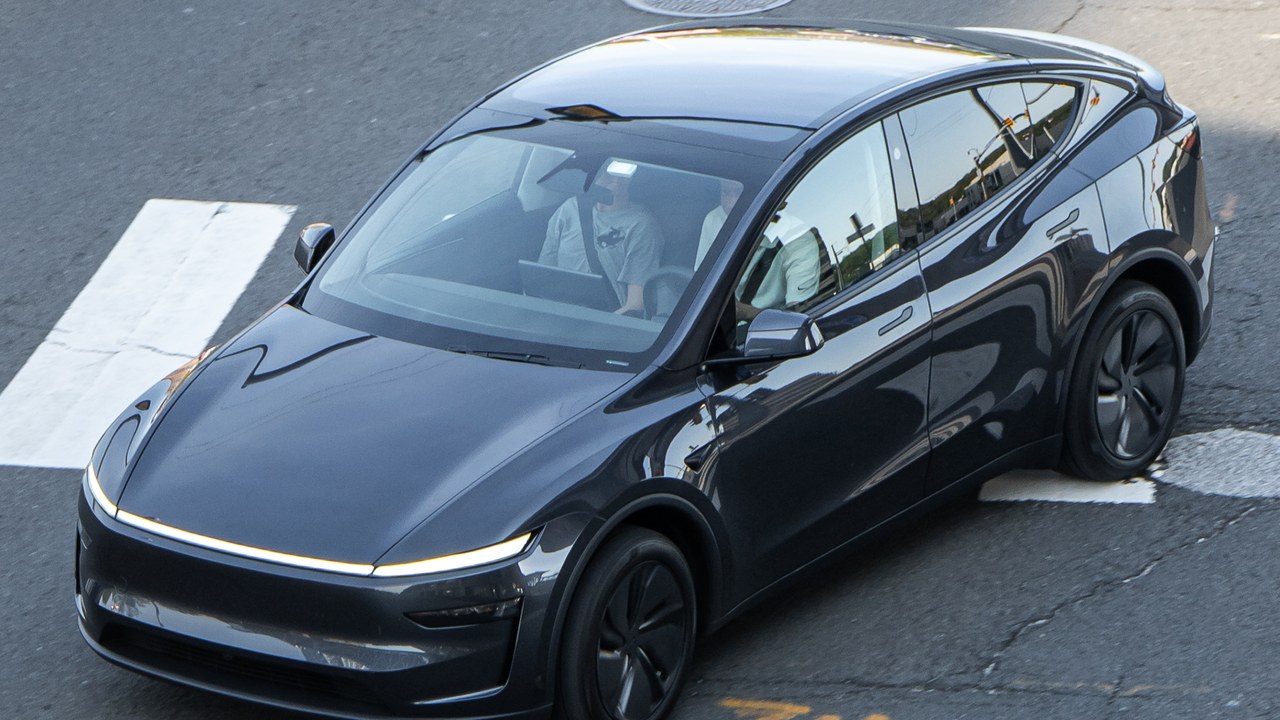
The Model Y Standard starts at $39,990, according to autoevolution’s report on Tesla’s cheaper versions.
As the priciest entry on this list, it still sits more than $10,000 below the $50,089 average. The Standard label points to a pared-down version, and shoppers moving up in trim should expect the gap to shrink. Even so, the Model Y Standard stays well below the average, which keeps both Tesla models in the conversation with far cheaper rivals. It also shows that price comparisons are not only about the lowest number on the page.
More from Morning Overview
- Card skimmers hidden on gas pumps and ATMs are draining accounts, and here’s the tell
- Doctors warn a silent liver disease now affects one in three American adults
- Hackers are hijacking outdated home routers, and the FBI named the models to check
- Older Teslas are wearing out in ways early owners never saw coming
