
CVT transmissions promise smoother shifts and better fuel economy, but a specific set of cars has turned that promise into a costly replacement bill. Complaint data, warranty extensions and production histories point to the same handful of vehicles where the CVT fails well before the rest of the car does. Here are ten CVT-equipped cars owners end up paying to replace.
1. Nissan Altima: The Textbook CVT Failure
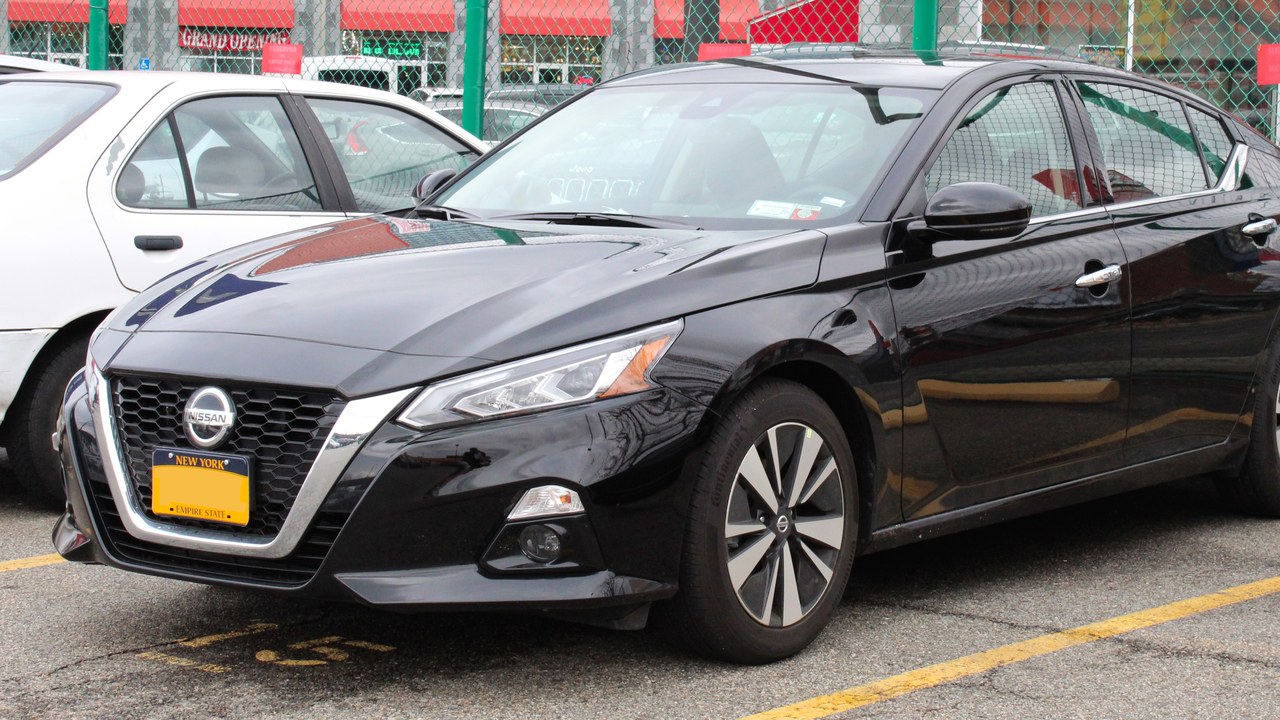
The 2013 Altima’s continuously variable transmission, built by Jatco under Nissan’s own ownership stake, has become the textbook case of early CVT wear. Federal complaint filings describe shuddering at low speed, hesitation on acceleration and outright failure well before the odometer reaches six figures.
Because the transmission is a sealed assembly, most shops replace the whole unit rather than rebuild it, and that bill can rival the price of a decent used car. Shoppers considering an Altima from this generation are usually told to demand a documented fluid-change history before buying, since a clean history is often the only warning sign available.
2. Nissan Rogue: Hundreds Of Owner Complaints

The first-generation Rogue shares its Jatco CVT with the same-era Altima, and NHTSA’s 2014 complaint file is stacked with reports of hard shudder, sudden power loss and complete transmission failure, several of them logged well under 80,000 miles.
Nissan later extended warranty coverage on some model years once the complaint volume became impossible to ignore, but owners outside that window paid full replacement cost themselves. A used Rogue from this stretch is one of the few compact crossovers where a pre-purchase transmission check is treated as mandatory rather than optional.
3. Nissan Sentra: Same Family, Smaller Car
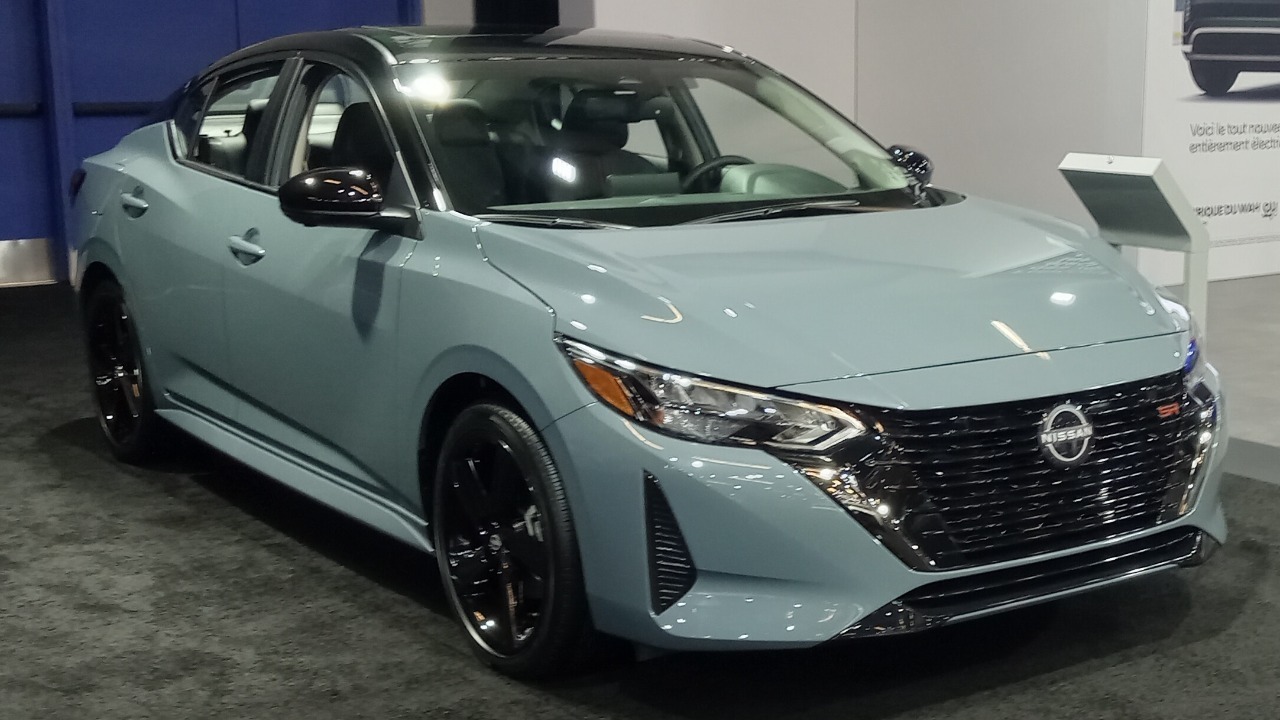
The compact Sentra runs a version of the same CVT family that plagues the Altima and Rogue, and Car and Driver’s ownership coverage flags the transmission as the model’s most persistent weak point across its recent generations.
Because the Sentra is priced as an entry-level car, many owners skip the scheduled CVT fluid service that could extend its life, which shortens an already limited lifespan further. Replacement, when it finally comes, often costs more than what the rest of the car is still worth on the used market.
4. Nissan Versa: The Cheapest Car, Same Risk
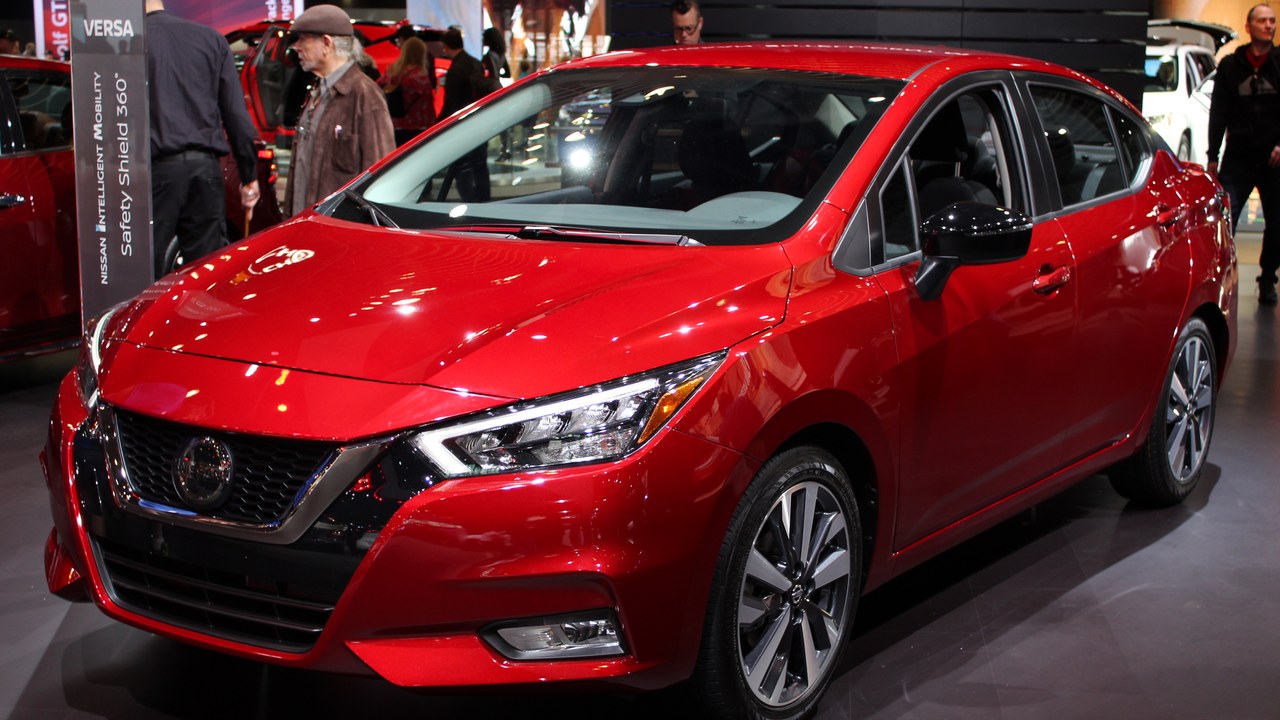
Nissan’s cheapest model uses the same belt-and-pulley CVT design underpinning its pricier siblings, and Car and Driver’s reliability notes treat it as a recurring trouble spot rather than an isolated exception.
The Versa’s low purchase price makes a transmission replacement sting disproportionately, since the repair bill can approach a third of what the car originally cost new. Owners who skip fluid changes to save a little money up front tend to be the ones who end up paying the most later.
5. Jeep Patriot and Compass: Chrysler’s Borrowed Transmission
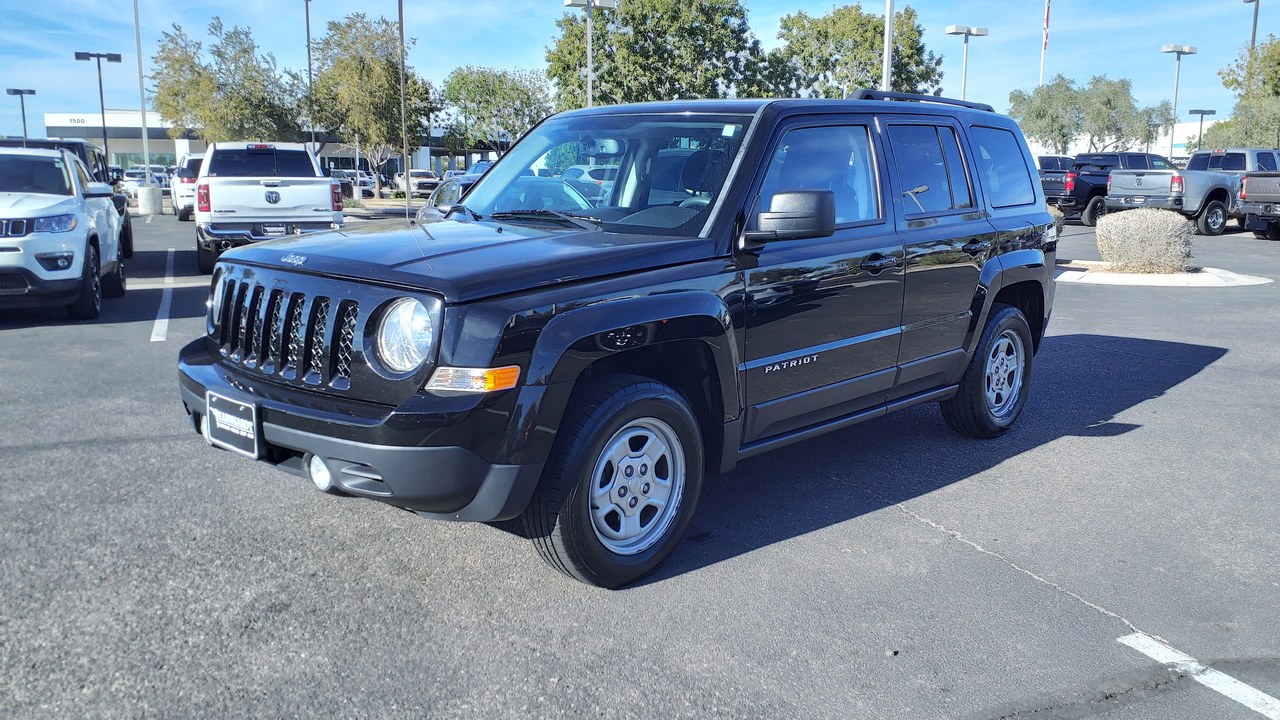
Chrysler licensed a Jatco-derived CVT2 unit for the first-generation Patriot and Compass, and the design drew the same complaints as its Nissan cousins, a history documented in the Patriot’s production record.
Because Chrysler paired the transmission with a small four-cylinder engine under real towing and light off-road use, the unit often worked harder than its Nissan equivalents and failed sooner as a result. Replacement units are increasingly hard to source now that the platform has aged out of production support.
6. Subaru Outback with the Lineartronic: A Warranty Extended To 100,000 Miles
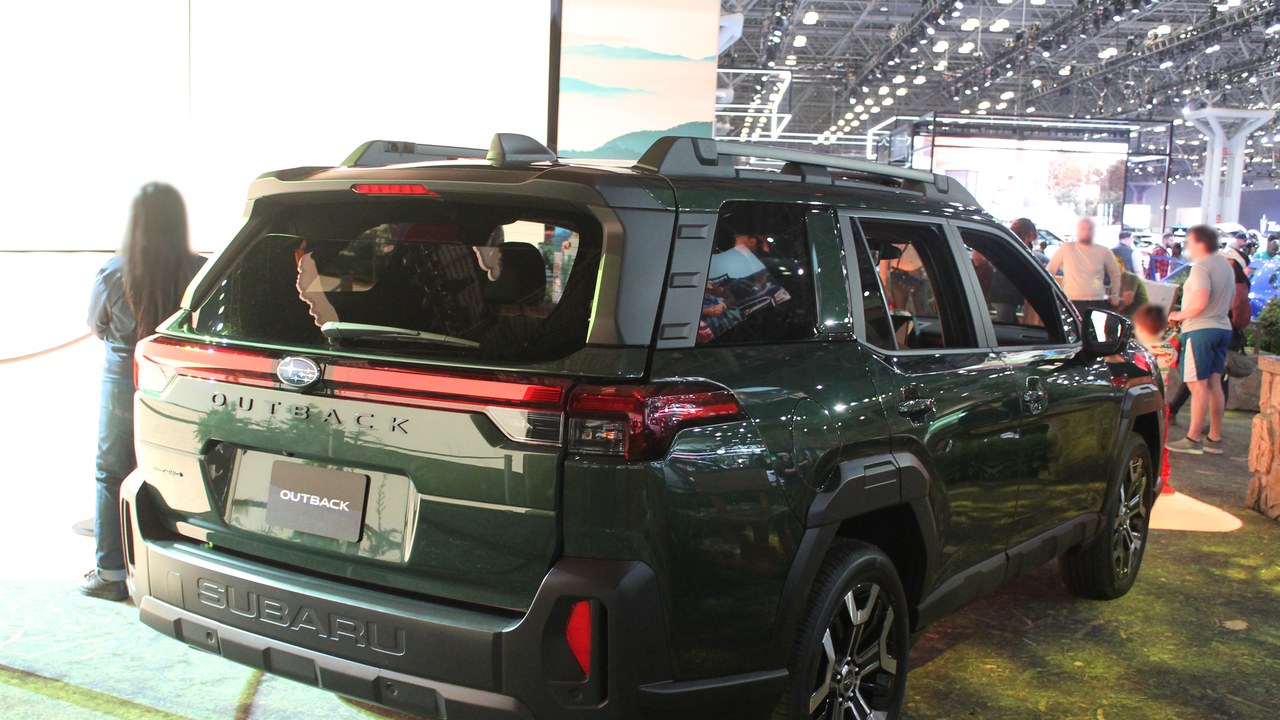
Subaru’s Lineartronic CVT arrived in the Outback in the early 2010s, and early complaints about shuddering and premature wear were serious enough that Subaru’s own record shows the company extended CVT warranty coverage to 100,000 miles.
That extension protected buyers inside the warranty window, but Outbacks now aging past it face a transmission bill that can run into several thousand dollars out of pocket. Independent shops still recommend more frequent fluid changes than Subaru’s official maintenance schedule calls for, especially on high-mileage examples.
7. Honda Civic with the CVT: Better Regarded, Still A Wear Item
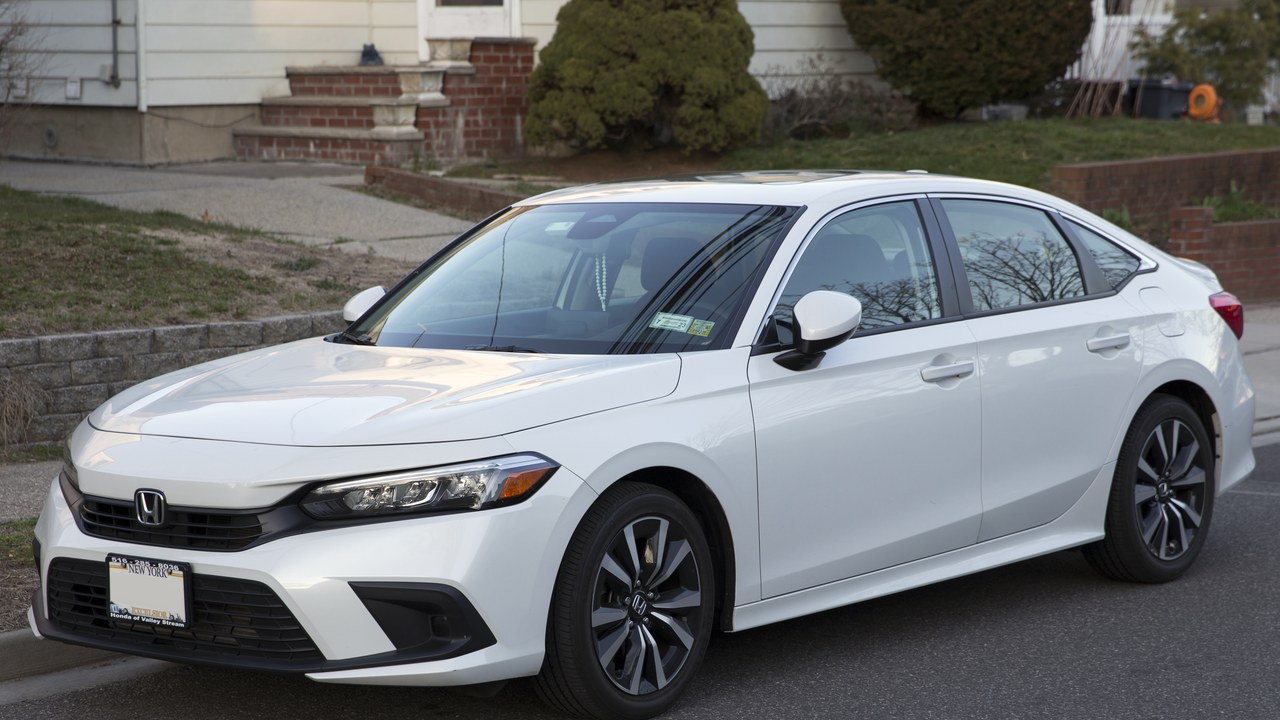
Honda’s CVT is generally better regarded than Nissan’s, but Car and Driver’s ownership coverage of the Civic still treats it as a wear item requiring its own fluid schedule, not a fit-and-forget lifetime unit.
Neglecting that schedule is what turns a manageable maintenance item into a full replacement, since Honda’s CVT fluid is a specific formulation that generic transmission fluid cannot substitute for. Owners who follow the schedule closely tend to avoid the failure mode almost entirely, even at high mileage.
8. Chrysler Sebring with the CVT: Remembered For Overheating
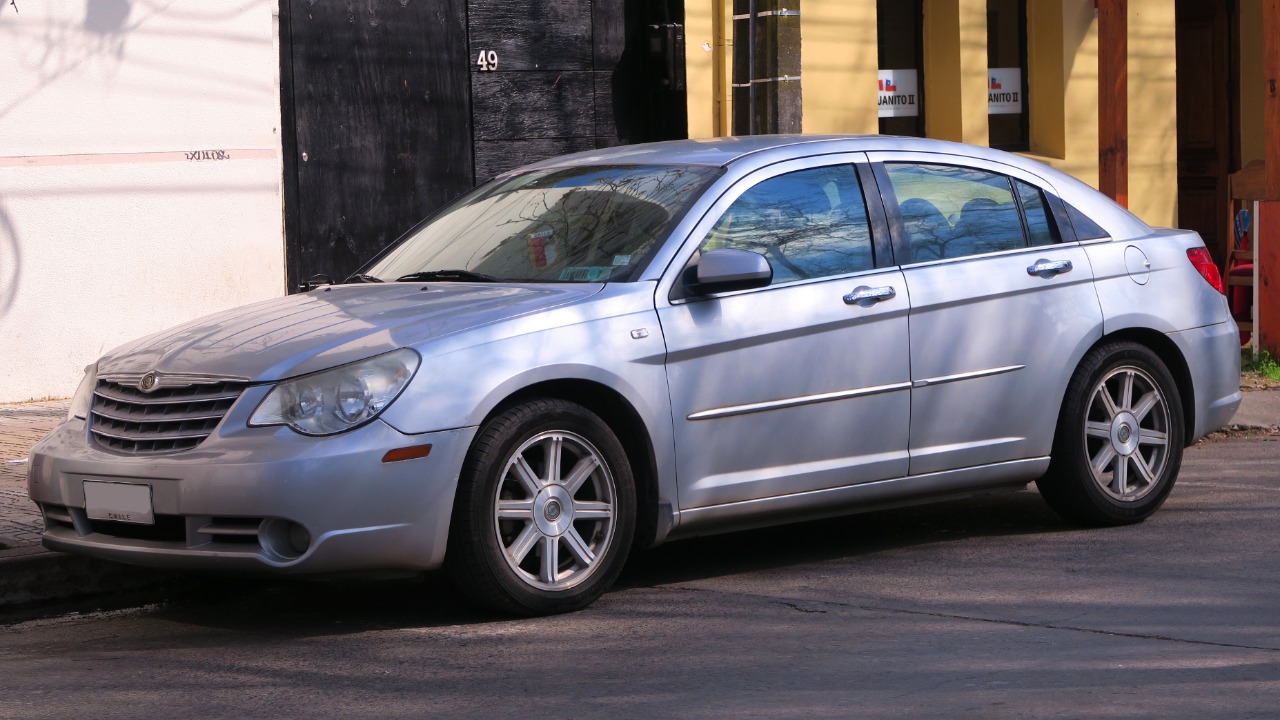
The CVT2 fitted to some four-cylinder Sebrings is remembered chiefly for overheating, a problem traced in the Sebring’s production history to an undersized cooling circuit for the transmission fluid.
Overheated CVT fluid breaks down the belt and pulley surfaces faster than normal wear would, which is why so many Sebrings from this era needed a transmission replacement well before the rest of the car showed its age. An aftermarket cooler is the fix owners now wish they had installed sooner, before the damage was done.
9. Ford Freestyle: A Short Production Run
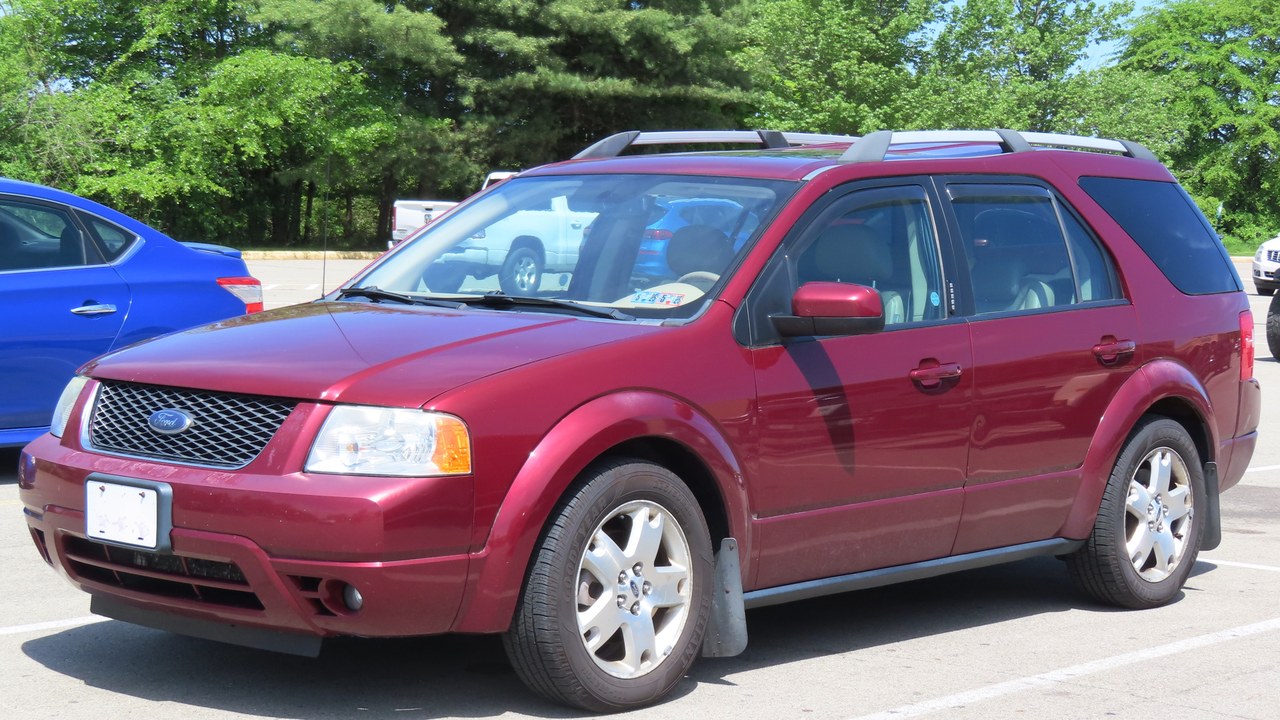
Ford’s ZF-sourced CVT in the Freestyle and its Five Hundred sedan sibling was pulled from the lineup after a short run, and the model’s production history points to transmission reliability as a factor in that early exit.
Replacement parts for the ZF unit are now scarce since Ford never used it broadly again after dropping the Freestyle, which pushes owners toward a full unit swap rather than a component repair. That scarcity is a large part of why a Freestyle transmission job costs more than rivals from the same period.
10. Mini Cooper of the early CVT years: Dropped From The Options List
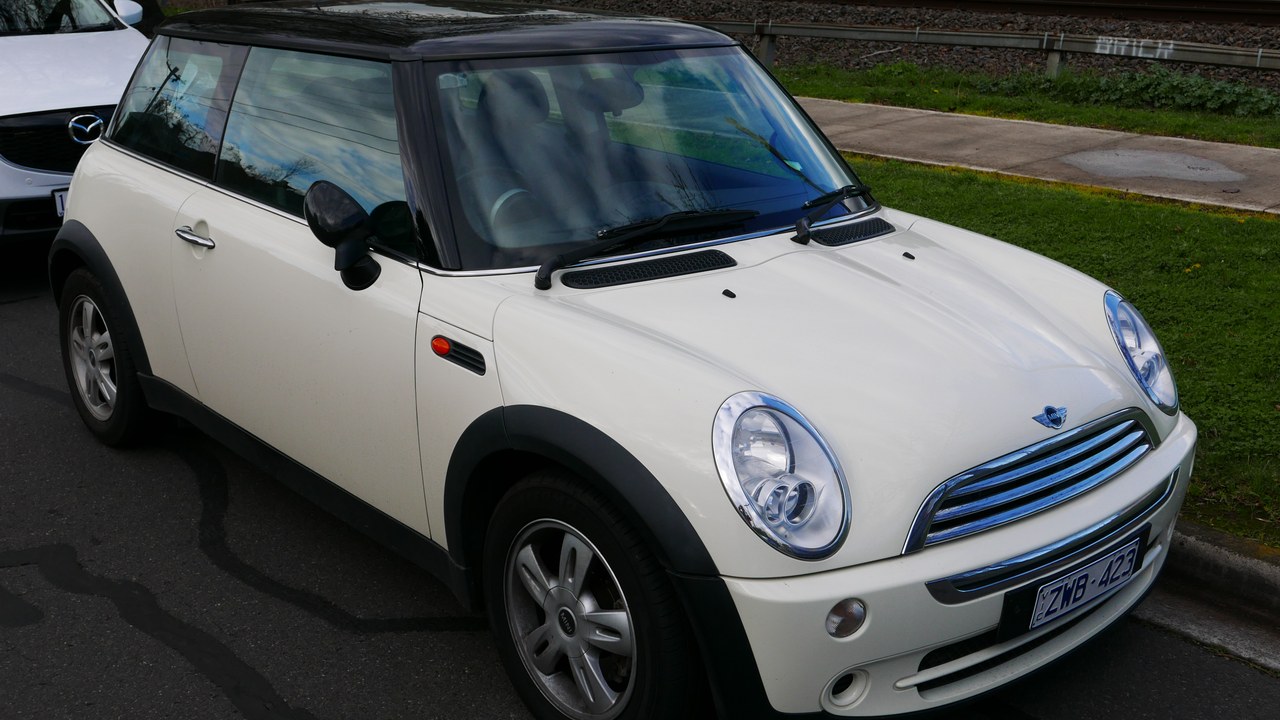
The first modern Mini Hatch offered a CVT option early in its run, and the model’s own production history shows it was dropped from the lineup faster than the manual and conventional automatic alternatives.
Owners of that CVT variant generally replace rather than rebuild it once it fails, since parts support for the early unit is thinner than for Mini’s later, more common transmissions. It is one of the reasons buyers shopping this generation are steered toward the manual gearbox instead of the CVT.
More from Morning Overview
