
Muscle cars were once cheap transportation for anyone willing to feed a thirsty V8. Decades later, the rarest survivors sit under auction lights while bidding runs into territory once reserved for European exotics. Here are ten classic muscle cars that now trade at six figures or more when the right example crosses the block.
1. Plymouth Hemi Cuda: The Seven-Figure Outlier
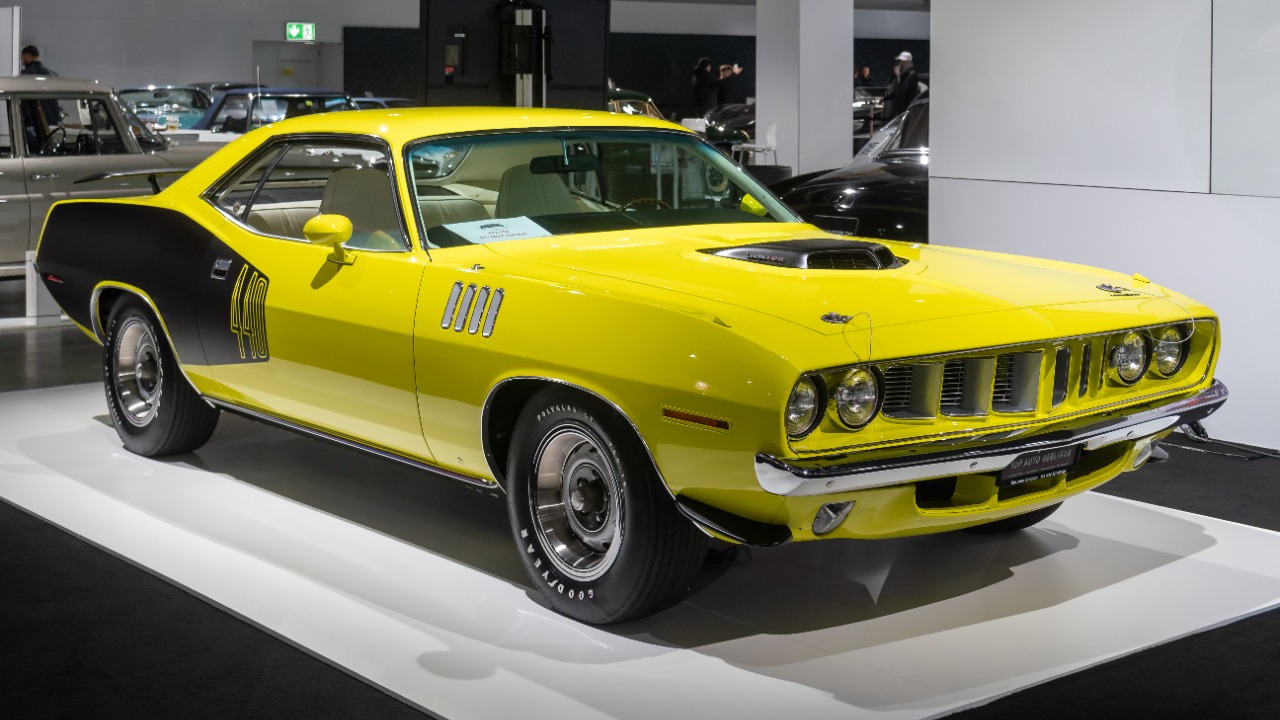
The Hemi-powered Barracuda sits at the top of the American collector market, and the convertibles are the reason. Coupes were built in small numbers; drop-tops with the elephant engine were rarer still, and rare Hemi convertibles have crossed seven figures at auction.
Values that steep bring scrutiny. Serious bidders want a documented build sheet, matching numbers, and a restoration history that can be traced car by car, because a clone or a re-bodied shell is worth a fraction of the real thing. Condition matters, but provenance decides the final number.
2. Dodge Charger Daytona: Built For The Superspeedway
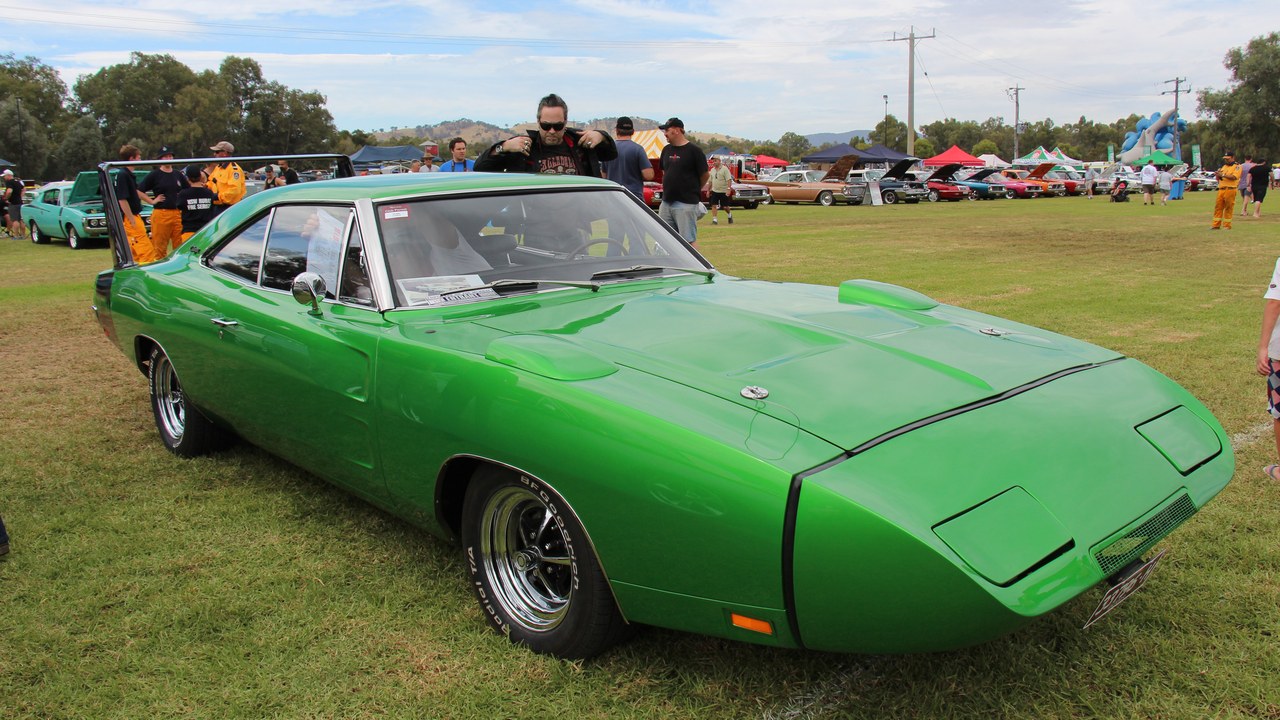
Aerodynamics, not styling, produced that pointed nose and towering rear wing. Chrysler built the winged Charger to win on superspeedways, and the road cars existed mainly to make the race version legal. Today a winged 1969 aero-warrior commands six figures whenever a clean example surfaces.
Buyers pay for shape more than speed. The nose cone, wing hardware, and flush rear window are difficult and expensive to replicate correctly, so originality carries a heavy premium over cars pieced together from standard Chargers. Storage is its own problem: the bodywork is long, fragile, and unforgiving of careless handling.
3. Shelby Cobra 427: The Million-Dollar Roadster
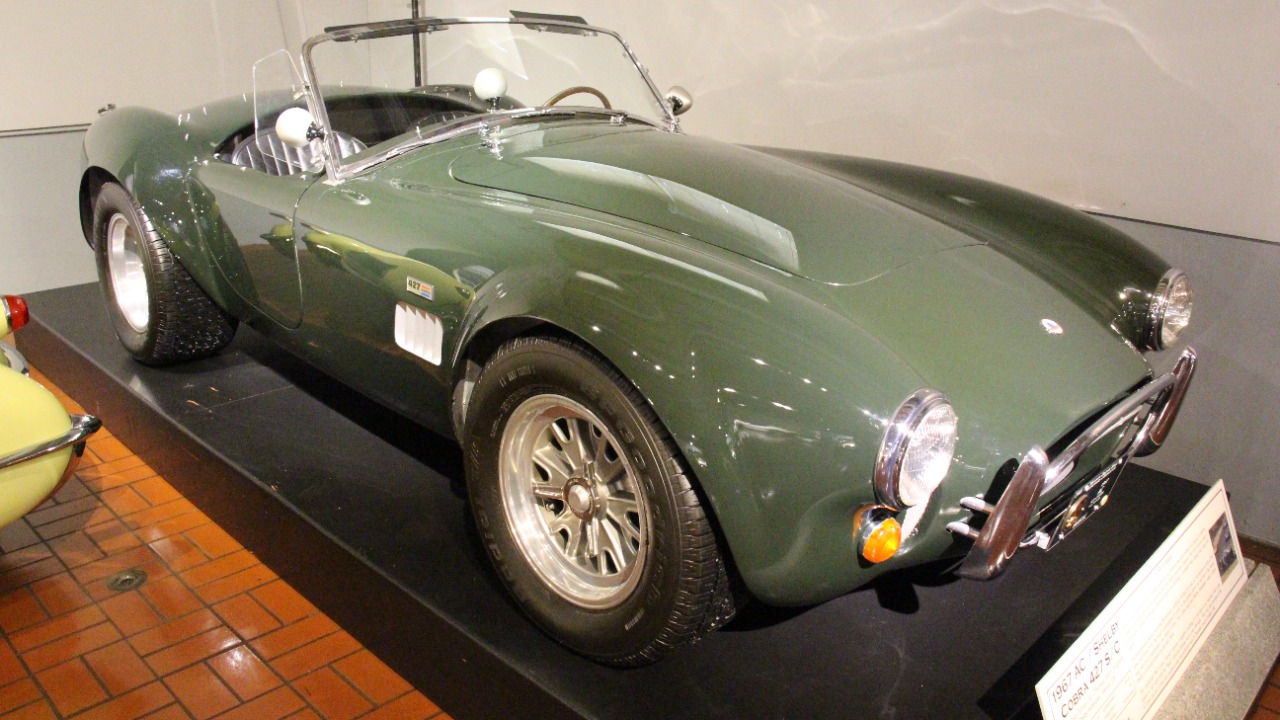
Few cars carry a reputation as violent as the big-block Cobra: a lightweight British roadster body wrapped around an American V8 far larger than the chassis was designed for. Scarcity did the rest, and this brutal open roadster routinely tops $1 million at auction.
The replica problem is unavoidable here. Kit-built and continuation Cobras vastly outnumber original cars, which is why bidders lean on registry records and chassis documentation before raising a hand. An unverified car can look identical in photographs and still sell for a small fraction of a documented original.
4. Chevrolet Chevelle SS 454: The Big-Block Benchmark
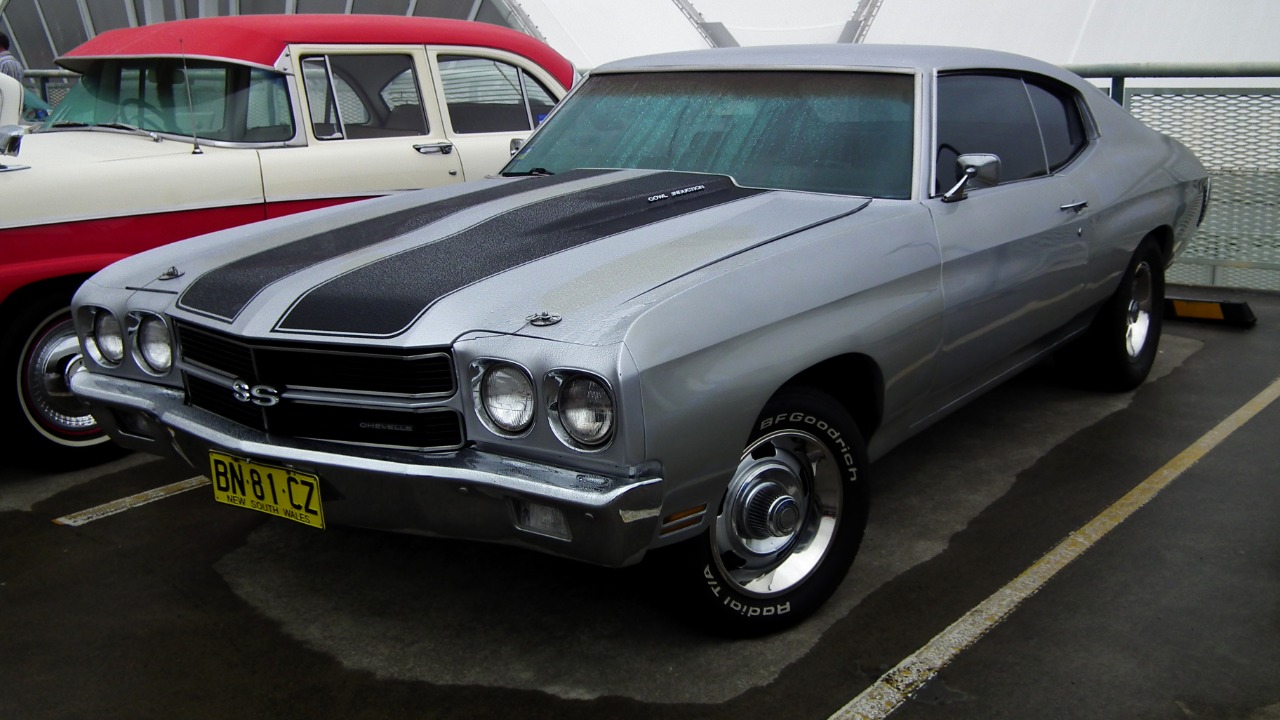
General Motors’ mid-size Chevelle became the template for the big-block bruiser, and the hottest version wore the LS6 engine code. That variant separated the ordinary Super Sport from the car collectors chase, and LS6 big-block Chevelles are prized collector cars decades after the fact.
Badges are easy to buy, engines are not. Because SS trim and 454 emblems can be added to any Chevelle, valuation hinges on cowl tags, engine stampings, and documentation rather than appearance. A well-optioned base car in honest condition often makes a better purchase than a questionable tribute wearing the right stripes.
5. Pontiac GTO Judge: The Name That Started It
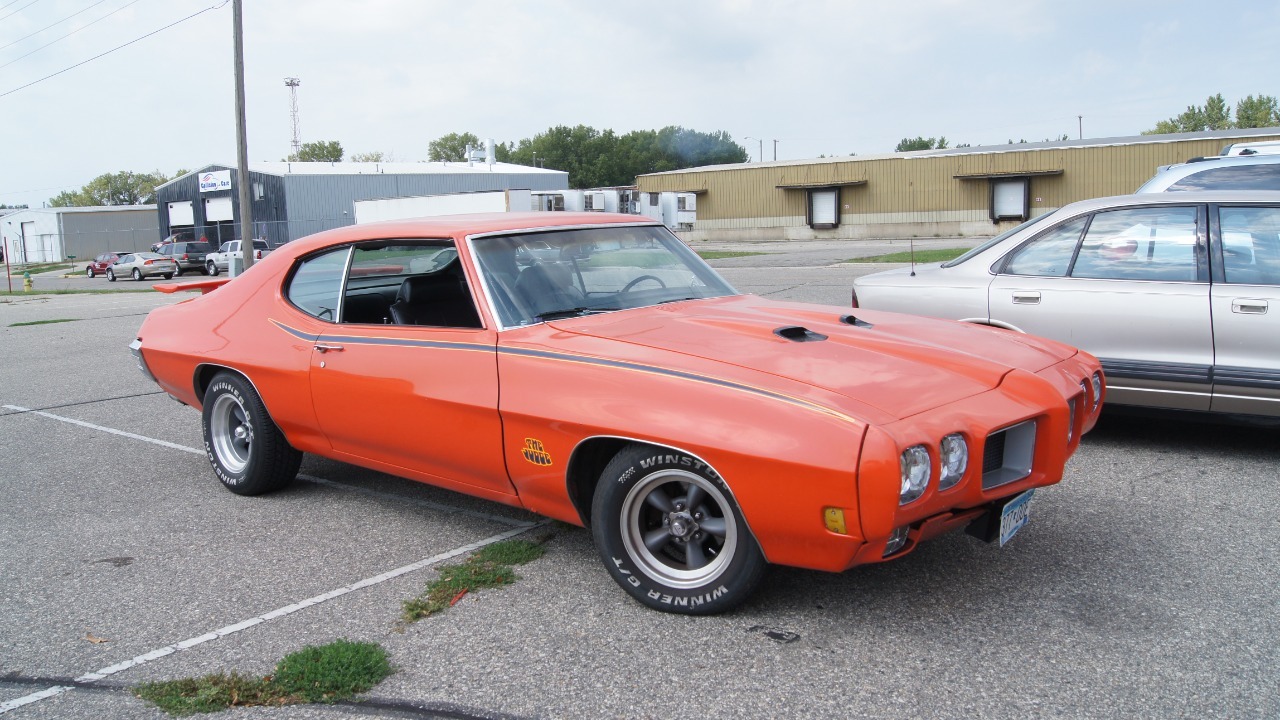
Pontiac’s GTO gave the muscle-car formula its name, and the Judge package turned it into a rolling advertisement with loud graphics and a rear spoiler. Half performance option and half marketing exercise, it remains the version most closely tied to the era, and the strongest examples now change hands in six figures.
Condition sorts the field quickly. Judges were driven hard and many were repainted, restriped, or converted from ordinary GTOs, so verified documentation moves a car from mid-range money into record territory. Restoration costs also bite: correct trim, decals, and interior pieces are reproduced, but sourcing genuine parts still takes patience and cash.
6. Ford Mustang Boss 429: Engineered To Satisfy A Rulebook
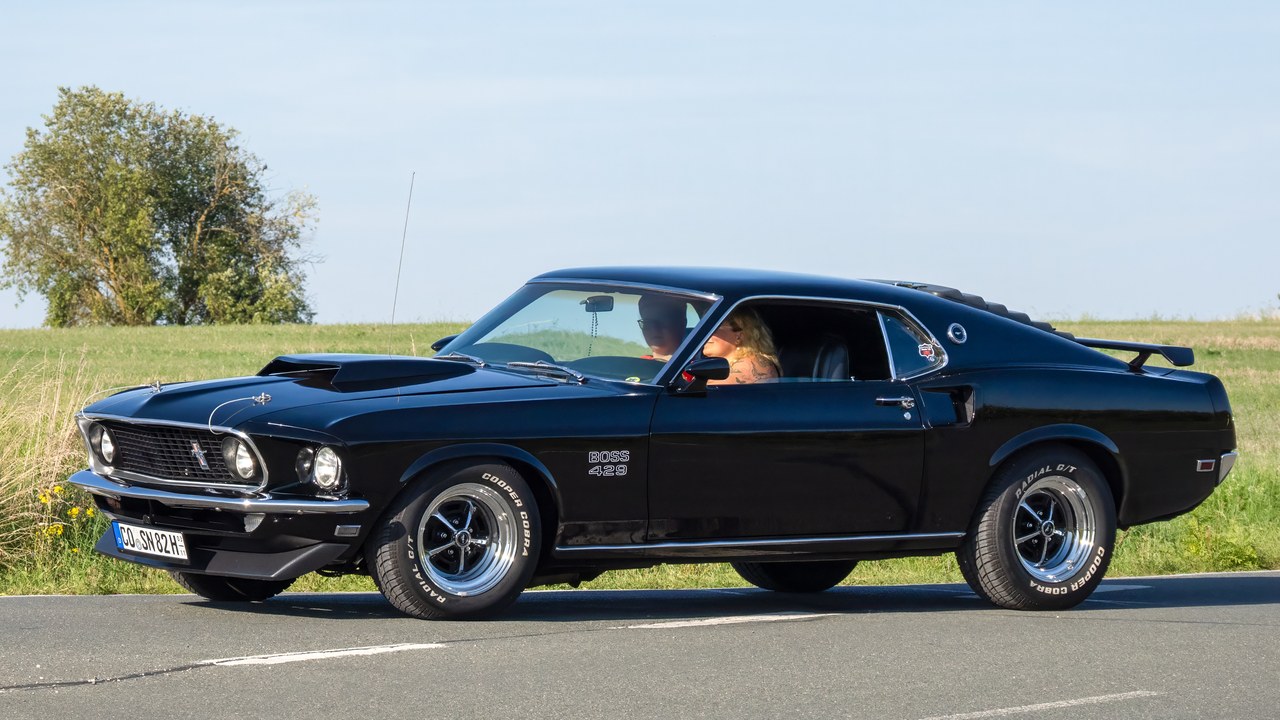
Ford needed its huge new racing engine approved for competition, so it stuffed the motor into a Mustang and sold the result to the public. The conversion required widened shock towers and hand assembly by an outside contractor, making the car an oddity from the start. This homologation special Mustang is worth serious money today.
Ownership is not simple. The engine is physically enormous, parts are specialized, and engine work demands a specialist rather than a local shop, which keeps many cars in climate-controlled storage instead of on the road. Buyers verify registry numbers before anything else, since the body shell alone does not make the car.
7. Chevrolet Camaro ZL1: Only Sixty-Nine Ever Made
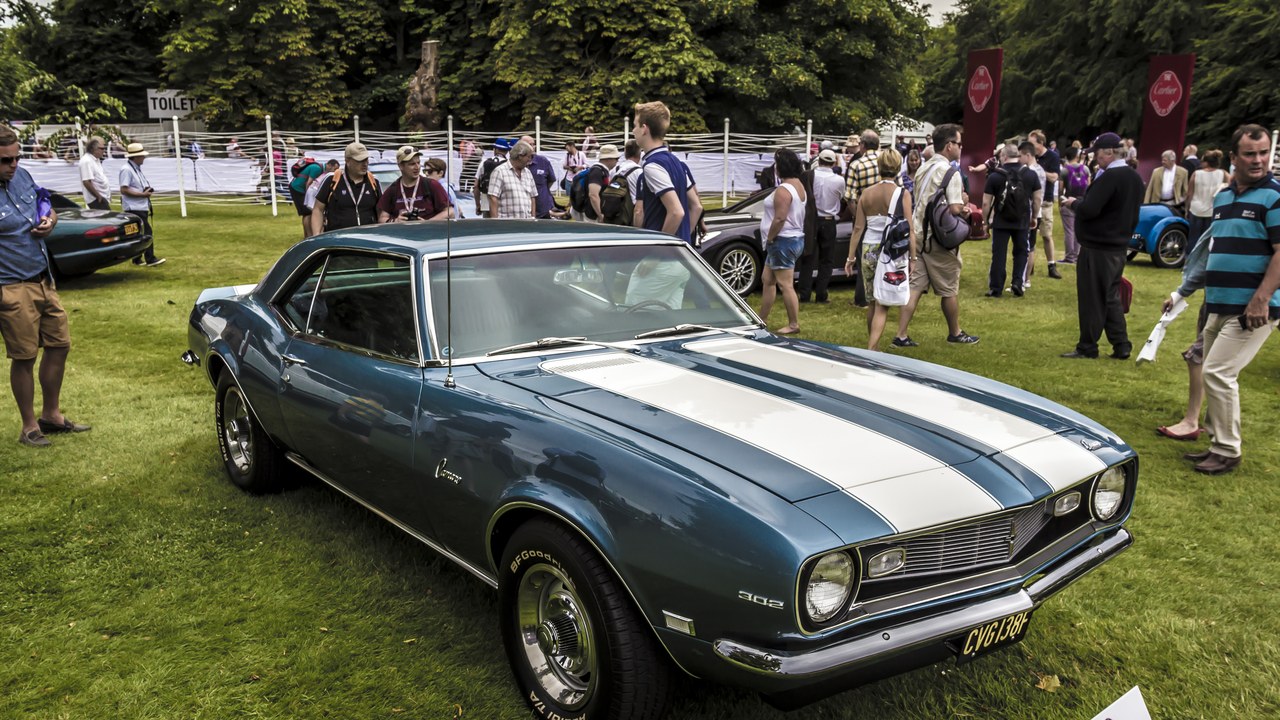
Ordered through a central-office option code rather than a normal showroom sheet, the aluminum-block ZL1 Camaro was built for drag racing, not for the street. Chevrolet never promoted it, and the price attached to that engine kept demand almost nonexistent. Only 69 were built in 1969, and each is worth a fortune today.
Rarity that extreme creates its own market. With so few cars in existence, each sale sets a reference point instead of following one, and ownership history is tracked closely enough that a surprise car draws suspicion rather than excitement. Standard Camaros with swapped aluminum engines do not approach the same money.
8. Plymouth Superbird: Homologation Made Visible
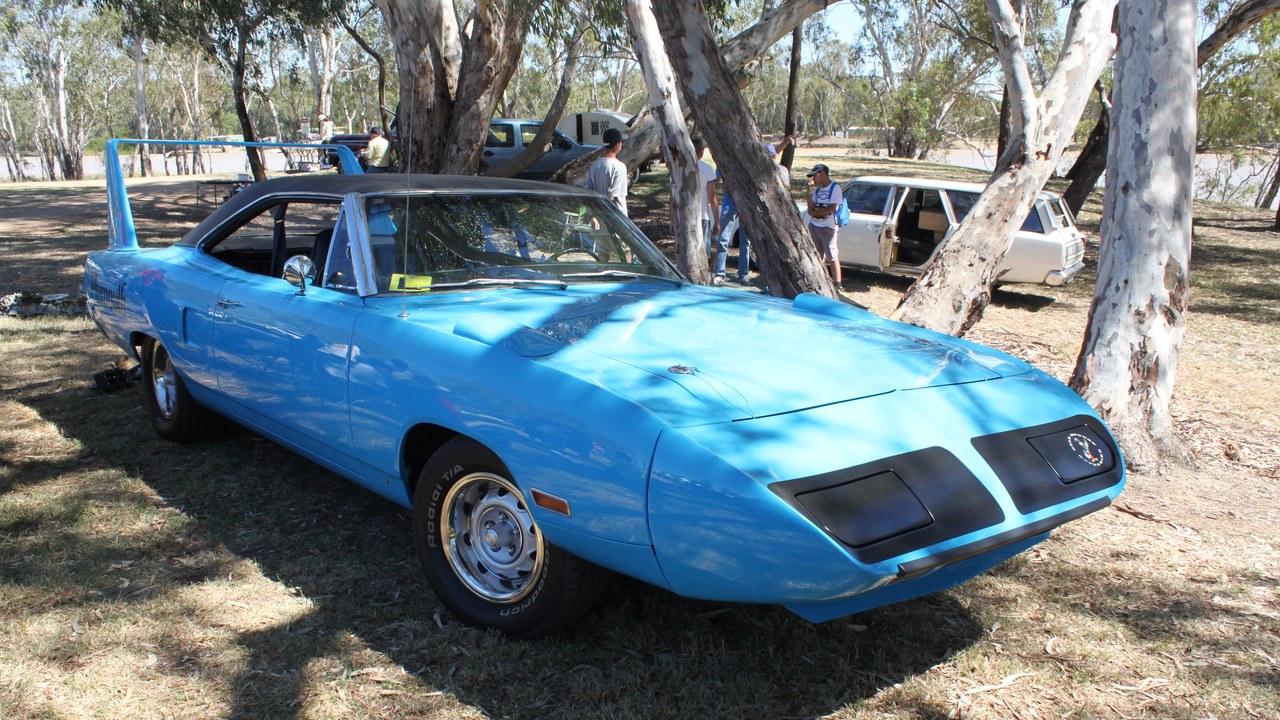
Plymouth’s answer to the winged Charger arrived with a longer nose cone and a rear wing standing well above the roofline. Dealers struggled to move them when new, and a number were converted back to conventional bodywork to find buyers. That NASCAR homologation icon now ranks among the most recognizable shapes in American collecting.
Those conversions complicate the market. Cars restored back to winged specification exist alongside untouched originals, and the difference shows up in the final bid rather than in the photographs. Values also depend on paint and trim, since the nose cone and vinyl roof panels are among the hardest pieces to restore convincingly.
9. Buick GSX Stage 1: The Quiet Torque King
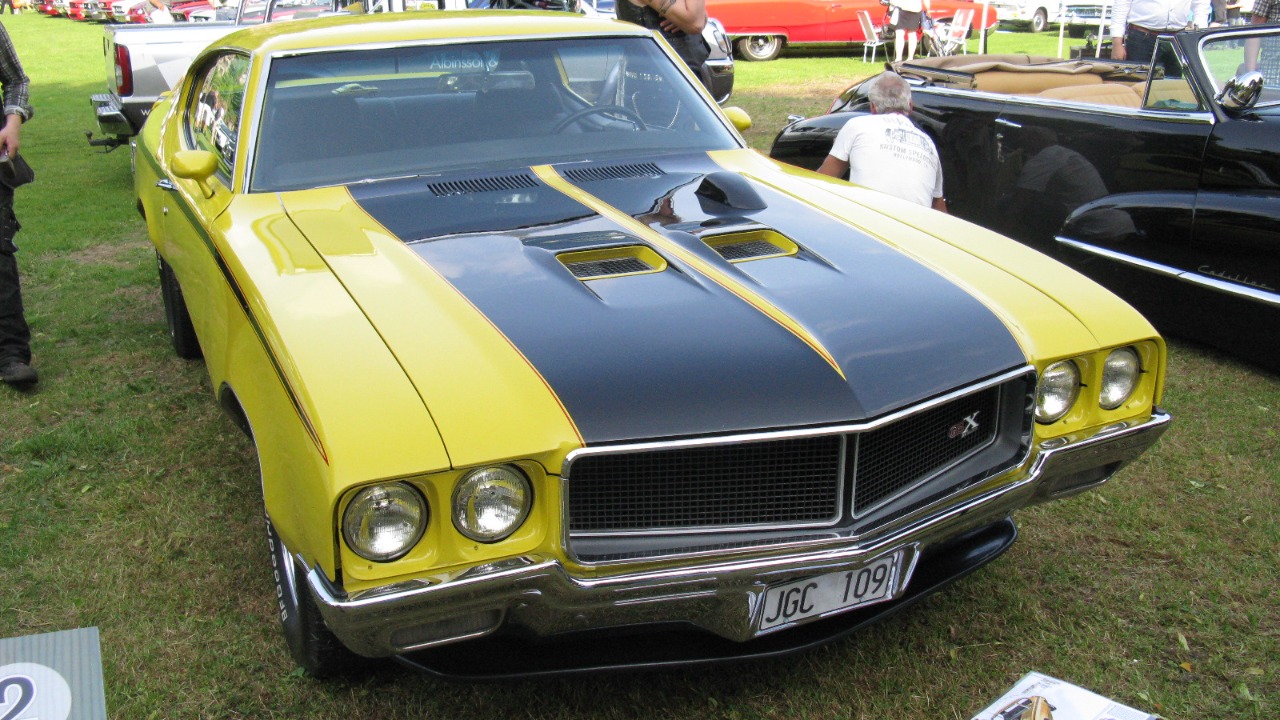
Buick sold luxury, which is why the GSX caught the market off guard: beneath the brand’s quiet reputation sat a big-block tuned for low-end torque rather than headline horsepower. Painted in bright yellow or white with a black stripe, it looked nothing like the rest of the showroom. The Stage 1 torque monster surprised collectors with its value.
Recognition arrived late, and that lag still shapes pricing. Many were used as ordinary cars before anyone treated them as investments, so survivors in original condition are thin on the ground compared with equivalent Chevrolets. Verification of the Stage 1 equipment, not the paint, separates a strong sale from an average one.
10. Oldsmobile 442 W-30: The Sleeper Of The Lineup
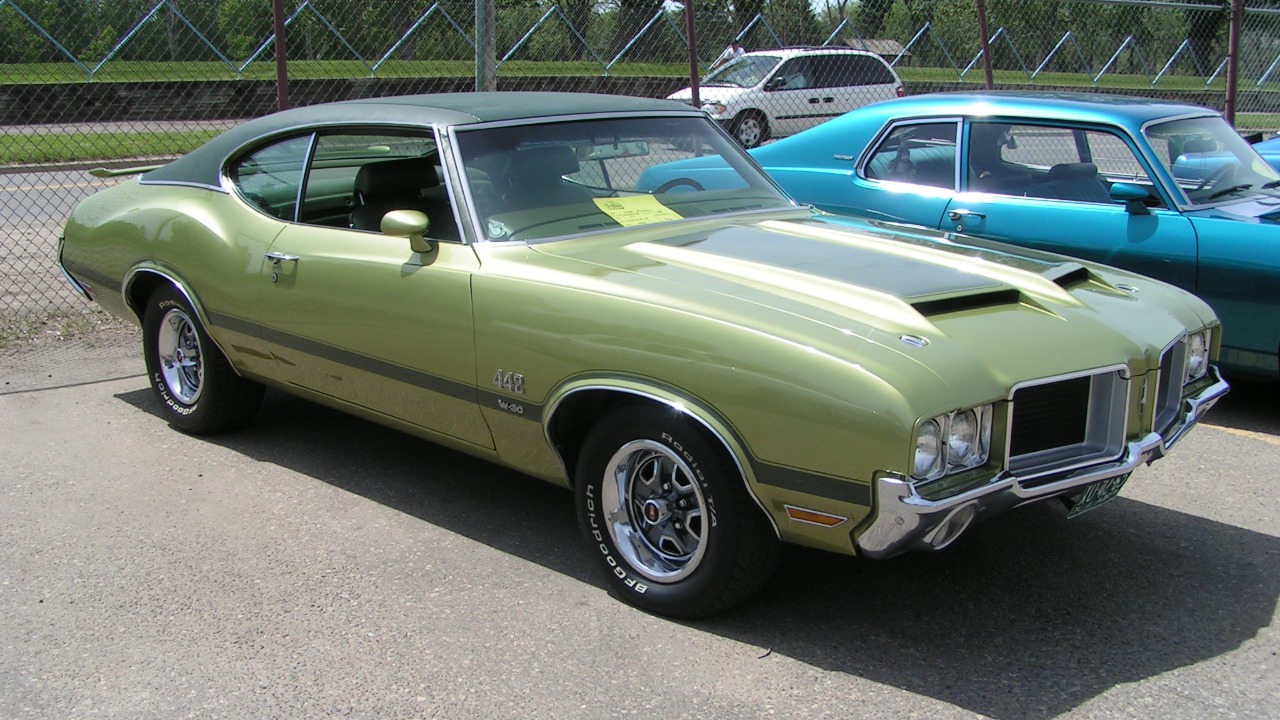
Oldsmobile built the 442 as the division’s performance answer, and the W-30 package added the hardware that mattered: a cold-air induction setup, a hotter camshaft, and lightweight components buried where buyers rarely looked. It was the quiet member of the General Motors performance lineup. Today the rare high-performance Olds sits in six-figure territory.
Scarcity is doing the work here. Far fewer W-30 cars were ordered than standard 442s, and the specific parts that define the package are the first things lost during decades of ownership. A convincing restoration therefore depends on paperwork and correct components rather than on how well the car presents in a photograph.
More from Morning Overview
- The FTC is warning about a scam quietly draining thousands from victims
- The NSA is again telling phone owners to switch off one location setting
- A handful of car transmissions are so tough mechanics say they almost never fail
- A handful of SUVs keep hitting 300,000 miles, and they share one engine trait
