
Highway noise is the enemy of a relaxed drive, and some automakers have spent decades engineering it away. Acoustic glass, extra underbody insulation, and active noise-cancellation systems all work behind the scenes to keep wind, tire, and engine sound from reaching the cabin. Here are ten sedans built around that kind of quiet, from full luxury flagships to a few surprisingly affordable options.
1. Lexus LS: Flagship-Level Hush
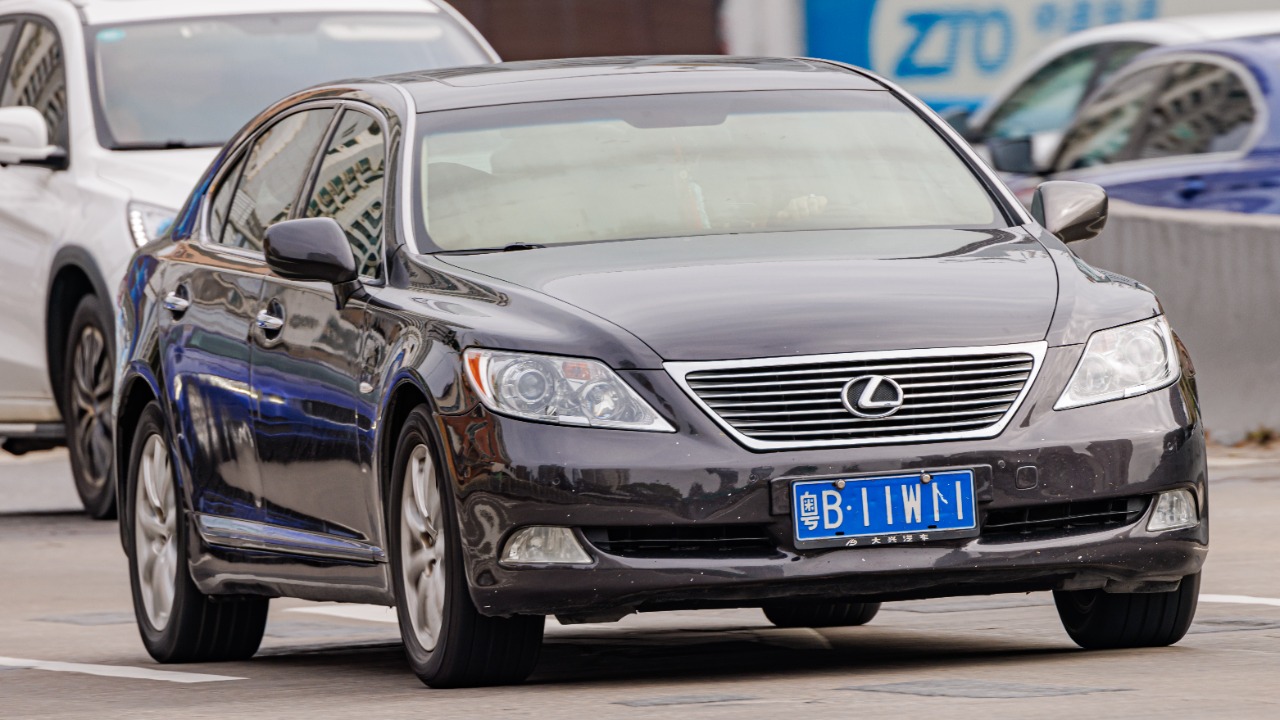
The Lexus LS flagship sedan has long been engineered around obsessive sound deadening, layering acoustic laminated glass, dense multi-stage door seals, and thick sound-absorbing material into the floor, roof, and firewall. Toyota’s luxury division treats cabin silence as a core selling point rather than an afterthought, tuning the suspension and exhaust note specifically to avoid intruding on that quiet.
The result is a cabin where wind and tire roar barely register even well above typical highway speeds, letting passengers hold a normal conversation without raising their voices. That isolation has made the LS a long-standing favorite for chauffeured executives and drivers logging long interstate trips.
2. Mercedes-Benz S-Class: Luxury’s Silence Standard
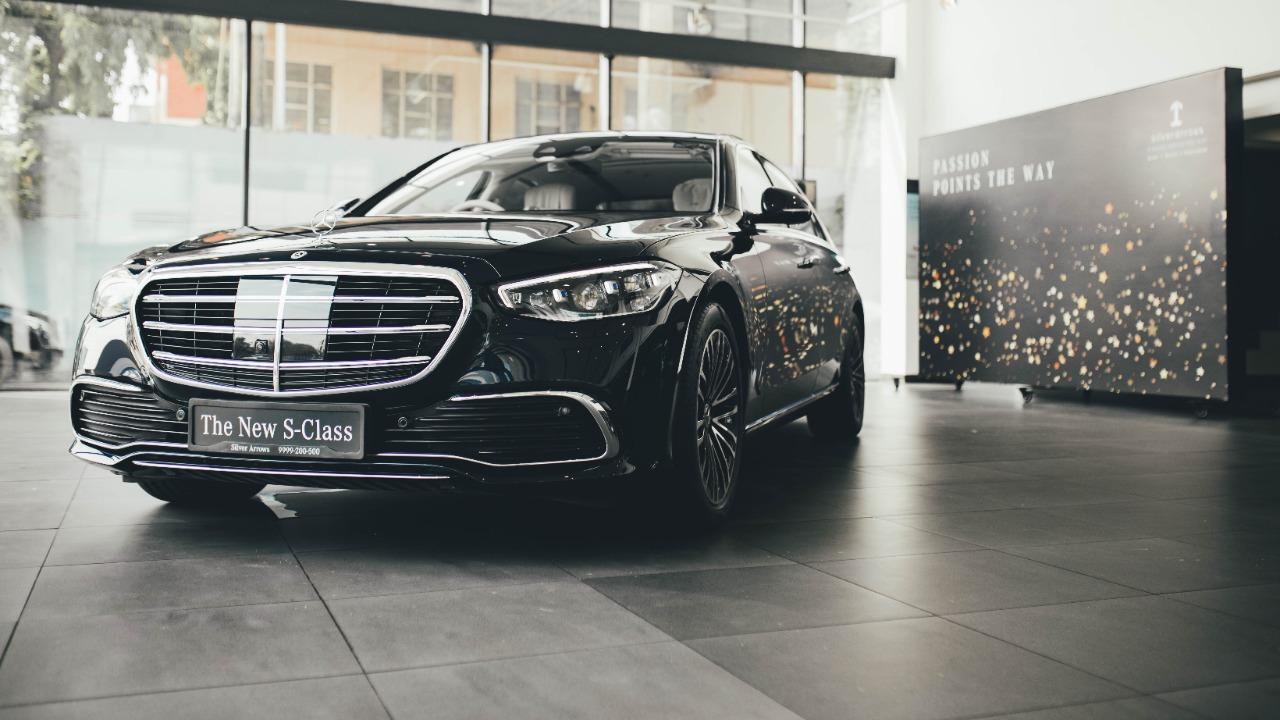
The Mercedes-Benz S-Class has served for decades as the benchmark other luxury sedans get measured against, and cabin silence is a major part of that reputation. Acoustic glass, extensive underbody sealing, and active noise-control systems work together to filter out wind, tire, and engine noise before it reaches the occupants.
Rival automakers routinely test their own flagships against the S-Class specifically to see how close they can get to its hushed interior. Owners frequently describe long stretches of interstate driving where the loudest sound inside the car is the stereo, not the road.
3. BMW 7 Series: Glass And Noise Control

The BMW 7 Series relies on laminated acoustic glass across its windows paired with an active noise-cancellation system that uses cabin microphones to generate counter-frequencies against unwanted road and wind noise. BMW engineers also isolate the chassis with extra bushings and sound-deadening layers under the carpet and headliner.
Together those measures keep the cabin notably quiet even when the car is pushed toward sustained autobahn-style speeds, a scenario BMW specifically tunes for given the car’s European engineering roots. Passengers in the rear seats, where BMW expects many 7 Series owners to actually sit, benefit most from the isolation.
4. Audi A8: Autobahn-Bred Quiet
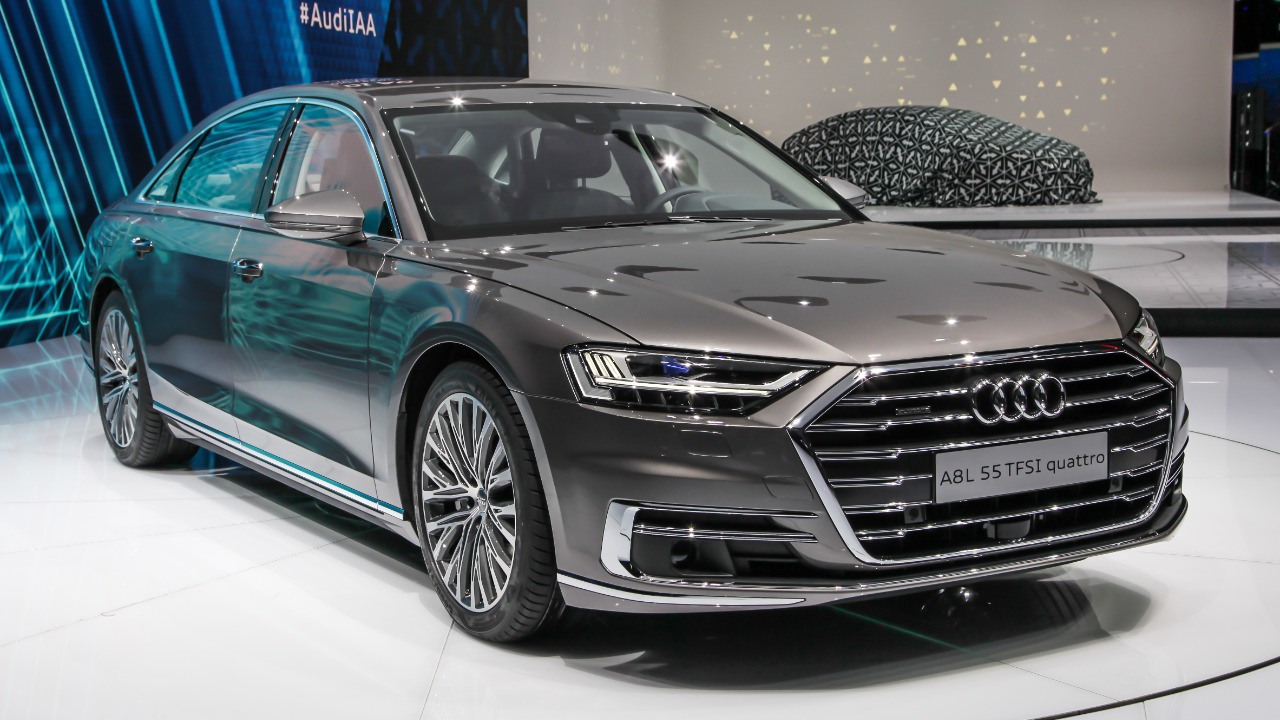
The Audi A8 was engineered from the outset to stay composed at sustained high speed, which meant treating wind and road noise as seriously as horsepower. Acoustic-laminated windshield and side glass, extensive underbody paneling, and dense door and pillar insulation all work to keep the cabin hushed.
Because the A8 was designed with unrestricted autobahn stretches in mind, its quietness holds up at speeds well beyond what most drivers elsewhere ever reach. That German engineering pedigree is part of why the A8 is frequently cited among the calmer cabins in the full-size luxury segment.
5. Genesis G90: Serenity Below The Price
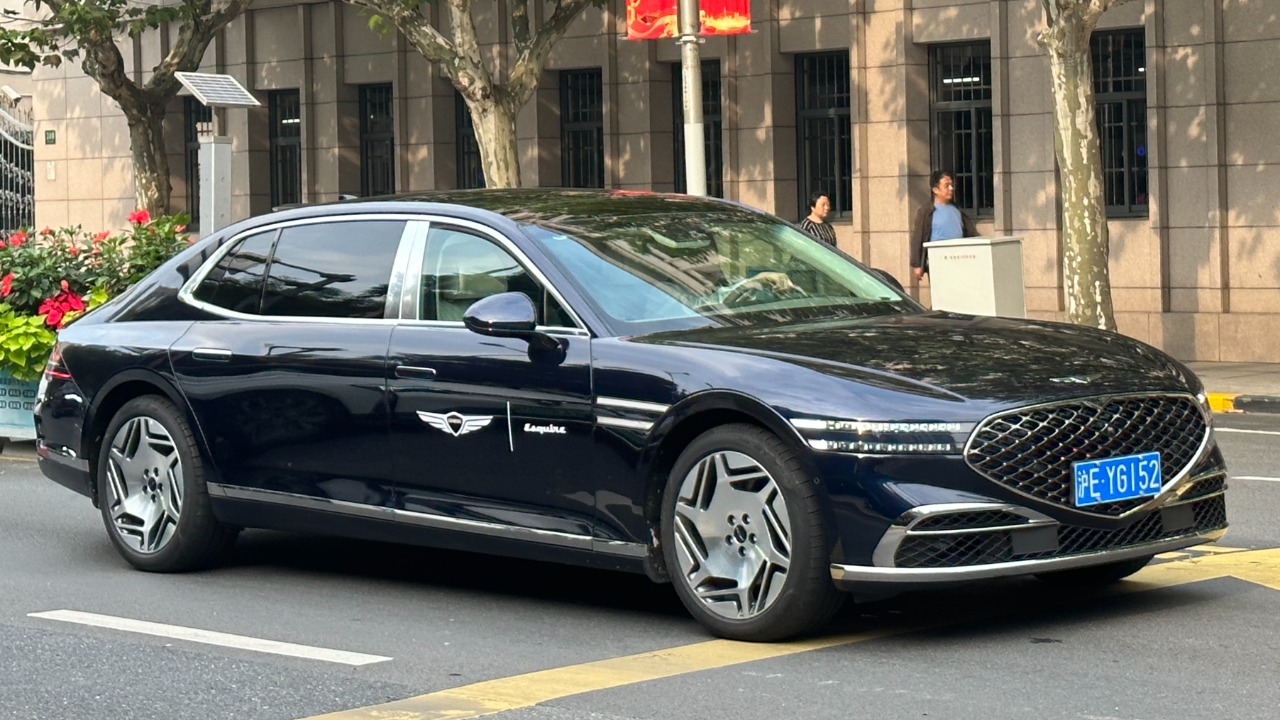
The Genesis G90 undercuts its German and Japanese rivals on price yet still delivers a cabin that is surprisingly serene at speed, thanks to thick acoustic glass, generous underbody sound insulation, and a suspension tuned to soak up road imperfections before they translate into cabin noise.
Reviewers have repeatedly noted that the G90’s hush rivals sedans costing tens of thousands of dollars more, a gap that has helped the model win over buyers switching away from more established luxury nameplates. That value-to-quiet ratio is central to the G90’s growing reputation.
6. Lexus ES: Near-Flagship Calm
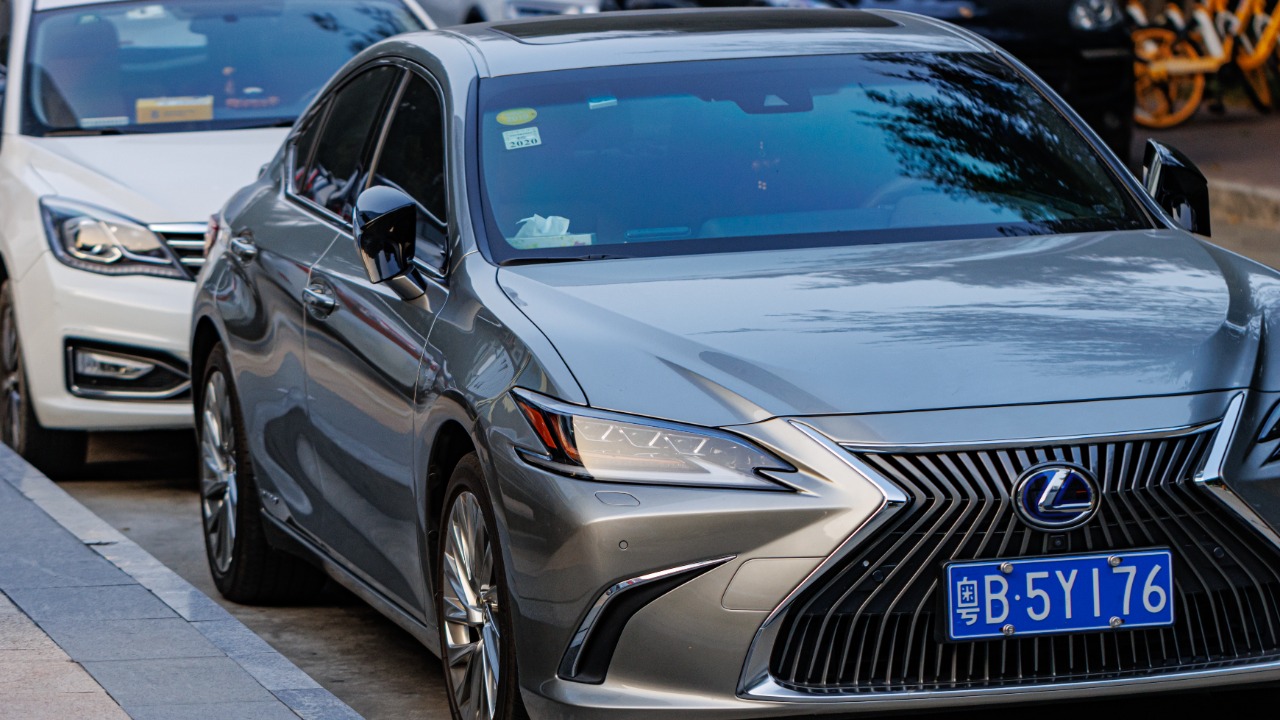
The Lexus ES sits below the LS in Lexus’s lineup but borrows much of that flagship’s approach to sound isolation, including acoustic glass and generous cabin insulation, so road and wind noise stay muted even on longer highway stretches.
For buyers who want LS-like quiet without the flagship price tag, the ES has become a common recommendation among midsize luxury sedans. Its quiet cabin is frequently cited as a reason owners upgrade from mainstream brands rather than moving to a larger, pricier Lexus model.
7. Toyota Avalon: Mainstream, Not Muffled
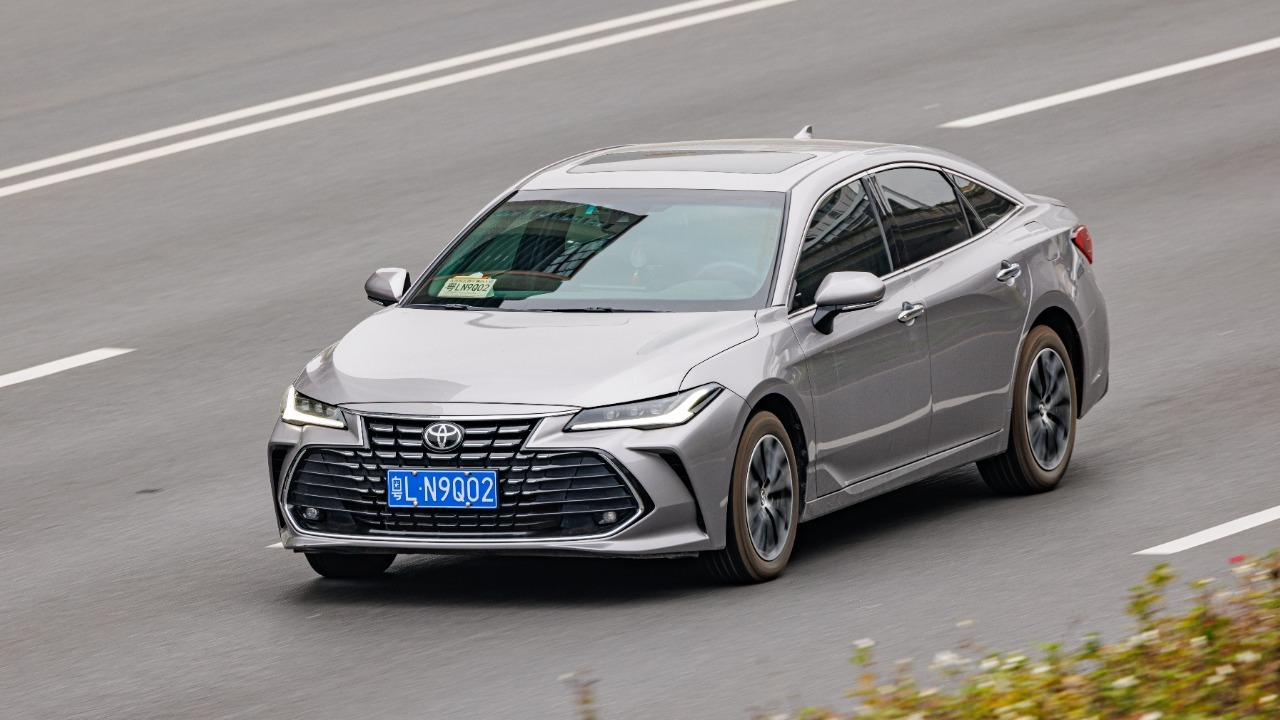
The Toyota Avalon was Toyota’s largest and most refined mainstream sedan before production wound down, and it earned a reputation as one of the quietest cars in its price range thanks to extra sound-deadening material and well-sealed doors and windows.
Because the Avalon never carried a luxury badge or luxury pricing, its hushed cabin surprised many first-time drivers expecting road noise typical of a family sedan. That quiet ride is part of why the Avalon retained a loyal following even as sedans lost ground to SUVs.
8. Volvo S90: Scandinavian Calm
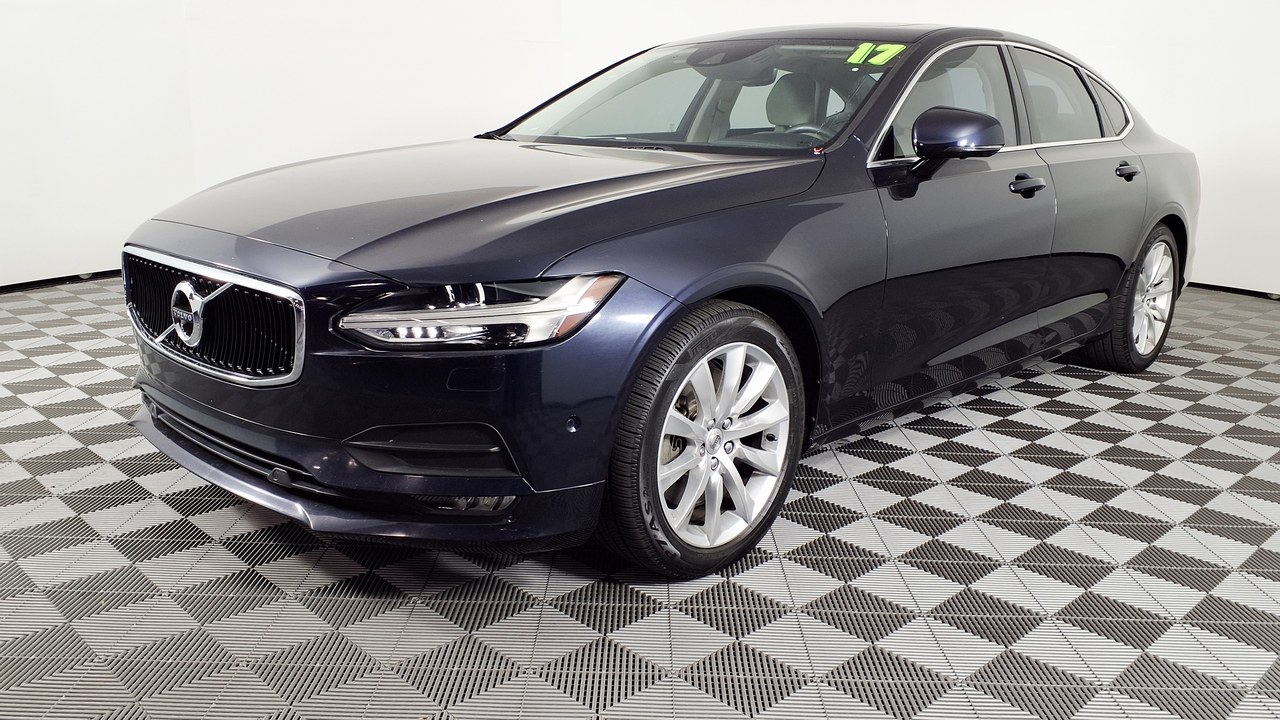
The Volvo S90 pairs Volvo’s minimalist Scandinavian design philosophy with a cabin engineered for calm, using acoustic glass and dense sound insulation to keep road, wind, and tire noise from intruding on the interior.
Owners often describe the S90’s cabin as one of the more meditative spaces in the luxury segment, with low road noise reinforcing the car’s understated, uncluttered interior design. That combination has made the S90 a favorite among drivers prioritizing comfort over outright sportiness, especially on long stretches of interstate driving.
9. Cadillac CT6: Active Noise Cancellation
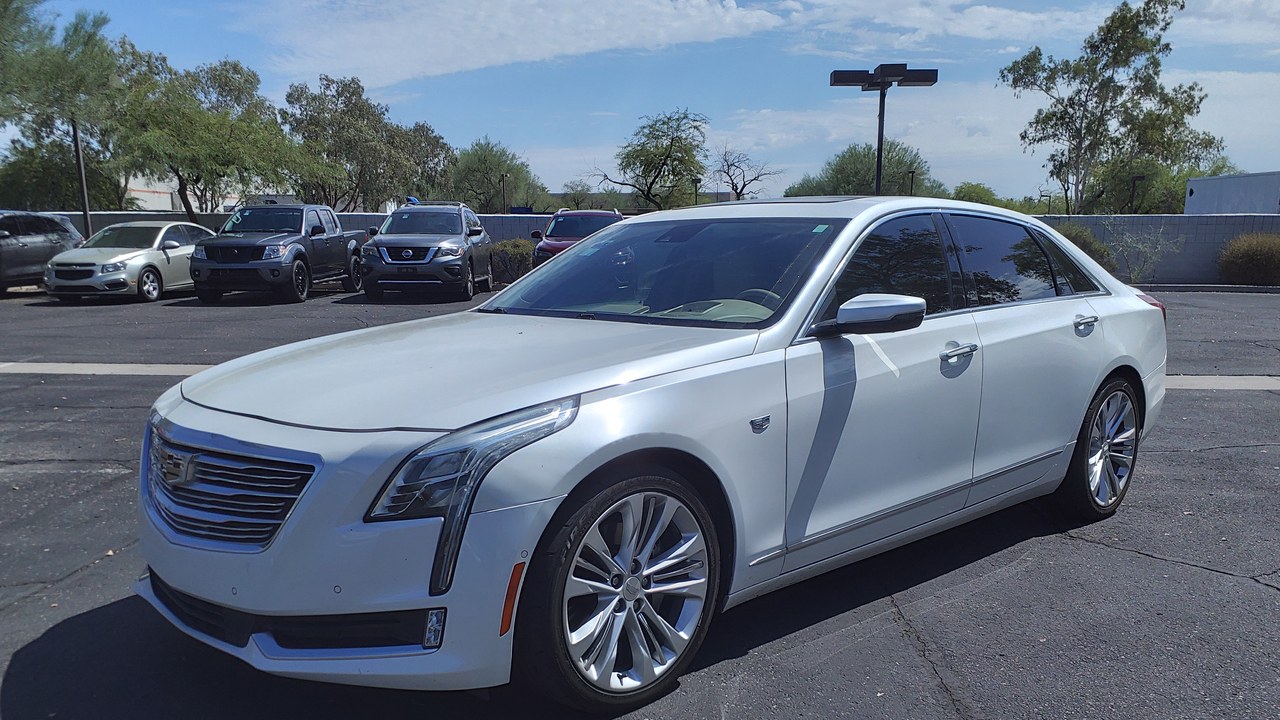
The Cadillac CT6 used an active noise-cancellation system, similar in principle to noise-canceling headphones, alongside acoustic glass and heavy underbody insulation to keep its cabin unusually still even though the car was discontinued after a relatively short production run.
Used examples of the CT6 remain sought after specifically for that quiet, isolated ride, since few American sedans matched its combination of size and hush. For buyers who can find one, the CT6 offers flagship-level quiet at a used-market price well below its German rivals.
10. Lincoln Continental: Plush Isolation
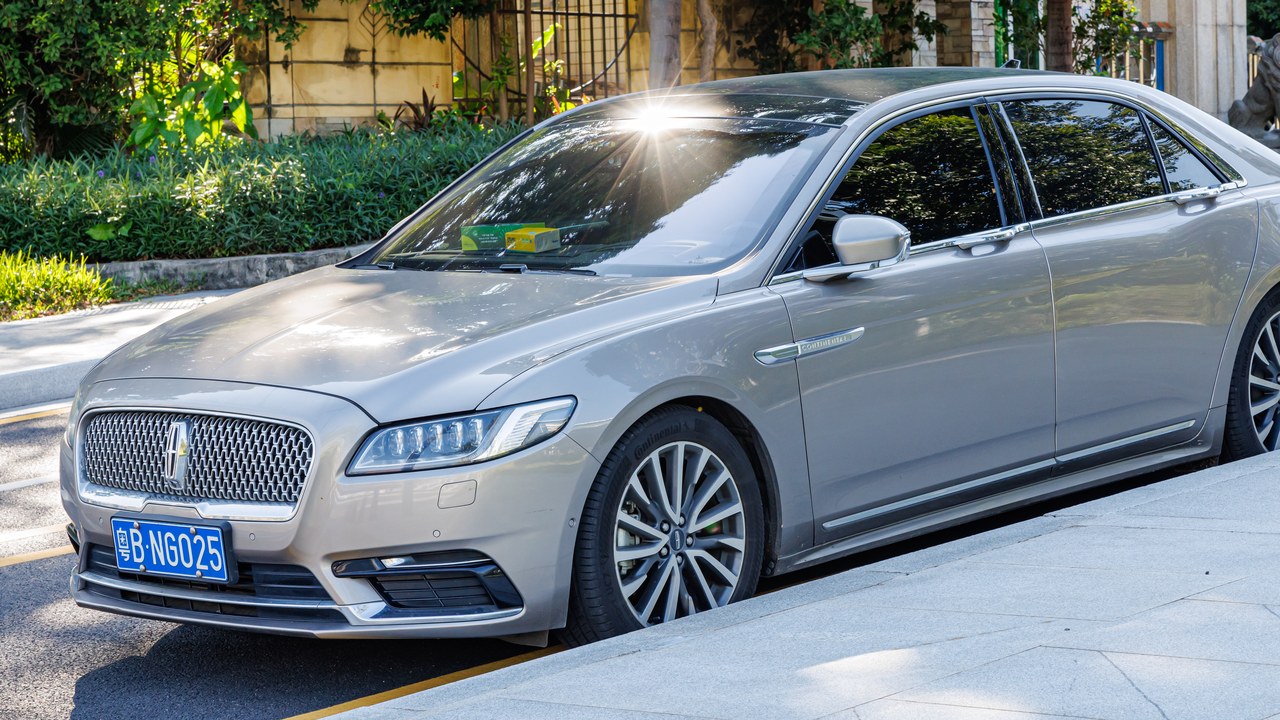
The Lincoln Continental revived a storied nameplate with a cabin built around plush isolation from the outside world, using thick acoustic glass, extra sound-deadening material, and soft-closing doors that seal out road and wind noise.
That isolation was central to Lincoln’s pitch that the Continental was a genuine alternative to German and Japanese luxury flagships rather than a rebadged mainstream sedan. Even though production ended a few years ago, used Continentals are still praised for a hushed ride that outclasses many current sedans on the road today.
More from Morning Overview
- Card skimmers hidden on gas pumps and ATMs are draining accounts, and here’s the tell
- The FBI says hackers are hijacking outdated home routers, and it named the models to check
- Older Teslas are wearing out in ways early owners never saw coming
- A common childhood virus is now tied to multiple sclerosis years later
