
Some engines are tuned so tightly around high-octane gasoline that the owner’s manual treats premium as a requirement, not a suggestion. These ten performance cars pair strong turbocharged or high-compression engines with a fuel spec that leaves no lower-octane fallback. Here are ten cars whose own manual demands premium fuel.
1. BMW M3: Twin-Turbo Six Built For Premium
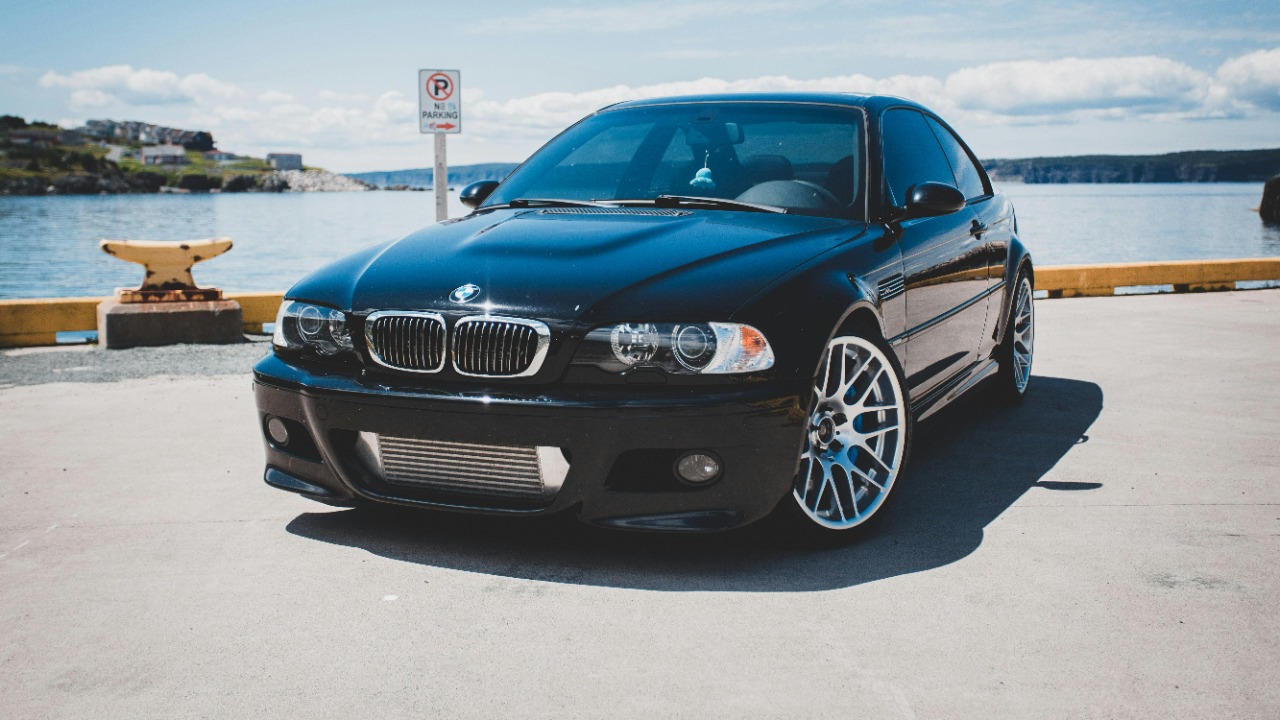
BMW’s turbocharged inline-six, covered in Car and Driver’s M3 review, is engineered around a compression ratio and boost pressure that assume premium unleaded from the first mile. The automaker lists that fuel grade as a requirement in the owner’s manual rather than a recommendation for extra performance.
Running the engine on a lower grade is not something BMW designed or validated the car for, so no regular-fuel output figure exists for comparison. The practical result is a single real choice at the pump: premium every fill-up, or an engine working outside the parameters it was tuned for.
2. Porsche 911: Flat-Six Tuned On High Octane
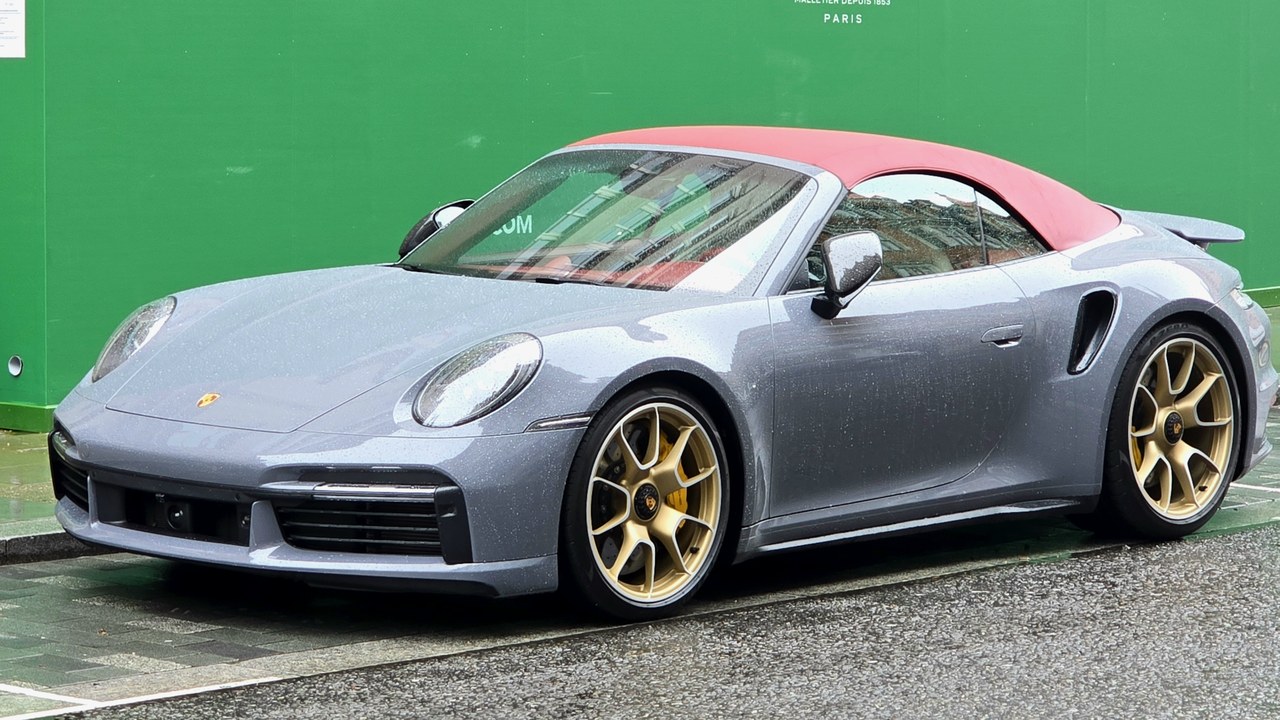
The flat-six that powers the 911, as Car and Driver’s 911 coverage describes it, carries compression and turbocharger boost levels built around premium fuel from the factory. Porsche calibrates the engine’s control software to that fuel grade, not as an add-on for buyers chasing extra output.
A lower grade does not strand the car, but the knock sensors respond by pulling ignition timing, quietly trimming the responsiveness the flat-six is known for. Porsche has never published a regular-fuel rating for the engine, because it was never designed to be measured against one, leaving premium as the only fuel that matches the spec sheet.
3. Mercedes-AMG C 63: Hot-V Turbos Need Premium
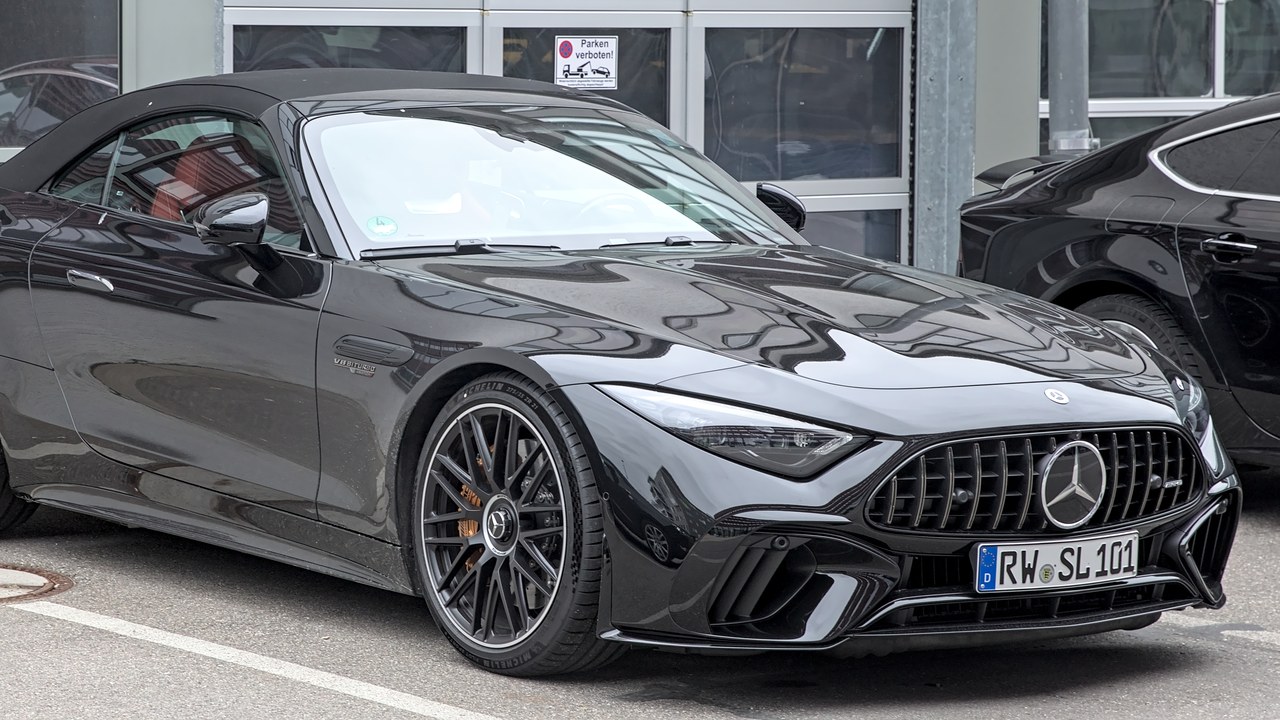
AMG’s hot-V turbocharged engines, the layout Car and Driver’s C 63 profile details, sit the turbochargers inside the engine’s V for a shorter, hotter intake path. That design runs closer to knock limits than a conventional layout, which is why AMG builds the C 63 as a premium-fuel engine from the start.
Mercedes does not offer a detuned mode for lower-octane gasoline, so the engine management system is left to protect itself by retarding timing if the wrong fuel goes in. Owners lose sharpness and throttle response long before anything mechanical is at risk, which is the quieter cost of skipping premium.
4. Audi S4: Turbo V6, No Regular-Fuel Option
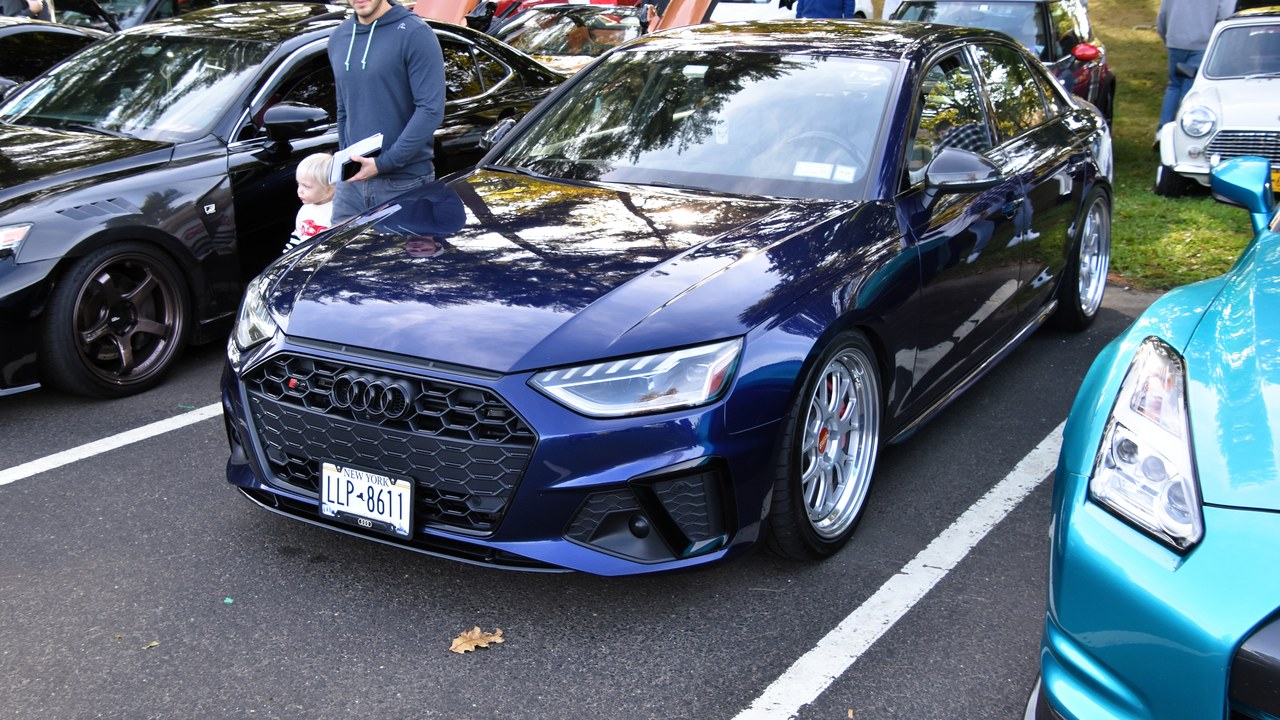
Audi specifies premium fuel for the S4’s turbocharged V6, and the federal government’s own octane requirement guidance explains why that distinction matters: engines built for premium are tuned with higher compression or more boost than a regular-fuel engine of the same size, so they depend on higher-octane gasoline to avoid knock.
On a car like the S4, that is not a suggestion printed for cautious drivers; it is the fuel the engine was calibrated around. Using a lower grade lets the engine’s computer retard timing to protect itself, which costs power and smoothness without any warning light or immediate damage to signal the loss.
5. Dodge Charger SRT Hellcat: Supercharged Hemi Loses Its Edge
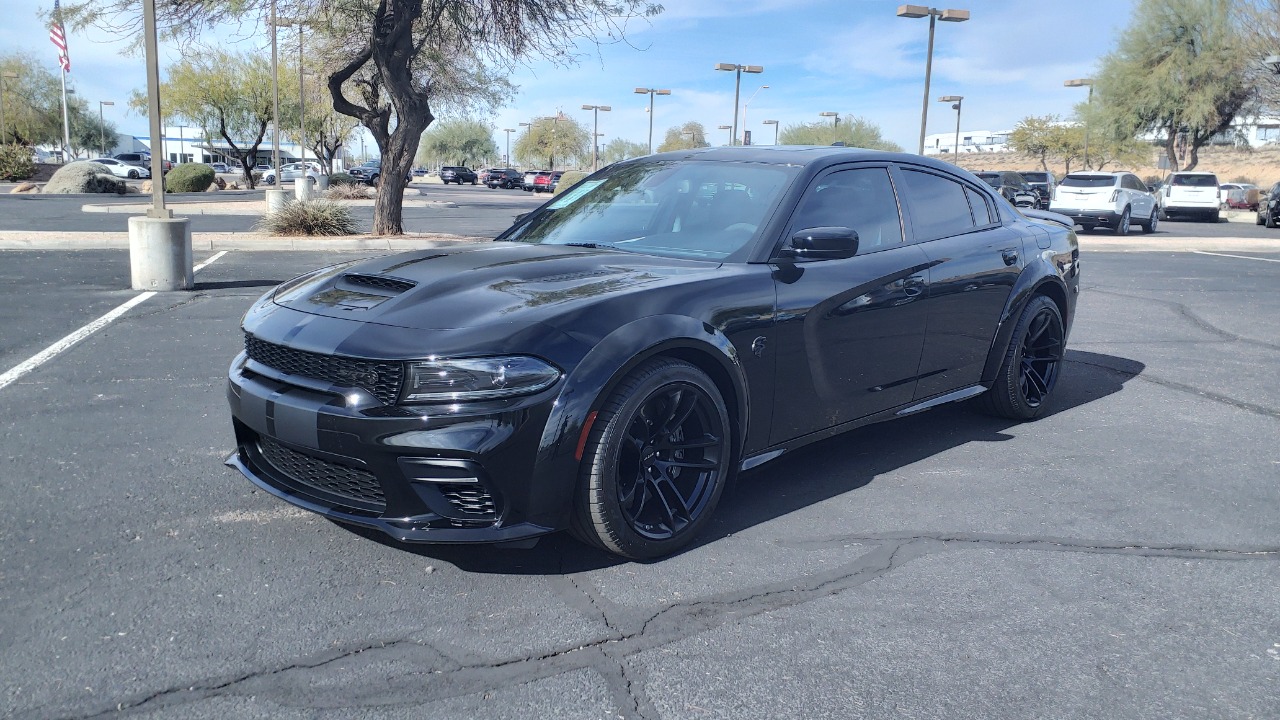
The supercharged 6.2-liter Hemi under the Charger SRT Hellcat’s hood, as the Hemi engine’s own history notes, is rated on premium fuel, and Dodge built the supercharger’s boost curve around that rating rather than a regular-fuel baseline.
Feed it a lower grade and the engine does not fail outright, but it loses output because the onboard computer pulls timing to guard against knock under boost. For a car whose entire identity is supercharged horsepower, that trade quietly undercuts the reason buyers choose the Hellcat over a lesser Charger in the first place, fill after fill.
6. Ford Mustang Shelby GT500: Predator V8 Is Premium-Only
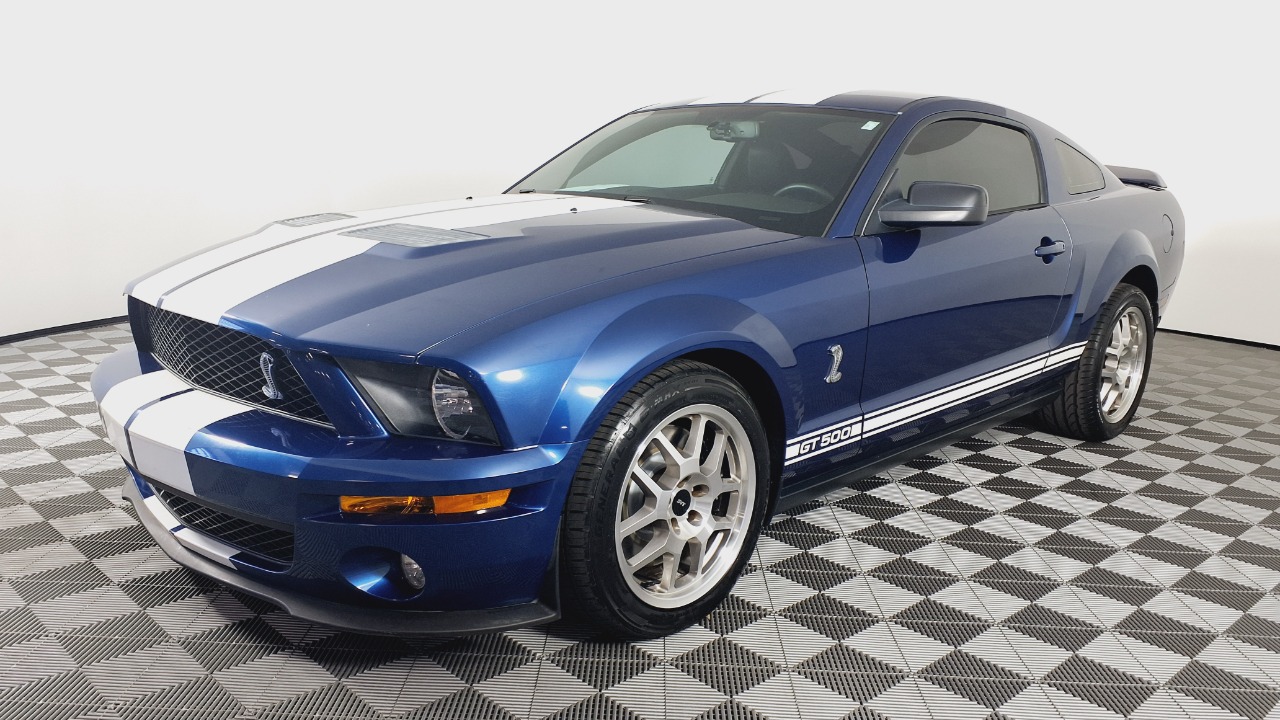
Ford’s supercharged 5.2-liter Predator V8, documented on the GT500’s own reference page, was engineered as a premium-fuel engine, with the supercharger’s boost pressure and the engine’s compression set to match high-octane gasoline rather than a regular-grade fallback.
There is no factory-sanctioned lower-octane tune for the Predator engine, so running regular simply forces the engine control unit to retard timing and protect itself from knock. Ford’s flagship Mustang was built to be the most powerful version the company sells, and that status depends on the fuel grade its engineers assumed at every step of development.
7. Mazda CX-50 Turbo: Full Output Needs 93 Octane
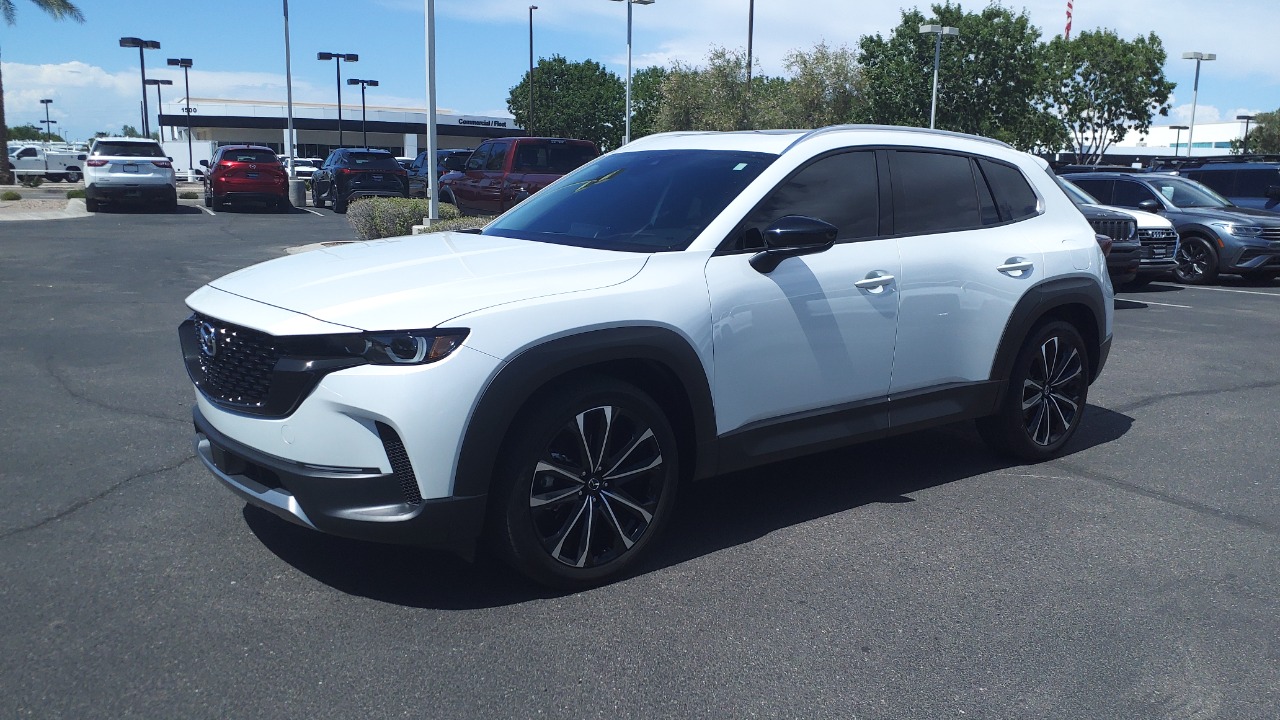
Mazda’s turbocharged CX-50, reviewed by Car and Driver’s CX-50 coverage, quotes its full horsepower figure only when the tank holds 93 octane; on regular gasoline, Mazda’s own published numbers for the same engine drop.
That two-tier rating is unusual for a mainstream crossover, and it catches shoppers off guard because the CX-50 does not look like a performance car from the outside. Choosing the turbo trim without budgeting for premium at every fill-up means never actually experiencing the horsepower figure printed in the brochure that sold the vehicle.
8. Volkswagen Golf R: EA888 Tuned For Premium
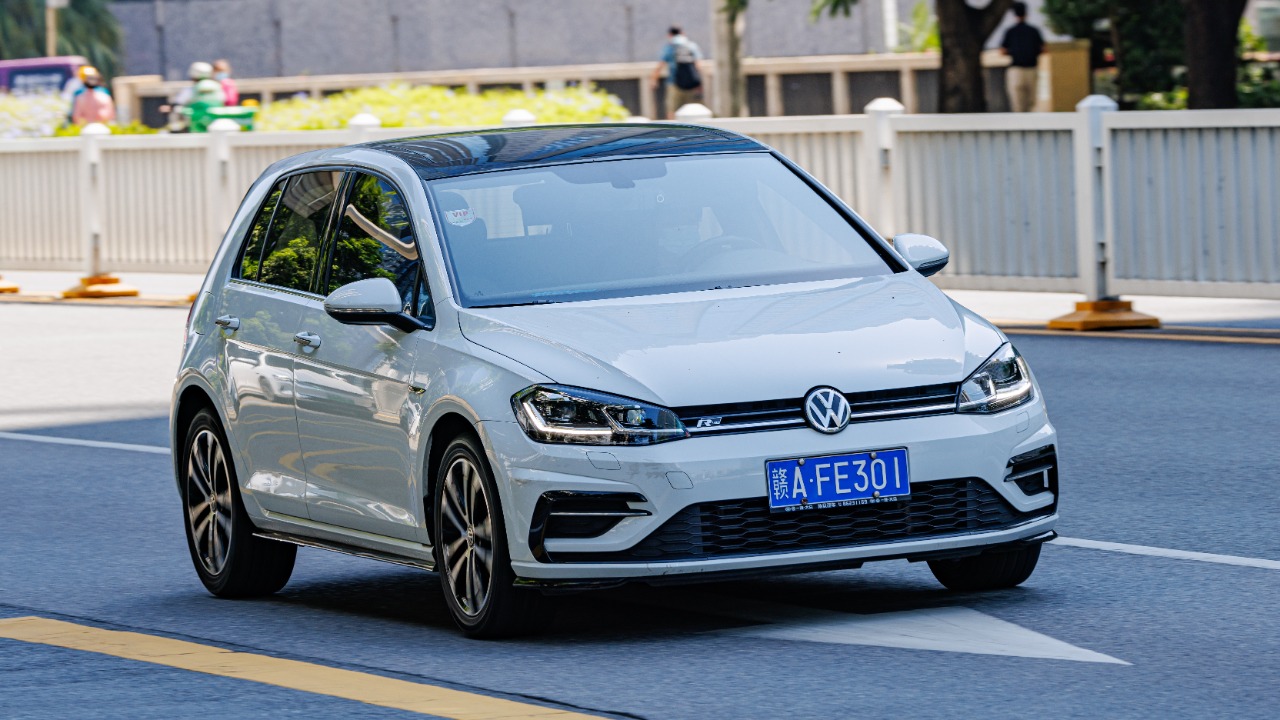
The EA888 turbocharged four-cylinder in R tune, as the Golf R’s reference entry lays out, runs higher boost and a more aggressive tune than the same engine in a base Golf, and Volkswagen specifies premium fuel to match that added pressure.
Owners coming from a standard Golf sometimes assume the fuel requirement carries over unchanged, which is a mistake with the R’s tune. The engine’s control software leans on knock sensors to protect itself on a lower grade, trading away the horsepower and torque that separate the R from every other Golf on the lot.
9. Toyota GR Supra: BMW-Built Six, Same Fuel Rule
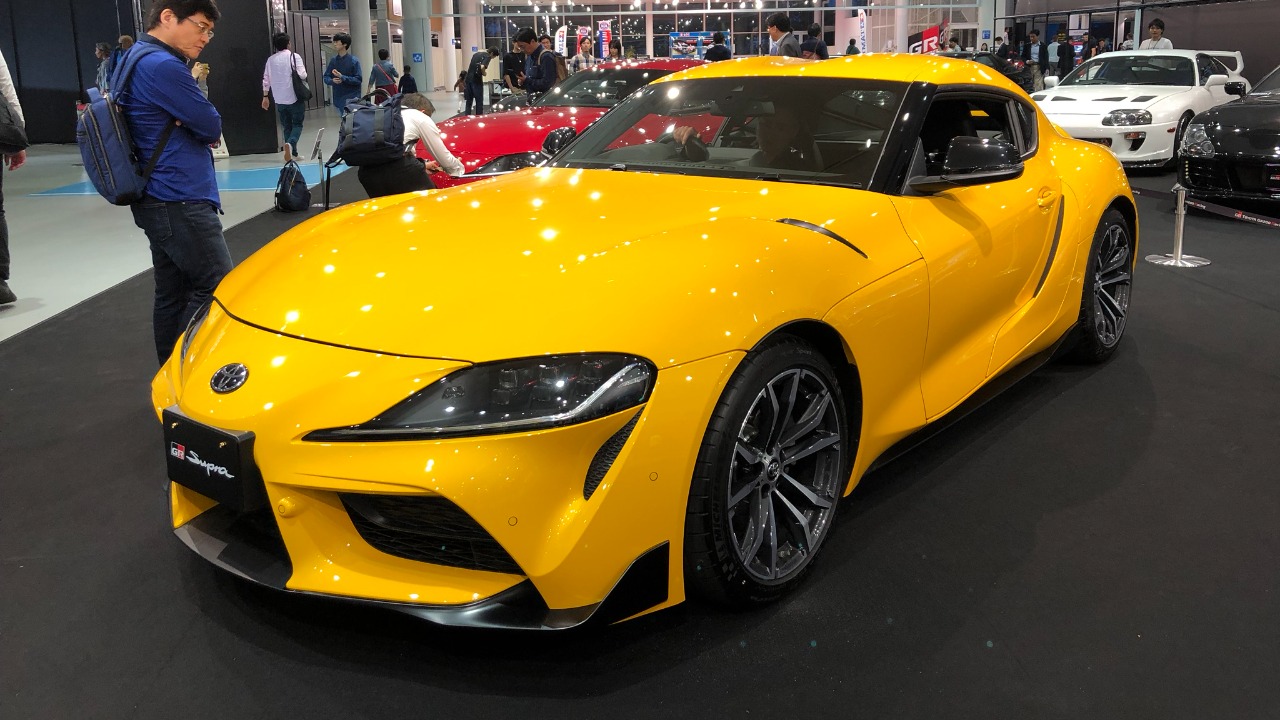
Toyota’s GR Supra shares its turbocharged inline-six with BMW, and Car and Driver’s Supra coverage notes the engine carries over BMW’s own premium-fuel requirement along with its architecture, since Toyota did not retune the compression or boost strategy for a lower grade.
That shared engineering means Supra owners face the identical fuel decision BMW’s own six-cylinder buyers do, regardless of the Toyota badge on the trunk. Using regular gasoline lets the engine protect itself electronically, but it also erases the margin that makes the B58-based six feel as strong as the reviews describe.
10. Subaru WRX: Turbo Boxer Wants Premium
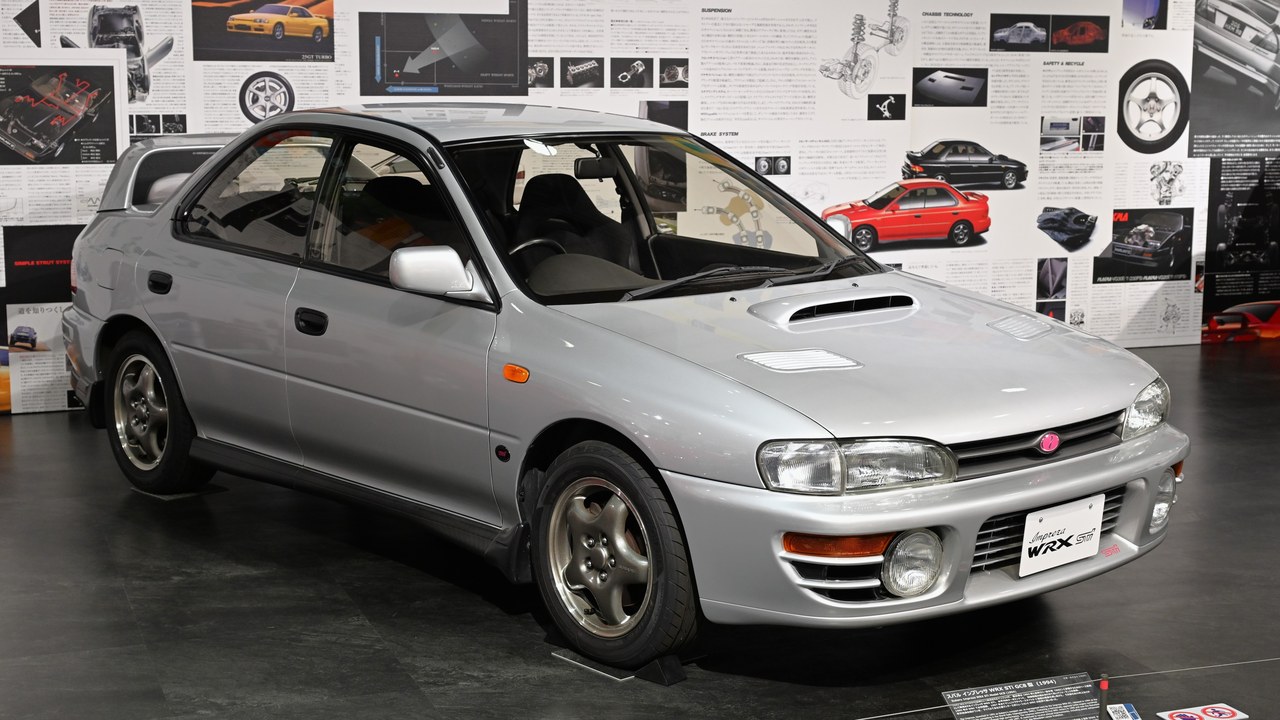
Subaru’s turbocharged boxer engine, described on the WRX’s own reference page, is specified for premium fuel, with the flat-four’s boost pressure calibrated around higher-octane gasoline rather than the regular grade used by Subaru’s non-turbo models.
That distinction separates the WRX from most of the rest of Subaru’s lineup, where regular unleaded is the norm. Skipping premium does not strand a WRX driver at the pump, but it hands the engine’s computer a reason to pull timing and dial back the output that justifies the car’s price over a standard Impreza.
More from Morning Overview
- The NSA is again telling phone owners to switch off one location setting
- A handful of car transmissions are so tough mechanics say they almost never fail
- A handful of SUVs keep hitting 300,000 miles, and they share one engine trait
- Supplements now rank as the fifth-leading cause of death from liver disease.
