
Four-wheel steering sounds like a supercar trick, but automakers have used it on hatchbacks, pickups, and sedans for decades to shrink turning circles and add stability at speed. The rear wheels turn opposite the fronts at low speed for tighter parking and the same direction at highway speed for confidence in lane changes. Here are ten cars that steer with their rear wheels too.
1. Honda Prelude: Four-Wheel Steering Pioneer

The third-generation Honda Prelude introduced four-wheel steering in 1987, among the first mass-production cars to turn its rear wheels with the fronts. Below about 22 mph the rear wheels turned opposite the front pair to tighten the turning radius, then matched the fronts at higher speed to steady fast lane changes. Honda later replaced the mechanical linkage with a fully electronic system on the fourth-generation Prelude.
The technology added cost most drivers never noticed on public roads, so few rivals copied it at scale. Still, the Prelude proved the concept could survive daily use, and its 4WS badge remained a genuine selling point through the early 1990s.
2. Porsche 911: Rear Axle Steering At Speed
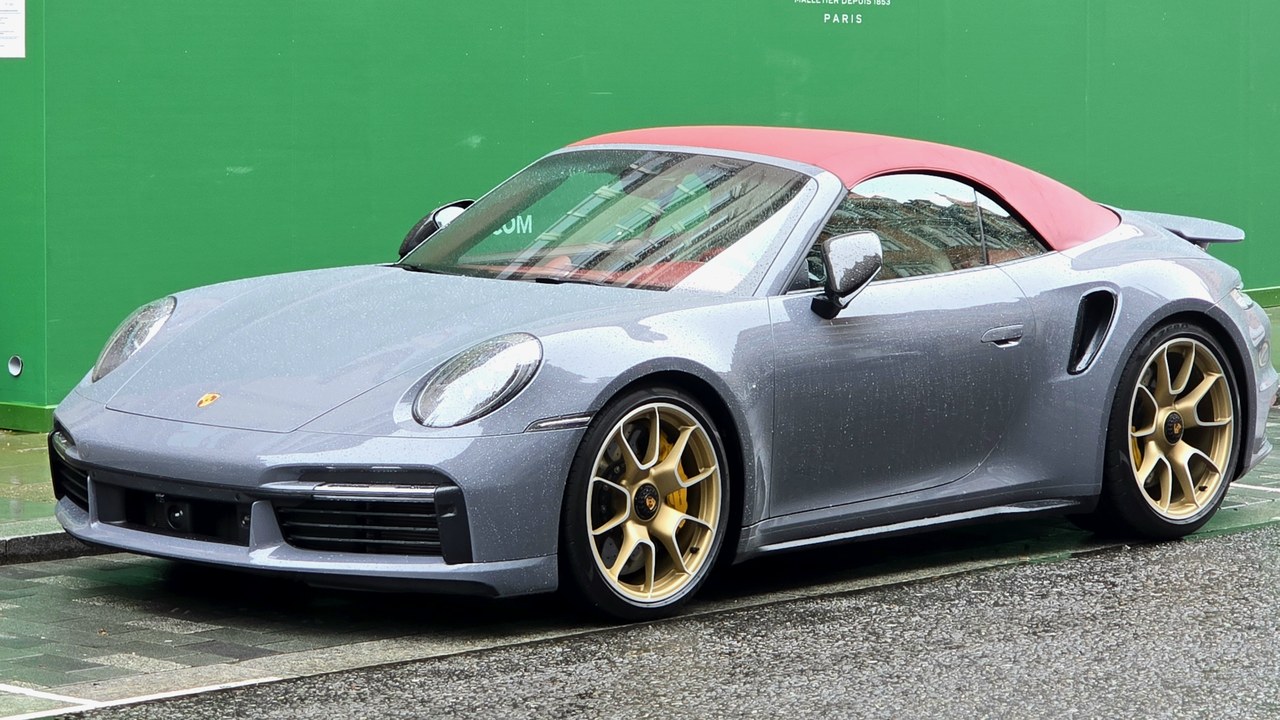
Porsche added rear-axle steering to the 911 lineup starting with the 991.2 generation in 2016, turning the rear wheels up to two degrees opposite the fronts at low speed to shrink the turning circle and with the fronts above roughly 50 mph to sharpen high-speed stability. The system is standard on the Turbo and GTS models and works alongside the all-wheel-drive setup on those variants.
The effect shortens the car’s effective wheelbase in tight corners and lengthens it at speed, letting a car with a long rear overhang change direction with less drama. Porsche carried the system forward into the 992 generation, treating it as a performance feature rather than a novelty.
3. Mercedes-Benz S-Class: Ten Degrees Of Rear Steer

The current Mercedes-Benz S-Class, the W223 generation launched in 2020, offers an optional rear-axle steering system that turns the rear wheels up to ten degrees opposite the front wheels at parking speed, tightening the turning circle by roughly two meters. Above about 37 mph the rear wheels turn the same direction as the fronts by a smaller angle, adding stability during highway lane changes on the full-size Mercedes-Benz sedan.
The wide steering angle makes a car built on a long wheelbase maneuver almost like a compact hatchback in a parking garage. Mercedes markets the option on both the standard and long-wheelbase S-Class body styles.
4. BMW 7 Series: Integral Active Steering

BMW introduced Integral Active Steering on the F01-generation 7 Series in 2008, its brand name for a system that turns the rear wheels opposite the fronts at low speed and together with them at speed. The setup pairs rear steering with the front-axle variable-ratio steering already used on the 7 Series, so the whole car reacts to a single steering input.
BMW carried the option forward through the later G11 and G12 generations, where it also improved trailer towing by helping the driver correct sway. The system remains an option rather than standard equipment on most trims.
5. Audi A8: Dynamic All-Wheel Steering
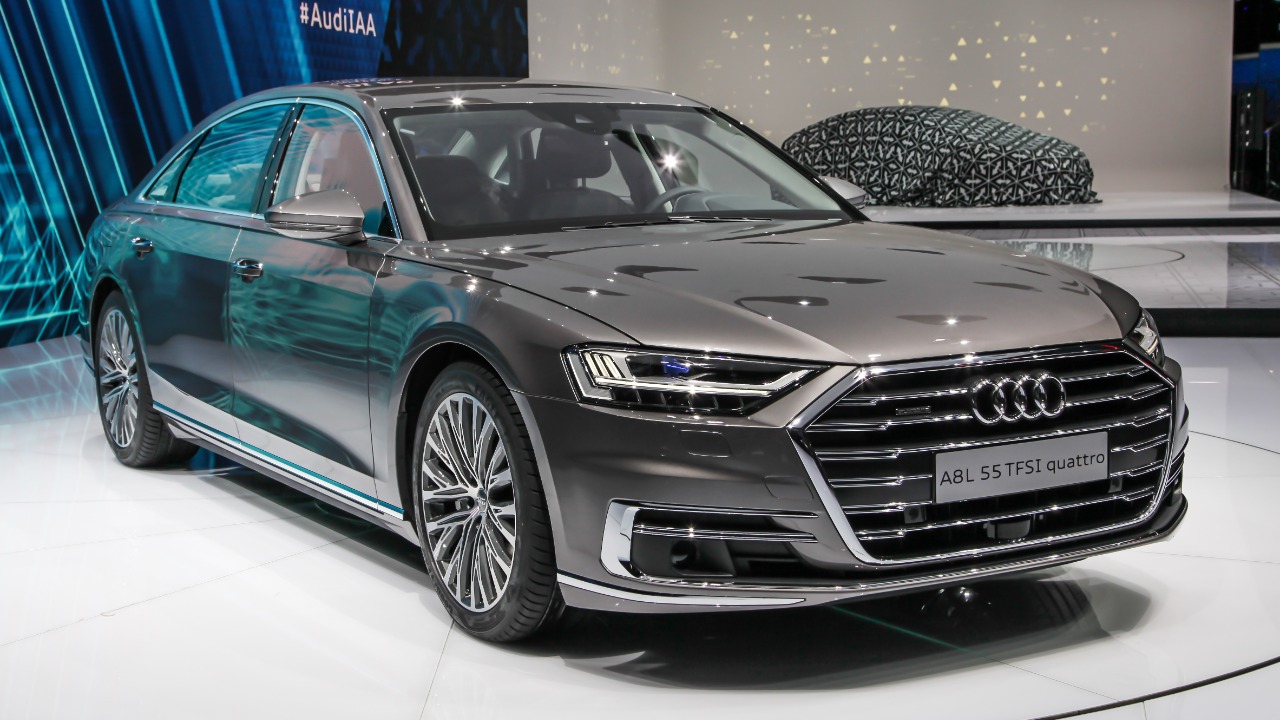
Audi launched dynamic all-wheel steering on the D5-generation A8 in 2017, its first production application of rear-wheel steering on the flagship sedan. Below about 37 mph the rear wheels turn up to five degrees opposite the fronts, cutting the turning circle by more than a meter; above that speed they turn up to two degrees the same direction as the front wheels on the long-wheelbase A8.
The system works with Audi’s electric power steering to vary the ratio continuously rather than in fixed steps. It was positioned as a flagship-only feature before trickling down to other large Audi models.
6. GMC Hummer EV: The Crab Walk Truck

The GMC Hummer EV, which reached production in late 2021, uses four-wheel steering to enable a Crab Walk mode that turns all four wheels the same direction at once, letting the truck move diagonally to clear obstacles or slide into a tight parking spot. At speed the rear wheels turn opposite the fronts to shrink the electric truck’s turning radius despite its size.
GM built the system to offset the sheer footprint of a vehicle that weighs roughly 9,000 pounds with its battery pack. Crab Walk became one of the truck’s signature marketing moments when GM first demonstrated it on camera.
7. Lamborghini Aventador: Taming A Long Wheelbase
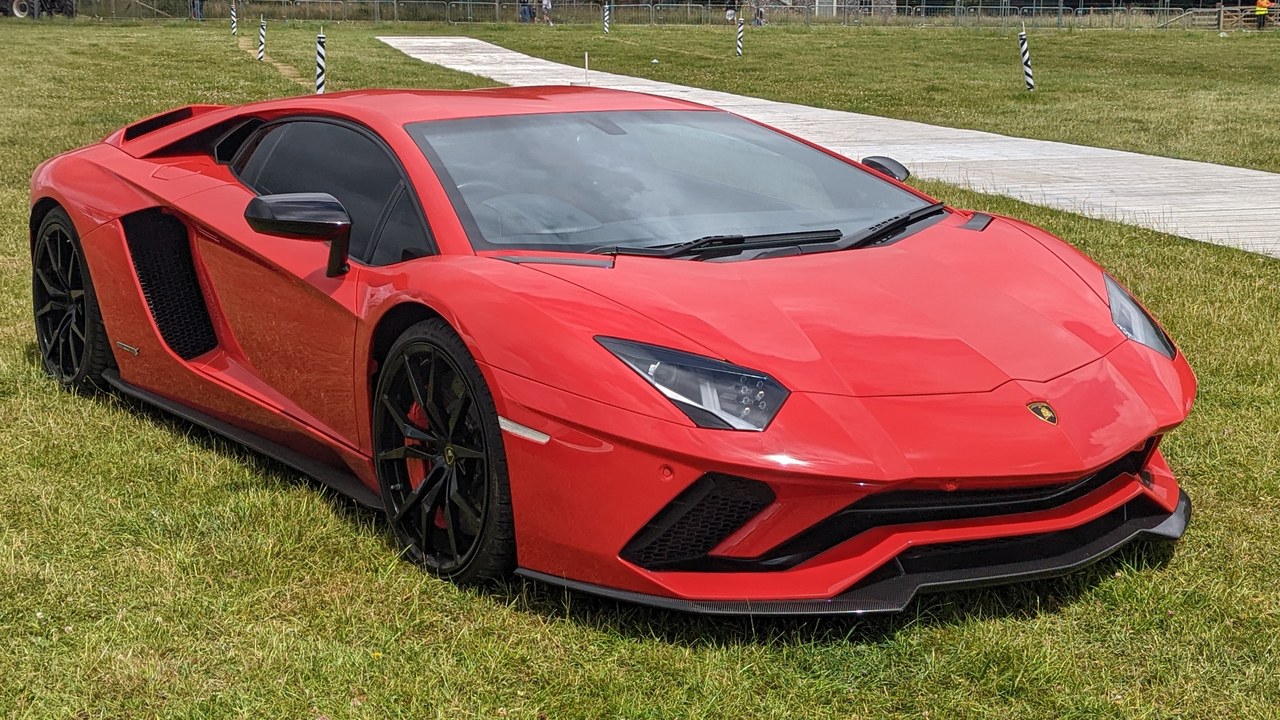
Lamborghini added rear-wheel steering to the Aventador with the Aventador S facelift in 2017, four years after the original LP700-4 launched without it. The rear wheels turn opposite the fronts at low speed to shrink the effective wheelbase for tighter turns, then turn with the fronts at speed to widen it and calm the Aventador’s long, wide chassis through fast corners.
The change addressed a real complaint about the original Aventador, whose length made it feel unwieldy on tight roads. Lamborghini kept the rear-steering hardware through the later SVJ and Ultimae special editions.
8. Ferrari 812 Superfast: Virtual Short Wheelbase

Ferrari built rear-wheel steering into the 812 Superfast from its 2017 debut, branding the technology Virtual Short Wheelbase because it lets a large front-engine V12 grand tourer respond like a smaller, shorter car. The rear wheels turn opposite the fronts at low speed and work with the front axle’s steering ratio to sharpen turn-in on the 812 Superfast without unsettling the chassis.
The system had already appeared on the smaller F12tdf before Ferrari extended it to the 812 lineup. It lets a car built around a long hood and a 6.5-liter engine turn with a nimbleness its dimensions would not suggest.
9. Cadillac CT6: A Full-Size Sedan That Turns Tight
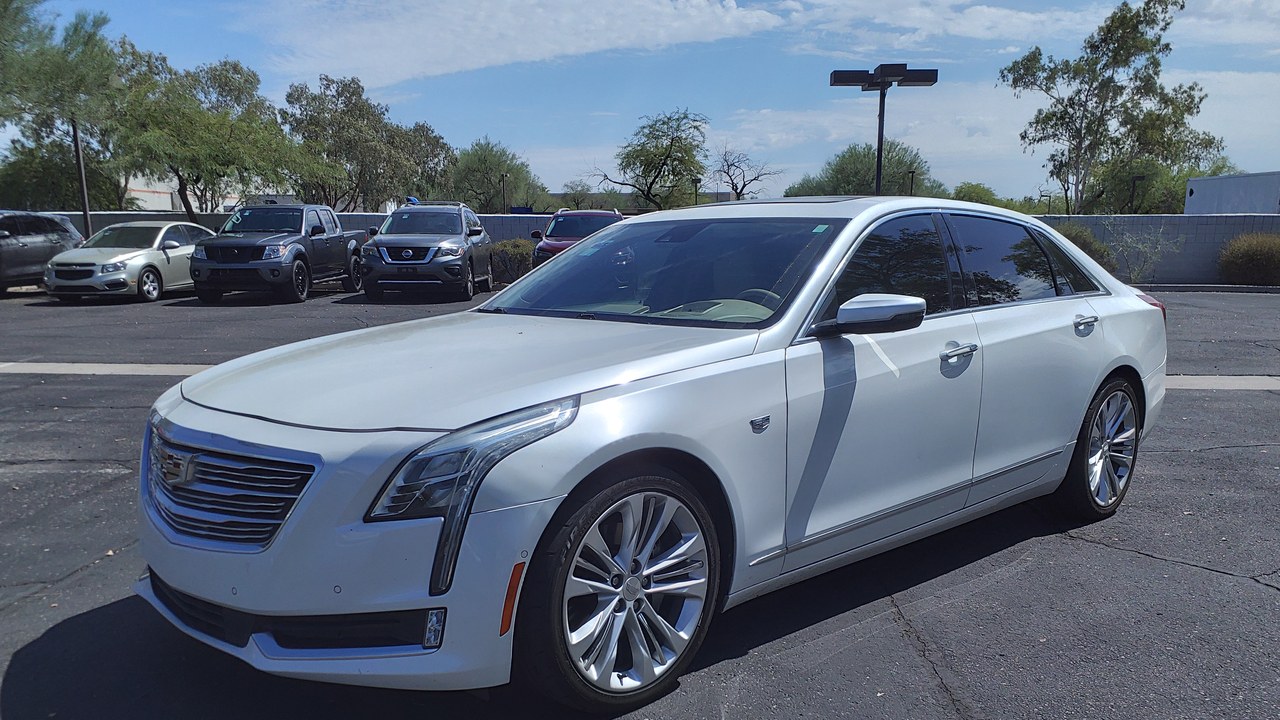
Cadillac offered Active Rear Steer on the CT6 full-size sedan starting with the 2016 model year, turning the rear wheels up to 3.5 degrees opposite the fronts at low speed to tighten the turning circle of a car built on a long wheelbase. At highway speed the rear wheels turn with the fronts to steady the CT6 during lane changes.
The feature was standard on the high-performance CT6-V and optional on lower trims, part of Cadillac’s push to compete with German luxury sedans on technology. Cadillac discontinued the CT6 in 2020, ending the model’s run.
10. Renault Mégane: 4Control For The Masses
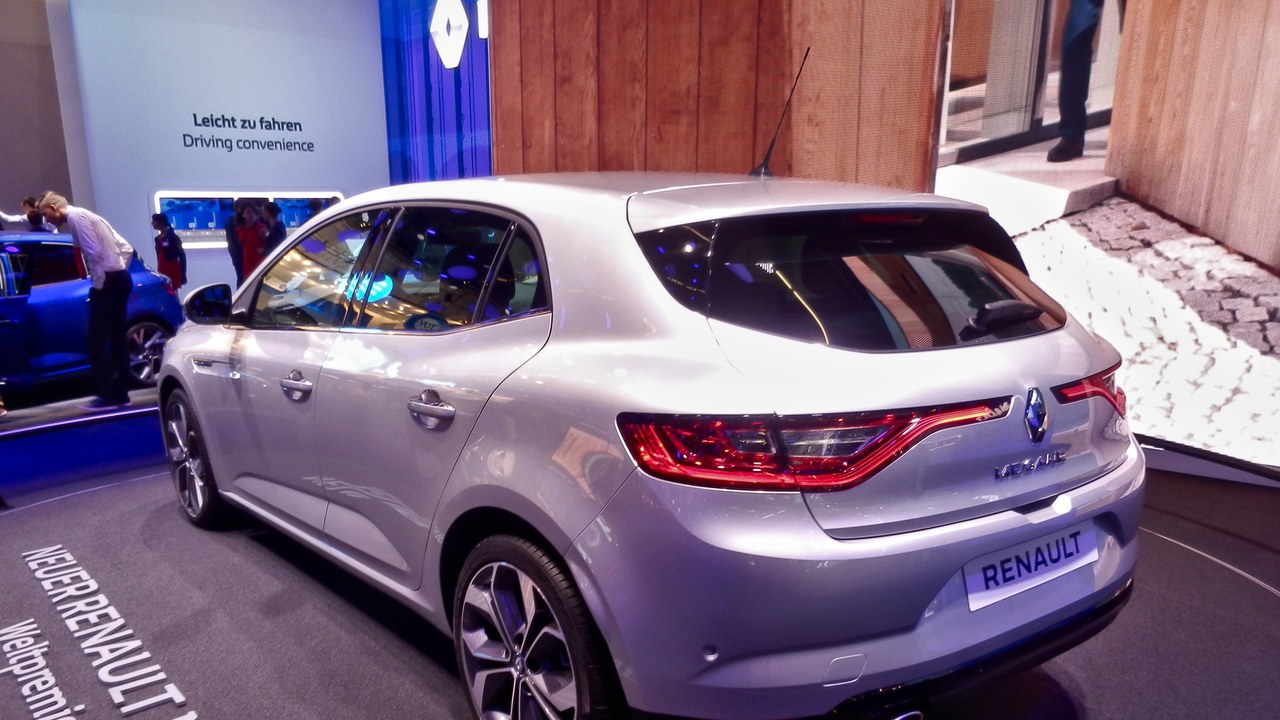
Renault introduced its 4Control rear-wheel-steering system on the fourth-generation Mégane in 2016, first on the GT and later the RS performance variant, making rear steering available on a mainstream family hatchback rather than a luxury flagship. The rear wheels turn opposite the fronts at low speed and with them above about 37 mph on the Renault Mégane.
Renault had used a version of the same idea on the larger Laguna and Talisman before bringing it to the compact class. The system let the Mégane RS post competitive lap times against rivals with wider tracks and longer wheelbases.
More from Morning Overview
- Early Tesla Model S owners are hitting battery and screen failures no one warned them about
- Dietary supplements now rank among the leading causes of drug-linked liver failure
- 11 engines built to run well past 200,000 miles
- Card skimmers hidden on gas pumps are draining accounts, and there’s a quick way to spot them
