
Repair-shop visits cost more than parts; they cost owners their time and their trust in a vehicle. Some models manage to avoid both by pairing simple engineering with a long track record of durability, keeping surprise breakdowns rare and routine maintenance predictable. These 10 cars are the ones drivers consistently praise for staying out of the service bay.
1. Toyota Corolla: Simple, proven mechanicals keep shop bills tiny
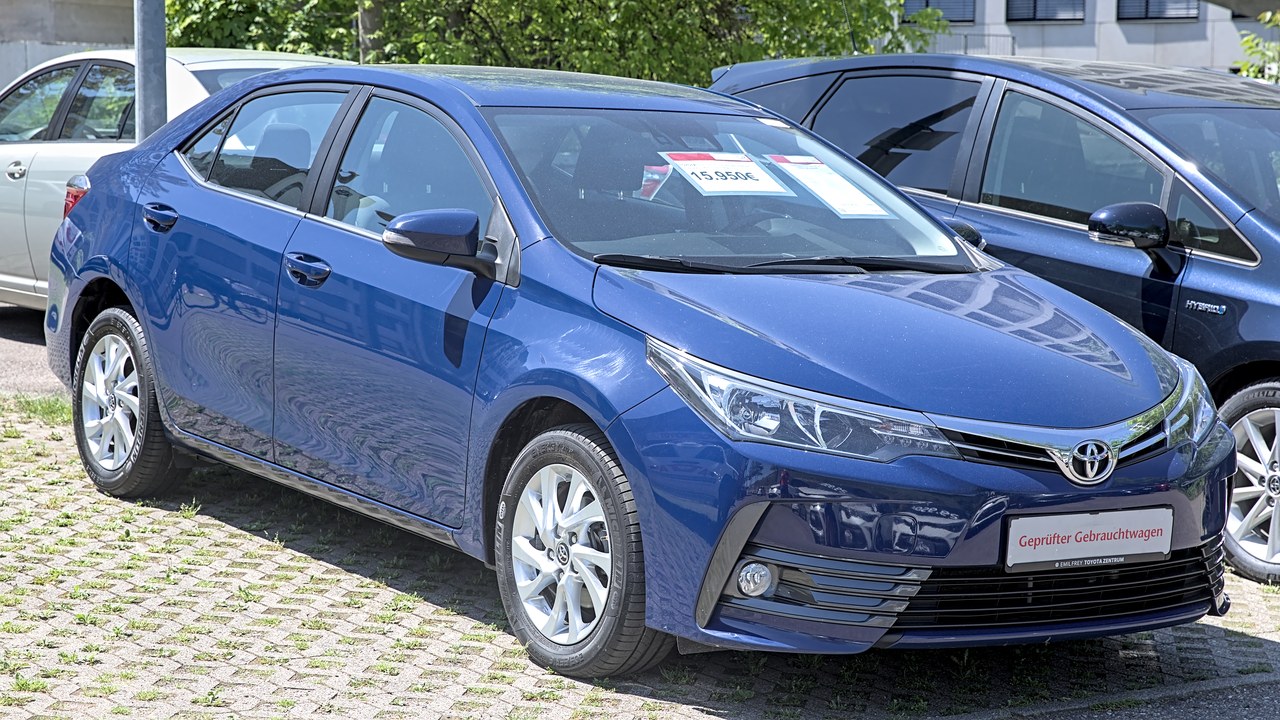
The Toyota Corolla has built its reputation over decades on mechanical simplicity rather than flash, and that restraint pays off once the warranty period ends. Its four-cylinder engine and conventional transmission use components that mechanics know inside and out, so diagnosis is quick and parts are cheap and widely stocked.
Owners consistently report going years between anything beyond scheduled maintenance, and independent reliability surveys routinely rank the model near the top of its class. Fuel economy figures for the current generation are detailed on the EPA’s official ratings page, underscoring how little strain the drivetrain places on itself during normal driving.
2. Honda Civic: Cheap parts and long service intervals for years
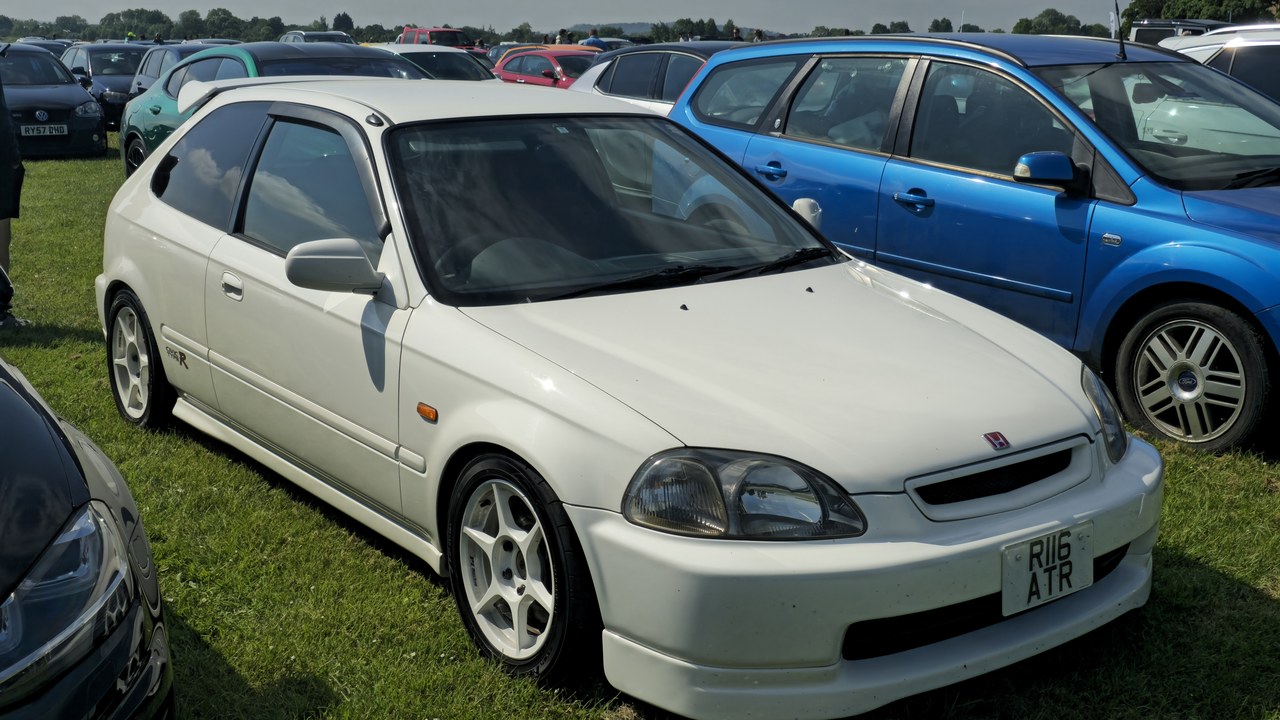
The Honda Civic has long been a go-to recommendation for drivers who want dependable transportation without constant trips to a mechanic. Its engines are known for running well past 150,000 miles with nothing more than oil changes, brake pads, and the occasional timing component, and the compact’s simple layout keeps labor costs down at any independent shop.
Because the Civic has sold in huge numbers for generations, parts availability is excellent and salvage-yard components are easy to source for older models. Full specifications and ownership details for the current lineup are listed on Car and Driver’s Civic hub, which tracks how little the model has changed mechanically compared with flashier rivals.
3. Toyota Camry: A midsize workhorse with famously low upkeep
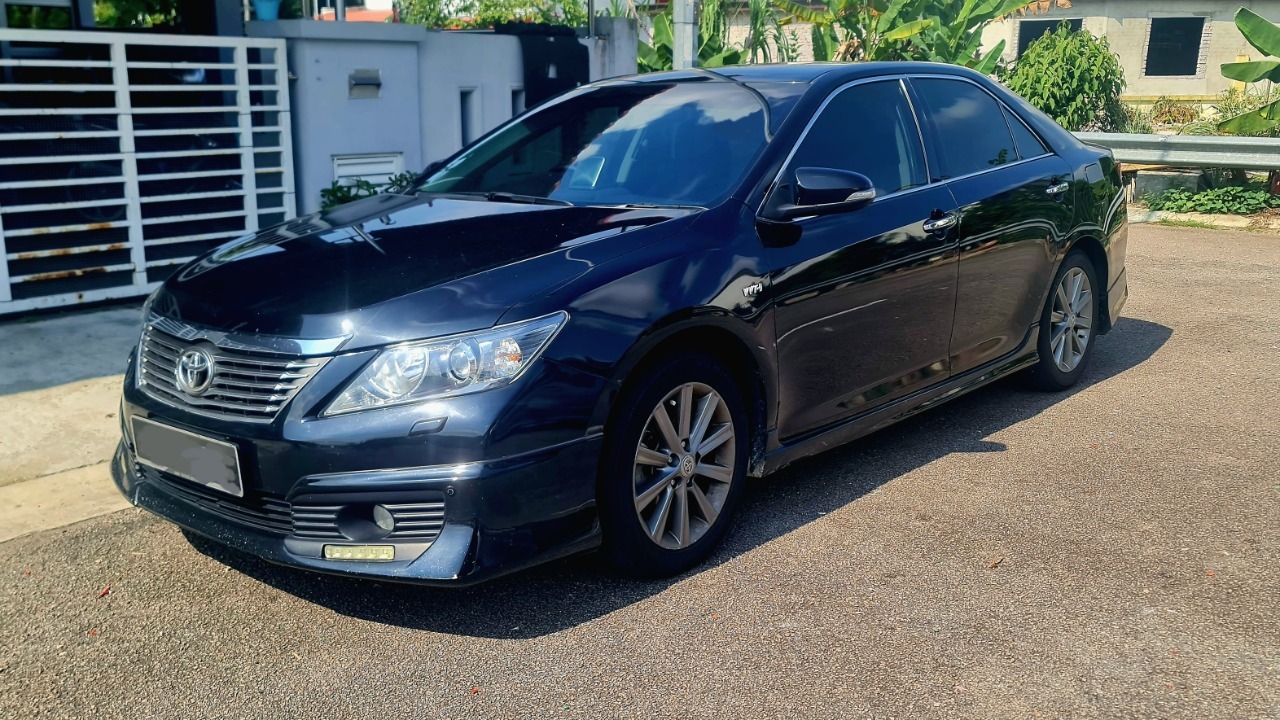
The Toyota Camry has spent decades as the default choice for drivers who simply want a car that starts every morning and runs without drama. Its naturally aspirated four-cylinder and hybrid powertrains are built with generous tolerances and conservative tuning, favoring longevity over outright performance and reducing the wear that sends other midsize sedans back to the shop early.
Independent surveys of owner-reported repairs consistently place the Camry among the least trouble-prone sedans on the road, with most visits limited to tires, brakes, and fluids. Details on the current model’s engineering are available through Car and Driver’s Camry coverage, which has tracked the nameplate’s reputation for low-drama ownership for years.
4. Mazda3: Reliable compact with modest repair costs
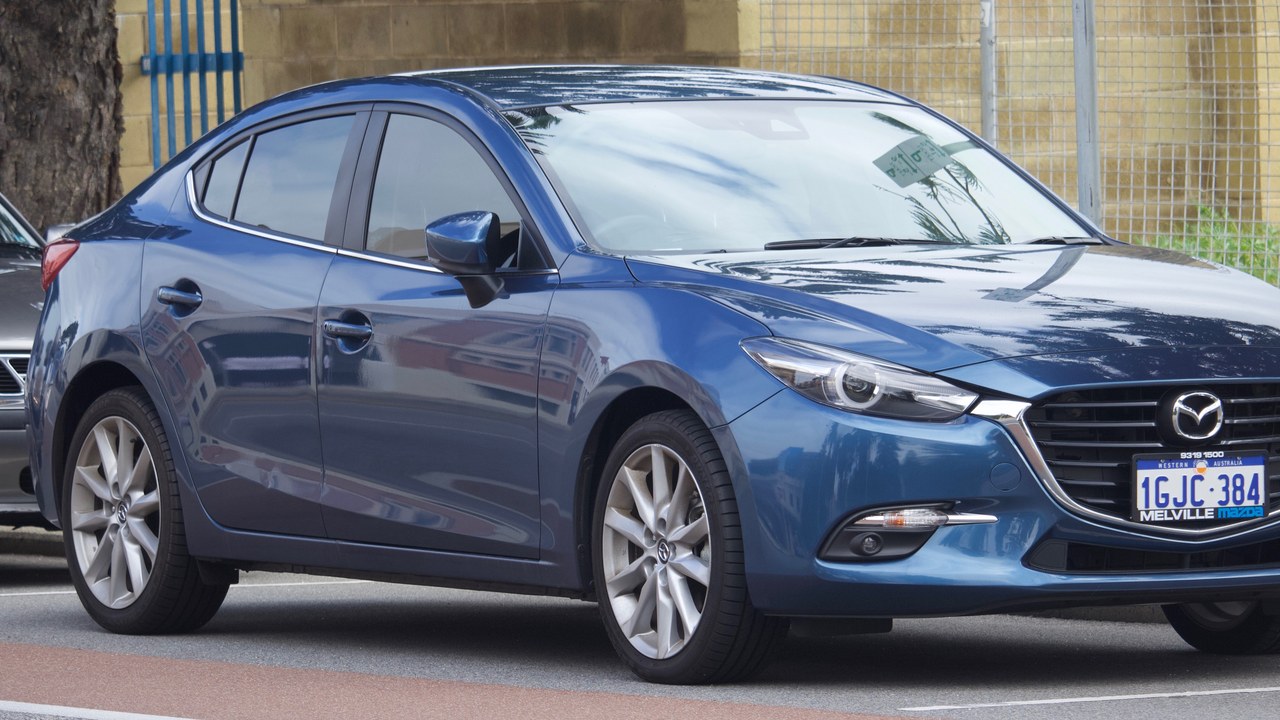
The Mazda3 pairs upscale styling with mechanical components borrowed from a lineup that has quietly built a strong reliability record over the past decade. Its engines avoid unnecessary complexity, and the compact chassis shares many parts with other Mazda models, which keeps sourcing straightforward for independent mechanics working outside the dealership network.
Owners frequently note that beyond routine service the car rarely demands unscheduled attention, a rarity among compacts marketed on style. Background on the current generation, including its documented production history, appears at the model’s reference page, which outlines how little the platform has changed since its redesign.
5. Honda Accord: Long-lived sedan that rarely surprises the wallet

The Honda Accord has built a reputation across multiple generations for engines and transmissions that simply keep running long after the odometer passes six figures. Its parts network is deep and inexpensive thanks to decades of high sales volume, and independent shops rarely struggle to diagnose an Accord’s occasional issue.
Fleet buyers and rental companies favor the model for the same reason private owners do: it tends to avoid the expensive failures that plague less proven midsize sedans. A full profile of the current Accord’s mechanical layout is available at Car and Driver’s Accord page, reinforcing its low-drama reputation.
6. Toyota Prius: Hybrid hardware proven cheap to keep running
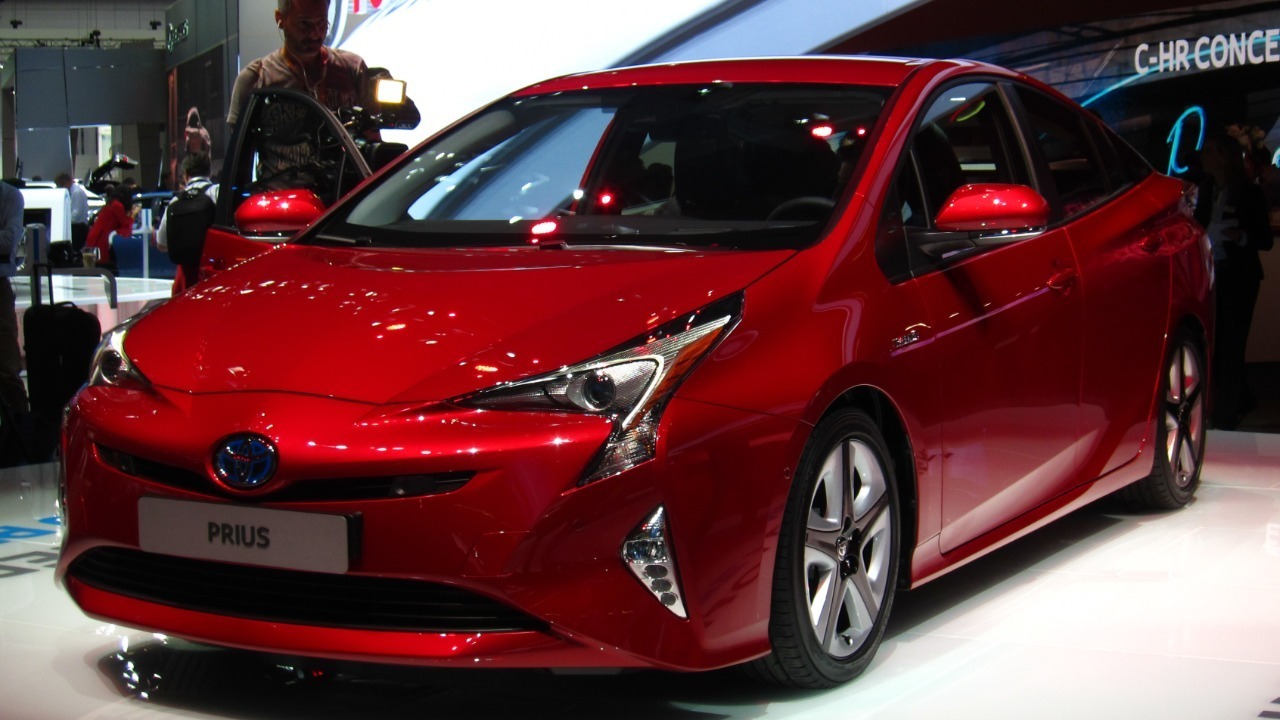
The Toyota Prius helped prove that hybrid technology could be as durable as a conventional engine, and its battery packs have shown remarkable longevity in real-world fleets like taxi services. Regenerative braking also reduces wear on brake pads, one of the more common repair items on other cars.
Because Toyota has refined the same hybrid system for over two decades, technicians across the country are well versed in servicing it without guesswork. Specifications for the latest Prius are detailed at Car and Driver’s Prius overview, which highlights how mature the hybrid hardware has become.
7. Kia Forte: Budget compact with inexpensive parts and labor
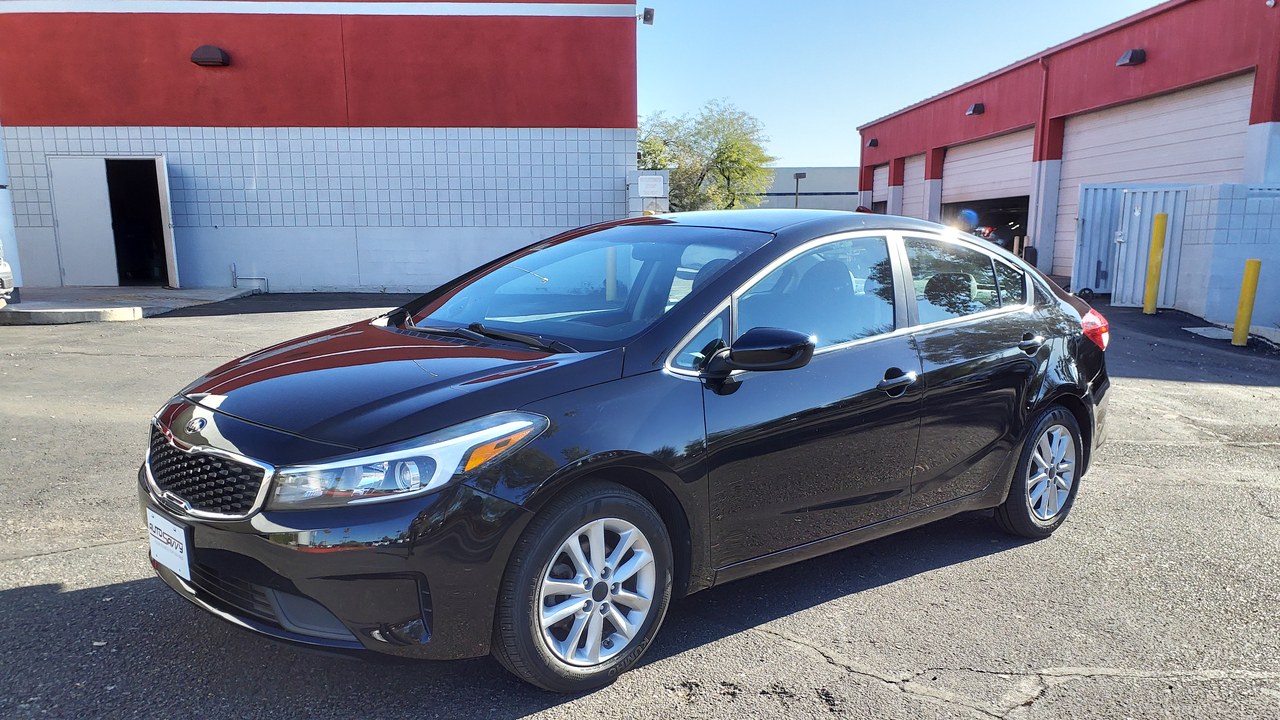
The Kia Forte competes on price from the showroom floor through the life of ownership, offering a simple naturally aspirated engine and conventional transmission that avoid the exotic components found in pricier compacts. Its long factory warranty also reduces early-ownership repair anxiety for budget-conscious buyers.
Parts costs for the Forte tend to run below segment averages, and its mechanical layout is shared closely enough with other Kia models that shops rarely need specialized training. Full details on the current lineup sit at Car and Driver’s Forte hub, which tracks its value-focused engineering.
8. Hyundai Elantra: Affordable to service with strong warranty backing
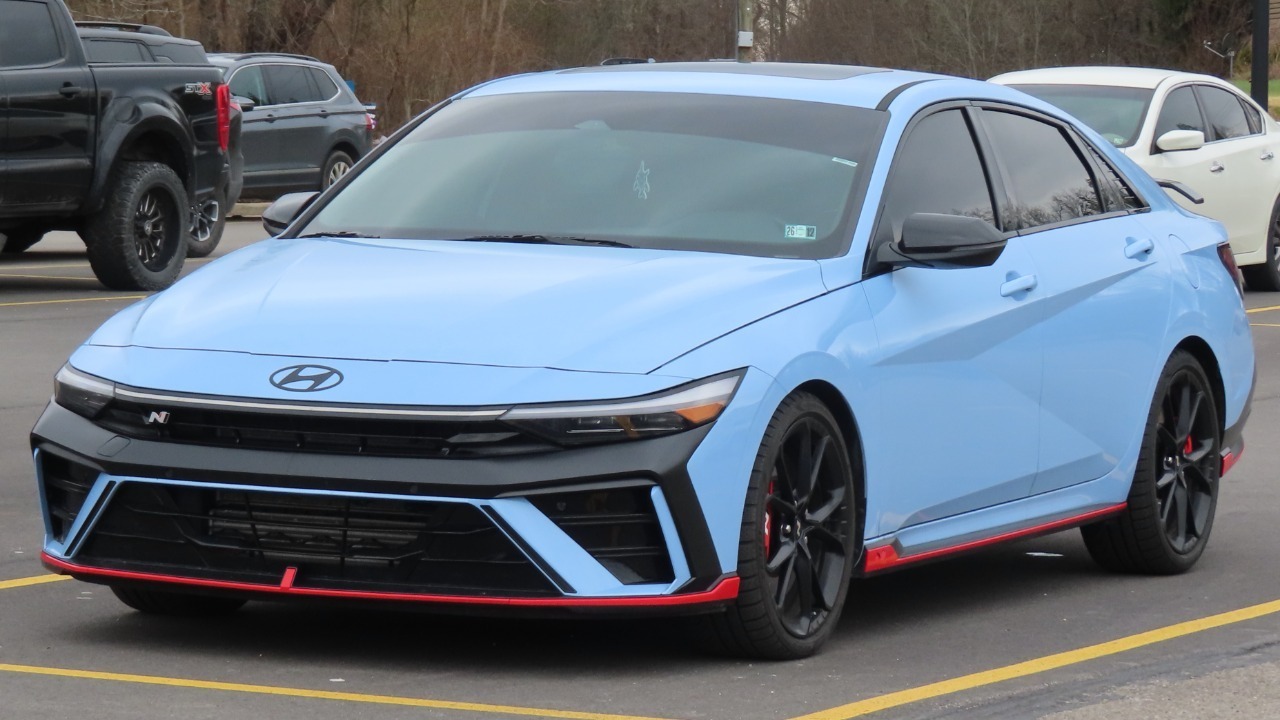
The Hyundai Elantra backs its low running costs with one of the industry’s longest powertrain warranties, giving owners a safety net while the car’s straightforward four-cylinder engine settles into its service life. Its cabin electronics and mechanical parts are widely available at reasonable prices.
Because Hyundai builds the Elantra alongside several closely related Kia models, independent mechanics have ample experience diagnosing its systems quickly. Specifications and warranty terms for the current generation are outlined at Car and Driver’s Elantra page, which frames the car as a low-anxiety commuter choice.
9. Subaru Impreza: Reasonable upkeep for an all-wheel-drive compact
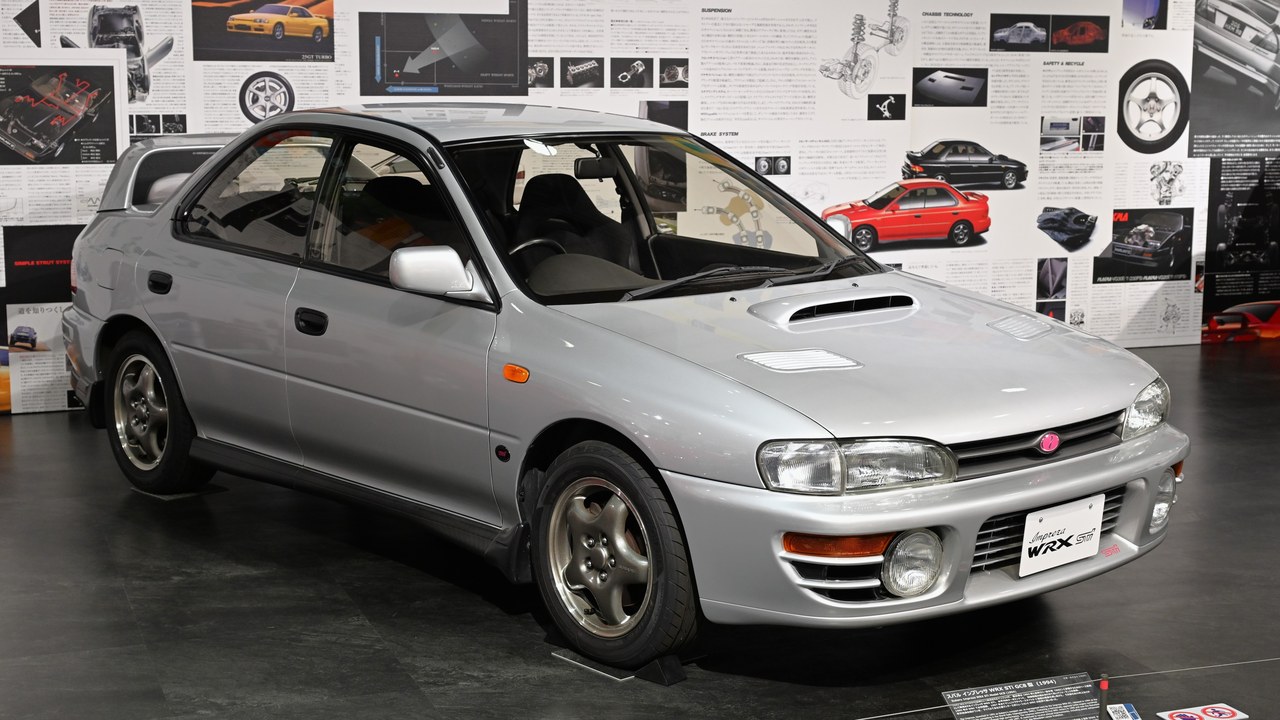
The Subaru Impreza offers standard all-wheel drive without the repair premium that feature often carries on other compacts, thanks to a symmetrical drivetrain layout Subaru has refined for decades. Its boxer engine design keeps the car’s center of gravity low while remaining mechanically straightforward for technicians to service.
Owners in snowy climates especially credit the Impreza with holding up well against the added strain all-wheel-drive systems typically place on a vehicle. A full technical overview of the current model appears at Car and Driver’s Impreza page, detailing its proven drivetrain layout.
10. Nissan Sentra: A no-frills commuter cheap to maintain for miles
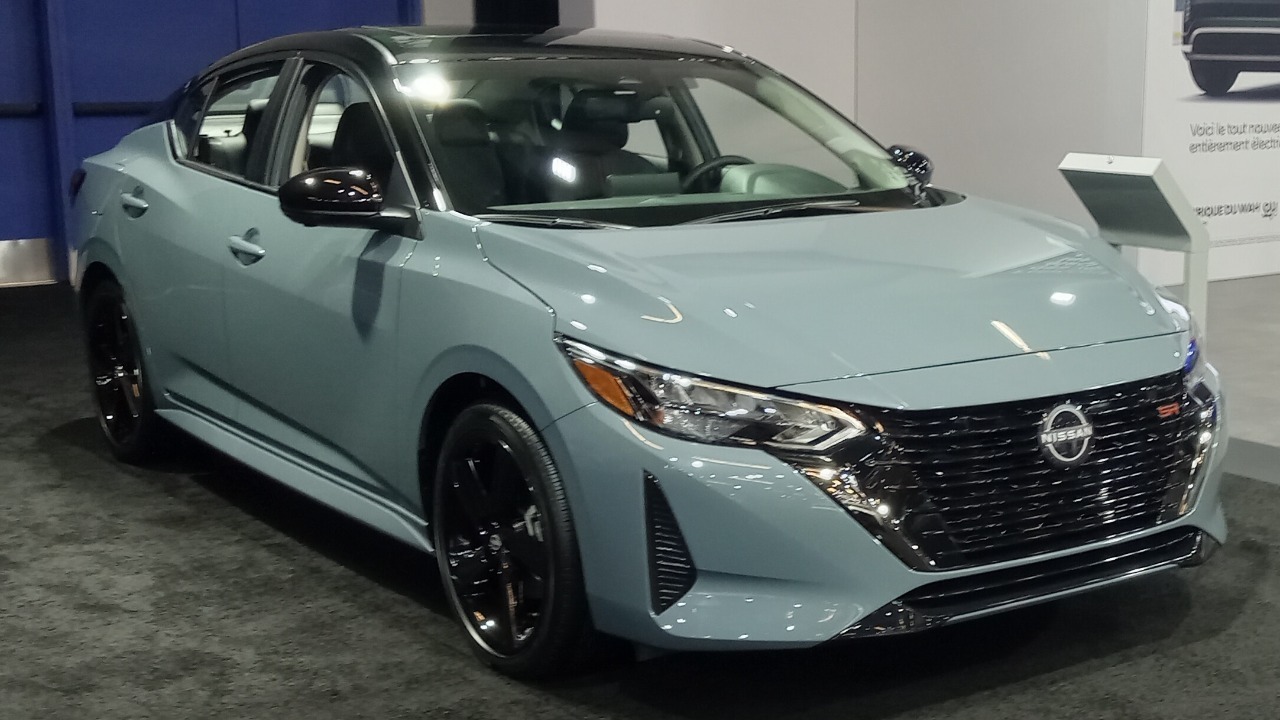
The Nissan Sentra keeps its mechanical ambitions modest, pairing a conventional four-cylinder engine with a continuously variable transmission tuned for efficiency rather than excitement, an approach that has historically kept unscheduled repairs to a minimum. Its compact dimensions and simple layout also keep labor time low for basic service work.
Because the Sentra shares its platform with several other Nissan models, parts remain plentiful and reasonably priced at both dealerships and independent shops. Background on the nameplate’s long production history is available at the model’s Wikipedia entry, which traces its evolution into a budget-friendly commuter staple.
More from Morning Overview
