
American car buyers can walk into almost any showroom on earth through import catalogs and enthusiast forums, yet a handful of famous models remain locked out entirely. Federal safety, emissions and crash-certification rules block them regardless of demand, price or cult following overseas. Here are ten cars that stay effectively illegal to import into the US.
1. Nissan Skyline GT-R (R34): Blocked By The 25-Year Rule
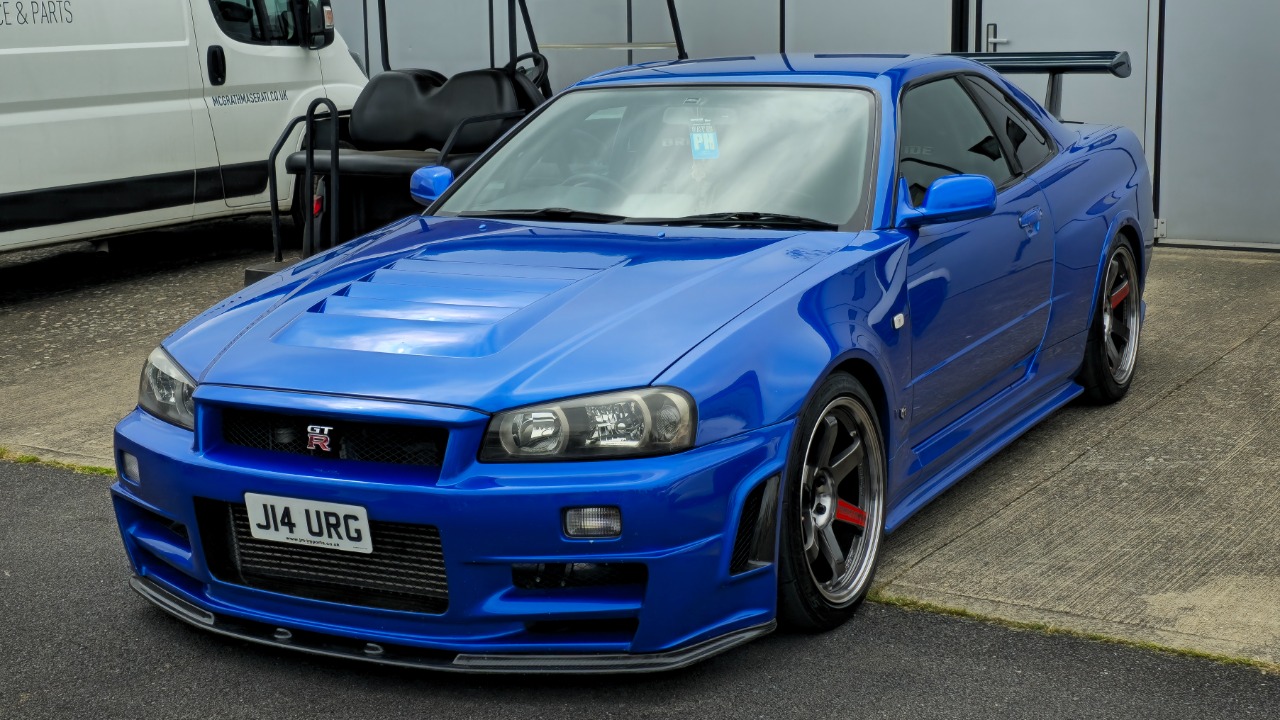
The R34-generation GT-R is barred from ordinary import because federal rules require any car sold new outside the US to be at least 25 years old before it can legally enter, and newer examples of this generation still fall short of that window. Nissan never certified the R34 for US crash or emissions standards when it launched.
That leaves owners waiting out the calendar rather than petitioning for an exemption. Once a given model year crosses the 25-year threshold, it can be titled and driven here, which is why the oldest R34s already trickle into gray-market garages while newer ones stay off-limits.
2. Nissan Silvia (S15): Never Federalized For America
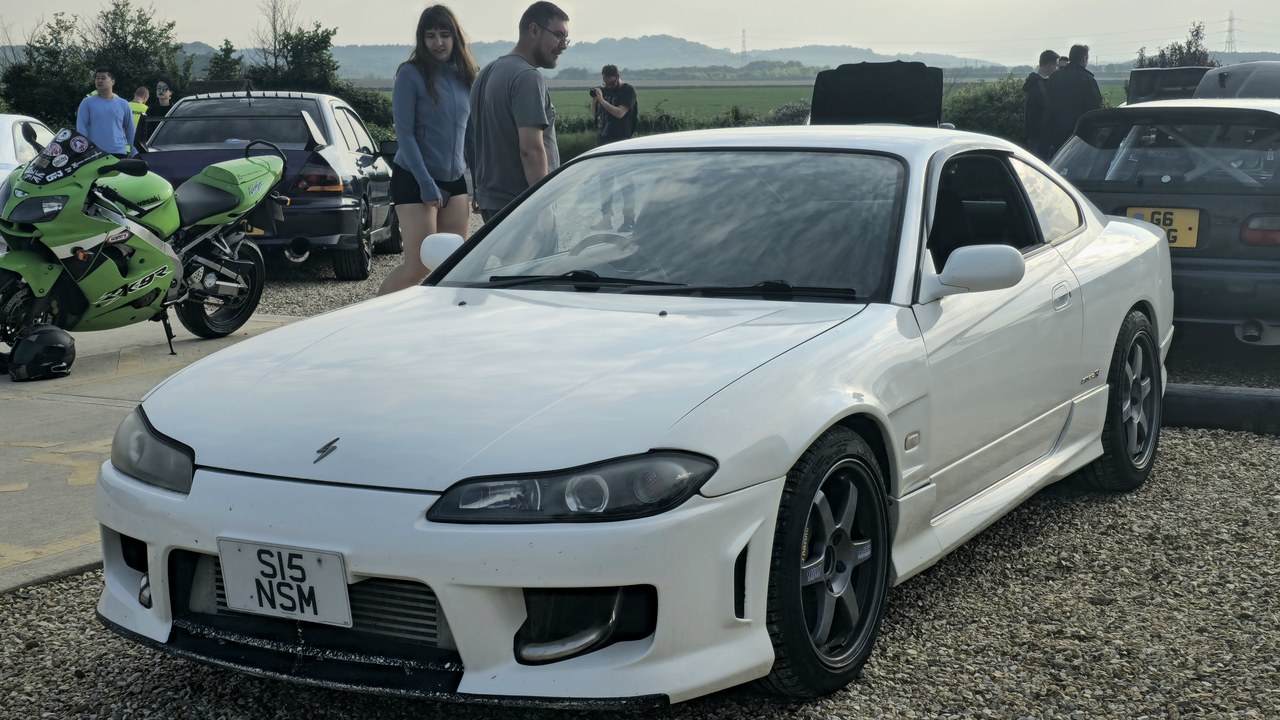
This JDM sports coupe was kept out of the US market because it never went through the federal safety and emissions certification that a manufacturer must complete before selling a model domestically. Nissan built and sold the S15 exclusively for Japan and select overseas markets.
Without that original certification, the only legal path in is the same 25-year-rule route used for other uncertified Japanese coupes. Enthusiasts who want one sooner are left importing show or static examples that can’t be registered for street use.
3. Toyota Chaser: A Tuner Favorite Sold Only At Home
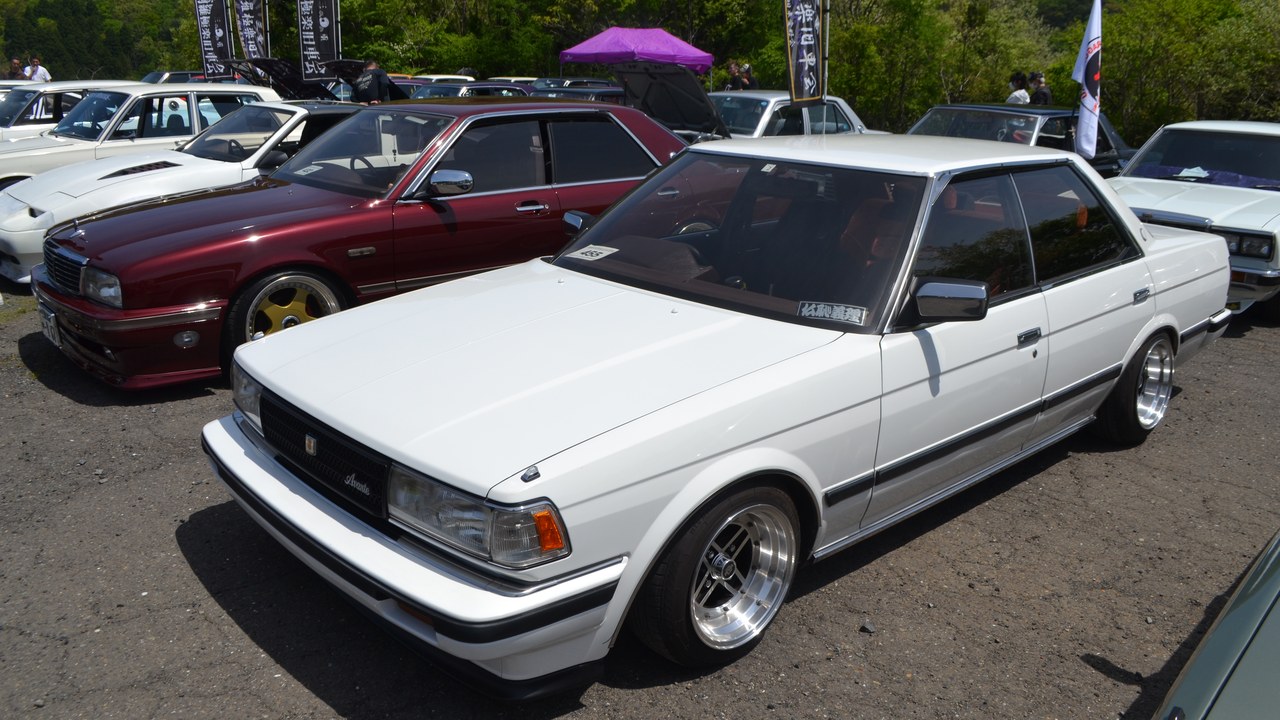
Toyota built the Chaser as a rear-wheel-drive sport sedan sold new only in Japan, and it was never offered through US dealers or submitted for domestic certification. Its turbocharged inline-six made it a favorite among tuners long before drift culture went mainstream stateside.
Because Toyota skipped the American certification process entirely, no Chaser can be legally driven here until its specific model year clears the 25-year import mark. The wait has only made early-1990s examples increasingly sought after in the meantime.
4. Honda Civic Type R (EK9): The Original Type R Stayed Home
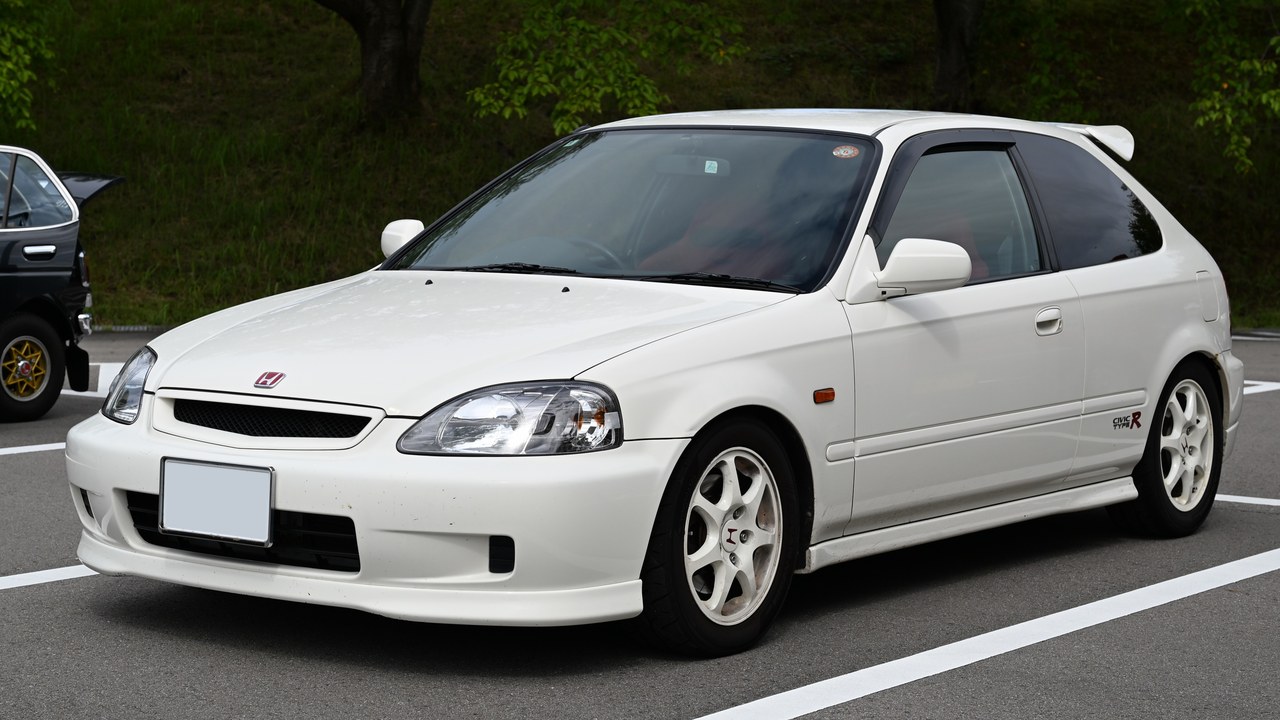
The EK9 was the first car to wear the Type R badge, but Honda never federalized it for sale in America, keeping the hot hatch confined to Japan while the standard Civic sold freely in US showrooms. Its high-revving VTEC four became legendary largely through import culture rather than dealer lots.
That gap is why later Type R generations built specifically for the US market carry different chassis codes altogether. Anyone chasing the original EK9 experience still has to wait for the car’s age to satisfy the 25-year exemption.
5. Mitsubishi Pajero Evolution: A Rally SUV Built For Someone Else’s Roads
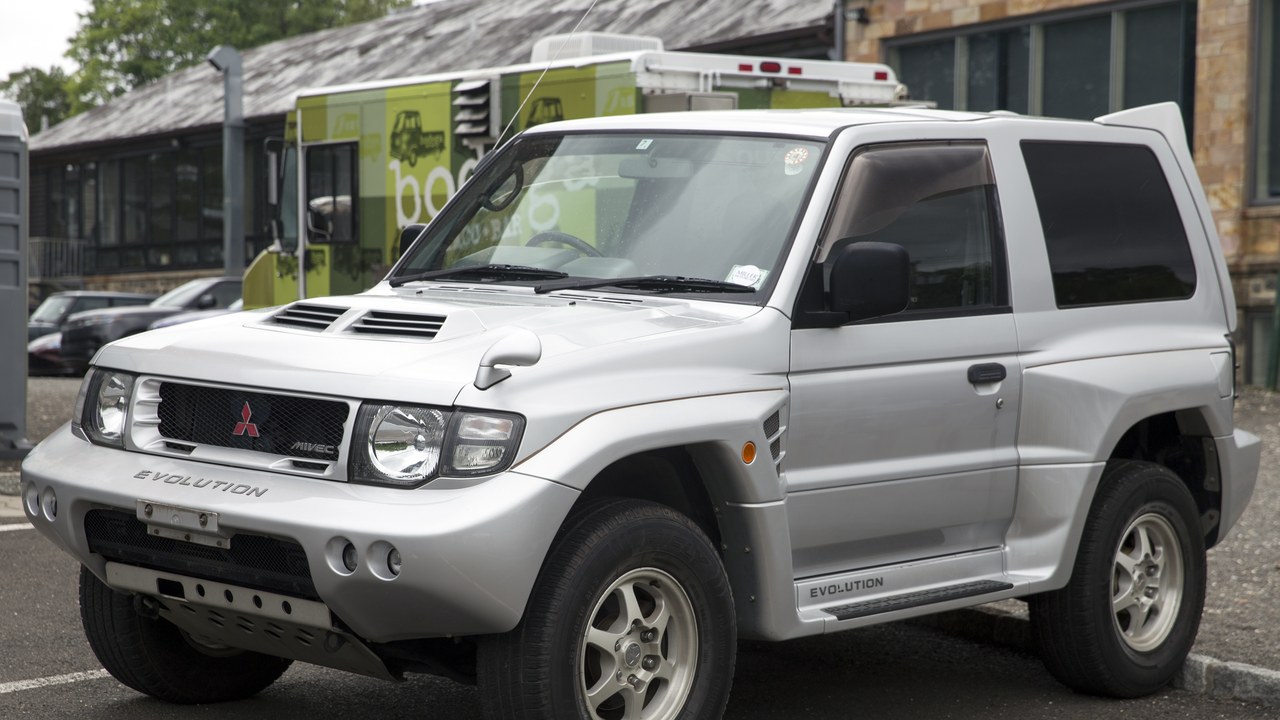
Mitsubishi built the Pajero Evolution as a homologation special so its rally division could compete in Dakar-style racing, and the SUV never met US safety and emissions standards required to sell it domestically. Mitsubishi did sell related Pajero and Montero versions in other markets, but not this rally-tuned variant here.
The widened body and reinforced suspension that made it competitive off-road were never adapted to satisfy American crash requirements. Buyers who want one today are again limited to waiting for individual examples to age into import eligibility.
6. Toyota Century: Japan’s Chauffeur Car, Never US-Legal New
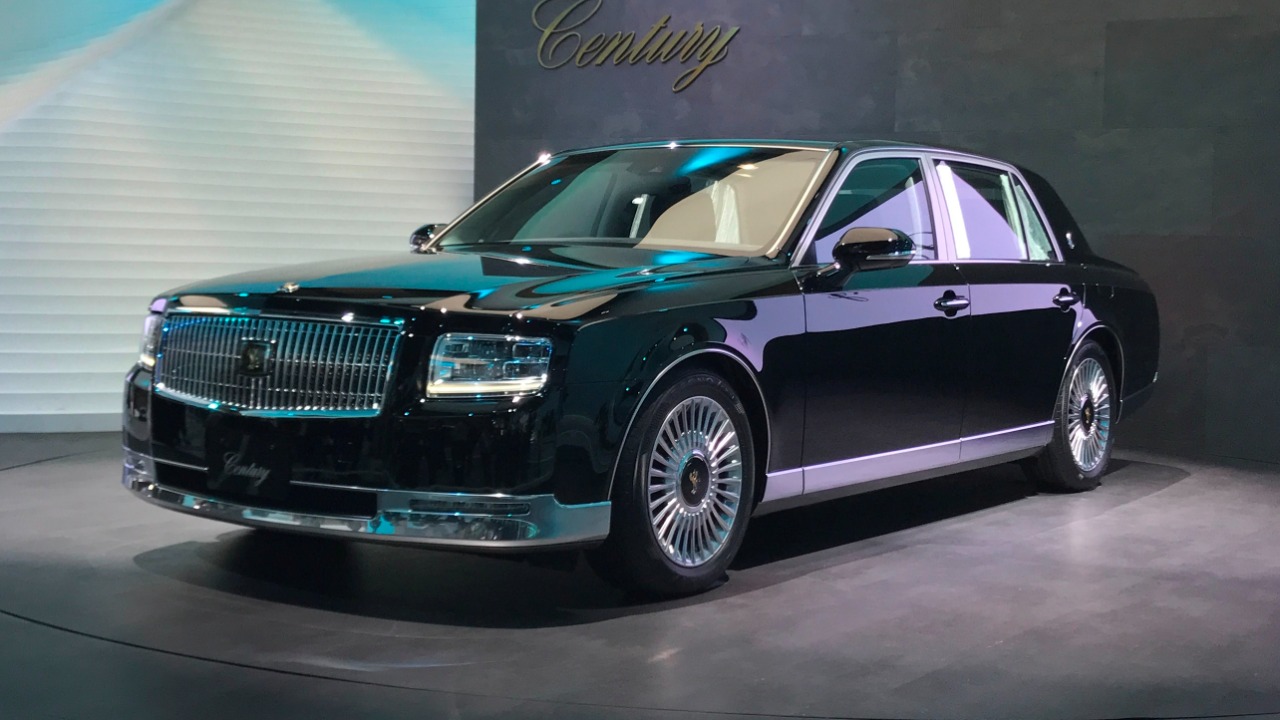
The Century has served as Japan’s default chauffeur and government limousine for decades, but Toyota has never sold the model new in the United States, so it was never put through domestic crash or emissions certification. Its low-key styling was built to blend in on official business, not to draw attention from American regulators or buyers.
That absence means every Century in the US arrived through the same 25-year gray-market path used for other never-certified Japanese cars. Its low production numbers relative to global luxury sedans keep even legally imported examples scarce.
7. Nissan Stagea: The Skyline Wagon On A Waiting List
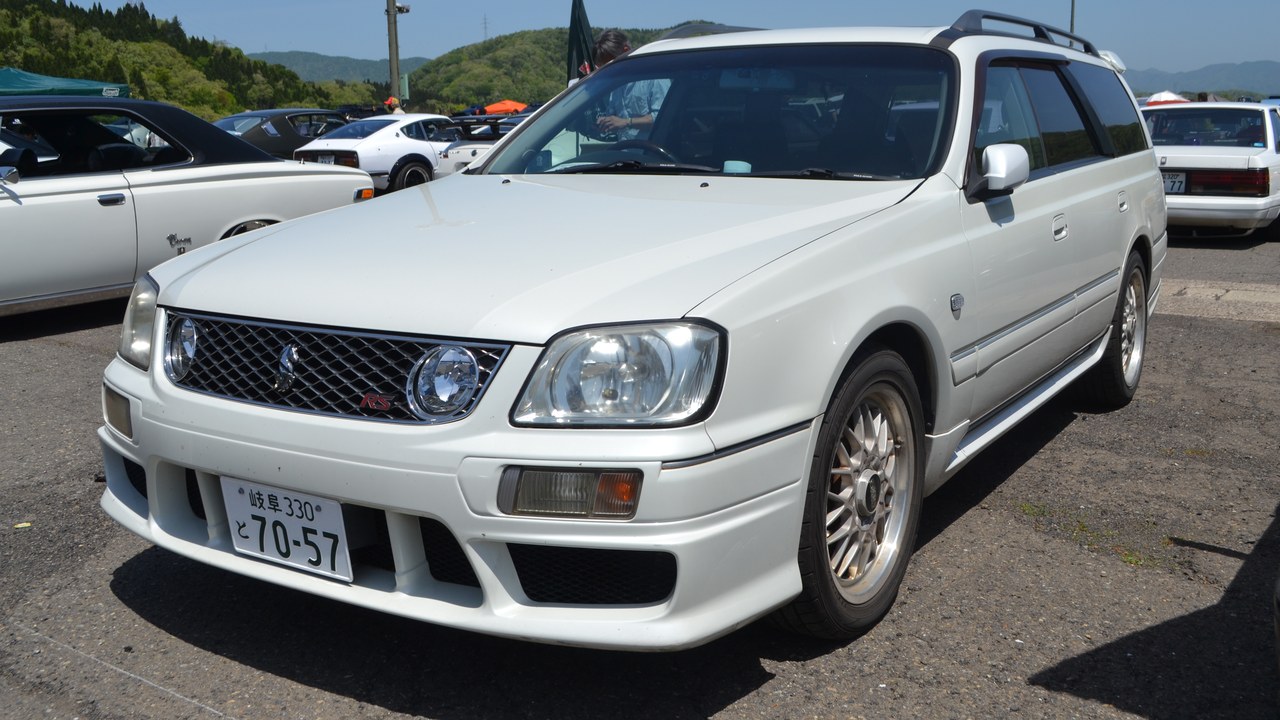
Nissan built the Stagea as a wagon sharing running gear with the Skyline GT-R, and it was sold exclusively in Japan, leaving it outside US federal certification from the start. That shared hardware is part of why enthusiasts treat it as a practical alternative to the coupe.
Because it was never submitted for American approval, importers can only bring in Stagea examples once they individually clear the 25-year age threshold. Early models built in the mid-1990s are only now beginning to reach that mark.
8. TVR Sagaris: No US Crash Certification, Ever
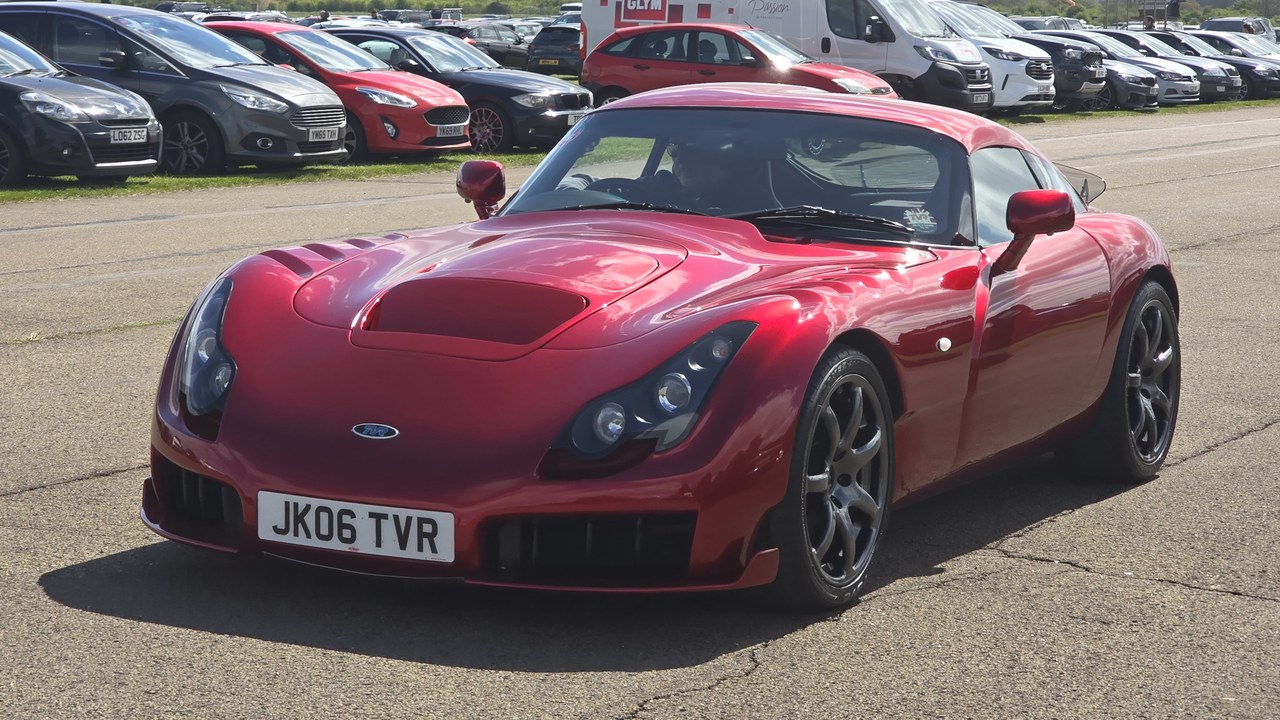
The British-built Sagaris was produced in small numbers by a niche manufacturer that never pursued US crash certification for any of its cars, a process that is costly relative to the volumes a low-output brand like TVR could sell. Its fiberglass body and lack of driver aids made it a purist’s sports car in its home market.
Without that certification on file, the Sagaris has no legal path into the US outside the 25-year exemption, and TVR’s small production run means even gray-market examples remain rare. Its short production life only compounds the scarcity.
9. Lancia Delta HF Integrale: A Rally Homologation Car, Never Sold New Here
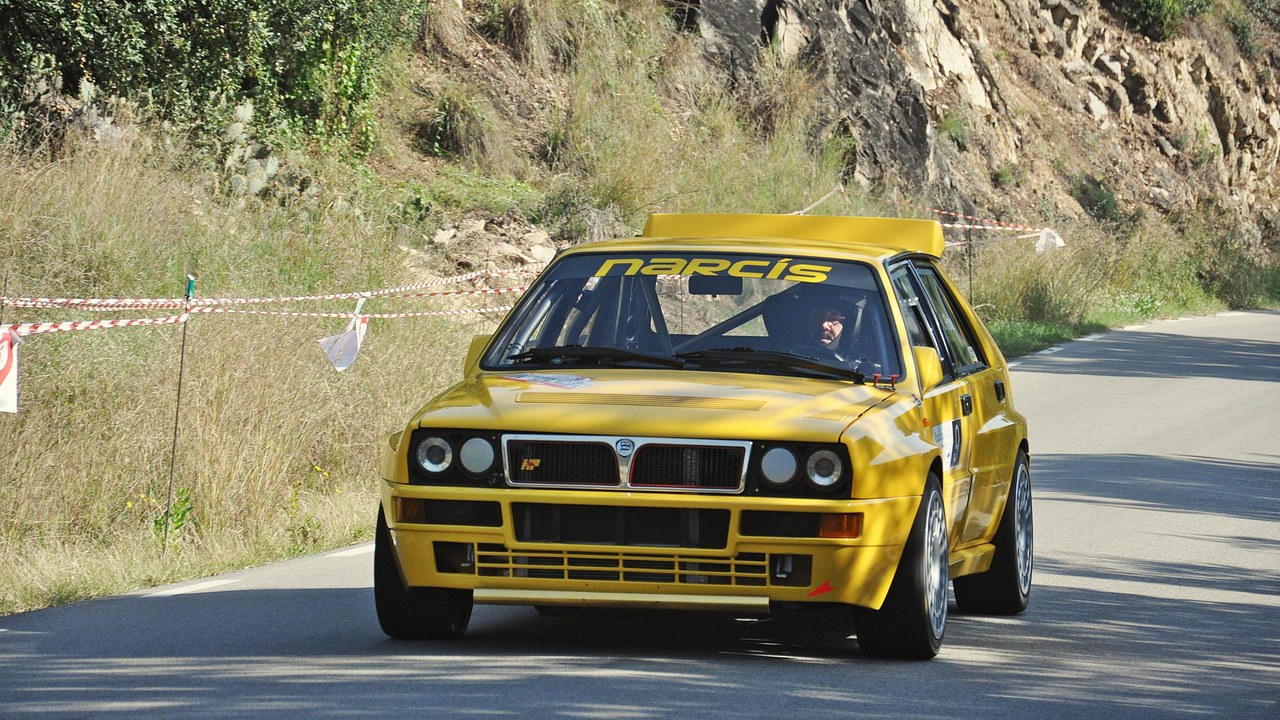
Lancia built the Delta HF Integrale to homologate its World Rally Championship contender, and the brand never sold the car new in the United States, having largely exited the American market years before the Integrale arrived. Its all-wheel-drive turbocharged setup made it dominant on rally stages across Europe.
Because Lancia was already absent from US showrooms, the Integrale was never submitted for federal certification at all, unlike some rivals that at least attempted the process. It remains one of the most requested 25-year import candidates among rally-era collectors.
10. Alpine A110: A Modern Sports Car Still Off-Limits
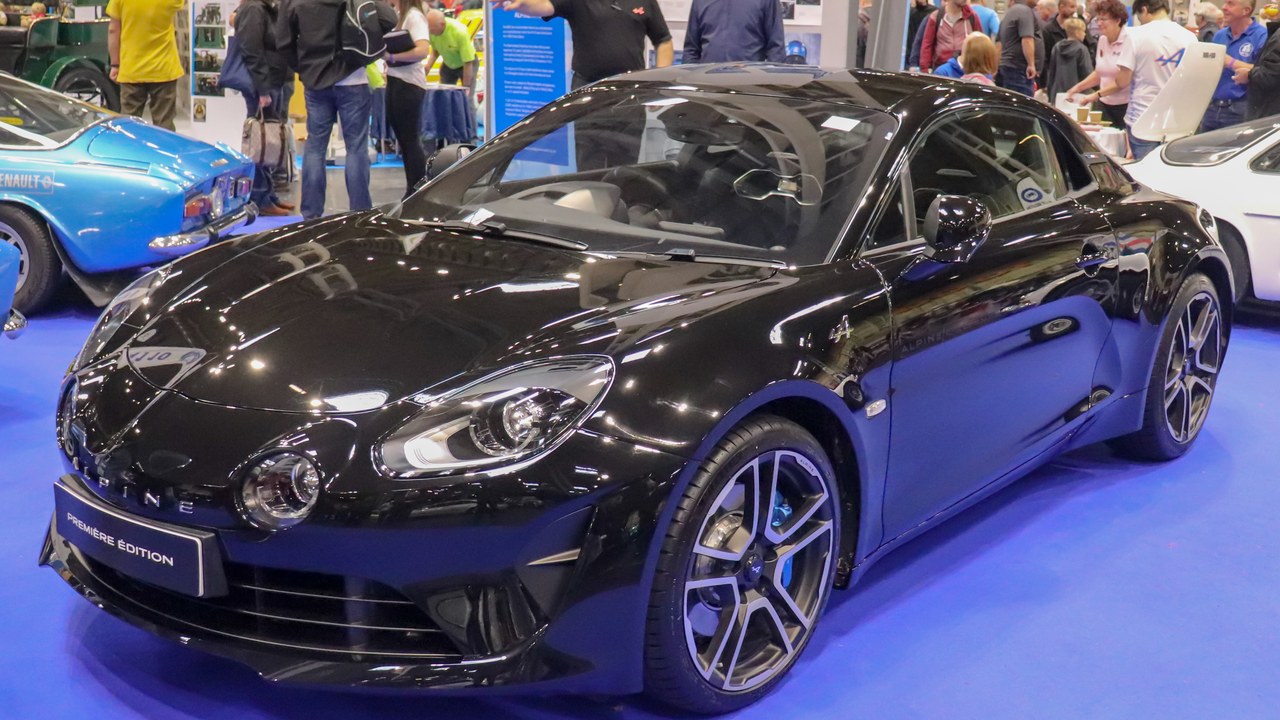
Unlike the rest of this list, the current Alpine A110 is a brand-new sports car, and it is unavailable to US buyers because its French parent brand does not sell or certify vehicles in the American market at all. There is no aging-out path for a car this recent.
That leaves American enthusiasts as spectators to a car sold across Europe, with no gray-market workaround available for a vehicle still in current production. Any US arrival would depend on Alpine deciding to enter the market and certify the model from scratch.
More from Morning Overview
- The NSA is again telling phone owners to switch off one location setting
- A handful of car transmissions are so tough mechanics say they almost never fail
- A handful of SUVs keep hitting 300,000 miles, and they share one engine trait
- Supplements now rank as the fifth-leading cause of death from liver disease.
