
Automakers have spent two decades quietly deleting the spare tire from vehicles that once carried one as standard equipment. Run-flat tires, mobility kits and sealant-and-compressor sets now fill the space a jack and a wheel used to occupy, saving weight and trunk volume at the cost of a true backup. Here are ten cars sold without a spare to fall back on.
1. BMW 3 Series: No Spare Well Left
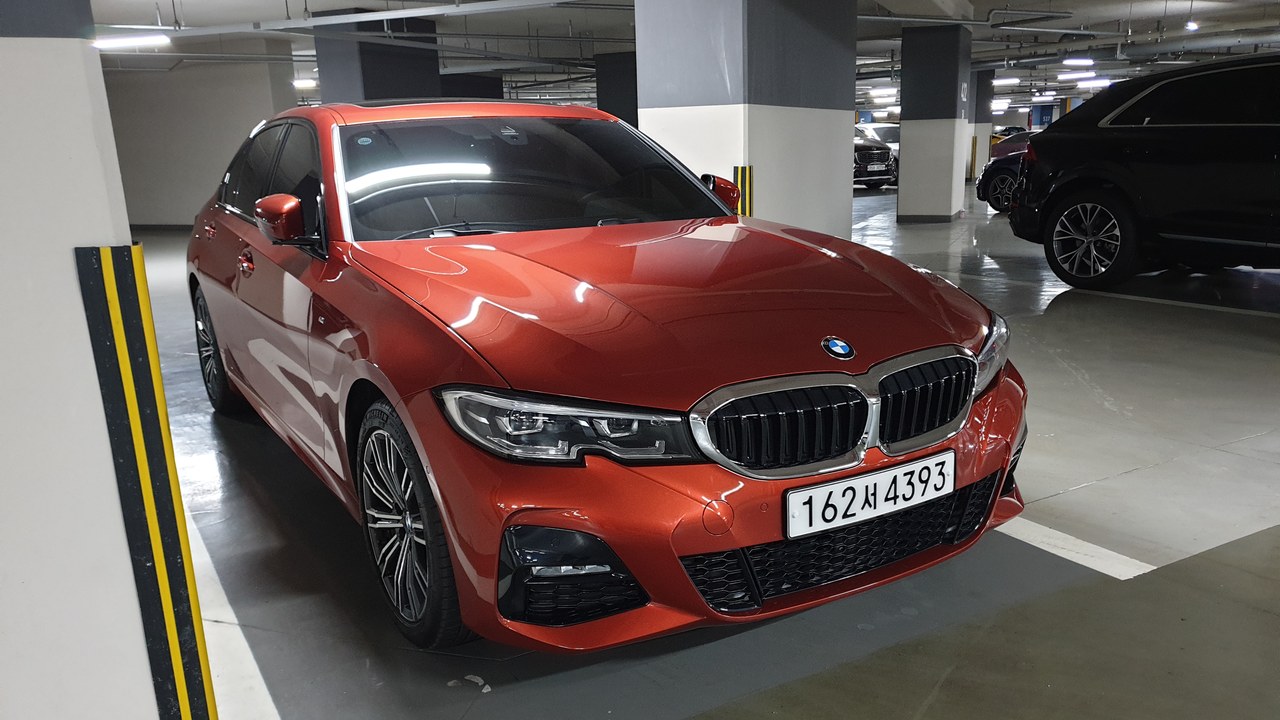
BMW standardized run-flat tires across most of the current 3 Series lineup, and the change came with a redesigned trunk floor that no longer holds a spare wheel well. The sedan’s tires use reinforced sidewalls rated to carry the car for roughly fifty miles after a puncture, enough to reach a shop instead of swapping a wheel on the shoulder.
Owners who want a physical backup have to buy an aftermarket space-saver and find somewhere to strap it down, since the factory floor pan was never built for one. A sidewall cut beyond the run-flat’s rated distance still means a tow rather than a roadside wheel change.
2. BMW X5: A Kit Instead Of A Wheel

The BMW X5 ships on run-flat tires and a mobility kit that fits into the trunk trim instead of a fifth wheel. BMW’s engineers reasoned that a heavy SUV carrying a full-size spare added weight and cut cargo room the brand’s buyers rarely used anyway.
The kit includes a compressor and sealant meant for small punctures, not a shredded sidewall or a curb strike that bends the rim. Anyone who damages a wheel badly enough needs a flatbed rather than a jack, since there is no wheel in the vehicle to bolt on.
3. Mini Cooper: Why The Boot Floor Is Flat

Mini’s reliance on run-flat tires is part of why the Mini Hatch‘s boot floor sits flat with no recessed well underneath it. The hatchback’s short wheelbase and small trunk left little room for a spare once the brand chose run-flats as standard fitment on most trims.
That flat floor is useful for cargo, but it means a puncture beyond the tire’s limited run distance leaves a driver without a wheel to change. Roadside assistance or a tow becomes the fallback, since aftermarket spares rarely fit the shallow boot space cleanly.
4. Chevrolet Corvette: No Spare, By Design
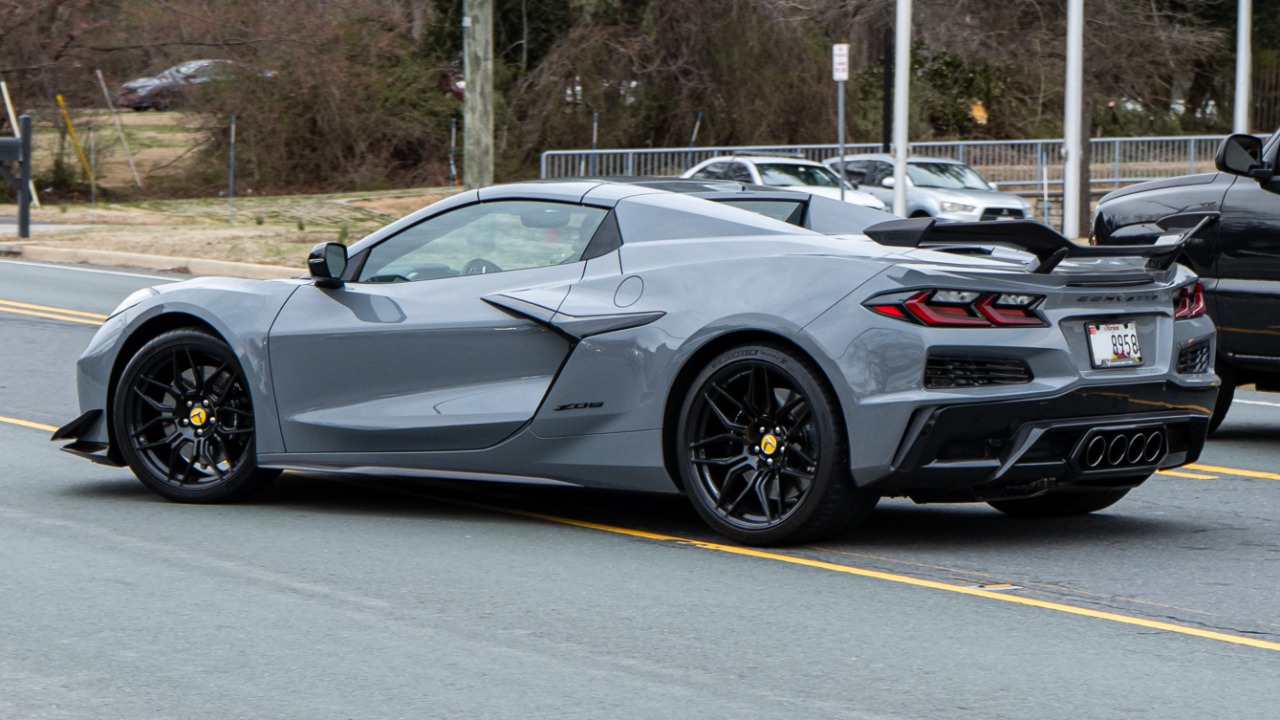
The mid-engine Chevrolet Corvette carries no spare tire at all, by design, because the engine bay sits where a trunk and wheel well would normally go. Chevrolet includes a tire inflator kit instead, aimed at small punctures rather than a torn sidewall or a bent wheel.
A driver who damages a tire beyond what sealant can fix has no factory backup to fall back on and needs a flatbed to a dealer or tire shop. The car’s low ground clearance and wide performance tires also make a generic aftermarket spare impractical to carry.
5. Toyota Mirai: Hydrogen Tanks Take The Space
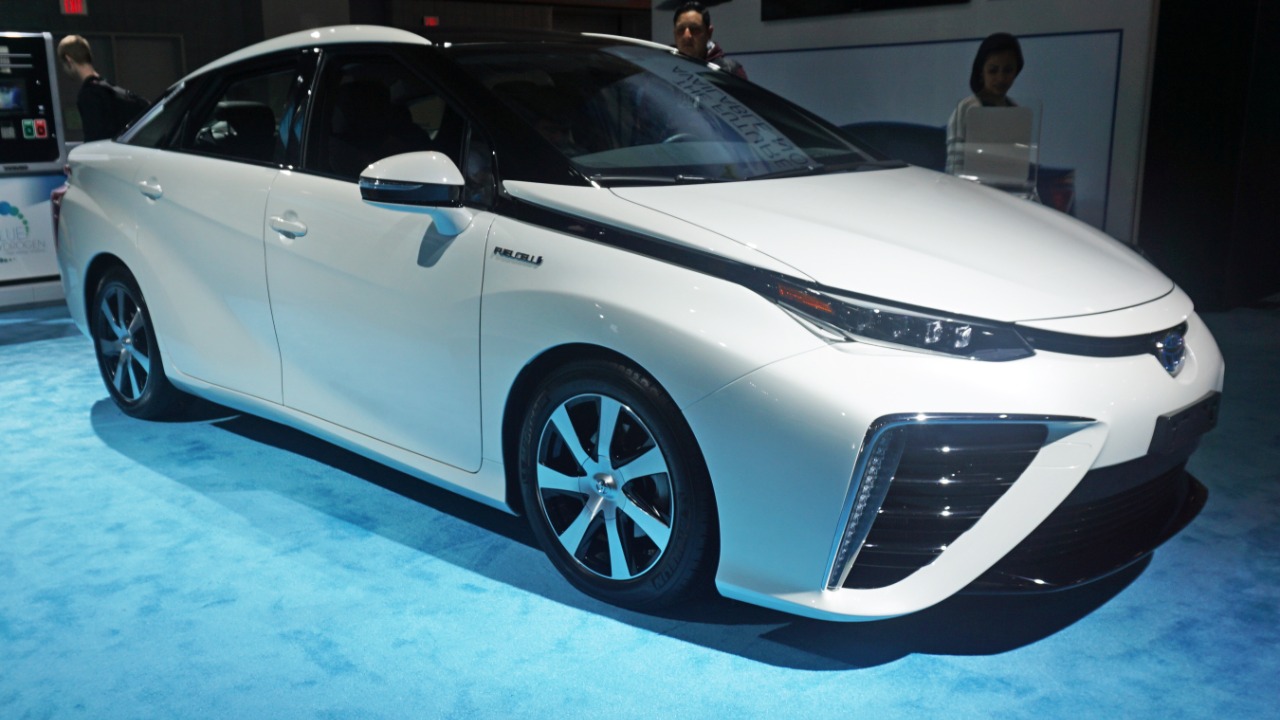
The Toyota Mirai‘s hydrogen fuel tanks occupy the underbody space a spare tire well would normally use, so the fuel-cell sedan ships with a tire repair kit instead. Toyota packaged the tanks for crash safety and range, leaving no practical spot for a fifth wheel.
A puncture means sealant and a compressor rather than a wheel swap, and a serious sidewall failure means calling for a tow. The tradeoff mirrors other alternative-fuel vehicles, where battery packs or tanks routinely displace the spare in favor of range and structural packaging.
6. Tesla Model 3: A Repair Kit, Not A Wheel
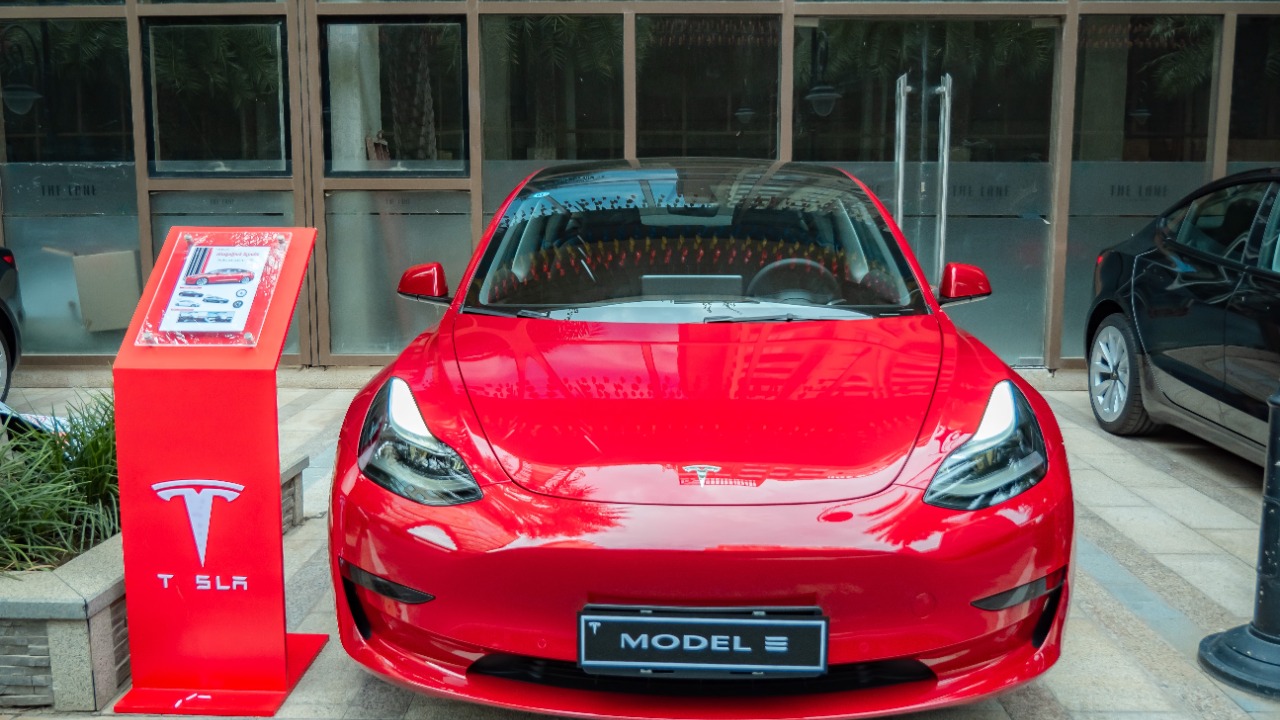
Tesla‘s Model 3 ships with a tire repair kit rather than a spare wheel, part of the company’s broader push to save weight and free up trunk space. The sedan’s battery pack runs along the floor, and Tesla chose not to carve out a wheel well above it.
The kit handles small tread punctures with sealant and a compressor, but a torn sidewall or a bent rim from a pothole leaves a driver without a fix. Tesla’s roadside assistance or a tow truck becomes the only option in that situation, since no wheel is on board.
7. Cadillac CT5: Run-Flats Over A Wheel Well
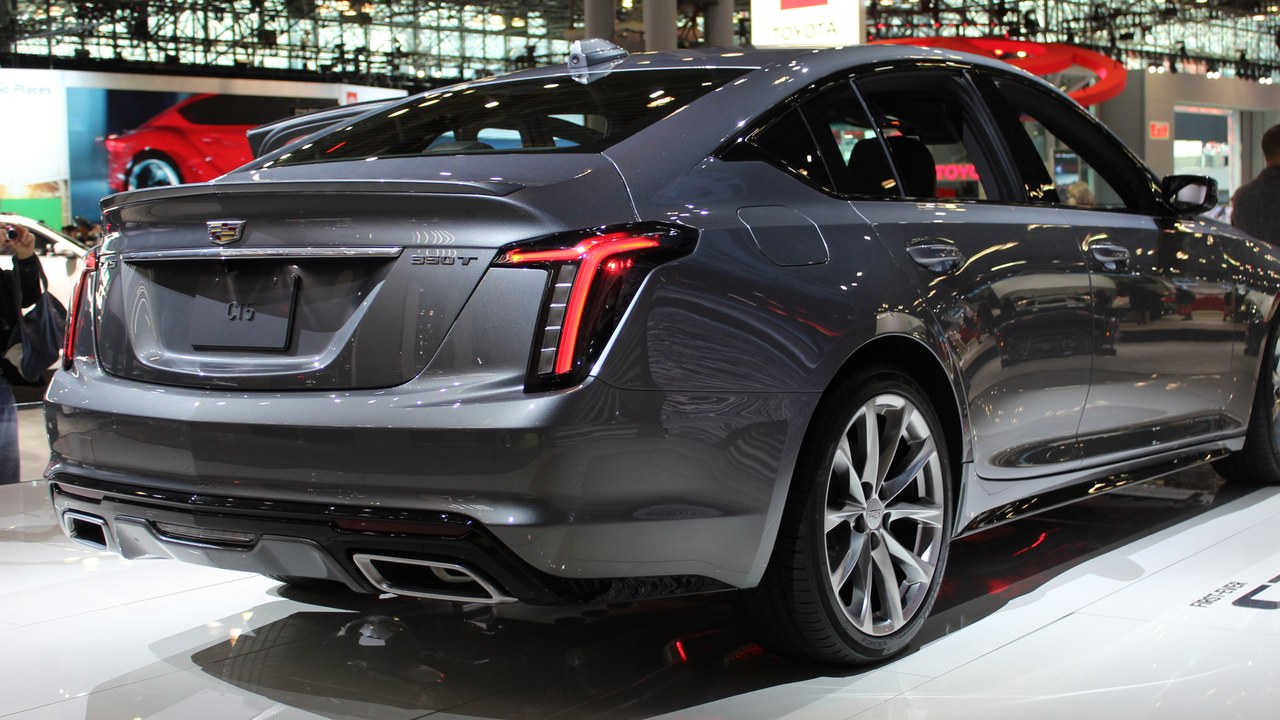
Cadillac’s sport sedans lean on run-flat tires, and the CT5 is no exception, trading a spare wheel for reinforced sidewalls tuned for the car’s performance-oriented suspension. The setup keeps trunk space usable for luggage instead of a wheel well and jack.
Run-flats on the CT5 are rated for a limited distance at reduced speed after a puncture, enough to reach a service center but not a true replacement wheel. Drivers who want a conventional spare have to source and store one aftermarket, since the trunk floor was not built for it.
8. Porsche 911: Sealant Where The Spare Was
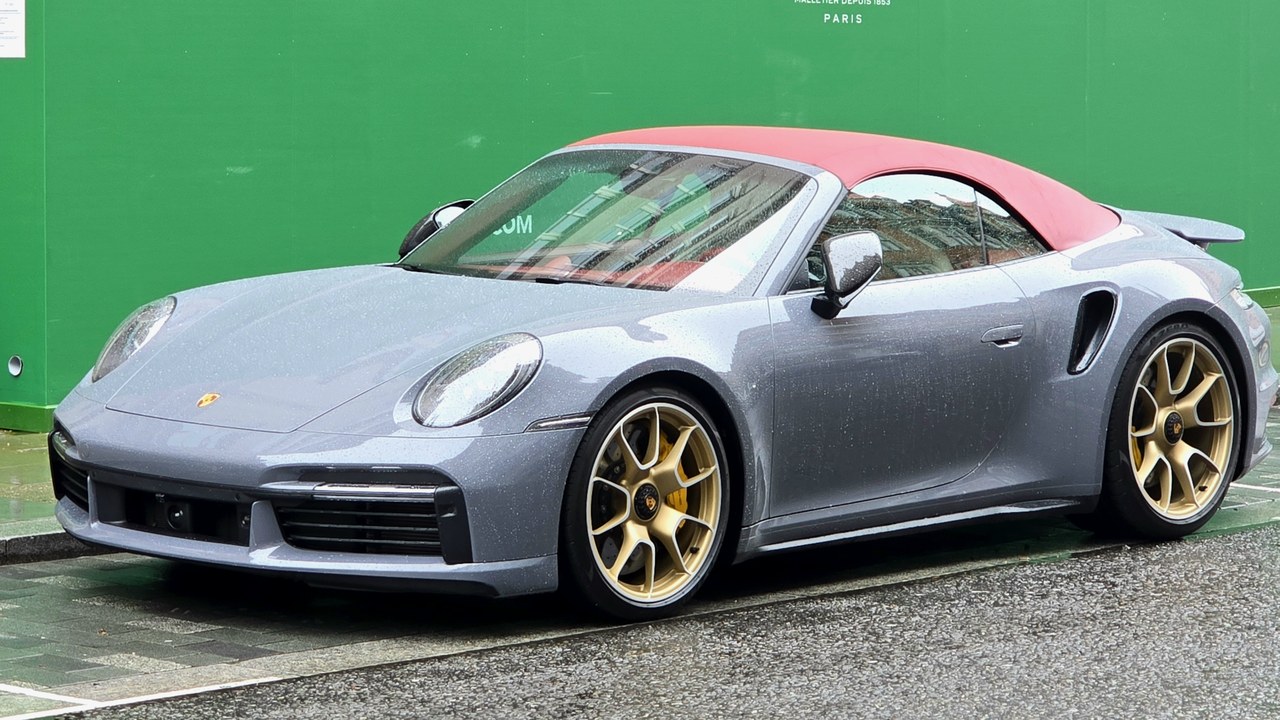
Porsche ships a compressor and sealant kit in the 911 where a spare wheel used to sit, part of a shift the brand made across most 911 generations to save weight and trunk volume. The car’s front trunk stays small regardless, so a spare would have crowded already tight storage.
The kit only addresses minor tread punctures, and any sidewall damage or wheel-rim harm from a curb or track day requires a tow or a dealer visit. Owners who track the car often carry their own spare or a second set of wheels for that reason.
9. Honda Odyssey of the spare-free years: A Minivan Gap Buyers Miss
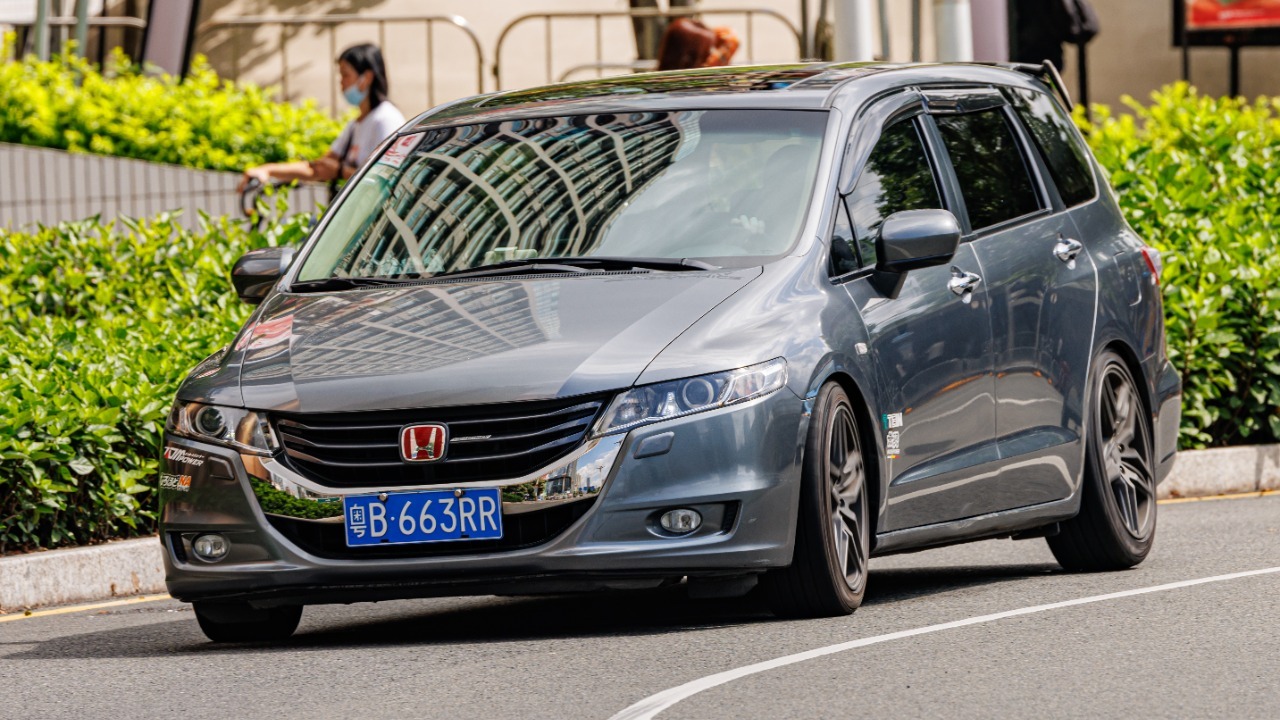
Certain Honda Odyssey trims from the model’s spare-free years shipped with no spare wheel built into the load floor, leaving buyers to discover the gap only after a flat. Honda periodically reworked the minivan’s underbody packaging, and some configurations skipped the wheel well entirely.
Families hauling gear for road trips found the missing spare an unwelcome surprise, since minivans are exactly the vehicles likely to be far from a tire shop when a puncture happens. Buyers checking a used Odyssey should confirm the trim actually includes a spare before assuming one is there.
10. Mercedes-Benz S-Class: A Flagship Without A Backup

Mercedes-Benz’s flagship S-Class trades a spare tire for a compressor and sealant kit tucked into the trunk trim, consistent with the brand’s approach across most modern sedans. The car’s run-flat-capable tires and air suspension were prioritized over the weight and space a spare wheel would cost.
A serious tire failure on the S-Class still means a call to roadside assistance or a flatbed, despite the car’s six-figure price tag and long list of standard equipment. Owners who want a true spare must arrange aftermarket storage, since Mercedes never engineered a well for one.
More from Morning Overview
- More than 60,000 people flee the Spokane area as complex fires overrun 600 structures
- 11 engines built to run well past 200,000 miles
- Card skimmers hidden on gas pumps and ATMs are draining accounts, and here’s the tell
- The FBI says hackers are hijacking outdated home routers, and it named the models to check
