
Some vehicles look like the reasonable purchase and turn into an expensive habit once the warranty runs out. Mechanics see the same names return to the shop again and again, tied to electrical gremlins, failure-prone transmissions, and parts that cost more to replace than the car is worth. Here are ten cars mechanics say are money pits to own.
1. Mini Cooper: Small Footprint, Big Bills
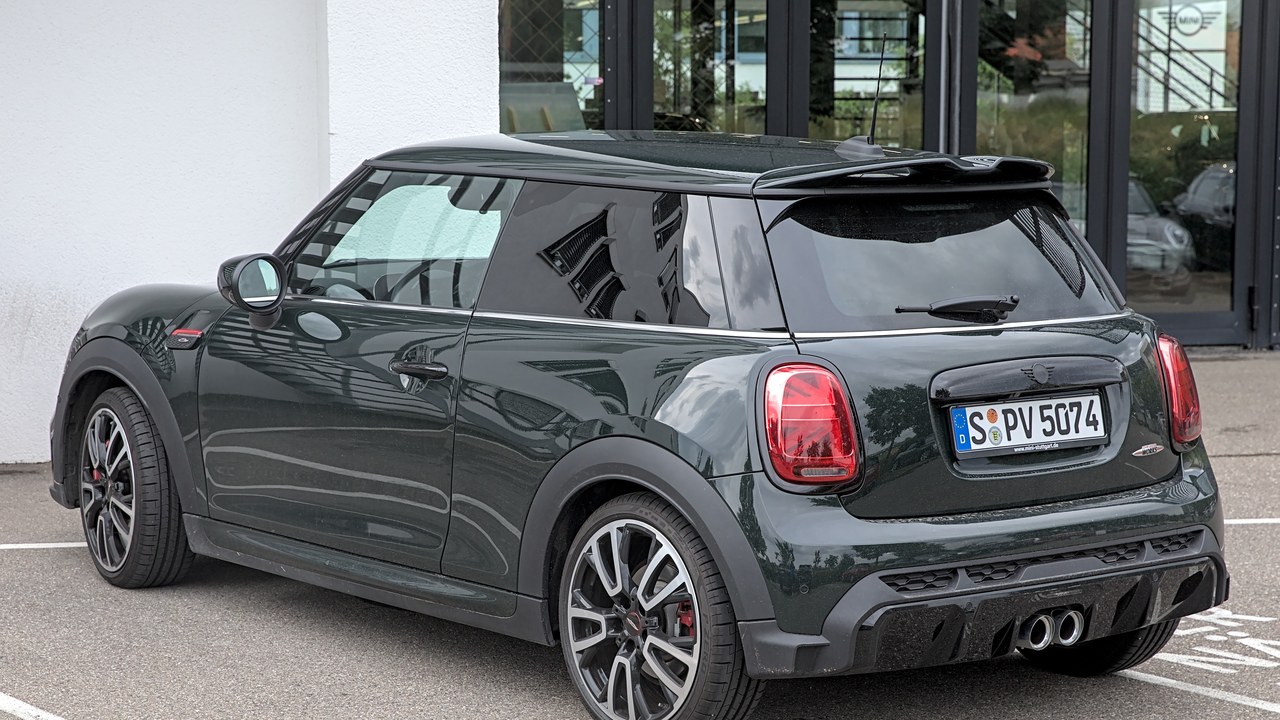
The Mini Cooper’s compact hatchback design hides a maintenance bill that rarely matches its size. Independent shops report premature clutch wear, timing-chain tensioner failures, and turbocharger trouble surfacing well before high mileage, and the tightly packed engine bay makes even routine jobs take longer than on an ordinary economy car.
A low resale price draws budget-minded buyers who then discover parts and specialist labor priced closer to a luxury brand than a small hatchback. Sticking with a shop that knows the platform, rather than a general mechanic, is usually the only way to keep repair bills from snowballing.
2. Volkswagen Touareg: Luxury Platform, Luxury Bills
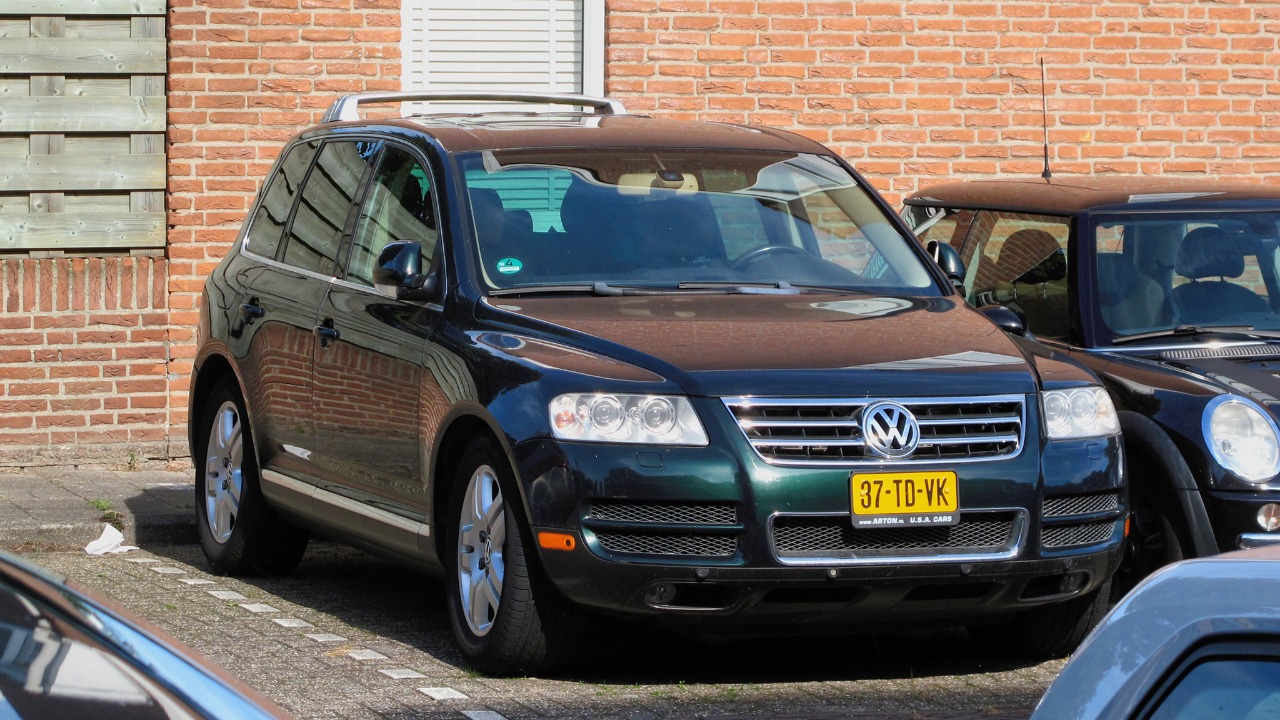
Sharing its underpinnings with the Porsche Cayenne platform, also used by the Audi Q7, the Touareg inherited those cousins’ repair bills without the resale value to match. Air-suspension components, timing-chain guides, and electronic accessories are common failure points, and finding a shop willing to touch the SUV’s dense engine bay adds to the invoice.
Buyers chasing a discounted three-row luxury SUV often underestimate how much the badge on the hood matters once something breaks. Parts pricing tends to track the Volkswagen name rather than the German engineering underneath it, until a major repair proves otherwise.
3. Land Rover Discovery: Electrical Gremlins, Real Money

The Land Rover Discovery earned its reputation the hard way, with owners describing recurring air-suspension collapses, dashboard warning lights with no obvious cause, and infotainment systems that need repeated resets. Mechanics point to the SUV’s complex electrical architecture as the root of most of the expensive visits.
The Discovery still does what a Land Rover is supposed to do off-road, which is exactly why owners tend to forgive it and keep paying. A pre-purchase inspection focused on suspension and wiring is the difference between a manageable used buy and a recurring expense.
4. BMW 7 Series: Flagship Tech, Flagship Costs

BMW’s technology flagship carries a reputation for expensive fixes once it ages, and a recent depreciation study named the 7 Series among the fastest five-year-old vehicles to shed value. Adaptive air suspension, twin-turbo engines, and layered driver-assistance electronics all fail expensively once the factory warranty runs out.
Buying one used looks like a bargain on paper, since the sticker price has already collapsed by the time it changes hands. What the discount does not shrink is the labor rate at a BMW-certified shop capable of diagnosing the car’s software-heavy systems, and air-suspension and electronic component failures tend to arrive in clusters rather than one at a time.
5. Chrysler 200: Bargain Price, Costly Habit
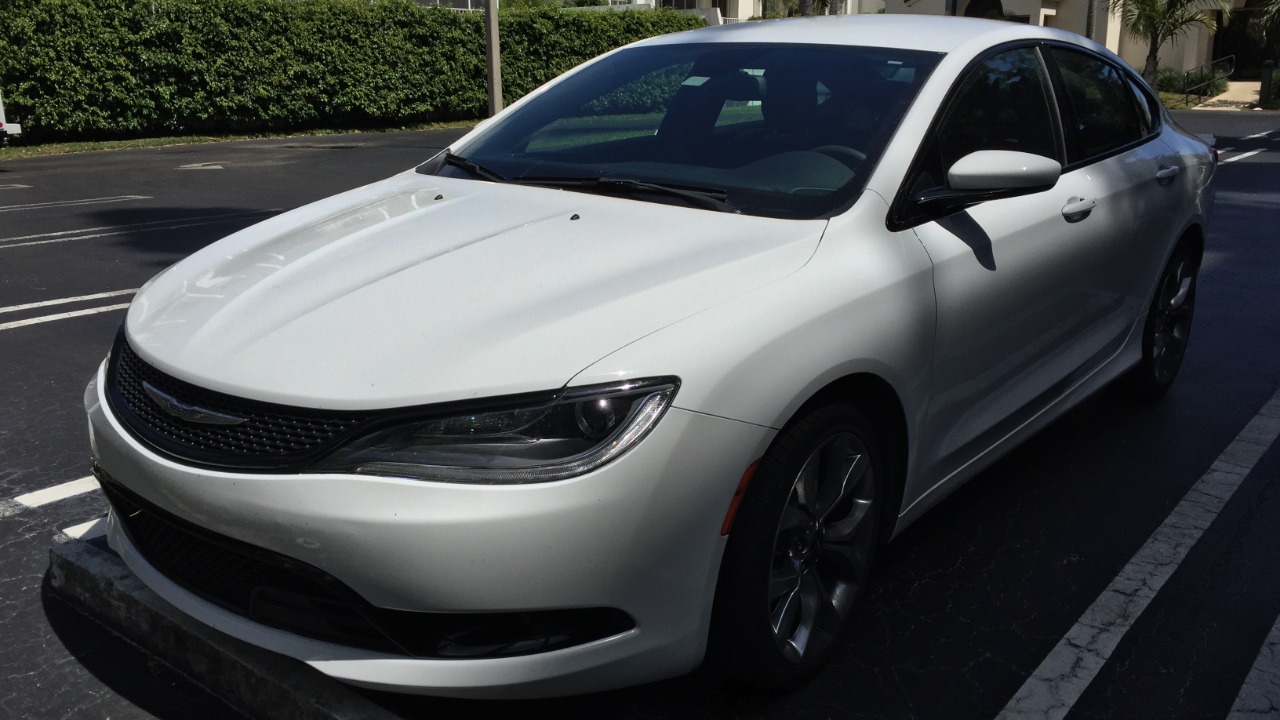
The Chrysler 200 sold on a low sticker price, but its nine-speed automatic transmission drew persistent complaints for harsh, hesitant shifting that often required a full replacement rather than a simple repair. Electrical faults and interior trim issues added to the pattern of repeat shop visits.
Chrysler discontinued the 200 after a short production run, which now leaves owners hunting for parts and specialists familiar with its quirks. The car that looked like an affordable sedan on the lot often turns into the opposite once the transmission acts up.
6. Dodge Journey: Old Bones, New Bills
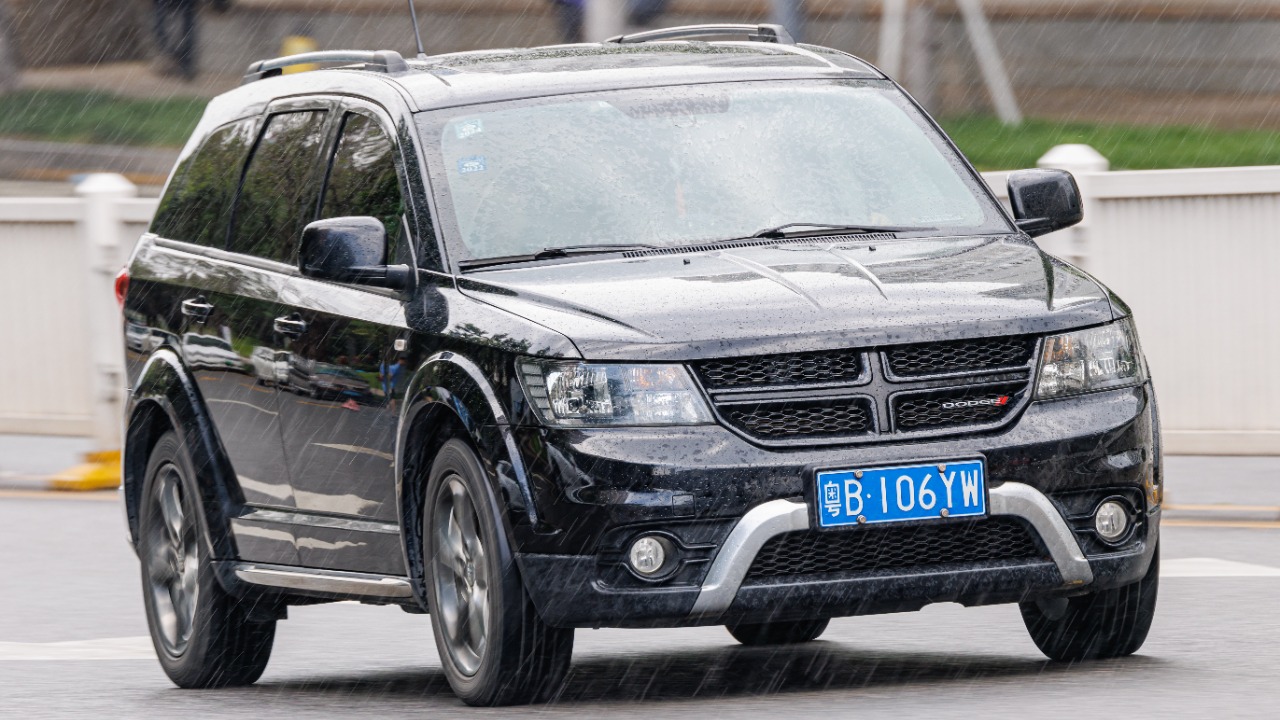
Over a decade on sale with little mechanical updating left the Dodge Journey’s platform showing its age: worn suspension bushings, failing power-window regulators, and electrical sensor faults recur across the model’s entire run, mechanics say. Interior trim rattles and minor water leaks are common companions to the bigger mechanical repairs.
Its low used price makes the Journey an easy first purchase for a growing family, but the savings tend to disappear into a steady stream of small repairs rather than one dramatic failure. Budgeting for ongoing maintenance matters more here than on a newer crossover.
7. Nissan Juke: Quirky Looks, Quirky Repairs
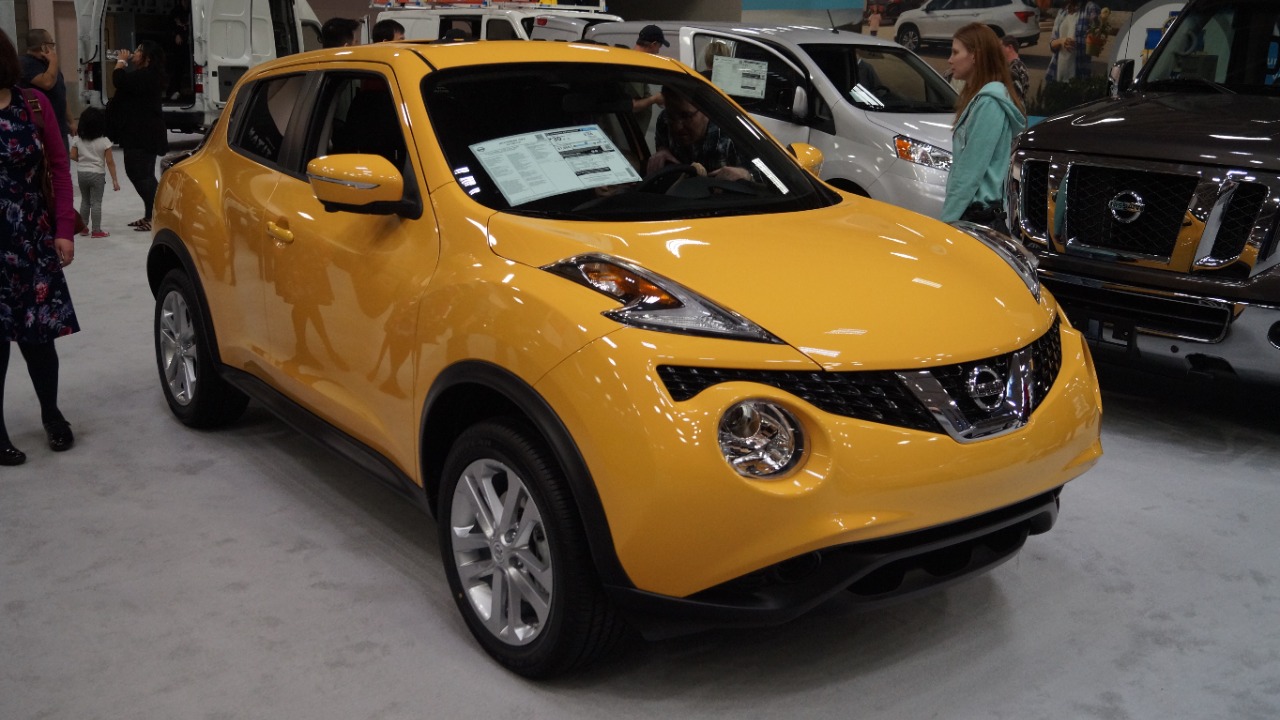
The Nissan Juke pairs a turbocharged engine with a continuously variable transmission, a combination mechanics say wears out faster than a conventional automatic under the same use. Turbocharger and CVT replacements both carry labor-heavy repair bills that catch used-car shoppers off guard.
The Juke’s styling and small footprint keep it appealing on a used lot, especially to first-time buyers chasing a low price. That same buyer is often the least prepared for a transmission repair that can approach what they paid for the car itself, and turbo replacement parts are not always easy to source outside a dealership network.
8. Volvo XC90: Swedish Comfort, Steep Invoices
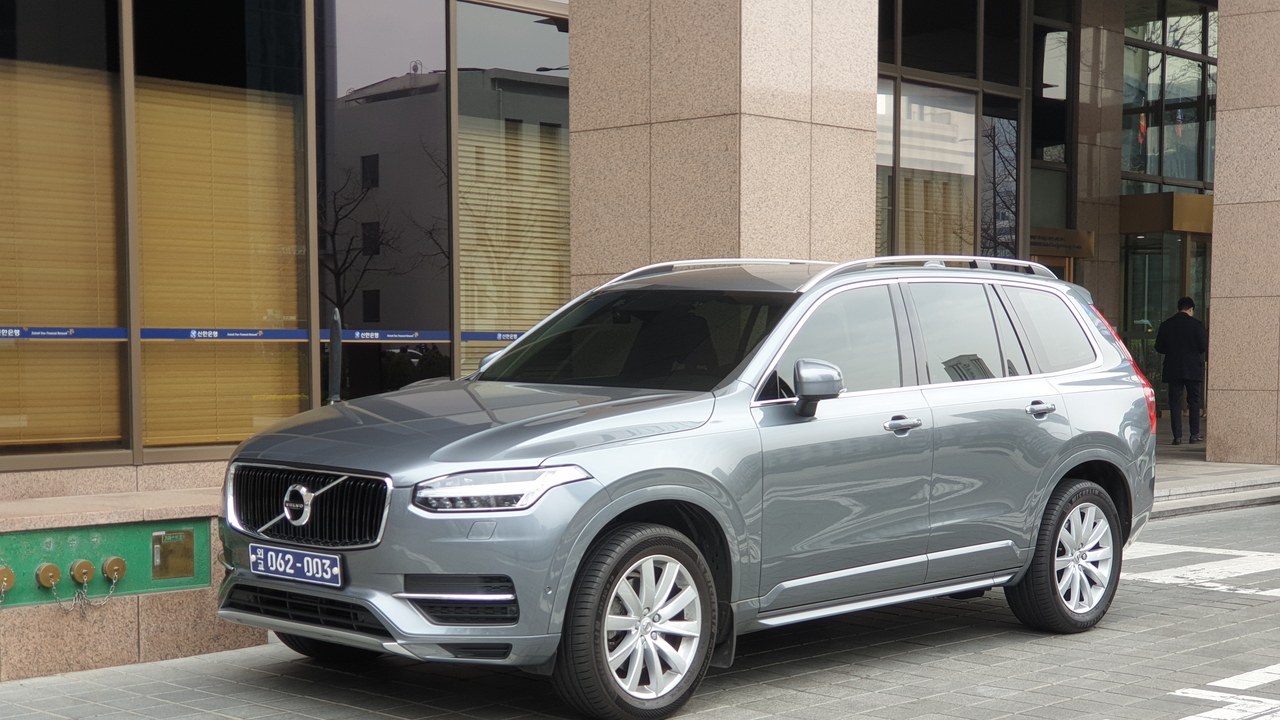
Turbocharged and supercharged four-cylinder engines paired with an optional air suspension made the Volvo XC90 impressive when new, and expensive once seals and electronic sensors start to age. Owners report air-suspension compressor failures as the single costliest repair on the SUV, alongside electronic parking-brake and infotainment glitches that need dealer-level diagnostic tools.
The XC90’s reputation for safety and comfort keeps resale demand strong, which cuts against buyers hoping for a cheap used luxury SUV. Once the factory warranty ends, routine maintenance at a Volvo specialist runs well above what a mainstream three-row SUV would cost.
9. Maserati Ghibli: Exotic Badge, Exotic Bills
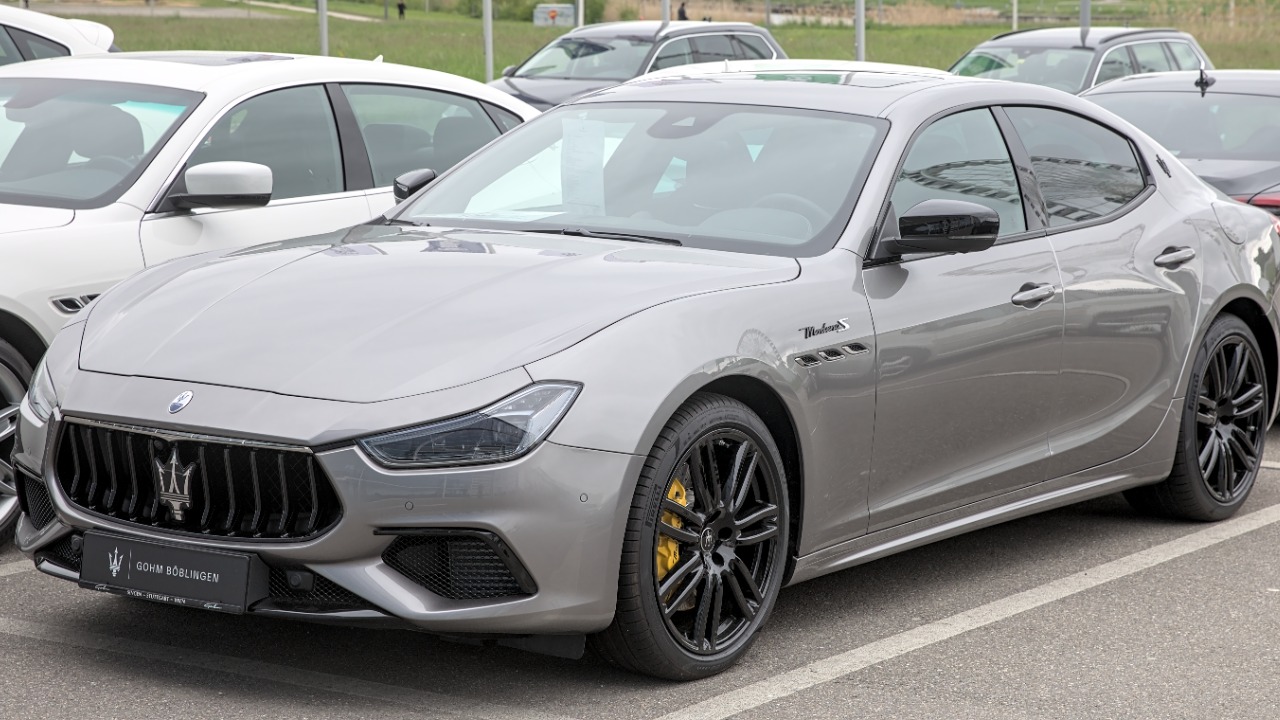
A V6 developed with Ferrari powers the Ghibli, and a recent depreciation study ranked the sedan among the steepest-falling five-year-old vehicles on the market. Servicing that engine, along with the car’s adaptive suspension and electronics, generally requires a Maserati specialist rather than a neighborhood garage.
Steep depreciation makes a used Ghibli tempting, since the purchase price falls faster than almost anything else in its class. Ongoing ownership costs fall far more slowly, and specialist parts and labor keep the total bill closer to a new-car payment than buyers expect.
10. Audi A8: Aluminum Body, Complex Fixes
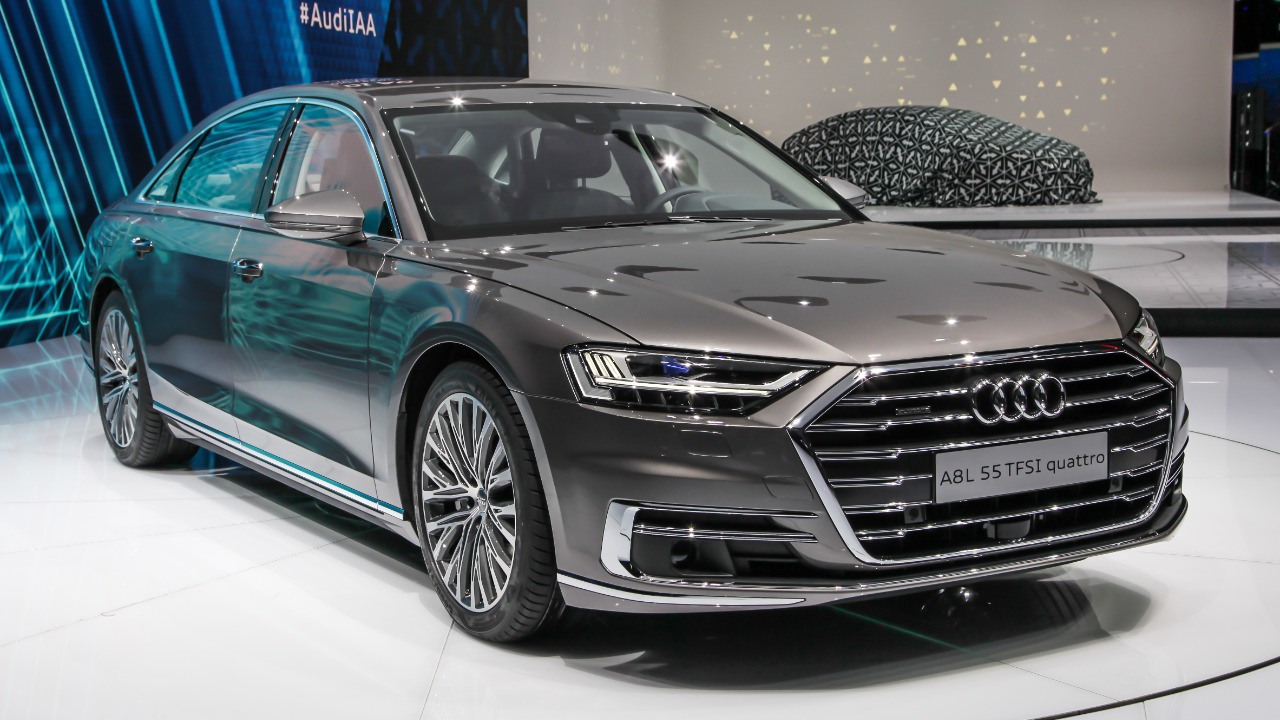
The Audi A8 uses an aluminum space-frame body, a construction method that saves weight but requires specialized equipment and training to repair after even minor collision damage. Air suspension and layered driver-assistance electronics add further complexity once components start to fail.
Aluminum repair work is not something every body shop can take on, which narrows the field of qualified shops and pushes labor rates higher. An A8 that looked like an attainable luxury flagship on the used market can turn into one of the pricier cars to keep running.
More from Morning Overview
