
A million miles is a strange kind of fame, and it belongs less to a factory than to an owner who kept showing up with fresh oil and a wrench. Certain models earn that reputation anyway, because their engines were overbuilt and their parts stayed cheap enough to keep replacing. Here are ten cars that built their legends on odometers most drivers never see.
1. Volvo P1800: The Three-Million-Mile Coupe

Irv Gordon bought a 1966 Volvo P1800 coupe new and drove it until his death in 2018, logging more than three million miles on the same car. Guinness World Records certified the odometer as it climbed past two million in 2002 and three million in 2013, the highest figure ever recorded for a passenger vehicle in private hands.
Gordon’s method was unglamorous. Oil changes on schedule, long highway runs rather than short cold trips, and factory parts instead of improvisation did the heavy lifting, which is the pattern behind nearly every million-mile story.
2. Mercedes-Benz W123: The Diesel That Refuses To Die

Mercedes-Benz built roughly 2.7 million W123 sedans between 1976 and 1985, and the diesels became the durability benchmark. The five-cylinder engine in the 300D was slow and loud, but its cast-iron block and mechanical injection pump left few parts capable of failing catastrophically, and taxi fleets from Germany to West Africa ran them for decades.
Longevity still comes with a bill. Rust, tired vacuum systems and collapsed suspension bushings retire a W123 long before the engine gives up, which is why the survivors tend to come from dry climates and owners who stayed ahead of the bodywork.
3. Toyota Land Cruiser: Built For Places Without Garages
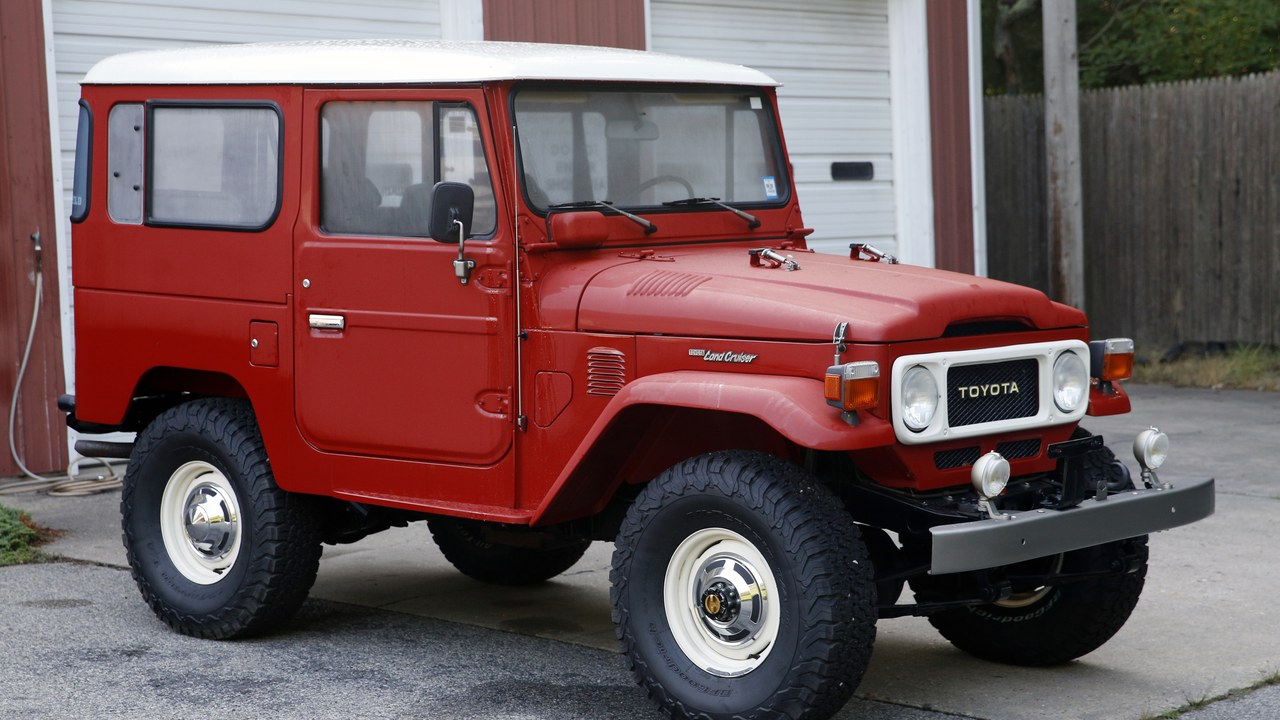
Toyota has produced the Land Cruiser continuously since 1951, making it the company’s longest-running model line, and the reputation was earned where dealerships do not exist. Body-on-frame construction, simple drivetrains and parts availability across some 190 markets turned it into the default vehicle for aid agencies, mining crews and desert convoys.
That philosophy explains the odometer stories. A Land Cruiser is engineered to be repaired rather than replaced, so worn components get rebuilt in the field instead of triggering a write-off, and buyers pay a premium for it both new and used.
4. Lexus LS 400: An Engine Almost Indifferent To Mileage
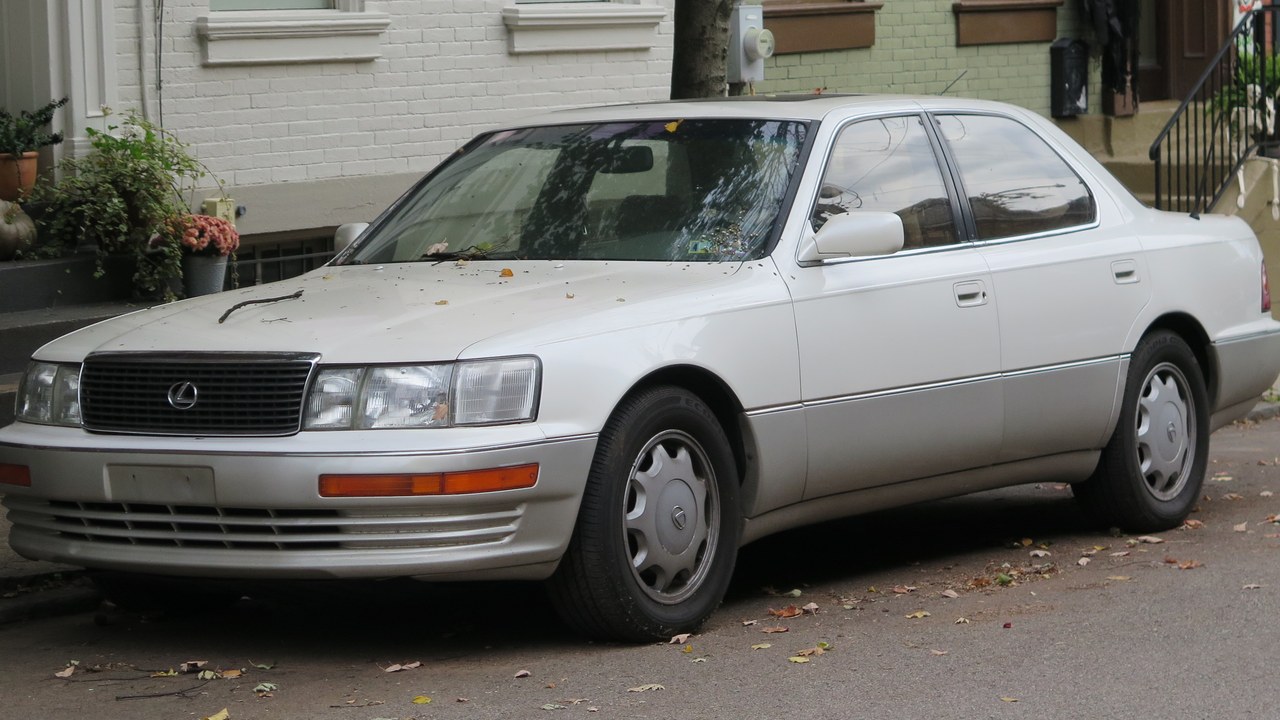
The first-generation LS 400 arrived in 1989 as Lexus’s debut model, powered by a 4.0-liter V8 developed under an obsessive engineering program aimed at German rivals. Toyota chased quietness and precision so hard that the engine was assembled to tolerances normally reserved for far costlier machinery, and it proved almost indifferent to accumulated mileage.
Decades later that leaves a cheap used car carrying expensive engineering. Aging electronics, air suspension on later versions and worn interior trim are the usual weak points, while the V8 itself commonly sails past 300,000 miles on routine maintenance.
5. Honda Accord: The Everyday Endurance Champion
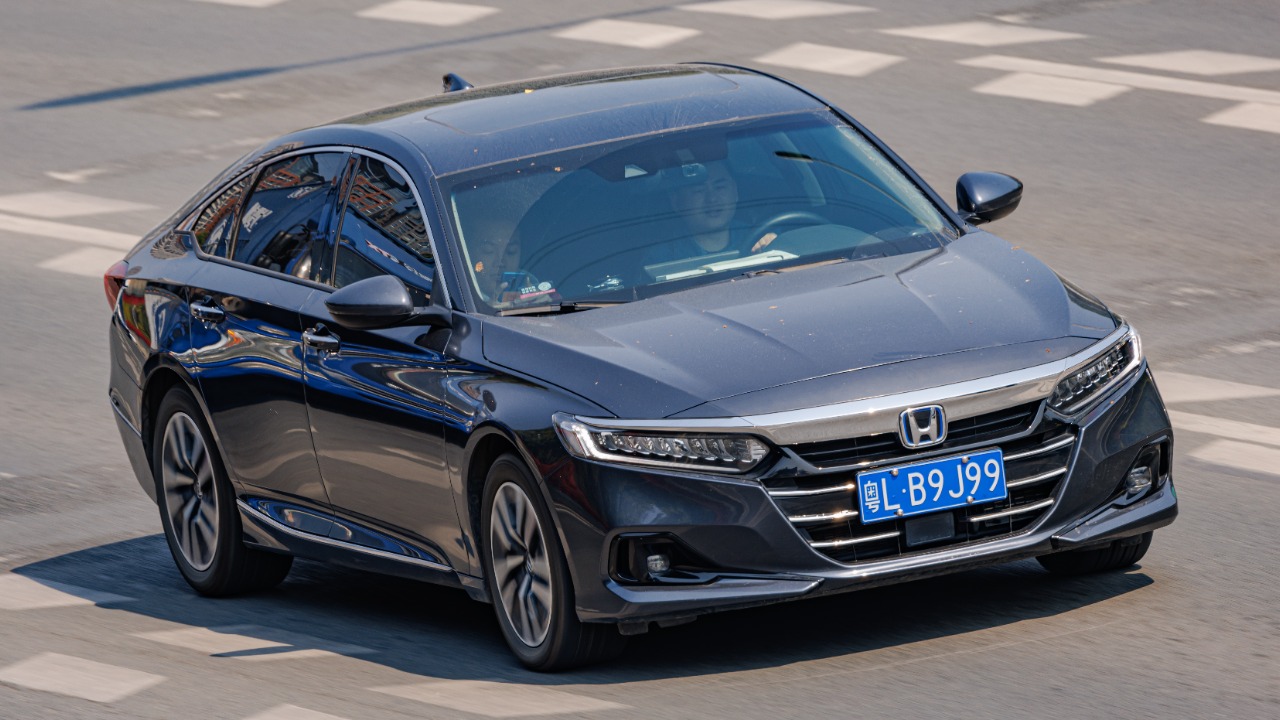
Honda has produced the Accord without interruption since 1976 and began assembling it in Marysville, Ohio, in 1982, the first Japanese car built in the United States. Decades of high-volume, conservatively engineered four-cylinders left an enormous population still running, backed by a parts supply deep enough to make repairs worth paying for.
Scale is the quiet advantage here. Because so many were sold, every shop knows them, components stay cheap, and a water pump or a new clutch never approaches the value of the car, which keeps high-mileage examples on the road instead of at the scrapyard.
6. Toyota Tacoma: Midsize Truck, Marathon Reputation
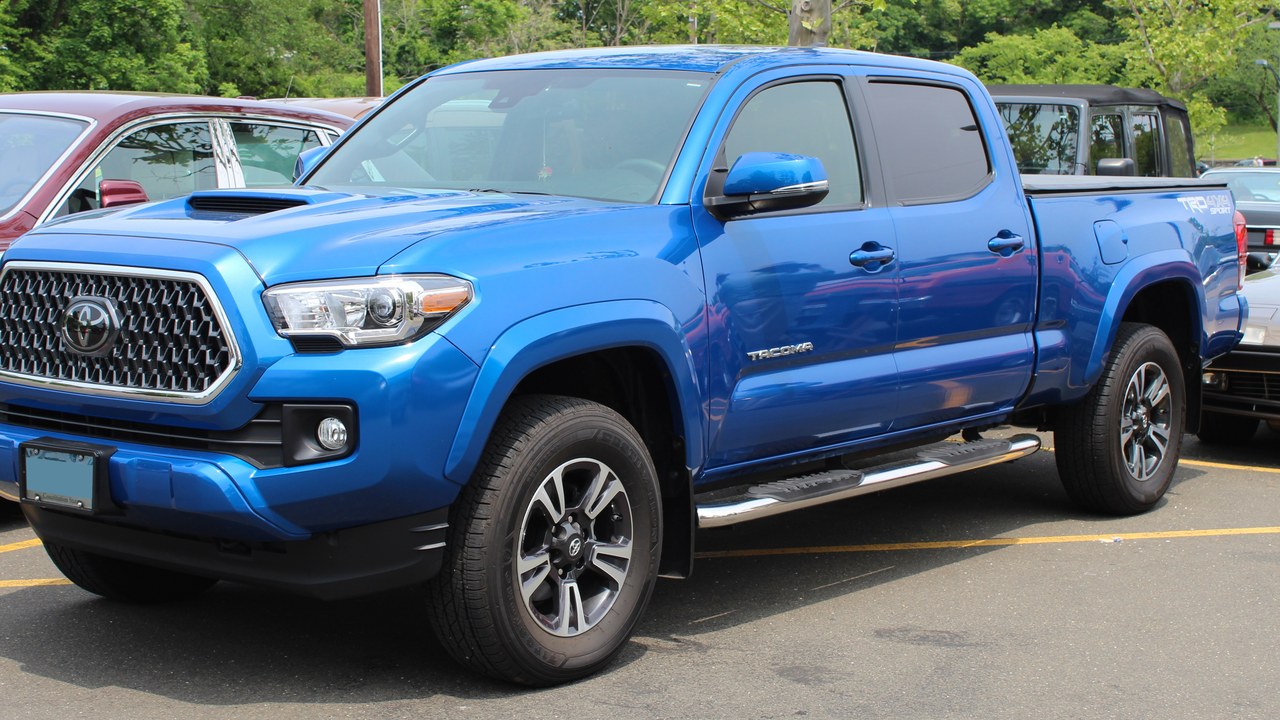
Replacing the Hilux-derived compact pickup in North America for 1995, the Toyota Tacoma inherited a reputation for surviving abuse. Body-on-frame construction, modest power outputs and unusually long production runs of the same engines produced a forgiving service life, and resale values have stayed among the strongest of any vehicle sold in the United States.
Frames, not engines, set the real limit. Toyota ran rust-related recalls and buyback programs on early trucks in salted states, so the highest-mileage survivors overwhelmingly come from the South and West, where corrosion never got the chance to finish the job.
7. Ford Crown Victoria: Fleet Duty Was The Proving Ground
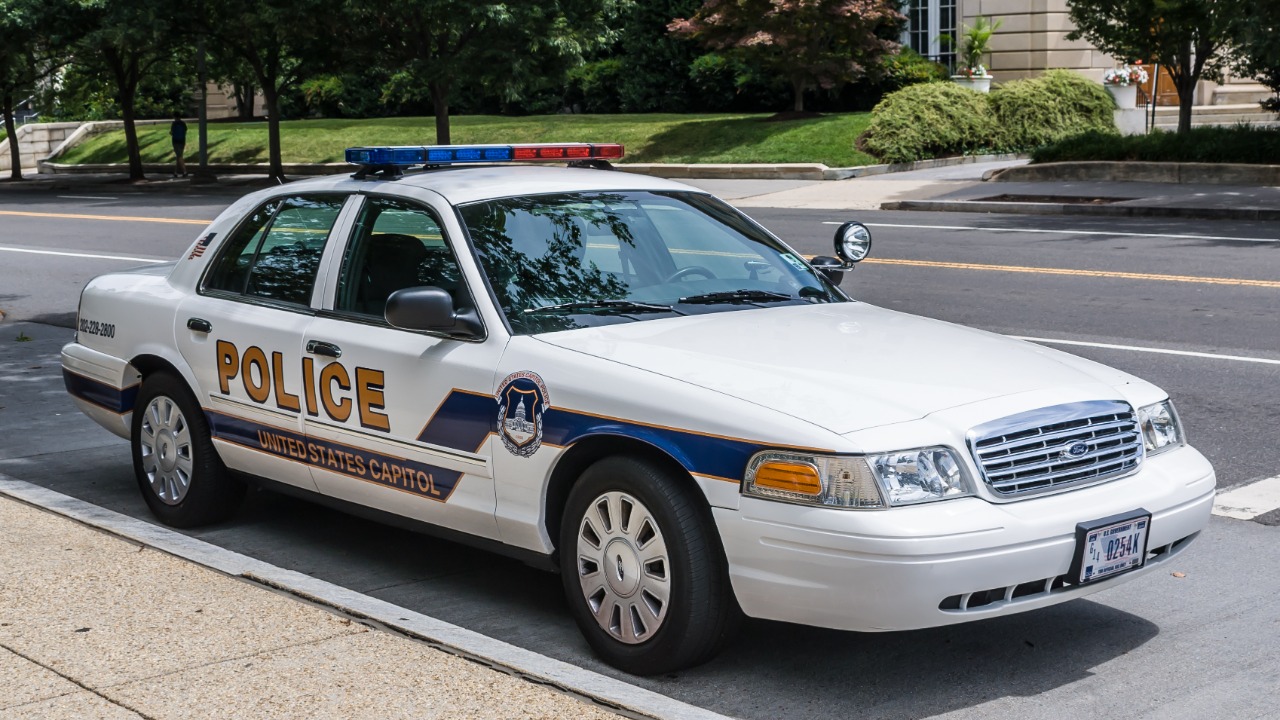
Ford sold the Crown Victoria from 1992 to 2011 on the body-on-frame Panther platform, and by the end almost every one went to police departments and taxi companies. An iron-block 4.6-liter V8, a live rear axle and a separate frame made repairs cheap and collision damage survivable, which is what a car working three shifts a day requires.
Fleet service is why the mileage claims hold up. Interceptors idle for hours and pile on stop-start city miles that destroy ordinary sedans, yet retired cars still reach the used market cheaply and keep running for private owners long afterward.
8. Chevrolet Suburban: The Longest-Running Nameplate Of All
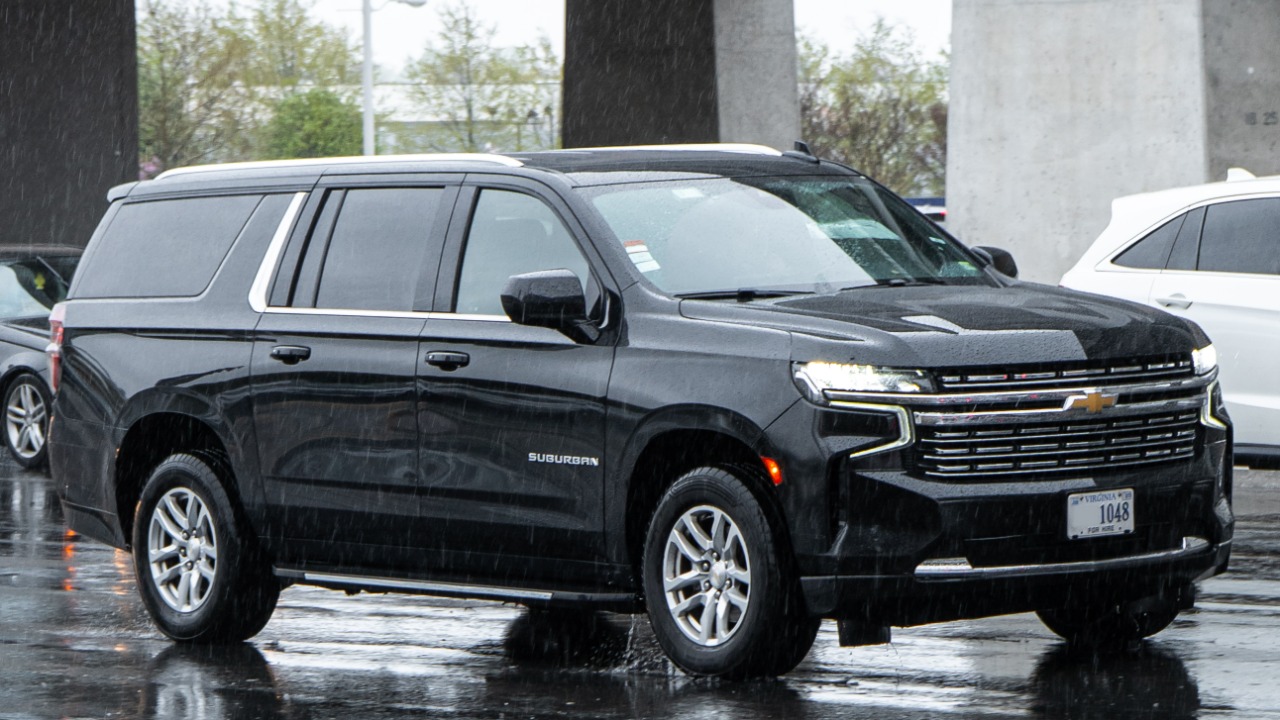
Chevrolet has used the Suburban name since 1935, the longest continuously produced nameplate in the automobile business, and the recipe has barely shifted: a full-size truck chassis with a wagon body bolted on top. Pushrod V8s, a separate frame and truck-grade running gear mean the drivetrain is rarely the reason one gets retired.
Running costs are the trade-off. Fuel consumption and sheer mass punish brakes, tires and suspension components, so a genuinely high-mileage Suburban is usually a vehicle that earned its keep hauling people or equipment rather than commuting empty.
9. Toyota Corolla: The Best-Seller That Keeps Going
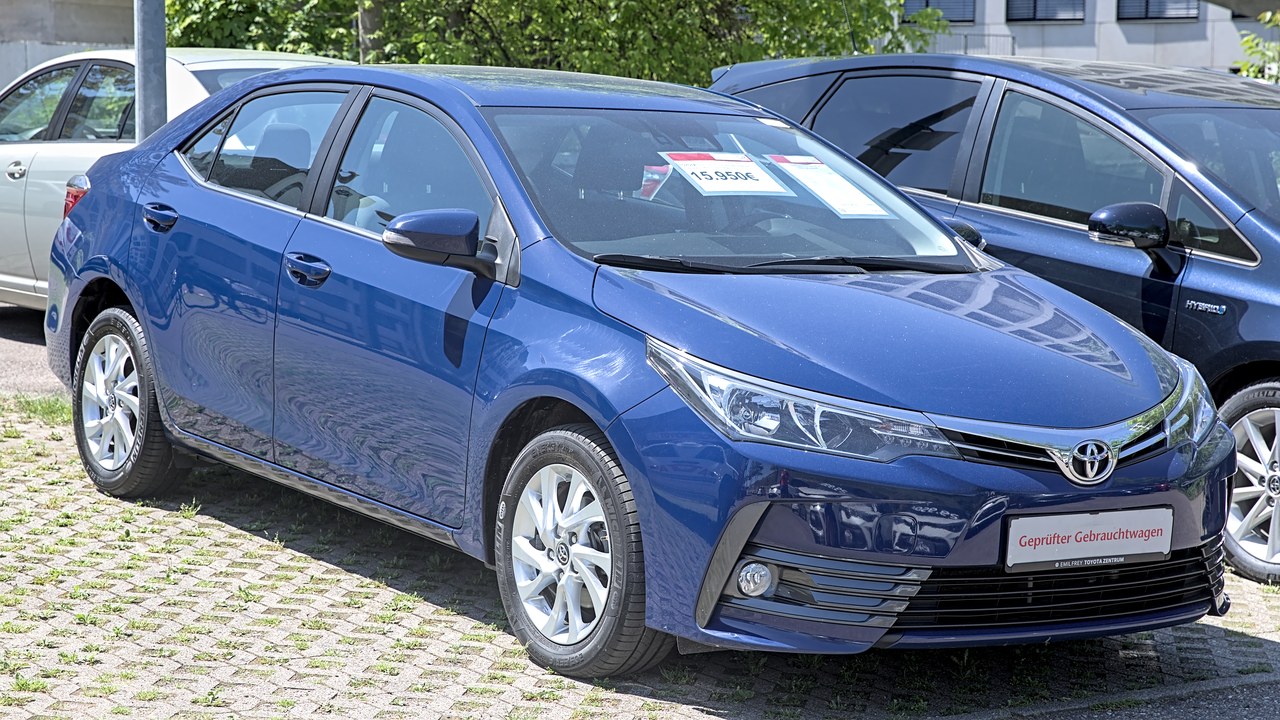
More than fifty million Toyota Corollas have been sold since 1966, making it the best-selling automobile nameplate in history, and the engineering brief never changed much: small, cheap and hard to break. Low-stress engines, simple suspension and deliberately conservative updates produced a car that tolerates neglect better than almost anything at the price.
Ubiquity handles the rest. Parts turn up anywhere on earth, labor stays cheap because every mechanic has seen one, and the modest purchase price pushes owners toward repair rather than replacement. Most million-mile Corollas were simply commuter cars never given a reason to stop.
10. Saab 900: The Swede Owners Refuse To Retire

Peter Gilbert drove his Saab 900 SPG past 1,001,385 miles before donating the car to the Wisconsin Automotive Museum in 2006, a figure that turned the boxy Swede into a durability legend. The 900’s slant-four traced its architecture back to a Triumph design, and it tolerated both turbocharging and enormous mileage.
Support is the catch today. Saab Automobile went bankrupt in 2011, so parts now depend on specialists and a shrinking pool of donor cars, and the electrical and trim pieces prove far harder to track down than anything mechanical.
More from Morning Overview
