
Certain modern performance cars have already stopped depreciating like ordinary vehicles, and enthusiasts are watching a handful of models climb steadily in private sales and auction listings. Limited production runs, discontinued engines, and halo-car engineering tend to separate these cars from the rest of the used market. Here are ten cars that collectors and market watchers expect to keep gaining value in the years ahead.
1. Toyota GR Supra: A Badge Reborn
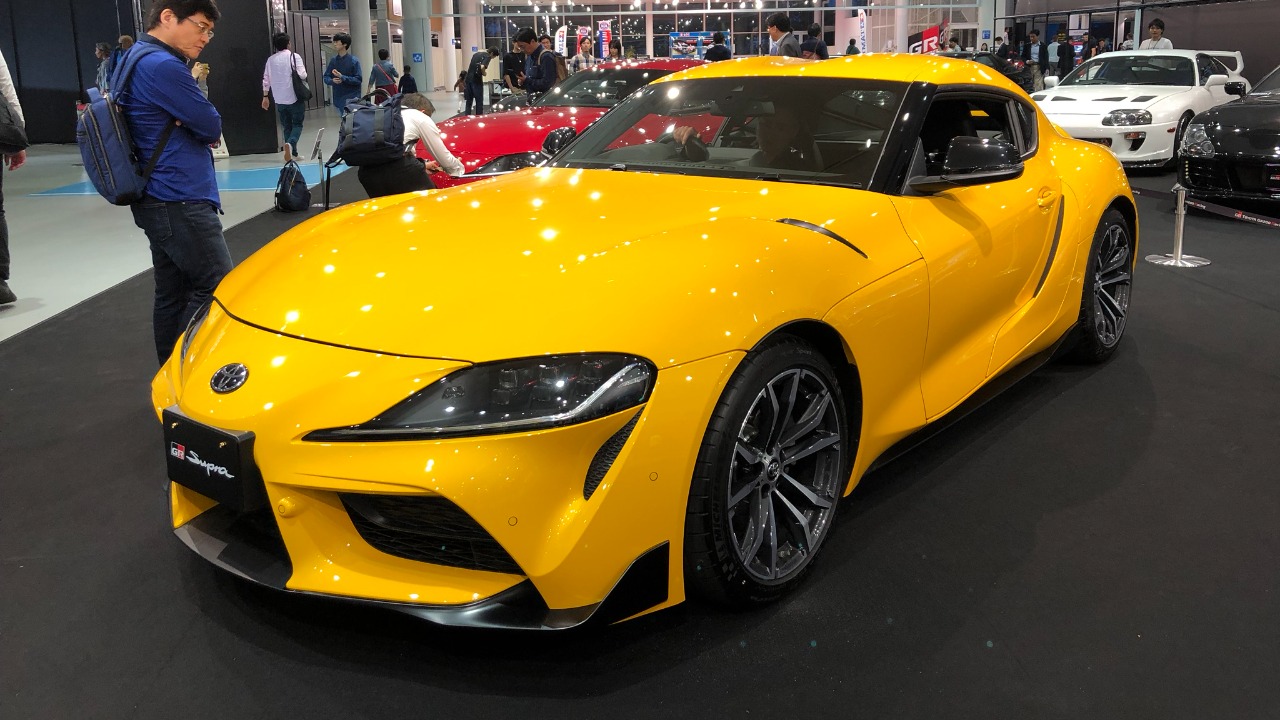
Toyota’s fifth-generation GR Supra returned in 2019 after a two-decade absence, reviving a nameplate with deep roots in Japanese performance history. the revived Supra nameplate has already begun climbing in private sales and enthusiast forums, a pattern market watchers associate with future collectibility rather than ordinary depreciation.
Early manual-transmission examples and limited special editions are drawing the most attention, since low production numbers tend to concentrate demand. Values could keep separating from mainstream sports coupes as the model ages out of daily-driver duty and into garage-kept status.
2. Honda Civic Type R: Hot Hatch Royalty
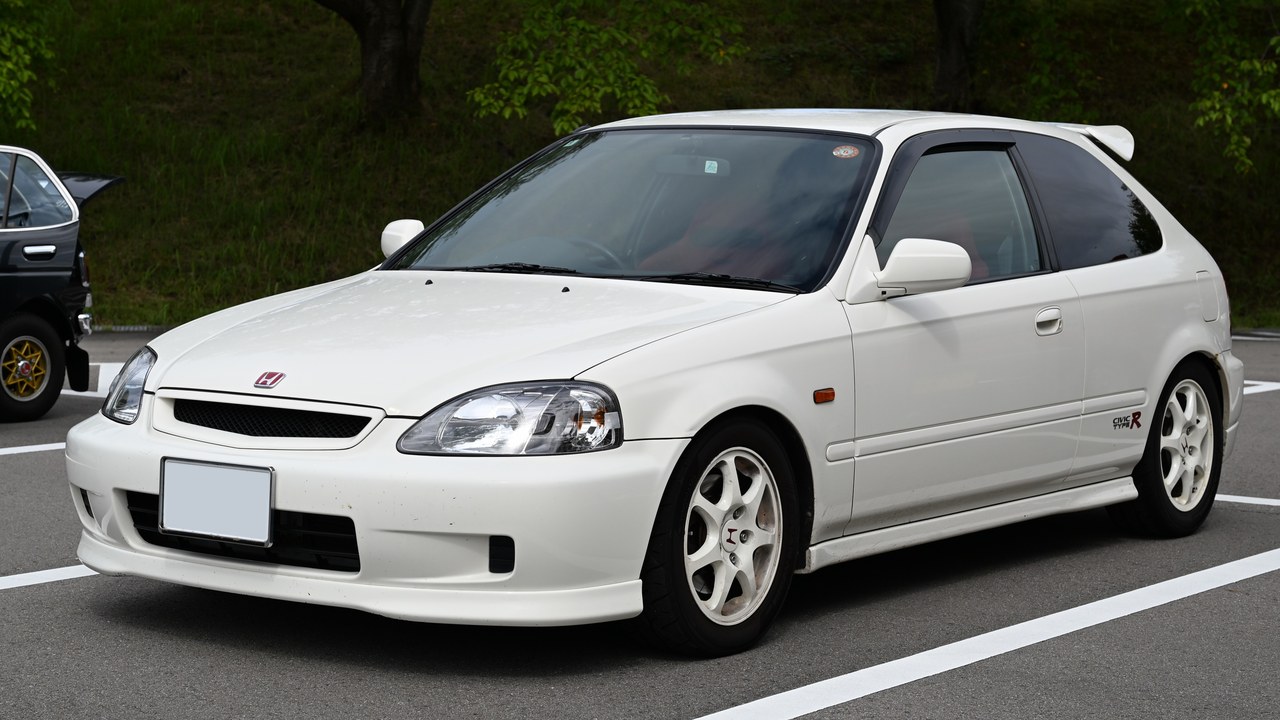
The Civic Type R has built a cult following across multiple generations, prized for a naturally revving VTEC engine and track-tuned chassis that few economy-based hatchbacks ever matched. limited production of the Type R kept supply tight in most markets, and clean, unmodified examples now command prices well above their original stickers.
Earlier generations sold in Japan and Europe but withheld from North America for years have become especially sought after among American collectors. As Honda shifts toward electrification, purists expect the naturally aspirated and early turbocharged versions to keep separating from ordinary compact cars.
3. Chevrolet Corvette (C8): A Layout Shift
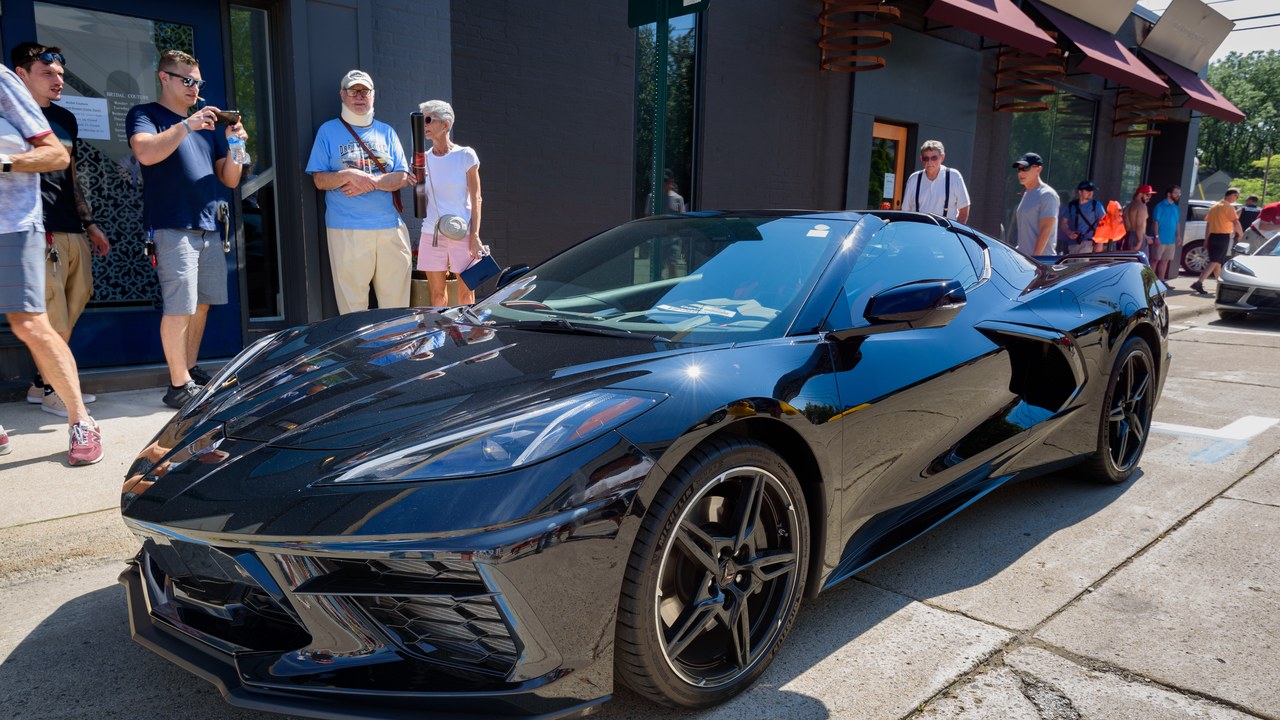
Chevrolet moved the Corvette’s engine behind the driver for the first time with the C8 generation, ending nearly seven decades of front-engine tradition. the first mid-engine Corvette is regarded by market analysts as an engineering milestone that automotive history tends to reward with long-term appreciation.
Early production years and rare option packages, including higher-output Z06 and E-Ray variants, are drawing the most collector interest. Because the platform shift is unlikely to repeat, unmodified low-mileage examples are expected to hold value more like limited-run exotics than mainstream sports cars.
4. Ford Mustang Shelby GT350: A Screaming V8
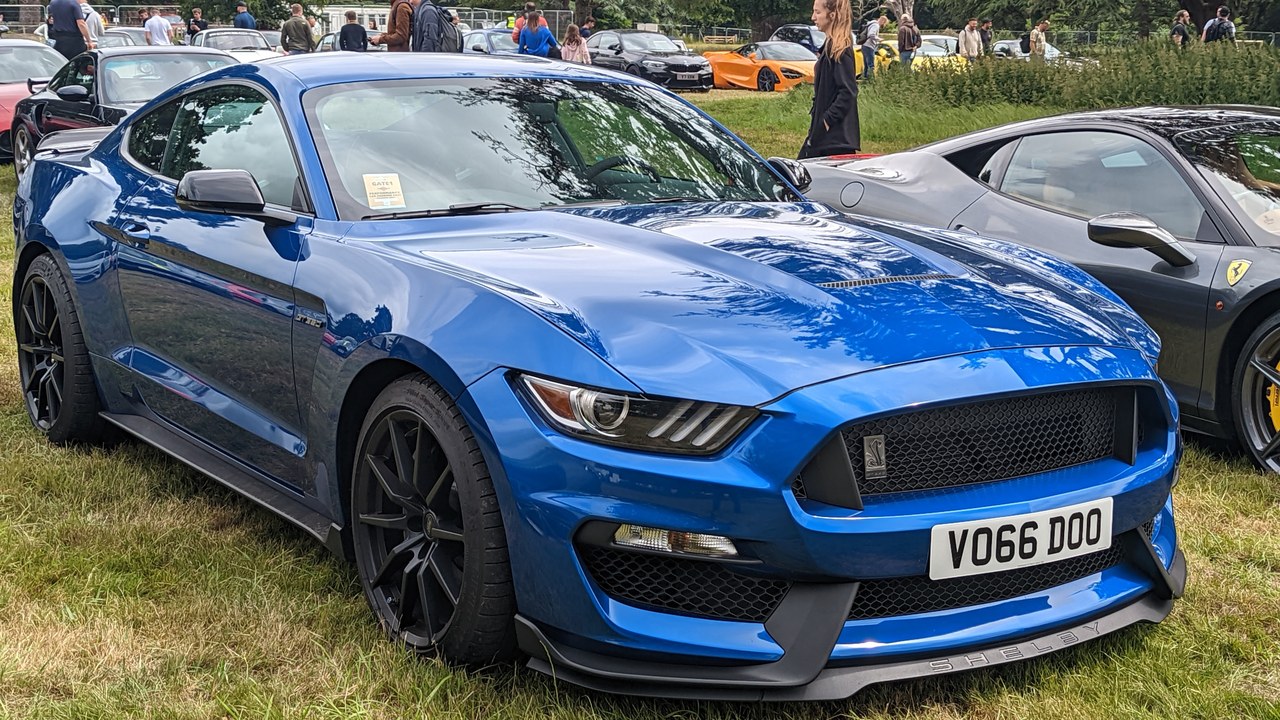
The GT350 revived the Shelby name on the Mustang with a flat-plane-crankshaft V8 borrowed from racing practice, an engine layout almost never used in an American production car. the Shelby Mustang lineage already carries modern-classic status among enthusiasts who track engine rarity as closely as horsepower figures.
Its high-revving character and track-focused suspension set it apart from standard Mustangs built on the same platform. With Ford having ended the model, unmodified GT350s are expected to draw growing attention from buyers who missed the chance to purchase one new.
5. Mazda MX-5 Miata: The People’s Roadster
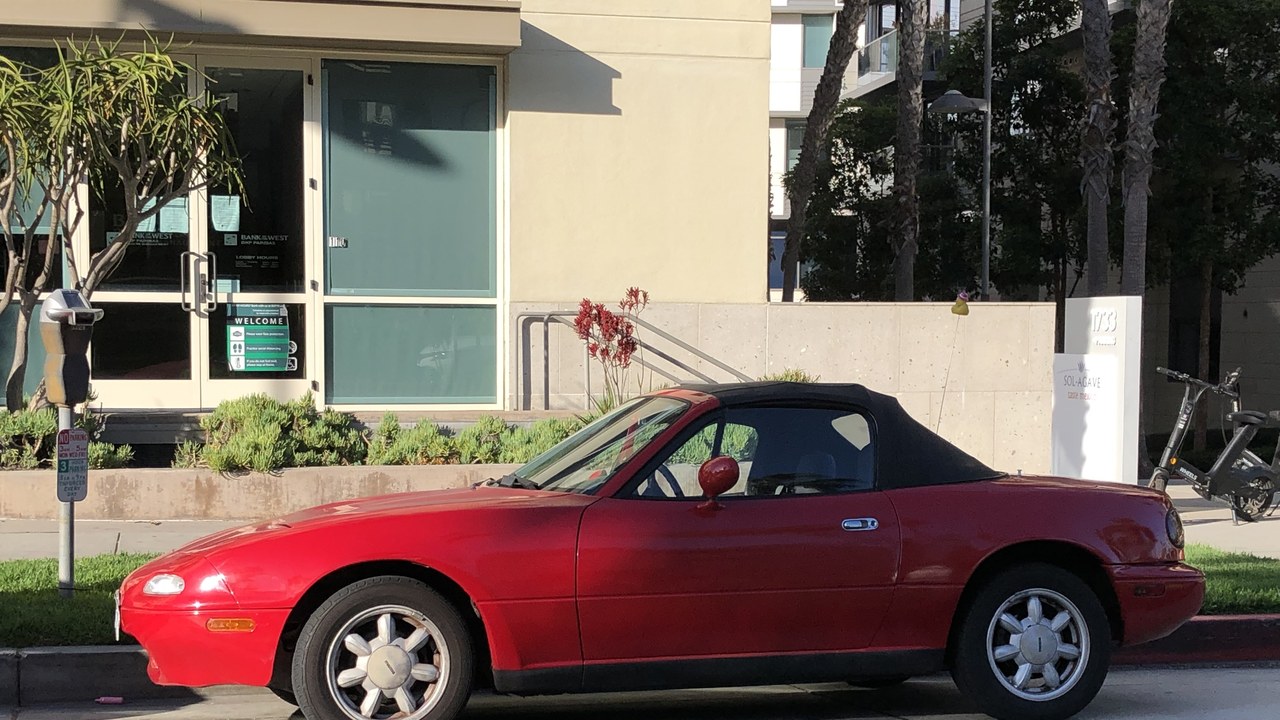
The Miata has held the title of best-selling two-seat roadster in history for decades, built on a formula of light weight and simple mechanicals rather than raw power. the best-selling roadster’s following spans generations of owners who have kept early examples running long after rivals disappeared.
First-generation cars in original, unmodified condition are increasingly hard to find, since many were driven hard or heavily customized over the years. Clean survivors are expected to keep pulling ahead of the broader used-convertible market as fewer of them remain on the road.
6. Subaru WRX STI: The Badge Retired
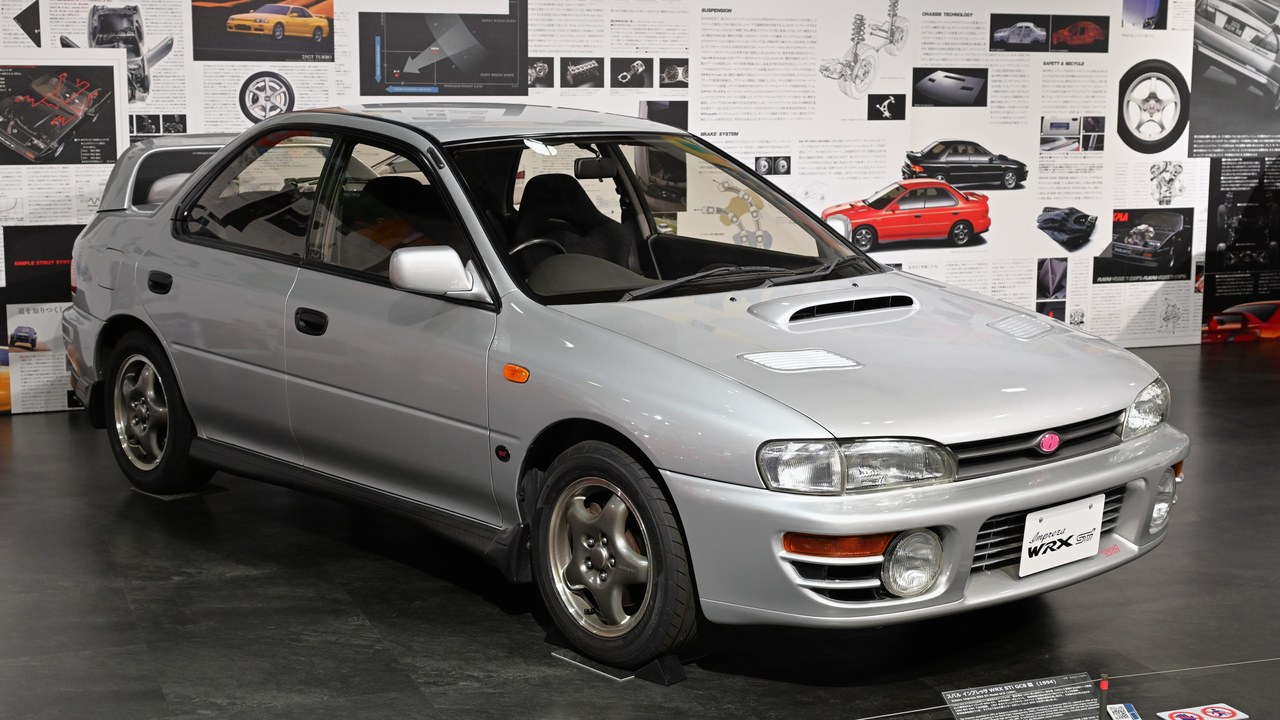
Subaru retired the STI performance badge after decades of rally-bred all-wheel-drive models, closing the chapter on one of the most recognizable names in enthusiast car culture. the discontinued STI badge is already fueling collector demand for the final production versions.
Special final-edition trims with unique colors and limited build numbers are commanding the strongest premiums among buyers. As the rally-inspired formula fades from Subaru’s current lineup, well-kept STIs are expected to keep gaining ground against ordinary all-wheel-drive sedans in the years ahead.
7. Nissan GT-R: Godzilla’s Final Bow
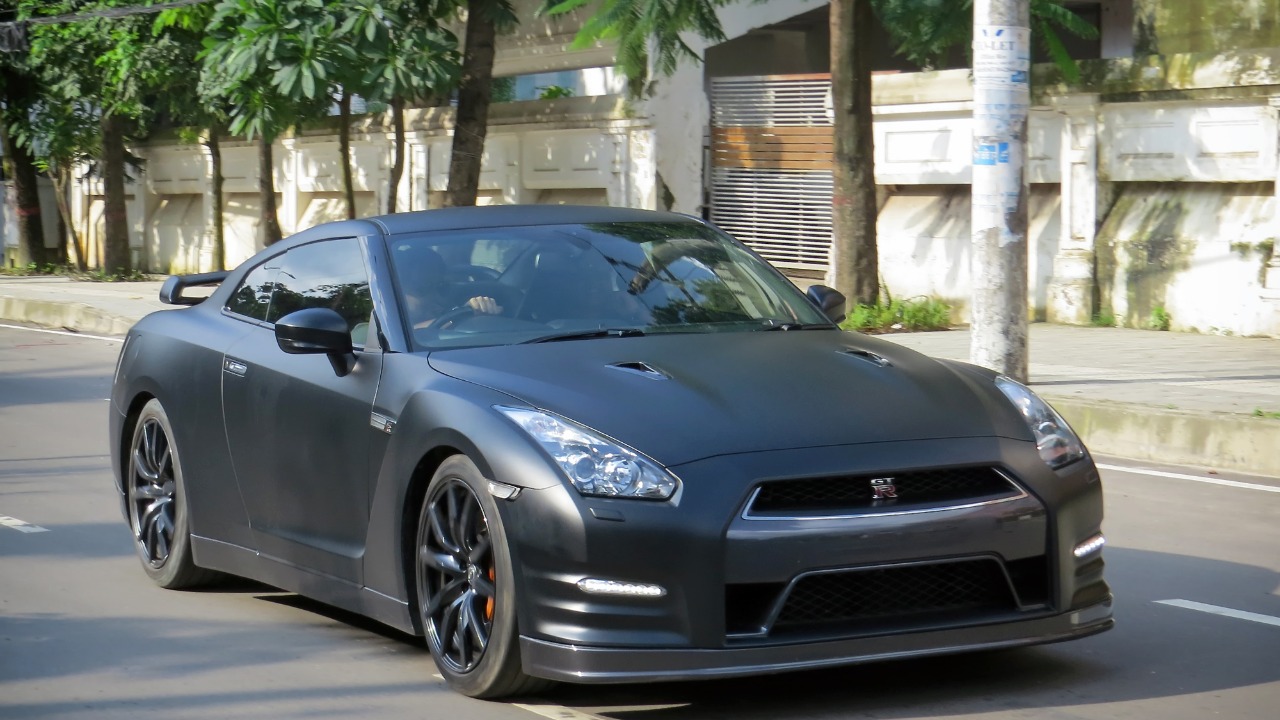
Nissan ended production of the R35-generation GT-R after more than fifteen years, closing out a model nicknamed Godzilla for its ability to outrun far more expensive supercars. the R35 GT-R’s end of production is already cementing its legend among performance-car collectors.
Final-year special editions and low-mileage examples with documented service histories are expected to command the biggest premiums. Because no direct successor has been confirmed, the R35 stands as the last of its line, a status that tends to accelerate long-term value gains.
8. Dodge Challenger SRT Hellcat: The Last Big V8
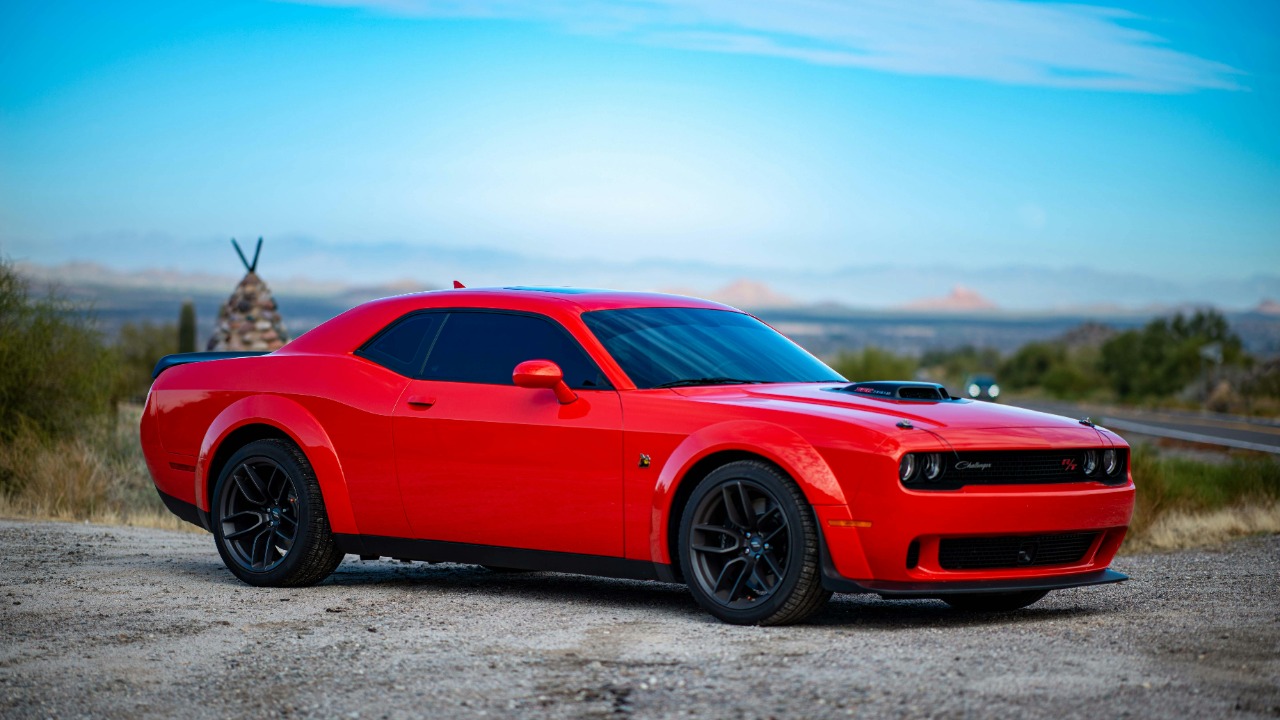
The supercharged Hellcat engine turned the Challenger into one of the most powerful production muscle cars ever sold, arriving just as the segment began shifting toward smaller turbocharged and electrified powertrains. the Challenger’s supercharged V8 era is widely viewed as the last of its kind.
Higher-output Hellcat Redeye and Demon variants, built in smaller numbers, are already trading well above their original window prices. As Dodge moves toward electric muscle cars, unmodified supercharged Challengers are expected to keep pulling away from ordinary V8 coupes.
9. Lexus LFA: Ten Cylinders, Rare Air
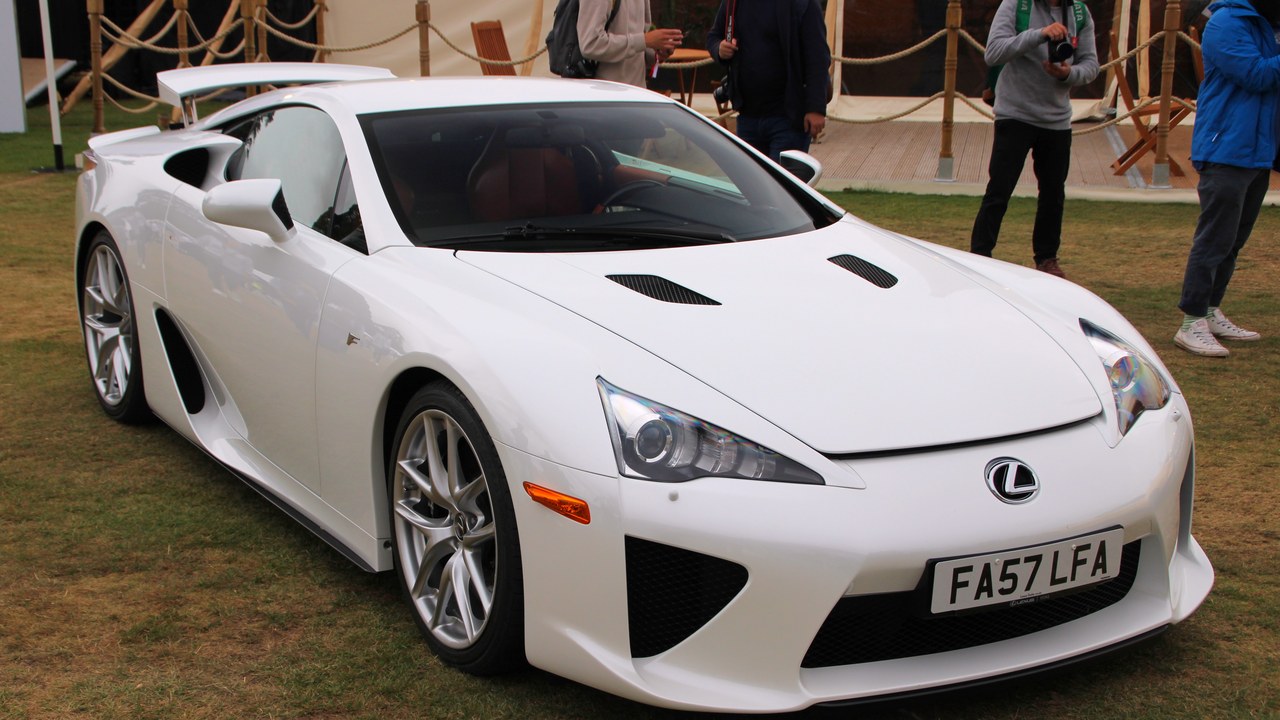
Lexus built the LFA in extremely limited numbers, pairing a screaming naturally aspirated V10 with a carbon-fiber body developed over nearly a decade of engineering work. the rare V10 halo car already trades for well over double its original sticker price at auction.
Its scarcity, distinctive engine note, and Nurburgring-honed chassis have made it one of the most requested Japanese cars among serious collectors. Values are expected to keep climbing as fewer examples change hands and remaining owners hold on to them longer.
10. Acura NSX: A Hybrid Bet
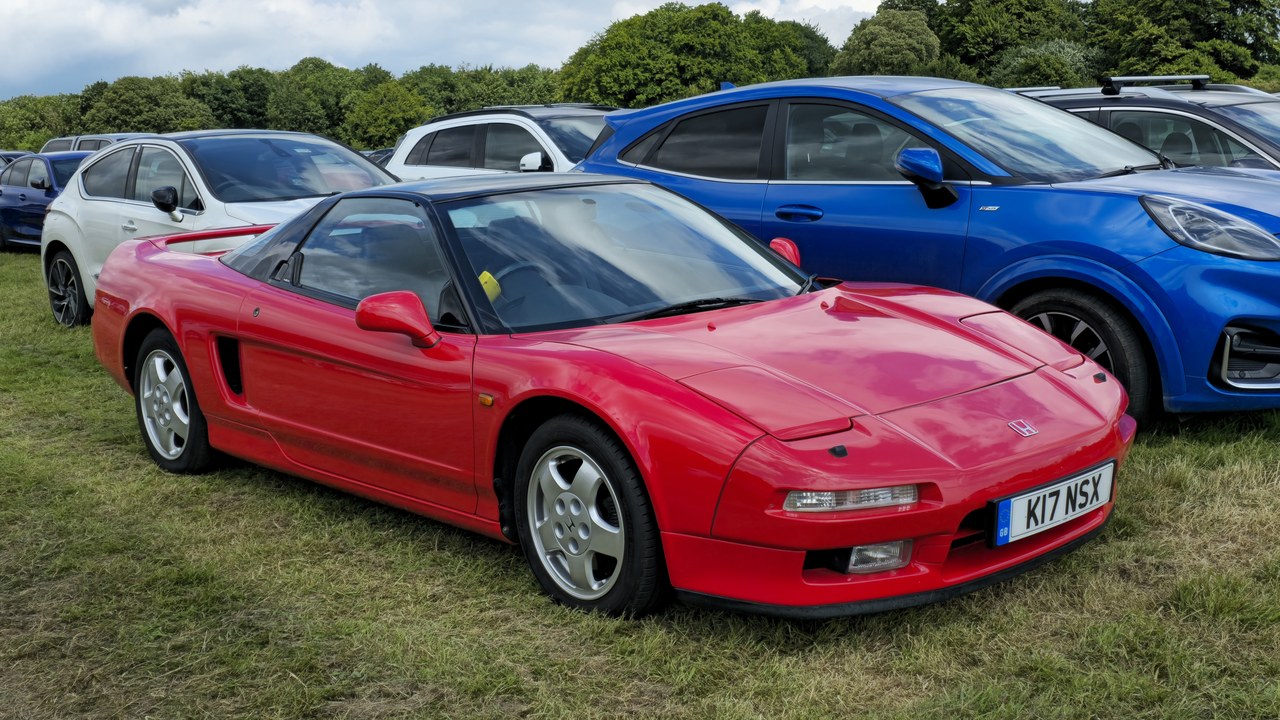
The second-generation NSX paired a twin-turbo V6 with a hybrid all-wheel-drive system, a technically ambitious approach that set it apart from more traditional supercars of its era. the second-generation hybrid supercar has drawn collectors betting on its complexity becoming a selling point rather than a liability.
Production ended after a limited run, making low-mileage, well-documented examples increasingly scarce on the used market. As Honda’s hybrid supercar experiment fades further into history, values are expected to keep separating from other modern all-wheel-drive sports cars.
More from Morning Overview
