
Some of the most desirable performance cars in the world never legally reached American roads, kept out by emissions rules, safety standards, or the strict 25-year import restriction. For decades, enthusiasts could only admire these machines through magazines, video games, and grey-market rumor. Here are ten forbidden favorites that still stir longing among American drivers.
1. Nissan Skyline GT-R: The Godzilla Nobody Could Buy
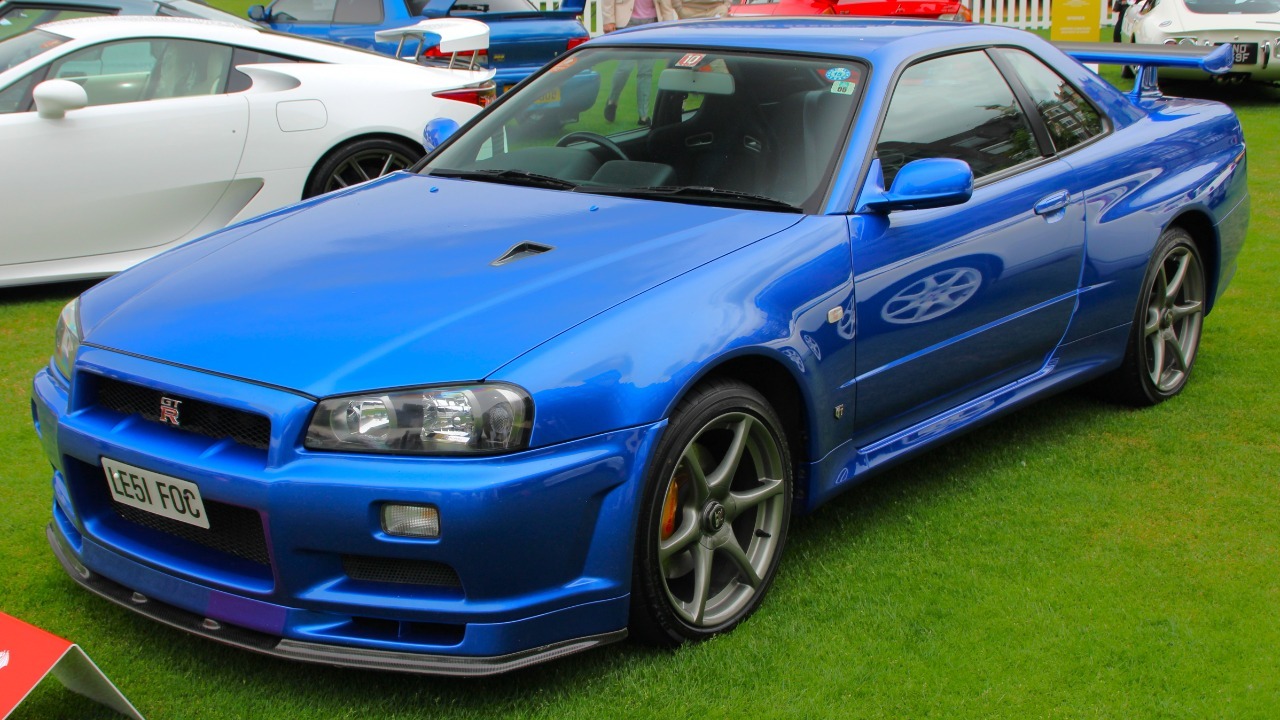
The R34-generation GT-R spent decades locked out of legal American import, because federal law bars most foreign-market vehicles until they turn twenty-five. Powered by the twin-turbo RB26 engine and Nissan’s ATTESA all-wheel-drive system, the Skyline performance line became a grail for tuners who knew it mainly through video games and grey-market legend.
Since the earliest cars have now crossed the quarter-century mark, values at auction have surged, and tidy examples regularly sell for many times their original price. Prospective owners still confront demanding paperwork and state registration hurdles before a legally imported chassis can reach the road.
2. Toyota Land Cruiser (J70): The Indestructible Diesel Left Behind
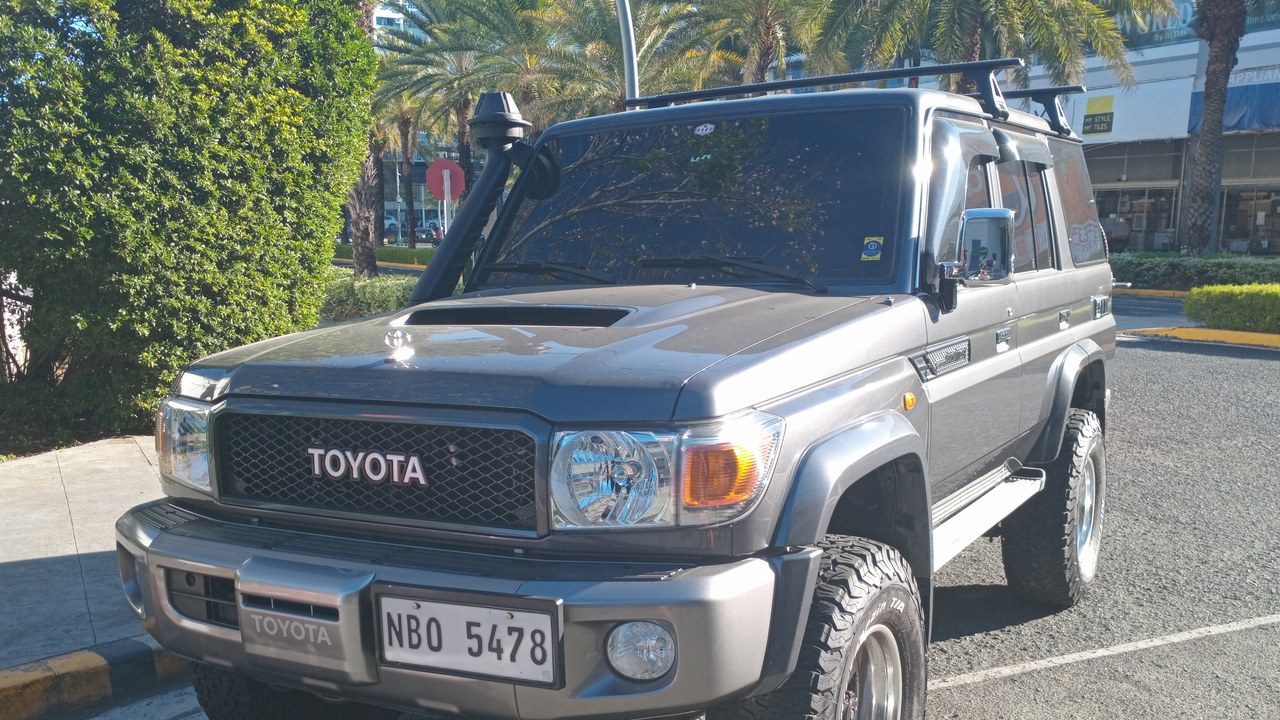
Toyota’s rugged 70-series never reached American showrooms in its diesel form, largely because its engines could not satisfy the country’s stringent emissions certification. Praised worldwide as a nearly indestructible workhorse across deserts, mines and remote outposts, the J70 platform earned a devoted following far beyond the markets where it was actually sold.
Enthusiasts drawn to its live axles and mechanical simplicity have watched clean imported examples grow scarce and expensive as the 25-year window slowly opens. Anyone hunting one should expect emissions questions at registration and limited dealer support for parts unfamiliar to American service networks.
3. Lancia Delta HF Integrale: Rally Royalty That Skipped America
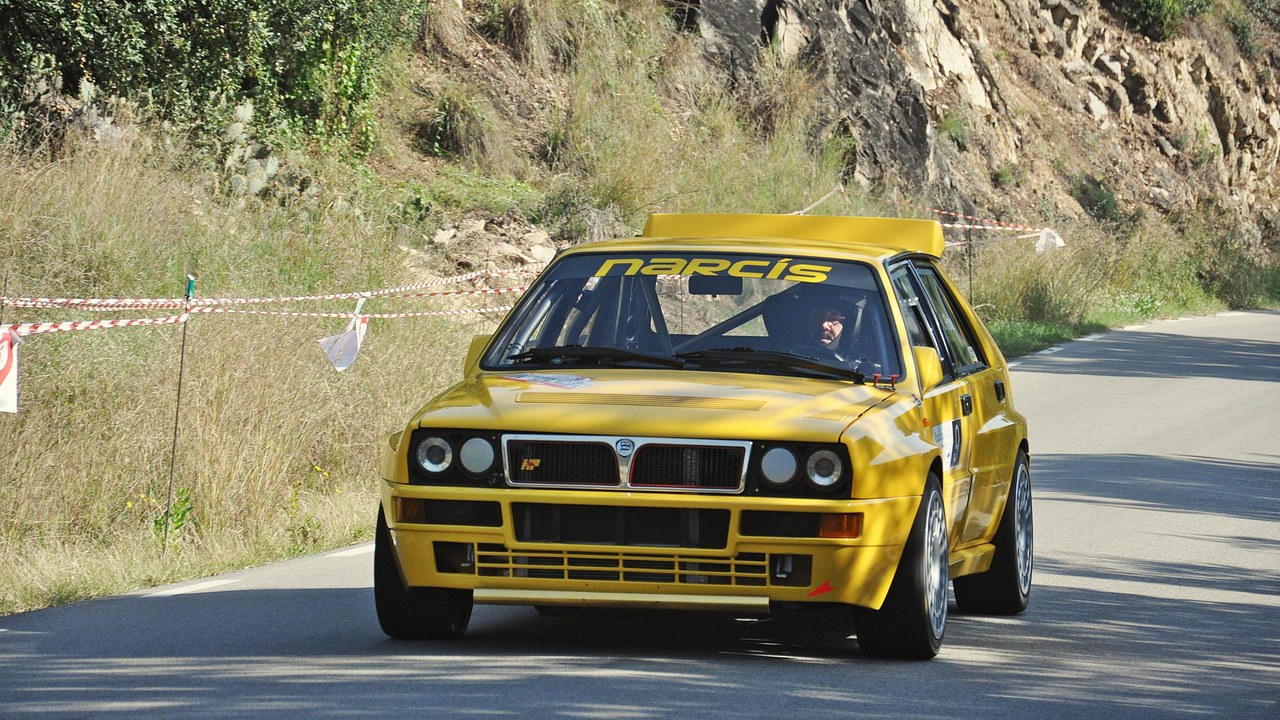
Dominant across late-1980s and early-1990s world rallying, the Delta HF Integrale never earned the certification needed for legal American sale. Its turbocharged, all-wheel-drive setup delivered championship-winning pace, yet the Lancia Delta family reached the United States only through the slow drip of the 25-year import exemption.
Collectors prize the flared arches and boxy stance that signal genuine rally heritage, and demand has pushed sound cars into serious money. Rust, fragile electronics and scarce Italian trim make careful inspection essential before committing to a machine engineered for competition rather than comfort.
4. Ford Escort RS Cosworth: The Whale-Tail Poster Car
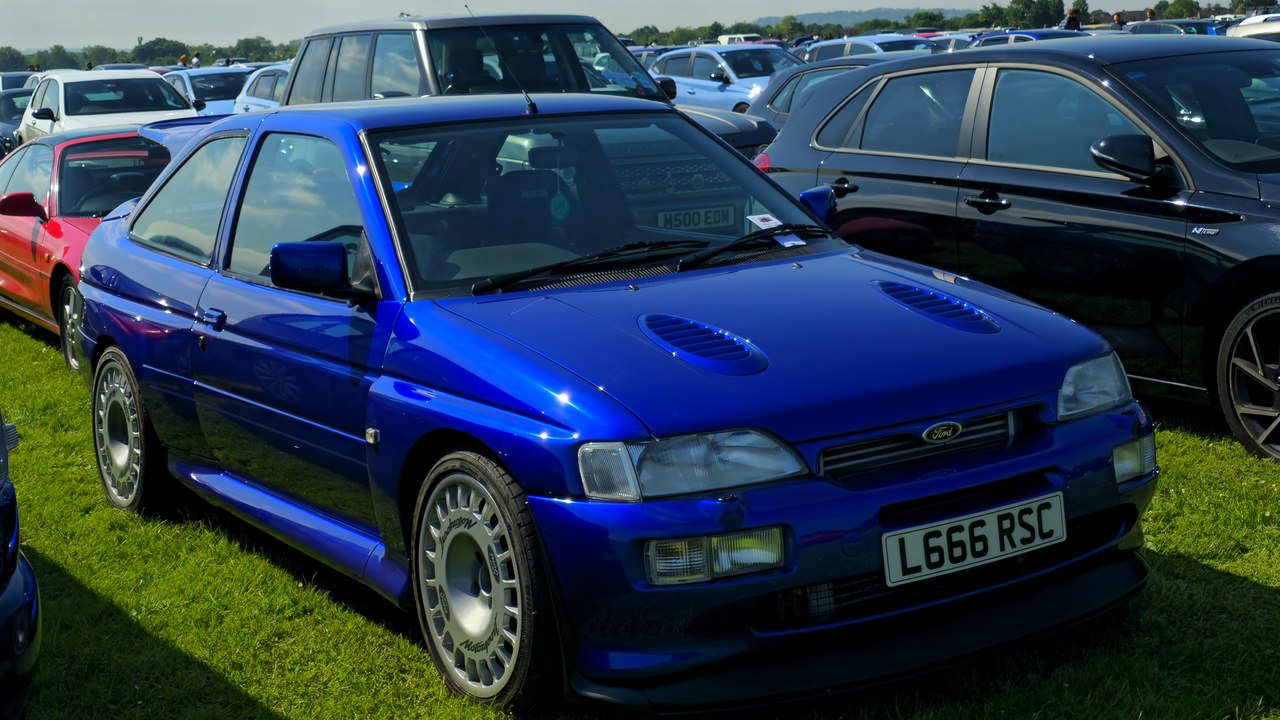
Homologated so Ford could go rallying, the Escort RS Cosworth paired a turbocharged engine with a dramatic whale-tail spoiler and never passed through American certification. Built in limited numbers for European roads, the Cosworth-badged Escort stayed a poster car for a generation of stateside fans.
As eligible cars aged past the import threshold, values climbed and well-kept examples turned into blue-chip fast Fords. Modified survivors are common, so provenance and originality now weigh heavily on price, and buyers often pay a premium for documented, unmolested history.
5. Mitsubishi Lancer Evolution VI: The Champion Edition Out Of Reach
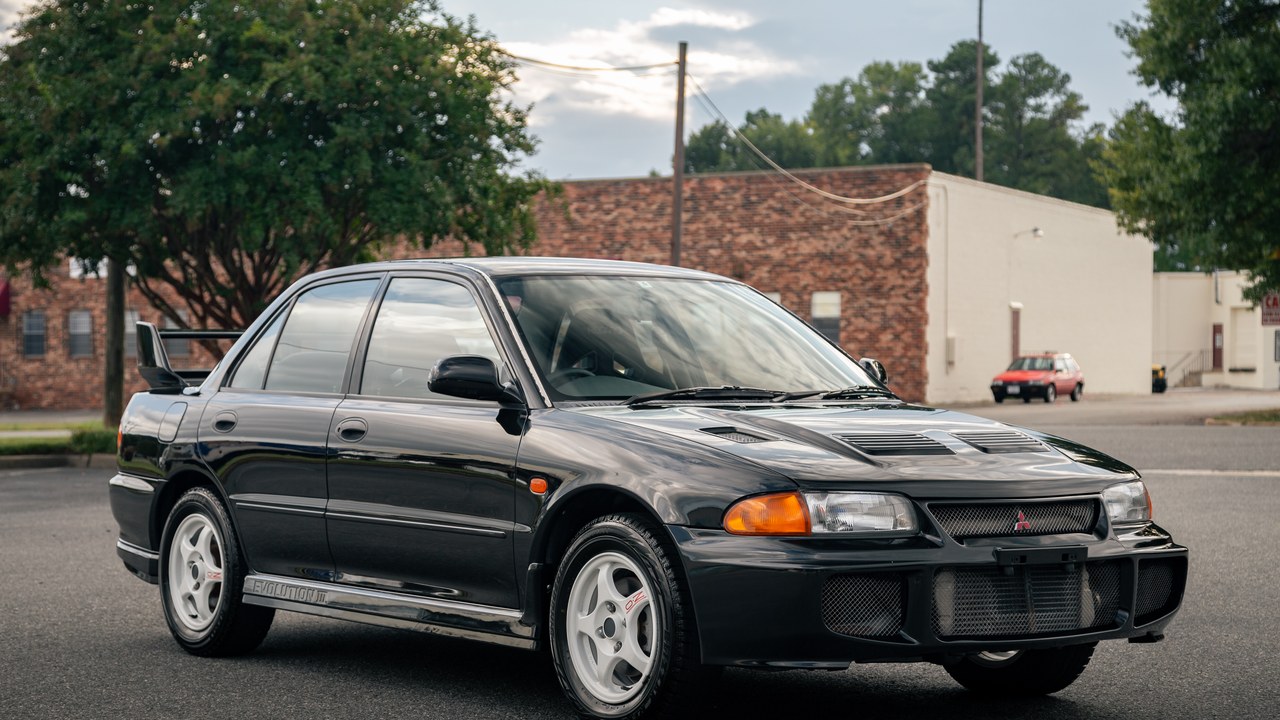
The sixth-generation Evo, especially its Tommi Makinen Edition honoring a rally champion, stayed off-limits to American buyers for years under import restrictions. Turbocharged and all-wheel drive, the Lancer Evolution series built its reputation on giant-killing pace before later versions were finally sold new stateside.
Because the Makinen edition combined special livery, quicker steering and unique details, it commands the strongest interest among collectors chasing genuine examples. Hard use is common in this crowd, so a documented, unabused car carries a clear premium over one that spent its life at track days.
6. Nissan Silvia: The Drift Icon Never Federalized
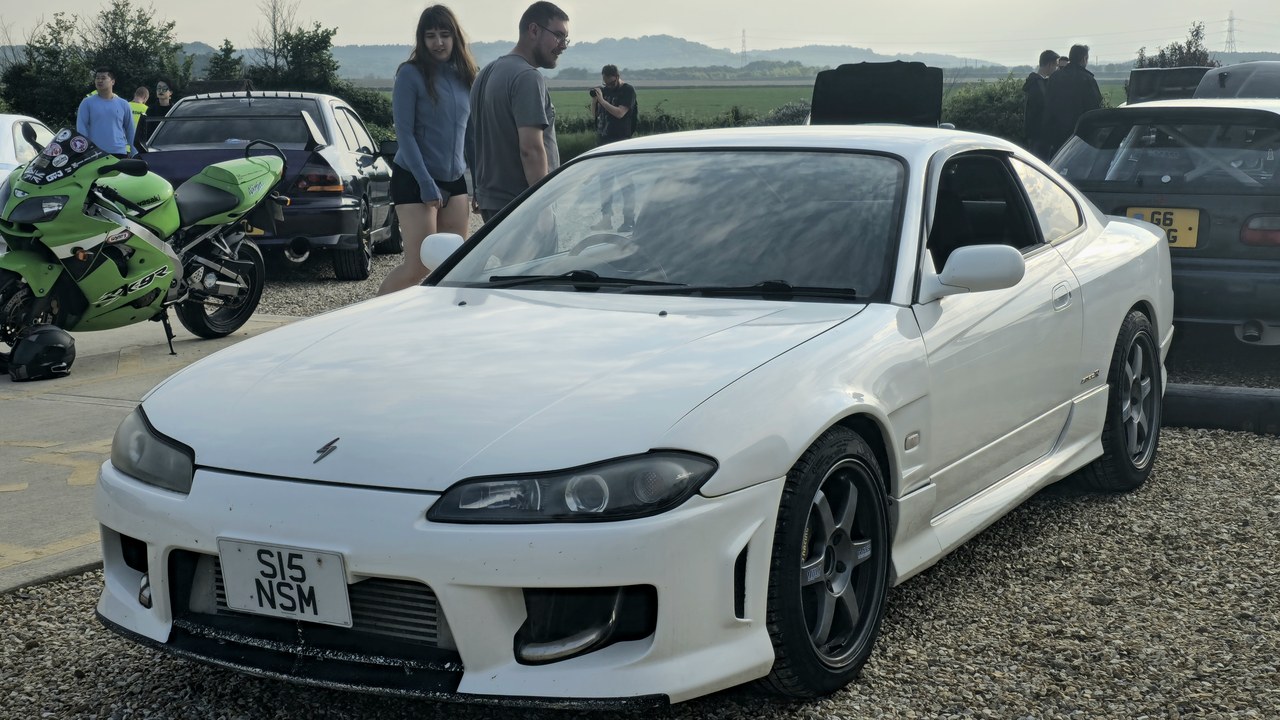
Beloved in drifting circles, the S15 Silvia was never federalized for American sale, leaving fans to import earlier cars or await the 25-year clock. Its balanced rear-drive chassis and turbocharged SR20 engine made the Silvia lineage a staple of tuning culture across Japan and beyond.
Years of hard drifting mean many survivors wear engine swaps, dents and rushed repairs, so unmodified cars are increasingly rare and dear. A prospective owner should budget for inspection and expect the youngest examples to remain ineligible for legal import until later in the decade.
7. Honda Civic Type R (EK9): The First Red-Badge Legend
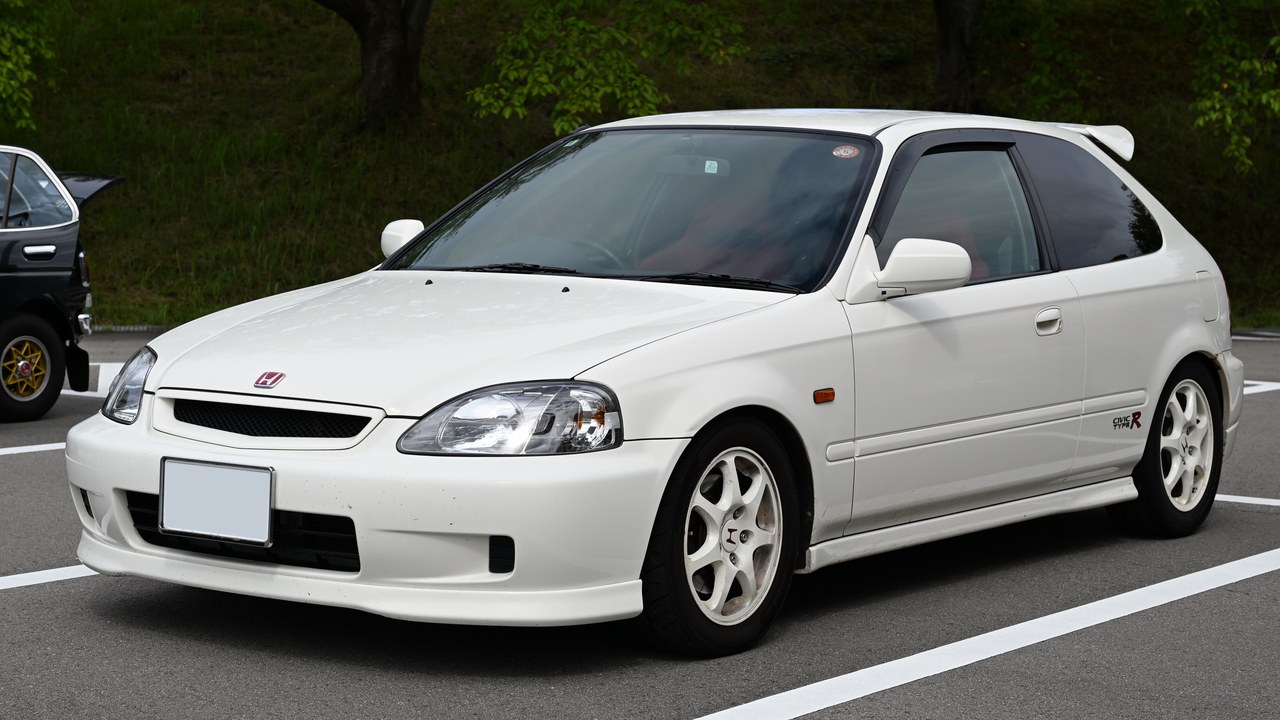
Honda’s first Type R, the EK9 Civic, remained a Japan-only proposition for a quarter century, keeping it off American roads. Its high-revving VTEC engine, stripped weight and hand-ported cylinder head gave the Type R nameplate a purist reputation that later, U.S.-sold generations would inherit.
With the earliest cars now import-eligible, clean red-badged EK9s have become sought-after trophies for front-drive enthusiasts. Fakes and tribute builds circulate widely, so verifying factory Type R credentials and unbroken history matters as much as mechanical condition when weighing a purchase.
8. TVR Sagaris: No Airbags, No Entry
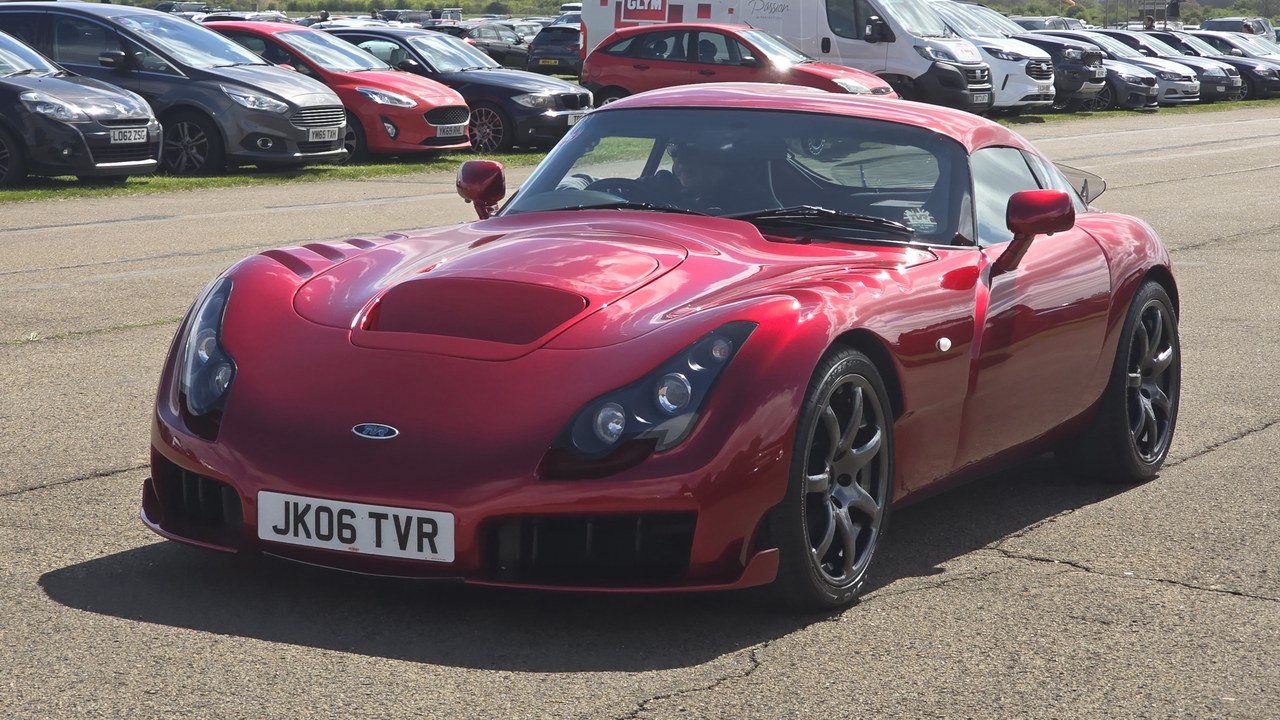
Raw even by British sports-car standards, the Sagaris omits airbags and other safety equipment that American regulations require, blocking legal sale outright. Its lightweight body, snarling straight-six and complete lack of driver aids gave the TVR Sagaris a reputation for uncompromising, unfiltered driving.
Because it was produced in small numbers and never engineered for crash compliance, importing one remains legally fraught rather than a simple 25-year formality. Anyone determined to own one faces scarce parts, a fragile ownership network and the demands of a car built purely for speed.
9. Renault Clio V6: A Hatchback Turned Mid-Engine Beast
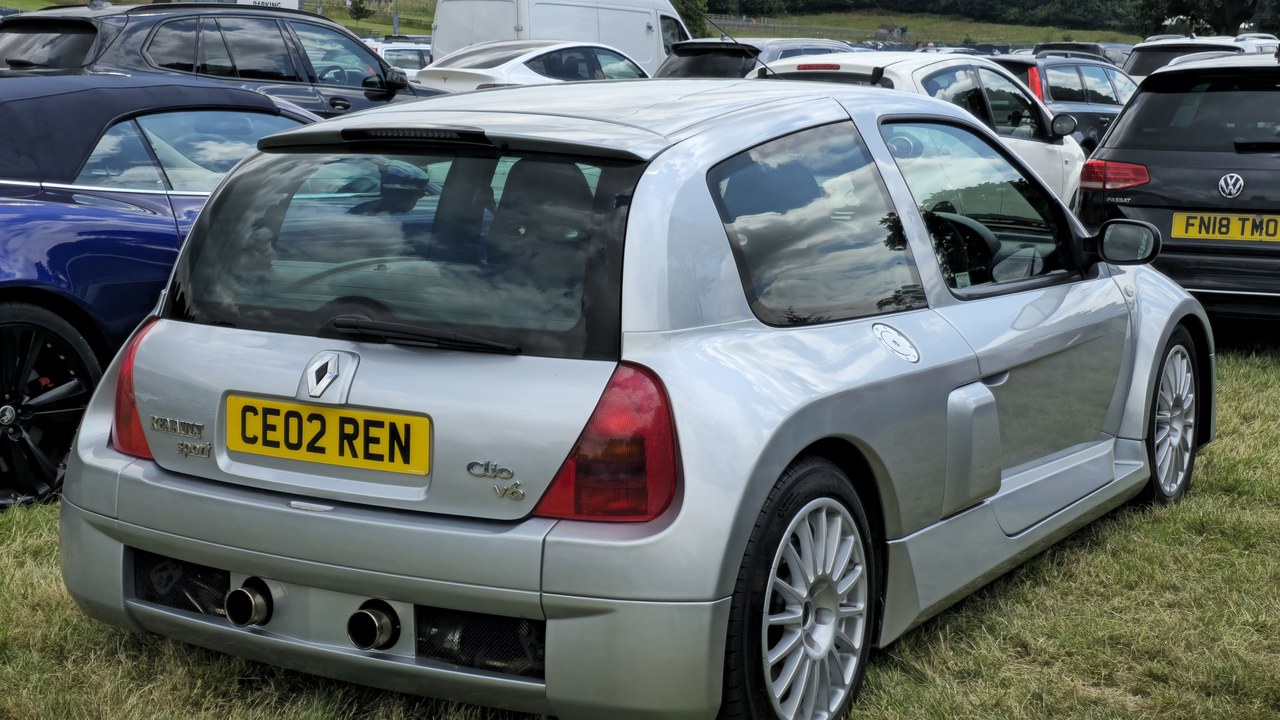
Renault took a humble hatchback, deleted the rear seats and dropped a V6 amidships, creating a wild machine never sold through American dealers. Wide-hipped and tail-happy, the mid-engine Clio turned an economy shape into a genuine, if tricky, driver’s car.
Its unusual layout and limited production have made the Clio V6 a cult collectible with steadily rising values. The same mid-engine design that thrills also bites, with a reputation for snap oversteer that rewards respect and punishes the careless behind the wheel.
10. Alfa Romeo 155: The Touring-Car Hero That Stayed Home
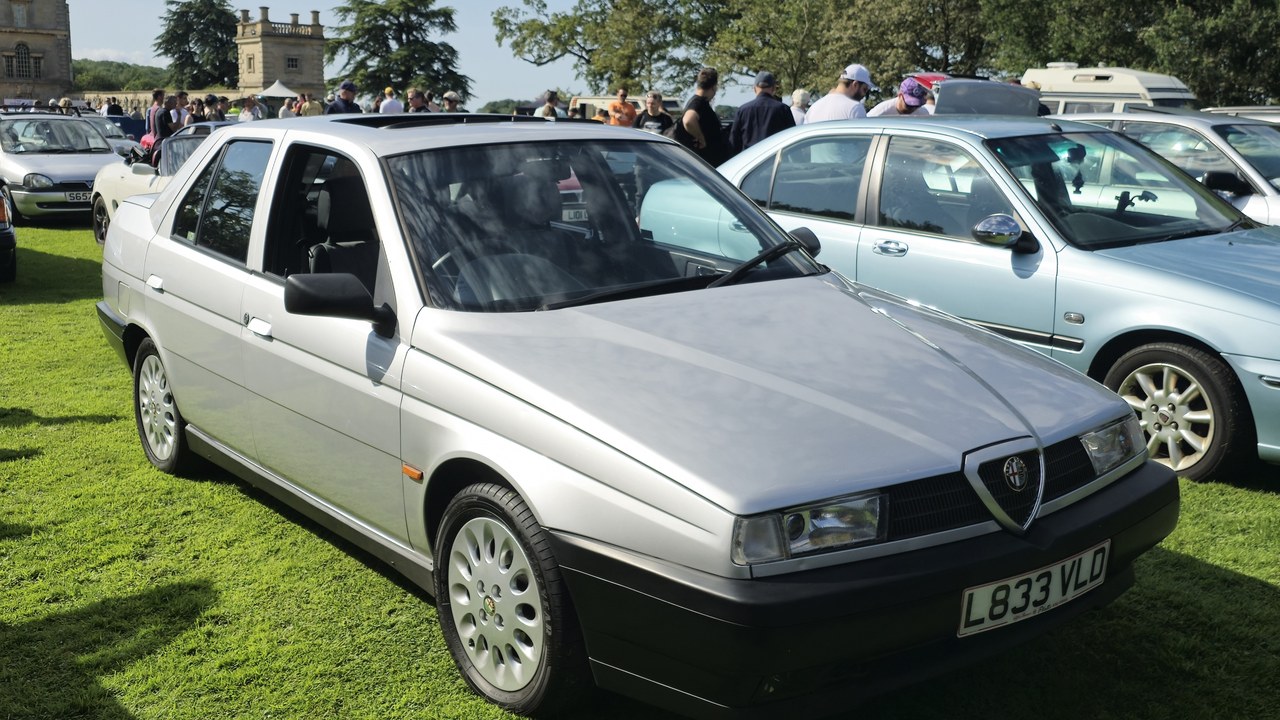
A touring-car hero across Europe, the 155 racked up championship success yet skipped the American market entirely during its production run. Its angular sedan styling and motorsport pedigree gave the Alfa Romeo 155 a following among fans who admired its DTM and touring-car exploits from afar.
Road-going versions now trickle in under the import exemption, though clean examples are uncommon and mechanical parts can prove hard to source. Buyers drawn to its racing story should weigh Alfa’s era-typical electrical quirks and rust tendencies before treating one as a practical classic.
More from Morning Overview
