
Automakers are trimming their lineups again as tastes keep shifting toward crossovers and electrification, and several familiar nameplates will not survive past the 2026 model year. Some are casualties of slowing sedan demand, while others fall to cost pressures, brand overhauls, or cooling interest in electric trucks and vans. These 10 vehicles are on their way out of American showrooms.
1. Chevrolet Malibu: GM's last midsize sedan ends its long run after 2026
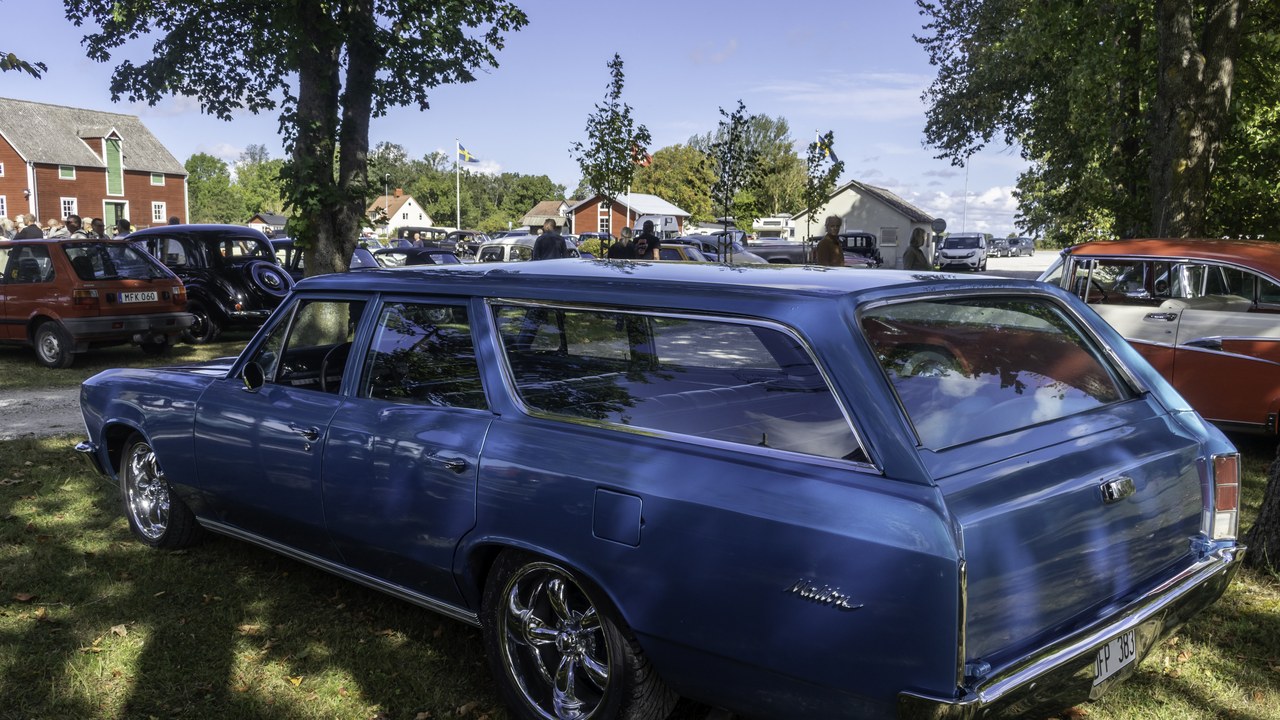
The Chevrolet Malibu has served as a dependable, affordable sedan for American families for more than two decades, offering roomy trunk space and low running costs long after many rivals had abandoned the segment for taller body styles. Its exit after the 2026 model year marks the end of General Motors’ last mainstream midsize sedan, closing a chapter tracing back to the late 1970s.
General Motors has confirmed no direct successor is planned, redirecting resources toward crossovers and electric models that better match current buyer habits. Shoppers curious about remaining trims, pricing, and specifications can review the current lineup at the Car and Driver Malibu page before dealer stock runs dry.
2. Dodge Hornet: Slow sales retire Dodge's compact crossover after just a few years
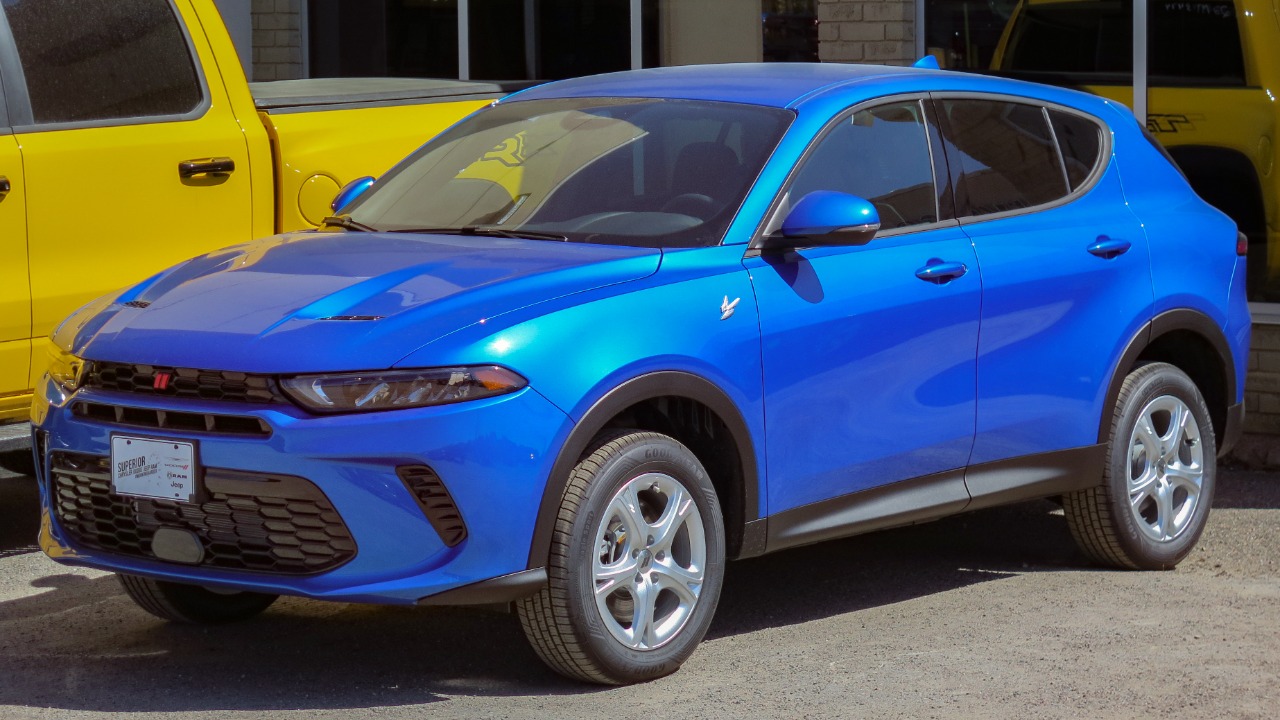
The Dodge Hornet arrived as Stellantis’ attempt to give the brand a foothold in the crowded compact crossover class, sharing bones with an Alfa Romeo sibling and offering a rare plug-in hybrid option under the Dodge badge. Weak showroom traffic and pricing that landed above many established competitors kept volume well below what the company had hoped for.
Rather than continue investing in a model that never found its audience, Dodge is shifting attention back toward its muscle-car identity and electrified performance plans. Full specifications and remaining inventory details for the outgoing crossover are available at the Car and Driver Hornet page for anyone still shopping one.
3. Acura TLX: Honda's luxury sedan bows out as the brand goes SUV-heavy
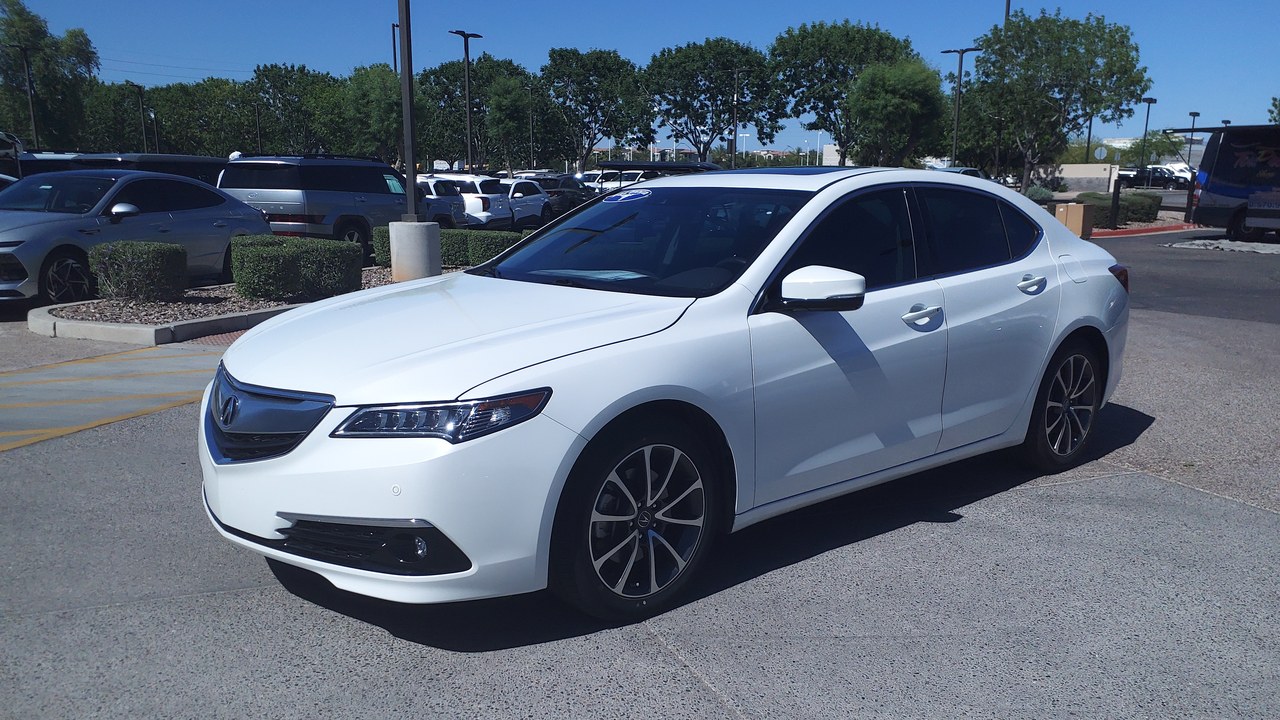
The Acura TLX has long represented the sporty end of Honda’s luxury division, pairing sharp handling with a roomy cabin that undercut German rivals on price. As Acura leans further into crossovers like the MDX and RDX, demand for its sport sedan has steadily thinned, leaving the TLX without a clear place in the brand’s shrinking sedan lineup.
Its discontinuation leaves Acura with a smaller lineup of traditional sedans as the brand chases the same crossover-first strategy shaping the rest of the industry. Buyers wanting a last look at trims and pricing can browse the Car and Driver TLX page before remaining units sell through.
4. Cadillac XT6: The three-row Cadillac crossover is dropped for 2026
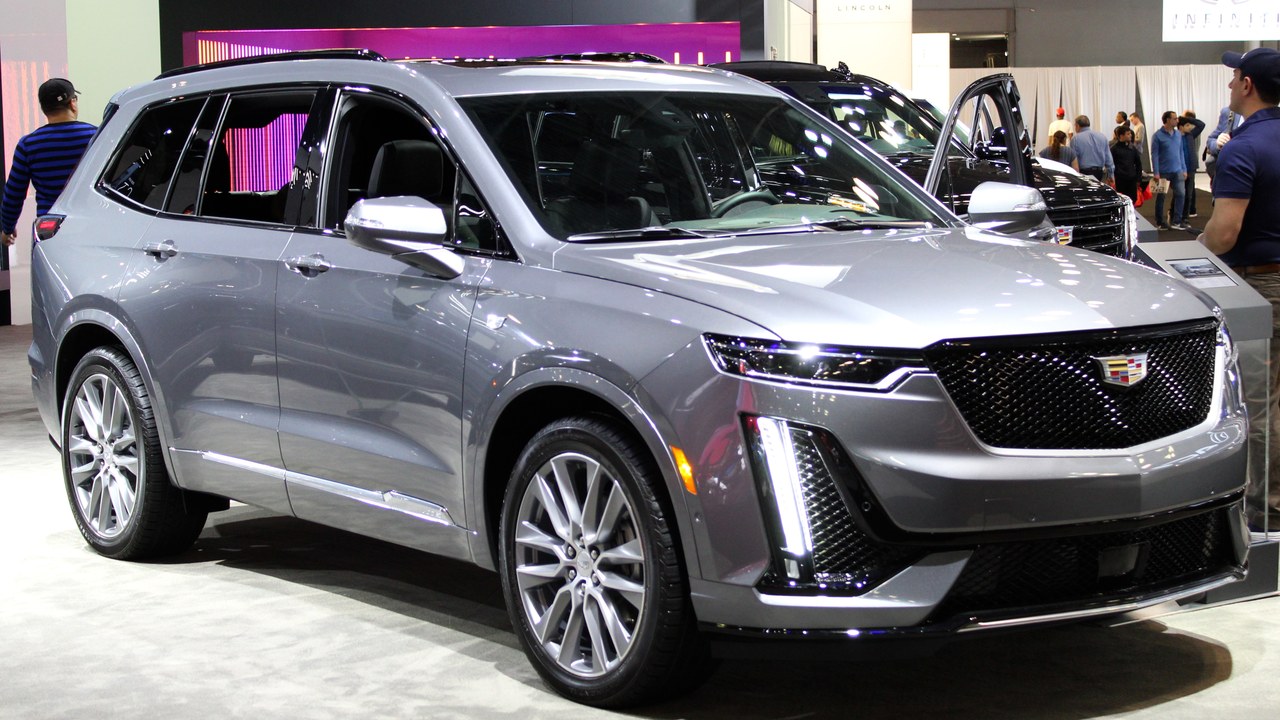
The Cadillac XT6 filled the three-row gap between the smaller XT5 and the full-size Escalade, giving family buyers a plush option with modest off-road pretensions and a quiet, well-trimmed cabin. It never matched the sales momentum of Cadillac’s other crossovers, and overlapping too closely with siblings made its lineup position increasingly hard to justify internally.
Cadillac is instead concentrating resources on its electric lineup and the larger Escalade family, leaving three-row shoppers to look elsewhere within the brand. Anyone weighing a final purchase can review trims, cargo specs, and pricing at the Car and Driver XT6 page while supplies remain.
5. Ford F-150 Lightning: Ford pauses its electric pickup amid soft EV demand
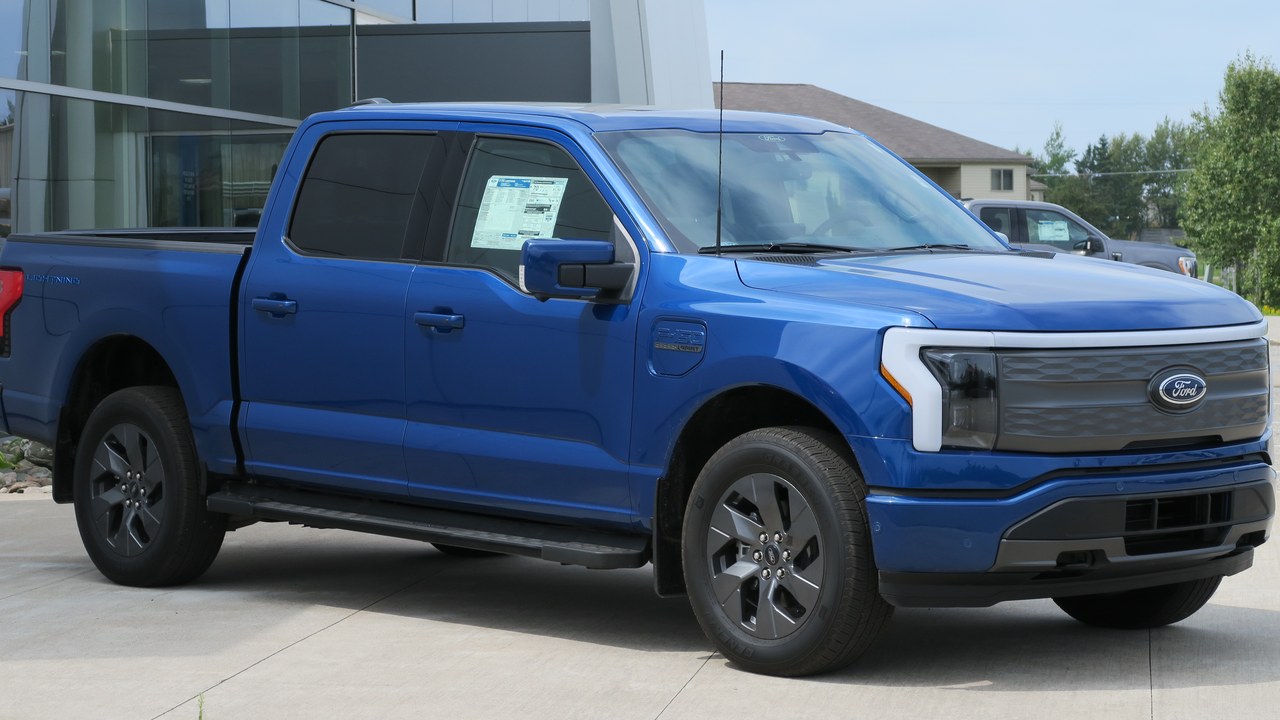
The Ford F-150 Lightning launched to enormous fanfare as the first mainstream electric version of America’s best-selling truck, promising instant torque and generous towing capability alongside familiar F-150 practicality. Cooling EV demand nationwide and steep battery costs have since made the math difficult, and Ford has scaled back production repeatedly over the past two years.
Rather than continue an unprofitable run, Ford is pausing the Lightning to retool its electric-truck strategy for a future model. Buyers wanting current specifications, range figures, and configuration details can consult the Car and Driver F-150 Lightning page before remaining trucks are gone.
6. Jaguar F-Pace: Jaguar kills its best-selling SUV as it reinvents the brand
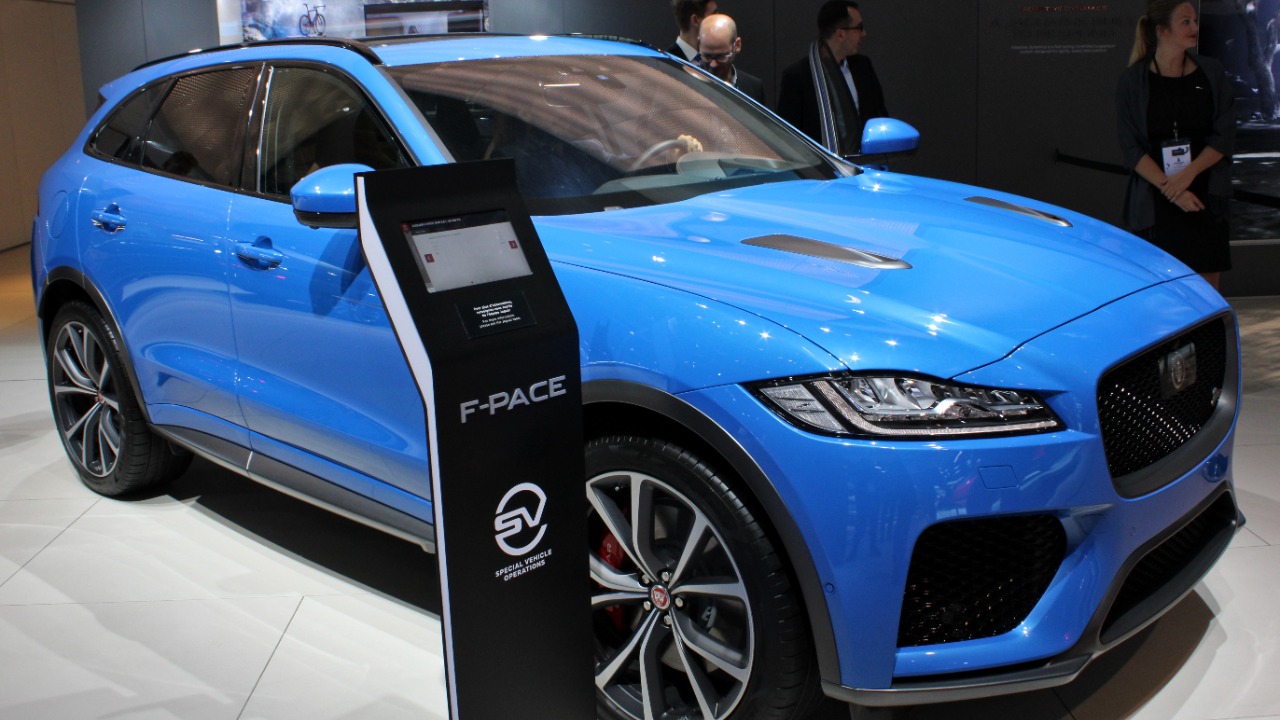
The Jaguar F-Pace has been the British brand’s sales backbone for nearly a decade, combining sharp styling with genuine driving dynamics that set it apart from softer luxury crossover rivals. Its discontinuation comes as Jaguar undergoes a dramatic, all-electric reinvention that drops its traditional lineup entirely in favor of a smaller range of ultra-luxury EVs.
The change means Jaguar will temporarily step away from the mainstream SUV segment it helped popularize, betting instead on a radically different, higher-priced identity. Shoppers wanting a look at the outgoing model’s specs and trims can visit the Car and Driver F-Pace page before it disappears from dealer lots.
7. Nissan Versa: America's cheapest new sedan disappears after 2026
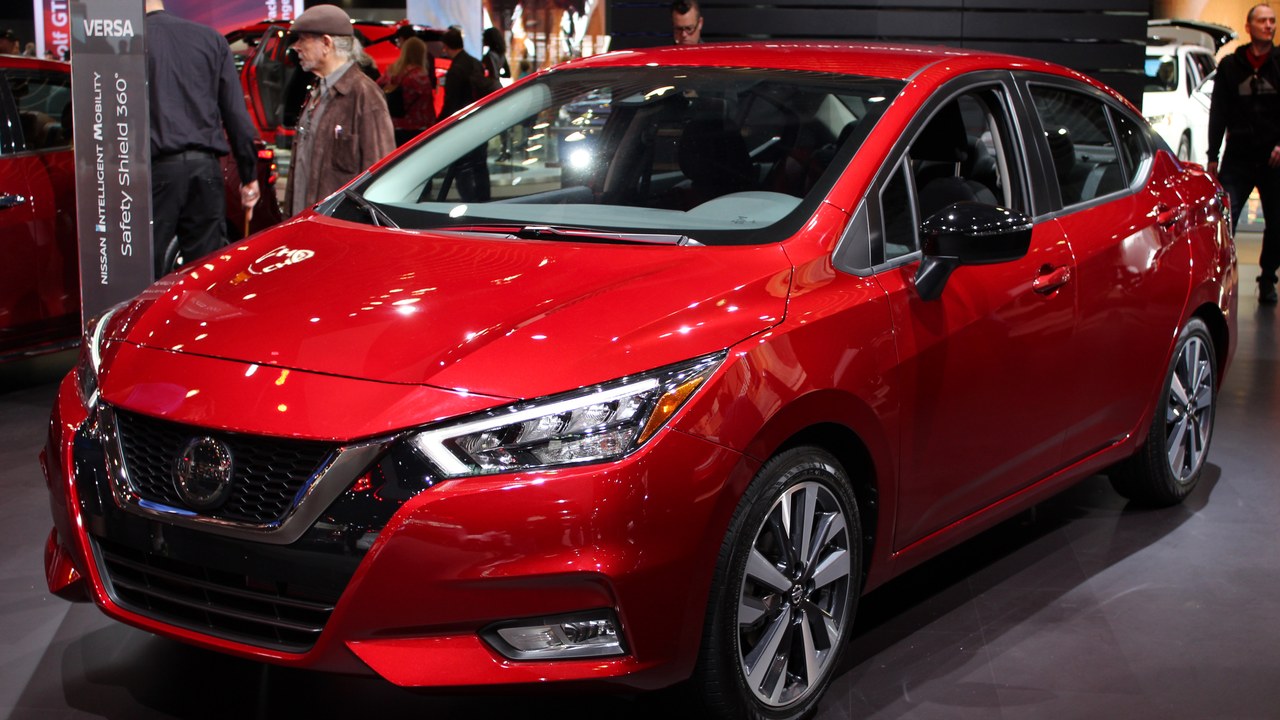
The Nissan Versa has carried the torch as the least expensive new car sold in the United States for years, giving budget-conscious buyers a reliable, no-frills way into a brand-new vehicle. Shrinking demand for small sedans, combined with tightening safety and emissions requirements that raise costs disproportionately on cheap cars, has pushed Nissan to end the model.
Its exit leaves a noticeable gap at the bottom of the new-car market, with few automakers willing to build a similarly priced replacement. Buyers hoping to grab one of the last units can check remaining inventory and pricing at the Car and Driver Versa page soon.
8. Subaru Legacy: Subaru retires its long-running midsize sedan
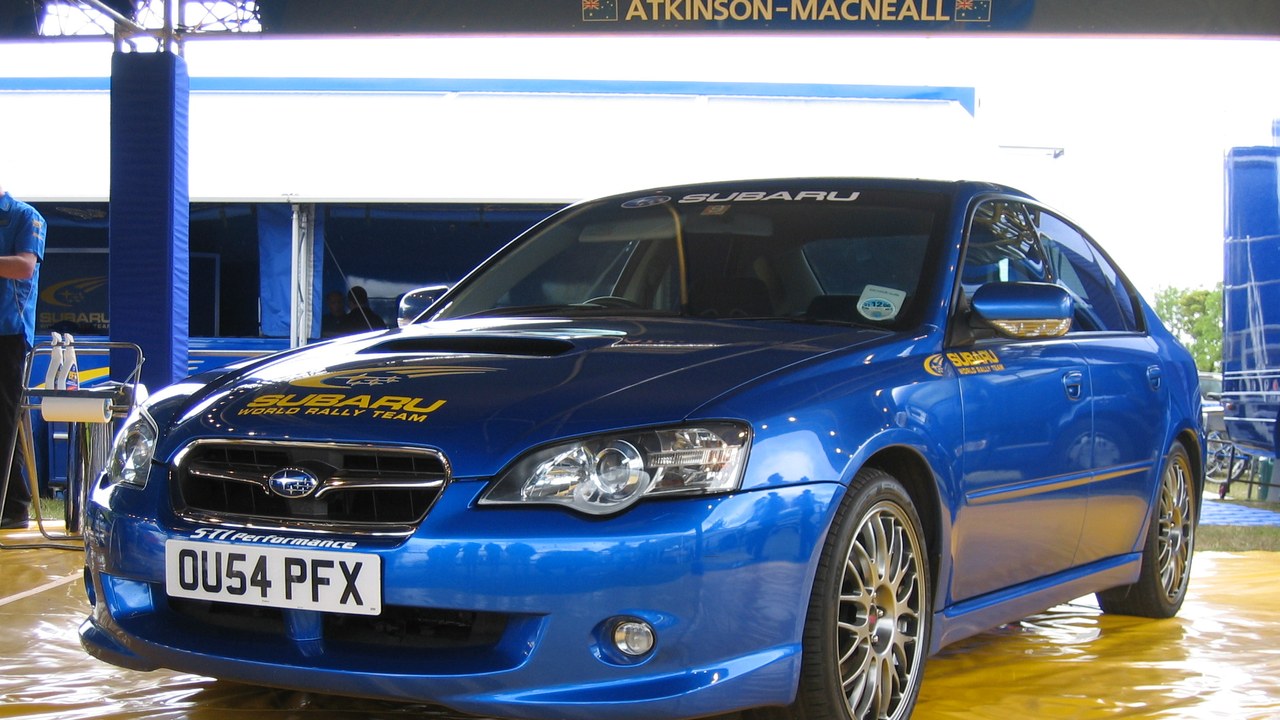
The Subaru Legacy has quietly built a loyal following over more than three decades, prized for standard all-wheel drive and a reputation for going the distance in tough weather that few midsize sedans could match. As crossover demand keeps climbing across the Subaru lineup, the Legacy’s sales have slipped to a point where the brand no longer sees a business case for it.
Its discontinuation shrinks Subaru’s sedan offerings down to essentially just the Impreza, mirroring the broader industry retreat from traditional four-doors. Buyers wanting to review trims and specifications before the model disappears can visit the Car and Driver Legacy page.
9. Tesla Model S: Tesla winds down the sedan that redefined the EV
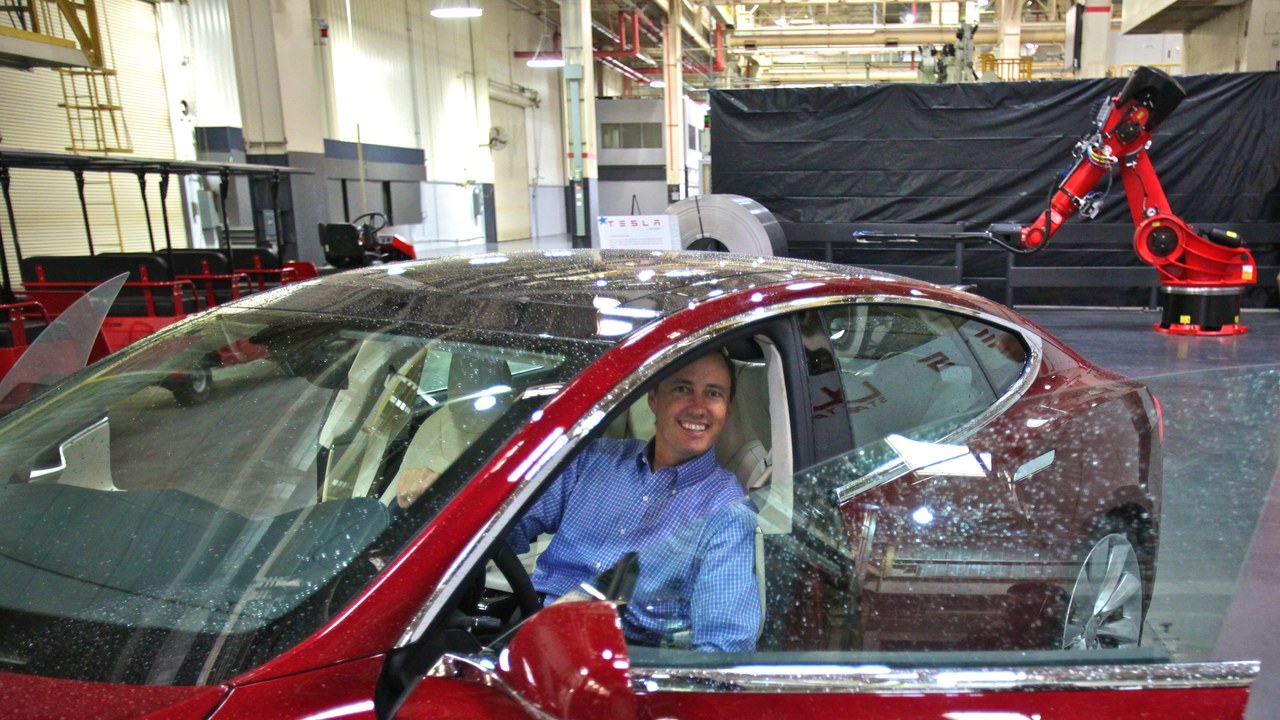
The Tesla Model S single-handedly proved that electric cars could be fast, desirable, and practical all at once when it launched in 2012, setting range and performance benchmarks that rivals spent years chasing. Aging architecture and Tesla’s growing focus on higher-volume models and robotaxi ambitions have left the flagship sedan increasingly overlooked within its own lineup.
Winding it down allows Tesla to concentrate engineering and manufacturing capacity on vehicles that sell in far greater numbers. Buyers wanting current range, pricing, and trim details can review the official specifications at the EPA fuel economy listing for the 2026 Model S before it’s gone.
10. Volkswagen ID.Buzz: VW's retro electric van is cut from the US lineup
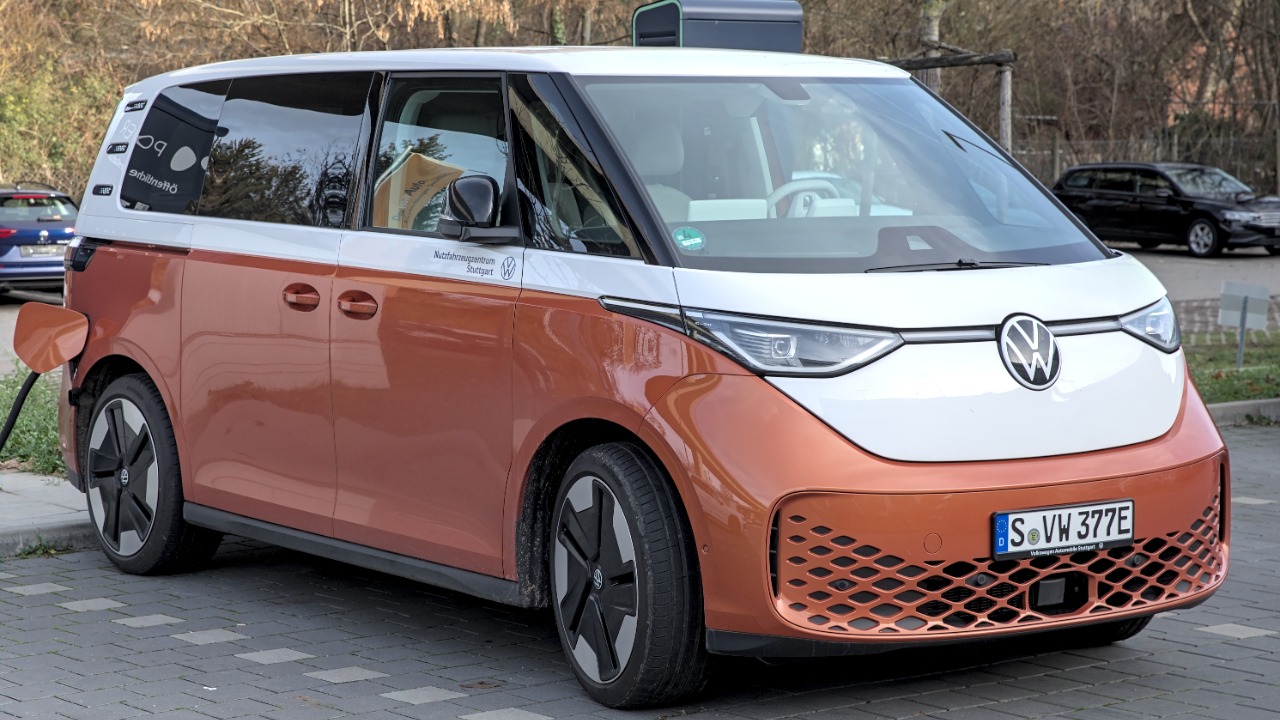
The Volkswagen ID.Buzz revived the beloved Microbus silhouette in electric form, drawing crowds at auto shows and plenty of nostalgic goodwill from buyers who remembered the original van fondly. Despite the enthusiasm, sales in the United States have trailed far behind Volkswagen’s projections, hampered by a high sticker price and a limited electric charging network in many regions.
Volkswagen is pulling the model from the American market while keeping it available in Europe, where charging infrastructure and demand better support its price point. Readers wanting the full history and specifications of the outgoing van can consult its Wikipedia entry for reference.
More from Morning Overview
