
China’s Chang’e-6 mission returned the first rocks ever collected from the far side of the Moon, and researchers have spent the time since studying what they contain. The material came from the South Pole-Aitken basin, a vast impact scar that may help explain why the Moon’s two faces differ. These slides follow the story from launch to what the rocks reveal.
Read next on Morning Overview: Up to 5 feet of snow is burying Donner Pass, and forecasters warn against Sierra travel
Chang’e-6 mission: The First Far-Side Haul
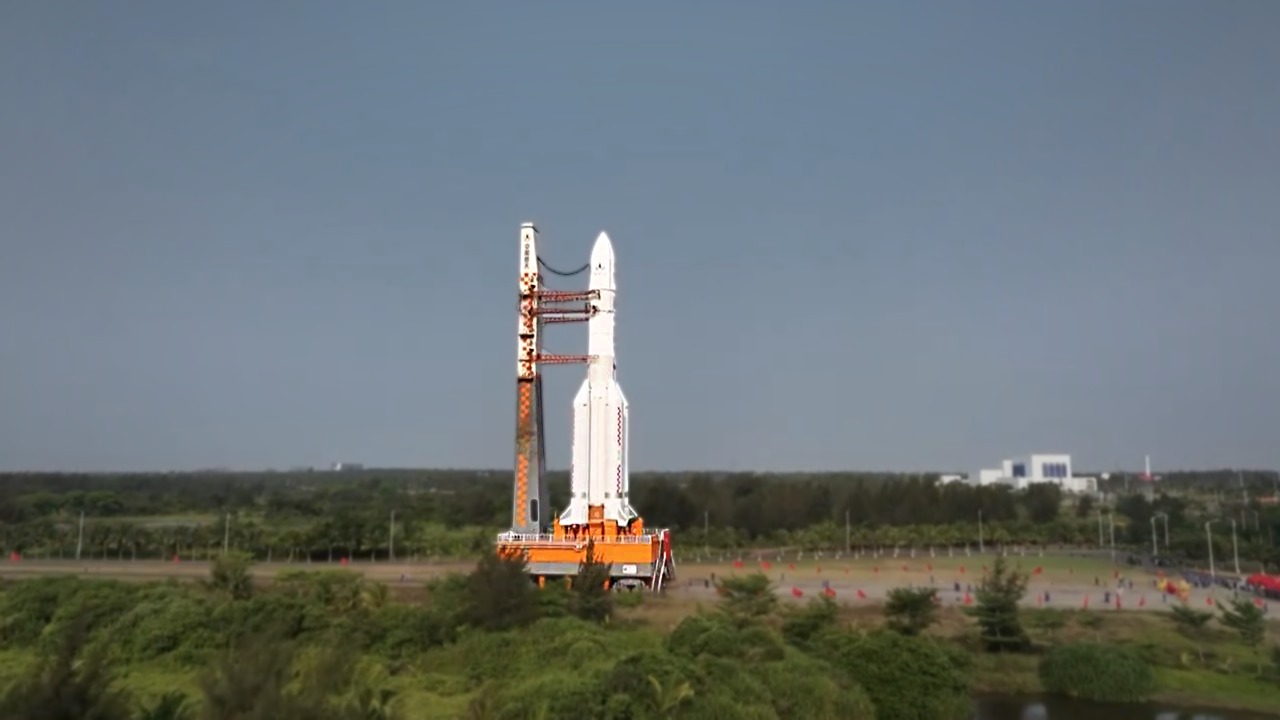
Chang’e-6 launched on May 3, 2024, and brought back 1,935.3 grams of material from the far side of the Moon. The samples reached Earth on June 25, 2024, and they were the first ever returned from that hemisphere. In a Chinese Academy of Sciences report, the Chinese Academy of Sciences described how the mission changed a long-running puzzle about why the Moon’s two faces look so different.
Before this mission, scientists had many samples from the near side, including those brought back by the Apollo missions, the Soviet Luna missions and China’s own Chang’e-5. They had nothing from the far side against which to test their theories. Over the following year, research teams led by Chinese Academy of Sciences institutes, working with Nanjing University and others, published four landmark results from the material.
South Pole-Aitken basin: Where the Rocks Came From
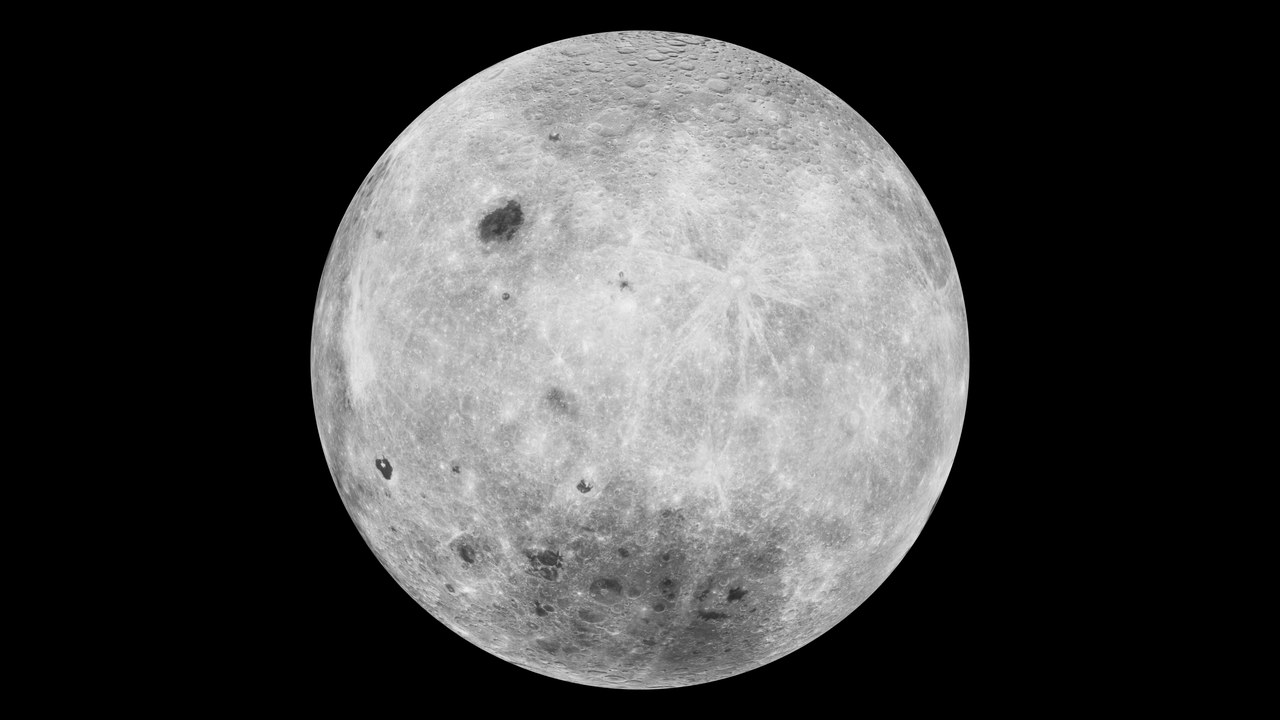
The samples came from the South Pole-Aitken basin, the Moon’s largest, deepest and oldest known impact structure, which measures 2,500 kilometers across. Researchers describe it in a ScienceDaily summary of the Chang’e-6 findings as a colossal crater that held clues to volcanic activity, a fluctuating magnetic field and an unexpectedly dry mantle.
Earlier studies had indicated that the basin formed in an impact about 4.25 billion years ago, releasing more energy than a trillion atomic bombs. What that impact did to the Moon’s geology and thermal history was, until recently, described as one of planetary science’s greatest unsolved questions. The image shows the whole far-side hemisphere, with the basin lying within it.
Far side of the Moon: The Face No One Sees From Earth
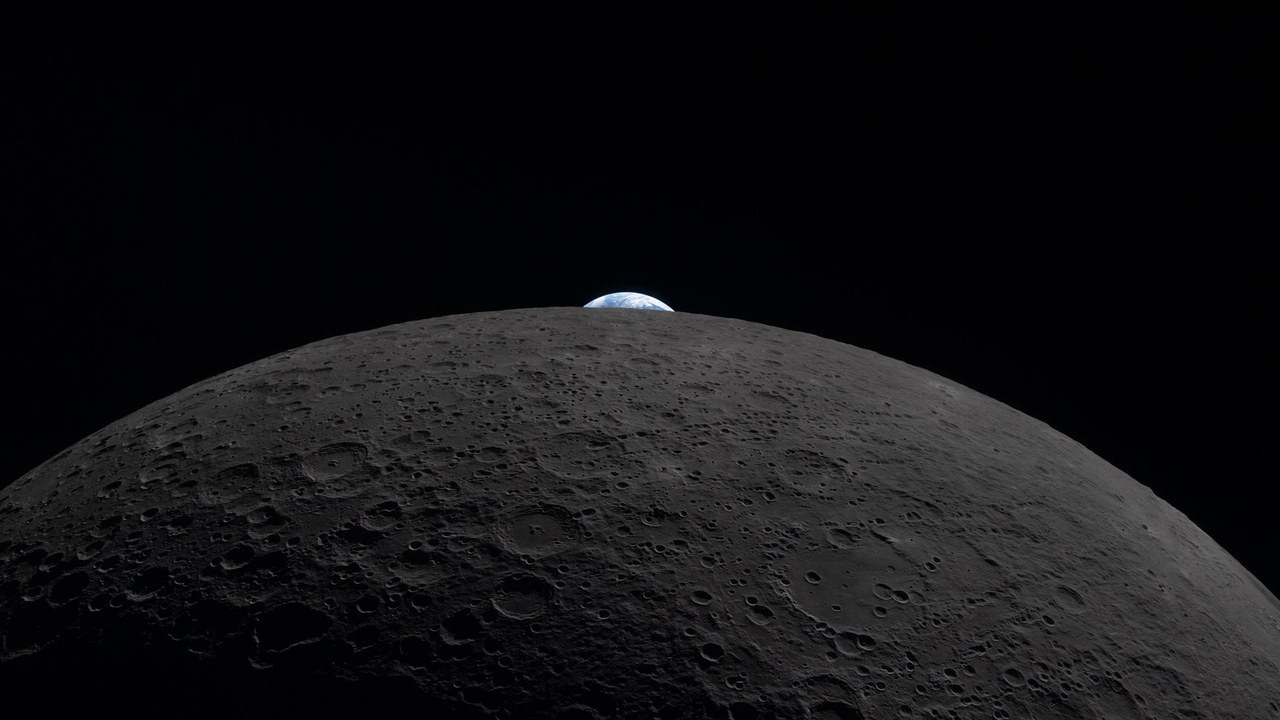
The near side is the only side visible from Earth, with dark maria, vast lava plains that fill lowland impact basins, and give the familiar pattern of the man in the moon. The far side is different. As Space.com’s explainer explains, it has barely any maria and is covered by craggy, cratered and ancient highlands.
The differences go beyond appearance. The same report notes that the crust is thinner on the near side, that volcanic activity appears to have occurred at different times on the two hemispheres, and that the mantle beneath the far side seems heavily depleted in certain elements. The far side can only be seen by orbiting spacecraft, which is why samples from it carried so much weight.
Lunar maria: The Dark Plains of the Near Side
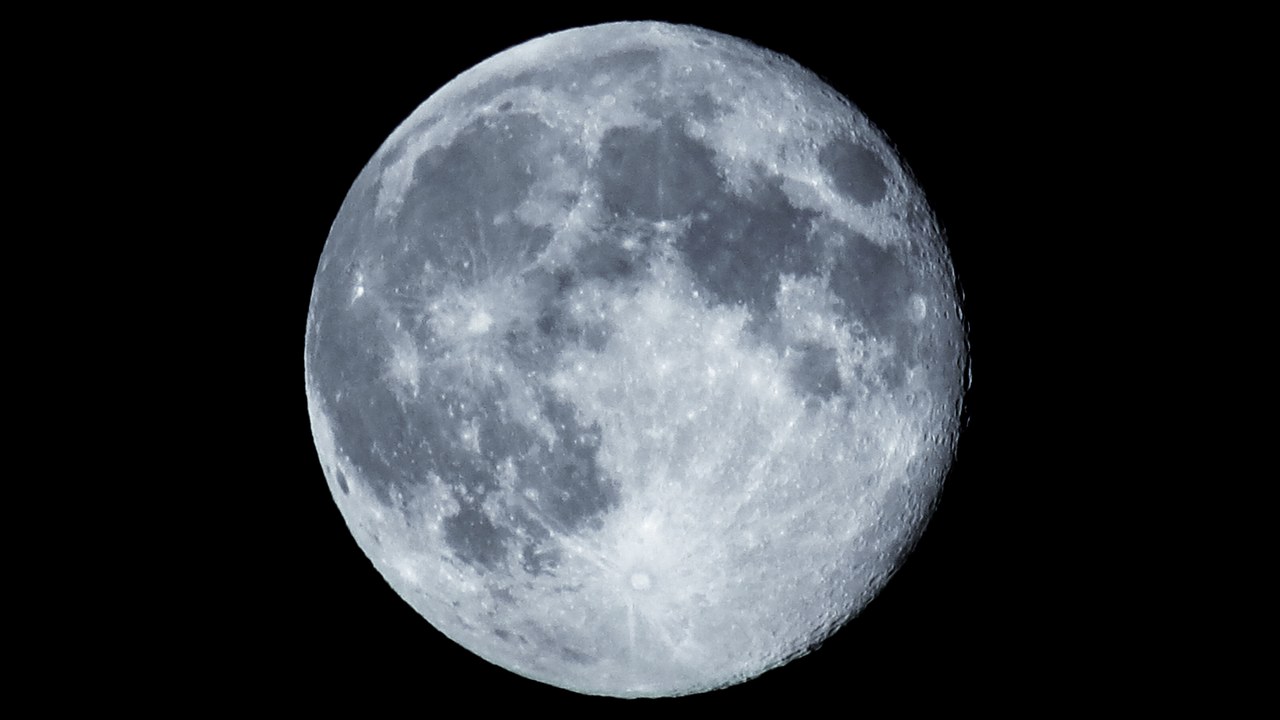
The dark patches visible on the Moon’s near side are the maria, lava plains that fill lowland impact basins. They sit where the crust is thinner, and Space.com’s coverage reports that the thickness of the Moon’s crust is thinner on the near side than on the far side.
That contrast helps explain why the two faces look so unlike each other. The far side has barely any maria, while the near side shows the broad dark pattern familiar from Earth. The Chang’e-6 samples gave researchers a first direct way to test ideas about this dichotomy, since earlier collections, including the Apollo samples, all came from the near side.
Ancient volcanic rock: Two Waves of Lava
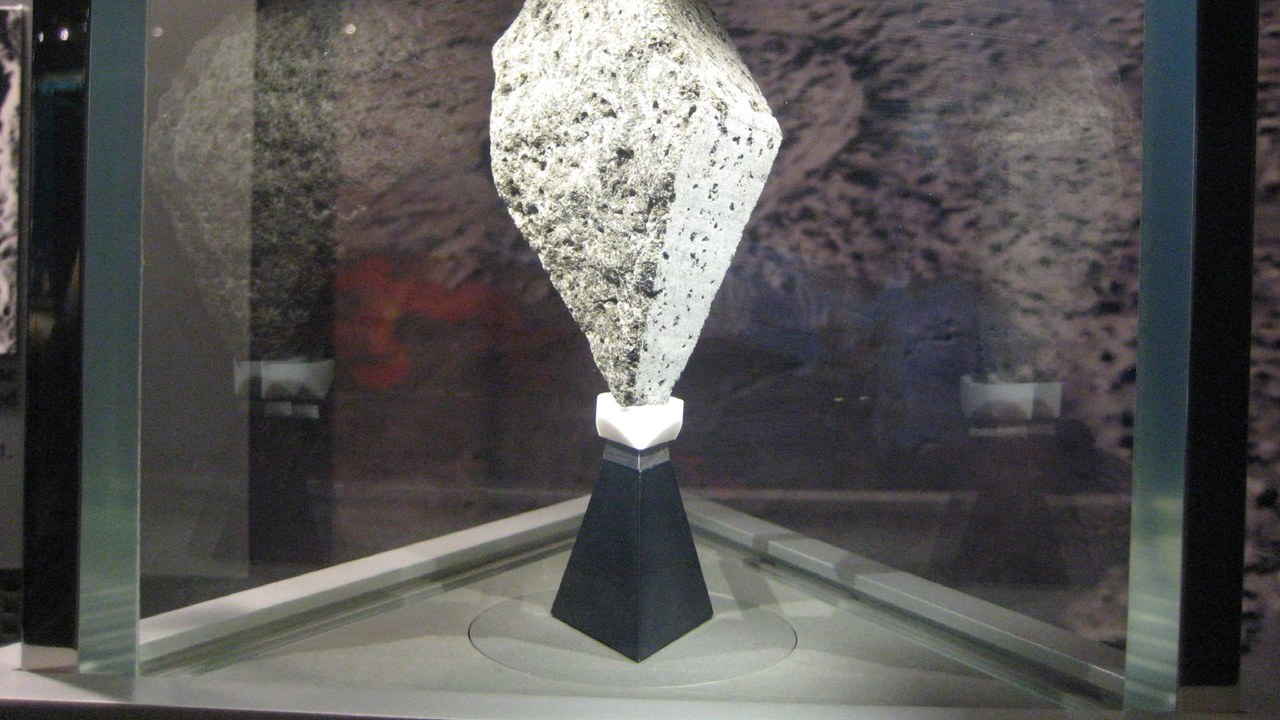
Analysis of the Chang’e-6 samples identified two distinct volcanic phases on the lunar far side, one 4.2 billion years ago and another 2.8 billion years ago. According to ScienceDaily’s report, that indicates volcanic activity persisted for at least 1.4 billion years, far longer than previously thought.
The picture shows an Apollo 15 basalt from the near side, shown here only as an example of lunar volcanic rock. Researchers told Space.com that the older basalt is high in aluminum and appears tied to the formation of the basin, while the younger rock came from the deep mantle. The younger basalt was linked by the Guangzhou Institute of Geochemistry to a highly depleted mantle source.
Drier lunar mantle: A Surprisingly Dry Interior
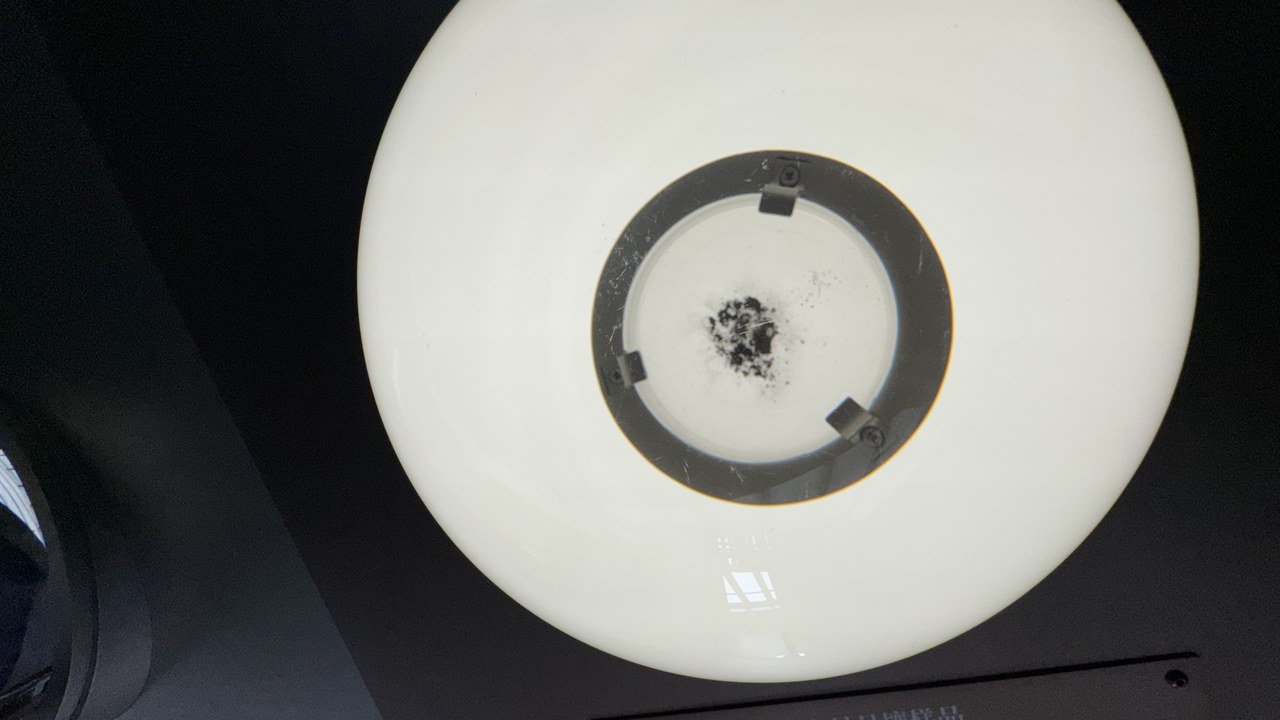
The far-side mantle was found to have significantly lower water content than the nearside mantle. Reporting on the work, the Academy’s account said this indicates that volatile elements are unevenly distributed within the lunar interior, adding another aspect to the Moon’s asymmetry.
The amounts involved are tiny, measured in parts per million. Space.com noted that Apollo samples were already considered bone dry, and that the far-side mantle appears even drier than that. The photo shows a Chang’e-6 lunar soil sample on display at Expo 2025, a reminder that these conclusions rest on a small quantity of rock and dust that was carried back to Earth.
Moon’s magnetic field: A Magnetic Field That Came Back
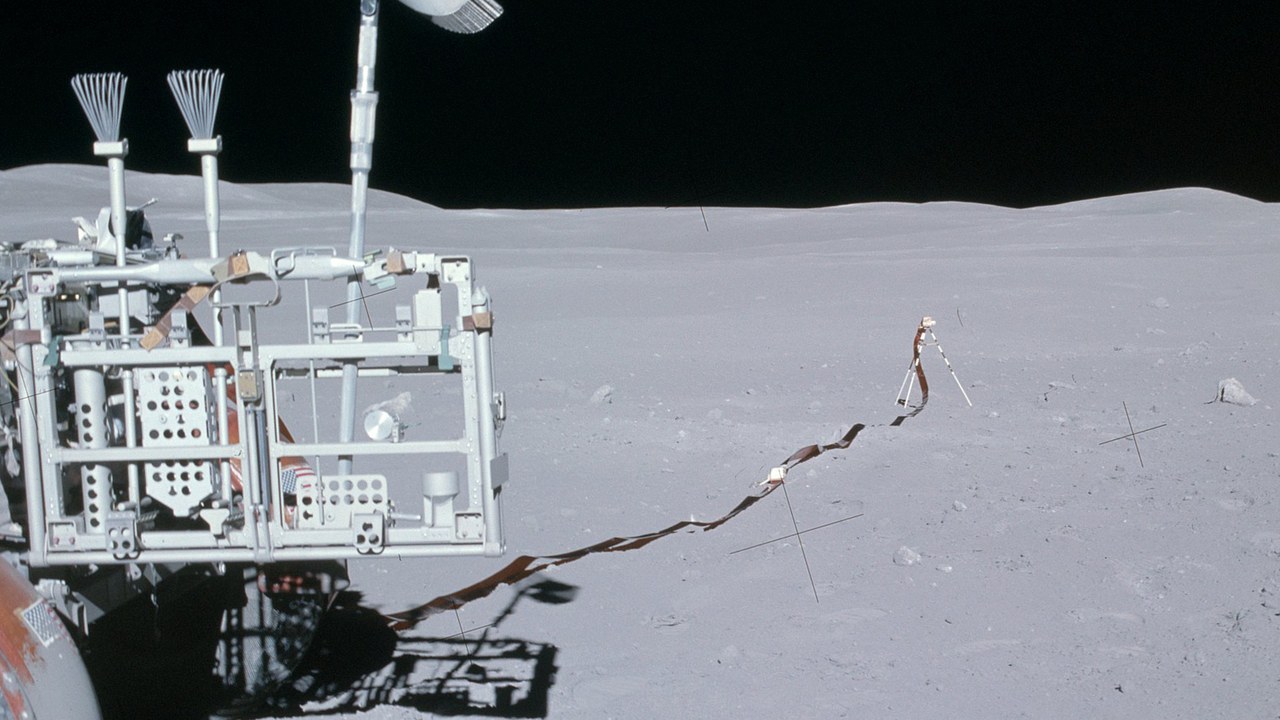
Measurements of paleomagnetic intensities in basalt clasts from the samples revealed a rebound in the Moon’s magnetic field 2.8 billion years ago. As ScienceDaily’s summary explains, this suggests that the lunar dynamo, which generates the field, fluctuated episodically rather than fading steadily.
The Moon today has no global magnetic field, and traces of magnetism remain only in a handful of anomalous patches. The photo shows a portable magnetometer deployed by Apollo 16 astronauts on the lunar surface. The Chang’e-6 result adds a record from the far side that had not been available before.
Giant impact scar: Dating the Giant Impact
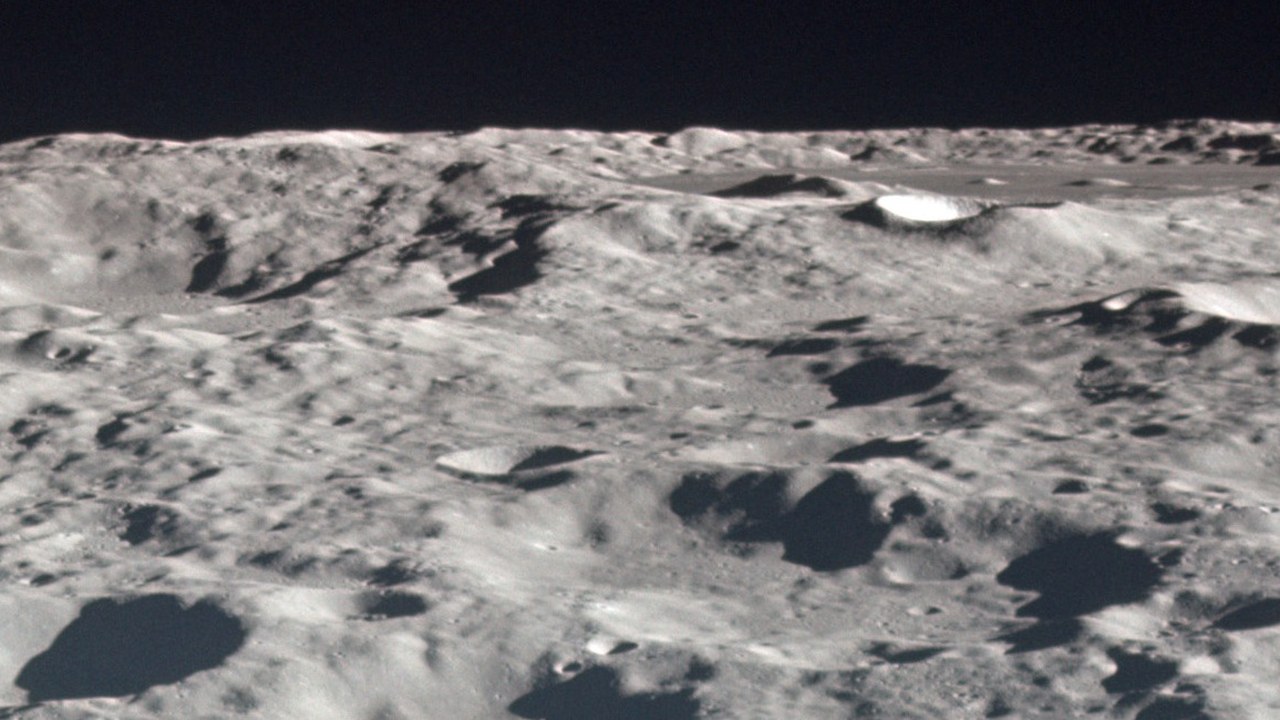
The Chinese Academy of Sciences’ Institute of Geology and Geophysics dated the South Pole-Aitken impact to 4.25 billion years ago. According to the institute’s dating work, that gives a critical reference point for studying early Solar System impacts and for judging the effect of the collision on lunar geology.
Prof. Wu Fuyuan of the institute said the profound geological consequences of the impact are, for the first time, revealed collectively in four Nature papers. The picture is an Apollo-era view of a far-side landscape near Aitken crater. Researchers say more samples from outside the basin are needed to learn whether the depleted mantle is local or widespread.
More from Morning Overview
- Older Teslas mostly keep their batteries, and here’s what wears out instead
- A hunting-trip Piper spiraled down from the sky before a deadly crash in Iowa
- A 2,000-year-old nomad tomb in Mongolia held a glass cup that may have traveled from Rome
- Jeep’s new Recon sold just 19 units in 45 days, the fewest of any model on CarEdge’s worst-sellers list
