
NASA’s Europa Clipper is about to fly past Earth on its way to Jupiter, a brief return that fits into one of the longest journeys the agency has planned. The story runs from the spacecraft and its launch through the gravity assists that bend its path. It then follows the trip to Jupiter’s ocean moon and the earlier missions that made it possible.
Read next on Morning Overview: USS Michael Murphy is finally home after a grueling 346-day deployment
Europa Clipper: The Spacecraft Coming Home
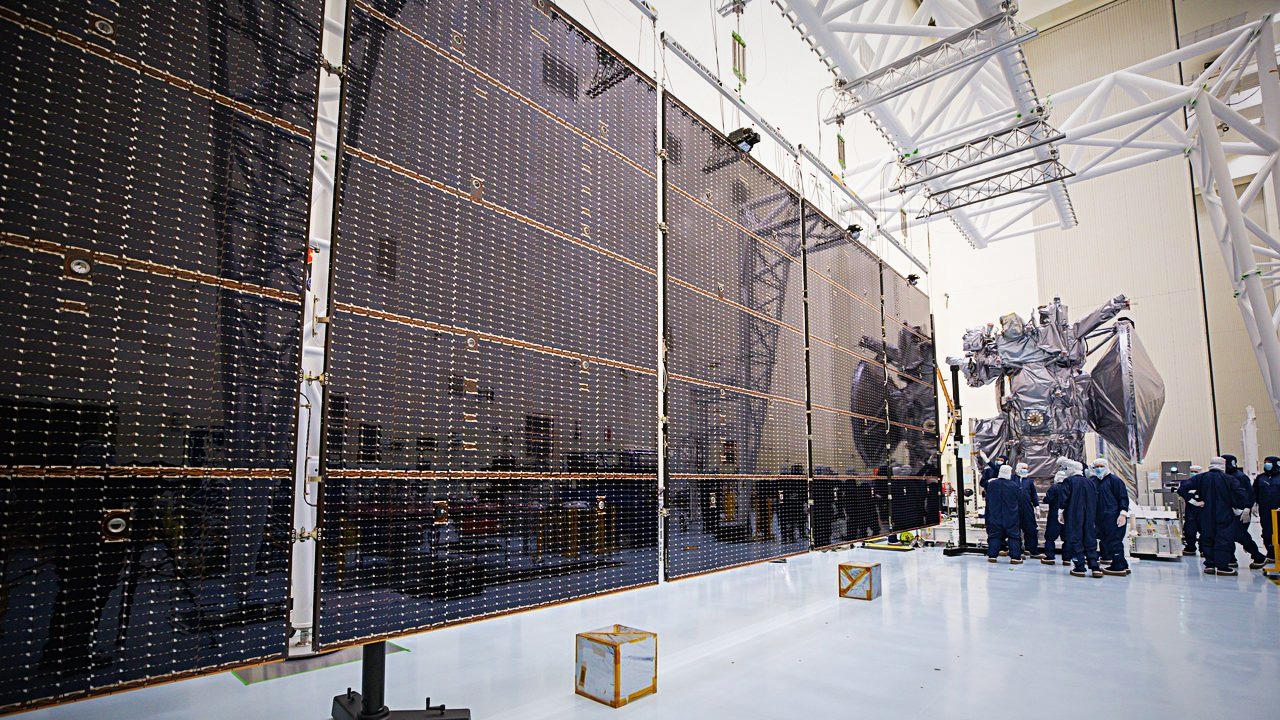
Europa Clipper, launched in October 2024, is about to pass close to its home planet again. NASA’s flyby announcement says the probe, which weighs roughly 6,000 kilograms, may be spotted by relatively large hobby telescopes in southern Europe and Africa during its December 3 approach. Wikipedia describes it as the largest interplanetary spacecraft NASA has ever launched.
Its solar arrays span about 30.5 meters, roughly the width of a basketball court, and the body stands about 5 meters tall. That size is needed for the job ahead, a long cruise to Jupiter followed by a detailed survey of the icy moon Europa to learn whether conditions beneath the ice could support life.
Earth: A Close Pass at Home

Closest approach is expected at 3:14 p.m. EST on December 3, west of Africa, at a distance of about 1,950 to 2,133 miles (3,140 to 3,450 kilometers), according to the JPL flyby notice. The pass is the spacecraft’s second gravity assist, a maneuver that borrows energy from a planet to reshape a trajectory.
NASA’s mission timeline calls it a brief homecoming, one that, together with the earlier Mars flyby, gives the spacecraft enough energy to reach Jupiter. The December 3 pass takes the probe about 2,000 miles (3,200 kilometers) from Earth, far above the atmosphere but close enough that backyard observers with large telescopes may catch it.
Falcon Heavy: The Rocket That Started the Trip
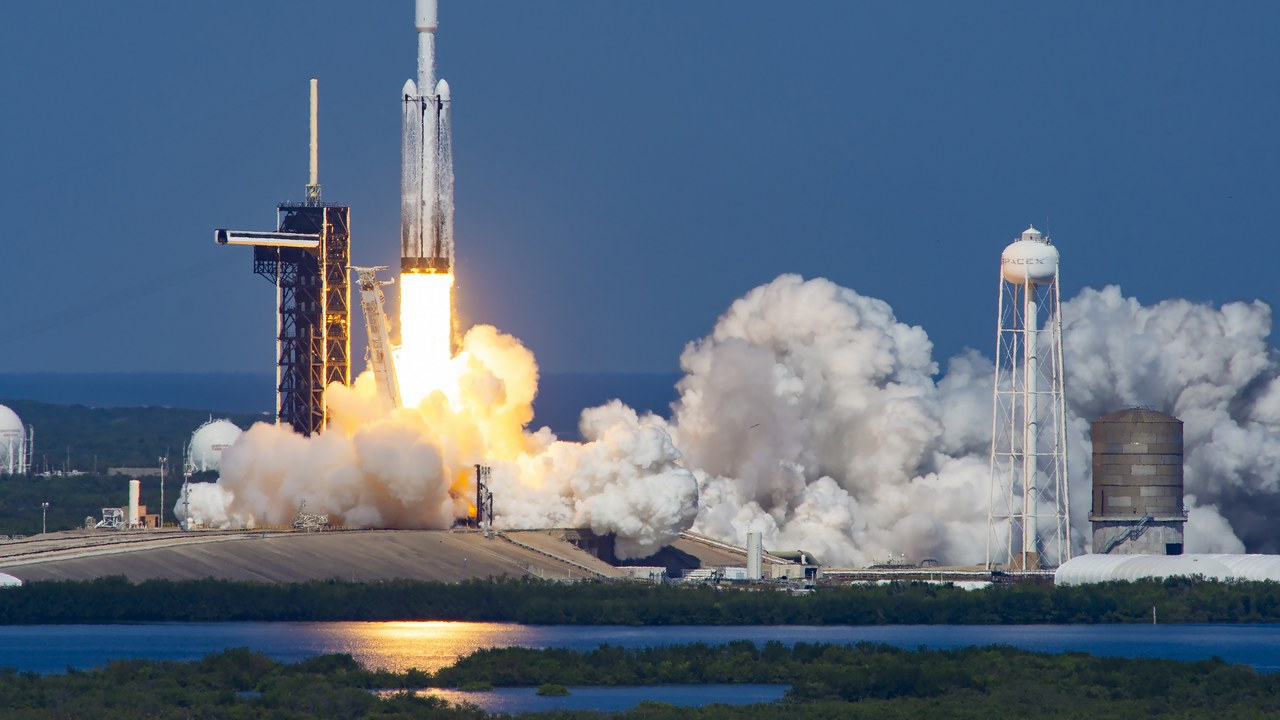
Europa Clipper left Earth on a SpaceX Falcon Heavy rocket on October 14, 2024, as the NASA mission timeline records. Liftoff came at 12:06 p.m. EDT, with the spacecraft integrated inside the rocket’s fairing, or nose cone, after assembly and testing at Kennedy Space Center during the summer of 2024.
Wikipedia notes that the boosters and first stage were both expended because of the spacecraft’s mass and trajectory, so none of them were recovered. The Falcon Heavy gave the probe the push it needed to leave Earth orbit, and gravity assists at Mars and Earth supply the rest of the energy for Jupiter.
Launch Complex 39A: Where It Lifted Off
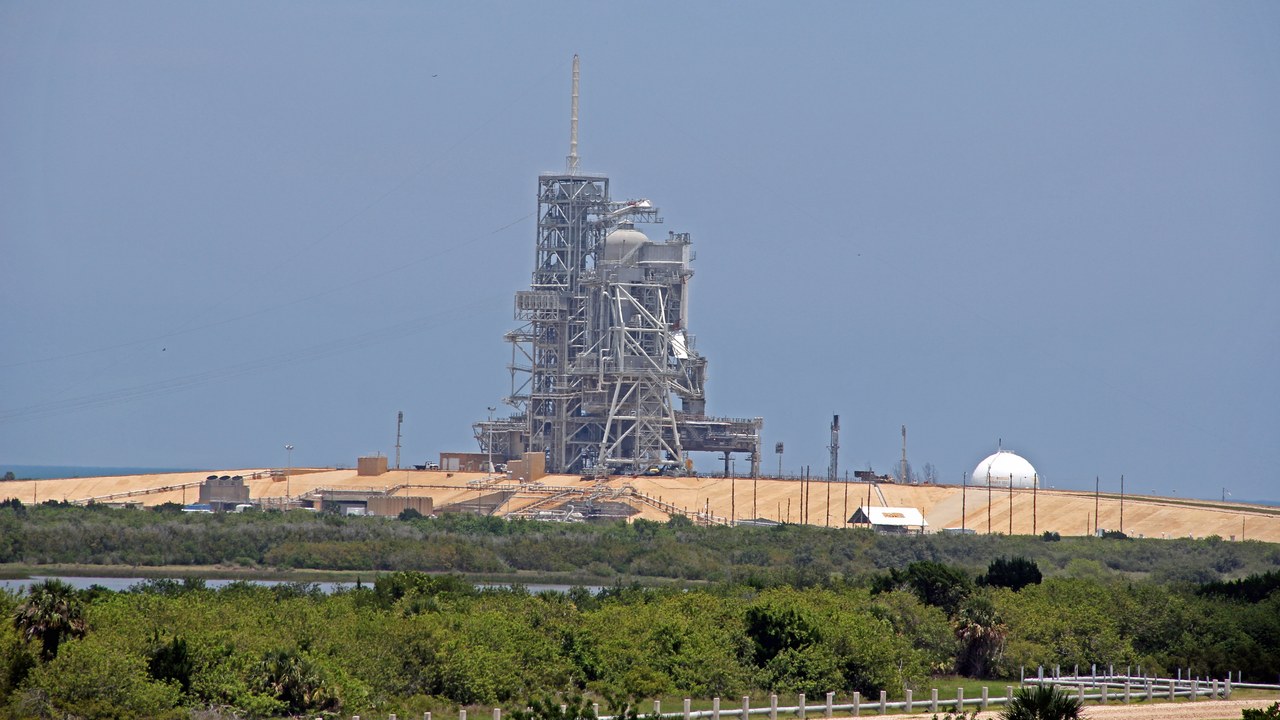
The launch took place from Launch Complex 39A at NASA’s Kennedy Space Center in Florida, the pad from which Europa Clipper lifted off at 12:06 p.m. EDT on October 14, 2024. Wikipedia lists the launch site as Kennedy’s LC-39A and the launch vehicle as a Falcon Heavy Block 5 built by SpaceX.
Kennedy was also the last stop on the ground. The spacecraft traveled there from California in spring 2024, and technicians unloaded it from a transport aircraft on May 23. In June, the team installed its high-gain antenna, a dish nearly 10 feet (3 meters) wide, before the probe was joined to the rocket.
Mars: The First Gravity Assist
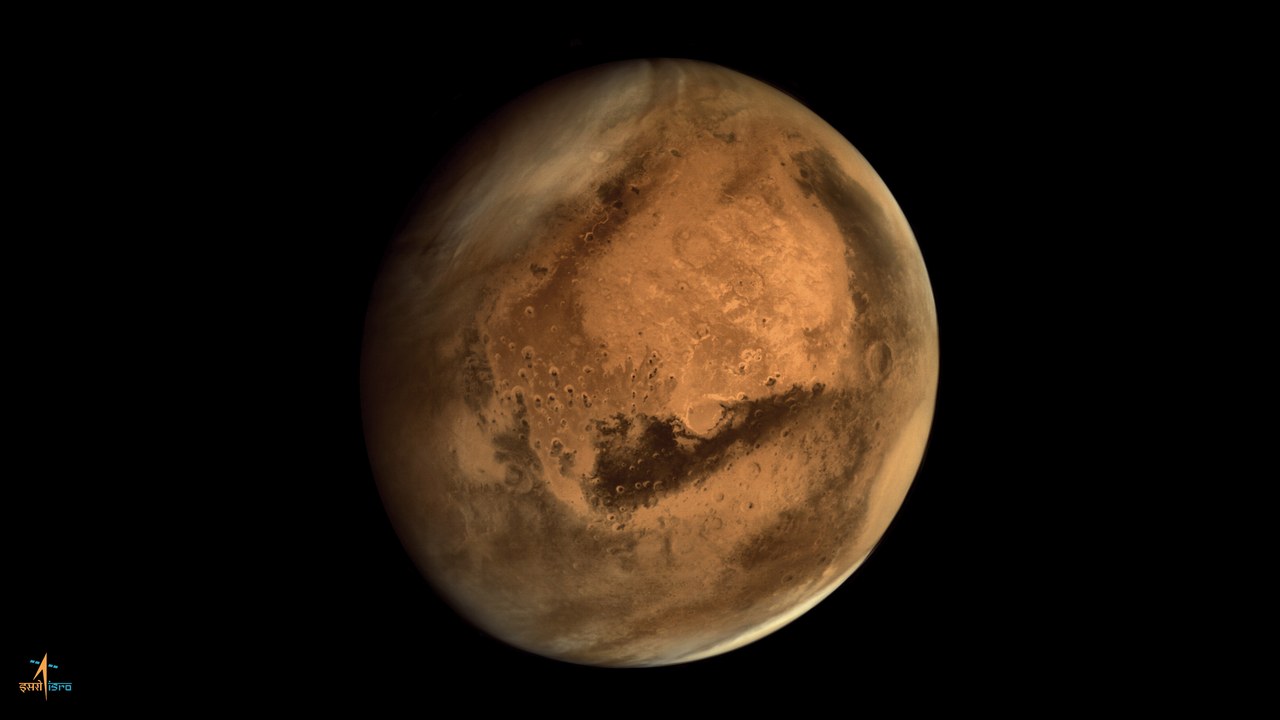
On March 1, 2025, Europa Clipper streaked about 550 miles (884 kilometers) above the surface of Mars, as the mission timeline describes. The pass was a gravity assist, a maneuver that bends a spacecraft’s path and positions it for the next leg of a long voyage to the Jupiter system.
It was the first of two such boosts planned before Jupiter. The second is the Earth flyby now approaching, and NASA says the two together give the probe enough energy to reach the Jupiter system. The Mars encounter came about four and a half months after the October 2024 launch.
Jupiter: The Destination Giant
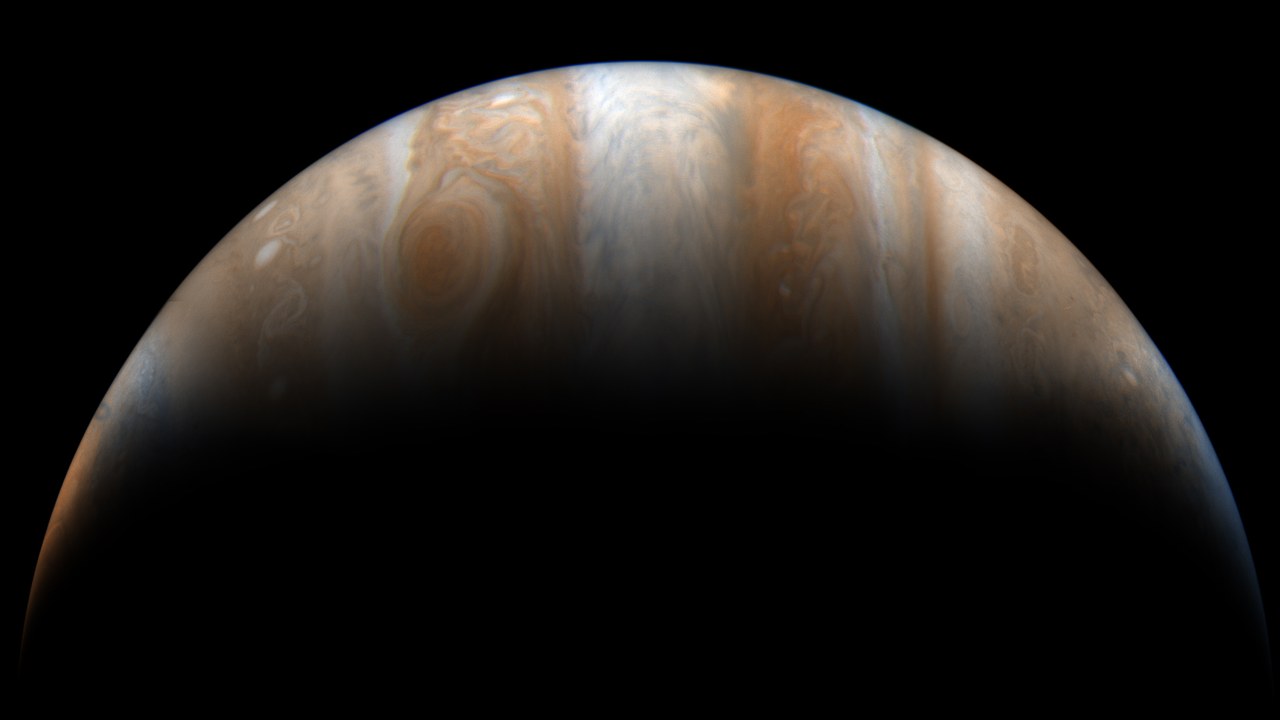
After the Earth flyby, the probe is due to begin orbiting Jupiter in April 2030, according to the JPL announcement. Arrival is a demanding step. NASA’s timeline says Europa Clipper will use its engines as brakes to match Jupiter’s orbit, a process lasting about six hours, which is unusually long for a space probe.
During that insertion the spacecraft will also fly by Ganymede, the largest moon in the solar system. Power is a constraint at that distance, since solar light is only about 4 percent as intense at Jupiter as in Earth’s orbit, but NASA’s Juno mission demonstrated that solar panels can run a Jupiter orbiter, and Clipper carries large arrays delivering about 600 watts.
Europa: The Ocean World
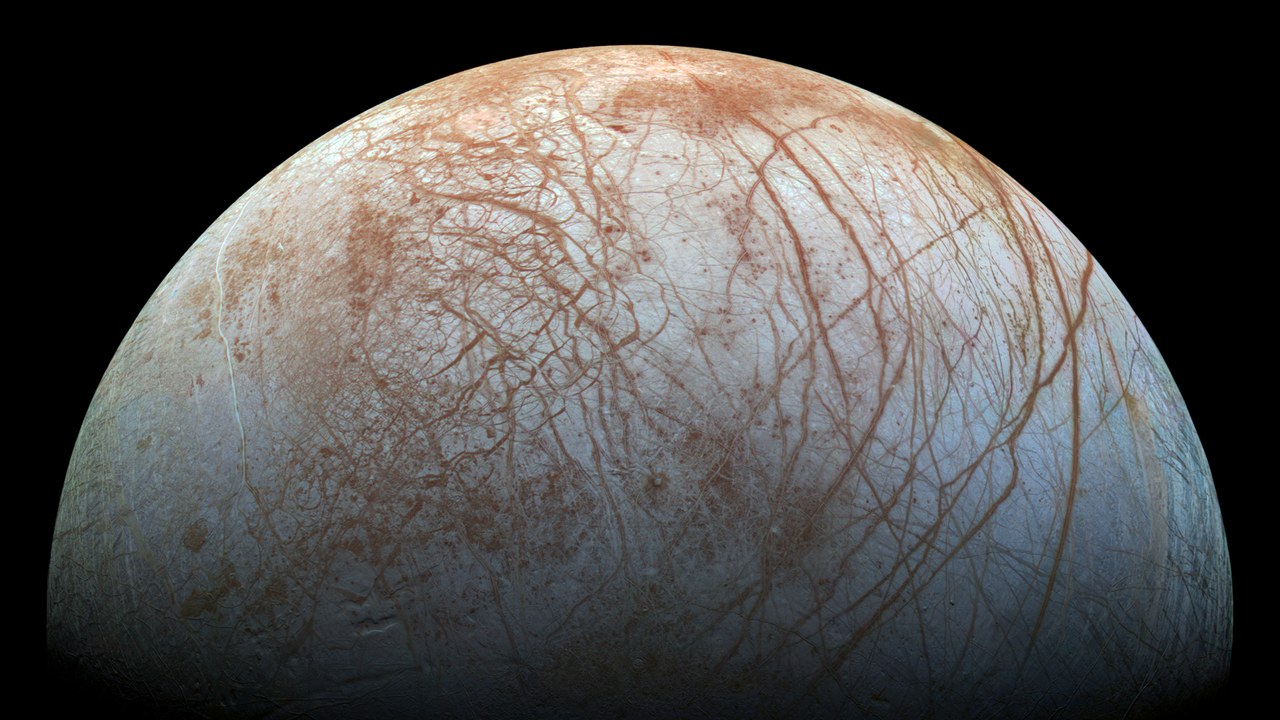
Once at Jupiter, the spacecraft will conduct nearly 50 flybys of the icy moon, a figure the NASA timeline gives and Wikipedia lists as 49. The first pass comes in spring 2031, and the first science campaign opens in May 2031 with repeated passes over the side of Europa that faces away from Jupiter.
Closest approach will be as low as about 16 miles (25 kilometers) above the surface. Nine instruments, including cameras, spectrometers, an ice-penetrating radar and a magnetometer, will study the ice shell, the surface, the thin atmosphere and the subsurface ocean, in search of places that could support life.
Galileo spacecraft: The Probe That Found the Ocean
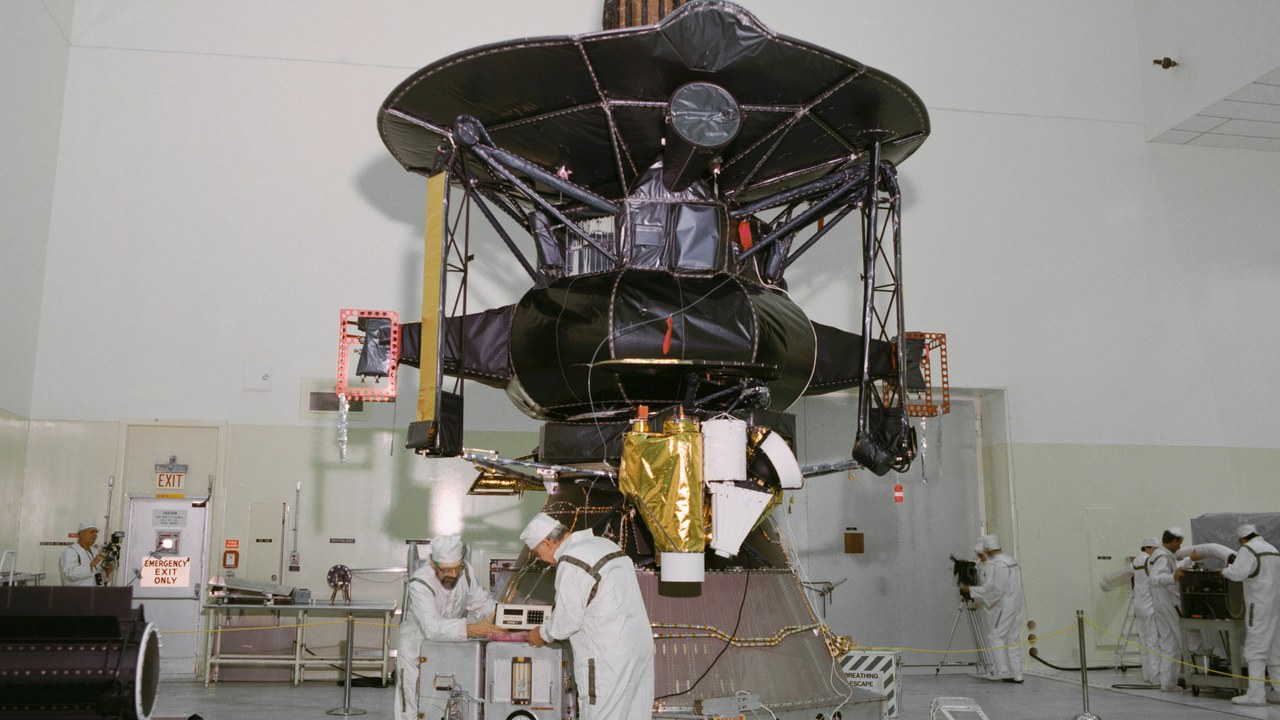
Europa’s subsurface ocean was found by NASA’s Galileo spacecraft, which orbited Jupiter from 1995 to 2003, as Wikipedia explains. Galileo entered orbit on December 8, 1995, and its primary mission ran until December 7, 1997, followed by an extension called the Galileo Europa Mission that continued to the end of 1999.
That discovery is what made Europa a target in its own right. Europa’s neighborhood sits deep within Jupiter’s magnetosphere and suffers extreme radiation, which is why Clipper will loop around Jupiter and make many fast passes instead of orbiting the moon itself, as earlier proposed missions had planned.
Ganymede: The Moon That Shapes the Orbit
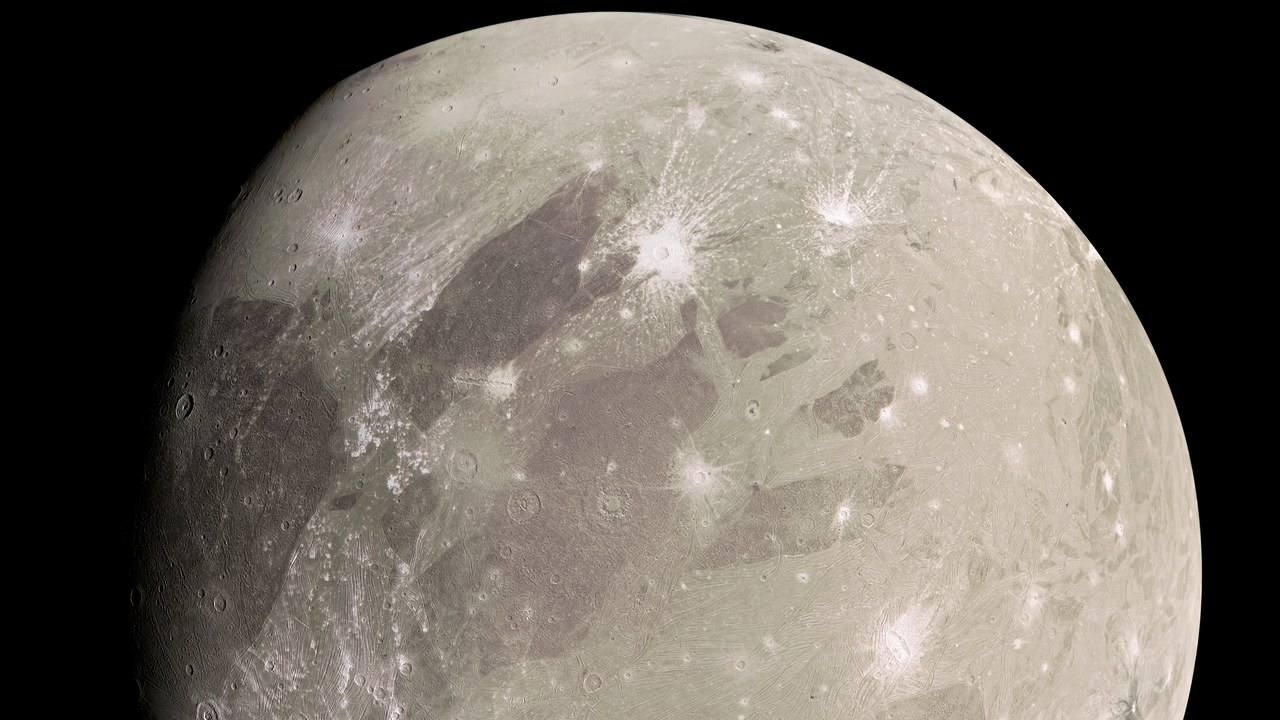
Ganymede, the largest moon in the solar system, appears twice in the NASA mission timeline. Europa Clipper flies past it while braking into Jupiter orbit in April 2030, and from October 2030 multiple flybys of the Galilean moons, Ganymede included, reduce the orbit to the desired resonance with Europa.
The moon also figures in the end of the mission. The current plan calls for the spacecraft to deorbit into Ganymede’s surface once its work is done, a possible end in September 2034. NASA’s page pictures the moon with an image from the JunoCam imager aboard its Juno spacecraft, taken during a June 7, 2021, flyby.
Message in a Bottle plate: A Poem and Millions of Names
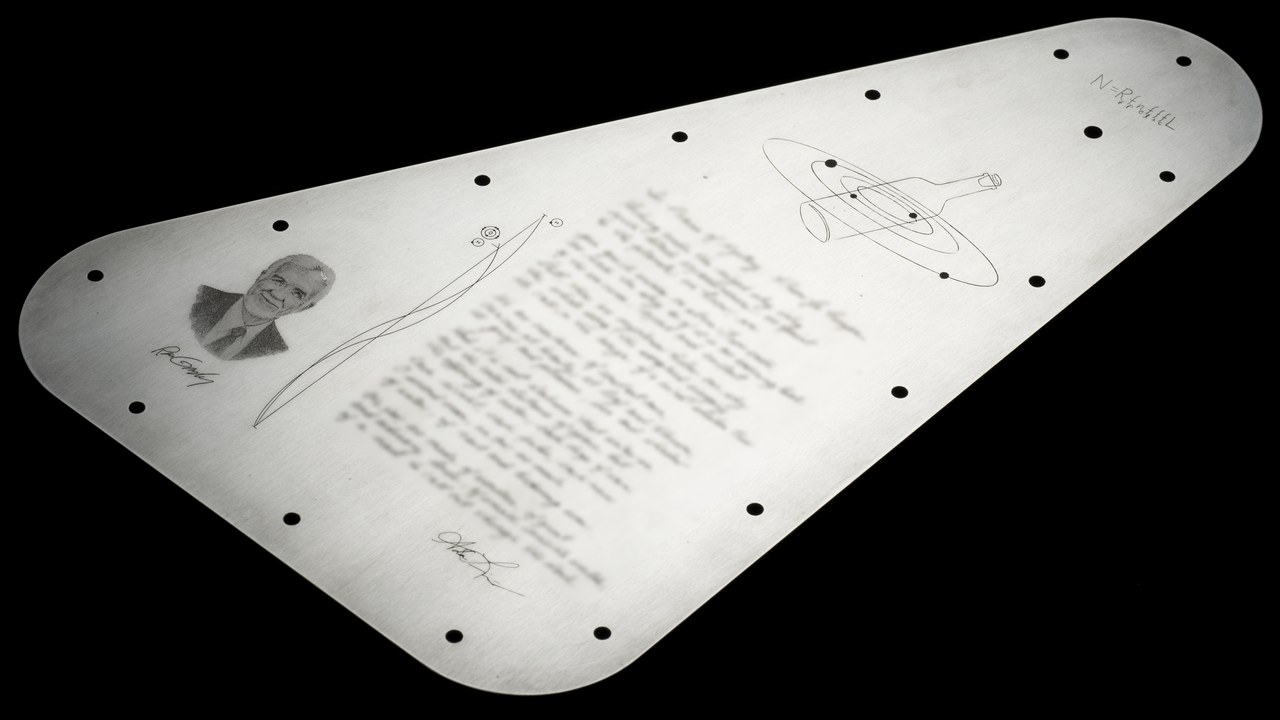
A tantalum metal plate about 7 by 11 inches (18 by 28 centimeters) seals an opening into the spacecraft’s vault, and the Wikipedia account says it carries the poem “In Praise of Mystery: A Poem for Europa” by U.S. Poet Laureate Ada Limon, engraved in her own handwriting. According to NASA, 2,620,861 people signed their names to the Message in a Bottle campaign.
The names are etched on a microchip attached to the plate, within artwork of a bottle surrounded by the four Galilean moons. The outward-facing panel carries the word for water spoken in 103 languages, converted into waveforms and etched around the American Sign Language sign for water.
More from Morning Overview
- Czech Skyfox jets could become Ukraine’s cheap answer to Shahed attack drones
- Back-to-back California quakes, and what the USGS says about the risk of a bigger one
- Toyota is sweetening its 375-horsepower bZ Woodland electric SUV with 0% financing
- The EPA killed the credit behind the start-stop feature it calls almost universally hated
