
Half a mile down in the North Atlantic, a cluster of pale rock spires rises from an undersea mountain. Discovered in late 2000, the Lost City field is powered by reactions between seawater and rock rather than by volcanic heat. These pictures follow the story from the mountain and its towers to the chemistry, the microbes and the animals that depend on it.
Read next on Morning Overview: A 2,000-year-old nomad tomb in Mongolia held a glass cup that may have traveled from Rome
Lost City Hydrothermal Field: The Town Nobody Built
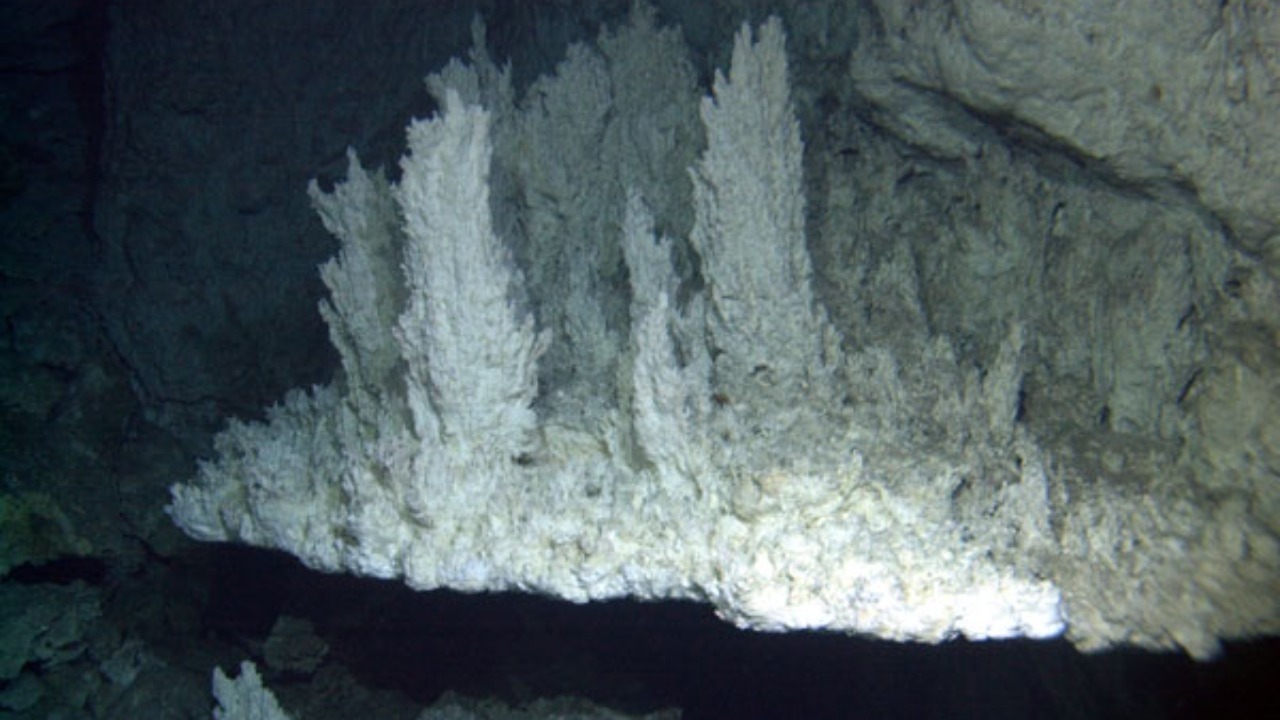
Deep in the North Atlantic, about half a mile below the surface, sits a forest of rock pillars, spires and beehive-shaped structures spouting hot water into the ocean. Scientists made the late 2000 discovery and named it Lost City, a nod to the myth of Atlantis, and the site has been there for at least 30,000 years.
Explorers in December 2000 were roughly 2,300 miles off the coast of Florida, working waters about 793 metres deep, when they found vents of scalding 93°C water gushing from towering chimneys. The surprise was that this was not a lost civilisation but a hydrothermal system of a kind not seen elsewhere.
Atlantis Massif: A Mountain Under the Sea
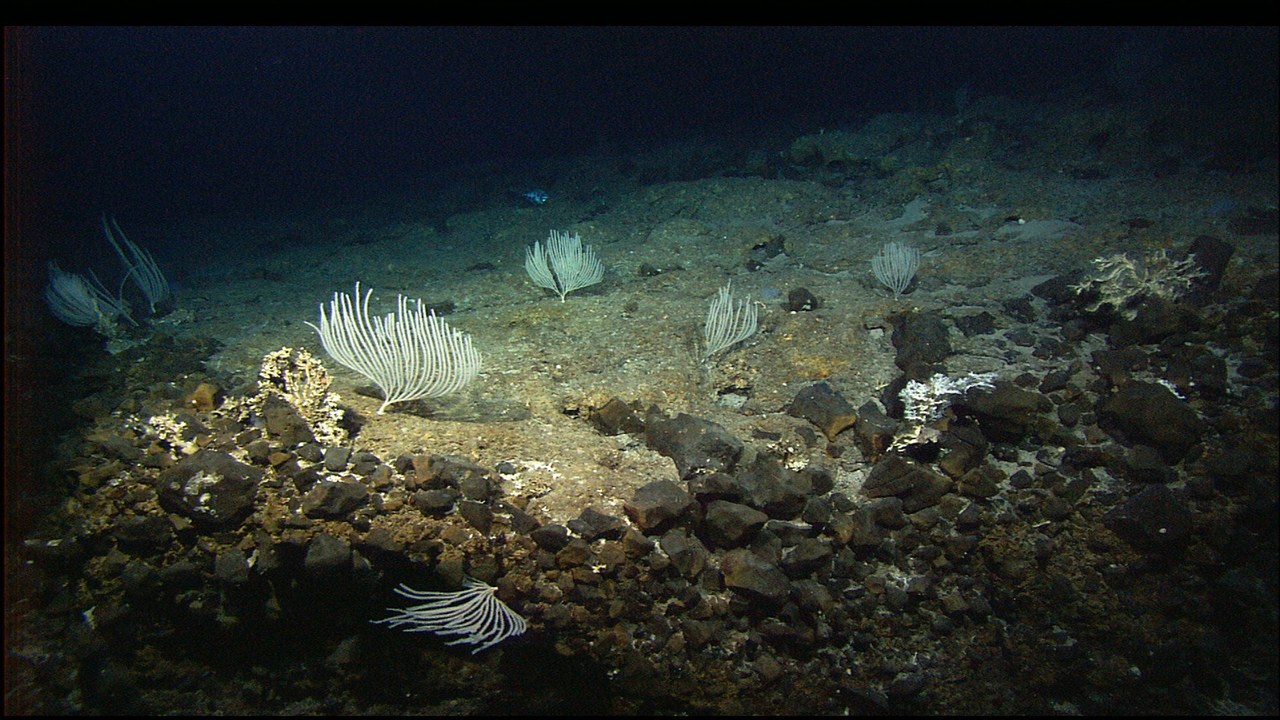
Lost City perches near the top of an undersea mountain, and the Atlantis Massif rises nearly 4000 m above the surrounding seafloor. The mountain gave the field its name, since the vents were found on top of it and the site recalled the legendary island of Atlantis.
The location matters for the chemistry. The field lies about 10 miles from the Mid-Atlantic Ridge, on crust roughly a million and a half years old, far older than the young rock where most seafloor vents occur. Because the massif lies in the High Seas, beyond any single nation’s jurisdiction, the site is also harder to protect.
Poseidon tower: Sixty Metres of Chimney
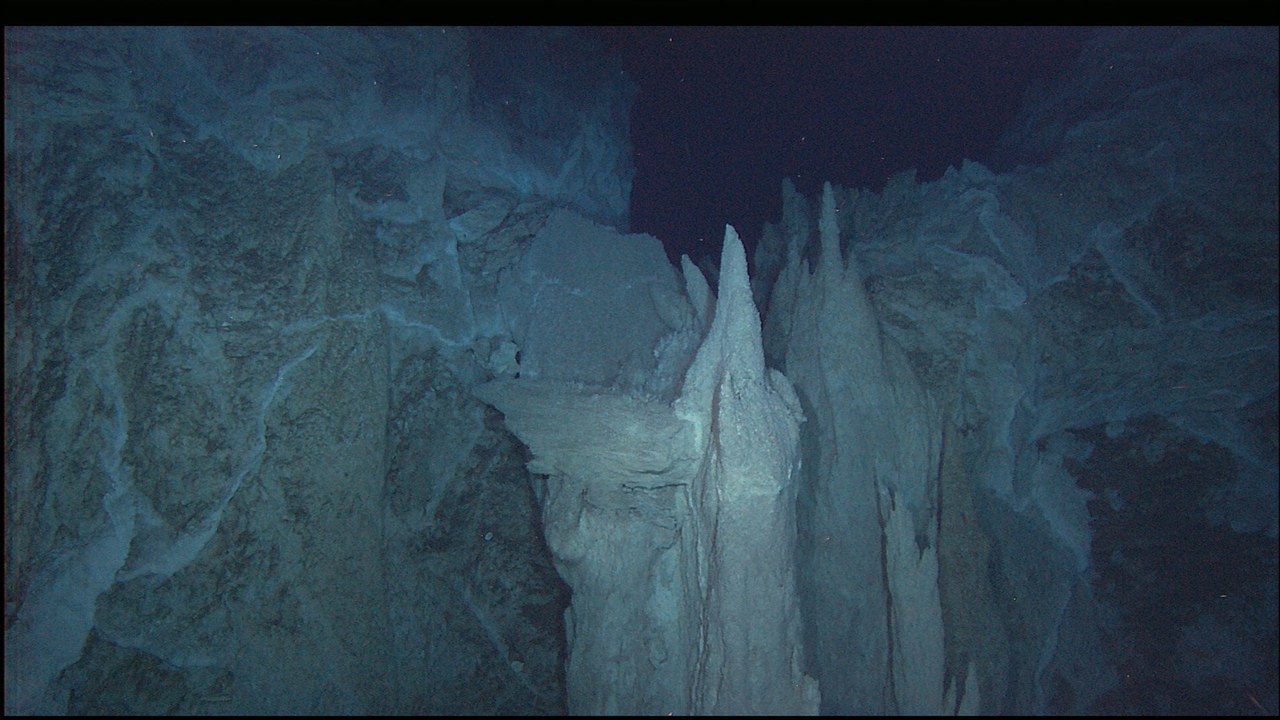
The largest vent at Lost City is named Poseidon after the Greek god of the sea. It is made up of four towers that reach 60 metres at their highest, which makes the structure taller than many city buildings, rising from a dark seafloor where no sunlight ever arrives.
Other chimneys have names of their own. The main chimney of the IMAX tower is around eight metres tall but carries extra pillars that pile up like stalactites and reach 30 metres, and another tower, called Nature, is also 30 metres tall. A radio science programme gave Poseidon’s height as almost 200 feet.
Serpentinite rock: Chemistry Instead of Magma
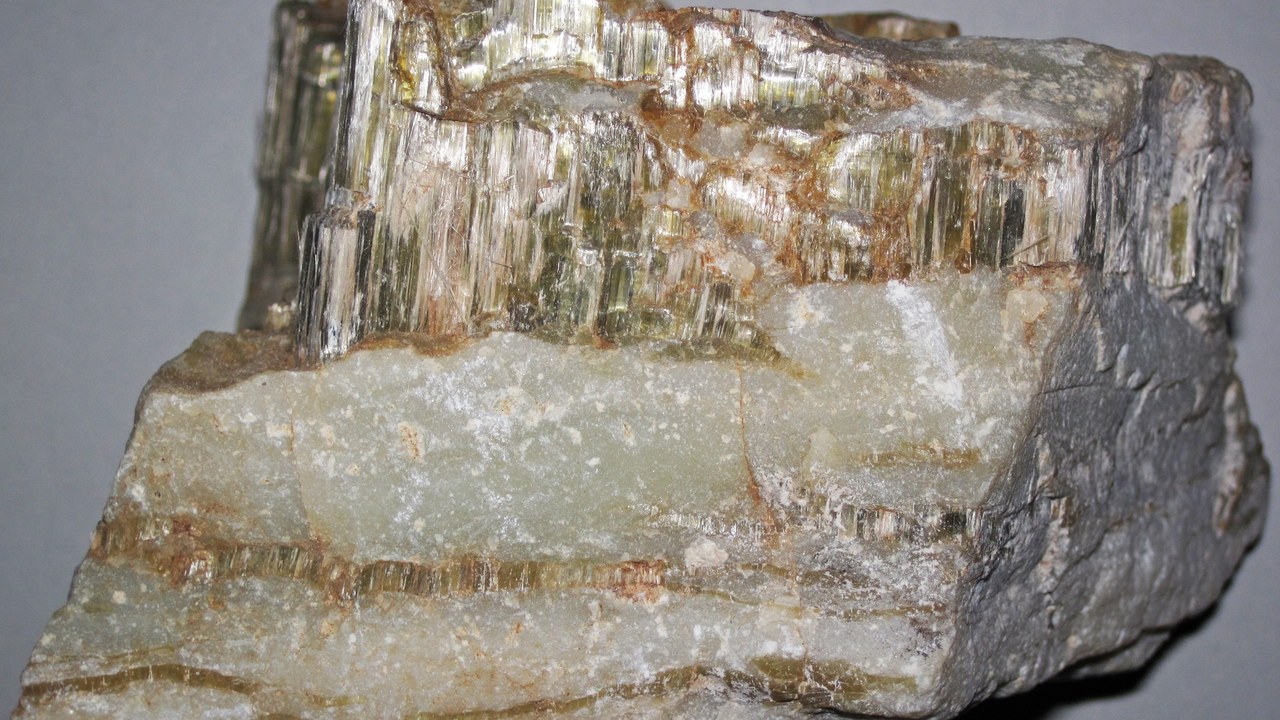
Most people picture seafloor vents as volcanic, but here the chemistry is driven by serpentinization reactions rather than magma heat. The reactions take place as seawater works into the rock beneath the field and alters it, which is why the site behaves so differently from the dark, hot chimneys found directly on ridges.
As one account describes it, seawater meets a type of igneous rock called peridotite from the Earth’s upper mantle. The reaction creates hydrogen, methane, heat and minerals, and those products build the tall chimneys that dominate the underwater landscape. The energy source is the rock itself, not a volcano.
Limestone towers: Pillars Built From Minerals
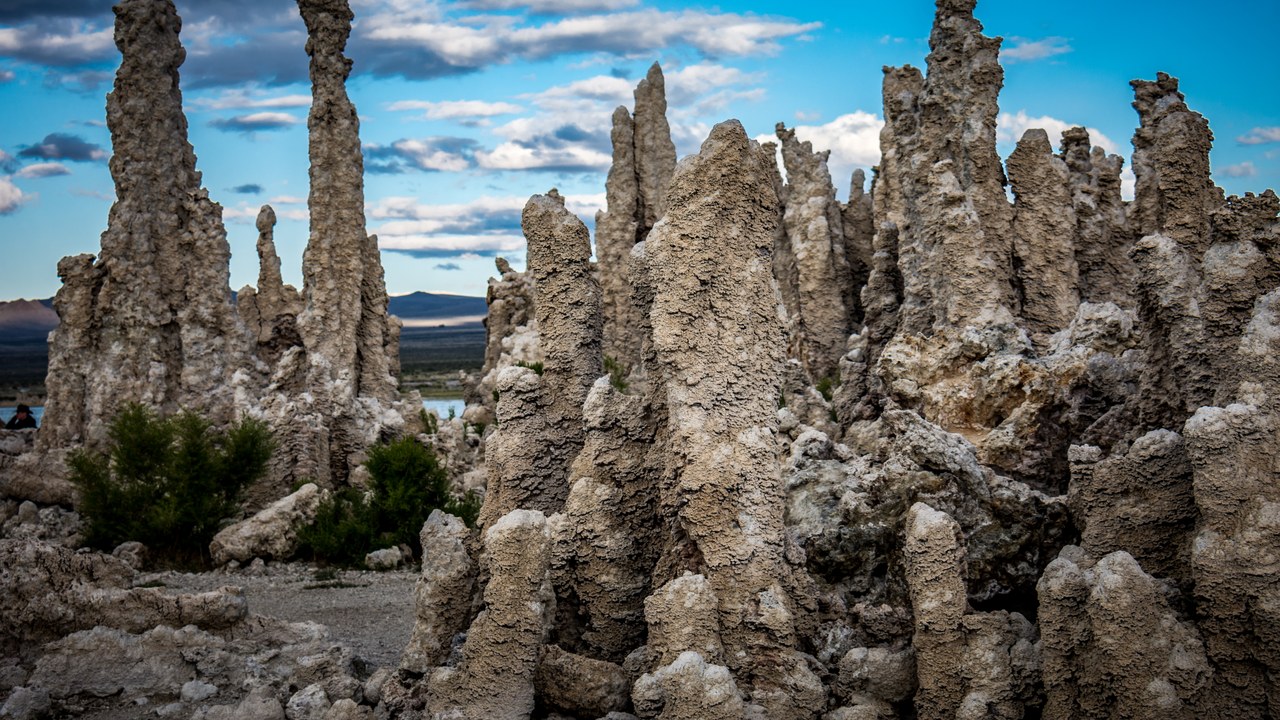
Seawater that filters into cracks in the seafloor undergoes chemical reactions that heat it. As the warmed water percolates back up, it carries along calcium-rich minerals that build structures of limestone, producing the pillars, spires and beehive-shaped forms that rise from the seabed.
The result differs from other ridge vent sites, which sit directly atop the ridges on some of the youngest crust on the planet. Those sites are hotter and their spires are dark, whereas Lost City formed about 10 miles from the ridge. The tallest pillar is Poseidon, which a university radio programme put at almost 200 feet.
Microbial colonies: Life Clinging to the Walls
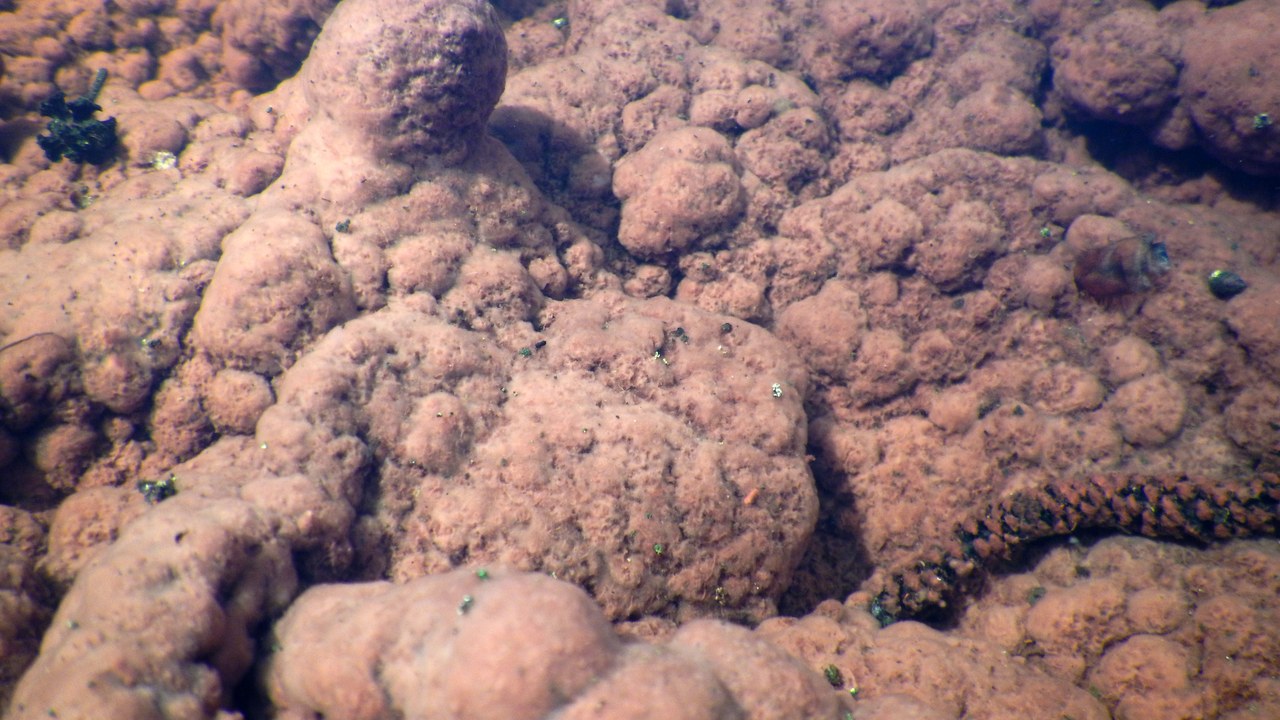
Although no sunlight reaches the field, its chimneys are covered in life. Bacterial colonies grow on the outside of diffusely venting chimneys, and lots of bacteria and single-celled archaea make up biofilms that cling to the inner and outer surfaces of the towers.
Without sunlight to power photosynthesis, these organisms survive on chemical energy from dissolved gases in the seawater. A radio science programme noted that the field supports a dense web of microscopic life, including some species not seen anywhere else on Earth, which adds to the alien feel of the place.
Deep-sea corals and crabs: A Food Chain Without Sun
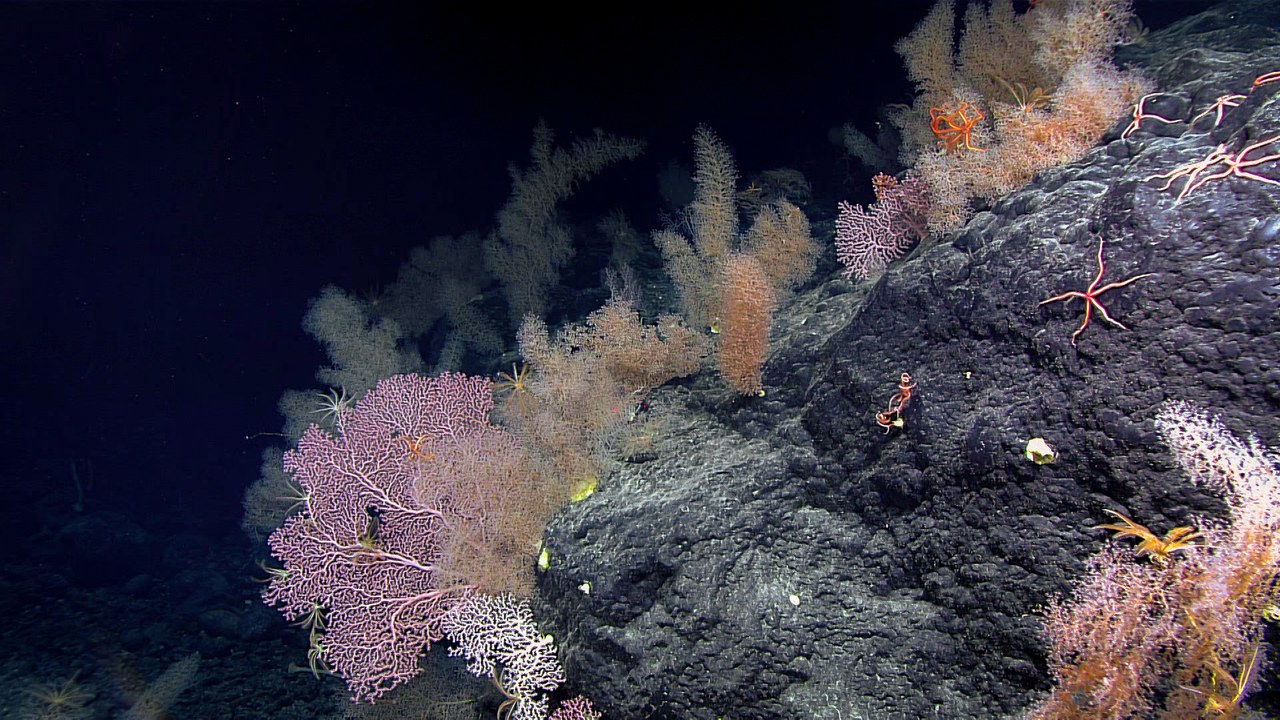
The microbes form the foundation of their own food chain, and larger animals follow. Corals, crabs, shrimp and jellyfish, among other animals, have all been found at Lost City, showing that chemical energy alone can support a varied community far from sunlight.
Researchers also see a wider question in the chemistry. A geochemist at the Woods Hole Oceanographic Institution described the detection of organic building blocks from a non-biological source as possible evidence in the quest to understand how life began, and the same chemosynthesis could in principle support life on other planets.
Mid-Atlantic Ridge age: Old, and Still Unprotected
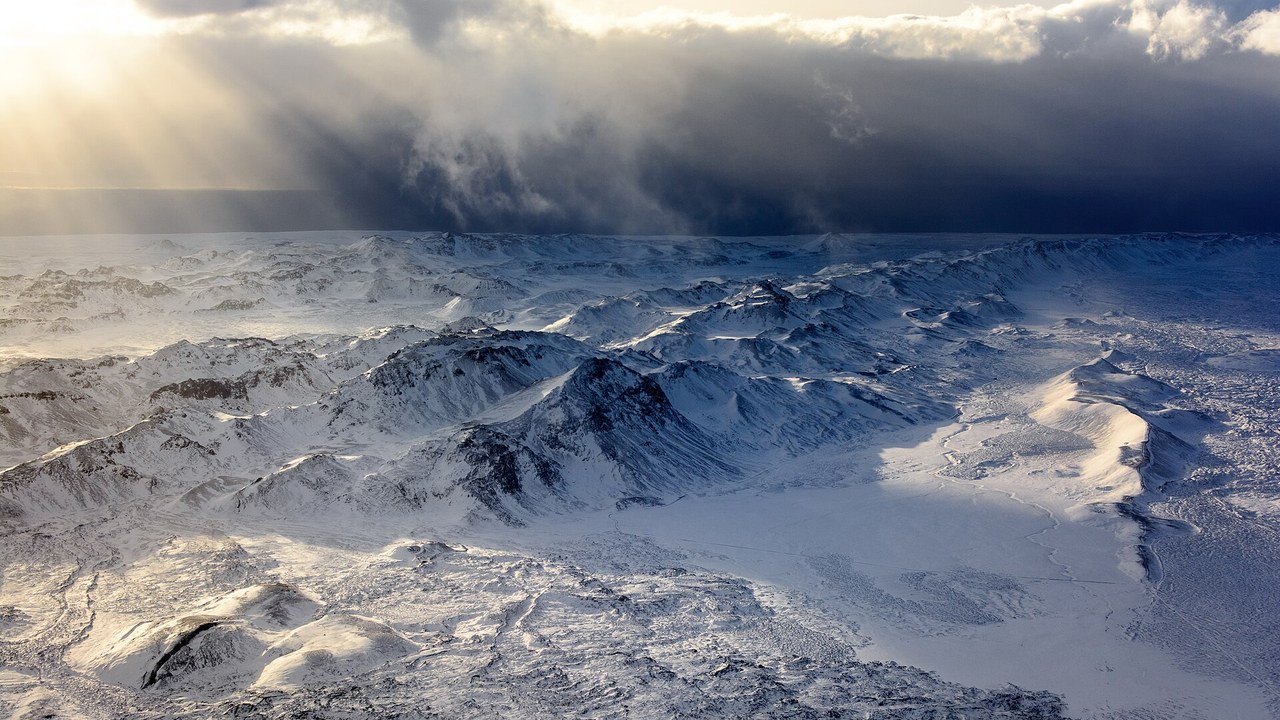
The field is old by the standards of vent systems. Researchers say it has been active for at least 30,000 years, and a recent magazine account notes that scientists think it could be 120,000 years old, even though it was found less than three decades ago, near the boundary where oceanic plates pull apart.
Conservation experts worry about its future, since the area beyond national jurisdiction is hard to police and deep-sea mining is among the threats. The High Seas Treaty, which entered into force in January 2026, sets out a legal process to create marine protected areas there and may help safeguard remote sites such as Lost City.
More from Morning Overview
- Lockheed says its Valkyrie laser shot down a cruise missile stand-in with no tracking aids
- A Cirrus SR22 declared an emergency a minute after departure clearance, its parachute still bagged
- Older Teslas mostly keep their batteries, and here’s what wears out instead
- A hunting-trip Piper spiraled down from the sky before a deadly crash in Iowa
