
Mars once had water flowing across its surface, but its air is now too thin for liquid water to last. Two NASA probes called ESCAPADE, which swung past Earth on November 7 and 9, are on a 10-month trip to study how the solar wind helps strip that air away. Ten stops trace that story, from the probes to the places on Mars that hold the evidence.
Read next on Morning Overview: The biggest grid drop in PJM history came from data centers, and now they may have to pay
ESCAPADE: Farewell Views of Earth
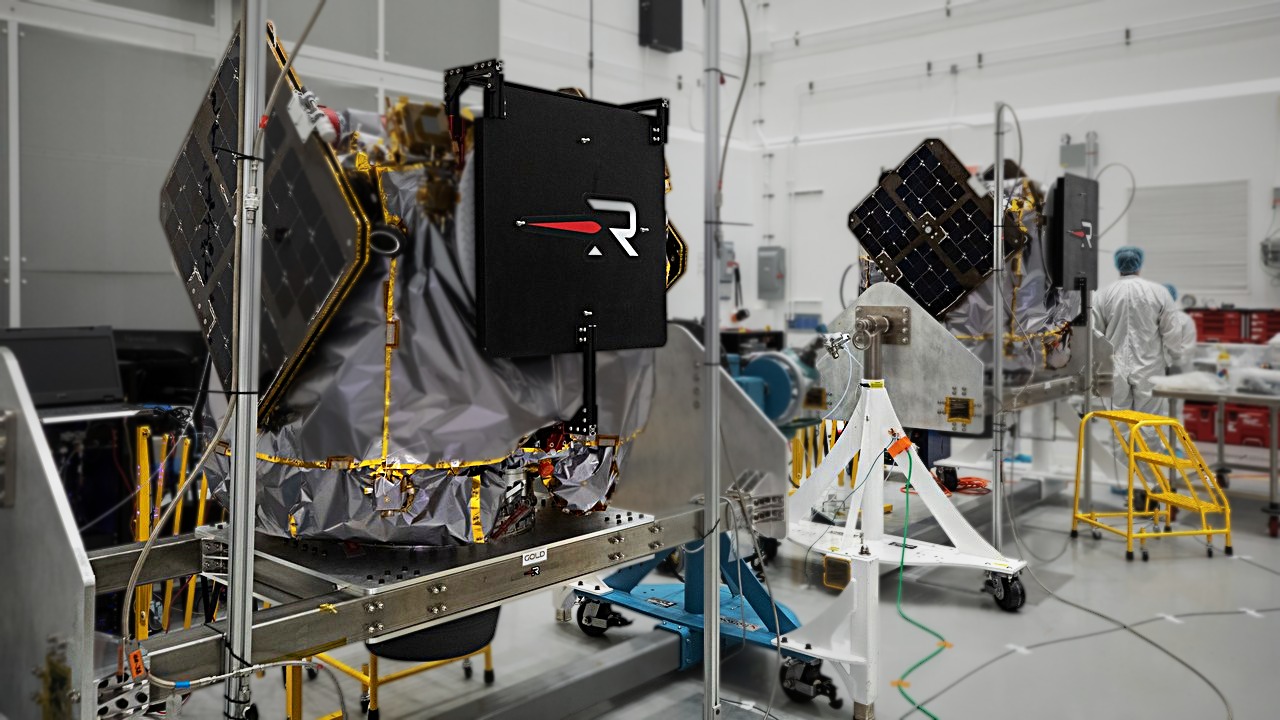
NASA released farewell images of Earth on November 23, taken by one of its twin ESCAPADE spacecraft after a powered flyby on November 9 slingshot it toward Mars. The first craft had completed its own flyby on November 7. About three hours after closest approach, the second photographed the Western Hemisphere from roughly 38,500 miles away, in both visible and infrared light.
The pair now face a 10-month journey to Mars. Once in orbit there, the mission will study how the solar wind, a million-mile-per-hour stream of particles from the Sun, interacts with the Martian environment and leads to atmospheric loss. The University of California, Berkeley’s Space Sciences Laboratory leads the project, and Rocket Lab built the spacecraft.
MAVEN: Nine Years of Measuring Loss
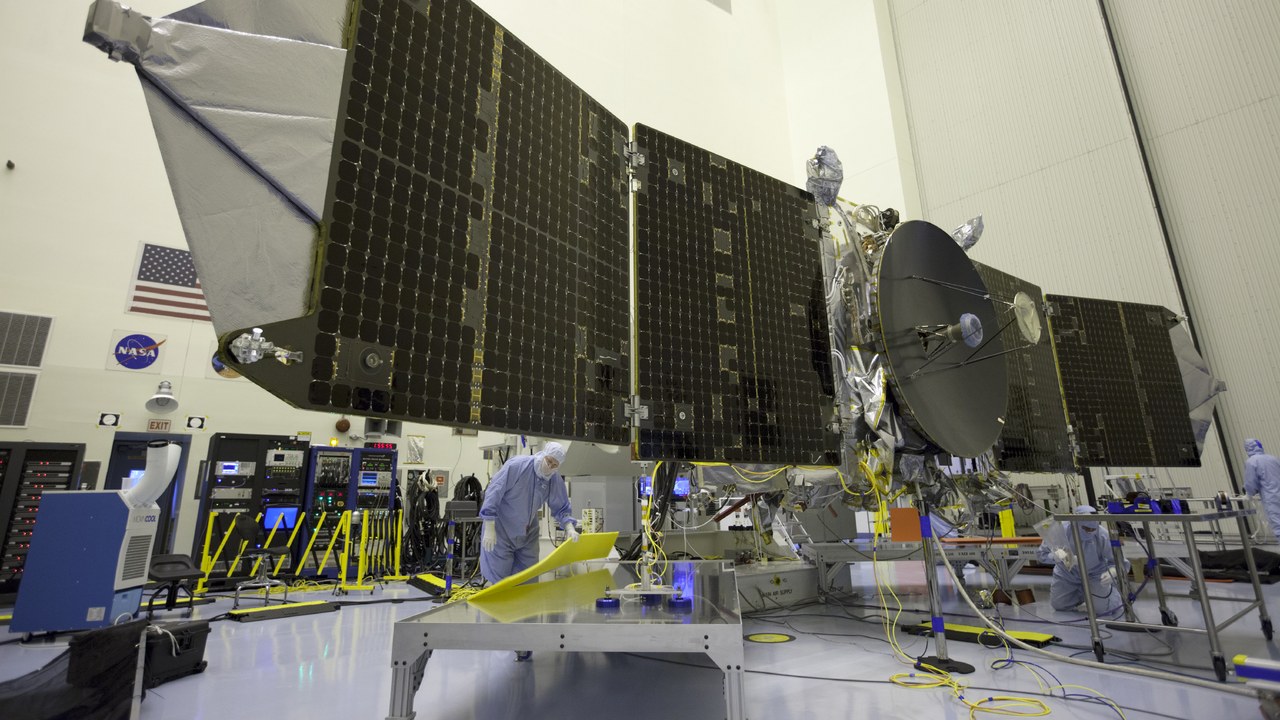
NASA’s MAVEN orbiter has spent years measuring how Mars sheds its air, and a Live Science report on its nine years of data describes a process called sputtering, in which particles from the solar wind knock atmospheric gas into space. The rate observed is about four times higher than models predicted.
MAVEN launched in 2013 and reached Mars in 2014, where it grazes the planet’s upper atmosphere to study its history. Astronomy magazine’s 2018 account says the orbiter found that Mars likely lost its magnetic field long ago, which left the solar wind free to strip away much of the atmosphere. ESCAPADE is meant to examine that same solar wind interaction with two spacecraft instead of one.
Atmosphere of Mars: Most of the Argon Is Gone
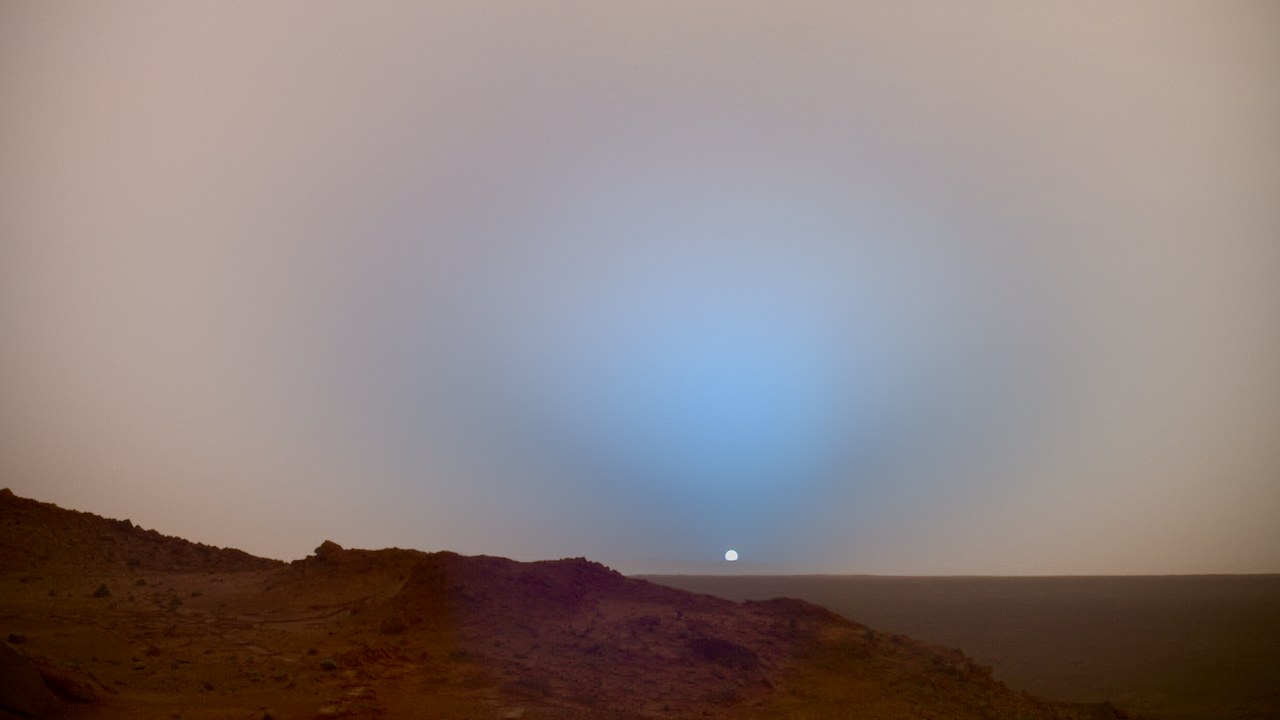
Measurements from MAVEN showed that about 65 percent of the argon that was ever in the Martian atmosphere has been lost to space, a result announced in March 2017 in MAVEN’s argon findings. Argon is a noble gas, so it cannot react chemically and hide in rocks. Only sputtering by the solar wind can remove it, which is why the team tracked it.
Once the argon loss was known, the team could estimate sputtering losses of other gases, and it concluded that the majority of the planet’s carbon dioxide was also lost to space, as a minimum figure. What remains is thin. Atmospheric pressure is only 0.7 percent of Earth’s, the average temperature is minus 80 degrees Fahrenheit, and liquid water is not stable on the surface today.
Olympus Mons: Tallest Volcano in the Solar System
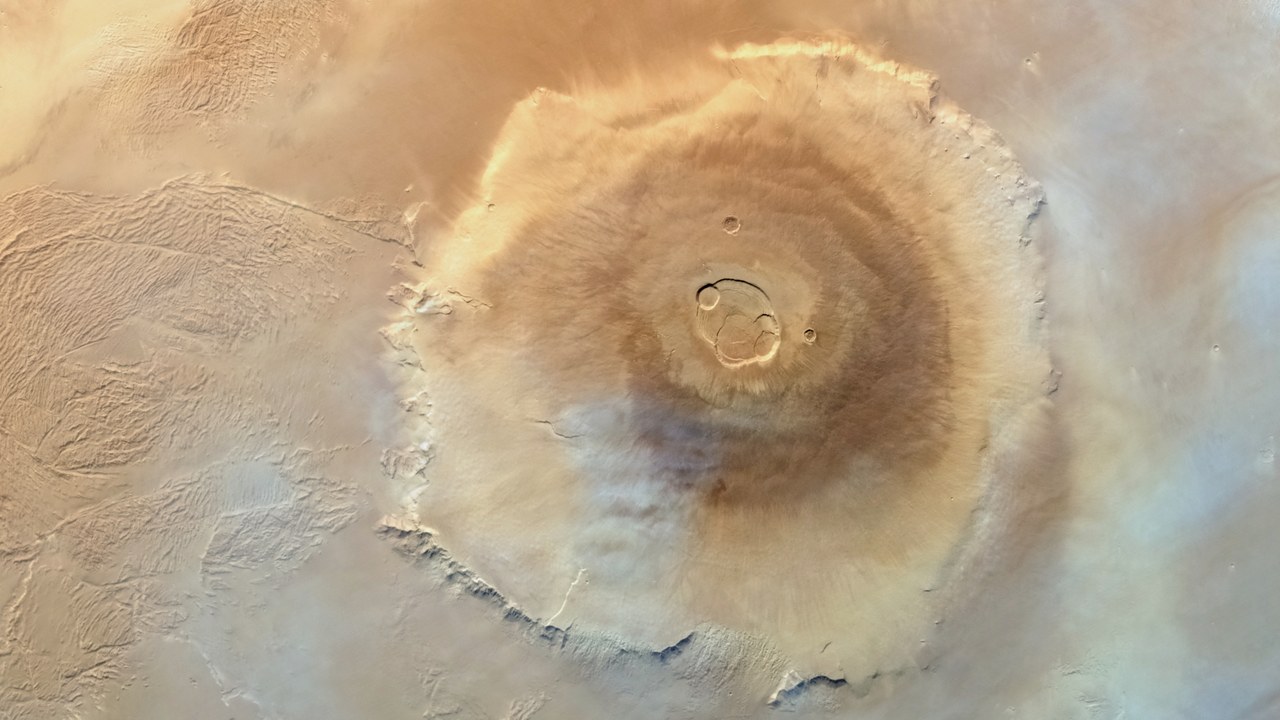
Olympus Mons rises 13.6 miles, about two and a half times as high as Mount Everest, which makes it the tallest and largest volcano in the solar system according to Smithsonian magazine. The most precise measurement of its dimensions so far came from the Mars Global Surveyor in 2004.
The giant sits on a world that was once more active. Early Mars was a tectonically busy place, though seismic movement has since abated, and the surface today is pockmarked by impact craters, scraped by strong winds and carved by deep valleys. One planetary geologist quoted by Smithsonian calls Mars a freeze-dried environment that has preserved its geologic record for billions of years.
Valles Marineris: A Canyon 2,500 Miles Long
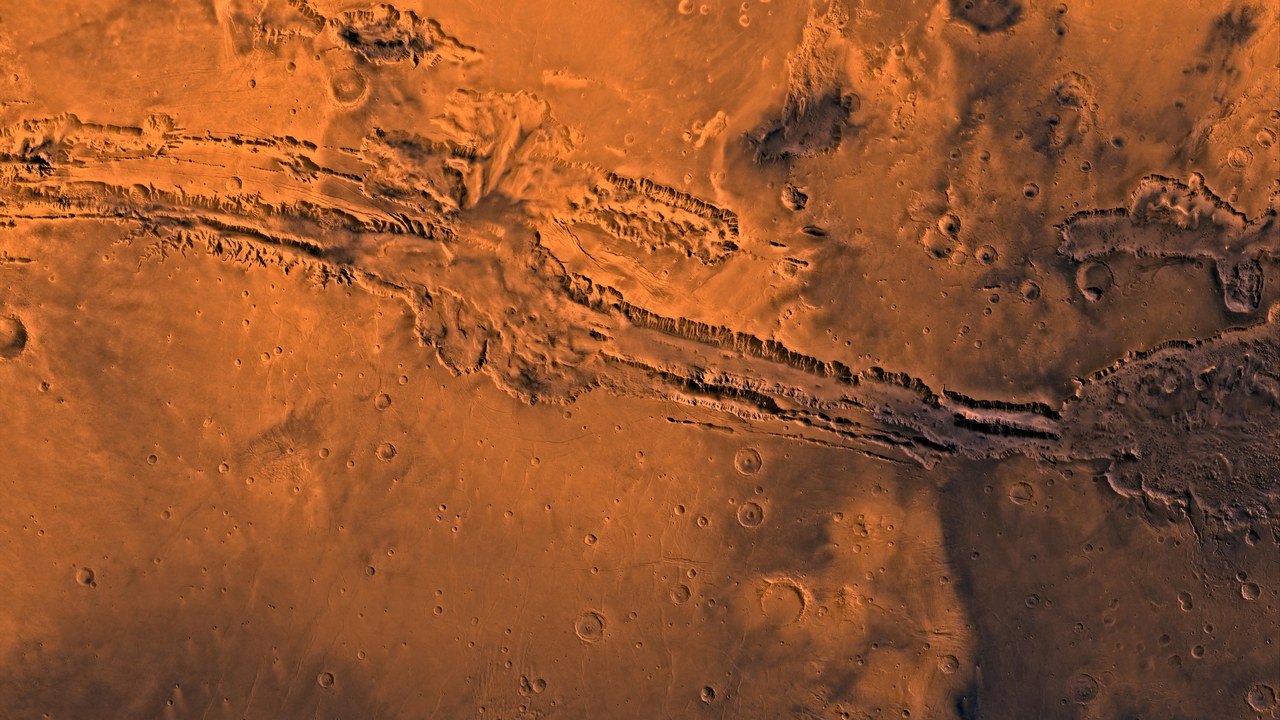
A dark gash across the face of Mars, Valles Marineris is a canyon up to 6 miles deep and over 2,500 miles long. In 1980 the Viking Orbiter took 102 individual images that scientists assembled into a composite, as described in Smithsonian’s Mars discovery list, and the canyon stands out across the planet’s face.
The Viking orbiters also found dry riverbeds, canyons and valleys cutting into the planet, according to Astronomy magazine. Those features were a far cry from the supposed canals that astronomer Percival Lowell reported starting in the 1890s, yet they still pointed to water in the past. Water on the surface needs a much thicker atmosphere than Mars has today.
Gale (Martian crater): A Lake Bed Curiosity Climbed
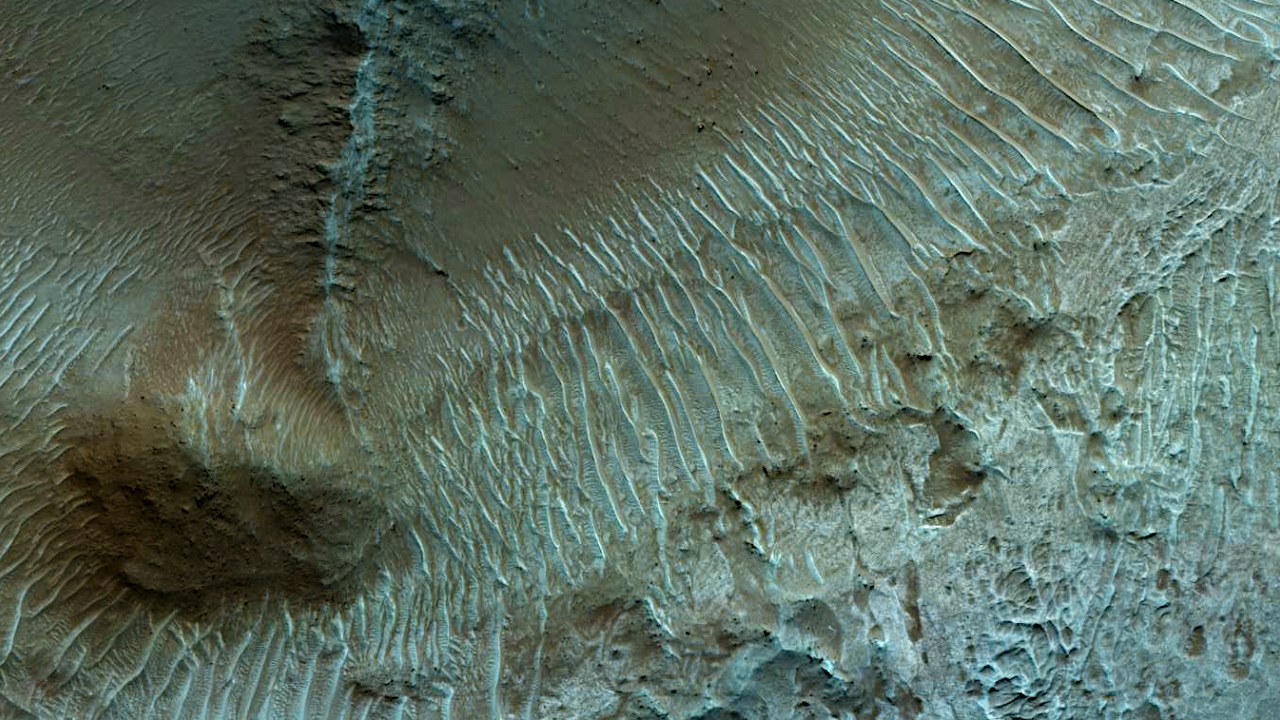
Curiosity landed in 2012 and has been wandering inside Gale Crater, a former lake bed. The rover found proof that liquid water once pooled there. In 2014 it photographed sedimentary outcrops with a layered structure, which scientists think are silty pileups that gushed from a river onto a delta.
Martian liquid water likely lasted for millions of years before it all but vanished two billion to three billion years ago. Its persistence implies that Mars once had a thicker atmosphere and warmer temperatures. Around 2013 Curiosity also identified the key chemical ingredients needed to support life, though one scientist quoted by Smithsonian stresses that habitable does not mean inhabited.
Jezero (crater): Perseverance’s River Delta
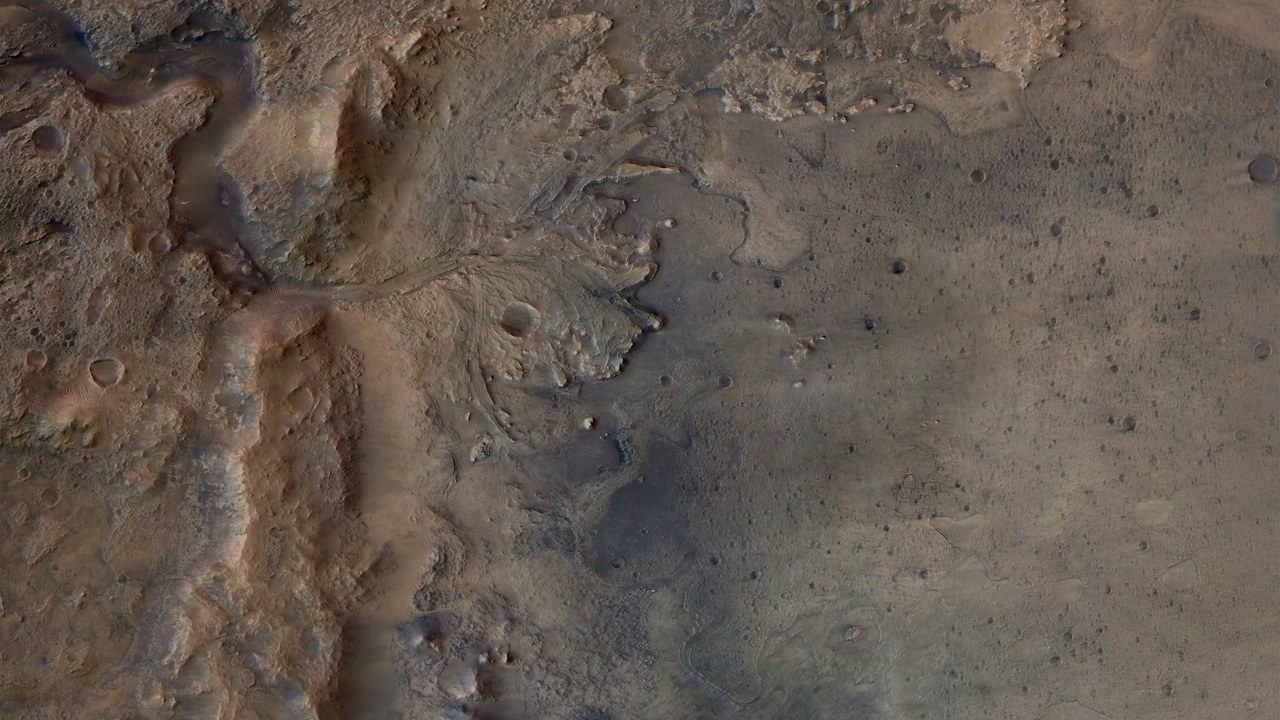
A reconstruction of Jezero Crater built from multiple Mars Reconnaissance Orbiter images shows a landform that looks as if mud oozed from a river, pointing toward flowing water in the past, as shown in seven amazing Mars discoveries. The Perseverance rover has been exploring this area since 2021.
The rocks it collects may one day travel to Earth, with a sample retrieval lander and a rocket working together to bring them home. Other evidence for a wetter Mars came earlier. In 2005 the European Space Agency’s Mars Express orbiter detected hydrated minerals that could only have formed in the presence of liquid water.
Gusev (Martian crater): Silica on the Crater Floor
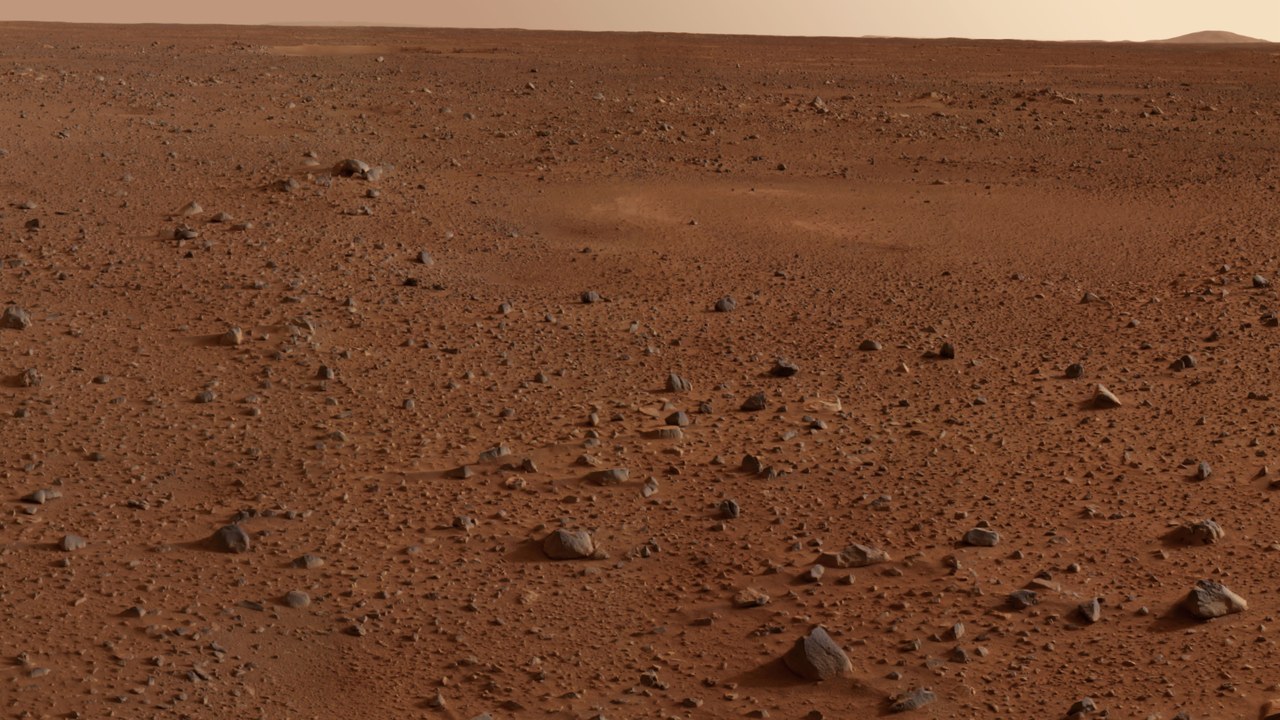
In 2007 the Spirit rover found structures made of opaline silica on the floor of Gusev Crater, according to Astronomy magazine. On Earth, such features appear as microbial colonies near geysers, though scientists were loath to make that correlation without further evidence.
Spirit’s twin, Opportunity, began exploring Mars in 2004 after an initial 90-day mission, while Spirit itself lasted until 2011. Astronomy credited Opportunity and Curiosity with all but confirming that Mars was a lush water world billions of years ago. Where that water went is the question MAVEN has been working to answer.
Phoenix (spacecraft): Ice Near the North Pole
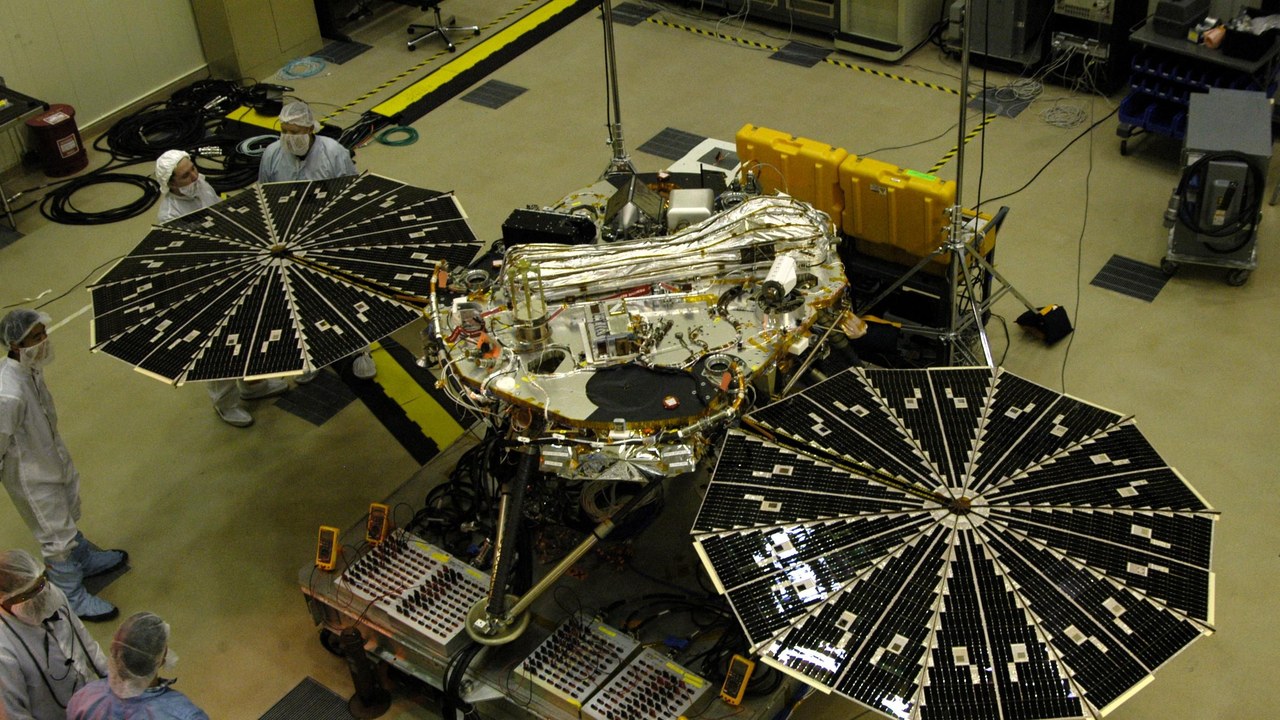
After landing in 2008, the Phoenix lander found abundant water ice near the north pole of Mars, according to Astronomy magazine. The discovery showed that the planet’s water did not all disappear when the atmosphere thinned.
Smithsonian notes that Martian water is locked away as ice, atmospheric vapor and atoms embedded in the structure of minerals. Astronomy adds that Mars Odyssey has mapped several regions where ice seems to exist just below the surface, out of reach of the Sun. The polar ice caps themselves are layered with frozen water, solidified carbon dioxide and windswept dust, and they grow and shrink with the seasons.
Phobos (moon): Moon Born of Debris?
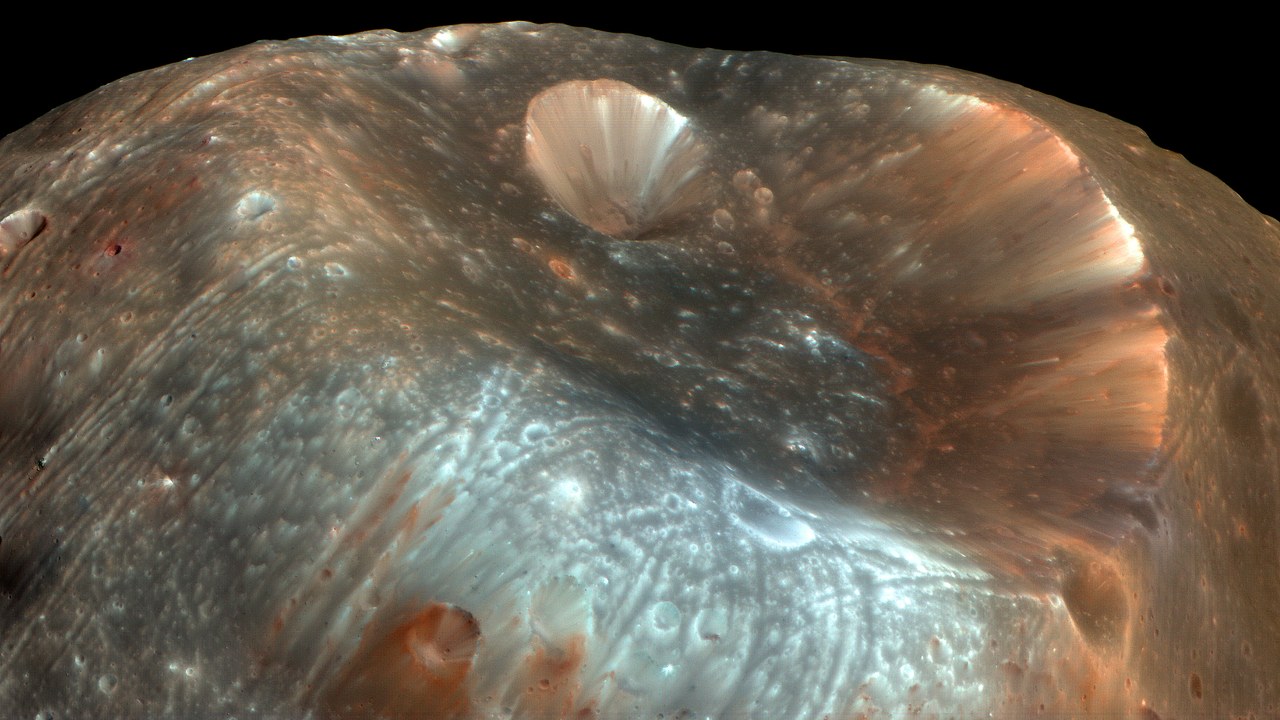
Phobos and Deimos were once thought to be captured asteroids, but by 2018 some scientists suspected, as laid out in Astronomy magazine’s 2018 account, that the moons coalesced from debris launched into orbit after an asteroid impact with Mars.
The same account says Phobos will one day come close enough to Mars to be ripped apart and briefly form a ring around the planet. The little moon circles a world whose air has thinned over billions of years, and ESCAPADE, on its 10-month journey as of NASA’s November 23 update, is headed there to study how that loss unfolded.
More from Morning Overview
- Apple quietly pushed security fixes to nearly every iPhone, even ones stuck on iOS 18
- Florida’s St. Johns River just topped its worst flood on record near Cocoa
- A dangerous flash flood warning hit Broward County after an overnight deluge
- El Niño has hit +2.5°C, and a strong-to-very-strong winter event now looks likely
