
Researchers re-examined 46 skulls from First Dynasty graves at Abydos, and 18 of them show serious injuries, according to coverage dated November 13. The finding revives an old question about whether Egypt’s earliest kings were buried with retainers. The eleven slides below follow the tombs, the excavators and the evidence.
Read next on Morning Overview: Monster waves battered California, flooding streets and closing piers along the coast
Umm el-Qa’ab: The Royal Cemetery
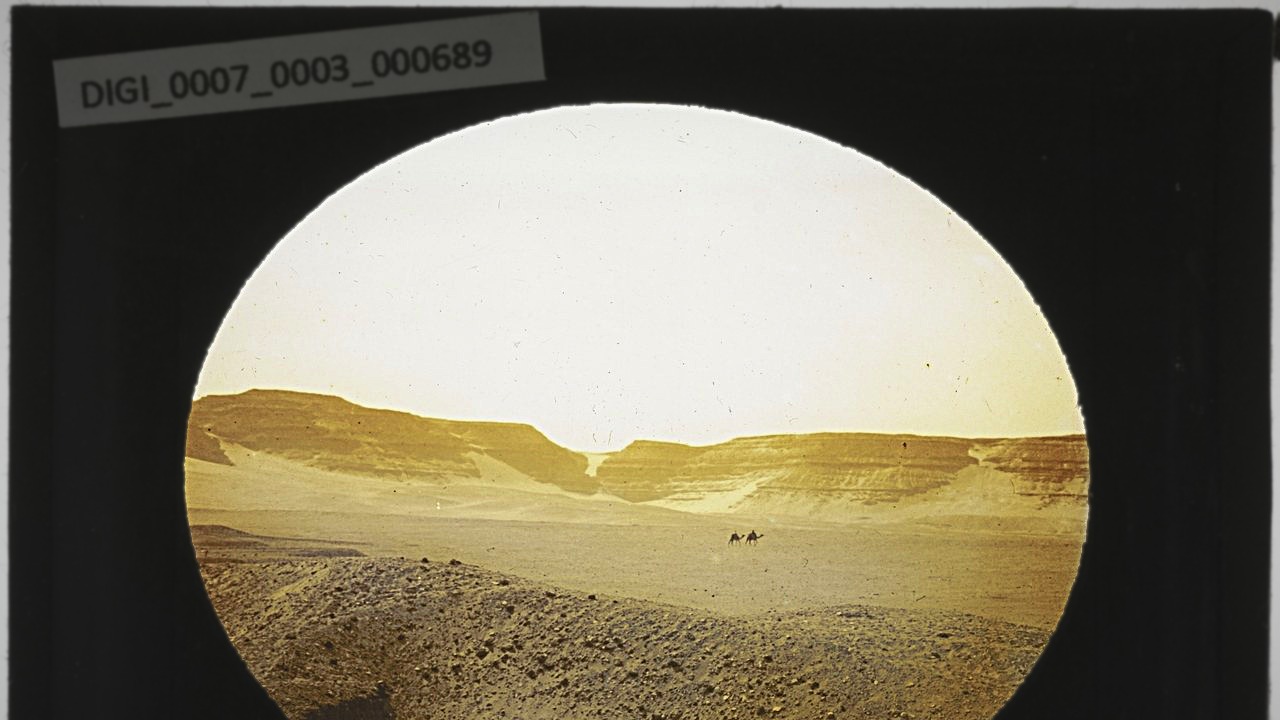
Umm el-Qa’ab is the royal cemetery at Abydos where Egypt’s earliest kings were buried. According to its Wikipedia entry on the cemetery, the tombs were excavated in 1895-98 by Amelineau and again in 1900-01 by Flinders Petrie, two campaigns that opened the site to modern study.
That long excavation record matters to tonight’s story. Researchers returning to the burials of the First Dynasty are working from a site that has been dug, recorded and argued over for well over a century, and the newest findings sit on top of that earlier fieldwork rather than replacing it. The cemetery is the setting for everything that follows.
Tomb U-j: A Tomb Before the Dynasties
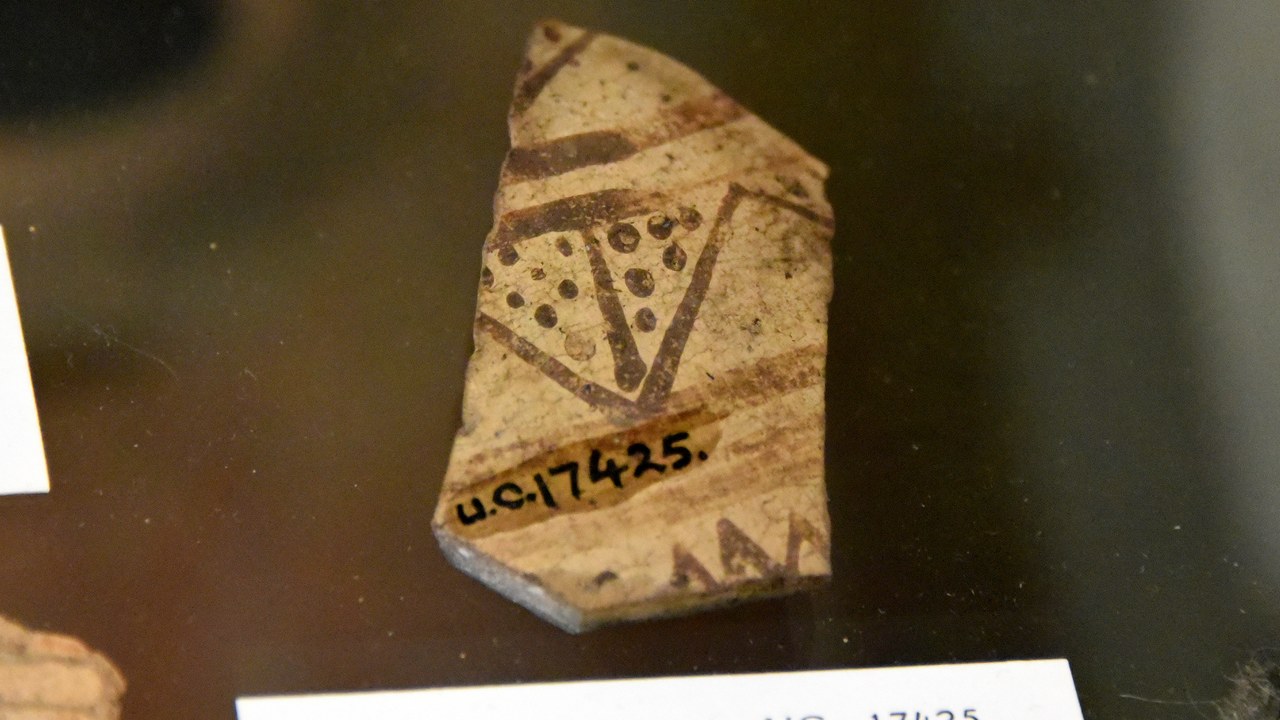
Dated to about 3300 BCE, tomb U-j has 12 chambers and held about 700 imported Canaanite wine vessels and 186 ivory tags with proto-hieroglyphic signs, as the Wikipedia tomb entry records. The tags are possibly Egypt’s earliest writing.
The tomb shows that the burial ground was already a place of status and long-distance trade before the First Dynasty tombs were built. It also establishes how rich a royal burial at Abydos could be, which frames the later question of who else was placed in the ground alongside a ruler. The source describes the writing only as a possibility.
Narmer’s tomb: Evidence for a King’s Grave
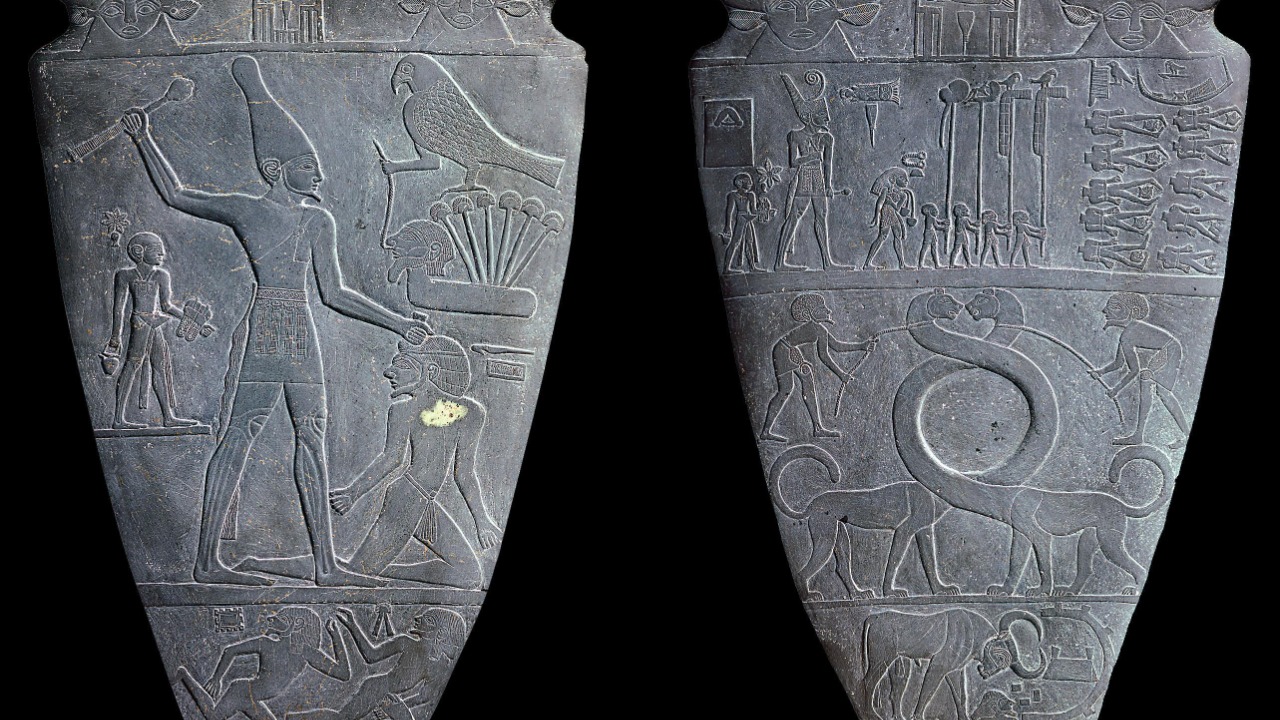
Inscriptional evidence points to King Narmer being buried in Tombs B17/B18 at Umm el-Qa’ab, according to the Wikipedia account of the cemetery. The wording is cautious: the identification rests on inscriptional evidence.
Narmer is a name closely tied to the start of Egypt’s royal line, so even a hedged attribution gives the cemetery its place in the story of the first kings. The point for readers is that many of the grave assignments at Abydos are inferences from inscriptions, and each one carries that degree of uncertainty.
Tomb of Djer: The Largest Retinue
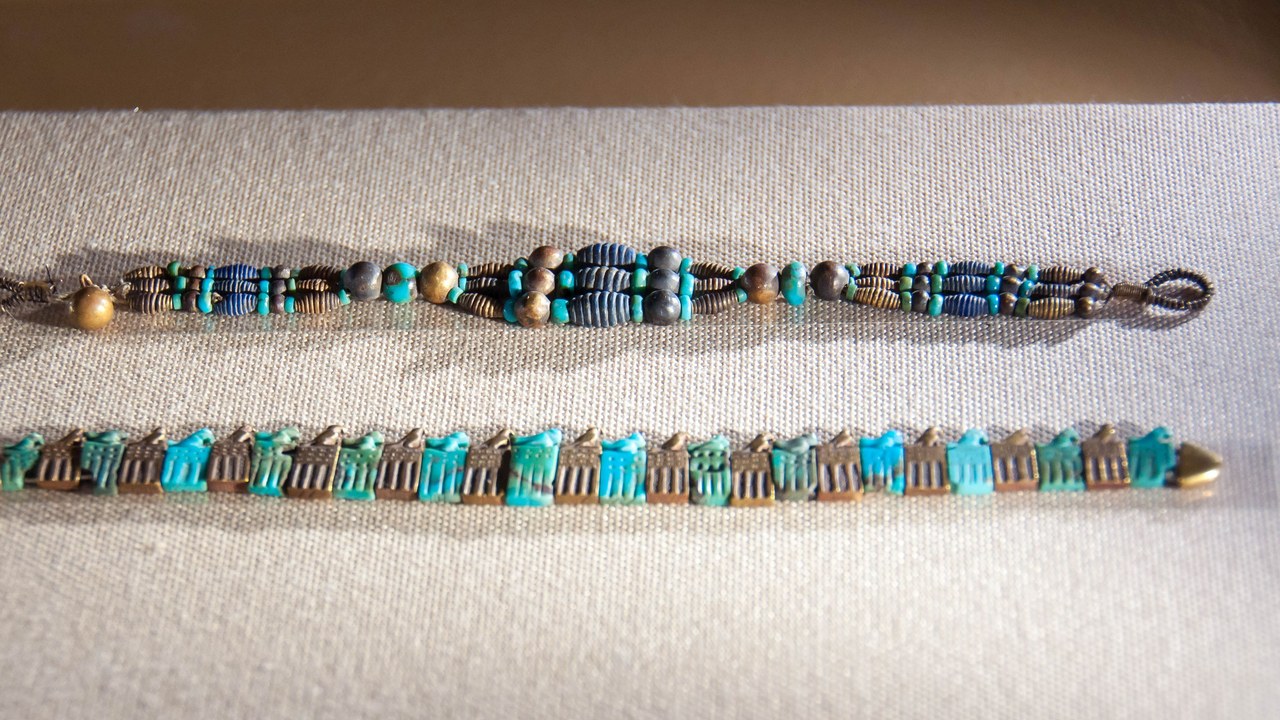
Tomb O, the burial of King Djer, has a chamber of about 96 sq m and is linked to 338 individuals thought to have been sacrificed, per the Wikipedia cemetery entry. Centuries later, the tomb was reinterpreted as the tomb of Osiris.
The figure of 338 is attributed to Wikipedia’s account and is described there as a link, so it should be read as the number associated with the tomb rather than a count of proven sacrifices. The later reinterpretation as the tomb of Osiris shows how the site kept a sacred meaning long after the First Dynasty ended.
Merneith’s grave: A Queen’s Surrounding Graves
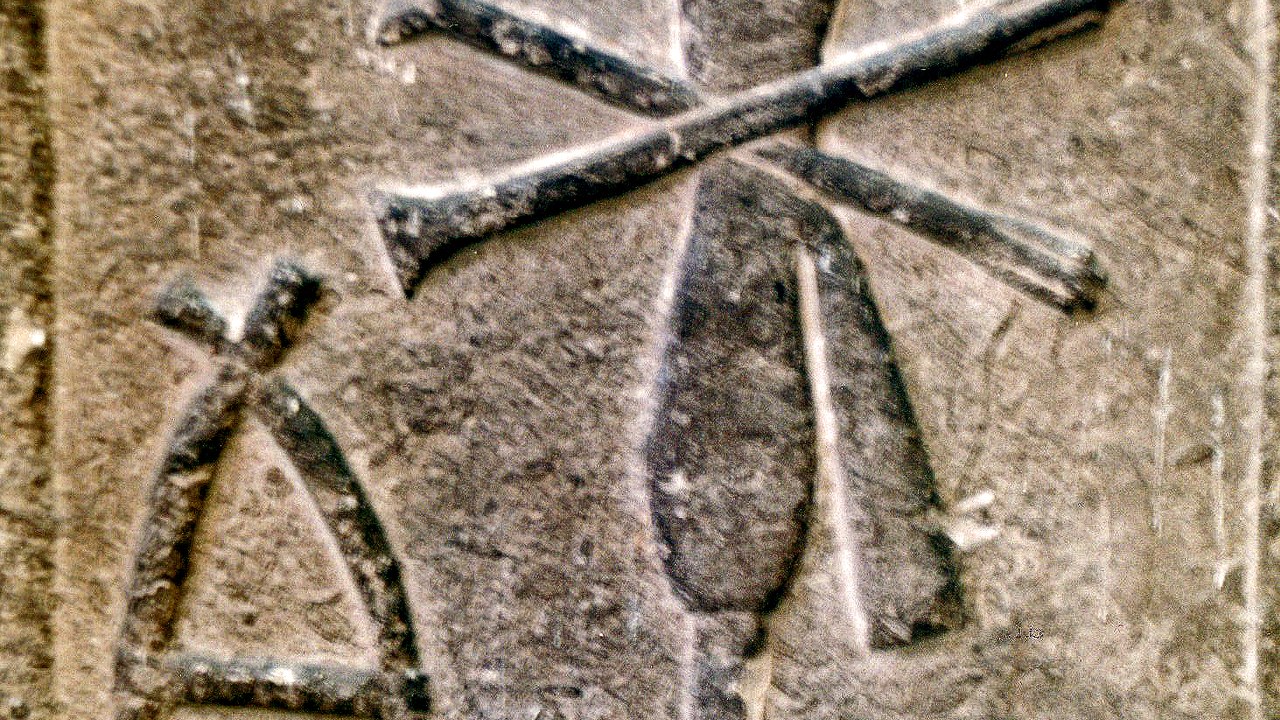
Merneith’s tomb (Y) is one of the First Dynasty royal funerary sites around which hundreds of people were buried in small graves between about 3078 and 2900 BCE, as Archaeology Magazine reports. Her burial belongs to the same pattern seen at the tombs of Djer and Djet.
The small graves clustered around the royal tombs are the raw material for the debate over retainer sacrifice. Their placement near a ruler suggests a connection, but the date range spans roughly 180 years, so the burials were not all made in one event. That spread is part of why interpretation remains difficult.
Flinders Petrie’s excavation: An Early Theory of Live Burial
Petrie in the 1920s thought those buried were court members who died to serve their ruler, and he raised the idea of live burial, a point noted in coverage of the skull study. His reading shaped how later scholars framed the graves.
Petrie was working with the methods of his era, long before the skulls could be re-examined with modern techniques. His proposal is best read as an early hypothesis that later work has been testing. The new skull research does not simply confirm it; it adds physical evidence about injuries that the original excavators could not assess in the same way.
The Abydos funerary enclosures: Forts Behind the Town
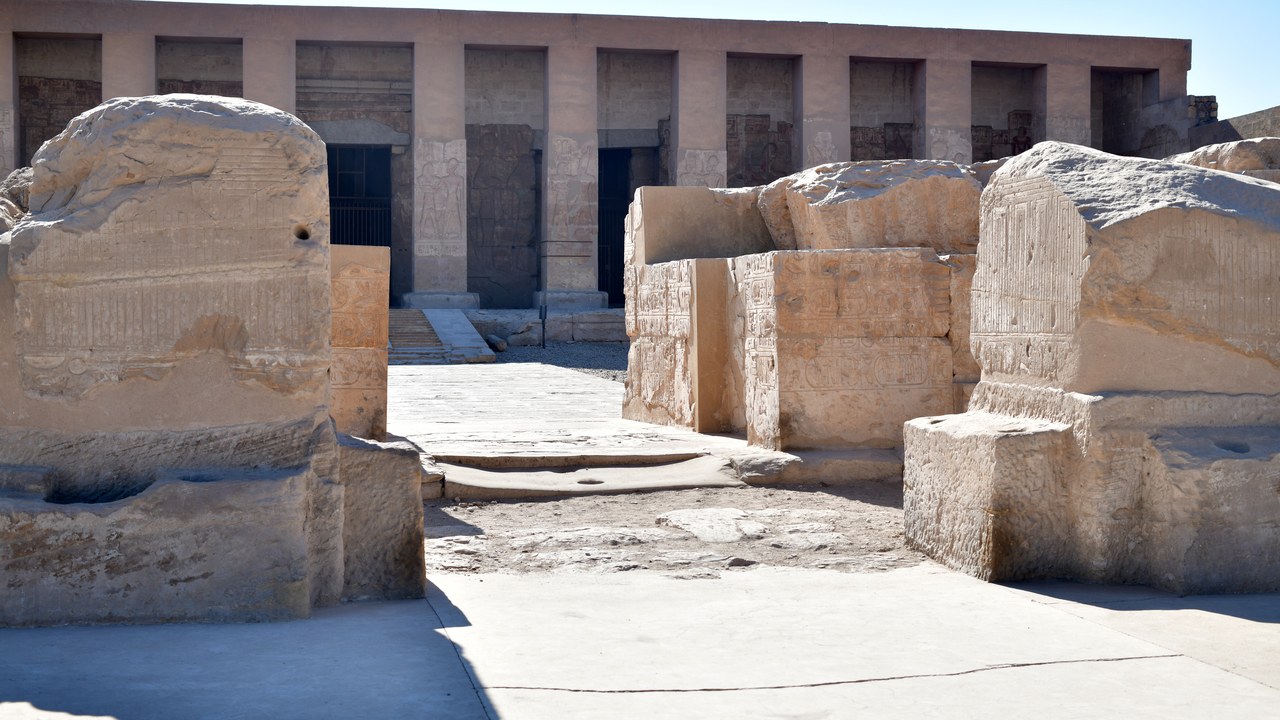
Three Second Dynasty kings built mudbrick enclosures behind the town of Abydos that modern researchers called ‘forts’, according to the Abedju article. The label is a modern one, applied by researchers rather than by the builders.
The enclosures mark a shift from the First Dynasty burials at Umm el-Qa’ab to a different style of royal funerary monument in the following dynasty. They show that Abydos remained a focus of royal building in the Second Dynasty. For readers following the skull study, they are a reminder that the royal landscape at the site stretches well beyond the First Dynasty tombs themselves.
Shunet El Zebib: The Best-Preserved Enclosure
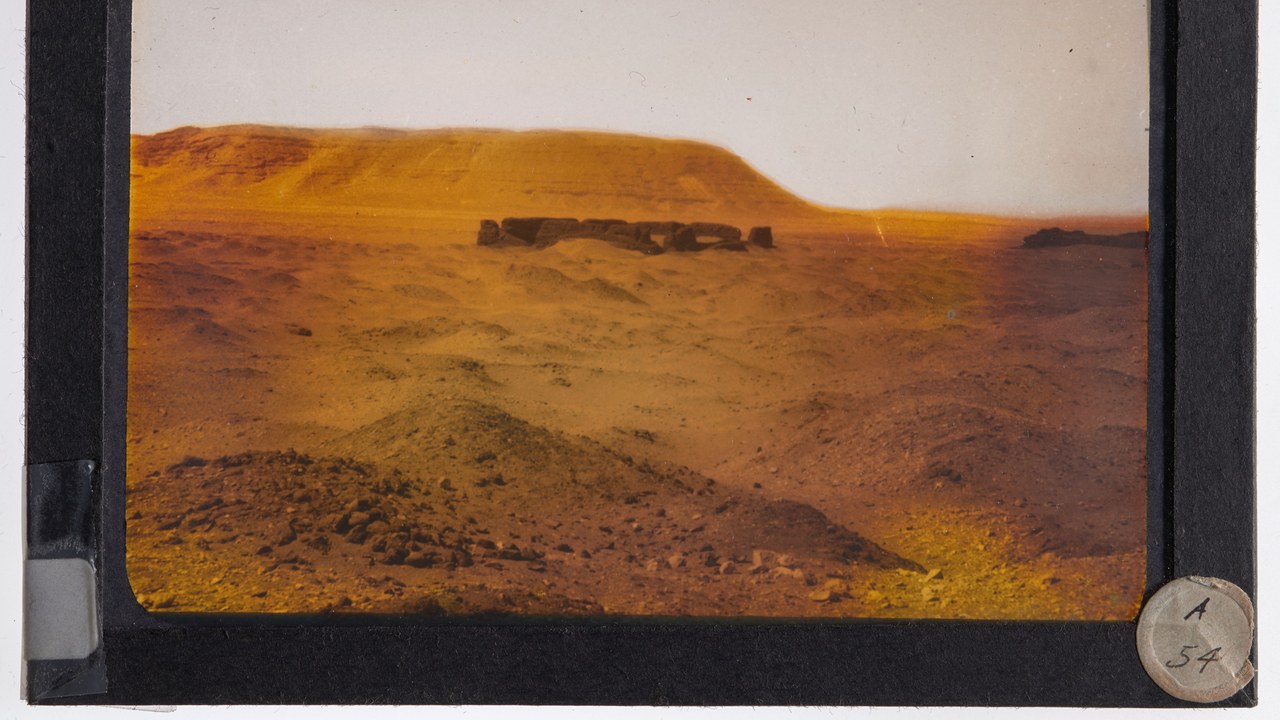
Khasekhemwy’s enclosure is the best preserved: about 137 m by 76 m overall, with one wall still standing 9.1 m high, based on the Wikipedia entry for Abedju.
Its survival gives researchers the clearest view of how these enclosures were laid out and how imposing they were. Its dimensions and surviving wall height give a sense of the scale at which Second Dynasty rulers built at Abydos. The measurements come from the same reference entry that describes the three enclosures, and they apply to the structure overall rather than to a single wall. It offers a useful comparison with the burial ground at Umm el-Qa’ab.
The skull study: Re-Examining 46 Skulls
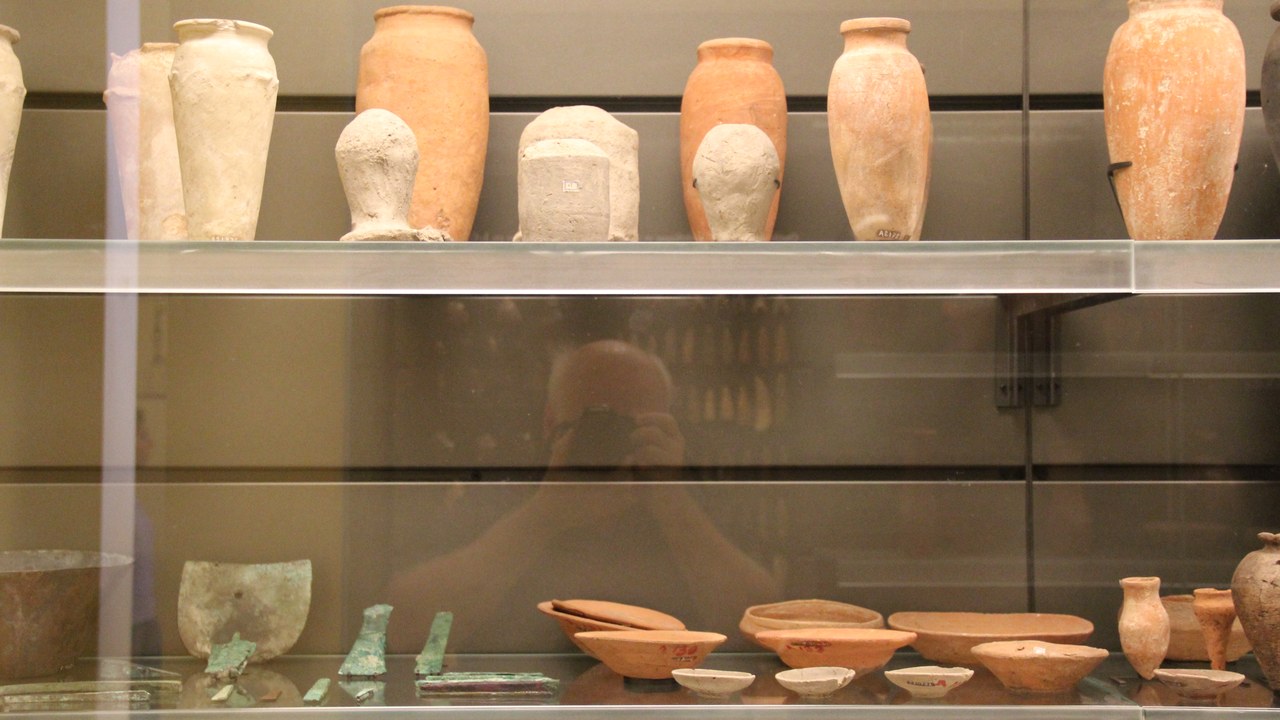
A 2026 study in Frontiers in Environmental Archaeology re-examined 46 skulls from graves linked to Djer, Djet and Merneith; 18 (39%) show serious injuries around the time of death, according to Archaeology Magazine. ScienceDaily’s November 13 coverage also gives 46 and 18.
The study is the news behind the headline. Serious injuries in nearly two in five of the skulls are consistent with the retainer sacrifice idea, in which people close to a ruler are killed when the ruler dies, as Purdue’s Roselyn Campbell describes it. The finding is evidence for violent deaths, and the study’s reading of the cause still has to be weighed carefully.
The Osireion at Abydos: A Cenotaph for Osiris
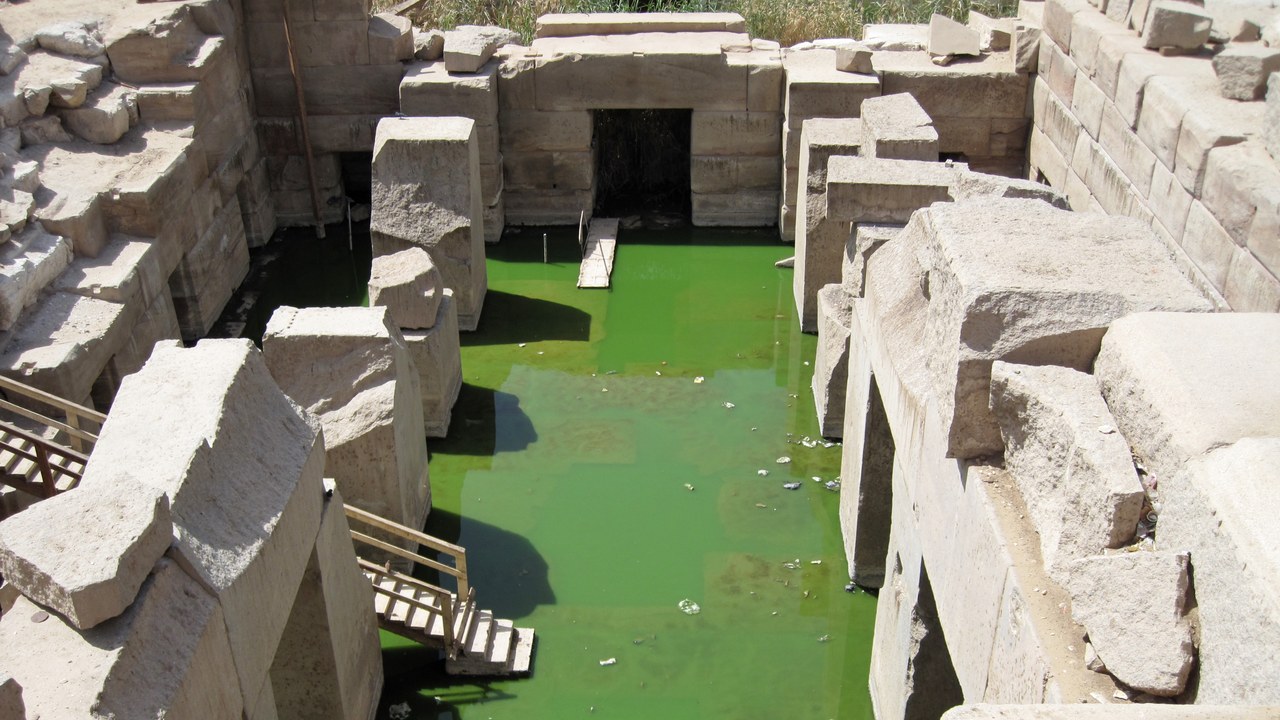
Behind the Temple of Seti I, the Osireion served as a cenotaph for Seti-Osiris, the god that Djer’s tomb was later linked to in the Middle Kingdom festival, as the Abedju entry explains. It belongs to a much later phase of the site than the early royal tombs.
The Osireion shows how Abydos came to be tied to the god Osiris. Djer’s tomb was reinterpreted in that tradition, so the cemetery’s meaning changed over time. The link also helps explain why the area attracted later building.
What the skulls cannot prove: The Limits of the Evidence
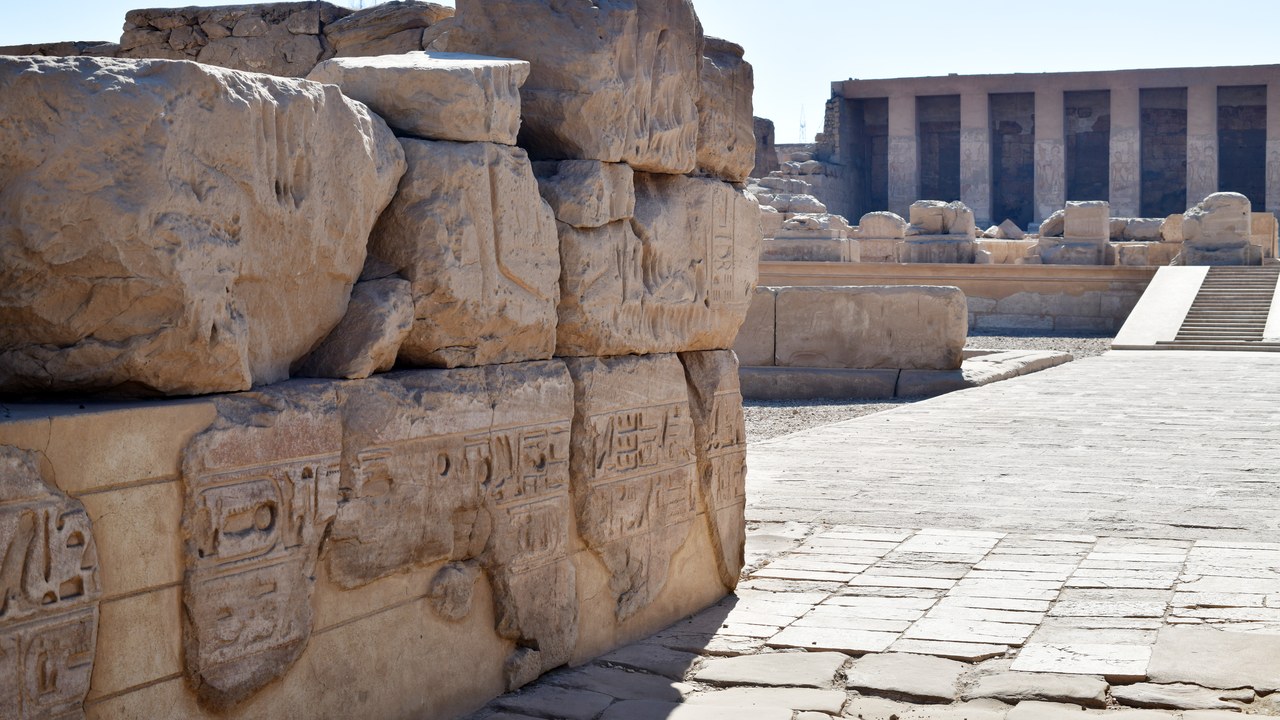
Damage alone does not prove sacrifice in every case, and surviving skulls represent only about 5 to 15 percent of the original burial populations, as the skull study coverage notes. Those limits apply to every figure in the study.
A skull with an injury could reflect an accident, a fight or an execution, and the missing majority of the burial populations leaves the totals open. The result therefore supports a cautious reading: some people buried beside Egypt’s first kings met violent ends, but the full scale of the practice remains unsettled. Future analyses may refine that picture.
More from Morning Overview
- USS Michael Murphy is finally home after a grueling 346-day deployment
- Michigan’s shut-down Palisades nuclear plant is supposed to restart within weeks, the Energy Secretary says
- USS Colorado will be the first U.S. submarine in AUKUS’s new Australian rotation
- Ocean mud suggests Cascadia and the San Andreas fault have broken within hours of each other
