
In 1977 NASA launched a probe that would spend 12 years touring the outer planets, and no spacecraft has been back to the two farthest since. Voyager 2 flew past Jupiter and Saturn, then became the first and only visitor to Uranus and Neptune. This is the story of that journey, told through the worlds it photographed.
Read next on Morning Overview: Shaq spent $1.3 million on three Rolls-Royce Phantoms to prove a point to a salesman
Voyager 2: The Only Visitor to the Ice Giants
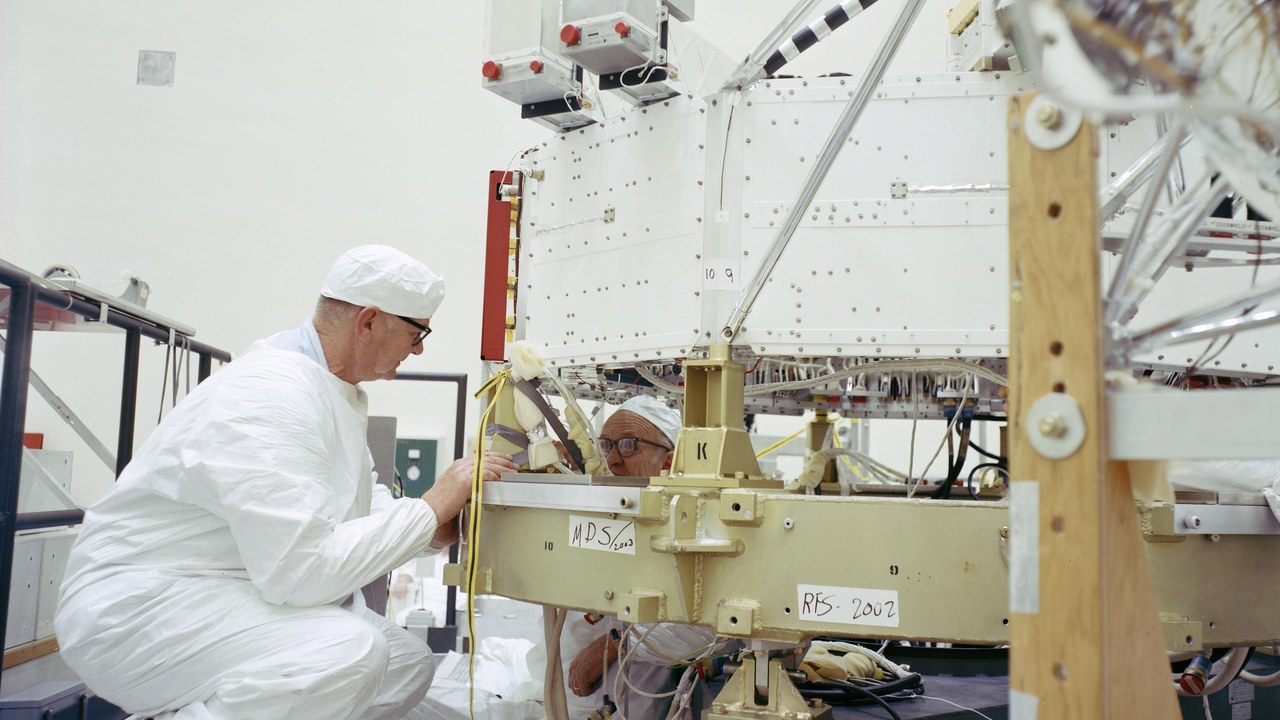
NASA’s Jet Propulsion Laboratory describes Voyager 2 as the only spacecraft to have ever visited Uranus and Neptune. It launched on Aug. 20, 1977, and during its travels through the outer solar system it visited all four gas giant planets, discovering and photographing many of their moons along the way.
Its flyby of Neptune in 1989 set the probe on a course below the plane of the planets, and that path carried it into interstellar space on Nov. 5, 2018, according to JPL. Its twin, Voyager 1, had already crossed into interstellar space in August 2012.
Titan IIIE launch vehicle: A Rocket Built for the Long Haul
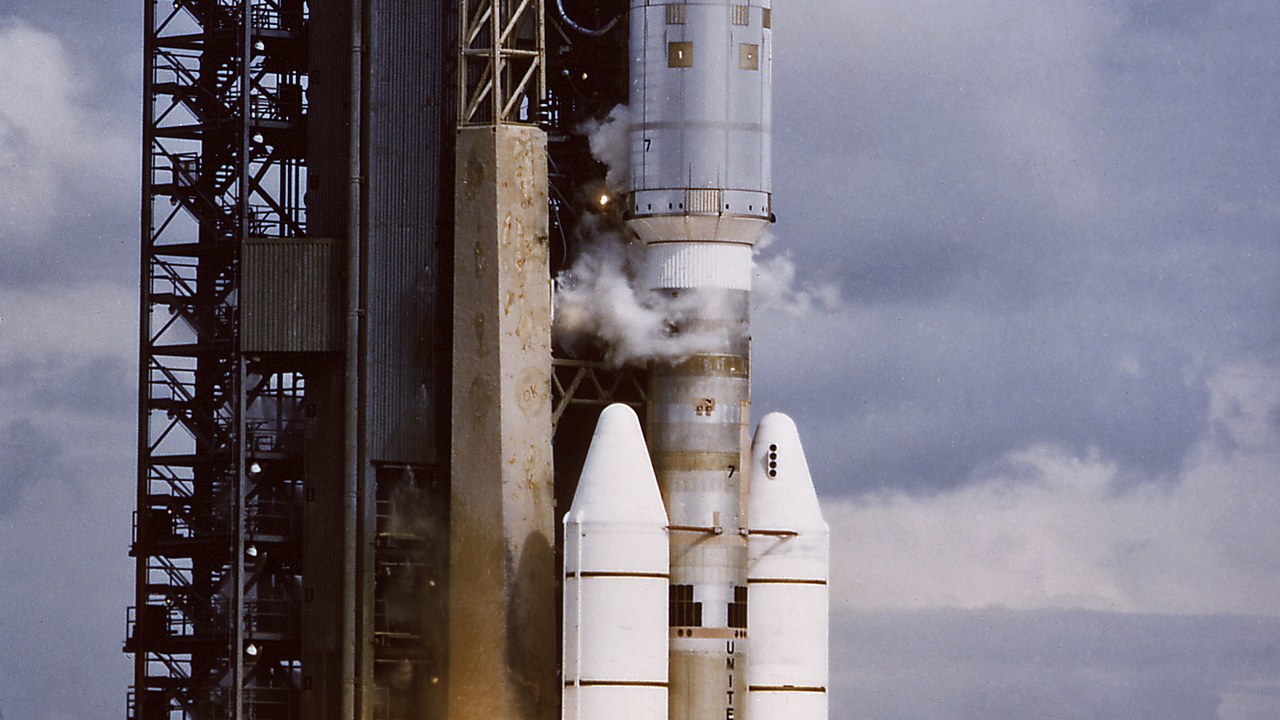
Voyager 2 rode a Titan IIIE rocket off Launch Complex 41 at Cape Canaveral, with a launch mass of about 1,592 pounds. The probe came out of a scaled-back plan: NASA’s original Grand Tour concept called for multiple probes, but by 1972 it was replaced with two Mariner-derived spacecraft.
To keep costs down, the mission was officially limited to flybys of Jupiter and Saturn, but planners kept the option of continuing on. A rare alignment of the outer planets in the late 1970s made it possible for one probe to reach all four giants by using gravity assists, swinging from one planet to the next.
Jupiter: Close Passes at Jupiter’s Moons
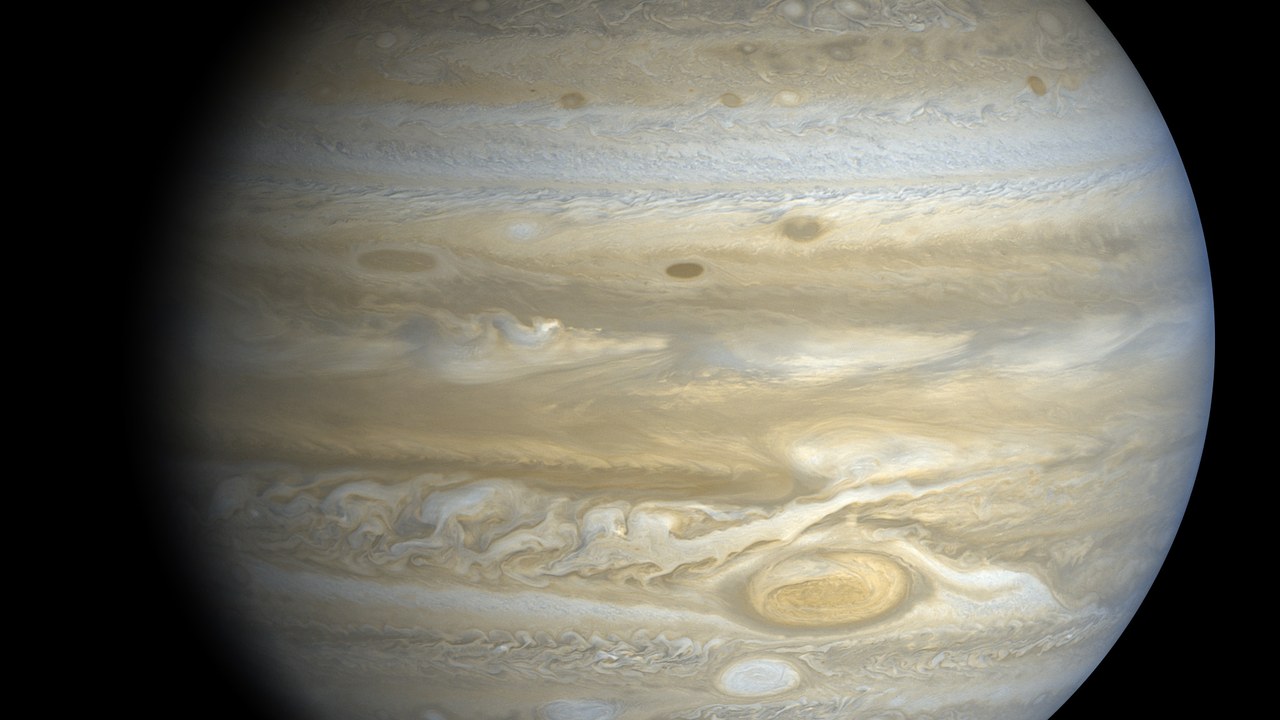
Voyager 2 began sending back pictures of Jupiter on April 24, 1979, for time-lapse movies of its atmosphere. Unlike its twin, it made close passes to the Jovian moons on the way in, and it discovered a 14th moon at Jupiter, according to NASA.
Its closest approach came on July 9, 1979, at a range of about 400,785 miles. Scientists were especially eager for more data on Europa and Io, the volcanic moon that required a 10-hour volcano watch. A course correction two hours after closest approach sent the spacecraft on toward Saturn.
Saturn: Racing Through Saturn’s Rings
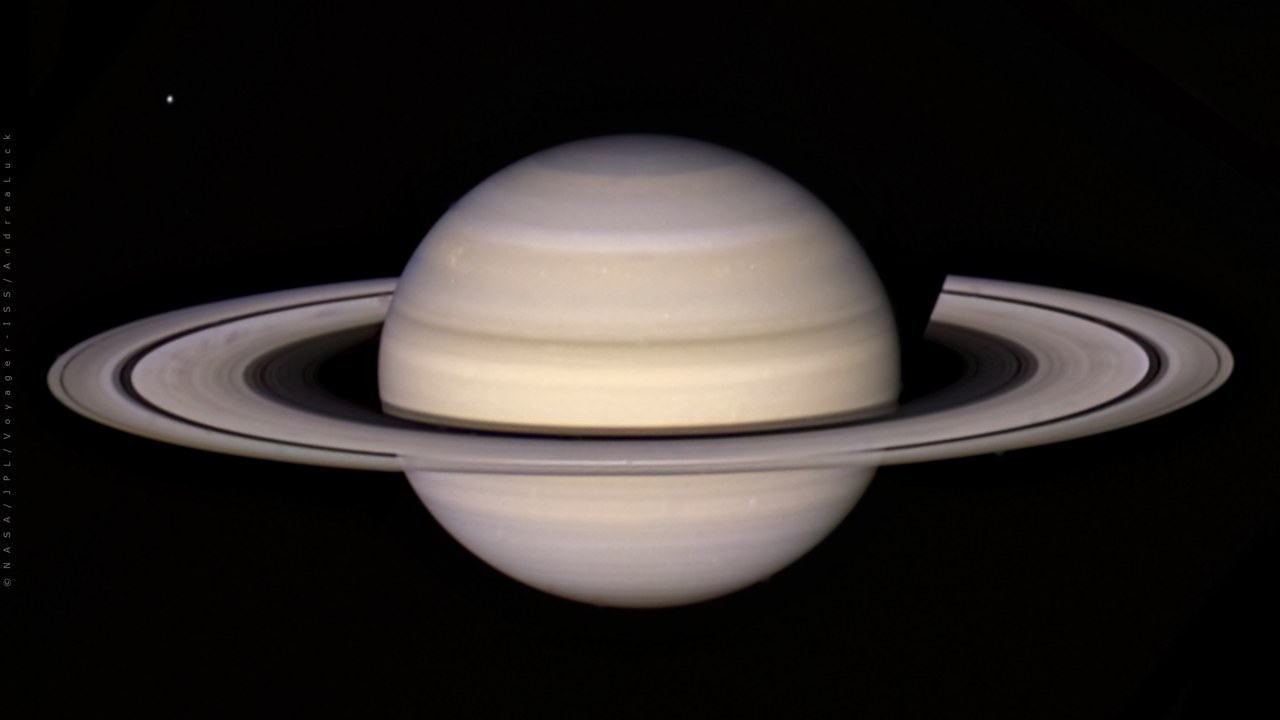
The probe made its closest approach to Saturn on Aug. 26, 1981, passing about 63,000 miles from the planet. When it slipped behind Saturn as seen from Earth, it used its radio link to probe the planet’s upper atmosphere, gathering data on both temperature and pressure.
The flyby nearly ended in trouble. After passing Saturn, the spacecraft’s scan platform, which pointed its cameras, suffered an anomaly that seized its azimuth actuator. The malfunction caused some data loss, and engineers had to work around it so the cameras could still be aimed during the much darker encounters still to come.
Uranus: First to the Sideways Planet
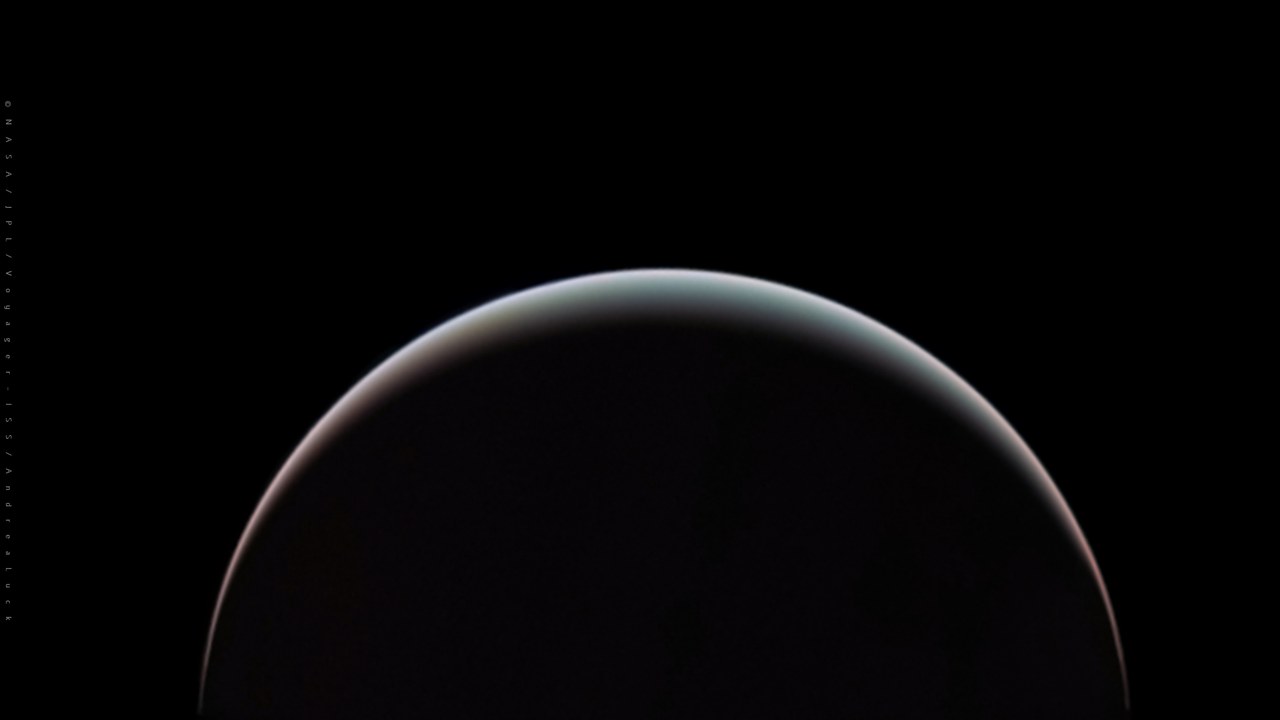
Voyager 2 made its closest approach to Uranus on Jan. 24, 1986, at a range of about 50,640 miles, becoming the first human-made object to fly past the planet. Light at Uranus was 400 times dimmer than on Earth, and the probe had only 5.5 hours of close study.
It found 10 new moons, given Shakespearean names such as Puck, Portia and Juliet, and two new rings. It also measured winds as high as 450 miles per hour and found a magnetic field tilted 55 degrees off-axis and off-center, a picture of the planet that no other spacecraft has updated up close.
Miranda (moon): The Closest Flyby of the Whole Trip
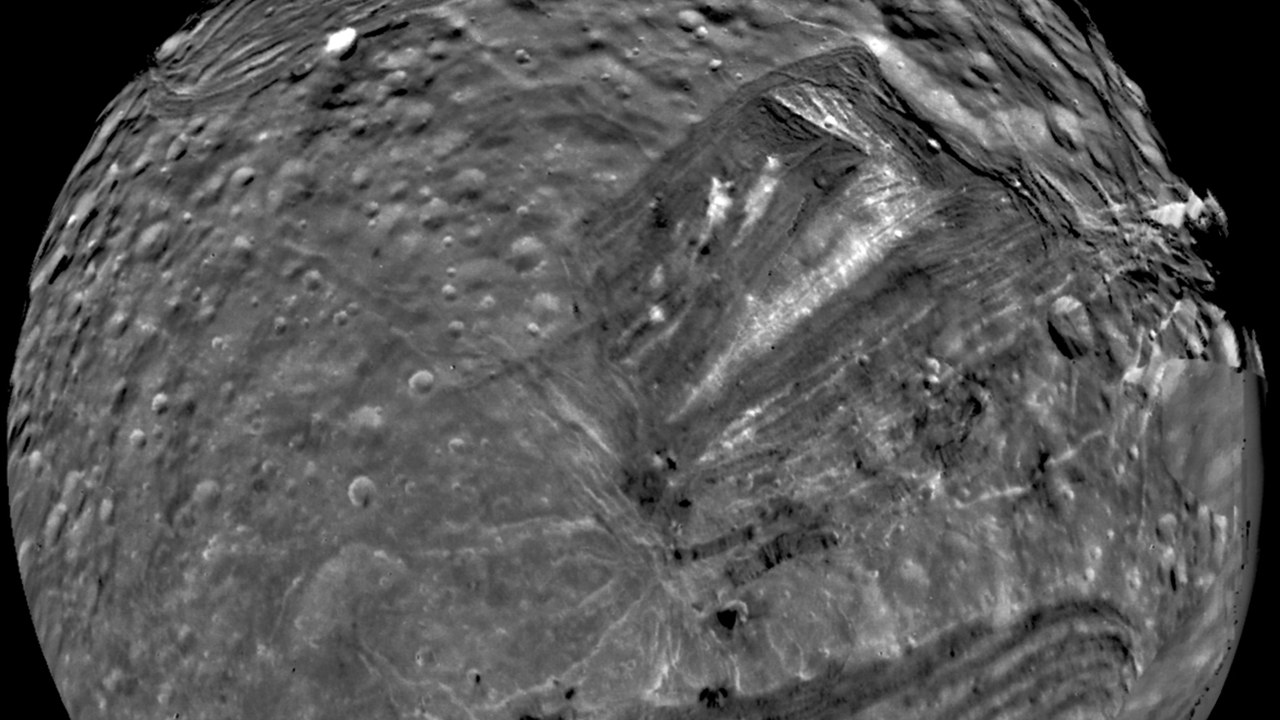
Voyager 2 also returned photos of five of Uranus’ larger moons. In flying by Miranda at a range of only 17,560 miles, the spacecraft came closest to any object in its nearly decade-long travels up to that point.
Images of the small moon showed a strange object whose surface was a mishmash of peculiar features. Because Voyager 2 is the only spacecraft to visit Uranus, the pictures it took that day are still the only close-up views of Miranda’s jumbled terrain, four decades after they were sent home.
Neptune: The Last Planet on the Tour
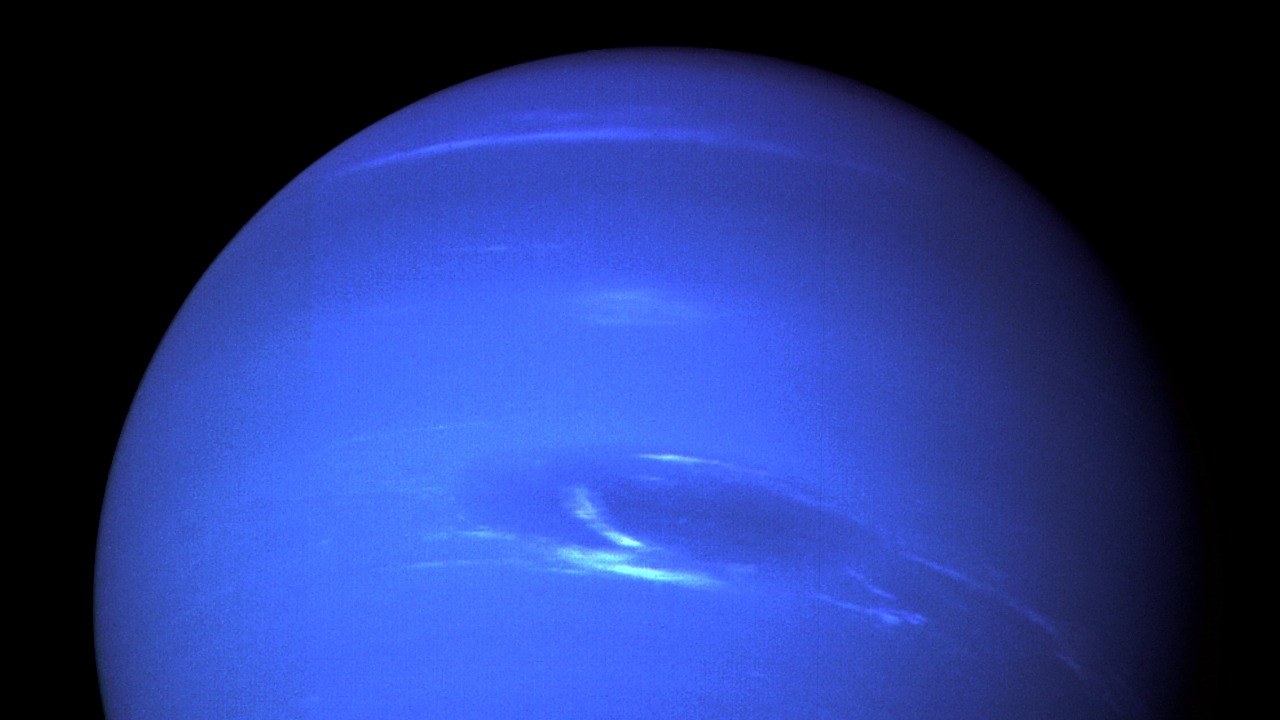
The encounter with Neptune capped a journey of 4.3 billion miles. On Aug. 25, 1989, the probe flew about 2,980 miles over the cloud tops, the closest of its four planetary flybys, and became the first human-made object to fly by the planet.
At Neptune it discovered five moons and four rings and found winds of about 680 miles per hour. It also photographed two-thirds of the largest moon, Triton, revealing the coldest known planetary body in the solar system and a nitrogen ice volcano on its surface. The flyby ended 12 years of planetary encounters.
Great Dark Spot: A Storm That Vanished

Among the features Voyager 2 found at Neptune was the Great Dark Spot, one of the major features in the planet’s clouds. Later observations by the Hubble Space Telescope showed that it had since disappeared, a reminder of how quickly the weather on a distant planet can change.
The Great Dark Spot was later hypothesized to be a region of clear gas, forming a window in the planet’s high-altitude methane cloud deck rather than a solid-looking storm top. Voyager 2 also discovered previously unknown Neptunian rings and confirmed six new moons, including Proteus, Larissa and Despina, during the same encounter.
Voyager Golden Record: A Message for Whoever Finds It
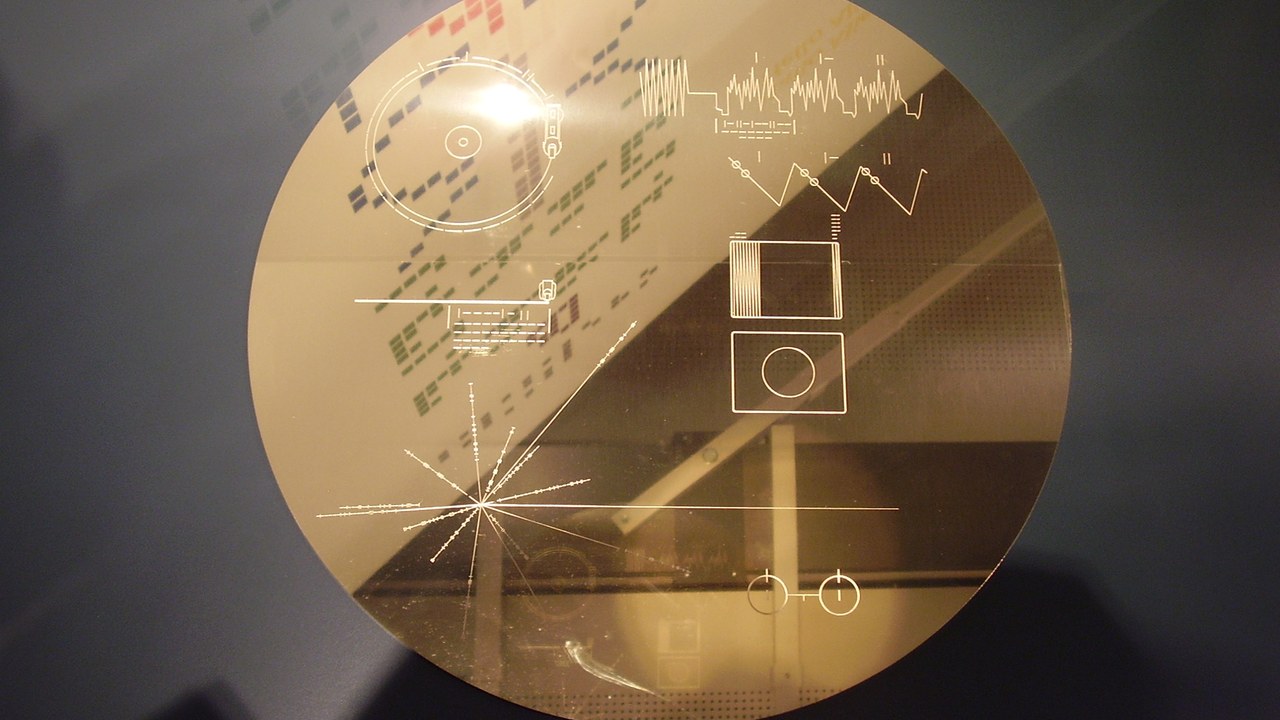
Both Voyager probes carry a gold-plated audio-visual disc intended for any intelligent life that might one day find either spacecraft. The discs hold photos of Earth and its lifeforms, a range of scientific information and spoken greetings, including from the Secretary-General of the United Nations and the President of the United States.
The records also include a medley called “Sounds of Earth,” with whales, a baby crying, waves breaking on a shore and music including works by Mozart. Wikipedia’s account notes that if it is undisturbed for 296,000 years, it should pass the star Sirius at a distance of 4.3 light-years.
Voyager program: Saving Power for the Long Night
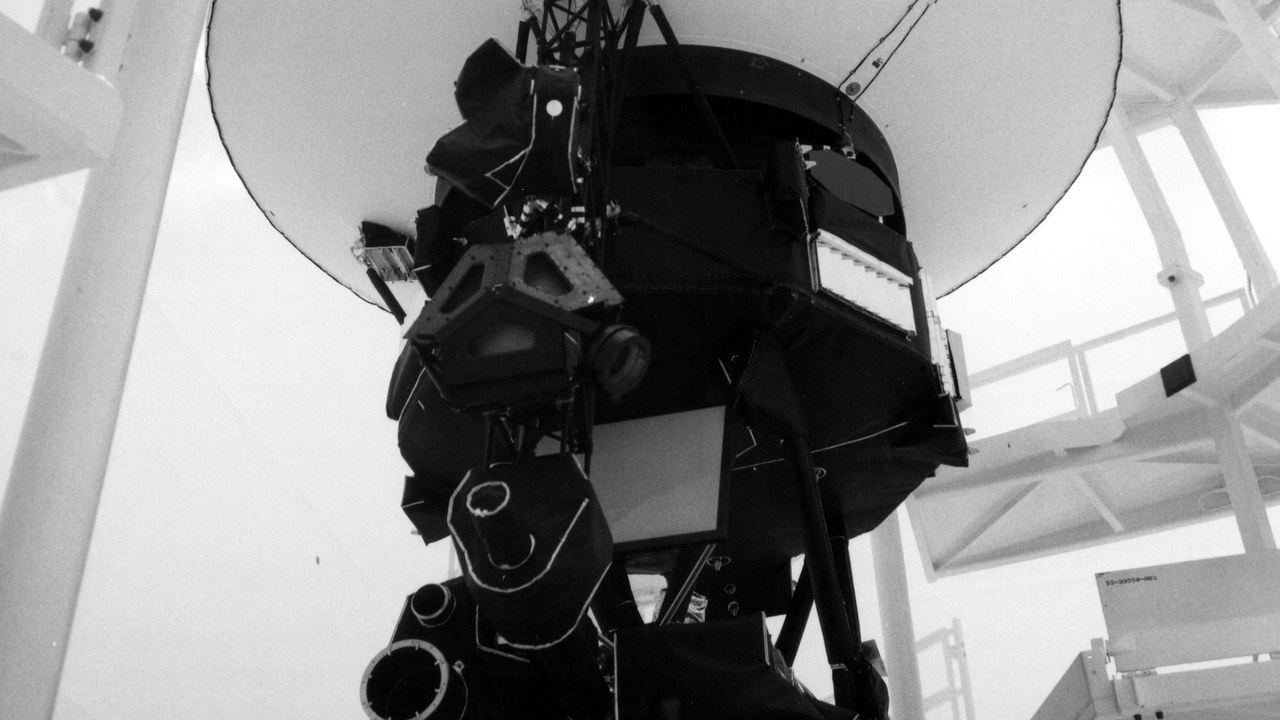
Keeping an aging probe alive has meant making hard choices about electricity. JPL says that in 1998, engineers switched off the spacecraft’s nonessential instruments to conserve power, years before it reached the edge of the Sun’s influence.
Voyager 2 has been in operation since 1977 and is now in interstellar space, outside the bubble of particles and magnetic fields from the Sun. It remains the only spacecraft that has studied all four of the solar system’s giant planets at close range, and almost everything known up close about Uranus and Neptune still comes from it.
More from Morning Overview
- New FCC rules on how people can stop robocalls and texts take effect Nov. 25
- Neanderthals in Spain carved a wooden object that matches nothing archaeologists have ever found
- The FAA wants $2.39 million from a flight school it says flew a Cessna about 280 times with an unapproved part
- A $1 billion gas plant planned for Superior, Wisconsin, has been abandoned
