
A violent tornado can cross a town in minutes and leave it unrecognizable for years. National Weather Service surveys record the winds, the path and the toll, and they make sobering reading. Here are eleven tornadoes that tore through American towns, from Xenia in 1974 to Greenfield in 2024.
Read next on Morning Overview: Cadillac cut the price of its cheapest EV, which goes up to 317 miles on a charge
1. 2011 Joplin tornado: The deadliest in modern records
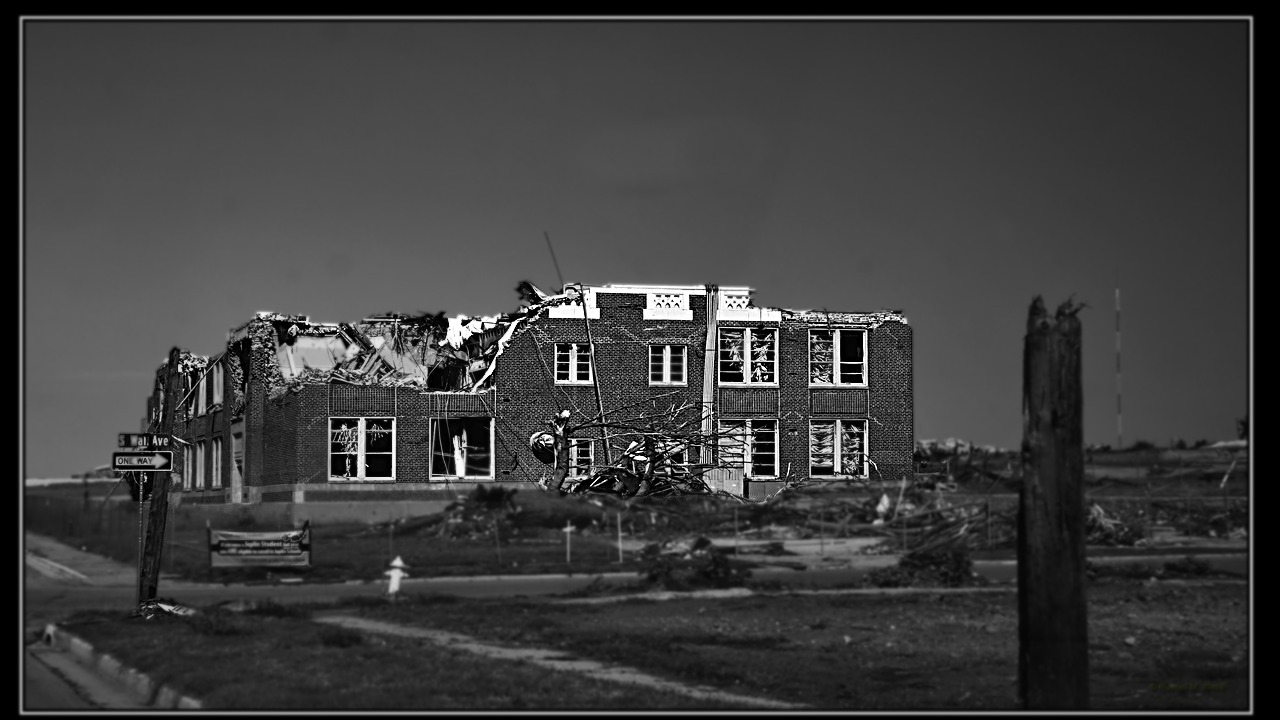
On the hot, humid Sunday afternoon of May 22, 2011, a supercell produced an EF-5 tornado with winds above 200 mph over Joplin, Missouri. NOAA says it caused 158 deaths and more than 1,000 injuries in the Joplin area.
It is the deadliest U.S. tornado since modern record keeping began in 1950, and it ranks seventh among the deadliest tornadoes in U.S. history. The storm had tracked in from extreme southeast Kansas, and 2011 became the fourth-deadliest tornado year in the country.
2. 2021 Mayfield tornado: A 165-mile night of destruction
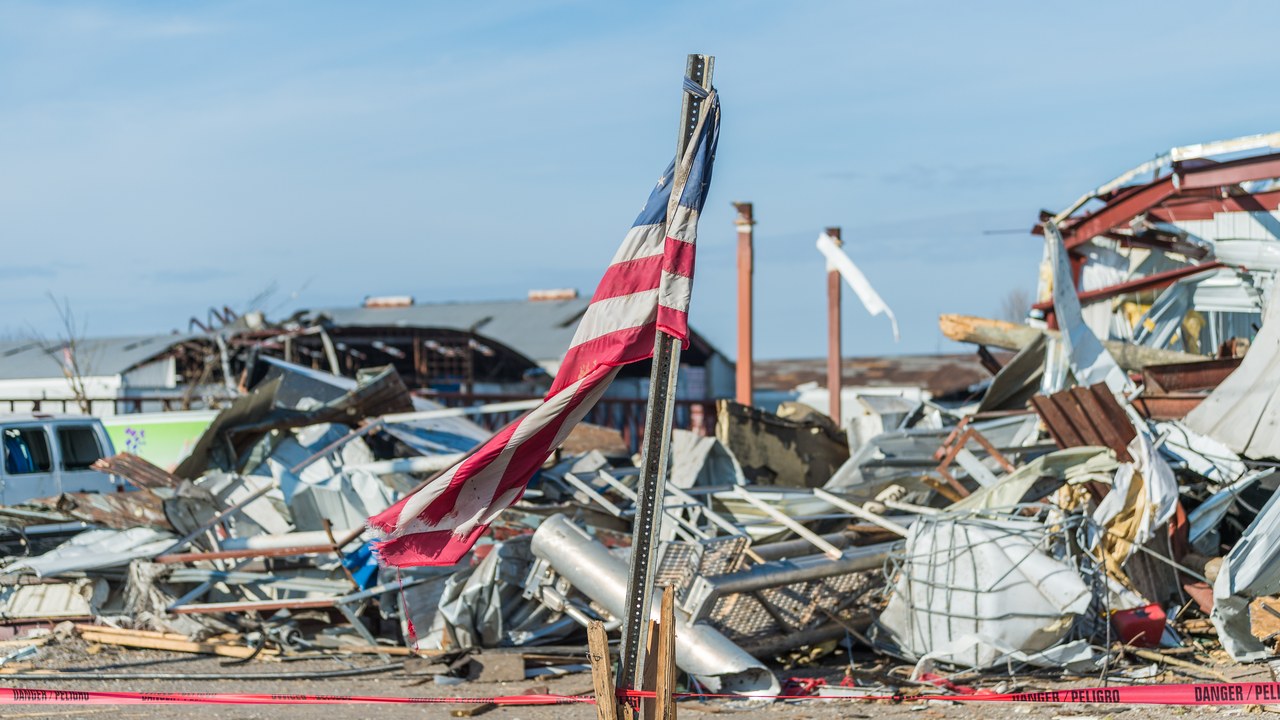
The December 10, 2021 tornado reached Mayfield, Kentucky, at 9:26 p.m. The National Weather Service rated it EF-4 with peak winds of 190 mph and a path 165.7 miles long, one of the longest tornado tracks in U.S. history, and counted 57 deaths.
Mayfield’s downtown historic district was nearly destroyed. More than 3,778 homes, 183 commercial properties and 103 other buildings were damaged or destroyed, including the Graves County courthouse and the Mayfield Consumer Products candle factory.
3. 2011 Tuscaloosa tornado: A college town in the crosshairs
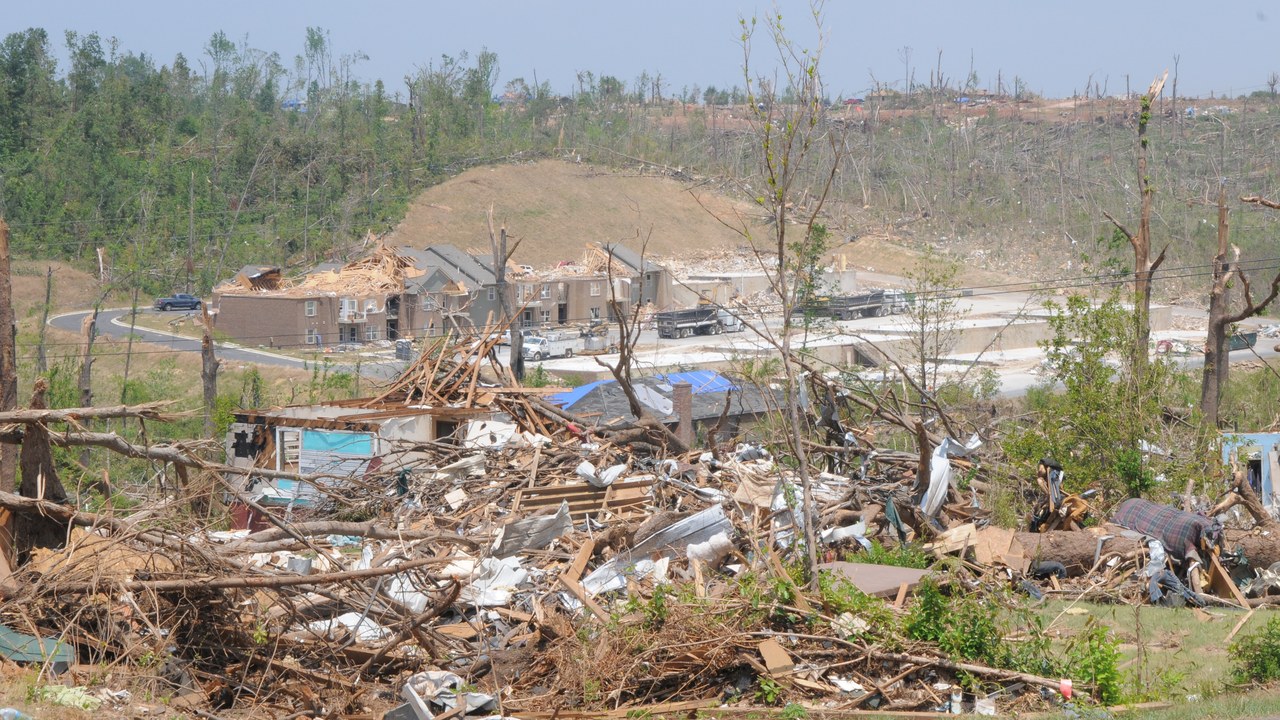
On April 27, 2011, an EF-4 tornado with estimated winds of 190 mph tore through Tuscaloosa and into Birmingham’s western suburbs. The National Weather Service recorded 65 deaths and about 1,500 injuries along its path.
In the Alberta City neighborhood, Alberta Elementary School was nearly completely destroyed, and the Alberta Park Shopping Center was left as a pile of debris on its foundation. The parent supercell lasted about 7 hours and 24 minutes and traveled roughly 380 miles.
4. 2023 Rolling Fork tornado: A Delta town flattened at night
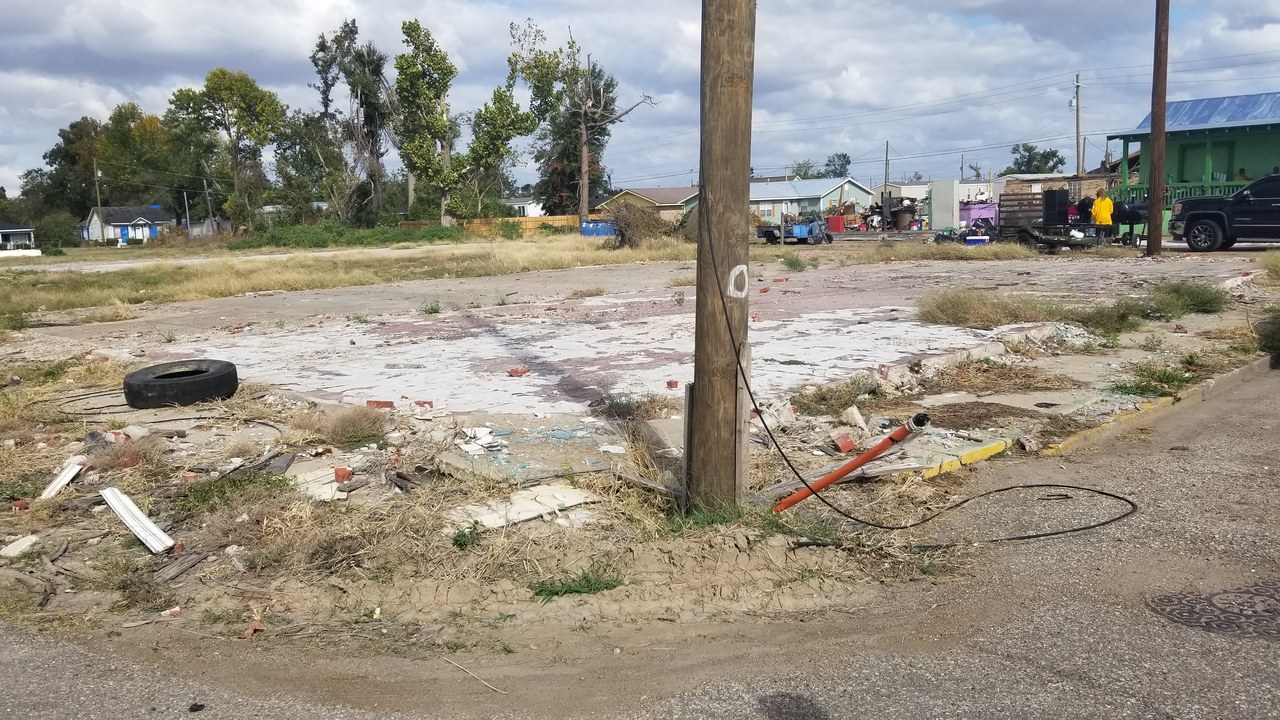
The tornado that struck Rolling Fork, Mississippi, on March 24, 2023, was rated EF4 in the Weather Service’s preliminary survey, with estimated peak winds of 170 mph along a 59.4-mile path up to three-quarters of a mile wide. The survey listed 16 deaths.
It touched down near Mayersville at 7:57 p.m. and was on the ground until 9:08 p.m. After it crossed Deer Creek into the eastern side of Rolling Fork, surveyors noted additional EF4 damage, before it weakened toward Silver City.
5. 2013 Moore tornado: Forty minutes across a suburb
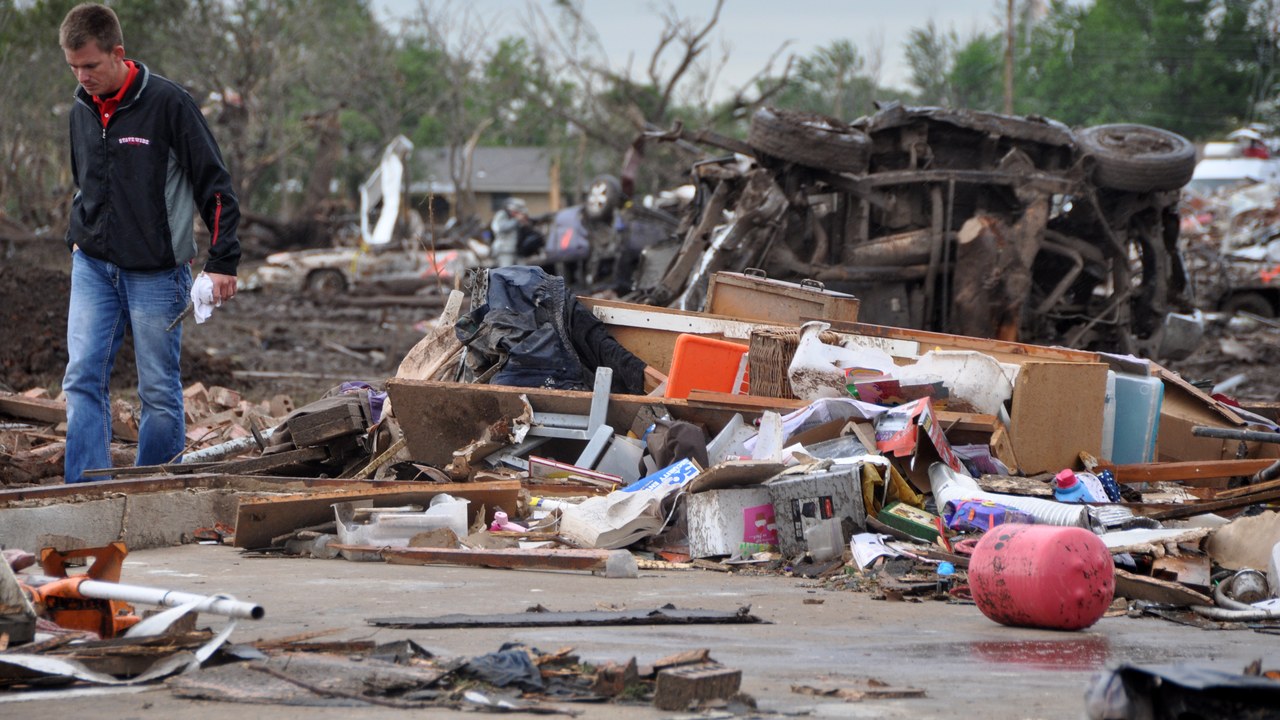
On May 20, 2013, an EF-5 tornado tracked east-northeast across Moore and south Oklahoma City for about 40 minutes. The National Weather Service says it claimed 24 lives, injured scores of people and caused billions of dollars in damage.
Its path ran about 14 miles, from 2:56 to 3:35 p.m. local time, before it dissipated near Lake Stanley Draper. It came on the last day of a three-day stretch of significant severe weather in Oklahoma, from May 18 to 20.
6. 2013 El Reno tornado: The widest tornado on record
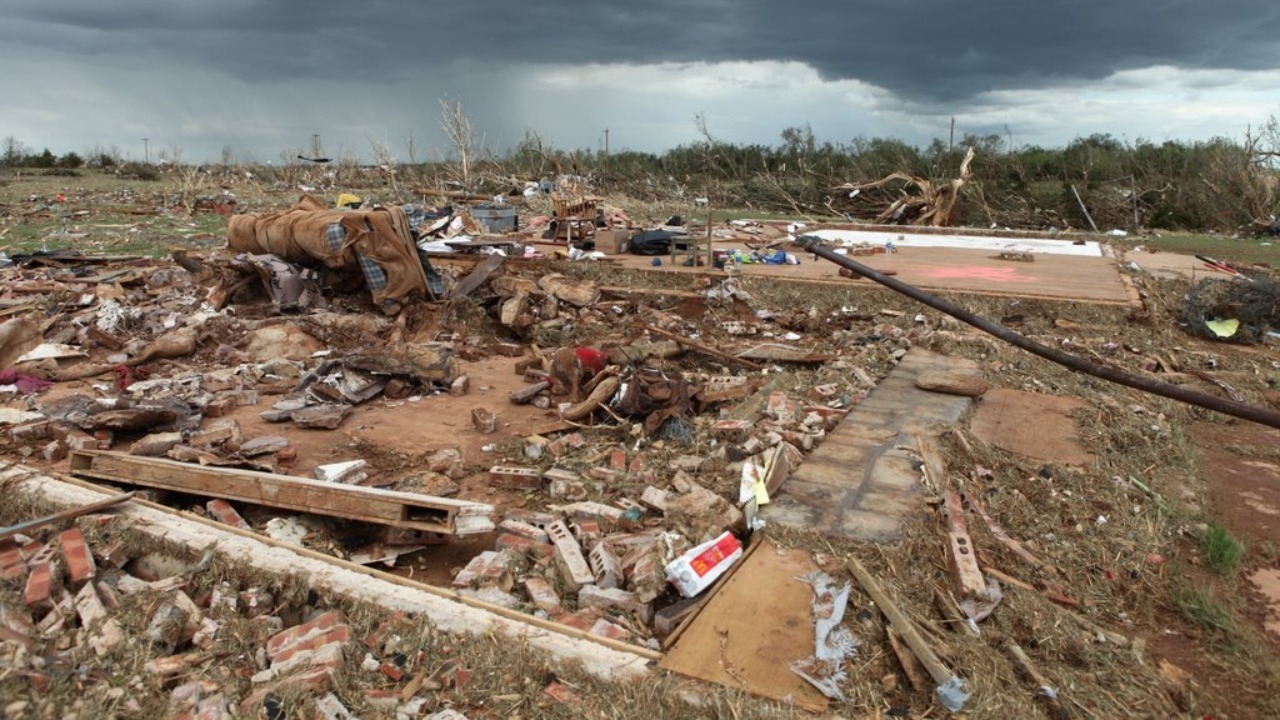
Just 11 days after Moore, the El Reno tornado of May 31, 2013 became the widest known tornado on record, with a maximum width of 2.6 miles. It was also one of the most powerful tornadoes ever sampled by mobile radar.
Eight people were killed, all of them in vehicles, including three severe-storm researchers. The same event brought flash flooding that killed 14 more Oklahomans, the state’s worst flash-flood toll since floods in Tulsa killed 14 in 1984.
7. 1997 Jarrell tornado: Ground scoured bare in Texas
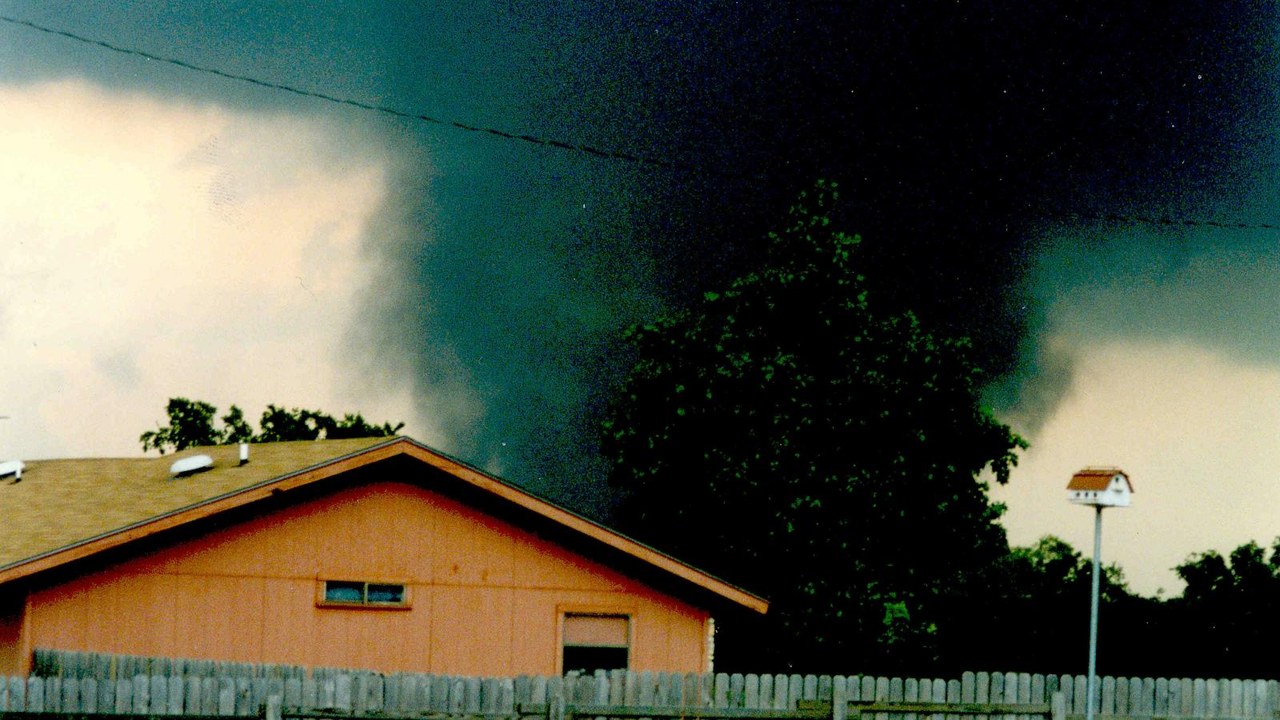
On May 27, 1997, one of the most powerful tornadoes on record, an F5, tore through Double Creek Estates, a subdivision of Jarrell in Texas’s Williamson County. All 27 deaths occurred in the Double Creek area, where about 40 structures were totally destroyed.
One account quoted by the Weather Service says the earth was scoured bare, pavement was ripped from roads and homes were completely pulverized. Nearly 300 cattle in a pasture near the subdivision were also killed, many tossed more than a quarter mile.
8. 1974 Xenia tornado: The worst of the Super Outbreak
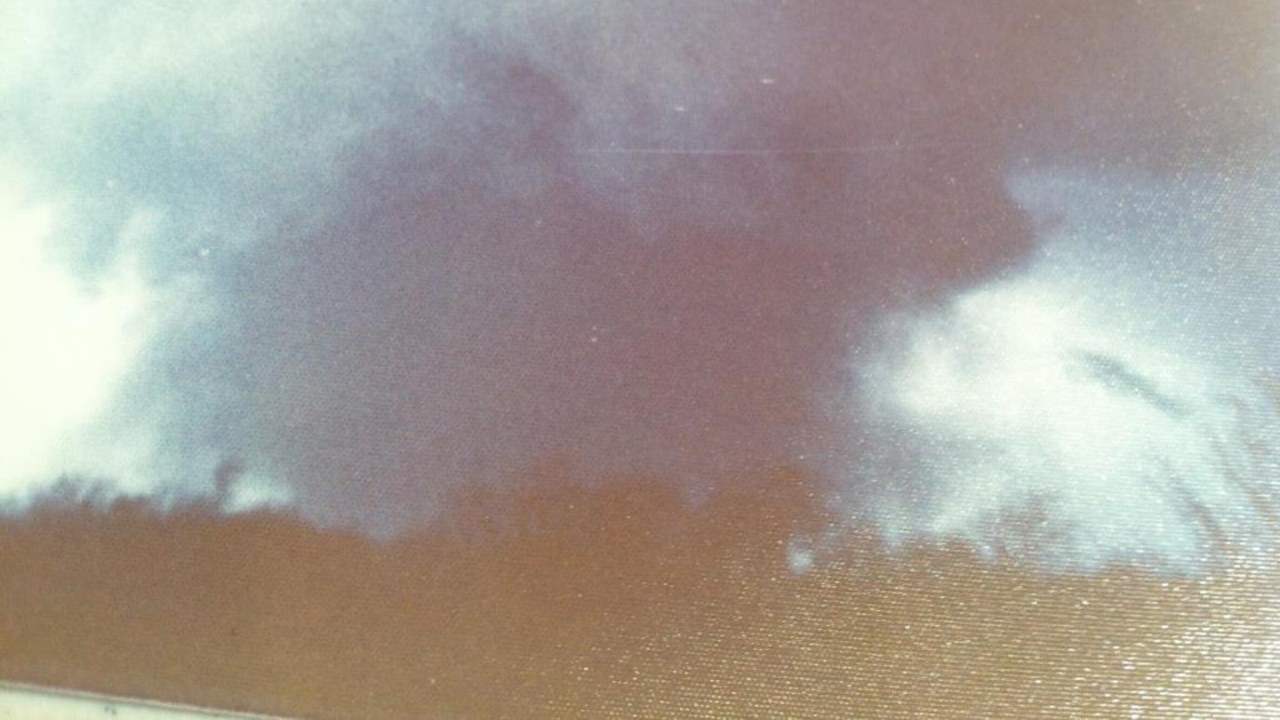
The April 3-4, 1974 Super Outbreak produced 148 tornadoes, 30 of them rated F4 or F5. Two violent F5s destroyed much of Xenia, Ohio, and Sayler Park near Cincinnati, and the Xenia tornado caused 34 deaths, the most of any tornado in the outbreak.
It remains among the 10 costliest U.S. tornadoes, at about $250 million in 1974 dollars. Across Ohio, Indiana and Kentucky, dozens of tornadoes that day killed 159 people and injured more than 4,000.
9. 2011 Smithville tornado: 205 mph through a small town

Smithville, Mississippi, was hit at 3:44 p.m. on April 27, 2011. The Weather Service’s survey rated the tornado EF-5, with estimated peak winds of 205 mph and a path of 35.1 miles in Monroe and Itawamba counties, up to three-quarters of a mile wide.
Further study of satellite imagery showing scars in the trees let forecasters in Memphis and Birmingham link the Smithville damage to the Shottsville, Alabama segment, so the same storm continued across the state line. It struck on the same day as the Tuscaloosa tornado.
10. 2024 Greenfield tornado: A small Iowa town in the path
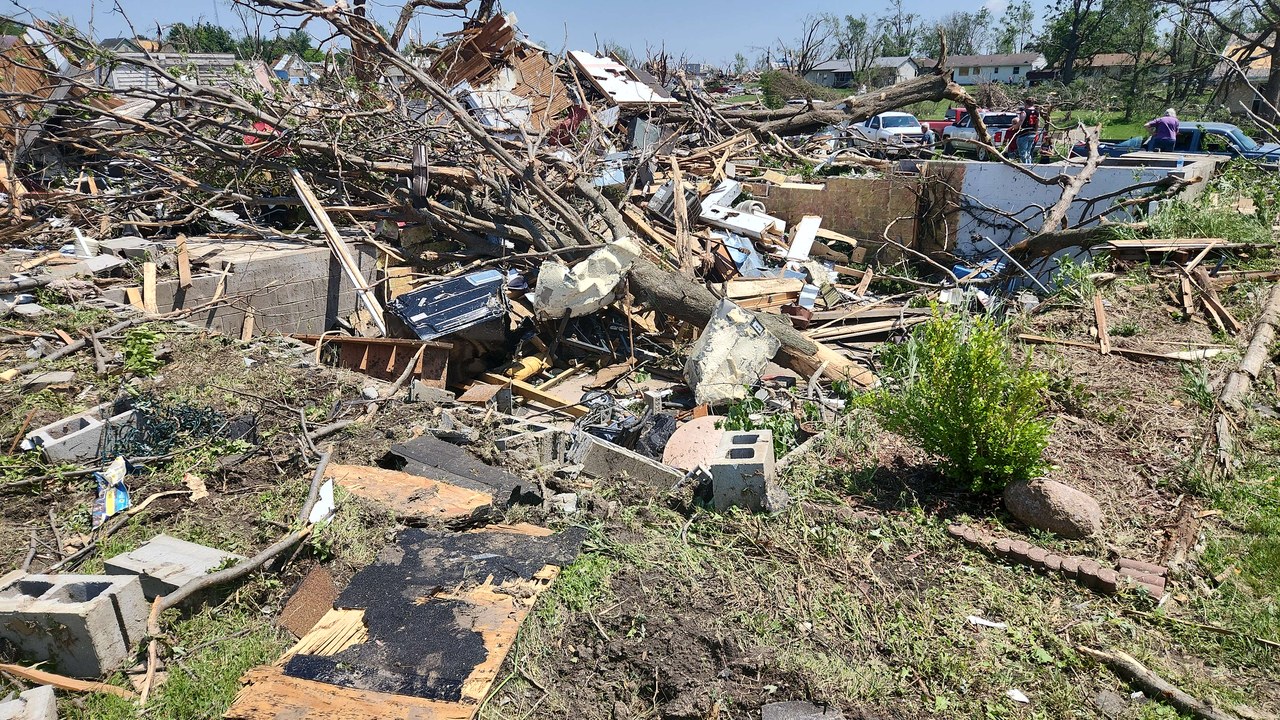
On May 21, 2024, survey teams found EF4 damage across Adams and Adair counties in Iowa, including Greenfield, with peak winds of 175 to 185 mph. The tornado ran 43.98 miles, was up to 1,000 yards wide and killed five people.
It touched down near Villisca at 2:57 p.m. and lifted east-northeast of Greenfield at 3:43 p.m., after 46 minutes on the ground. The Weather Service statement also recorded 35 injuries.
11. 2007 Greensburg tornado: A Kansas town that rebuilt
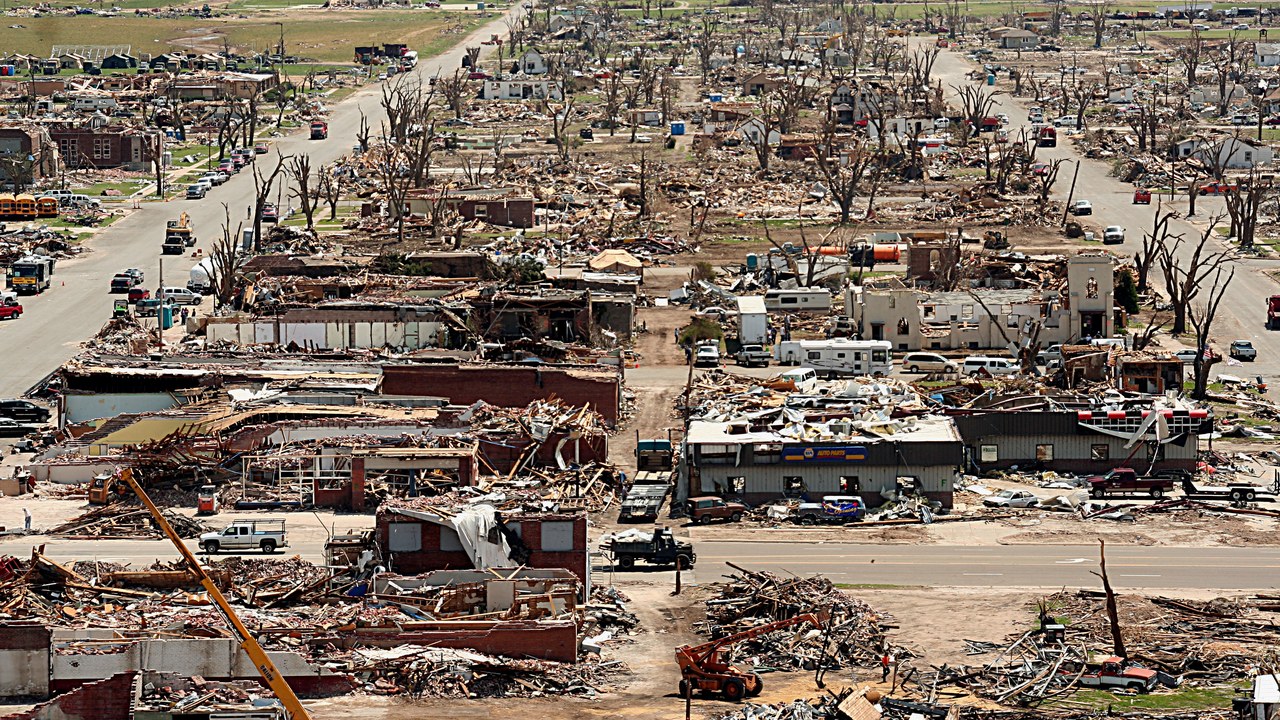
The EF5 tornado of May 4, 2007 left only one building in downtown Greensburg, Kansas, not completely destroyed. The Weather Service says it took down the town’s water tower at the site of the Big Well attraction.
Five years later, its photos show a new water tower and homes where the high school once stood, along with dead trees and foundations that were never rebuilt. By May 2012 even the Big Well attraction was nearly complete again, with help from people all over the world.
More from Morning Overview
- 11 engines built to run well past 200,000 miles
- Two Kentucky residents died when a small plane crashed at Missouri’s Lake of the Ozarks, and the NTSB is investigating
- A handful of car transmissions are so tough that mechanics say they almost never die
- Melting permafrost is setting off a newly identified kind of catastrophic landslide, scientists say
