
Since its first images were released in July 2022, the Webb telescope has turned famous cosmic objects into studies in fine detail. Infrared vision reveals newborn stars, dying stellar shells, colliding galaxies and outer planets in ways earlier pictures could not. Here are ten objects, from nebulae to ice giants, that Webb showed in new detail.
Read next on Morning Overview: Zero Motorcycles unveiled an electric motorcycle targeted at under $8K and a street-legal dirt bike at EICMA
1. Pillars of Creation: Newborn Stars Unveiled
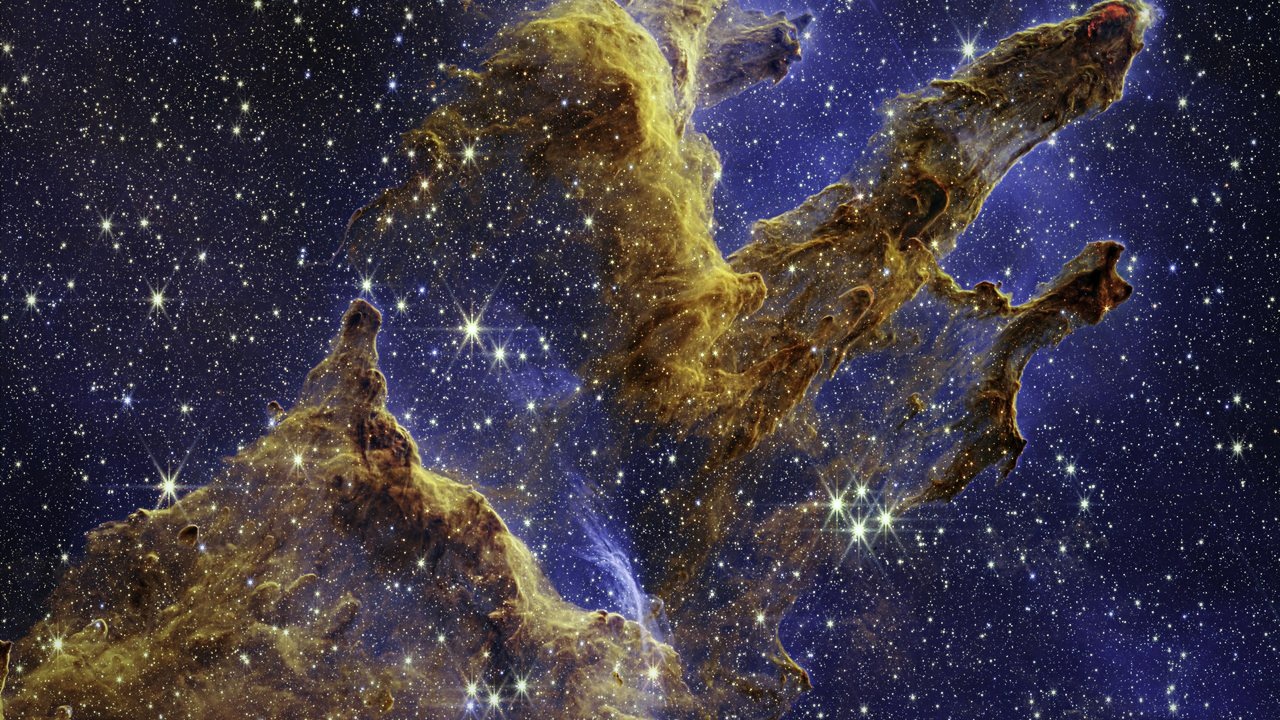
ESA/Webb’s near-infrared view of the Pillars of Creation image is a tightly cropped frame set within the vast Eagle Nebula, which lies 6,500 light-years away. It shows newborn stars only a few hundred thousand years old.
One notable detail is what is absent, since no background galaxies appear in the frame. The picture is about stars forming inside the pillars, and the youth of those stars, a few hundred thousand years, is brief on a cosmic scale. That youth makes the image a snapshot of stellar birth in progress, not a record of mature stars, and the infrared view is what exposes them.
2. Carina Nebula: The Cosmic Cliffs
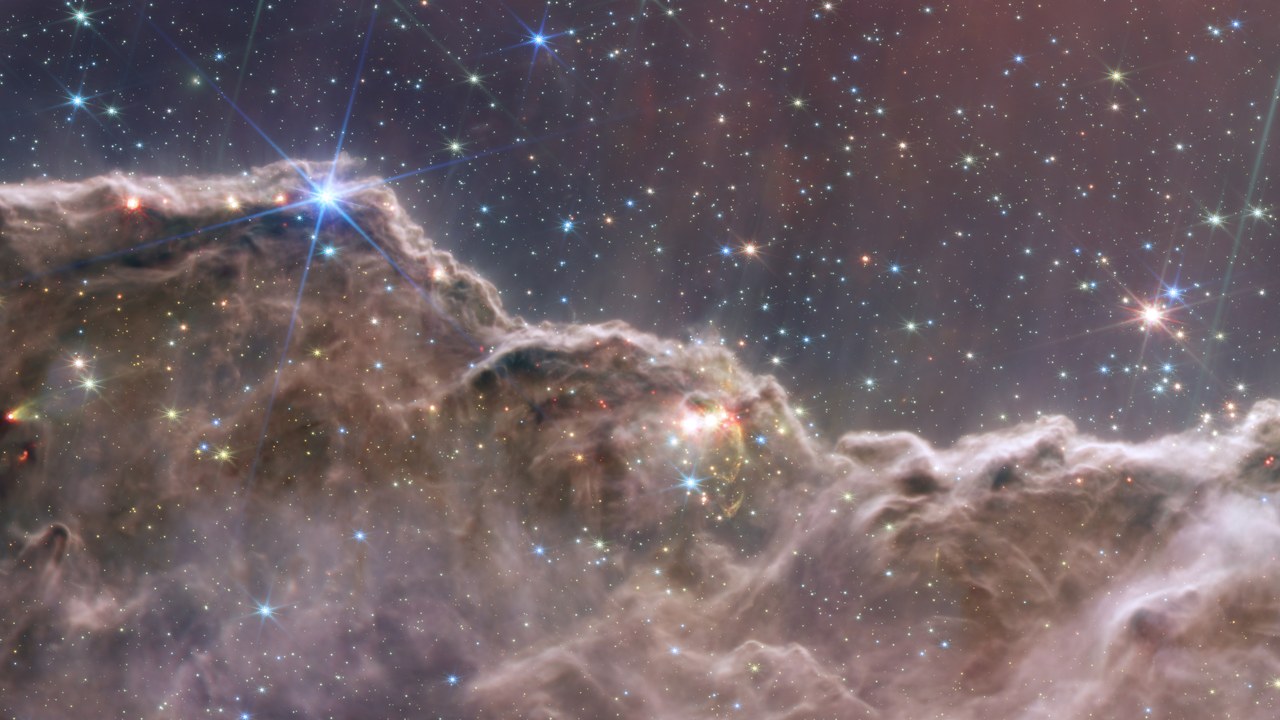
Webb’s image released on July 12, 2022, showed the Carina Nebula, including a nearby, young star-forming region called NGC 3324, as described in NASA’s first-images release.
The picture belonged to the first batch of Webb images, so it served as an early demonstration of what infrared imaging could show of stellar nurseries. The release stresses that the region is both nearby and young, which makes it a useful place to watch stars form. Such an image gives astronomers a clear target for comparing how stars form in different parts of a single nebula.
3. Southern Ring Nebula: A Dying Star’s Shell
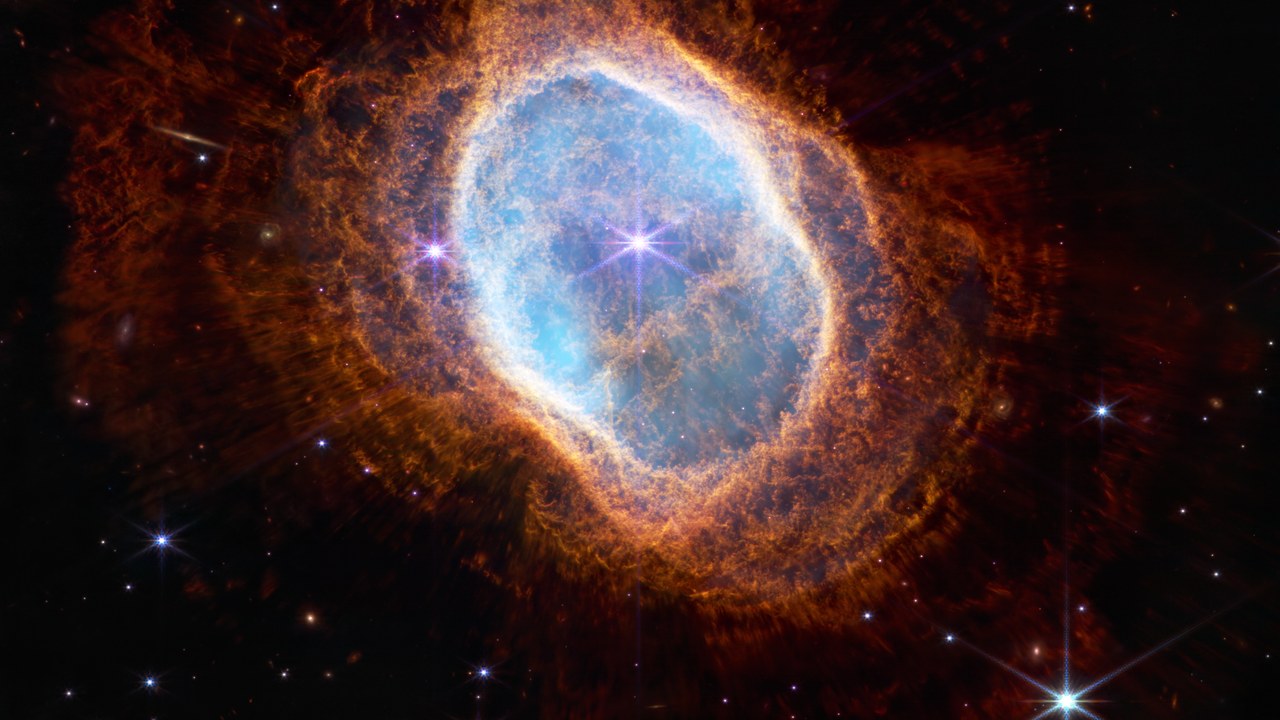
Among Webb’s first images in July 2022 was the Southern Ring Nebula, a dying star’s shell approximately 2,000 light years away, as NASA’s first-images announcement put it.
The nebula carries the catalog name NGC 3132. The shell is gas thrown off by a star near the end of its life, and Webb’s infrared detail offers a look at how some stars finish. The image is also a reminder that Webb’s debut set out to show the full life cycle of stars, from birth to death.
4. Stephan’s Quintet: Five Galaxies, One Frame
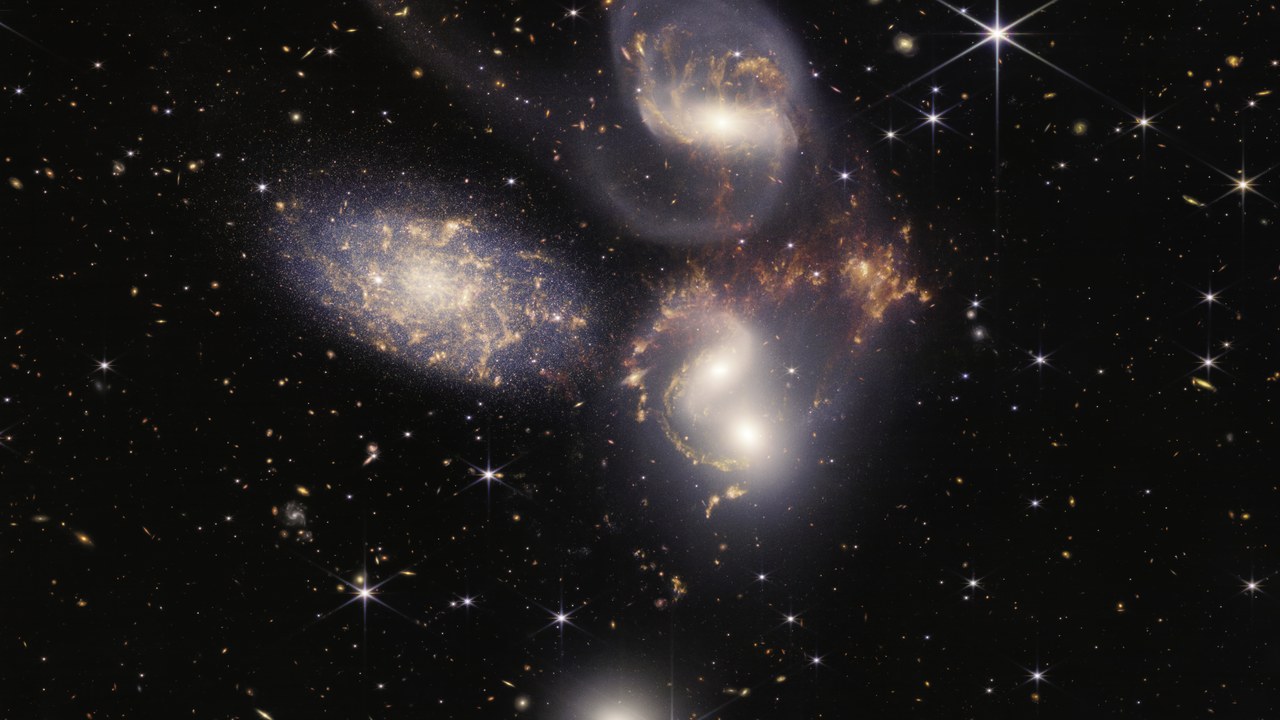
PetaPixel’s list of the best Webb photos describes the composite of Stephan’s Quintet as five galaxies about 290 million light-years away. According to the article, it took Webb 1,000 different photos to create the final composite.
The scale of the effort helps explain why the image looks so detailed. Assembling a thousand frames into one picture is a reminder that Webb’s showpiece images are built from many exposures rather than a single shot. Readers looking at the picture should treat it as an assembly of many exposures, which is typical for a deep, wide composite.
5. Cartwheel Galaxy: Scar of a Collision
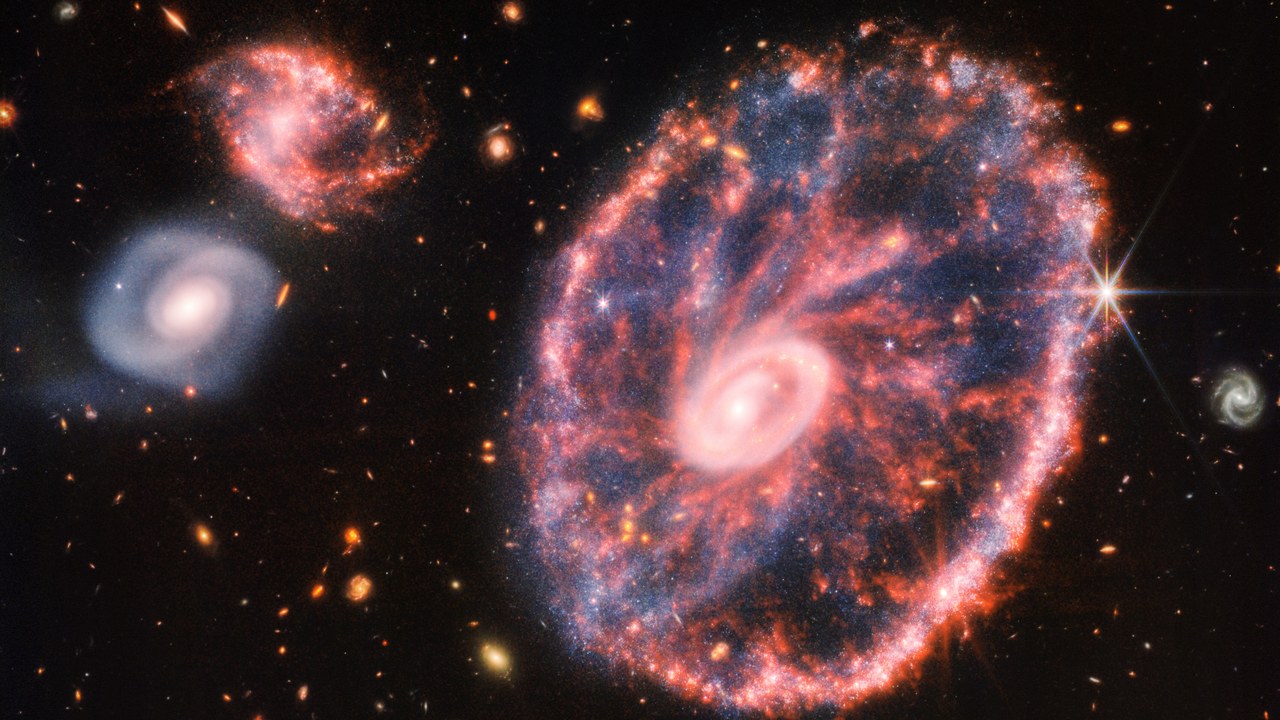
The Cartwheel Galaxy lies 500 million light-years away and was shaped by a high-speed collision, a galaxy Webb imaged in fresh detail, according to PetaPixel’s roundup.
The ring-like form that gives the galaxy its name comes from that impact. The image therefore doubles as a record of what an encounter between galaxies can do to a structure, now seen through Webb’s infrared eyes. For astronomers, it offers a rare close look at how a violent event can reshape a whole galaxy over time.
6. Rho Ophiuchi cloud complex: Closest Stellar Nursery
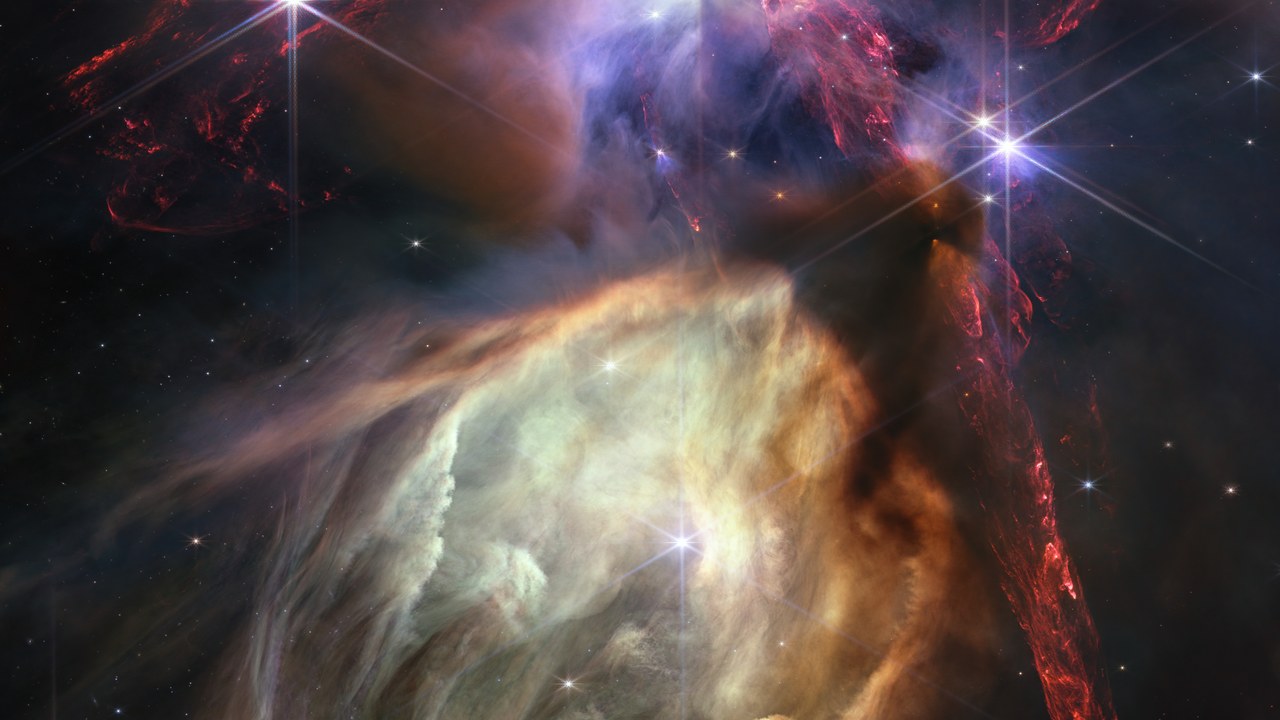
Released for Webb’s first birthday, the Rho Ophiuchi cloud complex is the closest star-forming region to Earth, according to PetaPixel’s best-photos list.
Proximity is the draw. A star-forming region close to Earth can be studied in finer detail than distant ones, and the birthday release showed what Webb could do with it. The image marked a milestone for the telescope as much as a portrait of the cloud. Because of its closeness, the region is a natural benchmark for comparing star formation elsewhere in the universe.
7. Neptune’s rings: Faint Rings, Clear View
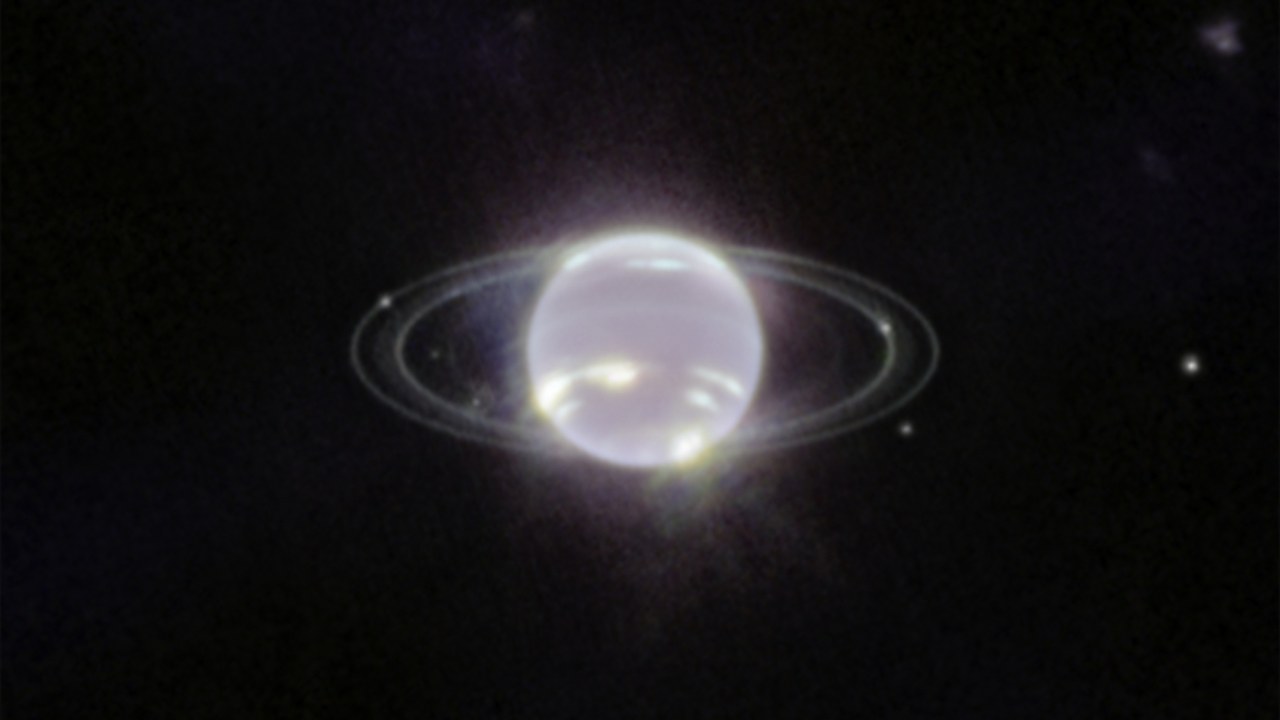
Webb’s 2022 image gave the clearest view of Neptune’s faint rings in three decades, since Voyager 2’s 1989 flyby, as NASA’s Neptune report explains. The image also caught seven of Neptune’s 14 known moons.
The gap between 1989 and 2022 shows how rarely the outermost planet is seen in such detail. Rings that faint are hard to detect, so a clear view from a telescope rather than a passing spacecraft is notable. The planet’s moons add to the image, turning a picture of a faint ring system into a small census of Neptune’s neighbourhood.
8. Uranus: Nine Moons Resolved
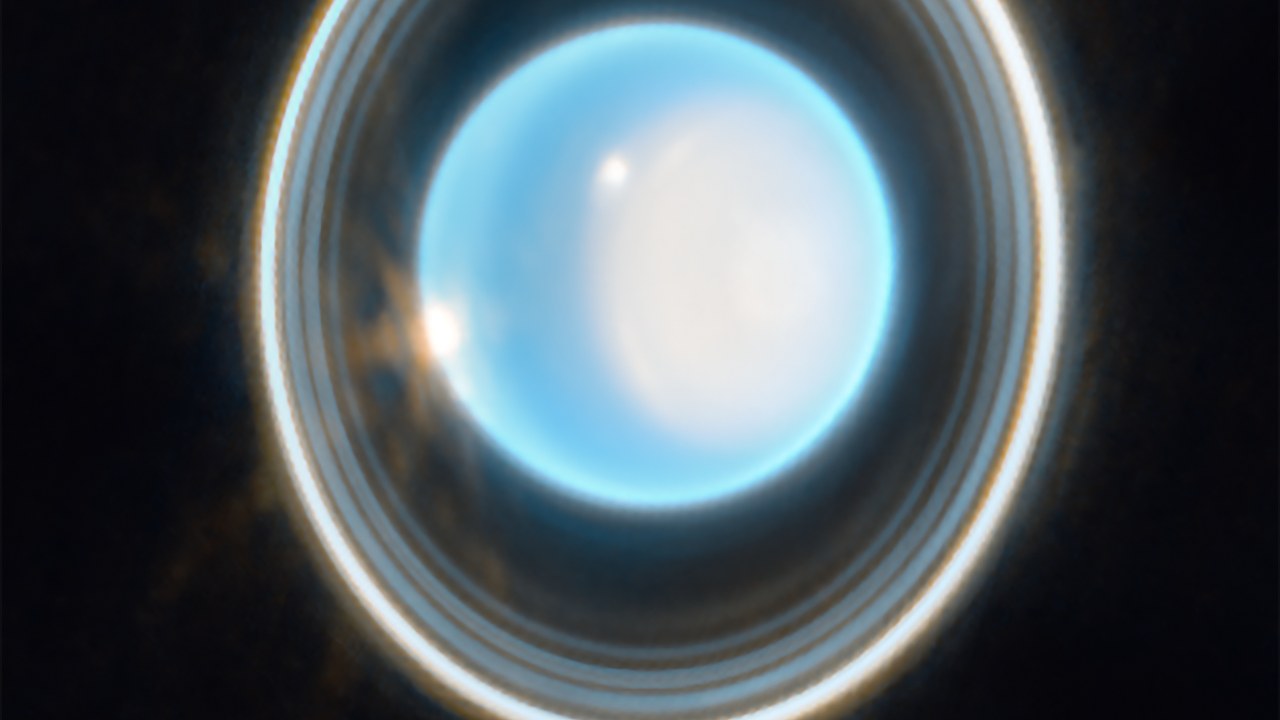
PetaPixel notes that Webb’s Uranus image resolved nine of the planet’s 27 moons, showing the ice giant in infrared light as never before.
Resolving nine of 27 moons also means the other 18 were not separated in this picture. The result still shows how much more of the Uranus system infrared imaging can bring into view than a single planet portrait would suggest. A portrait of this kind helps planetary scientists compare the two ice giants, Uranus and Neptune, in the same light.
9. Cassiopeia A: Shockwave in Slow Motion
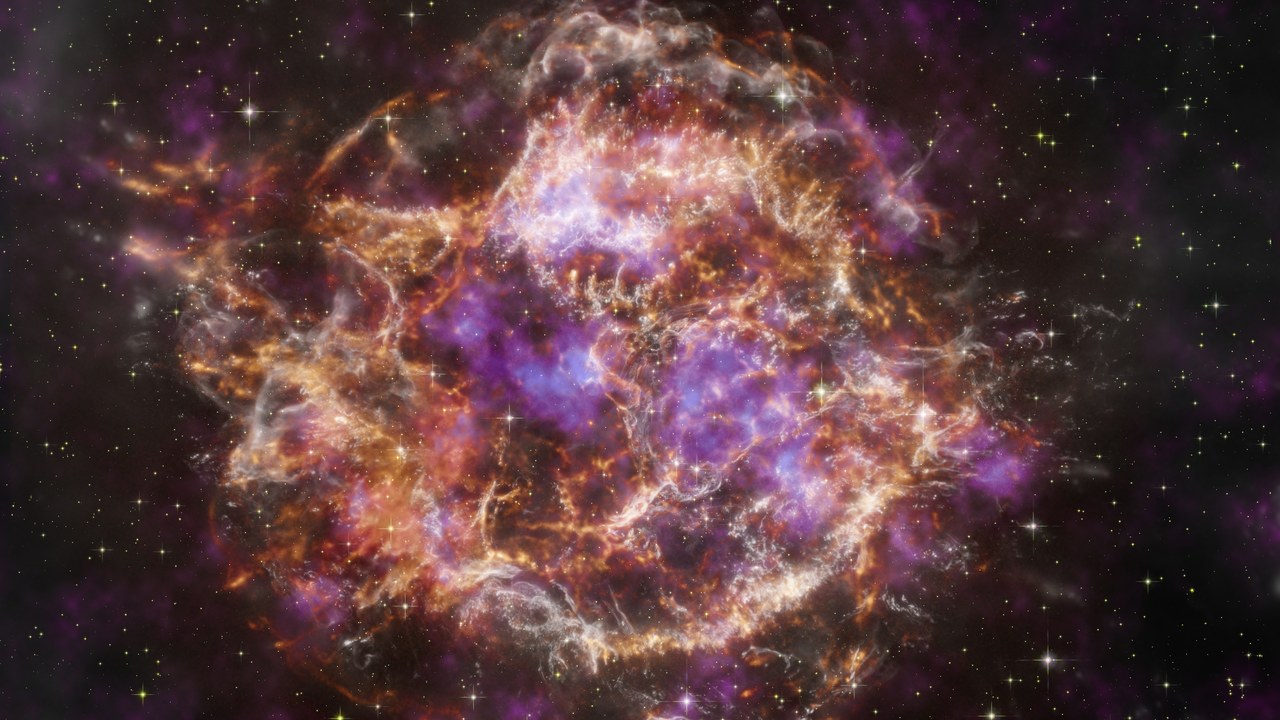
Webb’s December 2023 image shows the expanding shell of Cassiopeia A, a supernova remnant 11,090 light-years away, slamming into gas shed before the star exploded, according to ESA/Webb’s image release.
The picture records a collision between the blast wave and material the star had earlier cast off. That sequence of events is written into the remnant, which Webb displays in infrared detail. Seen in infrared, the debris and gas of the remnant become a rough map of where the explosion’s energy has gone.
10. Crab Nebula: A Supernova Seen in 1054
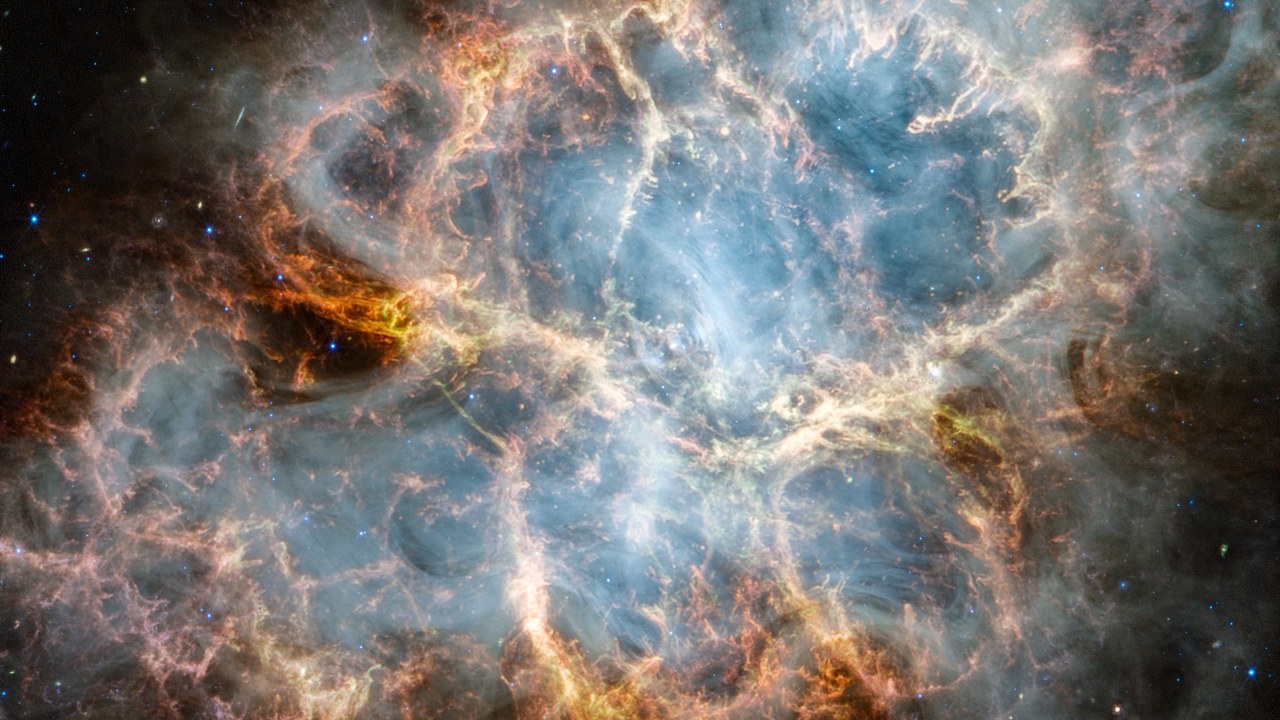
Webb’s October 2023 view of the Crab Nebula shows the remains of a supernova recorded in 1054 by Japanese and Chinese astronomers. The nebula sits 6,500 light-years away in the constellation Taurus, ESA says in its Crab Nebula feature.
The explosion was logged almost a millennium before Webb looked at its leftovers. The nebula therefore links a medieval observation to modern infrared imaging, with the same object recorded across nearly a thousand years. It also shows why Webb’s infrared reach is valued for objects that have already been studied for centuries.
More from Morning Overview
- Melting permafrost is setting off a newly identified kind of catastrophic landslide, scientists say
- Cadillac cut the price of its cheapest EV, which goes up to 317 miles on a charge
- Winter weather advisories cover I-80, I-70 and the Bighorns with up to 15 inches of snow
- Arizona’s governor declared a statewide emergency after Flagstaff logged its wettest Nov. 1 on record
