
Mars has been visited by a string of NASA rovers that rolled across ancient lakebeds, climbed crater walls and drilled into rocks billions of years old. Orbiters have mapped volcanoes and canyons that dwarf anything on Earth. Here are eight astonishing places on Mars that NASA has explored, from rover landing sites to planet-sized landmarks.
Read next on Morning Overview: New FCC rules on how people can stop robocalls and texts take effect Nov. 25
1. Cheyava Falls: The Rock With Leopard Spots
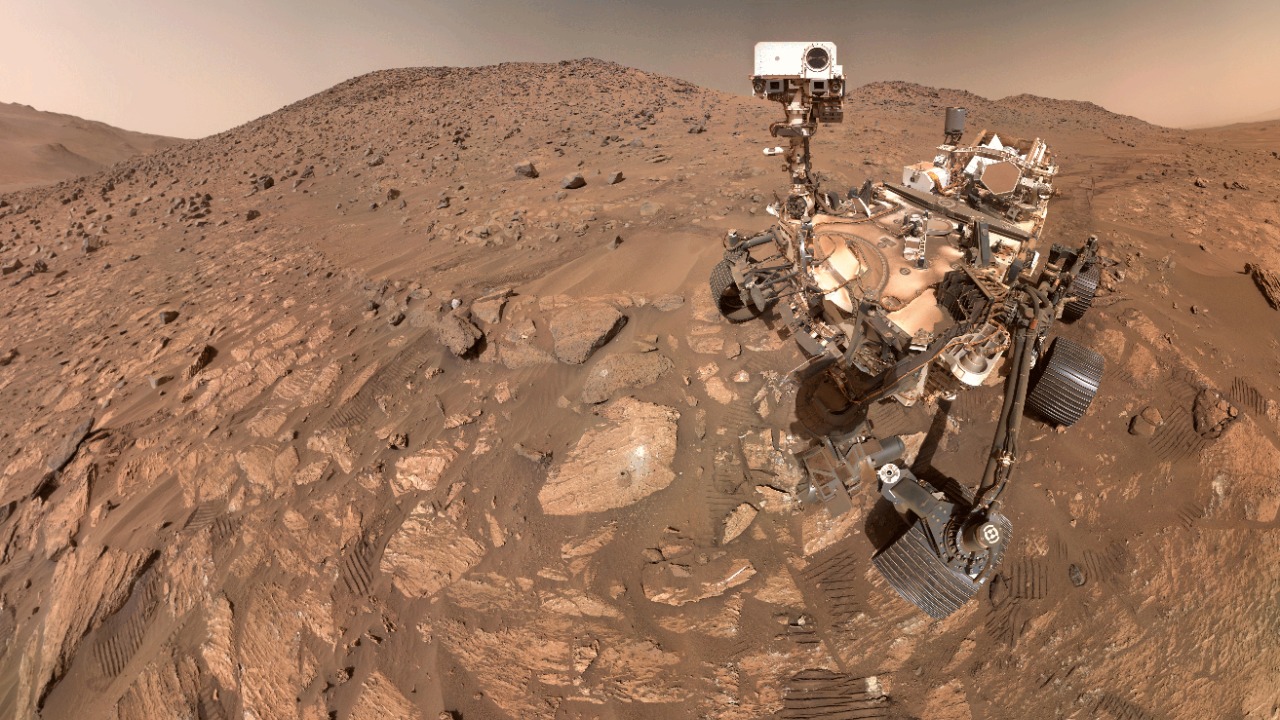
In July 2024, NASA’s Perseverance rover found leopard spots on a reddish, arrowhead-shaped rock nicknamed Cheyava Falls in Jezero Crater. A sample taken from it, called Sapphire Canyon, contains potential biosignatures, according to NASA’s Jet Propulsion Laboratory, citing a paper published in the journal Nature.
A potential biosignature is a substance or structure that might have a biological origin but needs more study before any conclusion about life can be reached. Scientists think the spots may indicate that, billions of years ago, chemical reactions in the rock could have supported microbial life. After a year of scrutiny, the sample remains the mission’s best candidate for signs of ancient microbes.
2. Jezero Crater: An Ancient Lake Bed
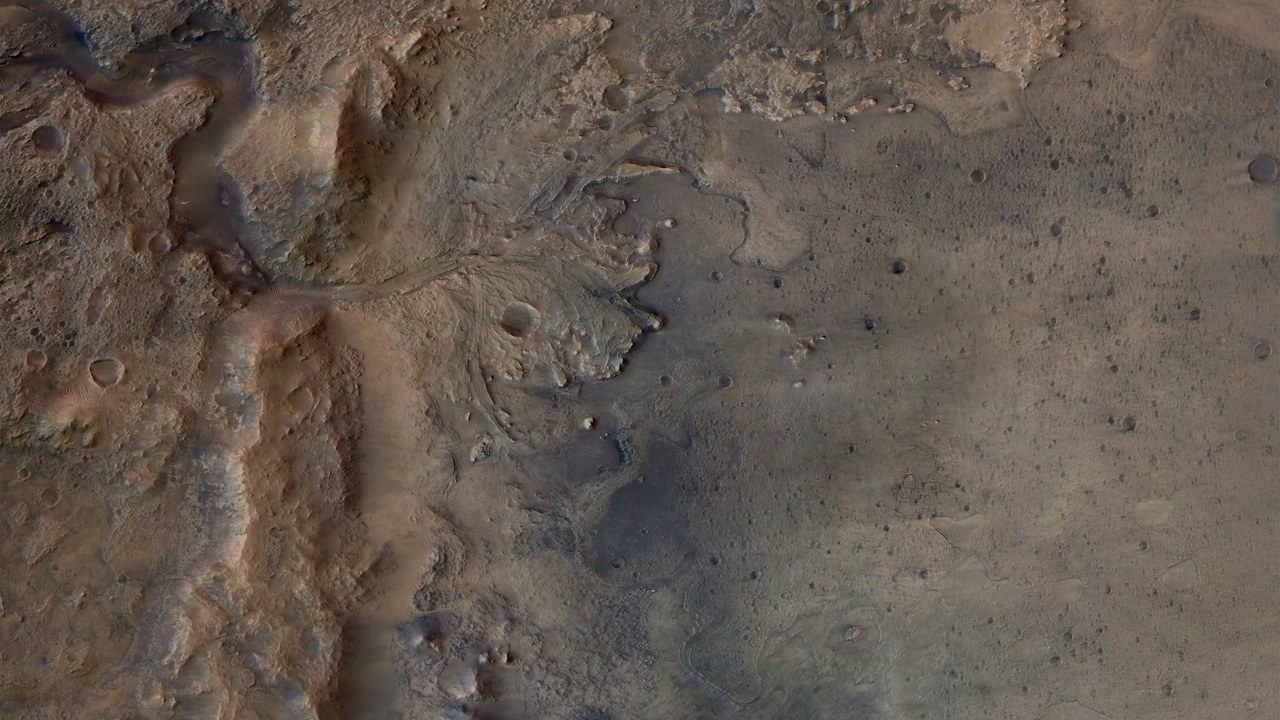
Perseverance has explored Jezero Crater since landing on February 18, 2021, searching for signs of ancient microbial life. According to NASA’s mission page, the rover is collecting core samples of Martian rock and broken soil for possible pickup by a future mission that would bring them back to Earth.
The crater was chosen because it once held a lake, and the remains of an ancient river delta are still visible from orbit. That makes it one of the most promising places on Mars to look for preserved evidence of past life. Each sealed sample tube is a time capsule from the planet’s wetter past.
3. Gale Crater: Curiosity’s Home Since 2012
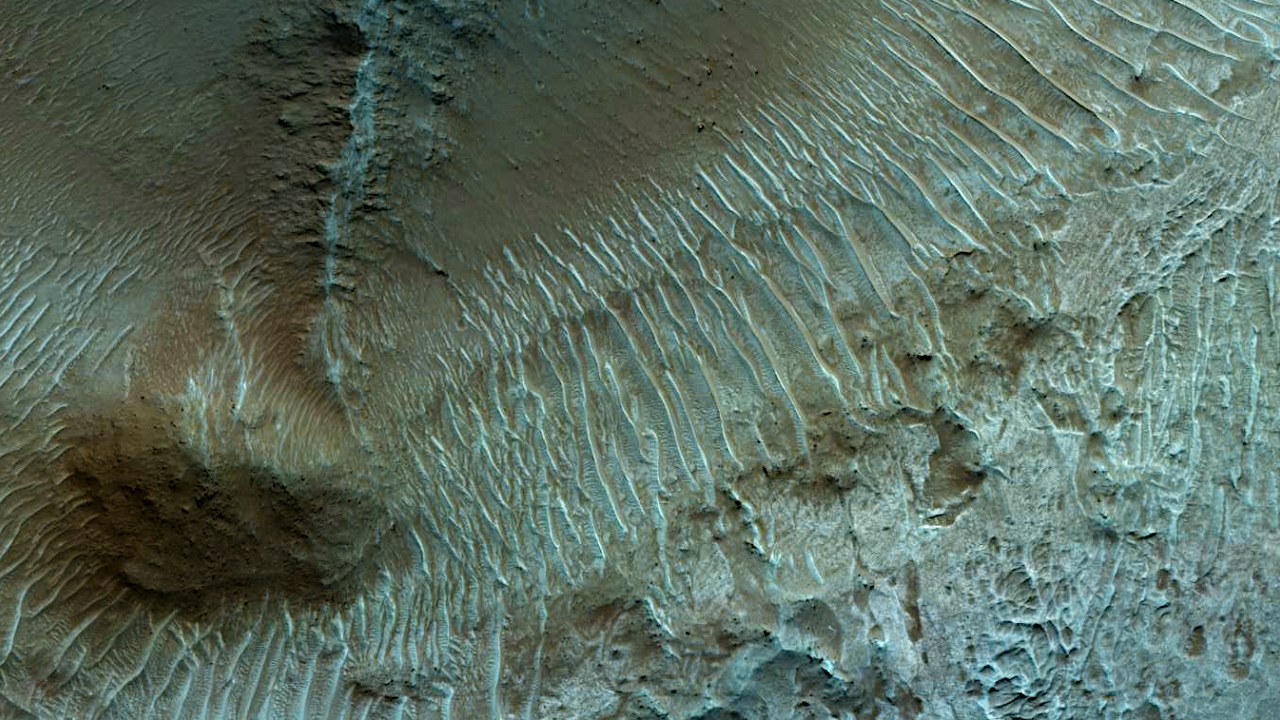
NASA’s Curiosity rover landed in Gale Crater on August 6, 2012, and has explored it ever since. Early in its mission, its instruments found chemical and mineral evidence of past habitable environments on Mars, according to NASA’s Curiosity page, and it has since found organic molecules never seen before on the planet.
Curiosity was the largest and most capable rover ever sent to Mars when it launched in 2011. It set out to answer whether Mars ever had conditions that could support microbes. On August 26, 2026, the rover marked an elevation gain of 1 kilometer in its long climb from the crater floor up the slope of Mount Sharp.
4. Olympus Mons: The Largest Volcano in the Solar System
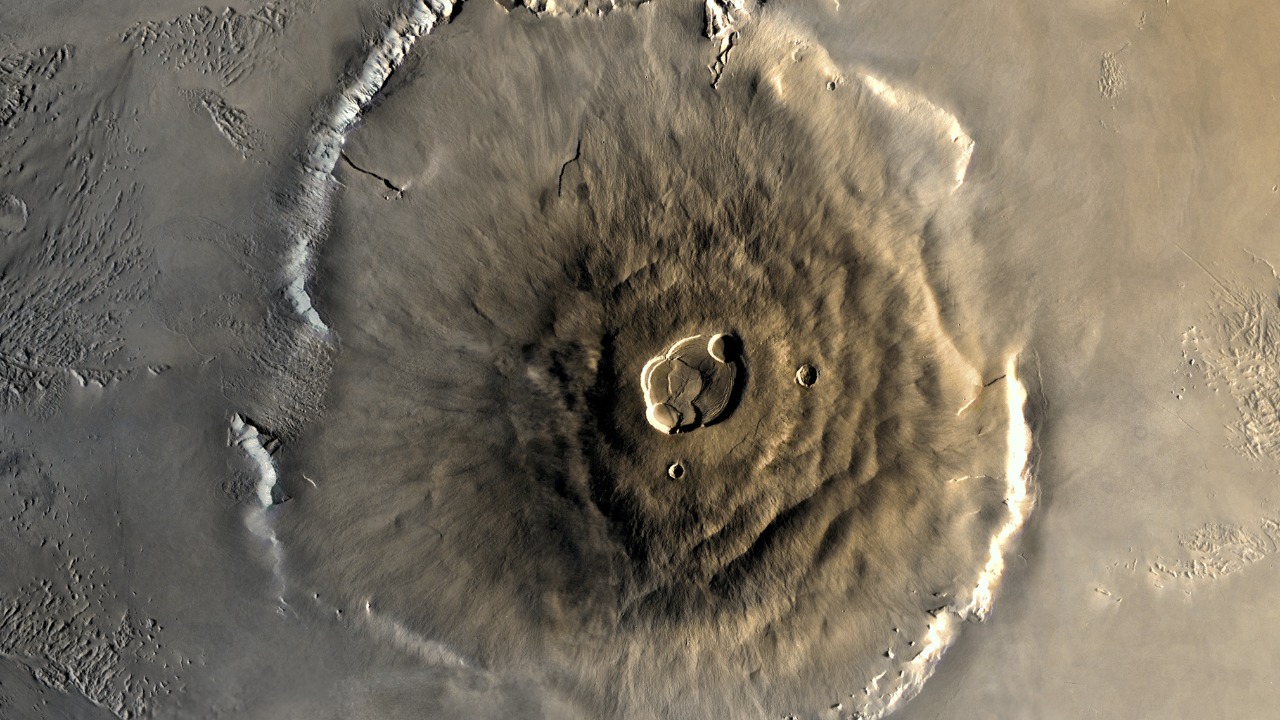
Olympus Mons is the largest volcano in the solar system. According to NASA’s Mars facts page, it stands more than 25 miles tall from base to summit, with a base covering an area as large as the state of Arizona.
That is more than 132,000 feet, more than four times the 29,029-foot height of Mount Everest on Earth. NASA orbiters have photographed the giant shield volcano and its summit calderas in detail. Its gentle slopes are so broad that a person standing on them might not even realize they were on a mountain.
5. Valles Marineris: A Canyon Longer Than the US Is Wide
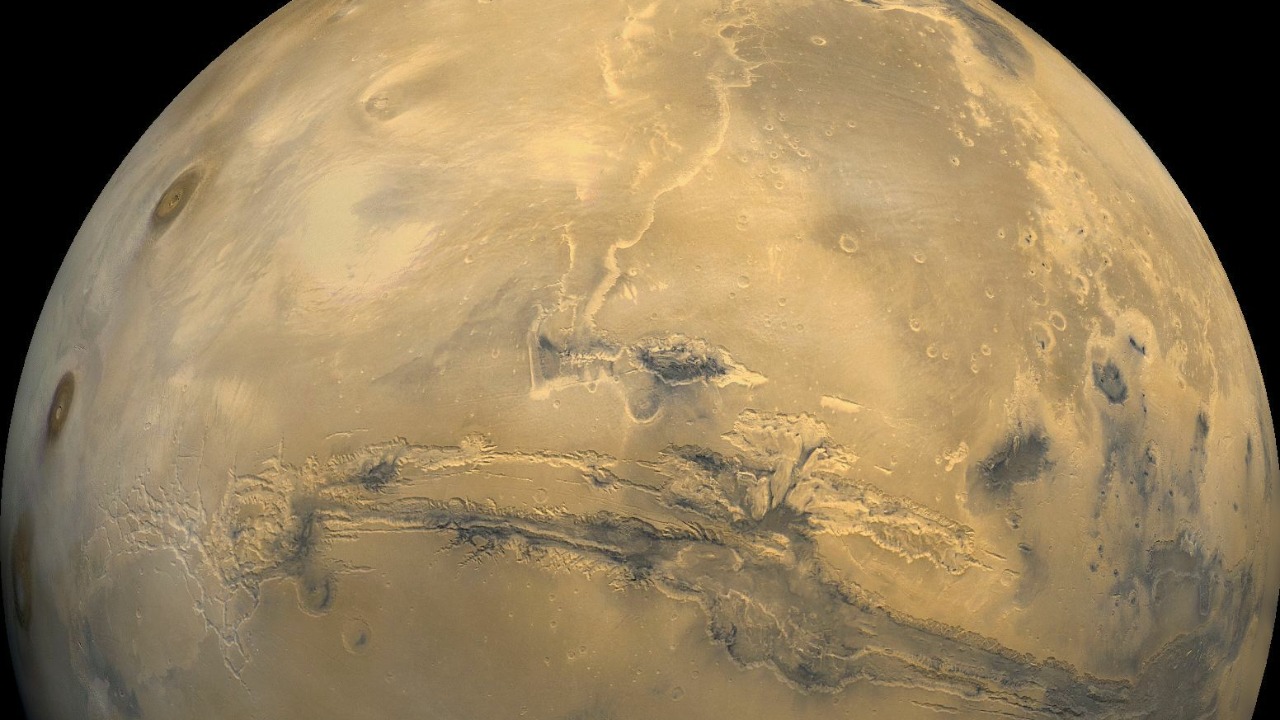
Valles Marineris is a vast canyon system long enough to stretch from California to New York. According to NASA’s Mars facts, it extends about 2,400 miles, spans about 370 miles across at its widest and descends about 5.8 miles at its deepest.
NASA says that makes it about 10 times longer and wider than Earth’s Grand Canyon, and it is the largest canyon in the solar system. The enormous scar runs along the Martian equator and is visible in full-planet images taken by spacecraft, a landmark that orbiters have mapped in detail for decades.
6. Eagle Crater: Opportunity’s Lucky Landing Spot
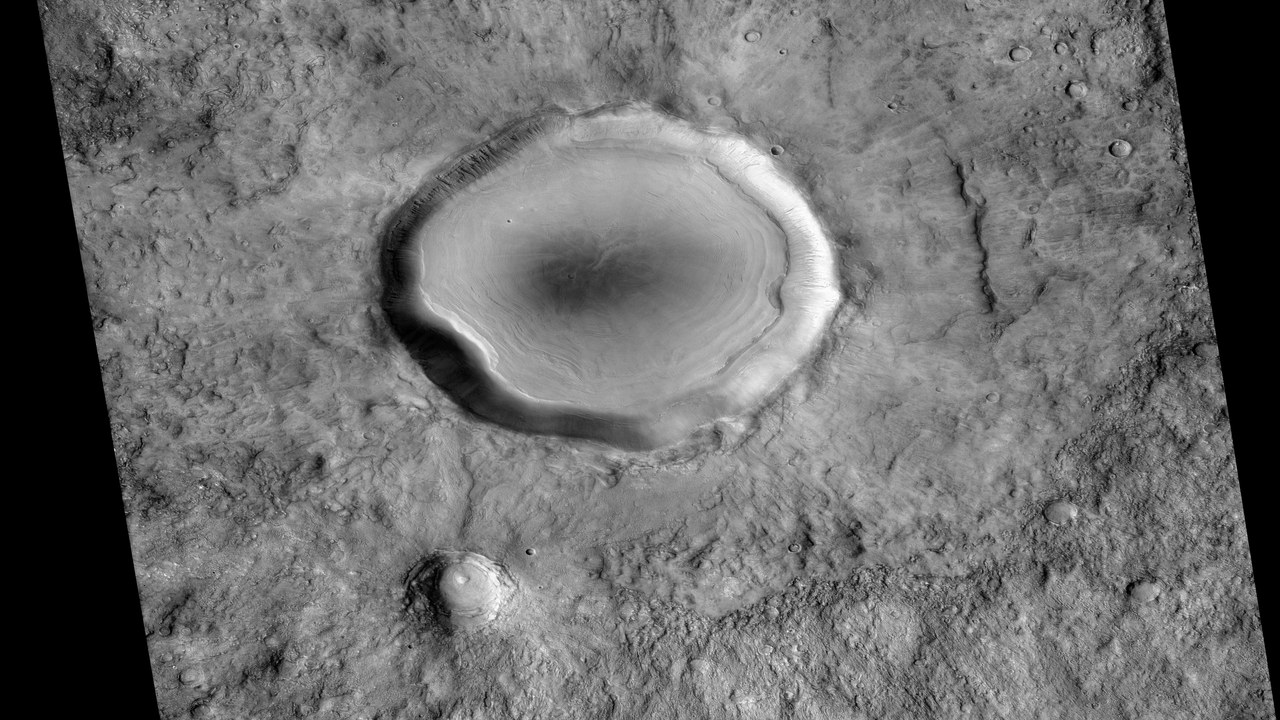
When the Opportunity rover landed on Mars in January 2004, it came to rest on a relatively flat plain but inside a small impact crater known as Eagle. According to NASA’s Opportunity page, the rover studied the crater extensively before climbing out over its edge on March 22, 2004.
The landing area was named the Challenger Memorial Station in tribute to the space shuttle crew lost in 1986. Inside Eagle, Opportunity found layered rocks that pointed to a watery past. The rover went on to operate for almost 15 years, far beyond its planned 90-day mission.
7. Endurance Crater: Where Opportunity Saw Its Own Shadow
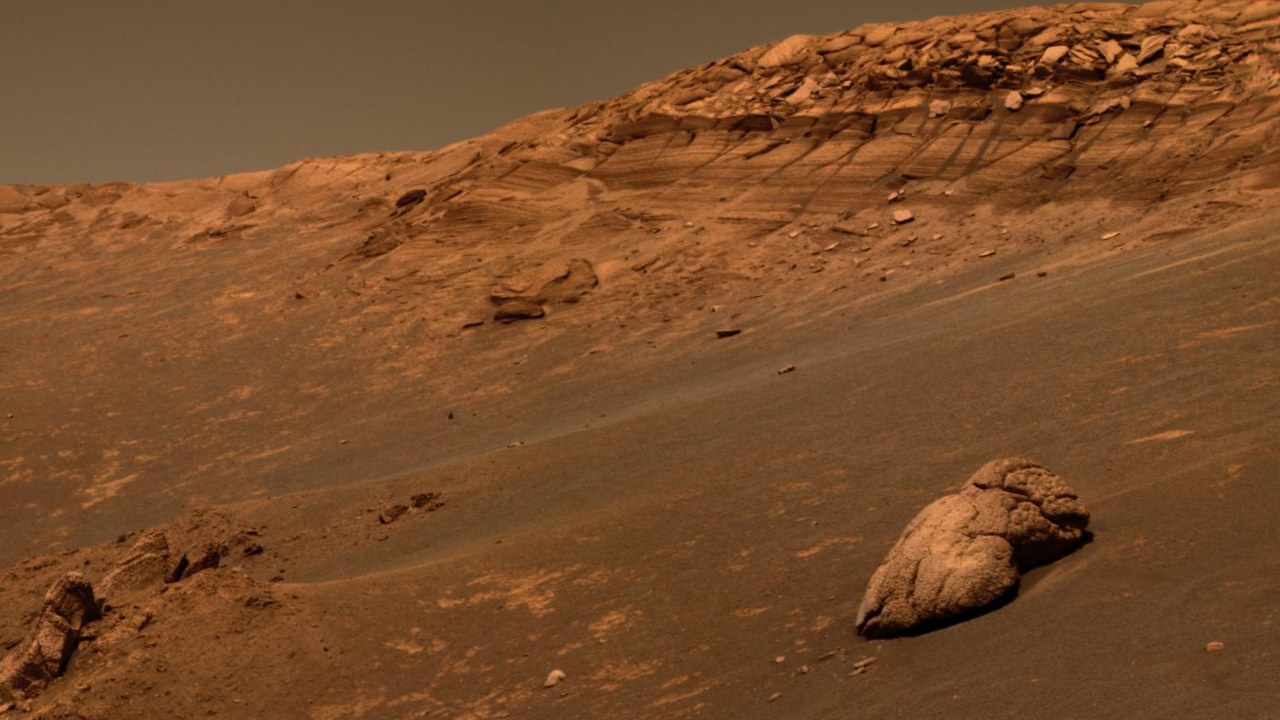
After leaving Eagle, Opportunity drove about 820 yards to Endurance Crater. There, according to NASA’s mission summary, it captured a dramatic self-portrait of its own shadow, taken as the rover moved into the crater on July 26, 2004.
That date marked double the rover’s primary 90-sol mission, and Opportunity was only getting started. Endurance offered deeper layers of rock than Eagle, giving scientists a longer record of the planet’s history. Near its discarded heat shield, the rover later found a basketball-sized rock, nicknamed Heat Shield Rock, that turned out to be an iron-nickel meteorite.
8. Victoria Crater: The Biggest Crater the Rovers Studied

After a 21-month trip, Opportunity reached Victoria Crater in September 2006. The crater stretches a half mile across and was wider and deeper than any crater either rover had examined, according to NASA’s Opportunity page.
The rover sent back striking pictures of the crater’s scalloped rim, including views from a promontory called Cape Verde. On September 11, 2007, after dust storms eased, Opportunity drove into Victoria and stayed inside for almost a year. It later became the first machine to travel more than a marathon distance on another world, before falling silent in a dust storm in 2018.
More from Morning Overview
- Cadillac cut the price of its cheapest EV, which goes up to 317 miles on a charge
- Winter weather advisories cover I-80, I-70 and the Bighorns with up to 15 inches of snow
- Arizona’s governor declared a statewide emergency after Flagstaff logged its wettest Nov. 1 on record
- Zero Motorcycles unveiled an electric motorcycle targeted at under $8K and a street-legal dirt bike at EICMA
