
Only three objects from beyond our solar system have ever been seen passing through it, and the latest is the strangest yet. A study published in Nature in June found the comet 3I/ATLAS carries chemistry unlike anything formed around our sun. Here is the comet, the telescopes that read its makeup and the other interstellar visitors it joins.
Read next on Morning Overview: Arizona’s governor declared a statewide emergency after Flagstaff logged its wettest Nov. 1 on record
3I/ATLAS: Older Than the Sun?
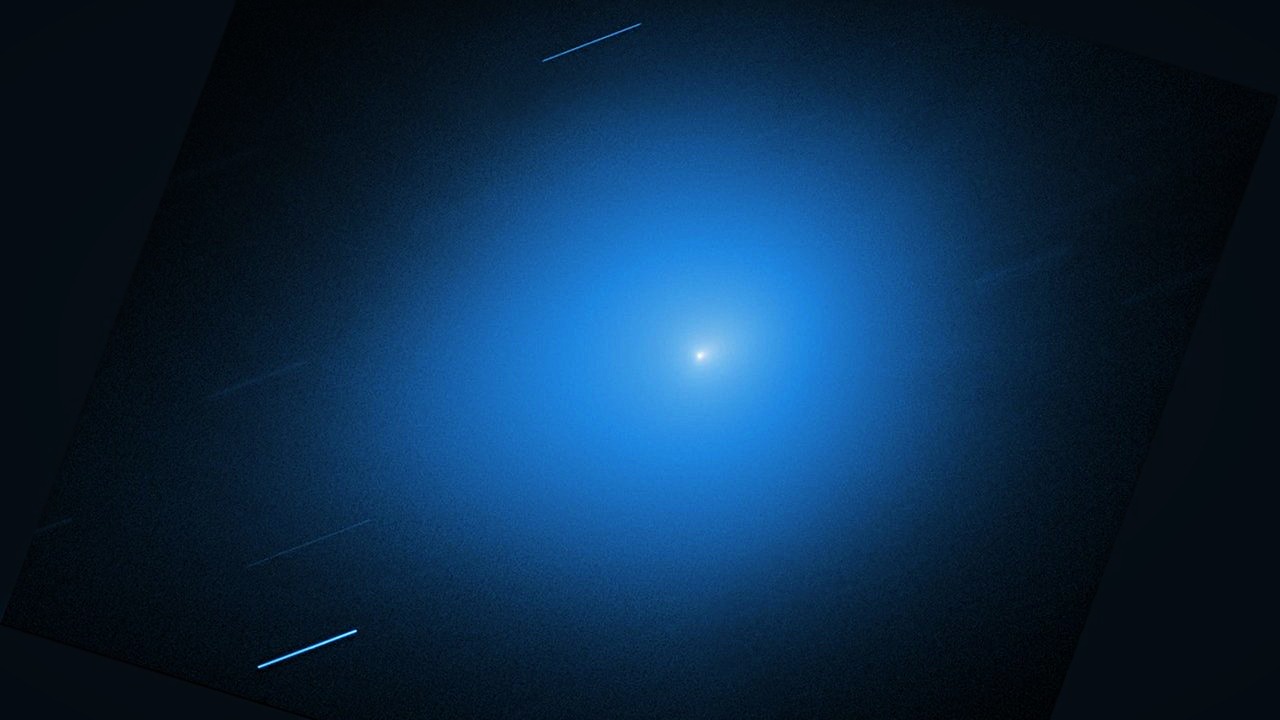
The comet 3I/ATLAS is only the third visitor from beyond our solar system that humanity has ever observed. A study published in the journal Nature found it could be up to 12 billion years old, CBS News reported, while our solar system formed about 4.5 billion years ago.
Lead author Martin Cordiner of NASA’s Goddard Space Flight Center said “maybe it’s the oldest object to have been observed in our solar system,” though he noted that “edge-case scenarios” could offer other explanations. The comet blazed past the sun and swung by Earth in 2025, and its brightness gave scientists an unusual chance to study it.
A11pl3Z: A Speeding Stranger
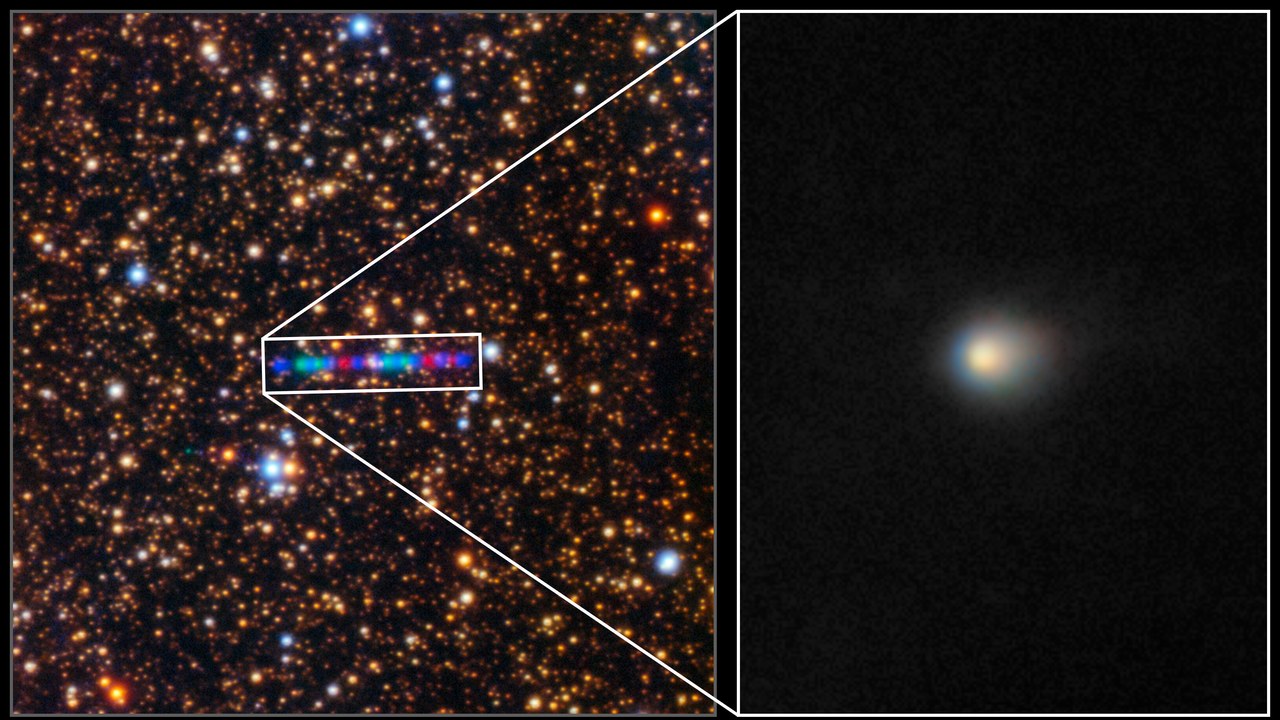
The comet was first spotted on July 1, 2025, by the NASA-funded ATLAS survey telescope at Río Hurtado, Chile, and was given the temporary designation A11pl3Z. It was entering the inner solar system at about 61 kilometers per second relative to the sun.
At the time it was about 3.5 astronomical units from Earth and moving along the border of the constellations Serpens Cauda and Sagittarius. It follows an unbound, hyperbolic path past the sun and passed Earth at 1.8 astronomical units, posing no threat. The prefix 3I marks it as the third confirmed interstellar object.
James Webb Space Telescope: Reading the Heavy Water
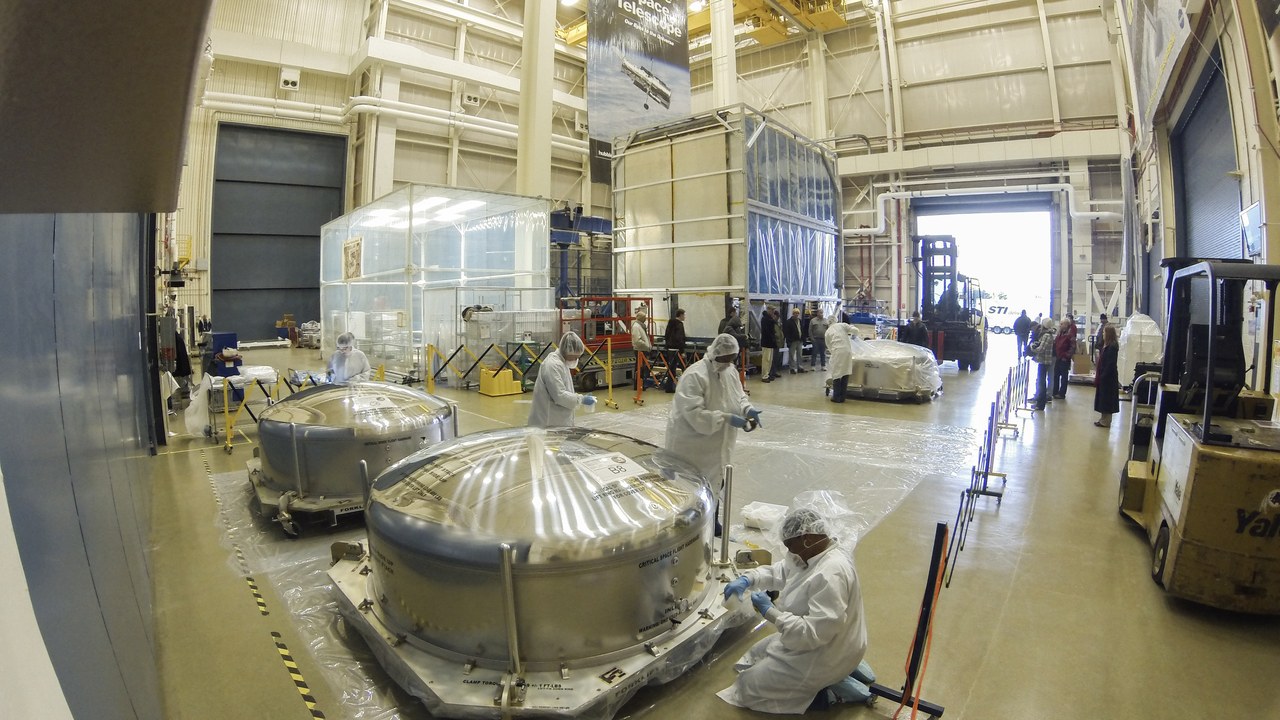
The new findings rest on the comet’s isotopes, ratios of chemical elements detected by the James Webb Space Telescope and the ALMA observatory in Chile. Compared with comets in our solar system, 3I/ATLAS has 10 times more deuterium, a form of hydrogen found in heavy water.
“That high abundance of heavy water can only really happen, according to our understanding of astrochemistry, in a very cold environment,” Cordiner said. The isotopic evidence suggests the comet formed somewhere around minus 243 degrees Celsius, which would make it among the coldest objects ever seen in our solar system.
Atacama Large Millimeter Array: Unlike Any Solar System Body
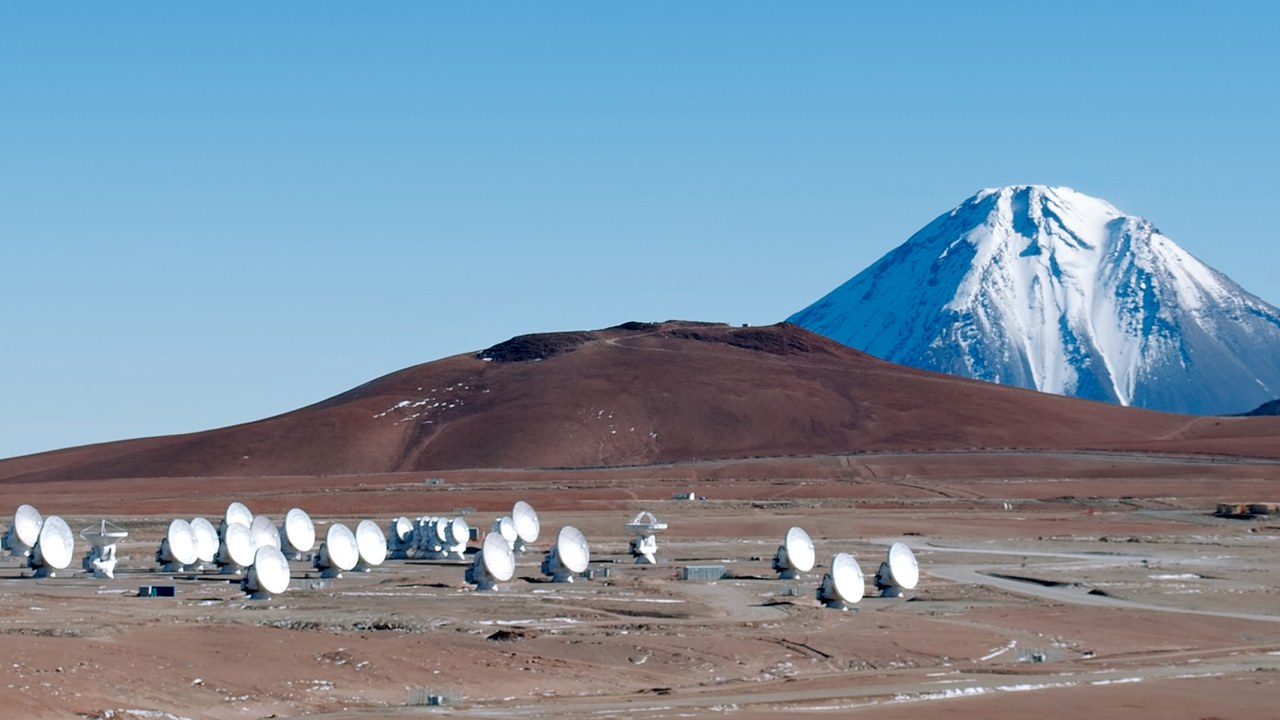
High in the Chilean desert, the ALMA observatory supplied the other half of the measurements. Together, the study said, the data reveal an elemental composition unlike any solar system body.
The scientists also found a strange lack of chemical enrichment, which suggests the comet formed relatively close to stars that were being born. Cordiner said it could even be a relic of “cosmic noon,” an era when many stars were forming, around 10 billion years ago. Exactly where in the Milky Way the comet came from remains a mystery.
Hubble Space Telescope: Sizing Up the Nucleus
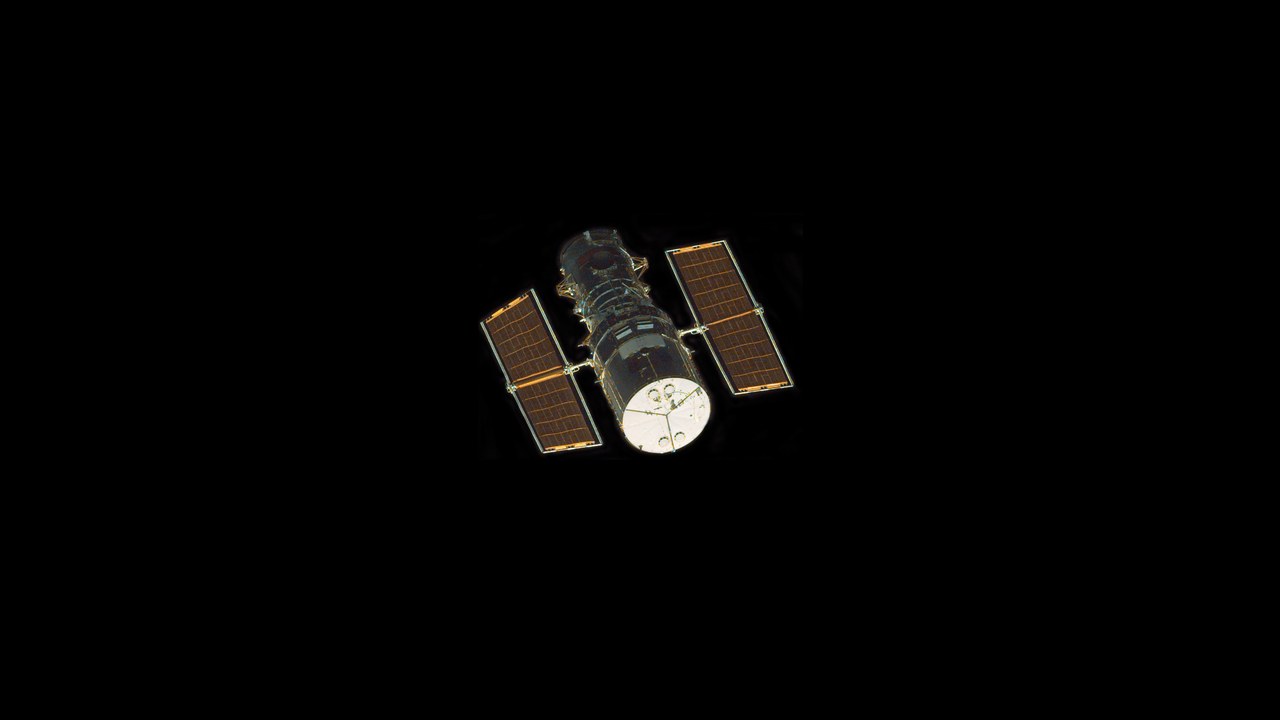
Like other comets, 3I/ATLAS has a solid icy nucleus wrapped in a coma, a cloud of gas and dust driven off as the sun heats it. Images taken by the Hubble Space Telescope and several interplanetary spacecraft have been used to estimate the size of that nucleus.
Hubble’s measurements put its diameter somewhere between 0.32 and 5.6 kilometers. The comet reached its closest point to the sun on October 29, 2025, at about 1.36 astronomical units, between the orbits of Earth and Mars.
Juice: A Look From Deep Space
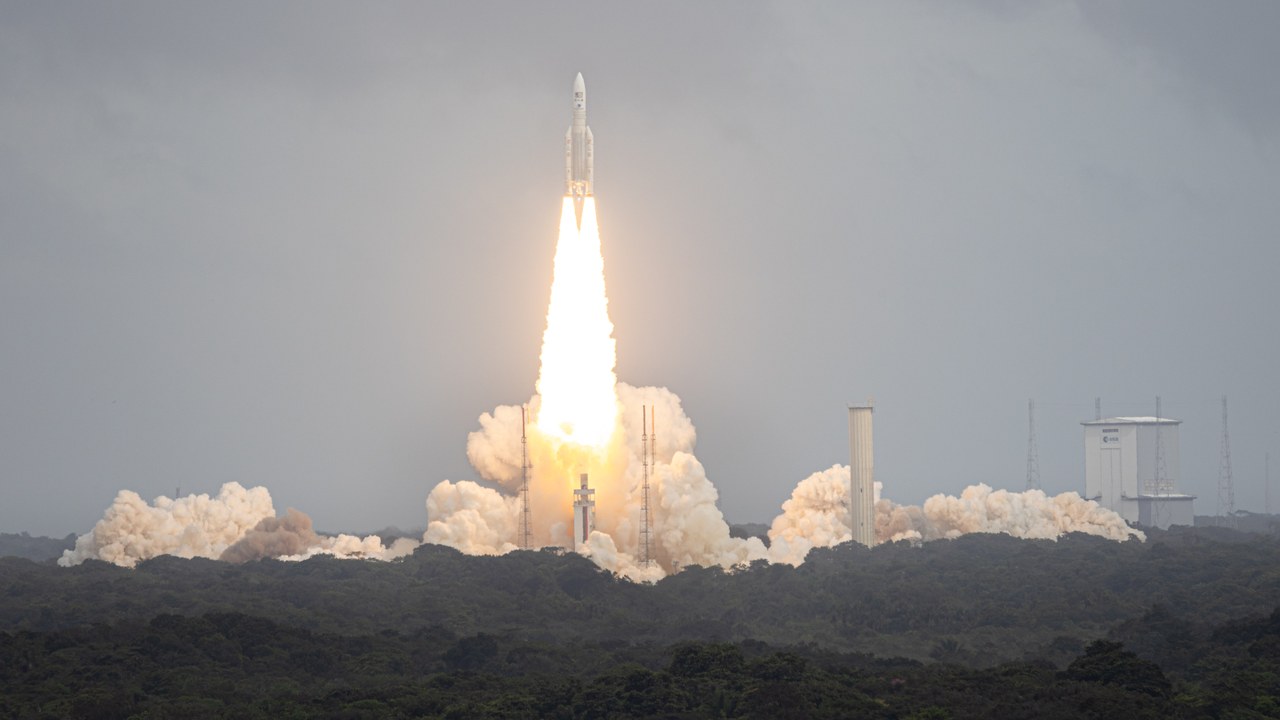
Spacecraft far from Earth got a view as well. ESA’s Jupiter Icy Moons Explorer, known as Juice, passed within about 64 million kilometers of the comet on November 4, 2025, and observed 3I/ATLAS using its cameras, spectrometers and a particle sensor.
NASA’s Psyche spacecraft had passed about 45 million kilometers from the comet two months earlier. Commanding spacecraft to look at it was difficult and could add risk to their main missions. Scientists also predicted that Europa Clipper might pass through the comet’s ion tail in late October and early November 2025.
2I/Borisov: The Second Visitor
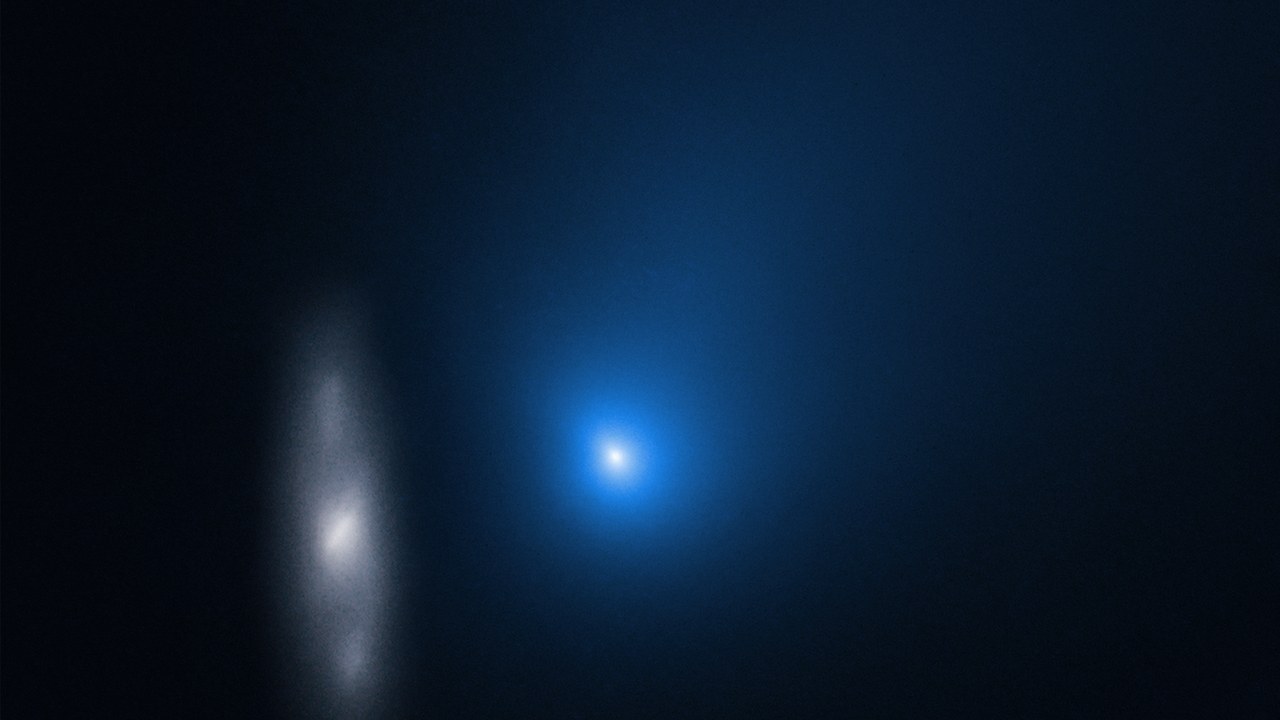
Before 3I/ATLAS came 2I/Borisov. It was discovered on August 30, 2019, in Crimea by Gennadiy Borisov using a 0.65-meter telescope he had built himself.
Early observations suggested Borisov’s surface makeup was not very different from typical comets in our own solar system’s Oort Cloud. In March 2020, astronomers reported evidence that its nucleus was breaking apart. Neither Borisov nor the first visitor, 1I/’Oumuamua, found in 2017, was bright enough to give scientists the isotope readings that 3I/ATLAS has now provided.
Allen Telescope Array: No Alien Signals
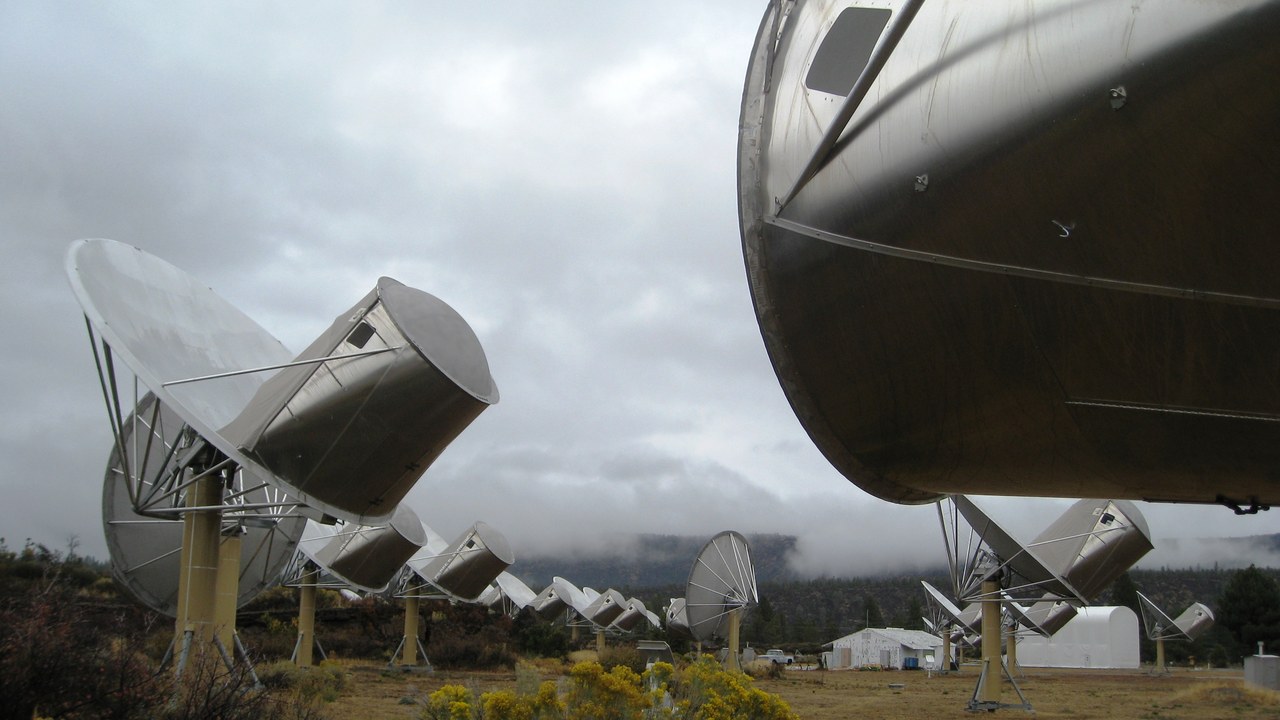
Not everyone saw a comet. Harvard professor Avi Loeb suggested 3I/ATLAS might be something else, as he had about ‘Oumuamua, but NASA dismissed the possibility of alien life, and the SETI Institute said it found “no evidence of extraterrestrial technology” on the comet.
“We should put all possibilities on the table that it’s a rock, a comet, or something else until we get the evidence,” Loeb told CBS Boston. Astronomers not involved in the Nature study hailed its results, with one saying such data was something “we could only really dream about” for an interstellar object.
Vera C. Rubin Observatory: Waiting for the Next One
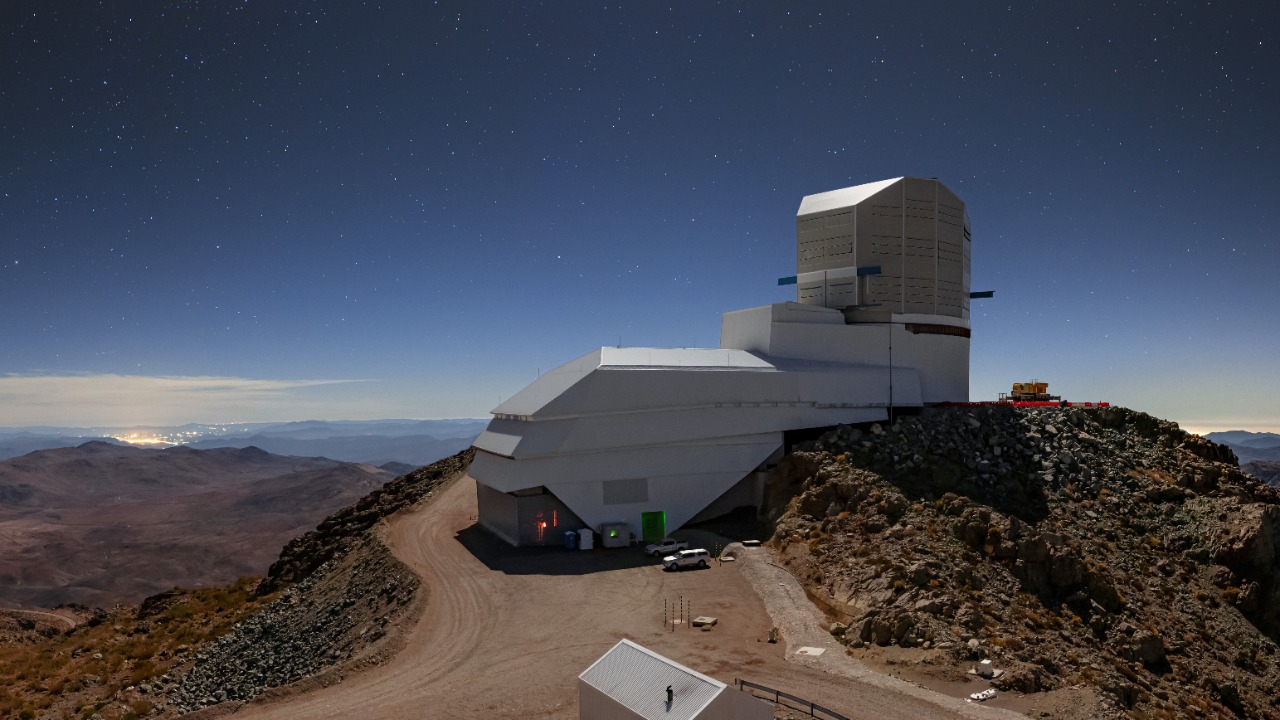
Visitors like these may soon turn up more often. Interstellar objects are expected to be detected more frequently with new telescopes such as the Vera C. Rubin Observatory in Chile.
Researchers have predicted that Rubin will be able to detect patterns in the directions these objects come from, a result of the sun’s motion through the galaxy, and to identify the typical speed at which objects are flung out of their home star systems. Astronomers have also reported possible interstellar objects captured into near-Earth orbits over the years.
Milky Way: Born Somewhere in the Galaxy
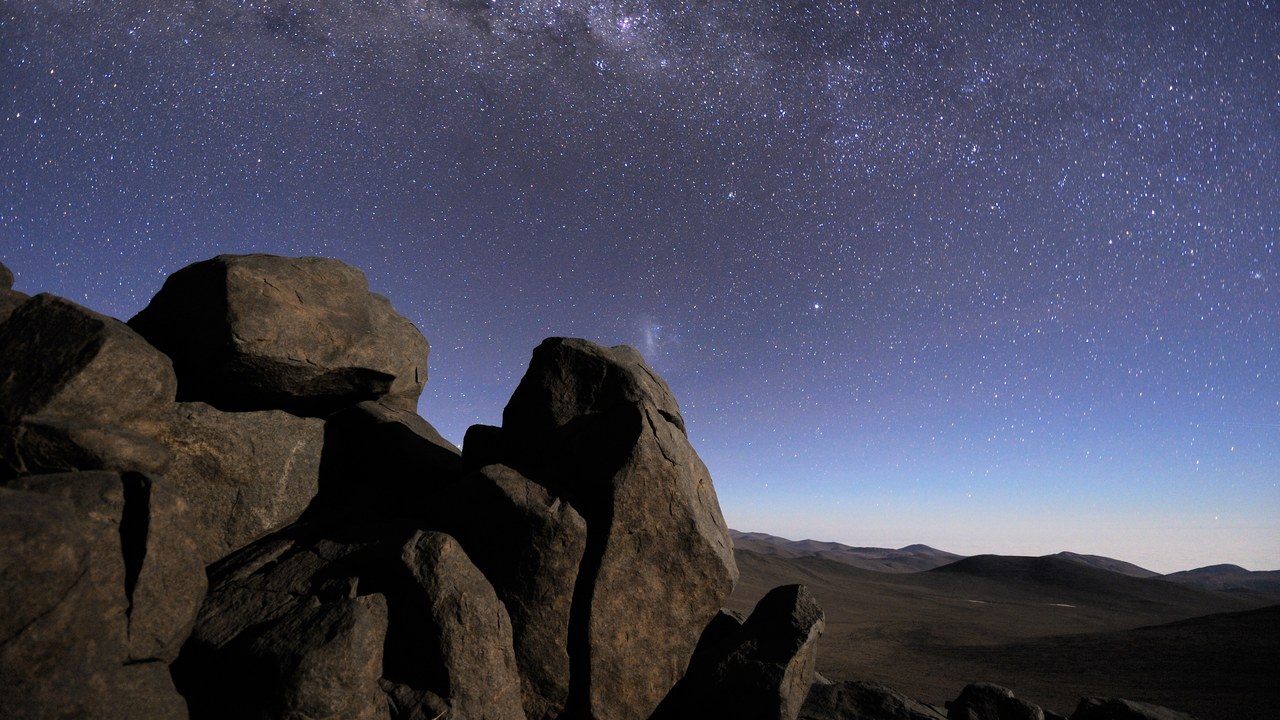
Where did it come from? The comet appears to have originated in either the Milky Way’s thin disk or its thick disk, and if it came from the thick disk, it could be at least 7 billion years old, older than our solar system.
Interstellar comets like it are thought to form much like our own comets, flung out during the violent formation of planets around another star. Untethered to any star, 3I/ATLAS likely spent billions of years on what Cordiner called “vast unimaginable trajectories around our galaxy” before it ever reached us.
More from Morning Overview
- A handful of car transmissions are so tough that mechanics say they almost never die
- Melting permafrost is setting off a newly identified kind of catastrophic landslide, scientists say
- Cadillac cut the price of its cheapest EV, which goes up to 317 miles on a charge
- Winter weather advisories cover I-80, I-70 and the Bighorns with up to 15 inches of snow
